














#europedefense
India Enters Top Five as Global Defense Spending Surge
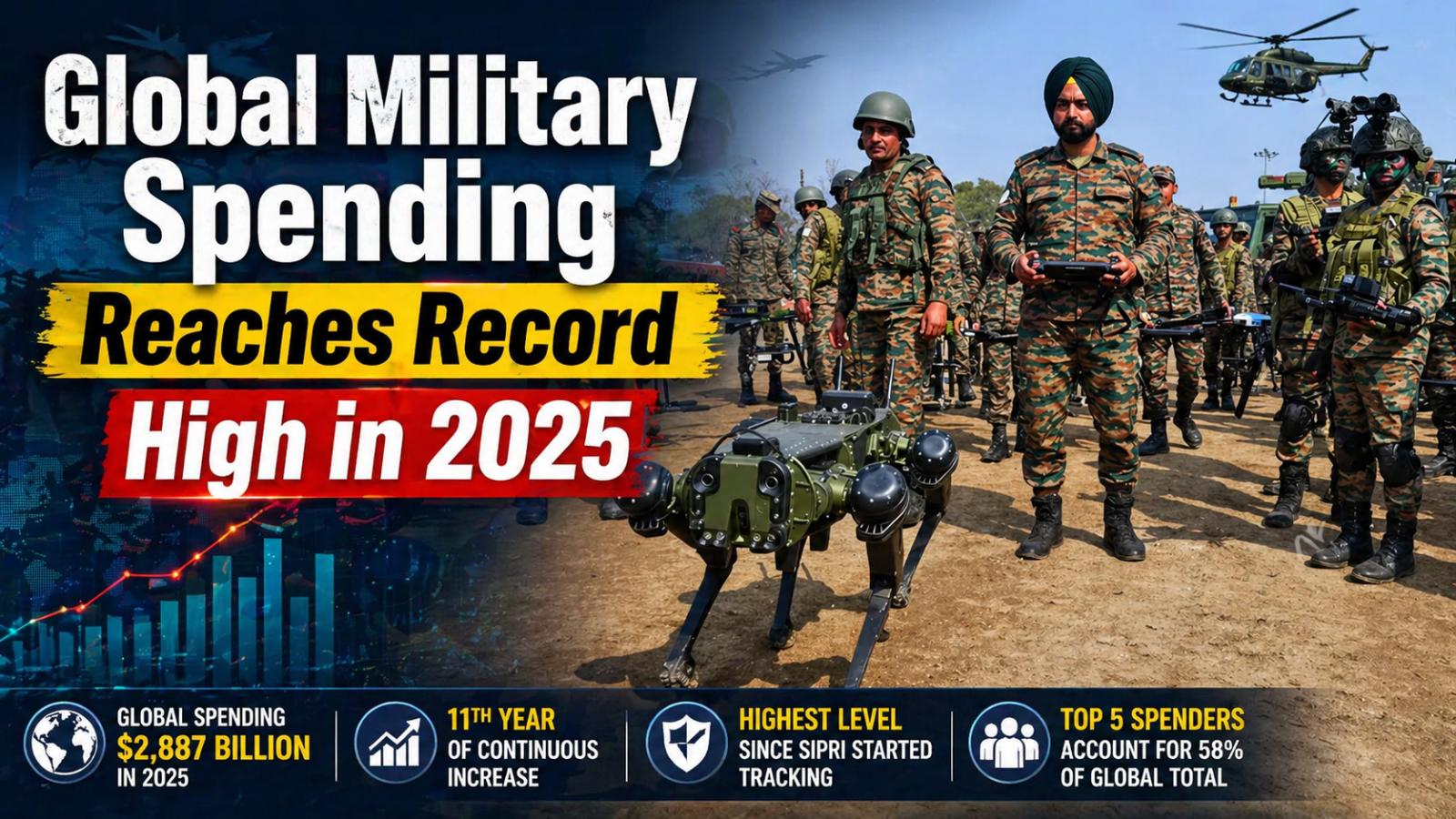
Global military spending reached a record $2,887 billion in 2025, marking the eleventh consecutive year of growth and the highest level ever recorded. According to the latest SIPRI report, the increase reflects rising geopolitical tensions, ongoing conflicts, and a shifting global security environment that has prompted governments to expand their defense budgets. India emerged as one of the world’s top military spenders, entering the top five for the first time with total expenditure of $92.1 billion. The country’s defense spending rose by 8.9 percent, reflecting heightened security concerns and operational demands. The report noted that this increase coincided with armed tensions involving Pakistan in May 2025, during which India deployed a range of military assets including aircraft, drones, and missile systems. The five largest spenders—the United States, China, Russia, Germany, and India—collectively accounted for 58 percent of global military expenditure, totaling $1,686 billion. Pakistan also increased its defense budget by 11 percent to $11.9 billion, driven largely by procurement activities and ongoing modernization efforts following regional tensions. Europe was identified as the primary contributor to the global rise in military spending, with a 14 percent increase bringing the region’s total to $864 billion. This marked the fastest growth in Central and Western Europe since the Cold War, as countries accelerated rearmament programs in response to security concerns, particularly the ongoing conflict involving Russia and Ukraine. The United States remained the largest military spender globally, allocating $954 billion in 2025. However, this represented a 7.5 percent decline compared to the previous year. The decrease was attributed mainly to reduced financial assistance to Ukraine, contrasting with higher levels of support in earlier years. Overall, the data highlights a continued global trend toward increased defense investment, driven by evolving security challenges and shifting geopolitical dynamics.
India Enters Top Five as Global Defense Spending Surge
Global military spending reached a record $2,887 billion in 2025, marking the eleventh consecutive year of growth and the highest level ever recorded. According to the latest SIPRI report, the increase reflects rising geopolitical tensions, ongoing conflicts, and a shifting global security environment that has prompted governments to expand their defense budgets. India emerged as one of the world’s top military spenders, entering the top five for the first time with total expenditure of $92.1 billion. The country’s defense spending rose by 8.9 percent, reflecting heightened security concerns and operational demands. The report noted that this increase coincided with armed tensions involving Pakistan in May 2025, during which India deployed a range of military assets including aircraft, drones, and missile systems. The five largest spenders—the United States, China, Russia, Germany, and India—collectively accounted for 58 percent of global military expenditure, totaling $1,686 billion. Pakistan also increased its defense budget by 11 percent to $11.9 billion, driven largely by procurement activities and ongoing modernization efforts following regional tensions. Europe was identified as the primary contributor to the global rise in military spending, with a 14 percent increase bringing the region’s total to $864 billion. This marked the fastest growth in Central and Western Europe since the Cold War, as countries accelerated rearmament programs in response to security concerns, particularly the ongoing conflict involving Russia and Ukraine. The United States remained the largest military spender globally, allocating $954 billion in 2025. However, this represented a 7.5 percent decline compared to the previous year. The decrease was attributed mainly to reduced financial assistance to Ukraine, contrasting with higher levels of support in earlier years. Overall, the data highlights a continued global trend toward increased defense investment, driven by evolving security challenges and shifting geopolitical dynamics.
Russia warns of countermeasures over Greenland militarisation
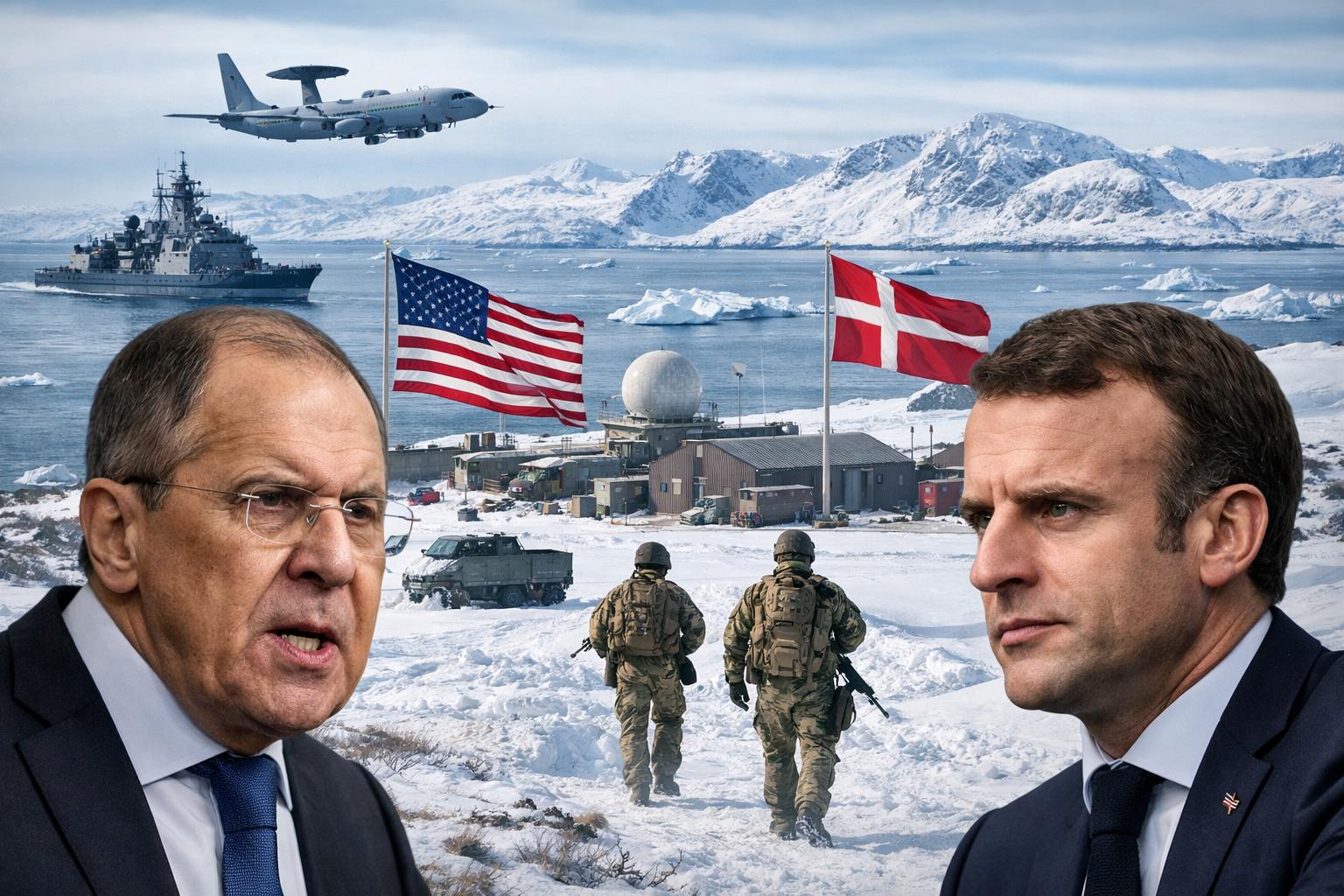
Russia has warned that it will respond with military countermeasures if Western nations expand their security presence in Greenland, escalating tensions around the strategically important Arctic territory and widening strains between Moscow, Washington and European capitals. Speaking to Russian lawmakers on Wednesday, Foreign Minister Sergei Lavrov said any move to militarise Greenland or establish military capabilities that could threaten Russia would prompt trigger a proportional
Russia warns of countermeasures over Greenland militarisation
Russia has warned that it will respond with military countermeasures if Western nations expand their security presence in Greenland, escalating tensions around the strategically important Arctic territory and widening strains between Moscow, Washington and European capitals. Speaking to Russian lawmakers on Wednesday, Foreign Minister Sergei Lavrov said any move to militarise Greenland or establish military capabilities that could threaten Russia would prompt trigger a proportional
Rutte stresses US role in Europe’s defense during NATO and Greenland debate
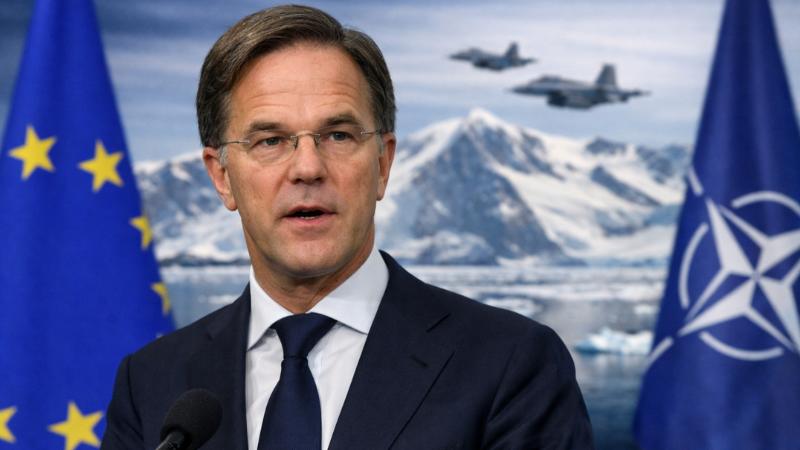
NATO Secretary General Mark Rutte has reiterated that Europe remains fundamentally dependent on the United States for its collective defense, pushing back against any notion that the continent could independently guarantee its security. Speaking to lawmakers at the European Parliament on Monday, Rutte emphasized that the transatlantic alliance remains indispensable at a time of rising geopolitical uncertainty and renewed debate over Europe’s military capabilities. Rutte’s remark
Rutte stresses US role in Europe’s defense during NATO and Greenland debate
NATO Secretary General Mark Rutte has reiterated that Europe remains fundamentally dependent on the United States for its collective defense, pushing back against any notion that the continent could independently guarantee its security. Speaking to lawmakers at the European Parliament on Monday, Rutte emphasized that the transatlantic alliance remains indispensable at a time of rising geopolitical uncertainty and renewed debate over Europe’s military capabilities. Rutte’s remark


