#eutrade
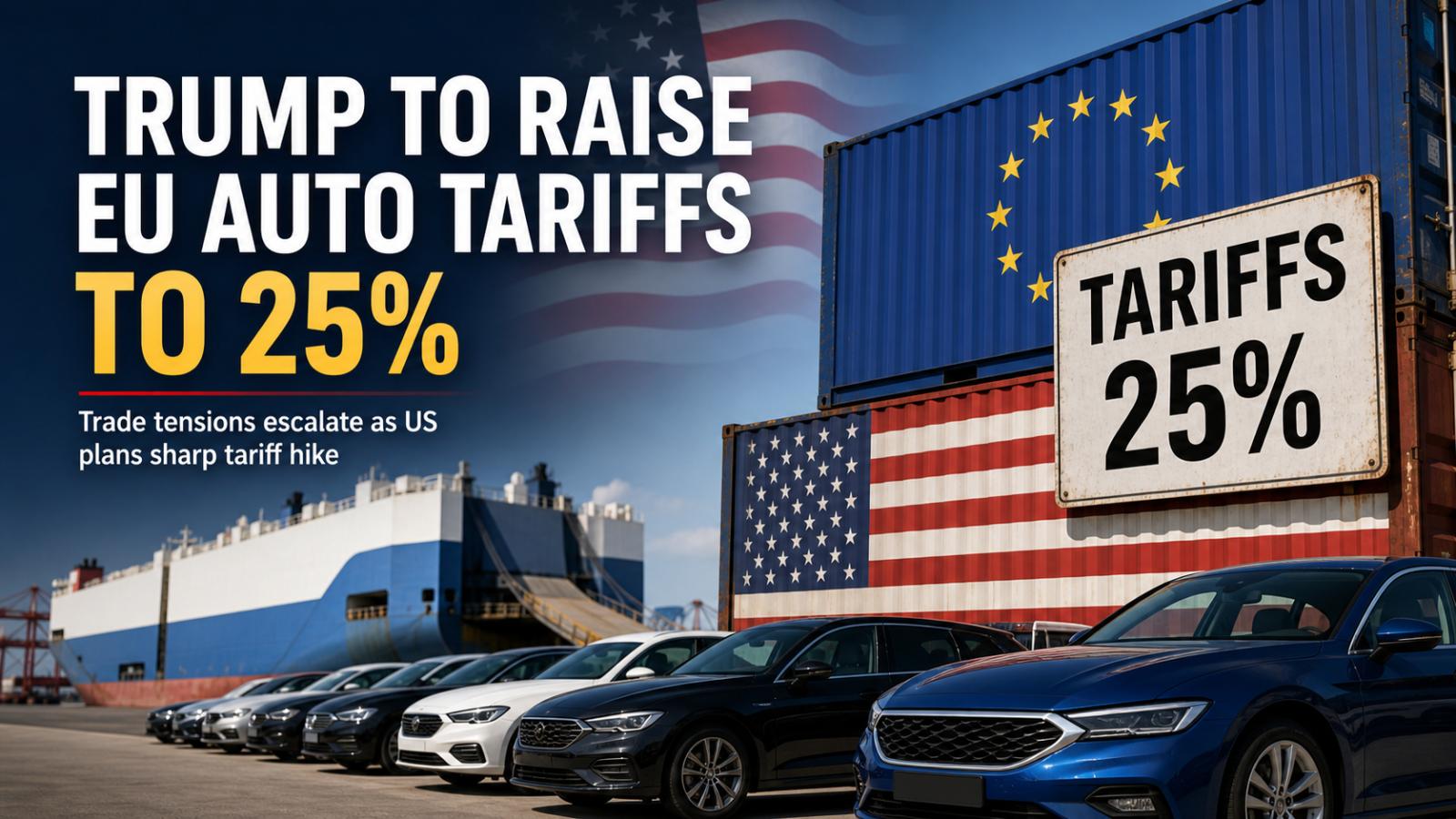
Will Trump raise EU auto tariffs to 25%? Yes, escalation risks trade tensions
Trump signals sharp increase in tariffs on EU vehicles WASHINGTON — On Friday, May 1, 2026, U.S. President Donald Trump announced plans to raise tariffs on cars and trucks imported from the European Union to 25%, signaling a significant shift in U.S.-EU trade policy. The move, shared publicly in a statement, comes at a time when global markets remain sensitive to policy changes and could trigger broader economic repercussions. Trump stated that the European Union was “not complying” with the previously agreed trade deal, though he did not provide specific details regarding the alleged violations. The announcement marks a departure from the earlier tariff framework negotiated between both sides. Background of the US-EU Turnberry trade framework The current dispute traces back to a bilateral agreement reached in July 2025 between Trump and Ursula von der Leyen, which set a 15% tariff ceiling on most traded goods. Known as the Turnberry Agreement, the arrangement aimed to stabilize trade relations and reduce uncertainty for industries on both sides of the Atlantic. Both the United States and the European Union had reaffirmed their commitment to maintaining this framework even after legal and policy challenges emerged earlier in 2026. Legal challenges reshape tariff authority The agreement’s stability was called into question after a ruling by the U.S. Supreme Court, which determined that the president lacked authority to impose tariffs under an economic emergency declaration. Following the ruling, tariff limits were effectively reduced, prompting the administration to explore alternative legal pathways to implement new import taxes. Ongoing investigations into trade imbalances and national security concerns have since been cited by the administration as justification for a revised tariff strategy, potentially putting the original agreement at risk. Economic stakes for EU and global markets The European Union has consistently emphasized the importance of maintaining agreed tariff limits, noting that the deal was expected to save its automotive sector between €500 million and €600 million monthly. Trade between the U.S. and EU reached approximately €1.7 trillion ($2 trillion) in 2024, highlighting the scale of economic interdependence. European officials have reiterated that commitments under the agreement should be upheld, stressing that EU exports must continue to benefit from competitive tariff treatment without unexpected increases. Rising tensions threaten trade stability The proposed tariff increase introduces fresh uncertainty into one of the world’s largest trading relationships. Analysts warn that such measures could disrupt supply chains, increase costs for manufacturers and consumers, and strain diplomatic ties. As the administration moves forward with its trade investigations, the future of the U.S.-EU trade framework remains uncertain, with potential implications extending beyond the automotive sector into the broader global economy.
Will Trump raise EU auto tariffs to 25%? Yes, escalation risks trade tensions
Trump signals sharp increase in tariffs on EU vehicles WASHINGTON — On Friday, May 1, 2026, U.S. President Donald Trump announced plans to raise tariffs on cars and trucks imported from the European Union to 25%, signaling a significant shift in U.S.-EU trade policy. The move, shared publicly in a statement, comes at a time when global markets remain sensitive to policy changes and could trigger broader economic repercussions. Trump stated that the European Union was “not complying” with the previously agreed trade deal, though he did not provide specific details regarding the alleged violations. The announcement marks a departure from the earlier tariff framework negotiated between both sides. Background of the US-EU Turnberry trade framework The current dispute traces back to a bilateral agreement reached in July 2025 between Trump and Ursula von der Leyen, which set a 15% tariff ceiling on most traded goods. Known as the Turnberry Agreement, the arrangement aimed to stabilize trade relations and reduce uncertainty for industries on both sides of the Atlantic. Both the United States and the European Union had reaffirmed their commitment to maintaining this framework even after legal and policy challenges emerged earlier in 2026. Legal challenges reshape tariff authority The agreement’s stability was called into question after a ruling by the U.S. Supreme Court, which determined that the president lacked authority to impose tariffs under an economic emergency declaration. Following the ruling, tariff limits were effectively reduced, prompting the administration to explore alternative legal pathways to implement new import taxes. Ongoing investigations into trade imbalances and national security concerns have since been cited by the administration as justification for a revised tariff strategy, potentially putting the original agreement at risk. Economic stakes for EU and global markets The European Union has consistently emphasized the importance of maintaining agreed tariff limits, noting that the deal was expected to save its automotive sector between €500 million and €600 million monthly. Trade between the U.S. and EU reached approximately €1.7 trillion ($2 trillion) in 2024, highlighting the scale of economic interdependence. European officials have reiterated that commitments under the agreement should be upheld, stressing that EU exports must continue to benefit from competitive tariff treatment without unexpected increases. Rising tensions threaten trade stability The proposed tariff increase introduces fresh uncertainty into one of the world’s largest trading relationships. Analysts warn that such measures could disrupt supply chains, increase costs for manufacturers and consumers, and strain diplomatic ties. As the administration moves forward with its trade investigations, the future of the U.S.-EU trade framework remains uncertain, with potential implications extending beyond the automotive sector into the broader global economy.
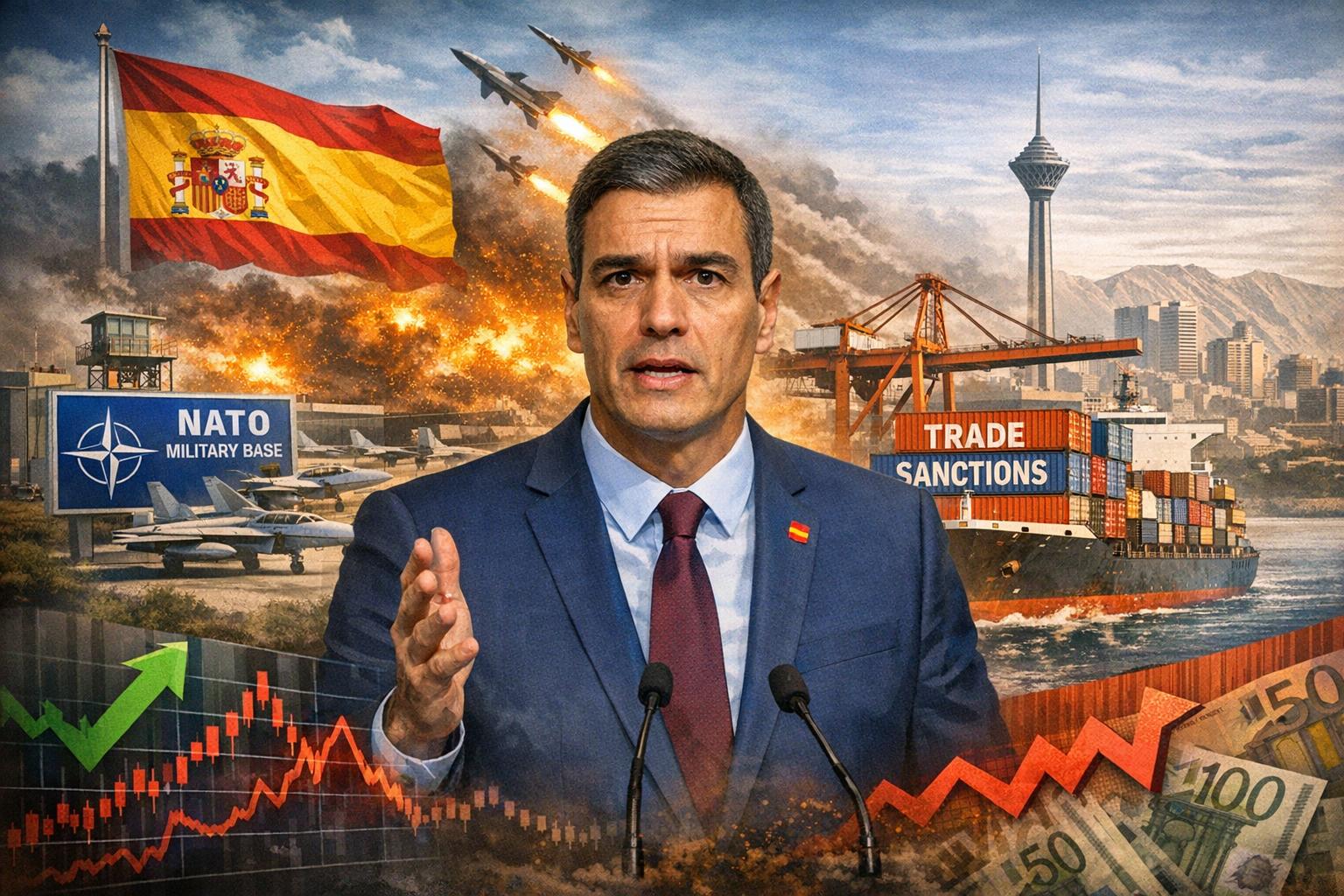
Spain PM rejects war, responds to trade threat over air base dispute
Spanish Prime Minister Pedro Sánchez has strongly criticized the ongoing military strikes against Iran, describing the escalation in the Middle East as a “disaster” and warning that the world cannot risk repeating the mistakes of history. His remarks come shortly after a trade threat was issued to Spain in response to Madrid’s refusal to allow two jointly operated military bases on Spanish territory to be used in the strikes. In a televised address, Sánchez emphasized the dang
Spain PM rejects war, responds to trade threat over air base dispute
Spanish Prime Minister Pedro Sánchez has strongly criticized the ongoing military strikes against Iran, describing the escalation in the Middle East as a “disaster” and warning that the world cannot risk repeating the mistakes of history. His remarks come shortly after a trade threat was issued to Spain in response to Madrid’s refusal to allow two jointly operated military bases on Spanish territory to be used in the strikes. In a televised address, Sánchez emphasized the dang
India and EU conclude free trade talks ahead of New Delhi summit
India and the European Union are set to announce the conclusion of negotiations on a long-awaited free trade agreement during a high-level summit in New Delhi on January 27. Senior leaders from both sides are expected to participate in the meeting, which will focus on trade liberalisation, security cooperation and mobility arrangements for students and professionals. The conclusion of the talks marks a significant moment in bilateral relations, reflecting renewed political momentum after years of intermittent progress. Officials involved in the process have indicated that the agreement is designed to be balanced and forward-looking, aligning with the long-term economic interests of both partners. While the pact is expected to boost trade volumes, policymakers see it as a qualitative shift in India–EU engagement, strengthening cooperation across manufacturing, services, technology and sustainable development. The timing is notable, as global trade flows continue to face uncertainty amid rising tariff barriers and geopolitical tensions. Economic experts have described the agreement as a landmark step that could reshape commercial ties between the two economies. They point to strong complementarities, with India offering a large and growing market and the European Union bringing advanced technology, investment capacity and diversified demand. The efficient exchange of goods and services under the agreement is expected to enhance supply chains and open new opportunities for businesses on both sides. From India’s perspective, the trade pact reflects a strategic effort to deepen integration with major global partners while safeguarding domestic priorities. Officials confirmed that negotiations have been completed and that the agreement is undergoing final legal review. The remaining procedural steps are expected to be completed soon, paving the way for formal signing and implementation. The announcement has drawn international attention, including criticism from some quarters in the United States. A senior US official recently expressed concern over the deal, linking it to broader disputes over energy trade and tariffs. The remarks underscored differing approaches to trade policy and highlighted how the India–EU agreement fits into a complex global economic landscape shaped by competing interests and sanctions regimes. The summit in New Delhi is also expected to mark progress beyond trade. Leaders are likely to finalise a Security and Defence Partnership aimed at enhancing strategic coordination, as well as a framework to facilitate mobility for Indian students and professionals seeking opportunities in Europe. These initiatives reflect a broader effort to strengthen people-to-people ties and cooperation in emerging areas of mutual interest. Negotiations for an India–EU free trade agreement first began in 2007 but were suspended in 2013 due to differences over ambition and market access. The process was revived in 2022, following renewed political commitment on both sides to address outstanding issues and adapt the talks to changing global conditions. The European Union remains India’s largest trading partner, accounting for a significant share of the country’s total trade in goods and services. With the conclusion of the free trade negotiations, both sides are positioning the agreement as a cornerstone of their economic relationship, one that could provide stability and growth amid an evolving global trade environment.
India and EU conclude free trade talks ahead of New Delhi summit
India and the European Union are set to announce the conclusion of negotiations on a long-awaited free trade agreement during a high-level summit in New Delhi on January 27. Senior leaders from both sides are expected to participate in the meeting, which will focus on trade liberalisation, security cooperation and mobility arrangements for students and professionals. The conclusion of the talks marks a significant moment in bilateral relations, reflecting renewed political momentum after years of intermittent progress. Officials involved in the process have indicated that the agreement is designed to be balanced and forward-looking, aligning with the long-term economic interests of both partners. While the pact is expected to boost trade volumes, policymakers see it as a qualitative shift in India–EU engagement, strengthening cooperation across manufacturing, services, technology and sustainable development. The timing is notable, as global trade flows continue to face uncertainty amid rising tariff barriers and geopolitical tensions. Economic experts have described the agreement as a landmark step that could reshape commercial ties between the two economies. They point to strong complementarities, with India offering a large and growing market and the European Union bringing advanced technology, investment capacity and diversified demand. The efficient exchange of goods and services under the agreement is expected to enhance supply chains and open new opportunities for businesses on both sides. From India’s perspective, the trade pact reflects a strategic effort to deepen integration with major global partners while safeguarding domestic priorities. Officials confirmed that negotiations have been completed and that the agreement is undergoing final legal review. The remaining procedural steps are expected to be completed soon, paving the way for formal signing and implementation. The announcement has drawn international attention, including criticism from some quarters in the United States. A senior US official recently expressed concern over the deal, linking it to broader disputes over energy trade and tariffs. The remarks underscored differing approaches to trade policy and highlighted how the India–EU agreement fits into a complex global economic landscape shaped by competing interests and sanctions regimes. The summit in New Delhi is also expected to mark progress beyond trade. Leaders are likely to finalise a Security and Defence Partnership aimed at enhancing strategic coordination, as well as a framework to facilitate mobility for Indian students and professionals seeking opportunities in Europe. These initiatives reflect a broader effort to strengthen people-to-people ties and cooperation in emerging areas of mutual interest. Negotiations for an India–EU free trade agreement first began in 2007 but were suspended in 2013 due to differences over ambition and market access. The process was revived in 2022, following renewed political commitment on both sides to address outstanding issues and adapt the talks to changing global conditions. The European Union remains India’s largest trading partner, accounting for a significant share of the country’s total trade in goods and services. With the conclusion of the free trade negotiations, both sides are positioning the agreement as a cornerstone of their economic relationship, one that could provide stability and growth amid an evolving global trade environment.
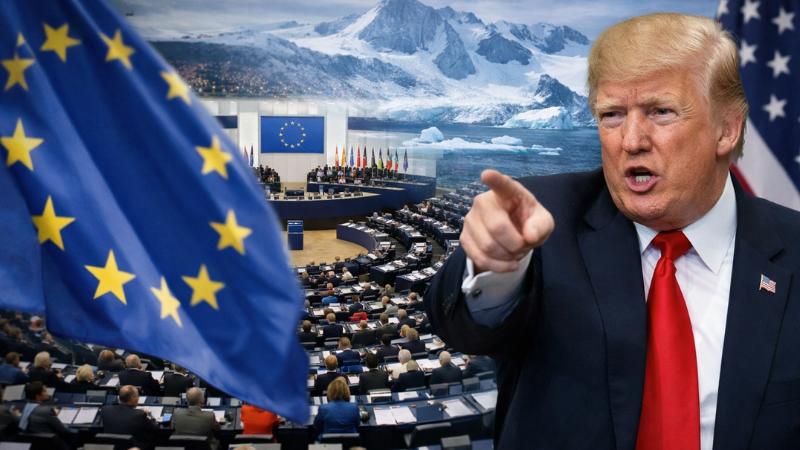
European Parliament halts EU-US trade deal talks amid Trump tariff and Greenland threats
The European Parliament has suspended its work on a proposed trade agreement between the European Union and the United States, citing escalating political pressure from US President
European Parliament halts EU-US trade deal talks amid Trump tariff and Greenland threats
The European Parliament has suspended its work on a proposed trade agreement between the European Union and the United States, citing escalating political pressure from US President
Trump delays 50% EU tariffs to July 9 as markets eye upcoming trade talks
In a decision that briefly stabilized markets while leaving fundamental uncertainties unresolved, U.S. President Donald Trump announced a delay in the implementation of proposed 50% tariffs on European Union goods. Originally set to begin on June 1, the tariffs are now scheduled to take effect on July 9. The delay came after a conversation between Trump and EU Commission President Ursula von der Leyen, who expressed the EU’s readiness to accelerate trade negotiations and reach a fair deal.
Trump delays 50% EU tariffs to July 9 as markets eye upcoming trade talks
In a decision that briefly stabilized markets while leaving fundamental uncertainties unresolved, U.S. President Donald Trump announced a delay in the implementation of proposed 50% tariffs on European Union goods. Originally set to begin on June 1, the tariffs are now scheduled to take effect on July 9. The delay came after a conversation between Trump and EU Commission President Ursula von der Leyen, who expressed the EU’s readiness to accelerate trade negotiations and reach a fair deal.