





















Mikie Sherrill sworn in as New Jersey governor after decisive election victory
Mikie Sherrill was inaugurated Tuesday as New Jersey’s 57th governor, marking a historic transition of leadership following a campaign that centered on rising costs, energy policy, and opposition to President Donald Trump’s economic agenda. The 54-year-old former Navy helicopter pilot and four-term congresswoman becomes only the second woman to serve as governor of the state, which is home to nearly 9.5 million residents. Sherrill secured a decisive victory in November over a Republican opponent endorsed by Trump, framing the election as a referendum on federal policies that she argued were driving up everyday expenses. Throughout her campaign, she placed particular emphasis on the impact of tariffs on consumer prices and pledged immediate action to address escalating utility rates. That promise was reflected in her first official acts as governor, as she signed executive orders declaring a freeze on utility rates and initiating steps to expand electricity production, including investments in solar and nuclear energy. Speaking at the New Jersey Performing Arts Center in Newark, Sherrill invoked the state’s role in the Revolutionary War and referenced grievances from the Declaration of Independence, drawing a sharp comparison between those historic complaints and her criticism of the current administration. She accused the president of overstepping constitutional authority through trade policies that, she said, benefited a narrow few while increasing costs for families and businesses. Sherrill emphasized that public office should be rooted in service to the public, a theme that resonated with supporters who formed the backbone of her winning coalition in urban centers such as Newark. Sherrill took the oath of office on a copy of the Constitution once owned by New Jersey’s first governor, underscoring the symbolic weight of the ceremony. While past inaugurations have featured artillery salutes along the Delaware River near the statehouse in Trenton, this year’s event included a ceremonial gun salute and a military helicopter flyover, reflecting both tradition and Sherrill’s own military background. She succeeds outgoing Democratic Governor Phil Murphy, who leaves office after two terms marked by a series of progressive policy initiatives. During his tenure, Murphy raised taxes on high-income earners, increased the minimum wage, expanded early childhood education, and fully funded the state workers’ pension system after years of underfunding. In his final news conference, Murphy said he had been in close contact with Sherrill during the transition and described his administration as having delivered on its campaign promises. However, Sherrill inherits a state budget that has grown significantly over the past several years, raising concerns about potential shortfalls if revenues decline. The budget also includes an ongoing commitment to a property tax relief program that remains unfunded beyond its initial phase, presenting an early fiscal challenge for the new administration. With Democrats maintaining control of both the governorship and the Legislature, Sherrill is expected to have a relatively favorable environment for advancing her agenda. Her inauguration coincides with a broader political moment, as attention begins to shift toward upcoming midterm elections. Party leaders hope that continued dissatisfaction with federal policies will influence key races across the country. An inaugural ball is scheduled for later Tuesday evening at the American Dream megamall in East Rutherford, concluding a day that formally ushers in a new chapter in New Jersey’s political leadership.
Mikie Sherrill sworn in as New Jersey governor after decisive election victory
Mikie Sherrill was inaugurated Tuesday as New Jersey’s 57th governor, marking a historic transition of leadership following a campaign that centered on rising costs, energy policy, and opposition to President Donald Trump’s economic agenda. The 54-year-old former Navy helicopter pilot and four-term congresswoman becomes only the second woman to serve as governor of the state, which is home to nearly 9.5 million residents. Sherrill secured a decisive victory in November over a Republican opponent endorsed by Trump, framing the election as a referendum on federal policies that she argued were driving up everyday expenses. Throughout her campaign, she placed particular emphasis on the impact of tariffs on consumer prices and pledged immediate action to address escalating utility rates. That promise was reflected in her first official acts as governor, as she signed executive orders declaring a freeze on utility rates and initiating steps to expand electricity production, including investments in solar and nuclear energy. Speaking at the New Jersey Performing Arts Center in Newark, Sherrill invoked the state’s role in the Revolutionary War and referenced grievances from the Declaration of Independence, drawing a sharp comparison between those historic complaints and her criticism of the current administration. She accused the president of overstepping constitutional authority through trade policies that, she said, benefited a narrow few while increasing costs for families and businesses. Sherrill emphasized that public office should be rooted in service to the public, a theme that resonated with supporters who formed the backbone of her winning coalition in urban centers such as Newark. Sherrill took the oath of office on a copy of the Constitution once owned by New Jersey’s first governor, underscoring the symbolic weight of the ceremony. While past inaugurations have featured artillery salutes along the Delaware River near the statehouse in Trenton, this year’s event included a ceremonial gun salute and a military helicopter flyover, reflecting both tradition and Sherrill’s own military background. She succeeds outgoing Democratic Governor Phil Murphy, who leaves office after two terms marked by a series of progressive policy initiatives. During his tenure, Murphy raised taxes on high-income earners, increased the minimum wage, expanded early childhood education, and fully funded the state workers’ pension system after years of underfunding. In his final news conference, Murphy said he had been in close contact with Sherrill during the transition and described his administration as having delivered on its campaign promises. However, Sherrill inherits a state budget that has grown significantly over the past several years, raising concerns about potential shortfalls if revenues decline. The budget also includes an ongoing commitment to a property tax relief program that remains unfunded beyond its initial phase, presenting an early fiscal challenge for the new administration. With Democrats maintaining control of both the governorship and the Legislature, Sherrill is expected to have a relatively favorable environment for advancing her agenda. Her inauguration coincides with a broader political moment, as attention begins to shift toward upcoming midterm elections. Party leaders hope that continued dissatisfaction with federal policies will influence key races across the country. An inaugural ball is scheduled for later Tuesday evening at the American Dream megamall in East Rutherford, concluding a day that formally ushers in a new chapter in New Jersey’s political leadership.
India and US review strategic cooperation in Jaishankar–Rubio conversation
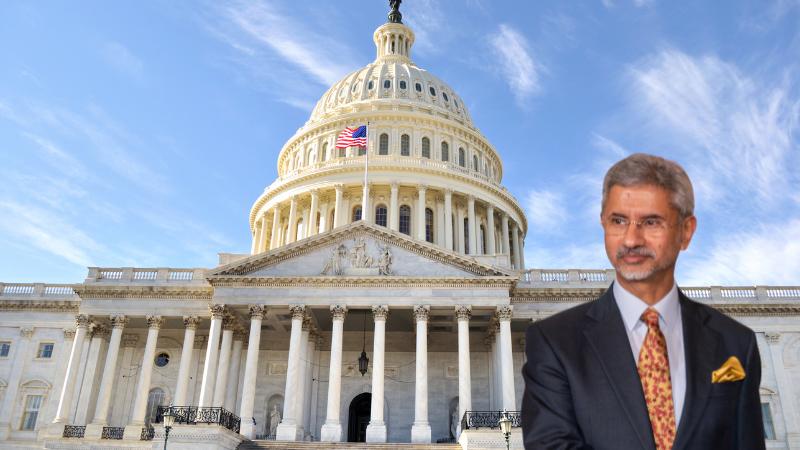
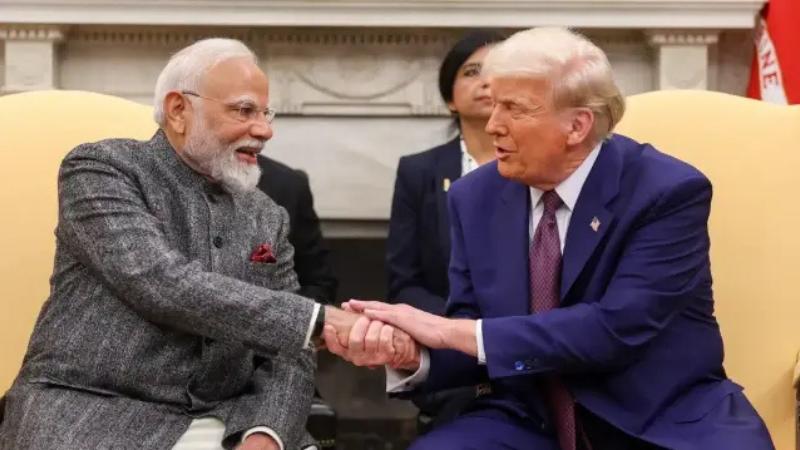
External Affairs Minister S Jaishankar on Tuesday said he held a constructive and wide-ranging discussion with United States Secretary of State Marco Rubio, focusing on key areas of bilateral and strategic cooperation between the two countries. The conversation reflected the ongoing engagement between New Delhi and Washington as both sides continue to strengthen ties across multiple sectors of mutual interest. In a message shared on social media platform X, Jaishankar described the interaction as a “good conversation,” noting that the talks covered important subjects including trade, critical minerals, nuclear cooperation, defence collaboration and energy security. These areas have emerged as central pillars of the evolving India-US partnership, particularly in the context of shifting global economic and geopolitical dynamics. The discussion on trade and economic engagement comes at a time when both countries are exploring ways to deepen supply chain resilience and expand market access. Cooperation on critical minerals has gained added importance amid global efforts to secure resources essential for advanced manufacturing, clean energy technologies and strategic industries. Nuclear cooperation and defence ties were also part of the agenda, underscoring the growing convergence in security interests and technological collaboration. Energy cooperation featured prominently in the talks, reflecting shared priorities related to energy security, sustainability and long-term growth. India and the United States have increasingly worked together on conventional and clean energy initiatives, including efforts to address climate challenges while meeting rising energy demands. Jaishankar said both sides agreed to remain in close touch on these and other issues, signalling continuity in diplomatic engagement and policy coordination. The exchange highlights the emphasis placed by both governments on maintaining regular dialogue to address global challenges, regional stability and economic opportunities. The conversation forms part of ongoing diplomatic efforts to reinforce the strategic partnership between India and the United States, which continues to expand across political, economic and security domains.
India and US review strategic cooperation in Jaishankar–Rubio conversation
External Affairs Minister S Jaishankar on Tuesday said he held a constructive and wide-ranging discussion with United States Secretary of State Marco Rubio, focusing on key areas of bilateral and strategic cooperation between the two countries. The conversation reflected the ongoing engagement between New Delhi and Washington as both sides continue to strengthen ties across multiple sectors of mutual interest. In a message shared on social media platform X, Jaishankar described the interaction as a “good conversation,” noting that the talks covered important subjects including trade, critical minerals, nuclear cooperation, defence collaboration and energy security. These areas have emerged as central pillars of the evolving India-US partnership, particularly in the context of shifting global economic and geopolitical dynamics. The discussion on trade and economic engagement comes at a time when both countries are exploring ways to deepen supply chain resilience and expand market access. Cooperation on critical minerals has gained added importance amid global efforts to secure resources essential for advanced manufacturing, clean energy technologies and strategic industries. Nuclear cooperation and defence ties were also part of the agenda, underscoring the growing convergence in security interests and technological collaboration. Energy cooperation featured prominently in the talks, reflecting shared priorities related to energy security, sustainability and long-term growth. India and the United States have increasingly worked together on conventional and clean energy initiatives, including efforts to address climate challenges while meeting rising energy demands. Jaishankar said both sides agreed to remain in close touch on these and other issues, signalling continuity in diplomatic engagement and policy coordination. The exchange highlights the emphasis placed by both governments on maintaining regular dialogue to address global challenges, regional stability and economic opportunities. The conversation forms part of ongoing diplomatic efforts to reinforce the strategic partnership between India and the United States, which continues to expand across political, economic and security domains.
US condemns Russia over nuclear-capable Oreshnik missile use in Ukraine
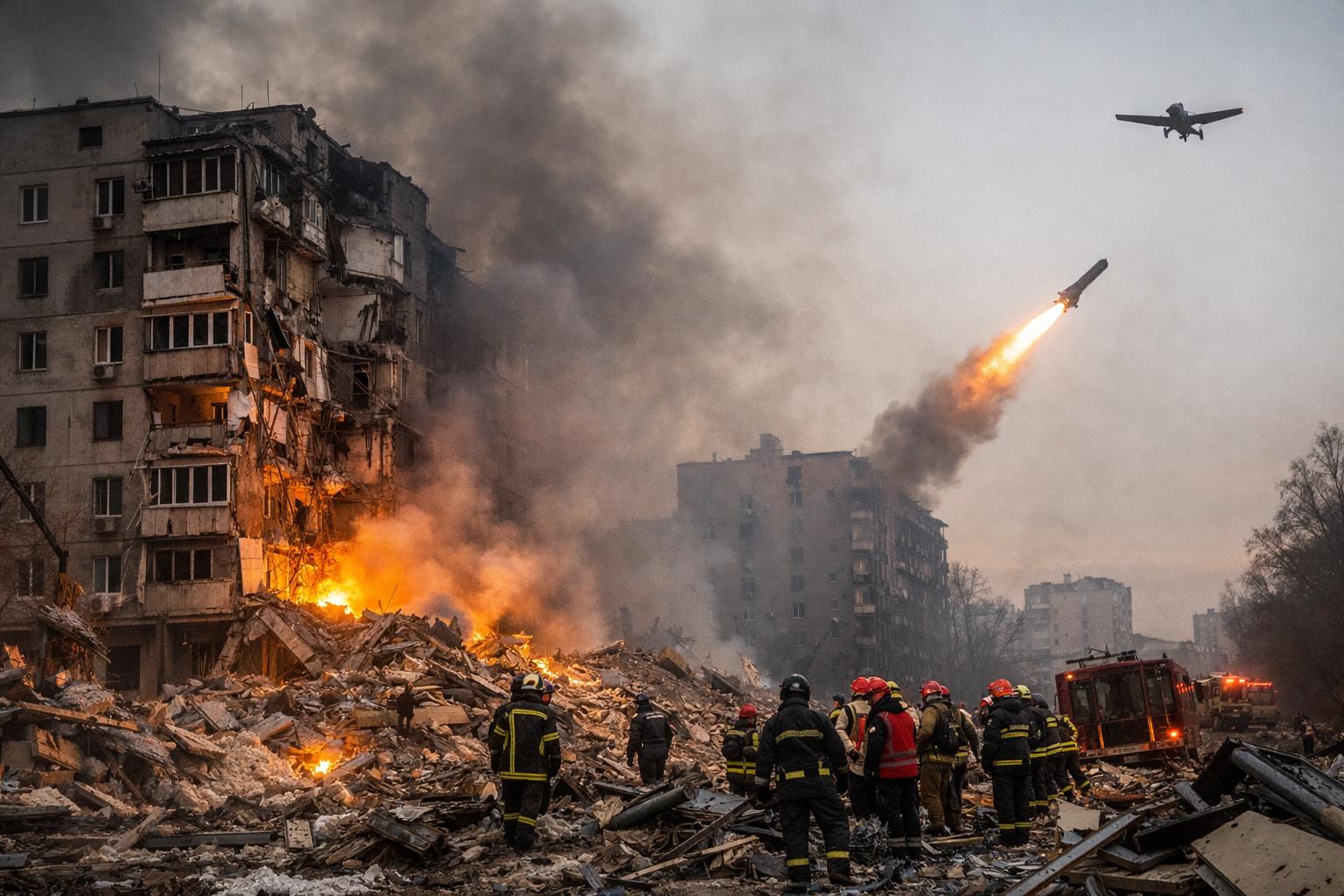
The United States sharply criticised Russia on Monday, January 12, for its use of a nuclear-capable Oreshnik ballistic missile in Ukraine, describing the launch as a dangerous and unjustified escalation of the ongoing conflict. The condemnation was delivered during an emergency meeting of the United Nations Security Council convened to address the latest developments in the war. Addressing the council, US Deputy Ambassador to the United Nations Tammy Bruce said Russia’s decision t
US condemns Russia over nuclear-capable Oreshnik missile use in Ukraine
The United States sharply criticised Russia on Monday, January 12, for its use of a nuclear-capable Oreshnik ballistic missile in Ukraine, describing the launch as a dangerous and unjustified escalation of the ongoing conflict. The condemnation was delivered during an emergency meeting of the United Nations Security Council convened to address the latest developments in the war. Addressing the council, US Deputy Ambassador to the United Nations Tammy Bruce said Russia’s decision t
Sergio Gor assumes charge as US ambassador to India, outlines trade talks and Pax Silica invite
Sergio Gor formally assumed charge as the United States Ambassador to India on Monday, marking the beginning of a new diplomatic chapter between the two countries. Speaking shortly after taking office, Gor described the relationship between India and the United States as the most consequential global partnership of the century, underlining its growing importance across economic, strategic, and technological domains. He confirmed that fresh trade negotiations between the two sides are schedule
Sergio Gor assumes charge as US ambassador to India, outlines trade talks and Pax Silica invite
Sergio Gor formally assumed charge as the United States Ambassador to India on Monday, marking the beginning of a new diplomatic chapter between the two countries. Speaking shortly after taking office, Gor described the relationship between India and the United States as the most consequential global partnership of the century, underlining its growing importance across economic, strategic, and technological domains. He confirmed that fresh trade negotiations between the two sides are schedule
Trump halts second wave of attacks as Venezuela frees political prisoners
In a significant indication of easing tensions between Washington and Caracas, US President Donald Trump announced on Friday that he has cancelled a planned second wave of military attacks on Venezuela, citing the release of political prisoners and increased cooperation on rebuilding the country’s oil and gas sector. The decision follows recent developments that the US president described as constructive gestures by Venezuelan authorities aimed at de-escalation. Trump said the mov
Trump halts second wave of attacks as Venezuela frees political prisoners
In a significant indication of easing tensions between Washington and Caracas, US President Donald Trump announced on Friday that he has cancelled a planned second wave of military attacks on Venezuela, citing the release of political prisoners and increased cooperation on rebuilding the country’s oil and gas sector. The decision follows recent developments that the US president described as constructive gestures by Venezuelan authorities aimed at de-escalation. Trump said the mov
Venezuela signals openness to energy ties amid sharp criticism of US policy
Venezuela’s interim president Delcy Rodríguez has accused the United States of using allegations related to drug trafficking, democracy, and human rights as a pretext to pursue control over the country’s vast oil resources. Speaking before the Venezuelan Parliament, Rodríguez said that external pressure on the country has long been driven by energy interests rather than genuine political or humanitarian concerns, while emphasizing that Caracas remains open to energy cooperation based on
Venezuela signals openness to energy ties amid sharp criticism of US policy
Venezuela’s interim president Delcy Rodríguez has accused the United States of using allegations related to drug trafficking, democracy, and human rights as a pretext to pursue control over the country’s vast oil resources. Speaking before the Venezuelan Parliament, Rodríguez said that external pressure on the country has long been driven by energy interests rather than genuine political or humanitarian concerns, while emphasizing that Caracas remains open to energy cooperation based on
United States exits 66 international organisations under Trump executive order
President Donald Trump on Wednesday signed an executive order directing the United States to withdraw from 66 international organisations and treaties, marking one of the most extensive reversals of US participation in global institutions in recent history. According to a White House memorandum, the administration determined that continued involvement in these bodies was contrary to the interests of the United States, citing concerns over sovereignty, ideological alignment, and financial comm
United States exits 66 international organisations under Trump executive order
President Donald Trump on Wednesday signed an executive order directing the United States to withdraw from 66 international organisations and treaties, marking one of the most extensive reversals of US participation in global institutions in recent history. According to a White House memorandum, the administration determined that continued involvement in these bodies was contrary to the interests of the United States, citing concerns over sovereignty, ideological alignment, and financial comm
US plans to control Venezuela oil sales as Rubio outlines leverage over interim leaders
United States Secretary of State Marco Rubio said on Wednesday that Washington holds significant leverage over Venezuela’s interim authorities and is preparing to execute a plan that would place control of the country’s oil exports firmly in US hands. Speaking to reporters on Capitol Hill, Rubio said the administration is finalising an arrangement to take possession of oil currently immobilised in Venezuela and sell it on global markets at full market prices. According to Rubio,
US plans to control Venezuela oil sales as Rubio outlines leverage over interim leaders
United States Secretary of State Marco Rubio said on Wednesday that Washington holds significant leverage over Venezuela’s interim authorities and is preparing to execute a plan that would place control of the country’s oil exports firmly in US hands. Speaking to reporters on Capitol Hill, Rubio said the administration is finalising an arrangement to take possession of oil currently immobilised in Venezuela and sell it on global markets at full market prices. According to Rubio,
US–Venezuela crisis – China condemns US pressure on Venezuela oil ties, calls it violation of sovereignty
China on Wednesday strongly criticized reported United States demands aimed at reshaping Venezuela’s oil partnerships, calling the move an act of coercion that violates both national sovereignty and international law. Beijing’s response follows media reports that Washington has sought exclusive control over Venezuela’s oil sector as part of its political and economic engagement with the South American nation. Speaking at a regular press briefing, Chinese Foreign Ministry spoke
US–Venezuela crisis – China condemns US pressure on Venezuela oil ties, calls it violation of sovereignty
China on Wednesday strongly criticized reported United States demands aimed at reshaping Venezuela’s oil partnerships, calling the move an act of coercion that violates both national sovereignty and international law. Beijing’s response follows media reports that Washington has sought exclusive control over Venezuela’s oil sector as part of its political and economic engagement with the South American nation. Speaking at a regular press briefing, Chinese Foreign Ministry spoke
US seizes Russia-flagged oil tanker in Atlantic amid sanctions enforcement
The United States has seized a Russia-flagged oil tanker in the North Atlantic, escalating enforcement of American sanctions and drawing attention to an unusual maritime confrontation involving Russian military assets. The vessel, originally known as Bella-1, was taken into custody on Wednesday following a coordinated operation by US civilian and military authorities acting under a federal court warrant. According to official statements, the seizure was carried out after the tanker
US seizes Russia-flagged oil tanker in Atlantic amid sanctions enforcement
The United States has seized a Russia-flagged oil tanker in the North Atlantic, escalating enforcement of American sanctions and drawing attention to an unusual maritime confrontation involving Russian military assets. The vessel, originally known as Bella-1, was taken into custody on Wednesday following a coordinated operation by US civilian and military authorities acting under a federal court warrant. According to official statements, the seizure was carried out after the tanker
Oil, power and principle: how Guyana reshaped US policy toward Venezuela
For decades, the United States has presented itself as a global guardian of democracy and international law, drawing legitimacy from its own origins in resistance to unchecked authority. Its constitutional structure was designed to restrain executive power, particularly in decisions involving war and foreign intervention. Yet the conduct of contemporary US foreign policy increasingly reflects a different reality, one in which strategic interests and economic leverage often shape moral languag
Oil, power and principle: how Guyana reshaped US policy toward Venezuela
For decades, the United States has presented itself as a global guardian of democracy and international law, drawing legitimacy from its own origins in resistance to unchecked authority. Its constitutional structure was designed to restrain executive power, particularly in decisions involving war and foreign intervention. Yet the conduct of contemporary US foreign policy increasingly reflects a different reality, one in which strategic interests and economic leverage often shape moral languag
Trump claims India cut Russian oil imports after US imposed 50% tariffs
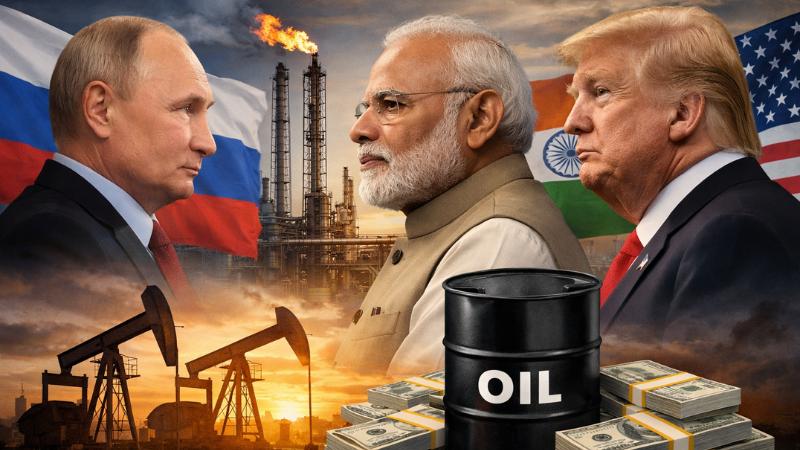
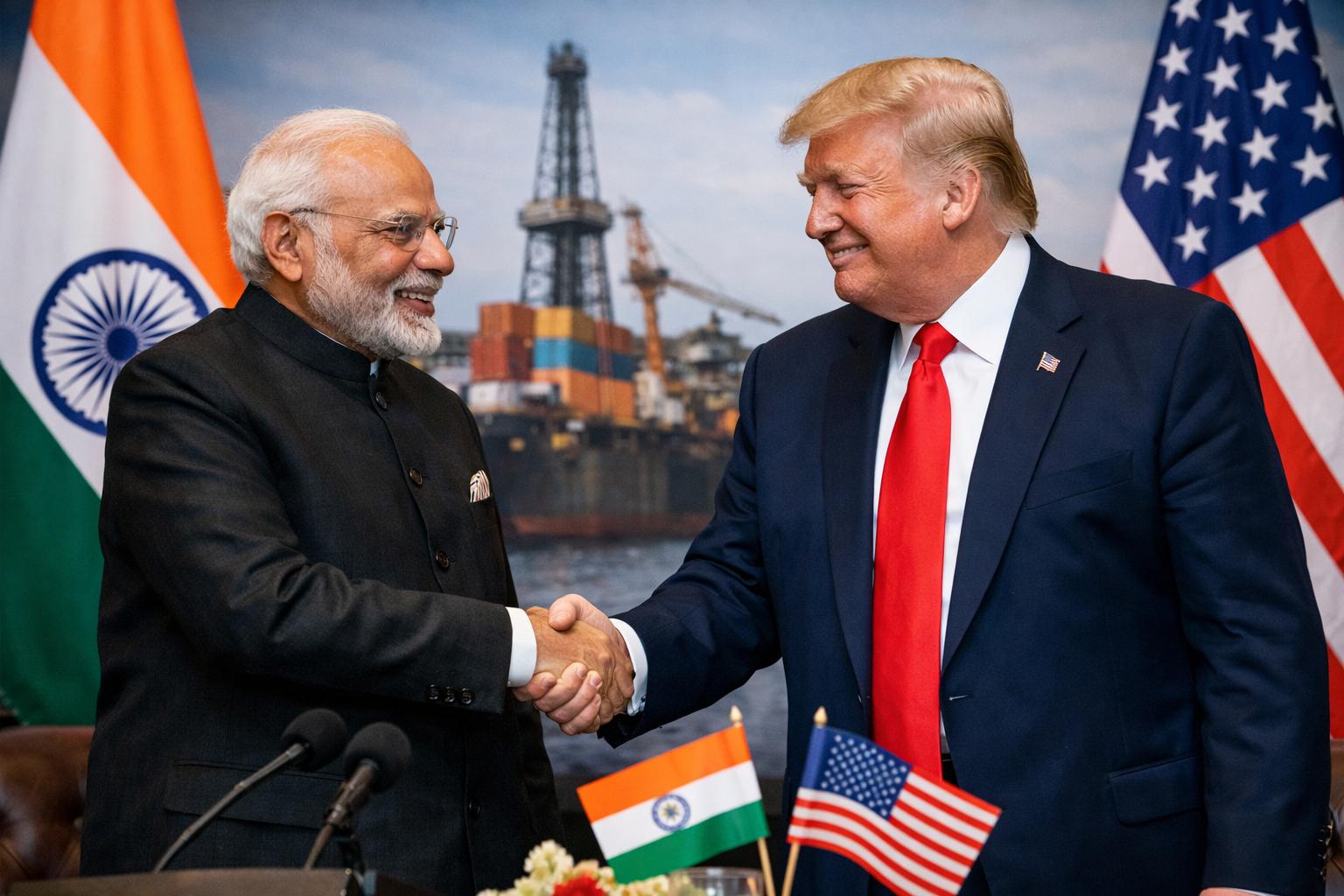
US President Donald Trump on Sunday, January 4, claimed that India has significantly reduced its purchases of Russian oil following the imposition of steep tariffs on Indian goods by Washington. Speaking aboard Air Force One, Trump said his administration’s decision to levy a 50 percent tariff had prompted a response from New Delhi, while also warning that the United States could escalate trade penalties further if necessary. Trump asserted that India’s leadership acted in respo
Trump claims India cut Russian oil imports after US imposed 50% tariffs
US President Donald Trump on Sunday, January 4, claimed that India has significantly reduced its purchases of Russian oil following the imposition of steep tariffs on Indian goods by Washington. Speaking aboard Air Force One, Trump said his administration’s decision to levy a 50 percent tariff had prompted a response from New Delhi, while also warning that the United States could escalate trade penalties further if necessary. Trump asserted that India’s leadership acted in respo
US welcomes India’s SHANTI Bill 2025, signals boost to civil nuclear cooperation
The United States has welcomed India’s newly enacted legislation on nuclear energy, describing it as a significant move toward strengthening bilateral cooperation in the civil nuclear and energy sectors. The response follows President Draupadi Murmu’s assent to the Sustainable Harnessing and Advancement of Nuclear Energy for Transforming India Bill, widely known as the SHANTI Bill, 2025, which introduces far-reaching changes to the country’s nuclear governance framework. In a statement shared on social media, the US Embassy in India said it viewed the new law as an important step toward a stronger energy security partnership and enhanced peaceful civil nuclear cooperation. The embassy added that the United States was prepared to engage with India on joint innovation and research and development initiatives across the energy sector, underscoring the strategic importance Washington places on collaboration in advanced and clean energy technologies. The SHANTI Act marks a decisive shift in India’s approach to civil nuclear power by replacing the Atomic Energy Act of 1962, a law that had remained largely unchanged for more than six decades. The updated framework seeks to modernize regulatory oversight, expand participation, and align India’s nuclear sector with contemporary global practices, while maintaining safety and security as central priorities. Among the most consequential reforms introduced by the new legislation is the opening of India’s civil nuclear sector to private participation for the first time. Until now, nuclear power generation and related activities were almost exclusively handled by state-owned enterprises. The move is expected to attract fresh investment, encourage innovation, and accelerate capacity building in a sector considered critical to India’s long-term energy security and climate commitments. The Act also grants statutory backing to the Atomic Energy Regulatory Board, strengthening its authority and independence. In addition, it outlines a structured licensing regime designed to bring clarity and predictability to approvals and compliance. To address disputes more efficiently, the legislation proposes the establishment of a specialized nuclear tribunal with jurisdiction over matters arising from the sector. Under the provisions of the SHANTI Act, licenses may be issued to a wide range of entities, including government departments, public sector bodies, government-controlled corporations, government companies, joint ventures involving such entities, as well as other companies or individuals expressly permitted by the central government through notification. This broader eligibility is intended to create a more inclusive and competitive ecosystem while retaining oversight through regulation. The US response to the legislation must also be seen in the context of the broader India–US civil nuclear relationship, which began nearly two decades ago with the announcement of a landmark cooperation initiative. That agreement ended India’s prolonged nuclear isolation and enabled civilian nuclear engagement despite New Delhi remaining outside the Nuclear Non-Proliferation Treaty, marking a major shift in bilateral relations and US policy. While the agreement reshaped strategic ties, its implementation faced delays over the years due to regulatory and legal complexities. Momentum picked up earlier this year when the US Department of Energy granted regulatory clearance to an American company to design and build nuclear reactors in India, a development widely seen as a breakthrough. With the enactment of the SHANTI Bill, both sides appear poised to build on that progress. The legislation provides a clearer regulatory pathway and signals India’s intent to expand its nuclear energy program, creating new opportunities for collaboration, investment, and technology exchange between the two countries in the years ahead.
US welcomes India’s SHANTI Bill 2025, signals boost to civil nuclear cooperation
The United States has welcomed India’s newly enacted legislation on nuclear energy, describing it as a significant move toward strengthening bilateral cooperation in the civil nuclear and energy sectors. The response follows President Draupadi Murmu’s assent to the Sustainable Harnessing and Advancement of Nuclear Energy for Transforming India Bill, widely known as the SHANTI Bill, 2025, which introduces far-reaching changes to the country’s nuclear governance framework. In a statement shared on social media, the US Embassy in India said it viewed the new law as an important step toward a stronger energy security partnership and enhanced peaceful civil nuclear cooperation. The embassy added that the United States was prepared to engage with India on joint innovation and research and development initiatives across the energy sector, underscoring the strategic importance Washington places on collaboration in advanced and clean energy technologies. The SHANTI Act marks a decisive shift in India’s approach to civil nuclear power by replacing the Atomic Energy Act of 1962, a law that had remained largely unchanged for more than six decades. The updated framework seeks to modernize regulatory oversight, expand participation, and align India’s nuclear sector with contemporary global practices, while maintaining safety and security as central priorities. Among the most consequential reforms introduced by the new legislation is the opening of India’s civil nuclear sector to private participation for the first time. Until now, nuclear power generation and related activities were almost exclusively handled by state-owned enterprises. The move is expected to attract fresh investment, encourage innovation, and accelerate capacity building in a sector considered critical to India’s long-term energy security and climate commitments. The Act also grants statutory backing to the Atomic Energy Regulatory Board, strengthening its authority and independence. In addition, it outlines a structured licensing regime designed to bring clarity and predictability to approvals and compliance. To address disputes more efficiently, the legislation proposes the establishment of a specialized nuclear tribunal with jurisdiction over matters arising from the sector. Under the provisions of the SHANTI Act, licenses may be issued to a wide range of entities, including government departments, public sector bodies, government-controlled corporations, government companies, joint ventures involving such entities, as well as other companies or individuals expressly permitted by the central government through notification. This broader eligibility is intended to create a more inclusive and competitive ecosystem while retaining oversight through regulation. The US response to the legislation must also be seen in the context of the broader India–US civil nuclear relationship, which began nearly two decades ago with the announcement of a landmark cooperation initiative. That agreement ended India’s prolonged nuclear isolation and enabled civilian nuclear engagement despite New Delhi remaining outside the Nuclear Non-Proliferation Treaty, marking a major shift in bilateral relations and US policy. While the agreement reshaped strategic ties, its implementation faced delays over the years due to regulatory and legal complexities. Momentum picked up earlier this year when the US Department of Energy granted regulatory clearance to an American company to design and build nuclear reactors in India, a development widely seen as a breakthrough. With the enactment of the SHANTI Bill, both sides appear poised to build on that progress. The legislation provides a clearer regulatory pathway and signals India’s intent to expand its nuclear energy program, creating new opportunities for collaboration, investment, and technology exchange between the two countries in the years ahead.
President Clears SHANTI Bill, Unlocks India’s Nuclear Power Sector For Private Firms
President Droupadi Murmu has given assent to the Sustainable Harnessing and Advancement of Nuclear Energy for Transforming India (SHANTI) Bill, marking a landmark moment for the country’s atomic energy sector. The legislation opens India’s civil nuclear domain to private companies for the first time, signaling a major shift in national energy policy. The SHANTI Bill was approved during the Winter Session of Parliament and formally notified by the government, clearing the way for private i
President Clears SHANTI Bill, Unlocks India’s Nuclear Power Sector For Private Firms
President Droupadi Murmu has given assent to the Sustainable Harnessing and Advancement of Nuclear Energy for Transforming India (SHANTI) Bill, marking a landmark moment for the country’s atomic energy sector. The legislation opens India’s civil nuclear domain to private companies for the first time, signaling a major shift in national energy policy. The SHANTI Bill was approved during the Winter Session of Parliament and formally notified by the government, clearing the way for private i
Oil prices sink to seven-year low as surplus fears and Ukraine peace hopes grow
U.S. crude oil prices fell to their lowest level since May on Tuesday, deepening a prolonged downturn that has put the market on track for its weakest annual performance in seven years. The decline reflects growing concerns over a looming supply surplus and shifting expectations around geopolitical risks, particularly the possibility of a peace agreement between Ukraine and Russia. West Texas Intermediate crude briefly dropped to $55.69 per barrel, while global benchmark Brent crude
Oil prices sink to seven-year low as surplus fears and Ukraine peace hopes grow
U.S. crude oil prices fell to their lowest level since May on Tuesday, deepening a prolonged downturn that has put the market on track for its weakest annual performance in seven years. The decline reflects growing concerns over a looming supply surplus and shifting expectations around geopolitical risks, particularly the possibility of a peace agreement between Ukraine and Russia. West Texas Intermediate crude briefly dropped to $55.69 per barrel, while global benchmark Brent crude
Russia says India’s reduced oil imports are temporary as Moscow plans higher supplies
Kremlin spokesman Dmitry Peskov said on Tuesday that the recent dip in India’s imports of Russian oil is expected to be short-lived, adding that Moscow plans to increase the volume of supplies to New Delhi in the coming months. He stated that Russia understands the external pressures faced by India, particularly in light of tariffs and policy constraints linked to its continued purchase of Russian crude. According to Peskov, Moscow views India’s approach toward its energy partnerships as
Russia says India’s reduced oil imports are temporary as Moscow plans higher supplies
Kremlin spokesman Dmitry Peskov said on Tuesday that the recent dip in India’s imports of Russian oil is expected to be short-lived, adding that Moscow plans to increase the volume of supplies to New Delhi in the coming months. He stated that Russia understands the external pressures faced by India, particularly in light of tariffs and policy constraints linked to its continued purchase of Russian crude. According to Peskov, Moscow views India’s approach toward its energy partnerships as
EV with Solar Charging vs Plug-In Only: Which Option Saves More Money and Energy in 2025?
As electric vehicles continue to rise in popularity, one question matters more than ever: Is solar charging or plug-in grid charging the smarter choice in 2025? This guide breaks down both charging methods in simple terms, helping EV owners understand which option delivers bigger savings, greater efficiency, and lower environmental impact. Solar EV charging uses power generated from rooftop solar panels, offering near-zero running costs and the cleanest possible energy source. It is
EV with Solar Charging vs Plug-In Only: Which Option Saves More Money and Energy in 2025?
As electric vehicles continue to rise in popularity, one question matters more than ever: Is solar charging or plug-in grid charging the smarter choice in 2025? This guide breaks down both charging methods in simple terms, helping EV owners understand which option delivers bigger savings, greater efficiency, and lower environmental impact. Solar EV charging uses power generated from rooftop solar panels, offering near-zero running costs and the cleanest possible energy source. It is
Houston customers to see higher electric bills as CenterPoint launches $2.9b upgrade
State regulators have approved CenterPoint Energy’s $2.9 billion systemwide resiliency plan, setting the stage for a series of gradual rate increases that will begin affecting customers next year. Under the approved structure, electric bills will rise by about one dollar per month at the start, eventually reaching an additional four dollars per month by 2028. These increases come at a time when many Houston-area residents are already adjusting to multiple rate changes that have occurred over t
Houston customers to see higher electric bills as CenterPoint launches $2.9b upgrade
State regulators have approved CenterPoint Energy’s $2.9 billion systemwide resiliency plan, setting the stage for a series of gradual rate increases that will begin affecting customers next year. Under the approved structure, electric bills will rise by about one dollar per month at the start, eventually reaching an additional four dollars per month by 2028. These increases come at a time when many Houston-area residents are already adjusting to multiple rate changes that have occurred over t
India seals historic US LPG import contract for 2026 supply
India has signed its first structured, long-term contract to import liquefied petroleum gas from the United States, marking what government officials describe as a major turning point in the country’s energy sourcing strategy. The announcement comes at a time when global energy markets remain highly volatile and nations are increasingly seeking diversified, stable supply lines. According to the Ministry of Petroleum and Natural Gas, the agreement will help safeguard India’s fuel supply du
India seals historic US LPG import contract for 2026 supply
India has signed its first structured, long-term contract to import liquefied petroleum gas from the United States, marking what government officials describe as a major turning point in the country’s energy sourcing strategy. The announcement comes at a time when global energy markets remain highly volatile and nations are increasingly seeking diversified, stable supply lines. According to the Ministry of Petroleum and Natural Gas, the agreement will help safeguard India’s fuel supply du
India confirms US sanctions will not impact Chabahar Port project in Iran
New Delhi: India’s Ministry of External Affairs (MEA) has clarified that the American sanctions imposed on Iran will not affect the Chabahar Port project, a critical component of India’s regional connectivity and trade strategy. The confirmation underscores New Delhi’s commitment to maintaining strategic investments in the port, even as it continues its dialogue with the United States on broader trade and diplomatic issues. The Chabahar Port, located on Iran’s southeastern c
India confirms US sanctions will not impact Chabahar Port project in Iran
New Delhi: India’s Ministry of External Affairs (MEA) has clarified that the American sanctions imposed on Iran will not affect the Chabahar Port project, a critical component of India’s regional connectivity and trade strategy. The confirmation underscores New Delhi’s commitment to maintaining strategic investments in the port, even as it continues its dialogue with the United States on broader trade and diplomatic issues. The Chabahar Port, located on Iran’s southeastern c


