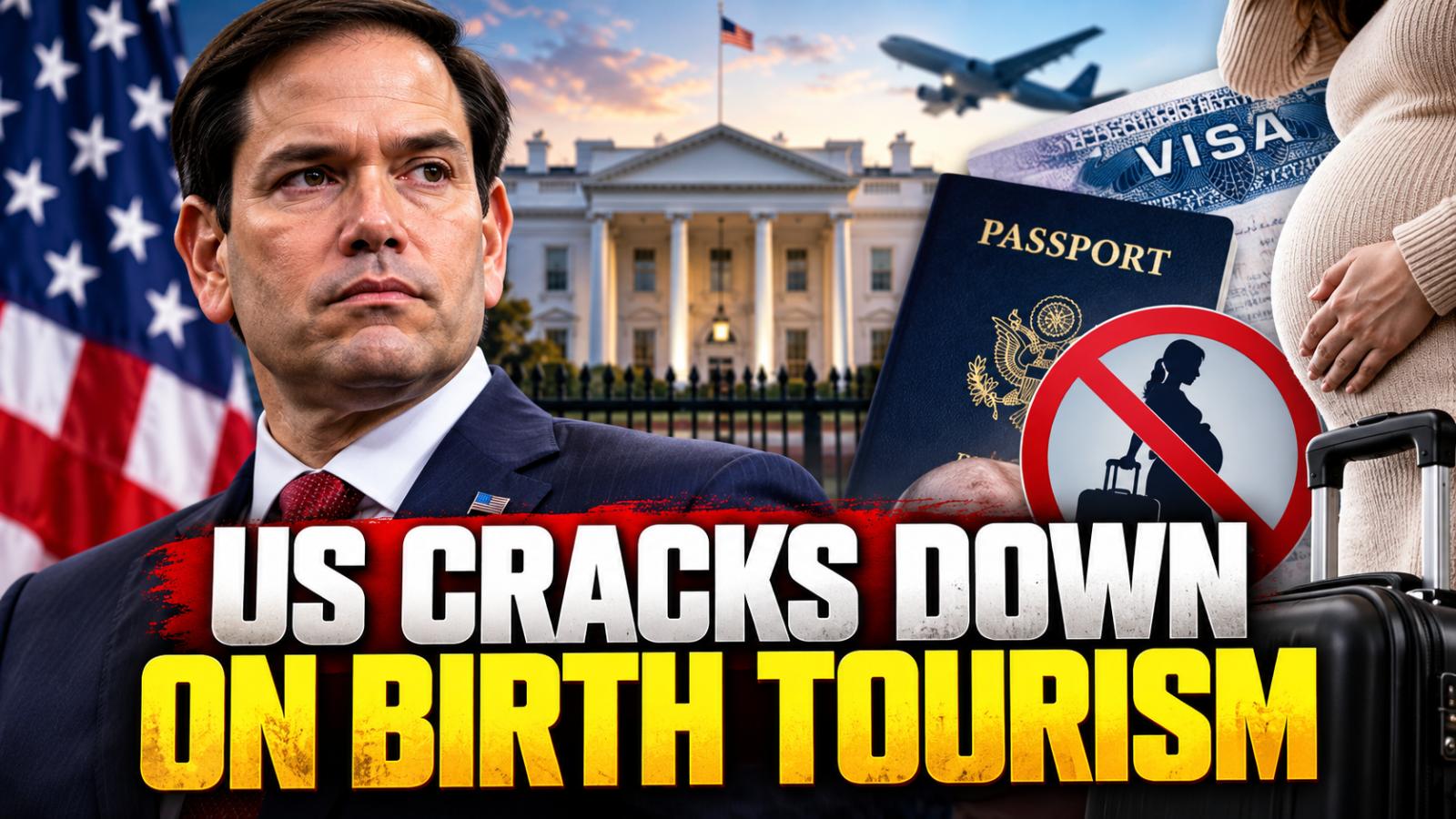
US Secretary of State Marco Rubio has announced new US birth tourism visa restrictions targeting foreign nationals who knowingly participate in or facilitate commercial schemes designed to secure US citizenship for children born in the country. The policy was unveiled on September 23, hours before Chinese President Xi Jinping arrived in Washington for his state visit.
Rubio said the restrictions can apply not only to travelers but also to operators of birth
US Secretary of State Marco Rubio has announced new US birth tourism visa restrictions targeting foreign nationals who knowingly participate in or facilitate commercial schemes designed to secure US citizenship for children born in the country. The policy was unveiled on September 23, hours before Chinese President Xi Jinping arrived in Washington for his state visit.
Rubio said the restrictions can apply not only to travelers but also to operators of birth
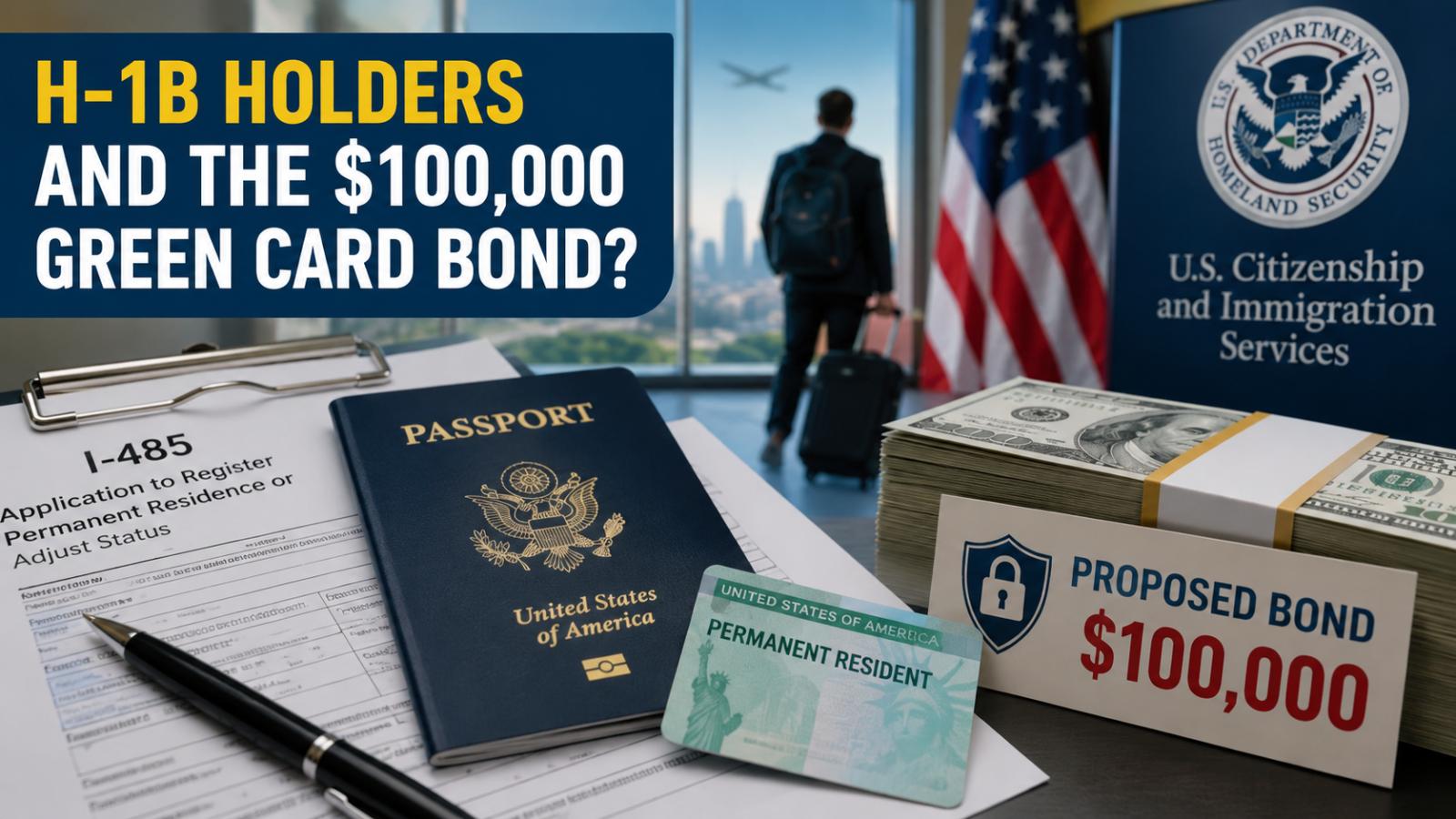
The proposed $100,000 green card bond has created uncertainty among H-1B professionals seeking permanent residency. Here's what is currently known about who could be affected, the difference between Adjustment of Status and consular processing, and why the proposal has not yet changed existing immigration procedures.
The Trump administration's reported proposal to require certain green card applicants to post bonds of up to $100,000 has raised questions among H-1B
The proposed $100,000 green card bond has created uncertainty among H-1B professionals seeking permanent residency. Here's what is currently known about who could be affected, the difference between Adjustment of Status and consular processing, and why the proposal has not yet changed existing immigration procedures.
The Trump administration's reported proposal to require certain green card applicants to post bonds of up to $100,000 has raised questions among H-1B
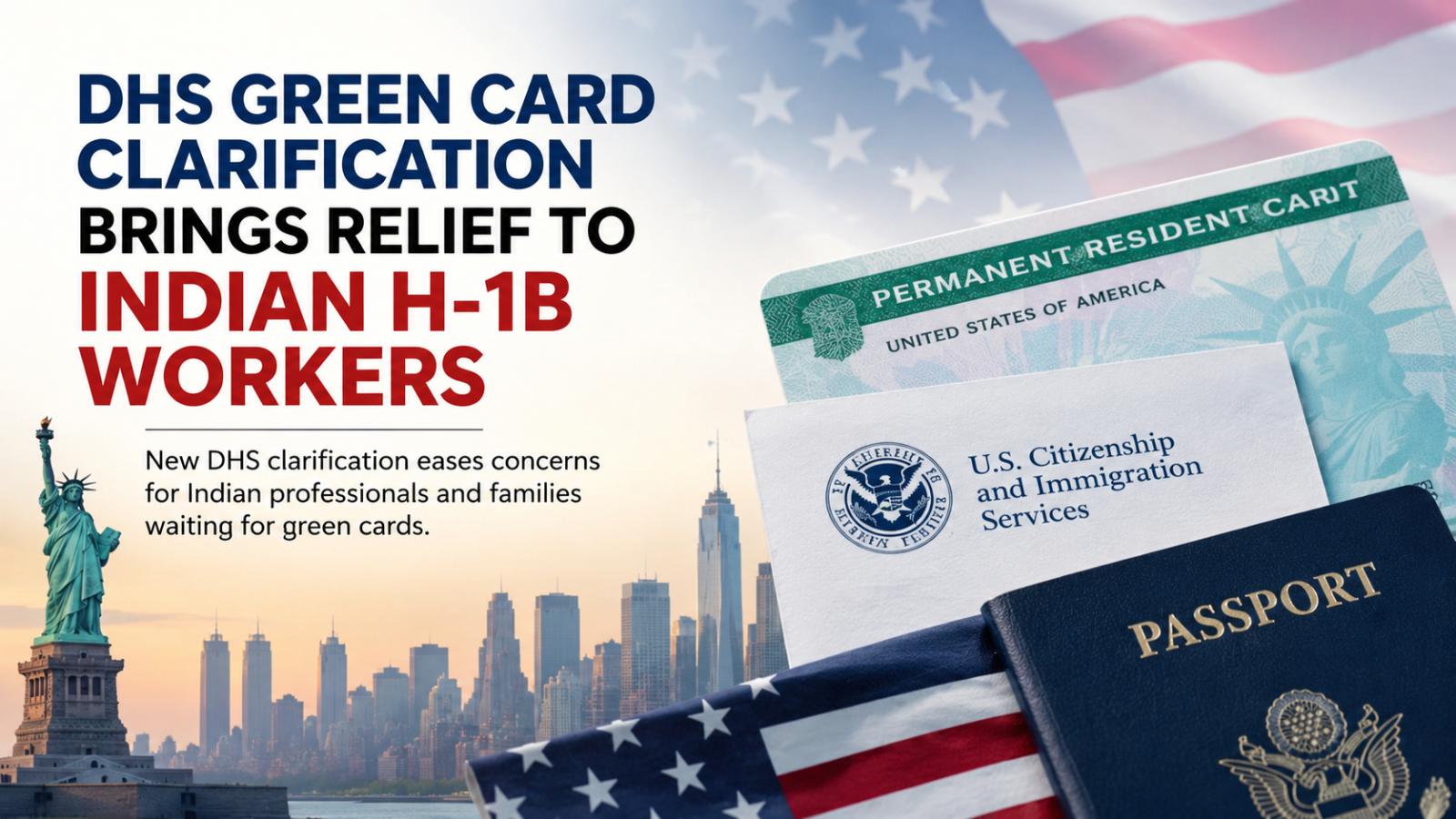
The Department of Homeland Security’s latest green card clarification has brought relief to many Indian H-1B workers, students, and families waiting for permanent residency in the United States.
The clarification came after a USCIS announcement on Friday, May 22, 2026, created concern that many green card applicants may have to leave the United States and complete processing through US consulates abroad. DHS later clarified that most applicants will not automatically be required t
The Department of Homeland Security’s latest green card clarification has brought relief to many Indian H-1B workers, students, and families waiting for permanent residency in the United States.
The clarification came after a USCIS announcement on Friday, May 22, 2026, created concern that many green card applicants may have to leave the United States and complete processing through US consulates abroad. DHS later clarified that most applicants will not automatically be required t
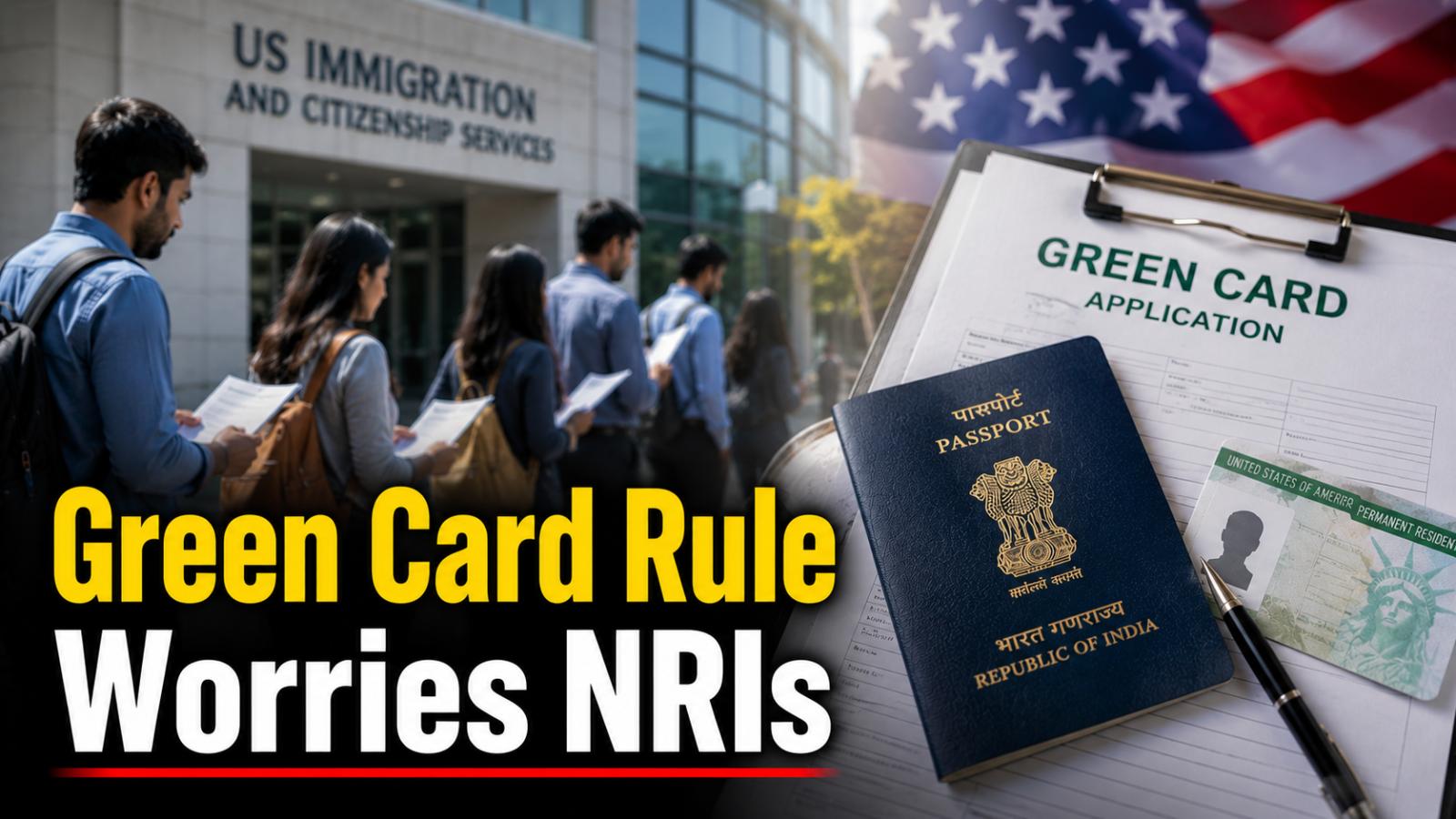
The 2026 USCIS green card policy update has created fresh concern among NRIs, H-1B workers, F-1 students and families in the US, especially those applying through the Adjustment of Status route.
USCIS Tightens Green Card Review Process
USCIS has issued a policy update that may make the green card process more closely reviewed for applicants already living in the United States. The update focuses on Adjustment of Status, the process that allows eligible imm
The 2026 USCIS green card policy update has created fresh concern among NRIs, H-1B workers, F-1 students and families in the US, especially those applying through the Adjustment of Status route.
USCIS Tightens Green Card Review Process
USCIS has issued a policy update that may make the green card process more closely reviewed for applicants already living in the United States. The update focuses on Adjustment of Status, the process that allows eligible imm
DHS Green Card Update Eases Applicant Concerns
Green Card Applicants Get Big Relief
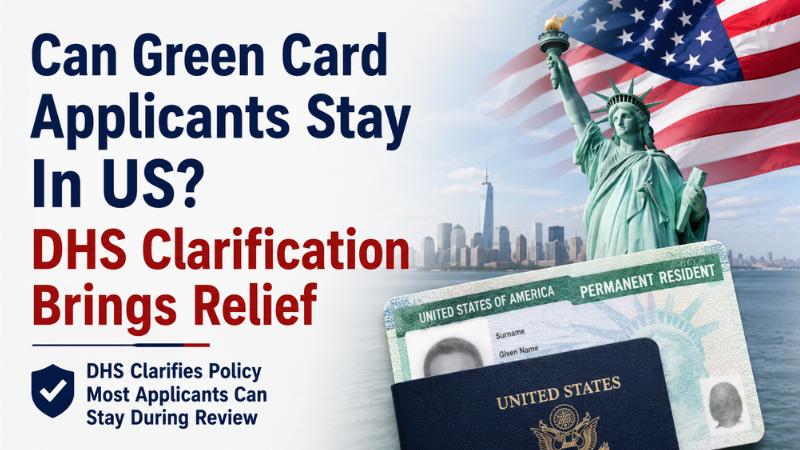
The US Department of Homeland Security has clarified that most green card applicants will not have to leave the United States while their applications are under review. The DHS green card clarification comes after earlier remarks from USCIS created confusion among immigrants, employers, and visa holders.
Adjustment Of S
DHS Green Card Update Eases Applicant Concerns
Green Card Applicants Get Big Relief
The US Department of Homeland Security has clarified that most green card applicants will not have to leave the United States while their applications are under review. The DHS green card clarification comes after earlier remarks from USCIS created confusion among immigrants, employers, and visa holders.
Adjustment Of S
Green Card and H-1B Applications Face Growing Scrutiny
The United States is tightening scrutiny on green card and H-1B visa applications, affecting thousands of IT professionals, doctors, and students seeking employment and educational opportunities in the country. Recent updates from the U.S. Citizenship and Immigration Services (USCIS) indicate a more rigorous review process for applicants, prompting concerns among skilled
Green Card and H-1B Applications Face Growing Scrutiny
The United States is tightening scrutiny on green card and H-1B visa applications, affecting thousands of IT professionals, doctors, and students seeking employment and educational opportunities in the country. Recent updates from the U.S. Citizenship and Immigration Services (USCIS) indicate a more rigorous review process for applicants, prompting concerns among skilled
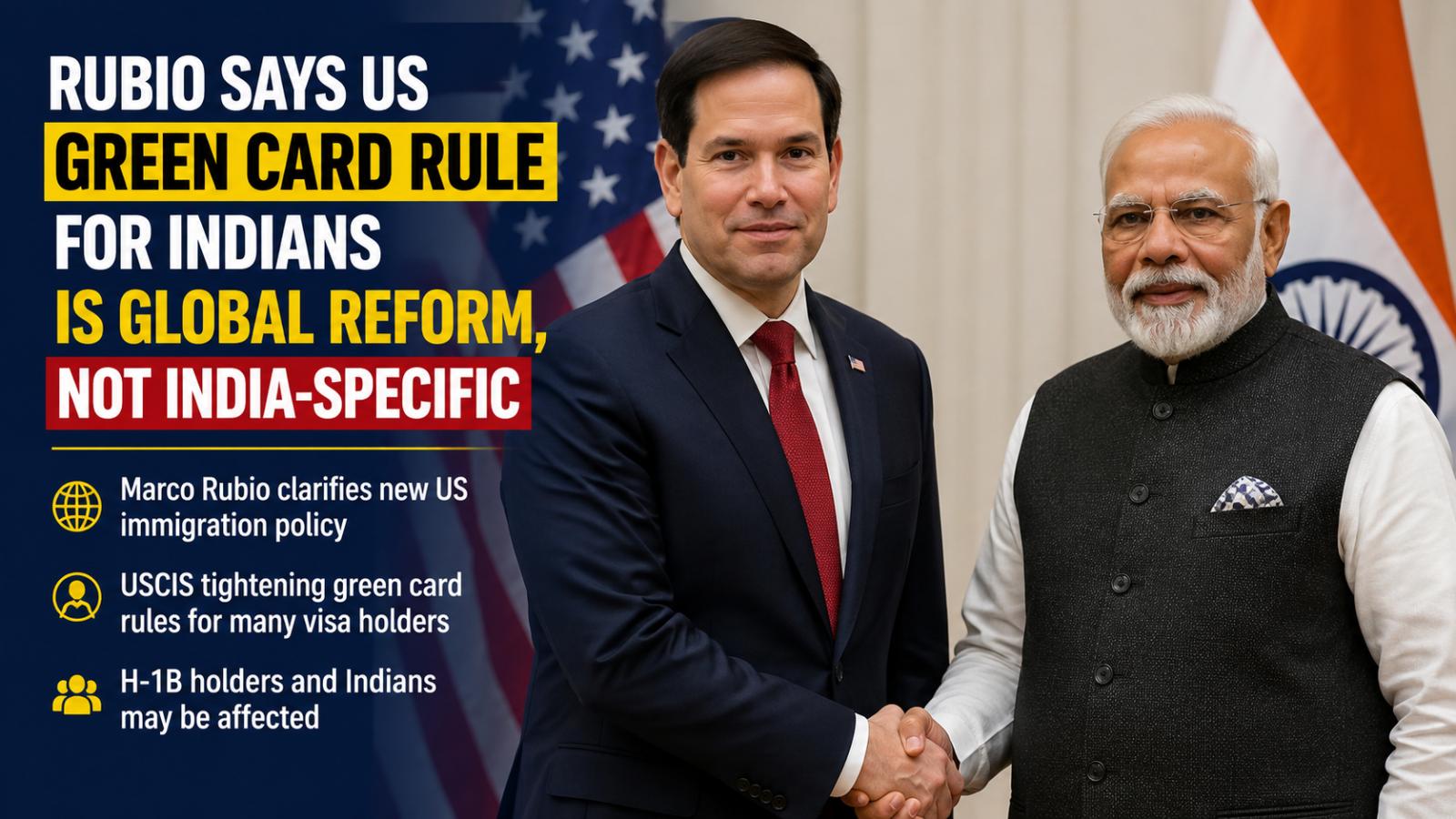
US Secretary of State Marco Rubio said the new US green card rule for Indians is not aimed specifically at India, but is part of a broader global immigration reform effort by Washington.
Speaking to NDTV after arriving in New Delhi and meeting Prime Minister Narendra Modi on Saturday, May 23, 2026, Rubio said the policy applies worldwide. He said the United States is trying to restructure its immigration system after what he described as a major migration crisis.
US Secretary of State Marco Rubio said the new US green card rule for Indians is not aimed specifically at India, but is part of a broader global immigration reform effort by Washington.
Speaking to NDTV after arriving in New Delhi and meeting Prime Minister Narendra Modi on Saturday, May 23, 2026, Rubio said the policy applies worldwide. He said the United States is trying to restructure its immigration system after what he described as a major migration crisis.
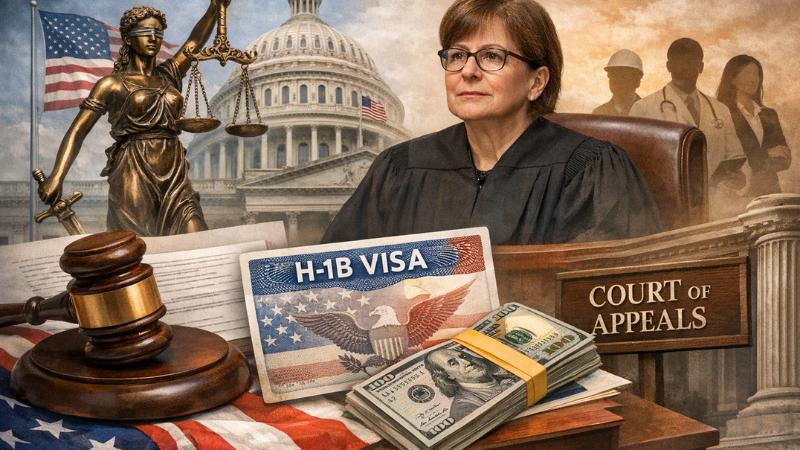
A significant legal challenge to the steep increase in H-1B visa fees has suffered a major setback after a US District Court ruled that the federal government acted within its legal authority. The ruling has delivered a blow to business and employer groups that argued the move would restrict access to skilled foreign talent, even as the H-1B visa programme continues to face mounting pressure from stricter regulations and prolonged processing delays across the globe.
The decision was i
A significant legal challenge to the steep increase in H-1B visa fees has suffered a major setback after a US District Court ruled that the federal government acted within its legal authority. The ruling has delivered a blow to business and employer groups that argued the move would restrict access to skilled foreign talent, even as the H-1B visa programme continues to face mounting pressure from stricter regulations and prolonged processing delays across the globe.
The decision was i
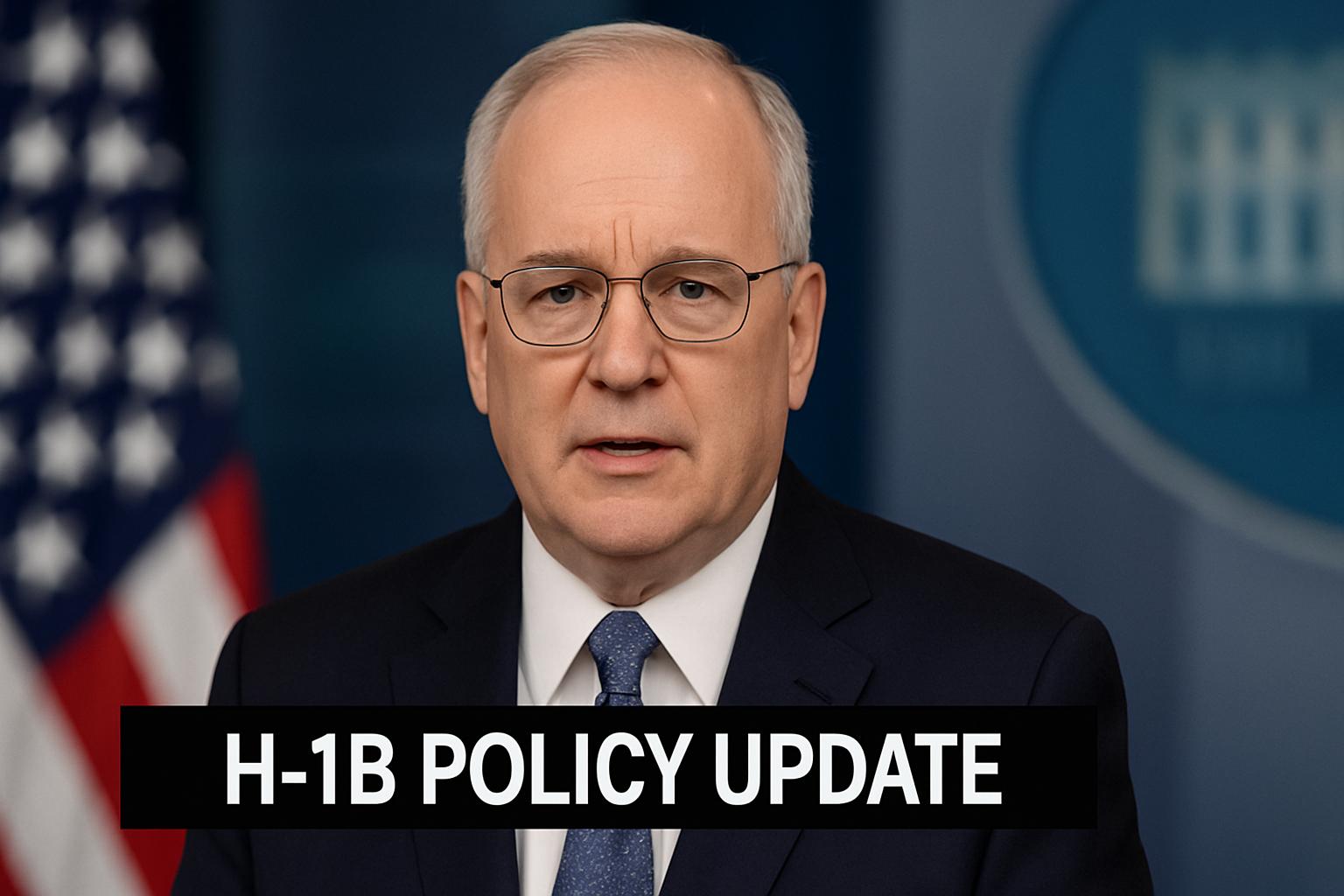
Treasury Secretary Scott Bessent has outlined the administration’s new approach to the H-1B visa programme, describing it as a targeted effort to bring in temporary foreign specialists who will train American workers rather than replace them. His remarks came during a televised interview in which he emphasised that the policy is intended to support the rebuilding of domestic manufacturing, shipbuilding capability, and semiconductor production after years of industrial decline.
Bessent said the redesigned system is centred on the idea of “knowledge transfer,” where overseas experts are invited to the United States for a limited period to help restore technical capacity in critical sectors. According to him, the administration views this model as essential to equipping American workers with advanced skills that have diminished as supply chains and production moved abroad. He explained that the visa structure is meant to ensure that expertise flows into the country long enough for domestic workers to learn the required competencies before the foreign specialists return home.
Addressing recurring concerns that increased reliance on foreign talent could displace American employees, Bessent maintained that the policy does not threaten domestic job opportunities. Instead, he argued that the United States currently lacks specialized talent in areas that have not been active on American soil for many years. He noted that industries such as shipbuilding and semiconductor fabrication require highly technical knowledge, which is more readily available in countries that have continued to develop those sectors. In his view, bringing in experts to train Americans is necessary for rebuilding industrial strength, not a means of outsourcing jobs.
The comments followed President Donald Trump’s recent statements explaining that the country needs temporary foreign experts to accelerate the transfer of technical skills. The president said the United States does not currently have enough workers with the precision training required for advanced manufacturing, adding that it would be unrealistic to expect individuals without experience to instantly take on tasks such as missile production or microchip engineering. Both Trump and Bessent described the policy as a practical step toward reducing long-term dependence on imports by cultivating a stronger domestic workforce.
Bessent also discussed broader elements of the administration’s economic agenda, including ongoing talks about a potential USD 2,000 tariff rebate for families earning less than USD 100,000 annually. He said the proposal is part of an effort to ensure that households directly benefit from trade policies designed to strengthen national competitiveness. The rebate, he added, is one component of the administration’s push to align the interests of Wall Street and Main Street, a vision he referred to as “Parallel Prosperity.”
Looking ahead, the Treasury secretary predicted that 2026 could become a milestone year for the United States economy if the administration’s policy framework succeeds in restoring industrial capacity and stabilizing financial markets. He emphasized the importance of maintaining a deep and liquid Treasury market, suggesting that economic growth will depend on strong foundations that support both investment and employment. Throughout the interview, Bessent portrayed the H-1B reform as a crucial part of that broader plan, arguing that rebuilding the nation’s industrial base requires a temporary infusion of global expertise to ensure Americans can take full ownership of high-skilled jobs in the future.
Treasury Secretary Scott Bessent has outlined the administration’s new approach to the H-1B visa programme, describing it as a targeted effort to bring in temporary foreign specialists who will train American workers rather than replace them. His remarks came during a televised interview in which he emphasised that the policy is intended to support the rebuilding of domestic manufacturing, shipbuilding capability, and semiconductor production after years of industrial decline.
Bessent said the redesigned system is centred on the idea of “knowledge transfer,” where overseas experts are invited to the United States for a limited period to help restore technical capacity in critical sectors. According to him, the administration views this model as essential to equipping American workers with advanced skills that have diminished as supply chains and production moved abroad. He explained that the visa structure is meant to ensure that expertise flows into the country long enough for domestic workers to learn the required competencies before the foreign specialists return home.
Addressing recurring concerns that increased reliance on foreign talent could displace American employees, Bessent maintained that the policy does not threaten domestic job opportunities. Instead, he argued that the United States currently lacks specialized talent in areas that have not been active on American soil for many years. He noted that industries such as shipbuilding and semiconductor fabrication require highly technical knowledge, which is more readily available in countries that have continued to develop those sectors. In his view, bringing in experts to train Americans is necessary for rebuilding industrial strength, not a means of outsourcing jobs.
The comments followed President Donald Trump’s recent statements explaining that the country needs temporary foreign experts to accelerate the transfer of technical skills. The president said the United States does not currently have enough workers with the precision training required for advanced manufacturing, adding that it would be unrealistic to expect individuals without experience to instantly take on tasks such as missile production or microchip engineering. Both Trump and Bessent described the policy as a practical step toward reducing long-term dependence on imports by cultivating a stronger domestic workforce.
Bessent also discussed broader elements of the administration’s economic agenda, including ongoing talks about a potential USD 2,000 tariff rebate for families earning less than USD 100,000 annually. He said the proposal is part of an effort to ensure that households directly benefit from trade policies designed to strengthen national competitiveness. The rebate, he added, is one component of the administration’s push to align the interests of Wall Street and Main Street, a vision he referred to as “Parallel Prosperity.”
Looking ahead, the Treasury secretary predicted that 2026 could become a milestone year for the United States economy if the administration’s policy framework succeeds in restoring industrial capacity and stabilizing financial markets. He emphasized the importance of maintaining a deep and liquid Treasury market, suggesting that economic growth will depend on strong foundations that support both investment and employment. Throughout the interview, Bessent portrayed the H-1B reform as a crucial part of that broader plan, arguing that rebuilding the nation’s industrial base requires a temporary infusion of global expertise to ensure Americans can take full ownership of high-skilled jobs in the future.
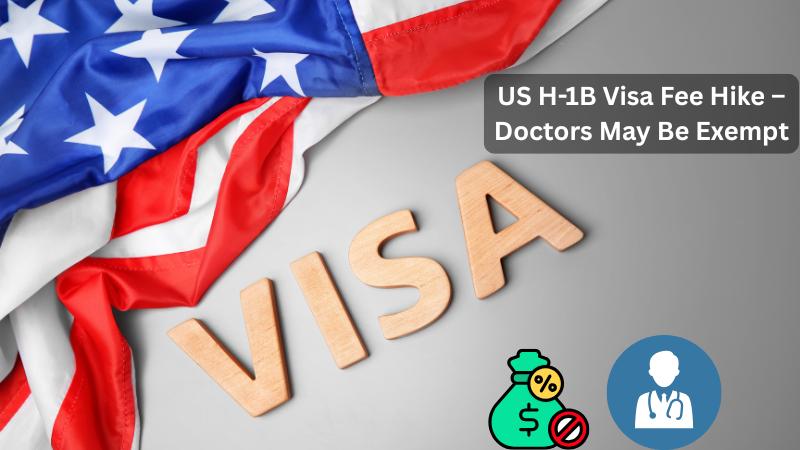
The United States has introduced a sweeping change to its immigration policy with the decision to impose a $100,000 annual fee on H-1B visa applications. Announced by President Donald Trump, the new rule has sent shockwaves across the technology sector, particularly among Indian professionals who make up the majority of recipients of these visas. However, reports suggest that the measure may not be applied uniformly, as certain exemptions could be granted in cases deemed to serve the national
The United States has introduced a sweeping change to its immigration policy with the decision to impose a $100,000 annual fee on H-1B visa applications. Announced by President Donald Trump, the new rule has sent shockwaves across the technology sector, particularly among Indian professionals who make up the majority of recipients of these visas. However, reports suggest that the measure may not be applied uniformly, as certain exemptions could be granted in cases deemed to serve the national
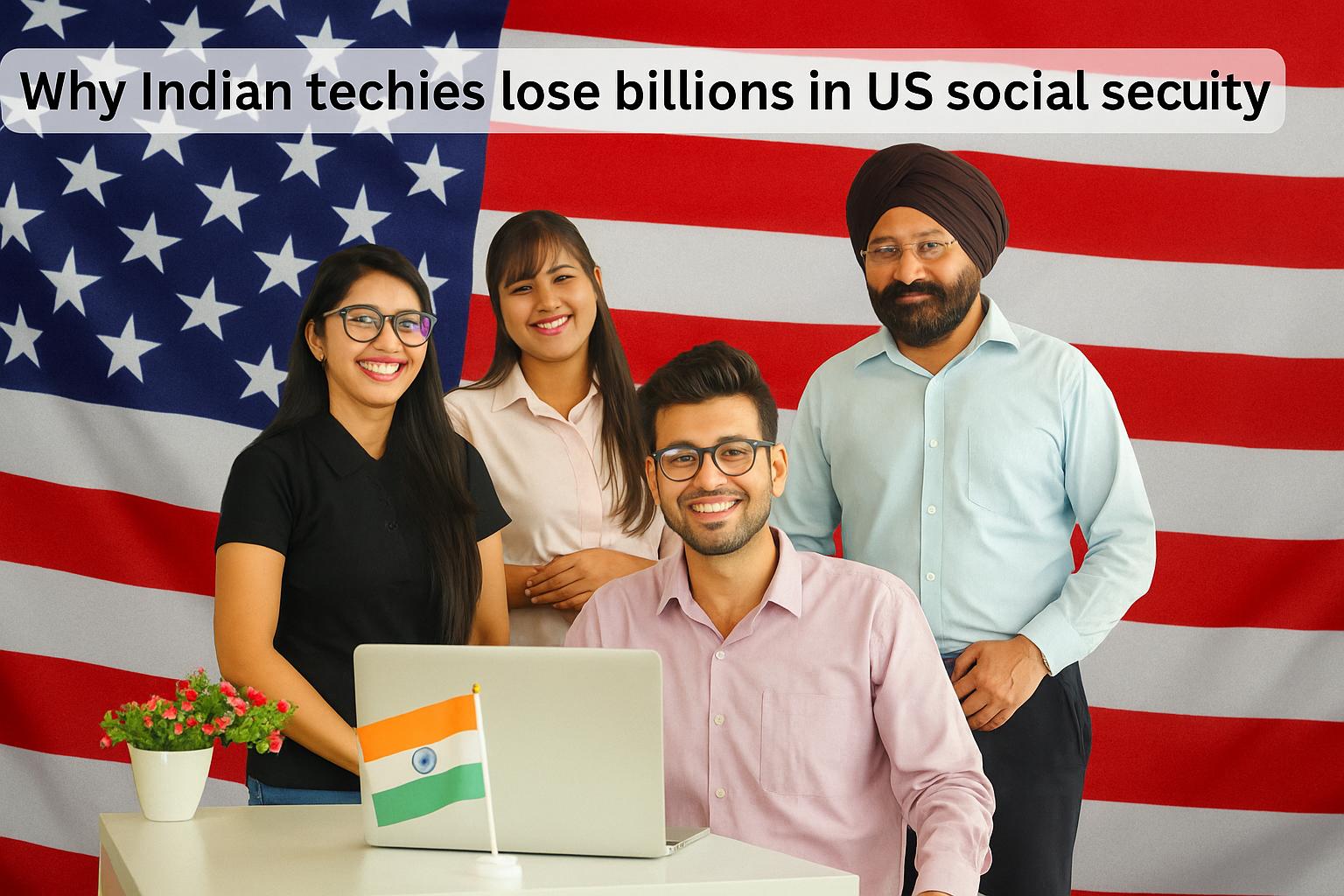
Every year, thousands of highly skilled Indian professionals move to the United States on temporary work visas such as the H1B and L1. Their contributions to the American technology sector and wider economy are undeniable, powering billion-dollar businesses and playing a crucial role in innovation and growth. Yet while these professionals help build wealth abroad, billions of their own hard-earned dollars vanish into the US system without ever returning to them. The absence of a totalisation
Every year, thousands of highly skilled Indian professionals move to the United States on temporary work visas such as the H1B and L1. Their contributions to the American technology sector and wider economy are undeniable, powering billion-dollar businesses and playing a crucial role in innovation and growth. Yet while these professionals help build wealth abroad, billions of their own hard-earned dollars vanish into the US system without ever returning to them. The absence of a totalisation
A viral discussion on Team Blind has ignited a wave of introspection among Indian professionals in the U.S., especially those in their 30s grappling with the long-term consequences of visa dependency, cultural isolation, and aging parents back home. The post asked bluntly: “What is your endgame? Do you really like the isolated 3rd grade VISA dependent life and happy to continue until you die?” prompting hundreds of personal, emotional, and conflict
A viral discussion on Team Blind has ignited a wave of introspection among Indian professionals in the U.S., especially those in their 30s grappling with the long-term consequences of visa dependency, cultural isolation, and aging parents back home. The post asked bluntly: “What is your endgame? Do you really like the isolated 3rd grade VISA dependent life and happy to continue until you die?” prompting hundreds of personal, emotional, and conflict
The Biden administration has introduced important modifications to the H-1B visa program, aimed at facilitating the hiring of highly-skilled foreign workers, particularly in the tech sector. These changes are expected to benefit thousands of Indian professionals seeking to work in the United States. The rule, announced by the Department of Homeland Security (DHS), expands the definition of specialty occupations and introduces provisions for nonprofits and governmental research organizations t
The Biden administration has introduced important modifications to the H-1B visa program, aimed at facilitating the hiring of highly-skilled foreign workers, particularly in the tech sector. These changes are expected to benefit thousands of Indian professionals seeking to work in the United States. The rule, announced by the Department of Homeland Security (DHS), expands the definition of specialty occupations and introduces provisions for nonprofits and governmental research organizations t