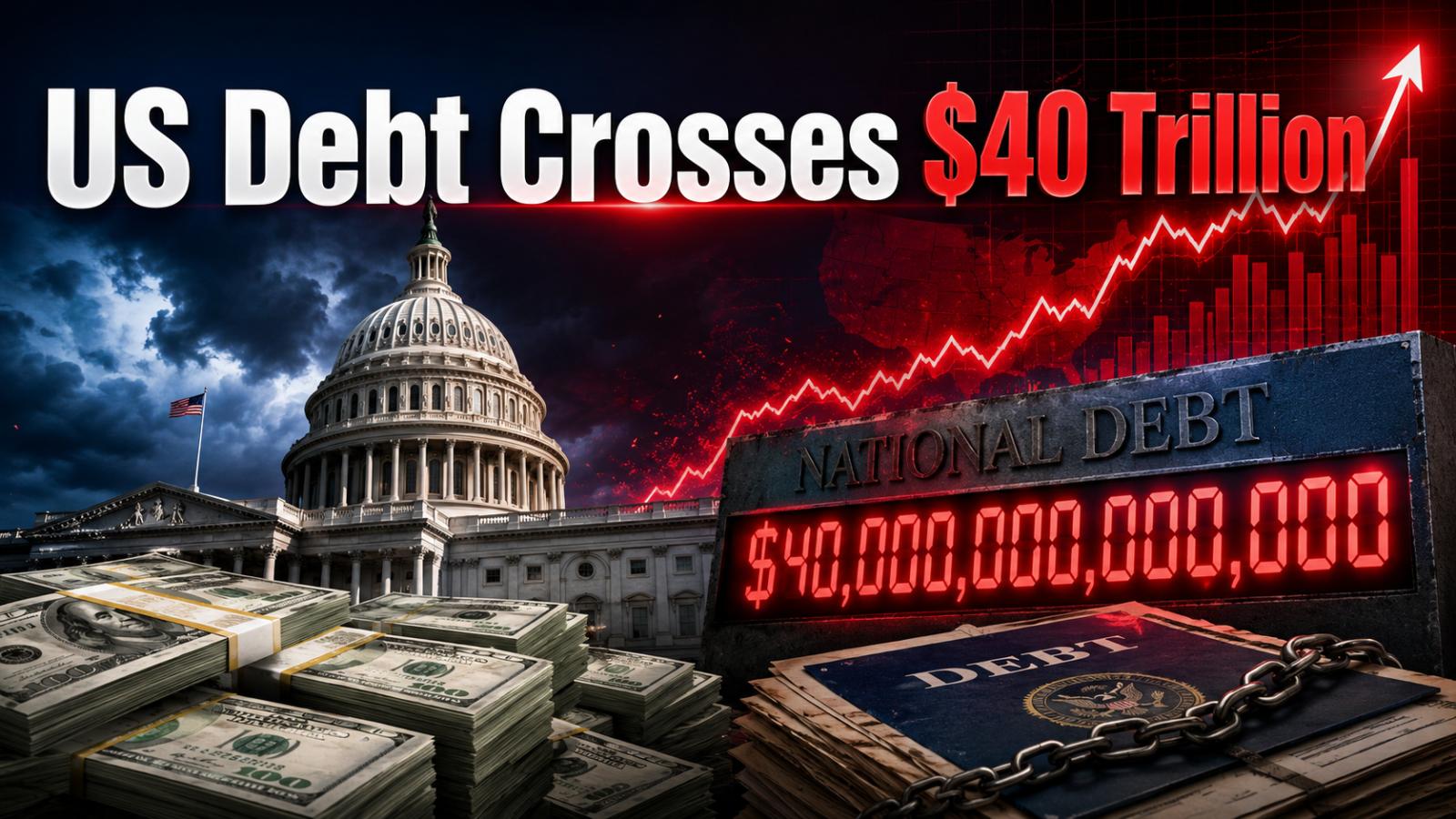
The US debt has crossed $40 trillion for the first time, putting renewed focus on federal deficits, higher interest costs and Treasury yields. The milestone does not mean an immediate debt crisis, but it highlights how rapidly Washington’s borrowing burden is growing.
Why US debt keeps rising
The United States’ gross national debt reach
The US debt has crossed $40 trillion for the first time, putting renewed focus on federal deficits, higher interest costs and Treasury yields. The milestone does not mean an immediate debt crisis, but it highlights how rapidly Washington’s borrowing burden is growing.
Why US debt keeps rising
The United States’ gross national debt reach
The RBI has introduced new fixed deposit interest-rate rules for small finance banks, effective Thursday, October 1, 2026. The changes require clearer online disclosures, daily bulk-deposit rates and greater consistency across branches and customers.
RBI New FD Rules Begin From October 1
Fixed deposit customers of small finance banks will see new interest-rate disclosure rules from October 1, 2026. The Reserve Bank of India issued the
The RBI has introduced new fixed deposit interest-rate rules for small finance banks, effective Thursday, October 1, 2026. The changes require clearer online disclosures, daily bulk-deposit rates and greater consistency across branches and customers.
RBI New FD Rules Begin From October 1
Fixed deposit customers of small finance banks will see new interest-rate disclosure rules from October 1, 2026. The Reserve Bank of India issued the
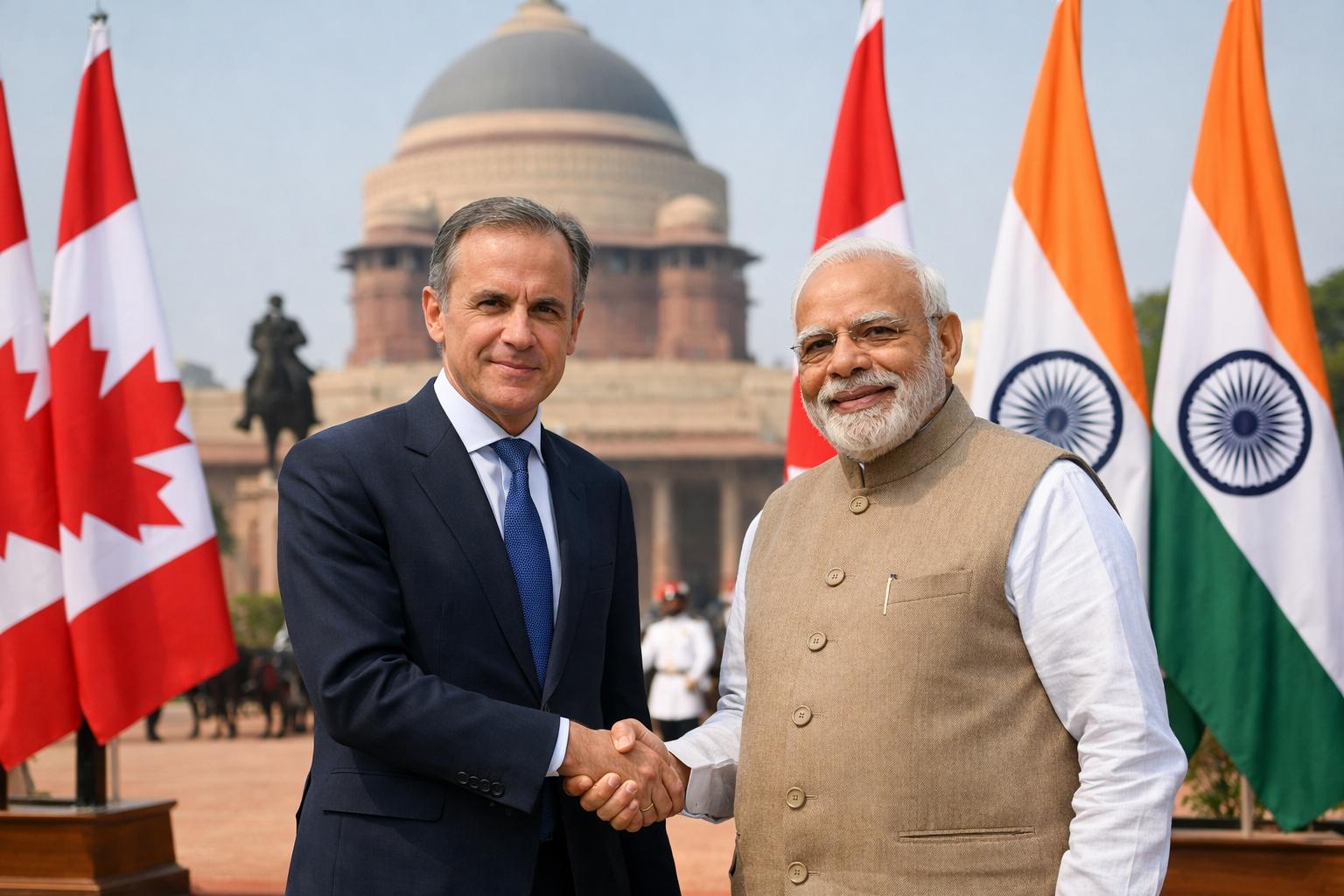
Prime Minister Narendra Modi recently emphasized the need to reduce dependency on petrol and diesel, advocating for sustainable practices and increased adoption of work-from-home models. He also suggested that consumers reconsider discretionary purchases, including gold, in the near term.
Following the speech, the stock market reacted sharply. Shares
Prime Minister Narendra Modi recently emphasized the need to reduce dependency on petrol and diesel, advocating for sustainable practices and increased adoption of work-from-home models. He also suggested that consumers reconsider discretionary purchases, including gold, in the near term.
Following the speech, the stock market reacted sharply. Shares
Student Loan Forgiveness Update: What’s Changing?
A new student loan forgiveness bill in 2026 could significantly shorten repayment timelines for millions of Americans. The proposal would allow unemployed borrowers to count jobless months toward loan forgiveness, even when they make $0 payments.
Can Unemployment Count Toward Forgiveness?
Yes — under the proposed law, borrowers in income-driven repayment (
Student Loan Forgiveness Update: What’s Changing?
A new student loan forgiveness bill in 2026 could significantly shorten repayment timelines for millions of Americans. The proposal would allow unemployed borrowers to count jobless months toward loan forgiveness, even when they make $0 payments.
Can Unemployment Count Toward Forgiveness?
Yes — under the proposed law, borrowers in income-driven repayment (
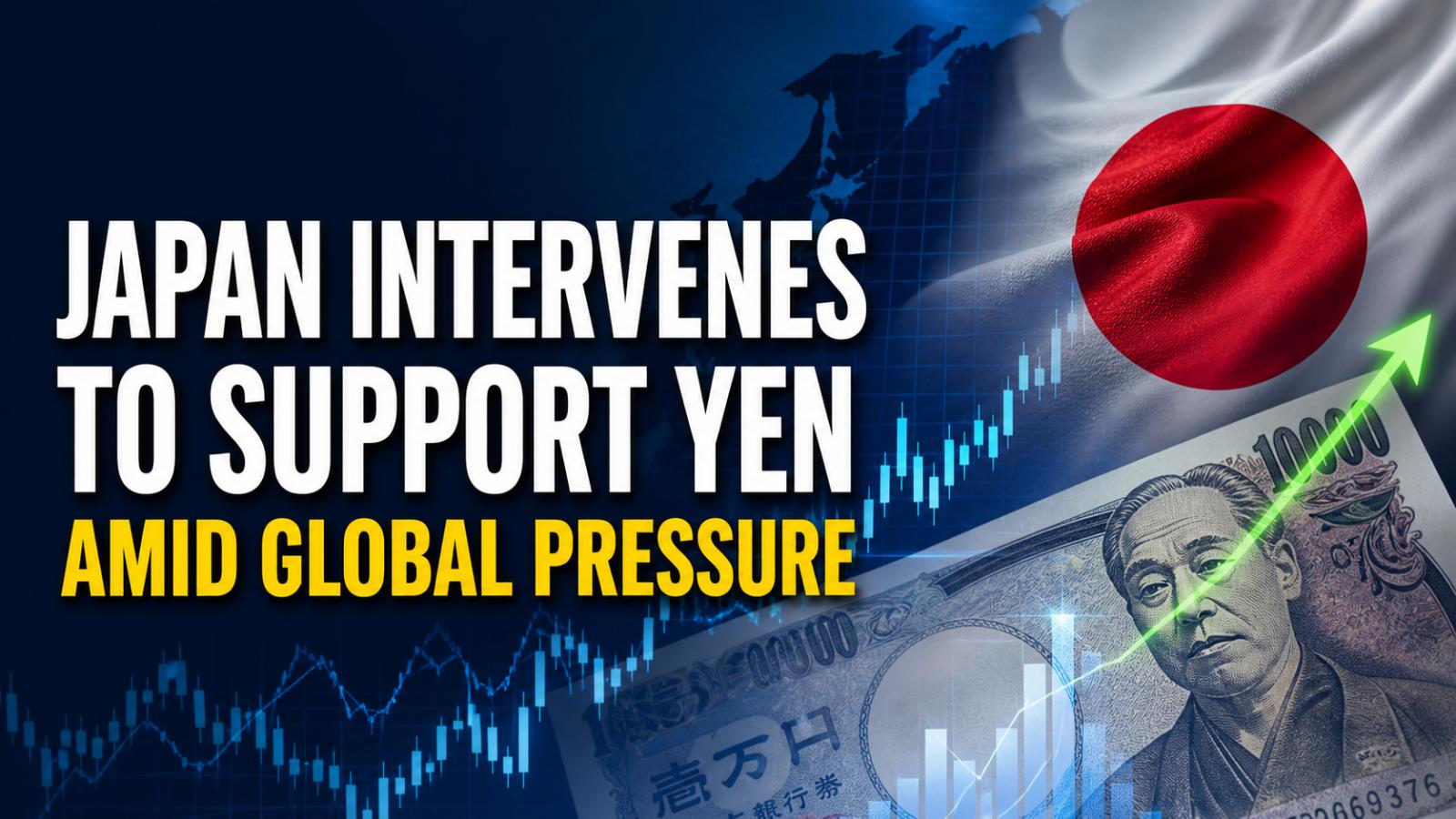
The Japanese yen recorded a sharp rise against the US dollar for the second consecutive day, drawing significant attention from global financial markets already focused on geopolitical tensions and rising oil prices. In early Asian trading on Monday, the yen surged nearly 0.9 percent within minutes of market opening, suggesting strong intervention signals from Japanese authorities.
Market reports indicate that Japan may have injected approximately 5.48 trillion yen, equivalent to ab
The Japanese yen recorded a sharp rise against the US dollar for the second consecutive day, drawing significant attention from global financial markets already focused on geopolitical tensions and rising oil prices. In early Asian trading on Monday, the yen surged nearly 0.9 percent within minutes of market opening, suggesting strong intervention signals from Japanese authorities.
Market reports indicate that Japan may have injected approximately 5.48 trillion yen, equivalent to ab
Apple’s stock may have remained largely flat over the past six months, but activity in the options market suggests traders are anticipating significant movement following its latest earnings report. Implied volatility points to a potential 3.5% swing in either direction, notably higher than the average 1.8% move seen after the company’s previous four quarterly earnings announcements.
Options pricing reflects heightened expectations
The increase in im
Apple’s stock may have remained largely flat over the past six months, but activity in the options market suggests traders are anticipating significant movement following its latest earnings report. Implied volatility points to a potential 3.5% swing in either direction, notably higher than the average 1.8% move seen after the company’s previous four quarterly earnings announcements.
Options pricing reflects heightened expectations
The increase in im
More than 40 companies are scheduled to announce their fourth-quarter results for FY26 on April 28, marking a busy day in the earnings calendar. Major firms such as Maruti Suzuki India Ltd., REC Ltd., Bandhan Bank Ltd., Garden Reach Shipbuilders & Engineers Ltd., Piramal Pharma Ltd., Sanofi India Ltd., Castrol India Ltd., and Dalmia Bharat Ltd. are among the key names expected to release their financial performance. Investors will also be watching closely for potential dividend announcements, as several companies may declare payouts alongside their results.
The list of companies reporting includes a mix of sectors such as banking, automotive, pharmaceuticals, cement, insurance, and infrastructure. Firms like Ceat Ltd., AWL Agri Business Ltd., Go Digit General Insurance Ltd., and Mahindra Lifespace Developers Ltd. add further breadth to the day’s announcements, reflecting the diverse representation across industries.
Recent quarterly performance provides context for expectations. Garden Reach Shipbuilders & Engineers Ltd. reported strong growth in its third-quarter results, with total income rising significantly year-over-year and profits showing robust expansion. In contrast, REC Ltd. recorded moderate income growth but saw a slight decline in net profit, indicating mixed trends within the financial sector.
Maruti Suzuki India Ltd. also posted steady growth in its previous quarter, reporting higher total income and a modest increase in net profit. Market participants will now evaluate whether this momentum has continued into the fourth quarter, particularly amid evolving demand conditions.
With multiple companies hosting conference calls following their announcements, analysts and investors will gain deeper insights into sector trends, future outlooks, and management strategies. The concentration of earnings releases on a single day is expected to drive heightened market activity and could influence short-term stock movements across sectors.
More than 40 companies are scheduled to announce their fourth-quarter results for FY26 on April 28, marking a busy day in the earnings calendar. Major firms such as Maruti Suzuki India Ltd., REC Ltd., Bandhan Bank Ltd., Garden Reach Shipbuilders & Engineers Ltd., Piramal Pharma Ltd., Sanofi India Ltd., Castrol India Ltd., and Dalmia Bharat Ltd. are among the key names expected to release their financial performance. Investors will also be watching closely for potential dividend announcements, as several companies may declare payouts alongside their results.
The list of companies reporting includes a mix of sectors such as banking, automotive, pharmaceuticals, cement, insurance, and infrastructure. Firms like Ceat Ltd., AWL Agri Business Ltd., Go Digit General Insurance Ltd., and Mahindra Lifespace Developers Ltd. add further breadth to the day’s announcements, reflecting the diverse representation across industries.
Recent quarterly performance provides context for expectations. Garden Reach Shipbuilders & Engineers Ltd. reported strong growth in its third-quarter results, with total income rising significantly year-over-year and profits showing robust expansion. In contrast, REC Ltd. recorded moderate income growth but saw a slight decline in net profit, indicating mixed trends within the financial sector.
Maruti Suzuki India Ltd. also posted steady growth in its previous quarter, reporting higher total income and a modest increase in net profit. Market participants will now evaluate whether this momentum has continued into the fourth quarter, particularly amid evolving demand conditions.
With multiple companies hosting conference calls following their announcements, analysts and investors will gain deeper insights into sector trends, future outlooks, and management strategies. The concentration of earnings releases on a single day is expected to drive heightened market activity and could influence short-term stock movements across sectors.
Regulatory action culminates in license cancellation
What happened to Paytm Payments Bank? RBI cancels its license after violations forms the central development in India’s financial sector, as the Reserve Bank of India revoked the banking license of Paytm Payments Bank Ltd wi
Regulatory action culminates in license cancellation
What happened to Paytm Payments Bank? RBI cancels its license after violations forms the central development in India’s financial sector, as the Reserve Bank of India revoked the banking license of Paytm Payments Bank Ltd wi
The average tax refund for U.S. filers has increased by roughly $350 during the 2026 tax season, according to the latest data released by the Internal Revenue Service on Friday, March 27, 2026. The IRS reported that the average refund reached $3,521 as of that date, compared with $3,170 during the same period in 2025, reflecting a noticeable rise in payouts to taxpayers.
The data shows that approximately 88.4 million individual tax returns had been received by Friday, March 27, 2026,
The average tax refund for U.S. filers has increased by roughly $350 during the 2026 tax season, according to the latest data released by the Internal Revenue Service on Friday, March 27, 2026. The IRS reported that the average refund reached $3,521 as of that date, compared with $3,170 during the same period in 2025, reflecting a noticeable rise in payouts to taxpayers.
The data shows that approximately 88.4 million individual tax returns had been received by Friday, March 27, 2026,
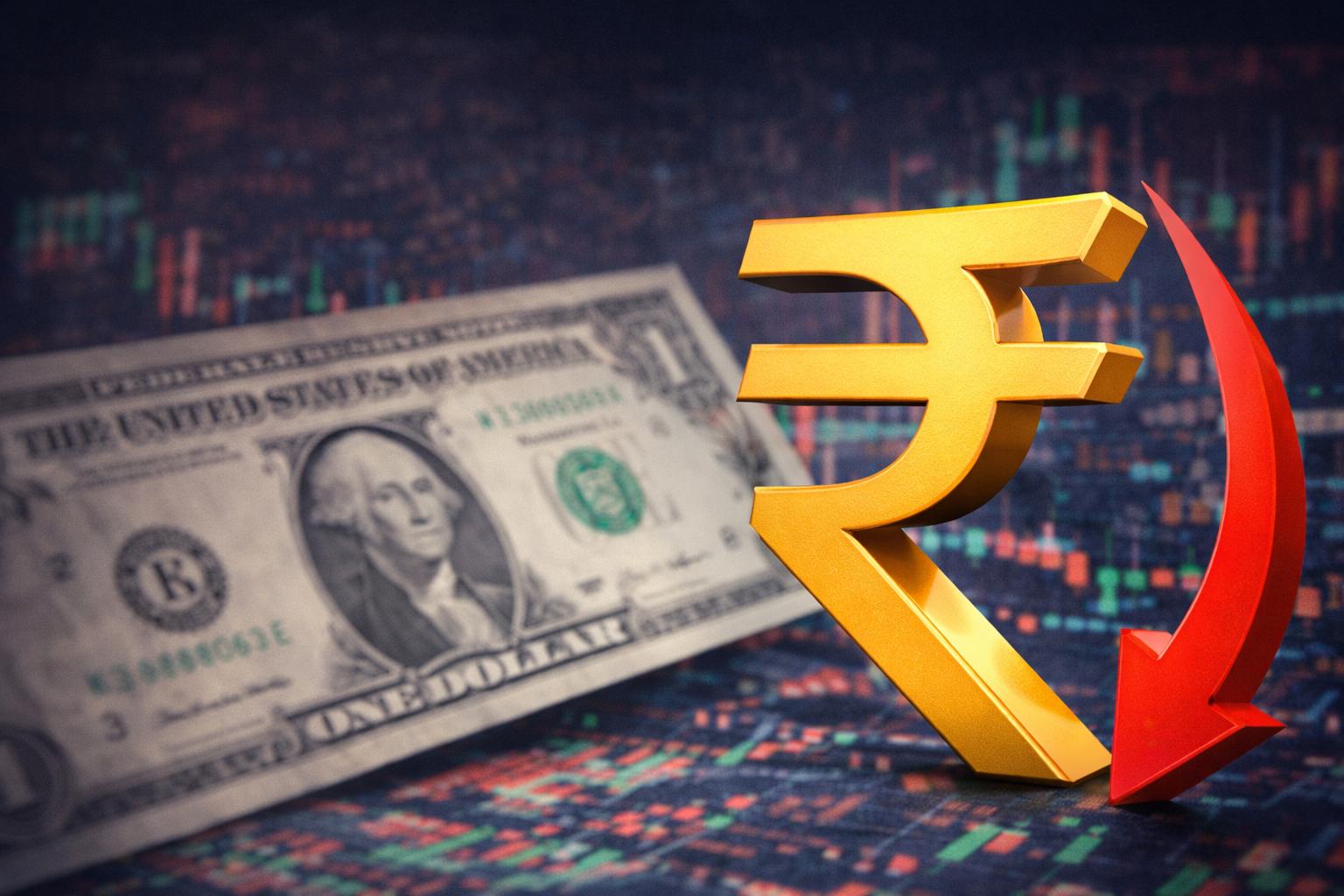
The Indian rupee slipped past the 95 mark against the US dollar on March 30, 2026, hitting an all-time low of 95.20 per dollar, a decline of 0.3% for the day. This drop occurred despite the Reserve Bank of India's (RBI) recent intervention aimed at curbing currency volatility. The currency has been under pressure from a mix of global factors, sustained foreign outflows, and rising oil prices.
The RBI had introduced measures to support the rupee by tightening limits on banks' foreign exchange positions. As of late Friday, the central bank directed banks to cap their net open rupee positions in the foreign exchange market at $100 million by the end of each business day, with compliance required by April 10. While this move offered temporary relief, the impact was limited as analysts pointed out that underlying factors, such as persistent foreign outflows and high crude oil prices, continued to weigh on the rupee.
Foreign portfolio outflows have been one of the major contributors to the rupee's weakness. These outflows, coupled with high global oil prices, have put pressure on India’s current account deficit, thus exerting more pressure on the currency. The rising oil prices are linked to geopolitical tensions, such as the ongoing conflict in Iran, which has exacerbated market volatility. Additionally, the wider spread between the onshore and non-deliverable forward (NDF) markets, due to increasing volatility, has contributed to the rupee’s decline.
Despite the RBI’s directive, the rupee continued its downward spiral, reflecting broader economic challenges. The currency has fallen over 4% in March alone, marking its worst monthly performance in over seven years. The Nifty 50 index also reflected the market's overall weakness, dropping by about 2% on Monday, with a looming risk of its worst monthly decline since March 2020.
In this uncertain climate, analysts predict that unless there is a significant drop in oil prices or a reversal in foreign fund flows, the pressure on the rupee is likely to persist. The continued outflows from emerging markets and heightened global uncertainty have created a negative sentiment surrounding India’s economic outlook, which, in turn, has kept the rupee under significant pressure.
The Indian rupee slipped past the 95 mark against the US dollar on March 30, 2026, hitting an all-time low of 95.20 per dollar, a decline of 0.3% for the day. This drop occurred despite the Reserve Bank of India's (RBI) recent intervention aimed at curbing currency volatility. The currency has been under pressure from a mix of global factors, sustained foreign outflows, and rising oil prices.
The RBI had introduced measures to support the rupee by tightening limits on banks' foreign exchange positions. As of late Friday, the central bank directed banks to cap their net open rupee positions in the foreign exchange market at $100 million by the end of each business day, with compliance required by April 10. While this move offered temporary relief, the impact was limited as analysts pointed out that underlying factors, such as persistent foreign outflows and high crude oil prices, continued to weigh on the rupee.
Foreign portfolio outflows have been one of the major contributors to the rupee's weakness. These outflows, coupled with high global oil prices, have put pressure on India’s current account deficit, thus exerting more pressure on the currency. The rising oil prices are linked to geopolitical tensions, such as the ongoing conflict in Iran, which has exacerbated market volatility. Additionally, the wider spread between the onshore and non-deliverable forward (NDF) markets, due to increasing volatility, has contributed to the rupee’s decline.
Despite the RBI’s directive, the rupee continued its downward spiral, reflecting broader economic challenges. The currency has fallen over 4% in March alone, marking its worst monthly performance in over seven years. The Nifty 50 index also reflected the market's overall weakness, dropping by about 2% on Monday, with a looming risk of its worst monthly decline since March 2020.
In this uncertain climate, analysts predict that unless there is a significant drop in oil prices or a reversal in foreign fund flows, the pressure on the rupee is likely to persist. The continued outflows from emerging markets and heightened global uncertainty have created a negative sentiment surrounding India’s economic outlook, which, in turn, has kept the rupee under significant pressure.
Europe’s financial markets are facing a critical moment and must urgently reform to remain competitive in a rapidly shifting global investment landscape, according to the head of the world’s largest sovereign wealth fund. Nicolai Tangen, chief executive of Norges Bank Investment Management, which oversees Norway’s $2 trillion wealth fund, has issued a stark warning that Europe risks falling further behind unless it addresses long-standing structural issues in its capital markets. Speaking
Europe’s financial markets are facing a critical moment and must urgently reform to remain competitive in a rapidly shifting global investment landscape, according to the head of the world’s largest sovereign wealth fund. Nicolai Tangen, chief executive of Norges Bank Investment Management, which oversees Norway’s $2 trillion wealth fund, has issued a stark warning that Europe risks falling further behind unless it addresses long-standing structural issues in its capital markets. Speaking
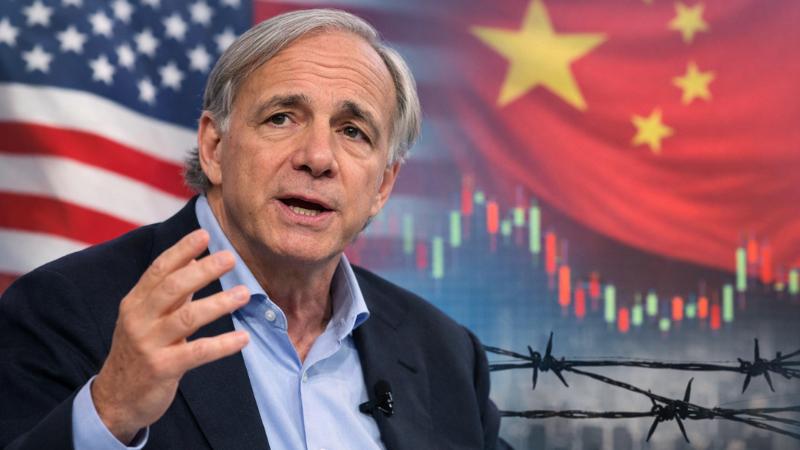
Legendary investor Ray Dalio has cautioned that the global economy is approaching a dangerous tipping point, warning that mounting geopolitical frictions and unstable financial markets could trigger what he describes as a “capital war,” in which nations weaponize money, trade, and investment flows to exert influence over one another.
Speaking at the World Governments Summit in Dubai, Dalio said the international system is not yet in such a conflict but is “on the brink,” with conditions that could quickly escalate. He described capital war as a scenario where governments restrict access to markets, impose sanctions, enforce capital controls, or use debt holdings and trade leverage to pressure rivals. According to Dalio, rising mistrust among major economies is increasing the likelihood of these tools being deployed more aggressively.
He pointed to growing tensions between the United States and its allies and competitors as a key source of concern. Discussions surrounding Washington’s interest in Greenland, a Danish territory, as well as broader disagreements over trade and security policy, have unsettled investors. Dalio said some European holders of U.S.-denominated assets fear potential sanctions or restrictions, while American policymakers may worry about losing reliable foreign buyers for government debt.
European investors have played a significant role in financing U.S. borrowing needs, accounting for a large share of foreign purchases of Treasurys in recent months. Any disruption to those flows could amplify volatility in global markets and increase funding pressures. Dalio noted that “capital, money, matters,” emphasizing that financial interdependence has become both a strength and a vulnerability for the global system.
Since returning to office, President Donald Trump has introduced and, at times, rolled back punitive tariffs targeting several trading partners. Those policy shifts have added to market swings and uncertainty. Dalio said similar patterns in the past have often preceded broader economic confrontations, with governments imposing foreign exchange restrictions and tightening controls to protect domestic interests.
Drawing parallels with history, he referenced periods leading up to major conflicts, when sanctions and trade barriers intensified rivalries between nations. He suggested that today’s environment could produce comparable strains, particularly in relations between the United States and China, or between the United States and Europe, where trade deficits and capital imbalances remain sensitive issues.
Against this backdrop, Dalio reiterated his long-standing view that gold remains an effective hedge during periods of stress. Although prices have fluctuated recently, he said the precious metal continues to serve as a reliable diversifier for portfolios. Rather than focusing on short-term movements, he advised investors, central banks, and sovereign wealth funds to maintain a steady allocation to gold as protection against systemic risk.
Ultimately, Dalio urged a disciplined approach to investing, stressing that diversification across assets and regions is the best defense in an increasingly uncertain economic landscape.
Legendary investor Ray Dalio has cautioned that the global economy is approaching a dangerous tipping point, warning that mounting geopolitical frictions and unstable financial markets could trigger what he describes as a “capital war,” in which nations weaponize money, trade, and investment flows to exert influence over one another.
Speaking at the World Governments Summit in Dubai, Dalio said the international system is not yet in such a conflict but is “on the brink,” with conditions that could quickly escalate. He described capital war as a scenario where governments restrict access to markets, impose sanctions, enforce capital controls, or use debt holdings and trade leverage to pressure rivals. According to Dalio, rising mistrust among major economies is increasing the likelihood of these tools being deployed more aggressively.
He pointed to growing tensions between the United States and its allies and competitors as a key source of concern. Discussions surrounding Washington’s interest in Greenland, a Danish territory, as well as broader disagreements over trade and security policy, have unsettled investors. Dalio said some European holders of U.S.-denominated assets fear potential sanctions or restrictions, while American policymakers may worry about losing reliable foreign buyers for government debt.
European investors have played a significant role in financing U.S. borrowing needs, accounting for a large share of foreign purchases of Treasurys in recent months. Any disruption to those flows could amplify volatility in global markets and increase funding pressures. Dalio noted that “capital, money, matters,” emphasizing that financial interdependence has become both a strength and a vulnerability for the global system.
Since returning to office, President Donald Trump has introduced and, at times, rolled back punitive tariffs targeting several trading partners. Those policy shifts have added to market swings and uncertainty. Dalio said similar patterns in the past have often preceded broader economic confrontations, with governments imposing foreign exchange restrictions and tightening controls to protect domestic interests.
Drawing parallels with history, he referenced periods leading up to major conflicts, when sanctions and trade barriers intensified rivalries between nations. He suggested that today’s environment could produce comparable strains, particularly in relations between the United States and China, or between the United States and Europe, where trade deficits and capital imbalances remain sensitive issues.
Against this backdrop, Dalio reiterated his long-standing view that gold remains an effective hedge during periods of stress. Although prices have fluctuated recently, he said the precious metal continues to serve as a reliable diversifier for portfolios. Rather than focusing on short-term movements, he advised investors, central banks, and sovereign wealth funds to maintain a steady allocation to gold as protection against systemic risk.
Ultimately, Dalio urged a disciplined approach to investing, stressing that diversification across assets and regions is the best defense in an increasingly uncertain economic landscape.
The opening weeks of 2026 have delivered a series of dramatic geopolitical developments tied to the United States, ranging from the capture of Venezuela’s president to sharp rhetoric surrounding Iran’s handling of domestic unrest and renewed discussion of using force to secure Greenland. Yet, in contrast to the gravity of these headlines, global equity markets have continued to post steady gains, raising questions about why investors appear largely unfazed by rising international tensions
The opening weeks of 2026 have delivered a series of dramatic geopolitical developments tied to the United States, ranging from the capture of Venezuela’s president to sharp rhetoric surrounding Iran’s handling of domestic unrest and renewed discussion of using force to secure Greenland. Yet, in contrast to the gravity of these headlines, global equity markets have continued to post steady gains, raising questions about why investors appear largely unfazed by rising international tensions
India has ushered in a new phase of insurance regulation with Parliament clearing the Sabka Bima Sabki Raksha (Amendment of Insurance Laws) Bill, 2025, a move that comes at a time when trust between insurers and policyholders is increasingly strained. For millions of Indians, insurance is ultimately judged not by policy documents or premium receipts but by the ease and fairness of claim settlement. Delays, repeated document requests, late-stage exclusions, and opaque rejections have long plag
India has ushered in a new phase of insurance regulation with Parliament clearing the Sabka Bima Sabki Raksha (Amendment of Insurance Laws) Bill, 2025, a move that comes at a time when trust between insurers and policyholders is increasingly strained. For millions of Indians, insurance is ultimately judged not by policy documents or premium receipts but by the ease and fairness of claim settlement. Delays, repeated document requests, late-stage exclusions, and opaque rejections have long plag