


















#foodtech
How science breakthroughs in 2025 reshaped medicine, space research, and climate reality
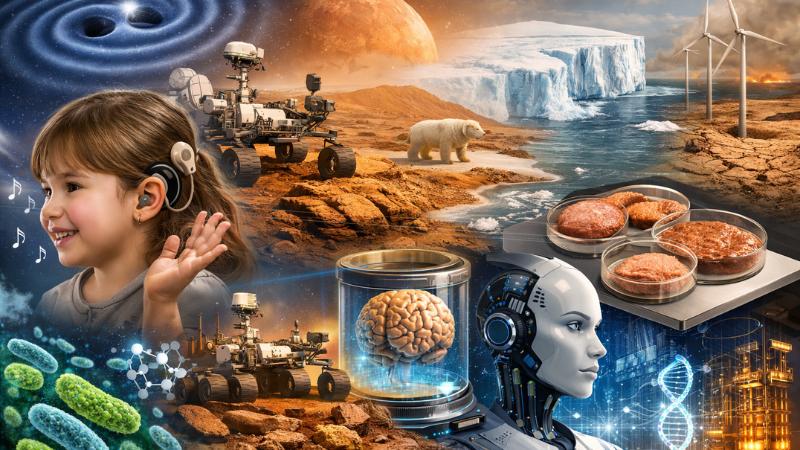
A century ago, the notion of restoring lost senses or detecting ancient life beyond Earth belonged firmly to science fiction. In 2025, such ideas moved decisively into reality as a series of scientific breakthroughs reshaped long-standing assumptions across medicine, space science, climate research, and artificial intelligence. These advances did not arrive as distant promises or speculative theories, but as working solutions that delivered measurable results and altered how science interacts
How science breakthroughs in 2025 reshaped medicine, space research, and climate reality
A century ago, the notion of restoring lost senses or detecting ancient life beyond Earth belonged firmly to science fiction. In 2025, such ideas moved decisively into reality as a series of scientific breakthroughs reshaped long-standing assumptions across medicine, space science, climate research, and artificial intelligence. These advances did not arrive as distant promises or speculative theories, but as working solutions that delivered measurable results and altered how science interacts
AI could cut global carbon emissions by up to 5.4 billion tonnes by 2035
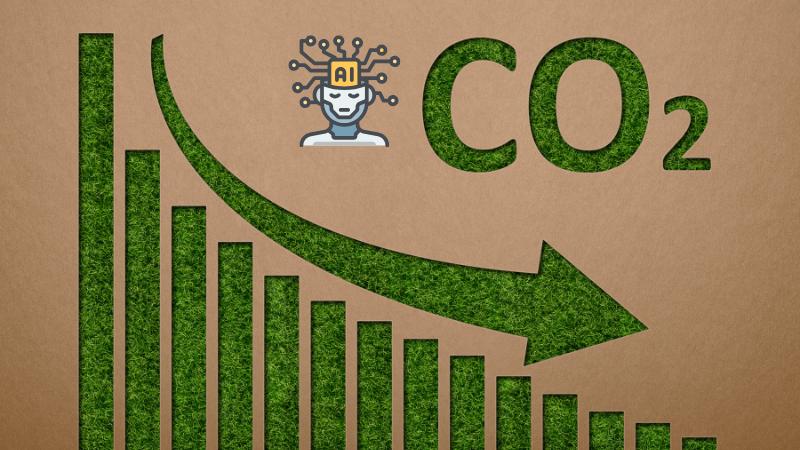
Artificial intelligence could become a powerful ally in fighting climate change, helping to significantly reduce carbon emissions without forcing society to give up the comforts of modern living. A new study suggests that AI applications across just three major sectors—power generation, food production, and transportation—could collectively cut between 3.2 and 5.4 billion tonnes of greenhouse gas emissions annually by the year 2035. That potential reduction would vastl
AI could cut global carbon emissions by up to 5.4 billion tonnes by 2035
Artificial intelligence could become a powerful ally in fighting climate change, helping to significantly reduce carbon emissions without forcing society to give up the comforts of modern living. A new study suggests that AI applications across just three major sectors—power generation, food production, and transportation—could collectively cut between 3.2 and 5.4 billion tonnes of greenhouse gas emissions annually by the year 2035. That potential reduction would vastl


