


















#foreignexchange
Gold, Silver Imports to Cost More After Government Hikes Customs Duty to 15%
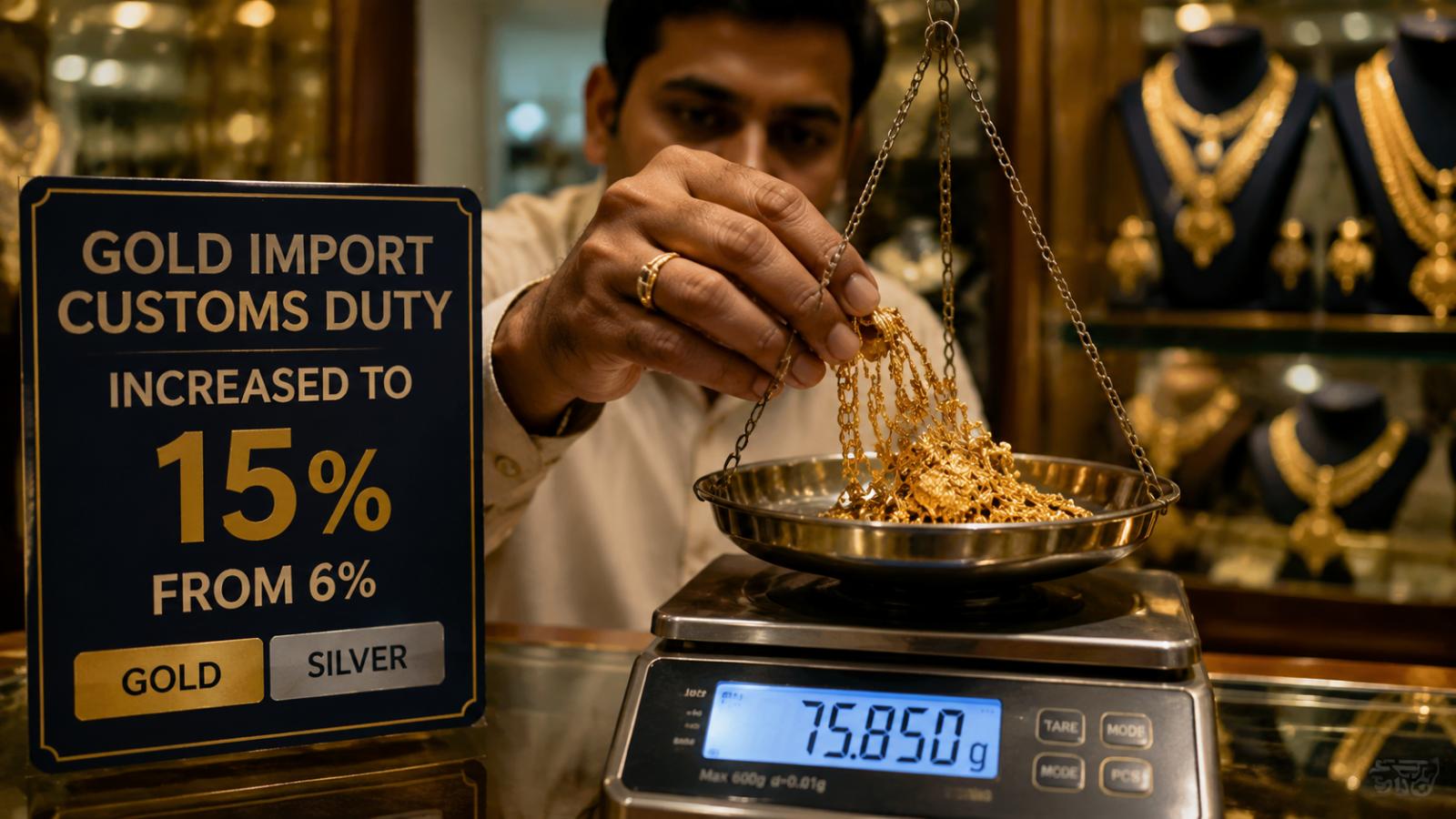
The Indian government has raised the import duties on gold and silver sharply, setting the new rates at 15% from the previous 6%. This move comes just days after Prime Minister Narendra Modi urged the public to avoid purchasing gold for the next year, in response to the growing economic strain caused by the Iran war and the pressure on India's foreign exchange reserves. The government's decision involves a 10% basic customs duty along with an additional 5% Agriculture Infrastructure
Gold, Silver Imports to Cost More After Government Hikes Customs Duty to 15%
The Indian government has raised the import duties on gold and silver sharply, setting the new rates at 15% from the previous 6%. This move comes just days after Prime Minister Narendra Modi urged the public to avoid purchasing gold for the next year, in response to the growing economic strain caused by the Iran war and the pressure on India's foreign exchange reserves. The government's decision involves a 10% basic customs duty along with an additional 5% Agriculture Infrastructure
Rupee Falls to Record Low of 95.20 Against US Dollar Despite RBI Measures
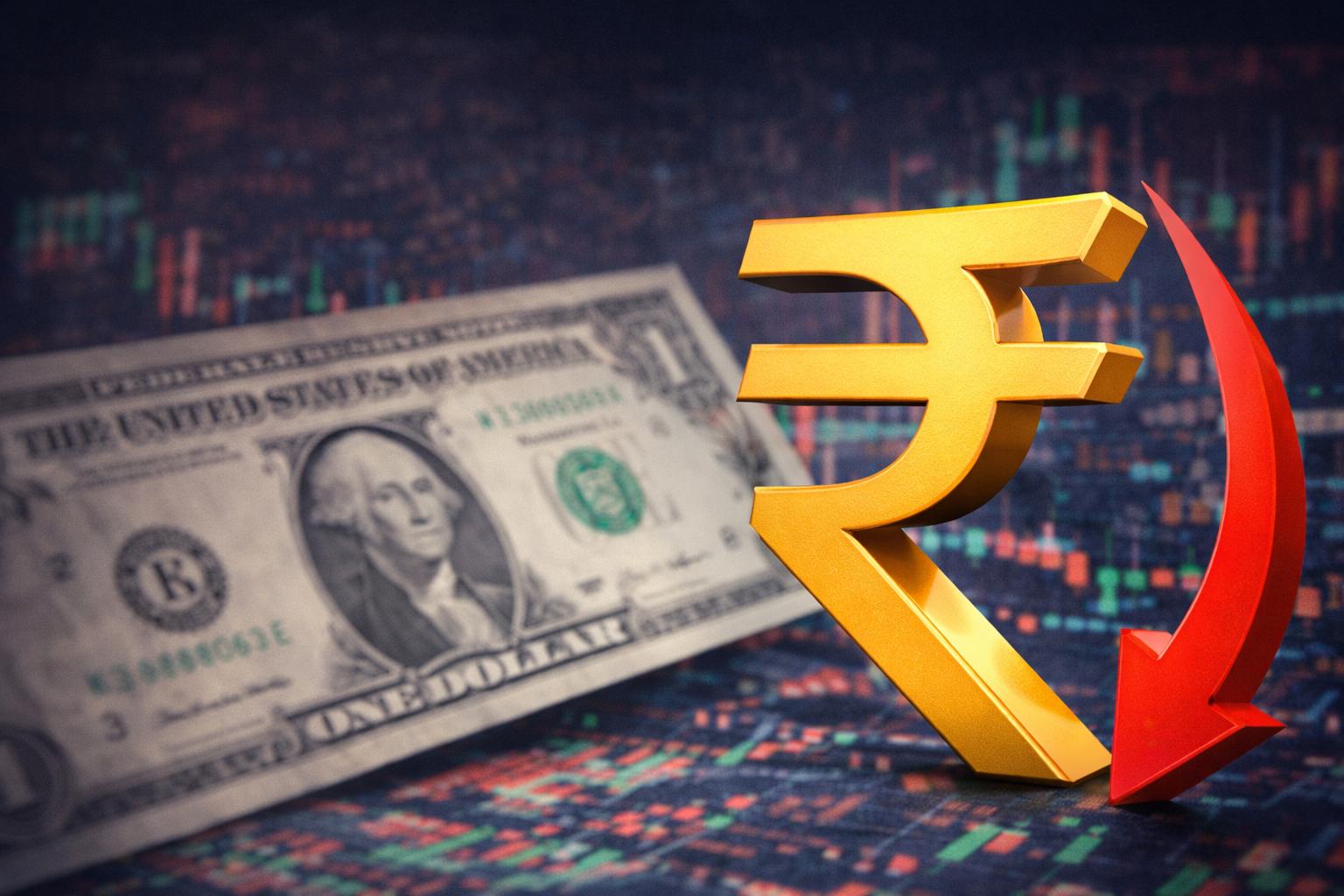
The Indian rupee slipped past the 95 mark against the US dollar on March 30, 2026, hitting an all-time low of 95.20 per dollar, a decline of 0.3% for the day. This drop occurred despite the Reserve Bank of India's (RBI) recent intervention aimed at curbing currency volatility. The currency has been under pressure from a mix of global factors, sustained foreign outflows, and rising oil prices. The RBI had introduced measures to support the rupee by tightening limits on banks' foreign exchange positions. As of late Friday, the central bank directed banks to cap their net open rupee positions in the foreign exchange market at $100 million by the end of each business day, with compliance required by April 10. While this move offered temporary relief, the impact was limited as analysts pointed out that underlying factors, such as persistent foreign outflows and high crude oil prices, continued to weigh on the rupee. Foreign portfolio outflows have been one of the major contributors to the rupee's weakness. These outflows, coupled with high global oil prices, have put pressure on India’s current account deficit, thus exerting more pressure on the currency. The rising oil prices are linked to geopolitical tensions, such as the ongoing conflict in Iran, which has exacerbated market volatility. Additionally, the wider spread between the onshore and non-deliverable forward (NDF) markets, due to increasing volatility, has contributed to the rupee’s decline. Despite the RBI’s directive, the rupee continued its downward spiral, reflecting broader economic challenges. The currency has fallen over 4% in March alone, marking its worst monthly performance in over seven years. The Nifty 50 index also reflected the market's overall weakness, dropping by about 2% on Monday, with a looming risk of its worst monthly decline since March 2020. In this uncertain climate, analysts predict that unless there is a significant drop in oil prices or a reversal in foreign fund flows, the pressure on the rupee is likely to persist. The continued outflows from emerging markets and heightened global uncertainty have created a negative sentiment surrounding India’s economic outlook, which, in turn, has kept the rupee under significant pressure.
Rupee Falls to Record Low of 95.20 Against US Dollar Despite RBI Measures
The Indian rupee slipped past the 95 mark against the US dollar on March 30, 2026, hitting an all-time low of 95.20 per dollar, a decline of 0.3% for the day. This drop occurred despite the Reserve Bank of India's (RBI) recent intervention aimed at curbing currency volatility. The currency has been under pressure from a mix of global factors, sustained foreign outflows, and rising oil prices. The RBI had introduced measures to support the rupee by tightening limits on banks' foreign exchange positions. As of late Friday, the central bank directed banks to cap their net open rupee positions in the foreign exchange market at $100 million by the end of each business day, with compliance required by April 10. While this move offered temporary relief, the impact was limited as analysts pointed out that underlying factors, such as persistent foreign outflows and high crude oil prices, continued to weigh on the rupee. Foreign portfolio outflows have been one of the major contributors to the rupee's weakness. These outflows, coupled with high global oil prices, have put pressure on India’s current account deficit, thus exerting more pressure on the currency. The rising oil prices are linked to geopolitical tensions, such as the ongoing conflict in Iran, which has exacerbated market volatility. Additionally, the wider spread between the onshore and non-deliverable forward (NDF) markets, due to increasing volatility, has contributed to the rupee’s decline. Despite the RBI’s directive, the rupee continued its downward spiral, reflecting broader economic challenges. The currency has fallen over 4% in March alone, marking its worst monthly performance in over seven years. The Nifty 50 index also reflected the market's overall weakness, dropping by about 2% on Monday, with a looming risk of its worst monthly decline since March 2020. In this uncertain climate, analysts predict that unless there is a significant drop in oil prices or a reversal in foreign fund flows, the pressure on the rupee is likely to persist. The continued outflows from emerging markets and heightened global uncertainty have created a negative sentiment surrounding India’s economic outlook, which, in turn, has kept the rupee under significant pressure.


