#franceheat
Europe omega block heatwave drives deadly temperature surge
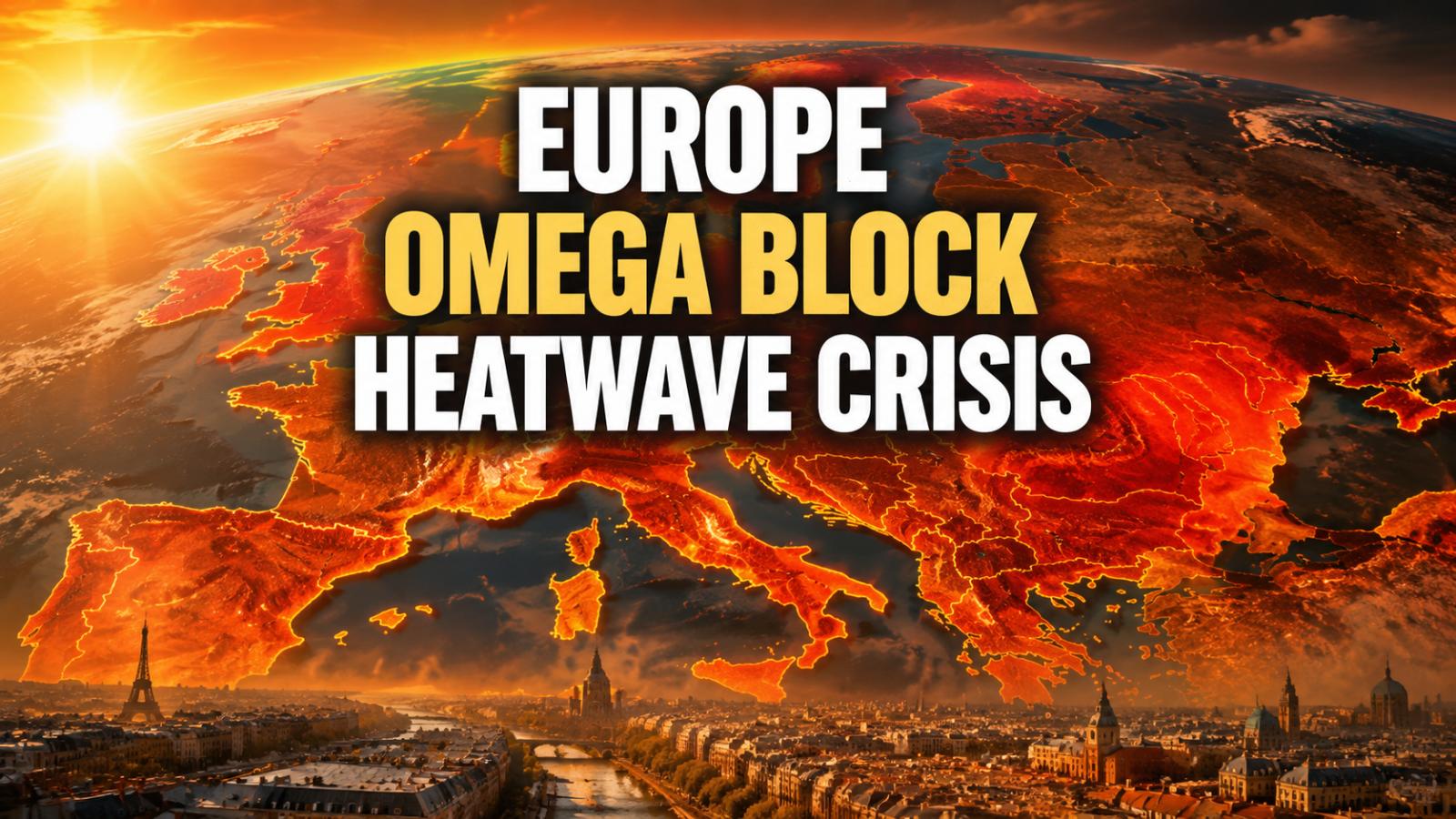
Europe is currently experiencing a severe heatwave driven by a trapped atmospheric system known as an omega block. This Europe omega block heatwave is preventing normal weather movement, locking hot air over large parts of the continent for days. As a result, temperatures are rising sharply, affecting daily life, health systems, and infrastructure across multiple countries. What is driving this extreme heat The main reason behind the heat buildup is a stalled jet stream pattern. In this pattern, high pressure sits over Europe in a shape that blocks cooler air from entering. Instead of changing weather systems, the same hot air remains in place and continues to intensify under strong summer sunlight. This creates repeated days of extreme heat rather than short-term spikes. Nights also remain warm, giving the human body little time to recover from daytime heat exposure. Countries facing the strongest impact The heatwave is affecting a wide region including France, Germany, Italy, Spain, Switzerland, the United Kingdom, Poland, Czechia, Hungary, and parts of the Balkans. Several areas in Central and Eastern Europe have recorded temperatures above 40°C, with some locations reaching historic highs. The heat is spreading gradually eastward as the trapped system shifts across the continent. Why some regions are more exposed Southern Europe is directly exposed to hot air moving from North Africa and the Mediterranean. Countries such as Spain, Italy, and France experience intense surface heating due to prolonged sunlight and dry conditions. In Central and Eastern Europe, countries like Germany, Poland, Czechia, and Hungary face heat accumulation over landlocked regions, where hot air remains trapped for longer periods. Impact on health and daily life Health systems are under growing pressure as heat-related illnesses increase. Conditions such as dehydration, heatstroke, and cardiovascular stress are rising, particularly among older adults, outdoor workers, and people without cooling access. Reports from multiple regions indicate excess deaths above normal levels during the heatwave period, highlighting the seriousness of prolonged exposure to extreme temperatures. Transport systems are also affected. Railway lines expand under heat, causing delays, while road surfaces soften and become unstable. Energy demand increases as cooling systems are used more widely, putting pressure on national grids. Agriculture is also suffering due to dry soil conditions, reduced crop yields, and falling river levels. In some regions, water availability is becoming a growing concern for both farming and urban supply. Public response and risk outlook Authorities across Europe are advising people to stay hydrated, avoid outdoor activity during peak heat hours, and check on vulnerable individuals. Hospitals remain alert as heat-related admissions continue to rise. Experts warn that the full impact of this heatwave may take time to appear, as excess mortality data is still being compiled. The situation highlights how extreme weather patterns are becoming more persistent and widespread, with the omega block heatwave showing how atmospheric conditions can directly affect health, infrastructure, and daily life across Europe.
Europe omega block heatwave drives deadly temperature surge
Europe is currently experiencing a severe heatwave driven by a trapped atmospheric system known as an omega block. This Europe omega block heatwave is preventing normal weather movement, locking hot air over large parts of the continent for days. As a result, temperatures are rising sharply, affecting daily life, health systems, and infrastructure across multiple countries. What is driving this extreme heat The main reason behind the heat buildup is a stalled jet stream pattern. In this pattern, high pressure sits over Europe in a shape that blocks cooler air from entering. Instead of changing weather systems, the same hot air remains in place and continues to intensify under strong summer sunlight. This creates repeated days of extreme heat rather than short-term spikes. Nights also remain warm, giving the human body little time to recover from daytime heat exposure. Countries facing the strongest impact The heatwave is affecting a wide region including France, Germany, Italy, Spain, Switzerland, the United Kingdom, Poland, Czechia, Hungary, and parts of the Balkans. Several areas in Central and Eastern Europe have recorded temperatures above 40°C, with some locations reaching historic highs. The heat is spreading gradually eastward as the trapped system shifts across the continent. Why some regions are more exposed Southern Europe is directly exposed to hot air moving from North Africa and the Mediterranean. Countries such as Spain, Italy, and France experience intense surface heating due to prolonged sunlight and dry conditions. In Central and Eastern Europe, countries like Germany, Poland, Czechia, and Hungary face heat accumulation over landlocked regions, where hot air remains trapped for longer periods. Impact on health and daily life Health systems are under growing pressure as heat-related illnesses increase. Conditions such as dehydration, heatstroke, and cardiovascular stress are rising, particularly among older adults, outdoor workers, and people without cooling access. Reports from multiple regions indicate excess deaths above normal levels during the heatwave period, highlighting the seriousness of prolonged exposure to extreme temperatures. Transport systems are also affected. Railway lines expand under heat, causing delays, while road surfaces soften and become unstable. Energy demand increases as cooling systems are used more widely, putting pressure on national grids. Agriculture is also suffering due to dry soil conditions, reduced crop yields, and falling river levels. In some regions, water availability is becoming a growing concern for both farming and urban supply. Public response and risk outlook Authorities across Europe are advising people to stay hydrated, avoid outdoor activity during peak heat hours, and check on vulnerable individuals. Hospitals remain alert as heat-related admissions continue to rise. Experts warn that the full impact of this heatwave may take time to appear, as excess mortality data is still being compiled. The situation highlights how extreme weather patterns are becoming more persistent and widespread, with the omega block heatwave showing how atmospheric conditions can directly affect health, infrastructure, and daily life across Europe.
WHO says Europe heatwave linked to over 1,300 excess deaths
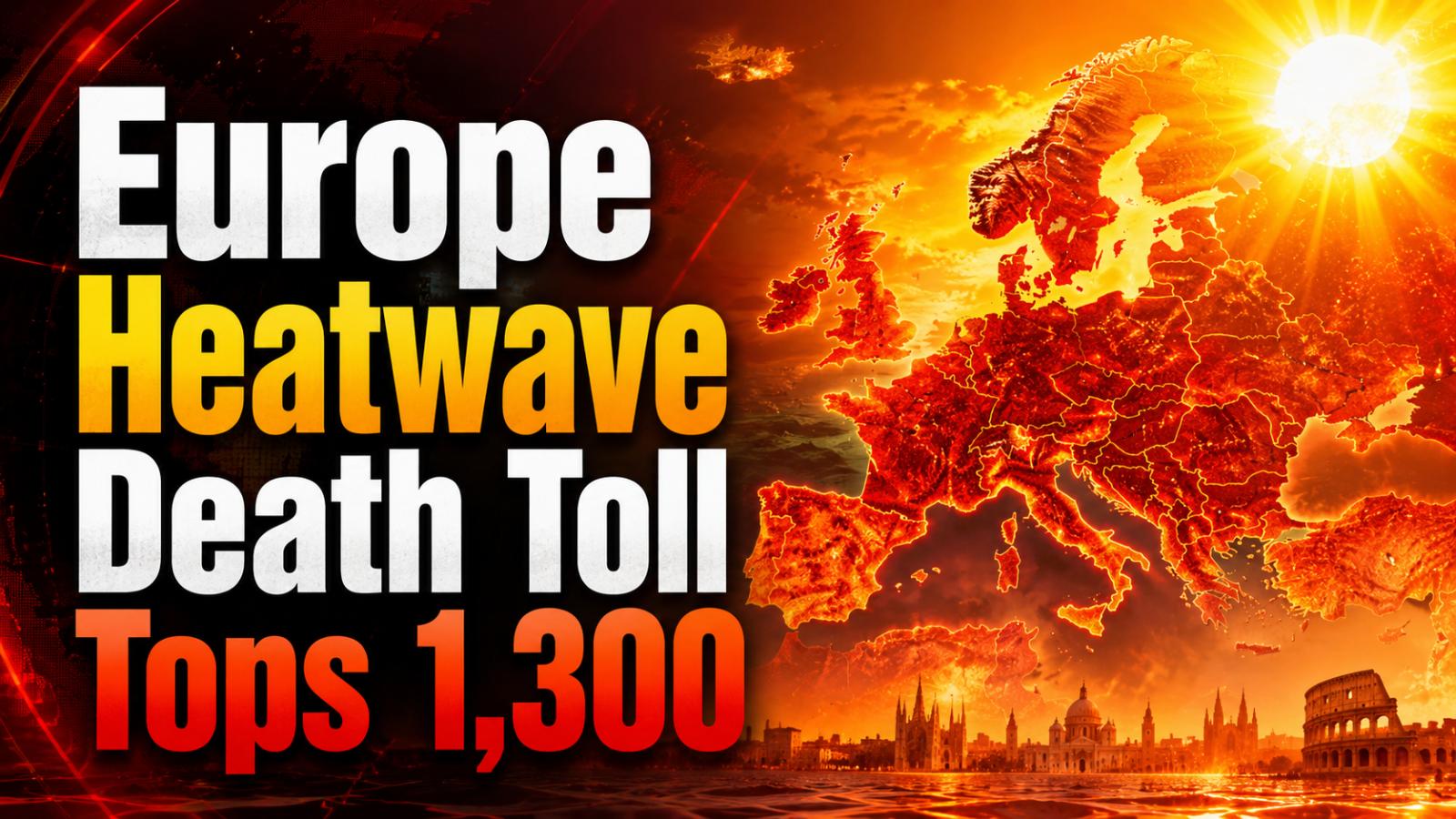
Heatwave raises health concerns across Europe More than 1,300 excess deaths have been recorded in Europe since June 21 as a severe heatwave continues to affect large parts of the continent, according to the World Health Organization. The warning came as millions of people faced another weekend of extreme temperatures, with the intense weather system gradually moving eastward and placing growing pressure on public health services. WHO chief Tedros Adhanom Gh
WHO says Europe heatwave linked to over 1,300 excess deaths
Heatwave raises health concerns across Europe More than 1,300 excess deaths have been recorded in Europe since June 21 as a severe heatwave continues to affect large parts of the continent, according to the World Health Organization. The warning came as millions of people faced another weekend of extreme temperatures, with the intense weather system gradually moving eastward and placing growing pressure on public health services. WHO chief Tedros Adhanom Gh
France heatwave shuts landmarks as tourism faces disruption
France is experiencing an intense heat surge that has pushed temperatures across several regions to dangerous levels, placing large parts of the country under the highest weather alert category. Authorities have warned that the current conditions are among the most severe in recent years, with urban areas like Paris feeling the strongest impact due to dense infrastructure and limited night-time cooling. Paris tourism slows as conditions become unsafe Tourist activity in Paris has taken a noticeable hit as extreme heat makes outdoor movement difficult during peak hours. Visitors are shortening itineraries, avoiding long walking routes, and shifting to indoor attractions wherever possible. Public spaces remain crowded, but activity is largely concentrated in shaded areas and air-conditioned venues as people try to avoid prolonged exposure. Major landmarks adjust operations due to heat stress Several iconic sites have been forced to modify schedules in response to the heat conditions. The Eiffel Tower has adjusted operating hours, closing earlier than usual to reduce visitor risk during peak temperatures. The Louvre Museum has also shifted to reduced visiting hours, prioritizing safety for both staff and tourists. Other regional attractions have issued advisories urging travelers to delay or reschedule visits until conditions improve. Weather pattern driving the extreme temperatures Meteorologists attribute the heat surge to a stalled atmospheric pattern that is trapping warm air over Western Europe. This system is reinforced by hot air moving in from North Africa, intensifying the temperature spike across France. Combined with stagnant wind conditions, the heat is persisting longer than typical summer peaks, limiting overnight cooling and increasing strain on infrastructure. Climate trend raising frequency of extreme heat events Experts note that Europe is warming faster than many other regions globally, contributing to more frequent and intense heat episodes. France is increasingly experiencing prolonged summer heat events that disrupt transport, tourism, and daily routines. The current situation highlights how rising baseline temperatures are turning what were once rare extremes into recurring seasonal challenges.
France heatwave shuts landmarks as tourism faces disruption
France is experiencing an intense heat surge that has pushed temperatures across several regions to dangerous levels, placing large parts of the country under the highest weather alert category. Authorities have warned that the current conditions are among the most severe in recent years, with urban areas like Paris feeling the strongest impact due to dense infrastructure and limited night-time cooling. Paris tourism slows as conditions become unsafe Tourist activity in Paris has taken a noticeable hit as extreme heat makes outdoor movement difficult during peak hours. Visitors are shortening itineraries, avoiding long walking routes, and shifting to indoor attractions wherever possible. Public spaces remain crowded, but activity is largely concentrated in shaded areas and air-conditioned venues as people try to avoid prolonged exposure. Major landmarks adjust operations due to heat stress Several iconic sites have been forced to modify schedules in response to the heat conditions. The Eiffel Tower has adjusted operating hours, closing earlier than usual to reduce visitor risk during peak temperatures. The Louvre Museum has also shifted to reduced visiting hours, prioritizing safety for both staff and tourists. Other regional attractions have issued advisories urging travelers to delay or reschedule visits until conditions improve. Weather pattern driving the extreme temperatures Meteorologists attribute the heat surge to a stalled atmospheric pattern that is trapping warm air over Western Europe. This system is reinforced by hot air moving in from North Africa, intensifying the temperature spike across France. Combined with stagnant wind conditions, the heat is persisting longer than typical summer peaks, limiting overnight cooling and increasing strain on infrastructure. Climate trend raising frequency of extreme heat events Experts note that Europe is warming faster than many other regions globally, contributing to more frequent and intense heat episodes. France is increasingly experiencing prolonged summer heat events that disrupt transport, tourism, and daily routines. The current situation highlights how rising baseline temperatures are turning what were once rare extremes into recurring seasonal challenges.