#geopoliticaltensions
Iran Rejects UAE Drone Strike Accusations, Points to US Adventurism
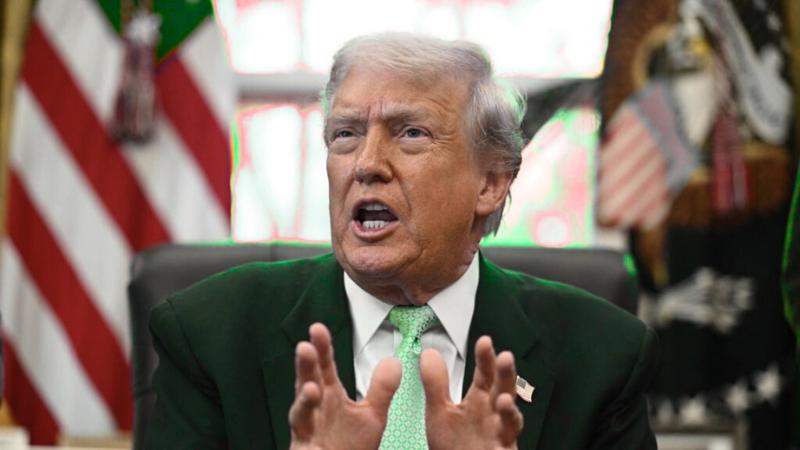
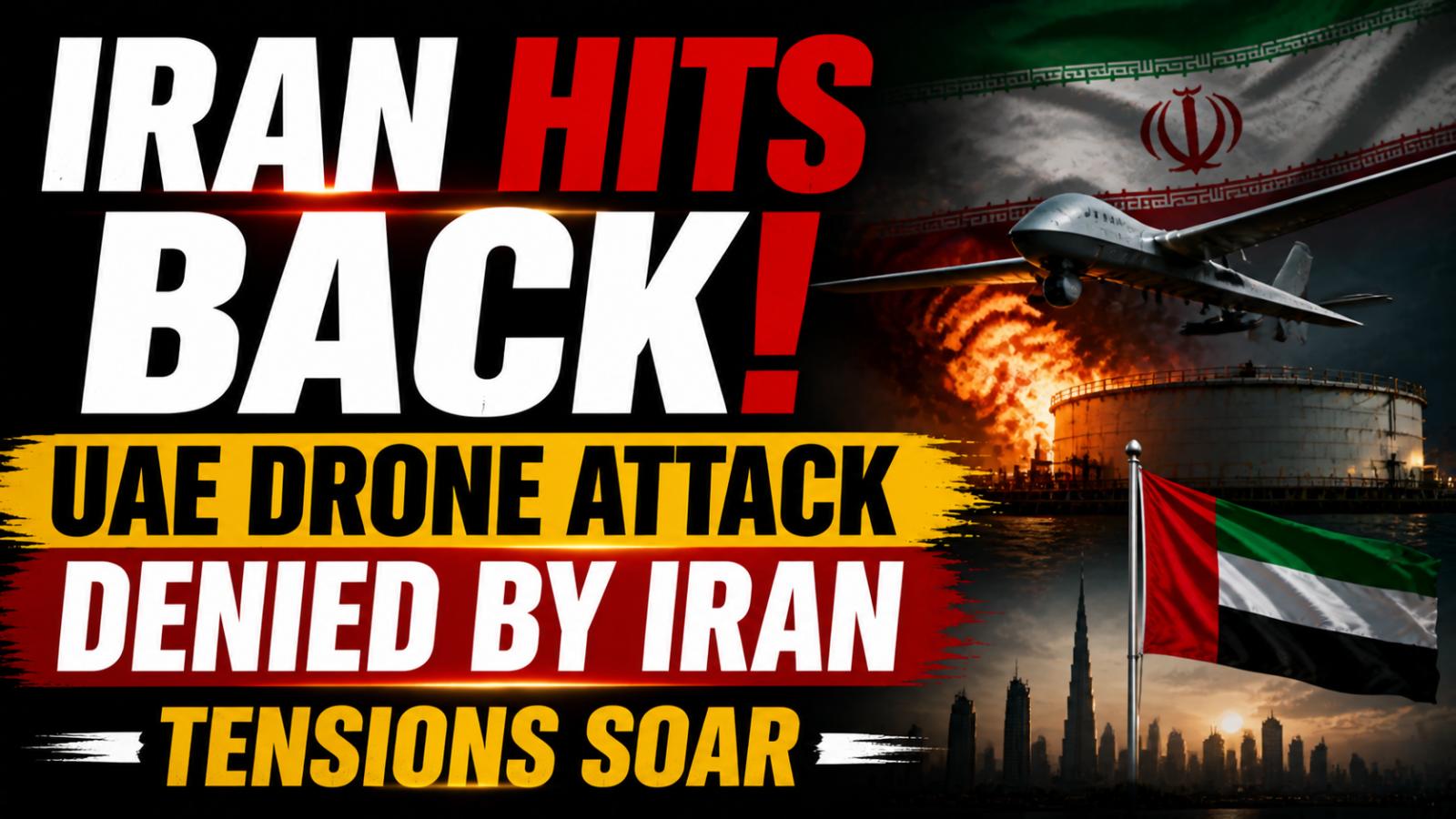
Iran has strongly denied accusations from the United Arab Emirates that it was behind a drone strike targeting oil facilities in Fujairah, calling the attack a product of US military adventurism. UAE authorities reported the attack on Monday, saying that three Indian nationals were injured in the strike and were hospitalized. The UAE also described the attack as a “dangerous escalation” amid growing tensions in the region. Iran's military officials, speaking on state television, insisted that the Islamic Republic had no plans to target UAE oil infrastructure. They argued that the attack was part of a broader geopolitical game in which the US was attempting to create a passage for ships to unlawfully pass through the Strait of Hormuz, a key oil shipping lane. Iranian officials called on the US to cease its military actions in the region, accusing Washington of destabilizing the area and holding the US accountable for the escalation. In the aftermath of the strike, US President Donald Trump announced a new maritime operation, Project Freedom, aimed at guiding neutral ships safely through the Gulf. The initiative, which Trump described as a humanitarian effort, is seen as a response to the increasing number of incidents in the Strait of Hormuz. US officials reported engaging with Iranian small boats in the Gulf, claiming that US forces had destroyed several Iranian vessels. Iran, however, denied these claims, stating that none of its boats had been sunk. Iran's Foreign Minister, Seyed Abbas Araghchi, emphasized the need for a political resolution to the ongoing tensions, cautioning against further military action. He called for greater diplomatic efforts, including mediation by countries like Pakistan, to prevent a deeper conflict. Araghchi also warned the UAE and other regional actors against further escalation, urging them to avoid external interference that could destabilize the region further. As the situation continues to develop, both Iran and the US remain at odds over their military presence in the vital Strait of Hormuz.
Iran Rejects UAE Drone Strike Accusations, Points to US Adventurism
Iran has strongly denied accusations from the United Arab Emirates that it was behind a drone strike targeting oil facilities in Fujairah, calling the attack a product of US military adventurism. UAE authorities reported the attack on Monday, saying that three Indian nationals were injured in the strike and were hospitalized. The UAE also described the attack as a “dangerous escalation” amid growing tensions in the region. Iran's military officials, speaking on state television, insisted that the Islamic Republic had no plans to target UAE oil infrastructure. They argued that the attack was part of a broader geopolitical game in which the US was attempting to create a passage for ships to unlawfully pass through the Strait of Hormuz, a key oil shipping lane. Iranian officials called on the US to cease its military actions in the region, accusing Washington of destabilizing the area and holding the US accountable for the escalation. In the aftermath of the strike, US President Donald Trump announced a new maritime operation, Project Freedom, aimed at guiding neutral ships safely through the Gulf. The initiative, which Trump described as a humanitarian effort, is seen as a response to the increasing number of incidents in the Strait of Hormuz. US officials reported engaging with Iranian small boats in the Gulf, claiming that US forces had destroyed several Iranian vessels. Iran, however, denied these claims, stating that none of its boats had been sunk. Iran's Foreign Minister, Seyed Abbas Araghchi, emphasized the need for a political resolution to the ongoing tensions, cautioning against further military action. He called for greater diplomatic efforts, including mediation by countries like Pakistan, to prevent a deeper conflict. Araghchi also warned the UAE and other regional actors against further escalation, urging them to avoid external interference that could destabilize the region further. As the situation continues to develop, both Iran and the US remain at odds over their military presence in the vital Strait of Hormuz.
Venezuela, Hormuz, Malacca: The US-China energy conflict intensifies in 2026
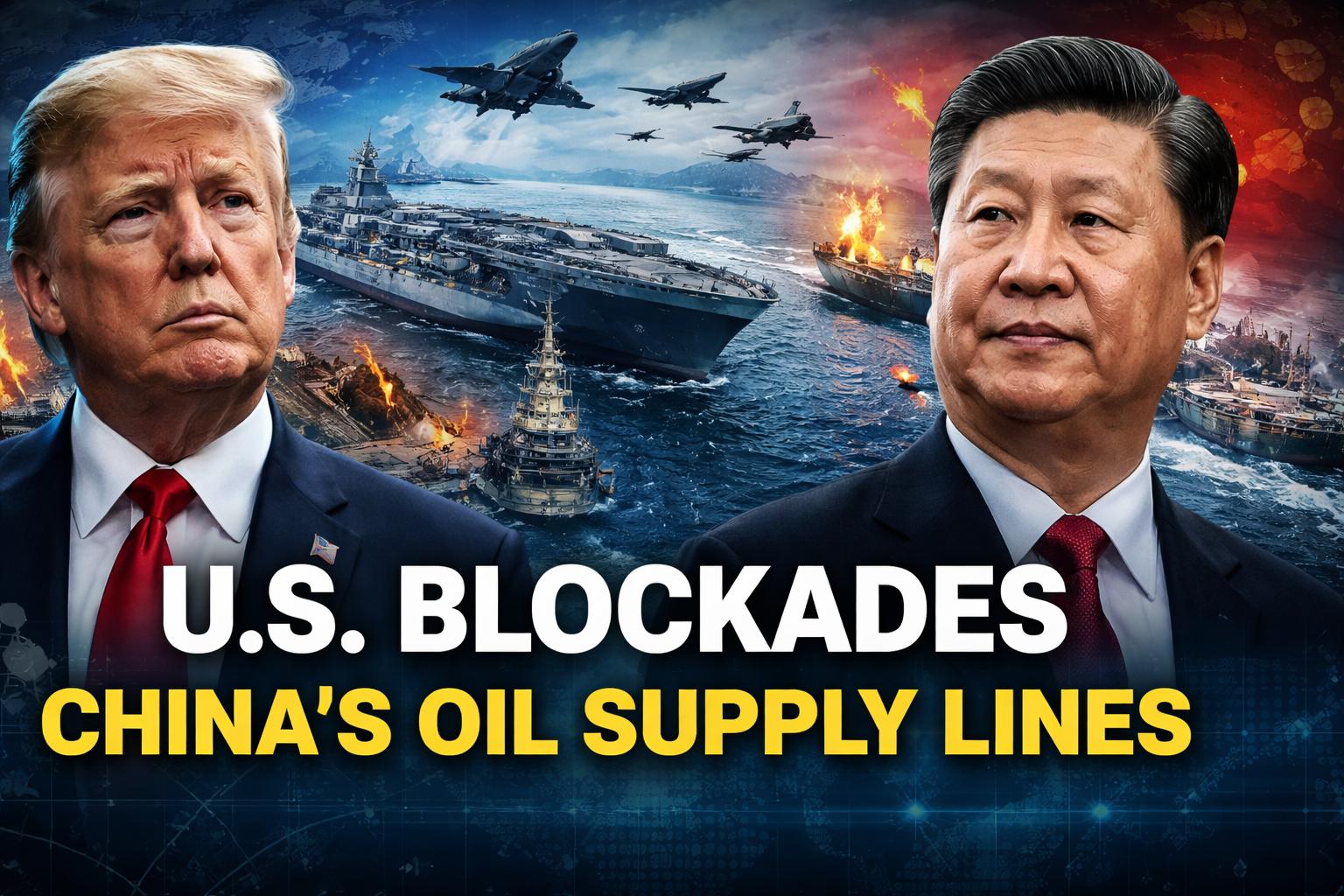
The geopolitical struggle for control over global oil supply routes escalated in early 2026, as the United States moved to strategically target key energy chokepoints in an attempt to disrupt China’s oil flow. With major oil reserves located in Venezuela, the strategic Strait of Hormuz, and the Malacca Strait, the US appears to be building a complex energy blockade aimed at China, using military force and economic pressure to shift the balance of power. In January 2026, the US took a bold step by moving its military presence to Venezuela, home to the world’s largest proven oil reserves. The operation involved an elite force that captured former Venezuelan President Nicolas Maduro, potentially altering the country’s political landscape and controlling access to its vast oil reserves. With an estimated 303 billion barrels of oil at stake, Venezuela became the first of many critical points in this evolving global energy chess game. The next move came in February 2026, when the US extended its reach into the Strait of Hormuz. This chokepoint, through which 20 to 25 percent of the world’s seaborne crude oil passes, became a target as the US launched air strikes on Iranian military and energy infrastructure. The subsequent blockade of Hormuz raised the stakes even higher, as China, a major oil importer, relies heavily on this route for its energy needs. Despite Trump’s assertion that the US no longer needed Hormuz oil due to domestic production, the global impact was undeniable, with oil prices rising sharply. By March 2026, the US had expanded its strategy to the Malacca Strait, one of the world’s busiest shipping lanes and a vital route for Chinese oil imports. Through a new deal with Indonesia, the US gained increased access to the region’s airspace, strengthening its surveillance and control capabilities. This move escalated the geopolitical pressure on China, which had already been preparing for such scenarios by building overland pipeline infrastructure to mitigate risks associated with maritime routes. China’s response to these strategic moves has been multifaceted. In Venezuela, it quickly adapted to the US military action, tapping into shadow fleets and using alternative routes to maintain its crude supply. Furthermore, China’s vast reserves, along with its investments in Russian and Iranian oil, have provided it with a buffer to withstand the pressure from the US blockade. With over 1.3 billion barrels in emergency reserves, China has the capacity to play the waiting game, absorbing the initial shocks to its oil supply. As the US tightens its grip on these strategic chokepoints, the geopolitical chessboard continues to shift. China’s ability to reroute oil through its vast pipeline network and shadow tanker fleet provides a buffer, but it remains to be seen which side will blink first in this high-stakes game. While the US hopes to achieve its goals through escalating energy denial, China’s resilience and strategic planning indicate that this global oil conflict is far from over. The Malacca Strait, a vital point in this strategic maneuvering, serves as the final battleground. With its ability to influence both regional and global shipping routes, the US’s efforts to control this chokepoint may prove pivotal. However, China’s efforts to secure alternative oil sources and protect its interests in the region suggest that the true outcome of this energy conflict will depend on the endurance and tactical flexibility of both superpowers.
Venezuela, Hormuz, Malacca: The US-China energy conflict intensifies in 2026
The geopolitical struggle for control over global oil supply routes escalated in early 2026, as the United States moved to strategically target key energy chokepoints in an attempt to disrupt China’s oil flow. With major oil reserves located in Venezuela, the strategic Strait of Hormuz, and the Malacca Strait, the US appears to be building a complex energy blockade aimed at China, using military force and economic pressure to shift the balance of power. In January 2026, the US took a bold step by moving its military presence to Venezuela, home to the world’s largest proven oil reserves. The operation involved an elite force that captured former Venezuelan President Nicolas Maduro, potentially altering the country’s political landscape and controlling access to its vast oil reserves. With an estimated 303 billion barrels of oil at stake, Venezuela became the first of many critical points in this evolving global energy chess game. The next move came in February 2026, when the US extended its reach into the Strait of Hormuz. This chokepoint, through which 20 to 25 percent of the world’s seaborne crude oil passes, became a target as the US launched air strikes on Iranian military and energy infrastructure. The subsequent blockade of Hormuz raised the stakes even higher, as China, a major oil importer, relies heavily on this route for its energy needs. Despite Trump’s assertion that the US no longer needed Hormuz oil due to domestic production, the global impact was undeniable, with oil prices rising sharply. By March 2026, the US had expanded its strategy to the Malacca Strait, one of the world’s busiest shipping lanes and a vital route for Chinese oil imports. Through a new deal with Indonesia, the US gained increased access to the region’s airspace, strengthening its surveillance and control capabilities. This move escalated the geopolitical pressure on China, which had already been preparing for such scenarios by building overland pipeline infrastructure to mitigate risks associated with maritime routes. China’s response to these strategic moves has been multifaceted. In Venezuela, it quickly adapted to the US military action, tapping into shadow fleets and using alternative routes to maintain its crude supply. Furthermore, China’s vast reserves, along with its investments in Russian and Iranian oil, have provided it with a buffer to withstand the pressure from the US blockade. With over 1.3 billion barrels in emergency reserves, China has the capacity to play the waiting game, absorbing the initial shocks to its oil supply. As the US tightens its grip on these strategic chokepoints, the geopolitical chessboard continues to shift. China’s ability to reroute oil through its vast pipeline network and shadow tanker fleet provides a buffer, but it remains to be seen which side will blink first in this high-stakes game. While the US hopes to achieve its goals through escalating energy denial, China’s resilience and strategic planning indicate that this global oil conflict is far from over. The Malacca Strait, a vital point in this strategic maneuvering, serves as the final battleground. With its ability to influence both regional and global shipping routes, the US’s efforts to control this chokepoint may prove pivotal. However, China’s efforts to secure alternative oil sources and protect its interests in the region suggest that the true outcome of this energy conflict will depend on the endurance and tactical flexibility of both superpowers.
The Impact of Global Tensions and Falling Crude Prices on India’s Sensex Surge
On April 8, 2026, India’s stock markets experienced a remarkable surge, with the BSE Sensex climbing over 2,700 points, marking a 3.66% increase, and the Nifty rising by more than 3.4%. Investor wealth swelled by over Rs 14 lakh crore during the early trade, signaling a sharp recovery after a period of volatility. This rally was fueled by multiple factors, including easing global geopolitical tensions, softer crude prices, and an increase in investor confidence. The biggest trigge
The Impact of Global Tensions and Falling Crude Prices on India’s Sensex Surge
On April 8, 2026, India’s stock markets experienced a remarkable surge, with the BSE Sensex climbing over 2,700 points, marking a 3.66% increase, and the Nifty rising by more than 3.4%. Investor wealth swelled by over Rs 14 lakh crore during the early trade, signaling a sharp recovery after a period of volatility. This rally was fueled by multiple factors, including easing global geopolitical tensions, softer crude prices, and an increase in investor confidence. The biggest trigge
Rupee Falls to Record Low of 95.20 Against US Dollar Despite RBI Measures
The Indian rupee slipped past the 95 mark against the US dollar on March 30, 2026, hitting an all-time low of 95.20 per dollar, a decline of 0.3% for the day. This drop occurred despite the Reserve Bank of India's (RBI) recent intervention aimed at curbing currency volatility. The currency has been under pressure from a mix of global factors, sustained foreign outflows, and rising oil prices. The RBI had introduced measures to support the rupee by tightening limits on banks' foreign exchange positions. As of late Friday, the central bank directed banks to cap their net open rupee positions in the foreign exchange market at $100 million by the end of each business day, with compliance required by April 10. While this move offered temporary relief, the impact was limited as analysts pointed out that underlying factors, such as persistent foreign outflows and high crude oil prices, continued to weigh on the rupee. Foreign portfolio outflows have been one of the major contributors to the rupee's weakness. These outflows, coupled with high global oil prices, have put pressure on India’s current account deficit, thus exerting more pressure on the currency. The rising oil prices are linked to geopolitical tensions, such as the ongoing conflict in Iran, which has exacerbated market volatility. Additionally, the wider spread between the onshore and non-deliverable forward (NDF) markets, due to increasing volatility, has contributed to the rupee’s decline. Despite the RBI’s directive, the rupee continued its downward spiral, reflecting broader economic challenges. The currency has fallen over 4% in March alone, marking its worst monthly performance in over seven years. The Nifty 50 index also reflected the market's overall weakness, dropping by about 2% on Monday, with a looming risk of its worst monthly decline since March 2020. In this uncertain climate, analysts predict that unless there is a significant drop in oil prices or a reversal in foreign fund flows, the pressure on the rupee is likely to persist. The continued outflows from emerging markets and heightened global uncertainty have created a negative sentiment surrounding India’s economic outlook, which, in turn, has kept the rupee under significant pressure.
Rupee Falls to Record Low of 95.20 Against US Dollar Despite RBI Measures
The Indian rupee slipped past the 95 mark against the US dollar on March 30, 2026, hitting an all-time low of 95.20 per dollar, a decline of 0.3% for the day. This drop occurred despite the Reserve Bank of India's (RBI) recent intervention aimed at curbing currency volatility. The currency has been under pressure from a mix of global factors, sustained foreign outflows, and rising oil prices. The RBI had introduced measures to support the rupee by tightening limits on banks' foreign exchange positions. As of late Friday, the central bank directed banks to cap their net open rupee positions in the foreign exchange market at $100 million by the end of each business day, with compliance required by April 10. While this move offered temporary relief, the impact was limited as analysts pointed out that underlying factors, such as persistent foreign outflows and high crude oil prices, continued to weigh on the rupee. Foreign portfolio outflows have been one of the major contributors to the rupee's weakness. These outflows, coupled with high global oil prices, have put pressure on India’s current account deficit, thus exerting more pressure on the currency. The rising oil prices are linked to geopolitical tensions, such as the ongoing conflict in Iran, which has exacerbated market volatility. Additionally, the wider spread between the onshore and non-deliverable forward (NDF) markets, due to increasing volatility, has contributed to the rupee’s decline. Despite the RBI’s directive, the rupee continued its downward spiral, reflecting broader economic challenges. The currency has fallen over 4% in March alone, marking its worst monthly performance in over seven years. The Nifty 50 index also reflected the market's overall weakness, dropping by about 2% on Monday, with a looming risk of its worst monthly decline since March 2020. In this uncertain climate, analysts predict that unless there is a significant drop in oil prices or a reversal in foreign fund flows, the pressure on the rupee is likely to persist. The continued outflows from emerging markets and heightened global uncertainty have created a negative sentiment surrounding India’s economic outlook, which, in turn, has kept the rupee under significant pressure.
US Stock Markets Fall Amid Rising Tensions in the Middle East
The Dow Jones Industrial Average dropped by 84.75 points, or 0.18%, finishing at 46,123.72. The S&P 500 also saw a decline, losing 21.42 points (0.33%) to settle at 6,559.62. The Nasdaq Composite experienced a sharper drop, falling by 184.87 points (0.84%), closing at 21,761.89. As tensions remain high in the Middle East, with thousands of US Marines heading to the Gulf and both sides intensifying military actions, the markets are reflecting investor uncertainty. Despite Trump's delay on his self-imposed deadline for Iran to reopen the Strait of Hormuz, Iran's firm stance denying negotiations has contributed to the geopolitical instability, further impacting investor sentiment.
US Stock Markets Fall Amid Rising Tensions in the Middle East
The Dow Jones Industrial Average dropped by 84.75 points, or 0.18%, finishing at 46,123.72. The S&P 500 also saw a decline, losing 21.42 points (0.33%) to settle at 6,559.62. The Nasdaq Composite experienced a sharper drop, falling by 184.87 points (0.84%), closing at 21,761.89. As tensions remain high in the Middle East, with thousands of US Marines heading to the Gulf and both sides intensifying military actions, the markets are reflecting investor uncertainty. Despite Trump's delay on his self-imposed deadline for Iran to reopen the Strait of Hormuz, Iran's firm stance denying negotiations has contributed to the geopolitical instability, further impacting investor sentiment.
Japan Leads G7 Nations by Releasing Strategic Oil Reserves Amid Middle East Crisis
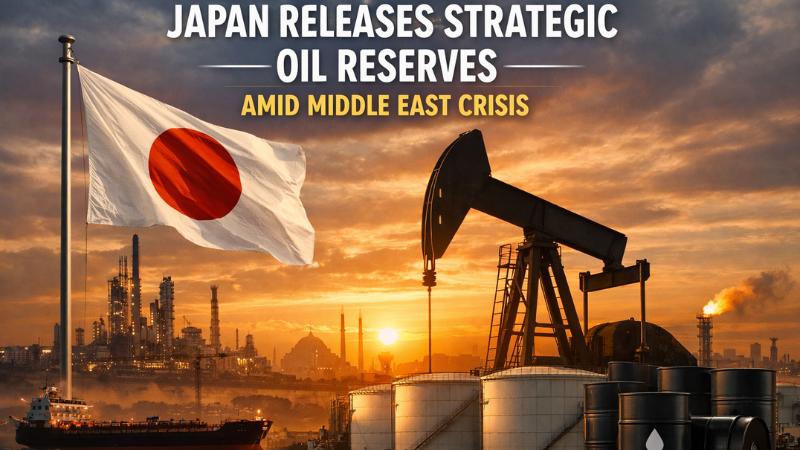
In a significant move amid the ongoing Middle East crisis, Japan has become the first G7 nation to announce the release of its strategic oil reserves. This decision comes in response to the geopolitical tensions affecting the global oil market and concerns over potential disruptions in the supply of crude oil. Japan's action is aimed at maintaining energy security and stabilizing oil prices, which have been fluctuating due to the crisis in the Middle East. As one of the world's larg
Japan Leads G7 Nations by Releasing Strategic Oil Reserves Amid Middle East Crisis
In a significant move amid the ongoing Middle East crisis, Japan has become the first G7 nation to announce the release of its strategic oil reserves. This decision comes in response to the geopolitical tensions affecting the global oil market and concerns over potential disruptions in the supply of crude oil. Japan's action is aimed at maintaining energy security and stabilizing oil prices, which have been fluctuating due to the crisis in the Middle East. As one of the world's larg
Three Indian nationals among crew as US seizes oil tanker Marinera in North Atlantic
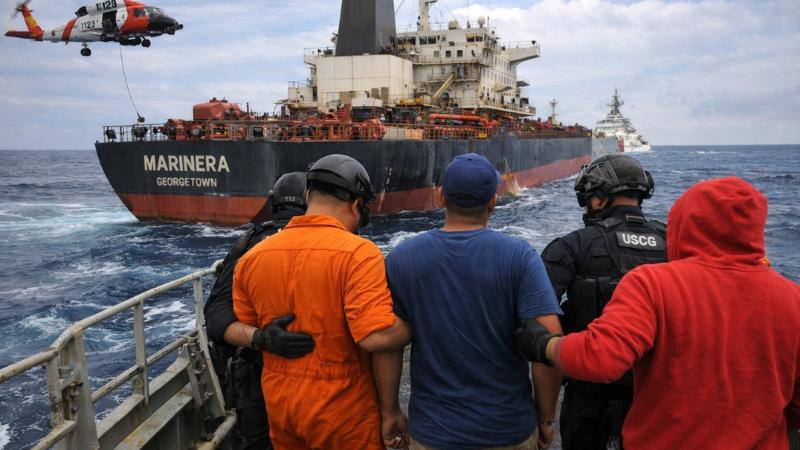
The United States intercepted and seized a Russian-flagged oil tanker in the North Atlantic on January 7, marking a significant escalation in its global enforcement of sanctions linked to Venezuelan oil exports. The vessel, now identified as the Marinera and previously known as Bella 1, was boarded in international waters after a pursuit that extended for more than two weeks across ocean routes from the Caribbean. U.S. European Command confirmed that the operation was conduc
Three Indian nationals among crew as US seizes oil tanker Marinera in North Atlantic
The United States intercepted and seized a Russian-flagged oil tanker in the North Atlantic on January 7, marking a significant escalation in its global enforcement of sanctions linked to Venezuelan oil exports. The vessel, now identified as the Marinera and previously known as Bella 1, was boarded in international waters after a pursuit that extended for more than two weeks across ocean routes from the Caribbean. U.S. European Command confirmed that the operation was conduc
Markets Tumble, Oil Soars as Iran Strikes Israel: India’s Nifty, Sensex Slide Amid Geopolitical Shock
Global financial markets came under pressure on Friday as Iran launched hundreds of missiles toward Israel in retaliation for earlier airstrikes on its nuclear and military facilities. The geopolitical escalation sparked fears of a wider Middle East conflict, leading to a steep sell-off on Wall Street and sharp gains in oil and gold. The S&P 500 fell 1.1%, while crude oil futures jumped 7.5%, their largest single-day gain in over two years. The VIX fear g
Markets Tumble, Oil Soars as Iran Strikes Israel: India’s Nifty, Sensex Slide Amid Geopolitical Shock
Global financial markets came under pressure on Friday as Iran launched hundreds of missiles toward Israel in retaliation for earlier airstrikes on its nuclear and military facilities. The geopolitical escalation sparked fears of a wider Middle East conflict, leading to a steep sell-off on Wall Street and sharp gains in oil and gold. The S&P 500 fell 1.1%, while crude oil futures jumped 7.5%, their largest single-day gain in over two years. The VIX fear g