


















#germanium
New Infrared Photodiode Boosts Efficiency for Various Technologies
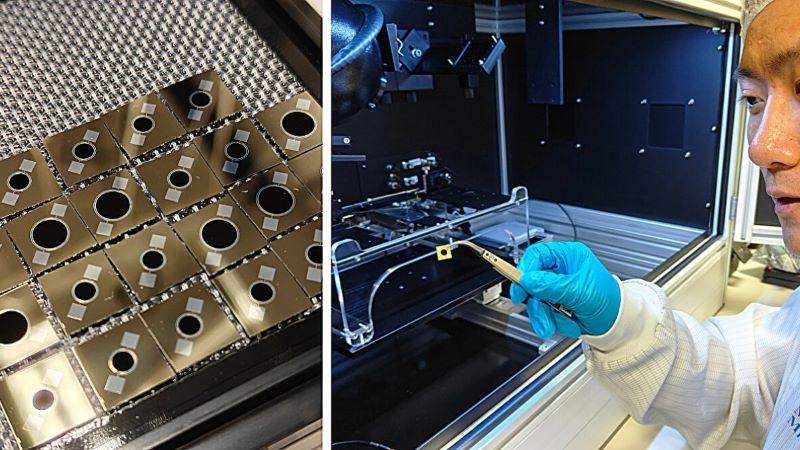
A new infrared photodiode, developed using Germanium, offers a 35% increase in responsivity at a 1.55 µm wavelength, which is widely used in telecommunications. Unlike traditional Indium Gallium Arsenide sensors, this Germanium-based photodiode achieves exceptional performance in infrared light detection, making it a promising solution for various applications, including self-driving vehicles, virtual reality, and telecommunications. This breakthrough is made possible through
New Infrared Photodiode Boosts Efficiency for Various Technologies
A new infrared photodiode, developed using Germanium, offers a 35% increase in responsivity at a 1.55 µm wavelength, which is widely used in telecommunications. Unlike traditional Indium Gallium Arsenide sensors, this Germanium-based photodiode achieves exceptional performance in infrared light detection, making it a promising solution for various applications, including self-driving vehicles, virtual reality, and telecommunications. This breakthrough is made possible through
China Bans Exports of Key Materials to U.S. Amid Escalating Trade Tensions
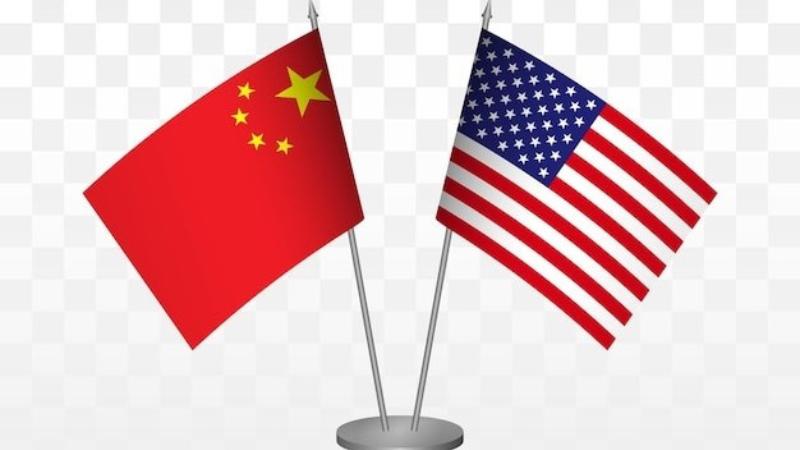
In a significant escalation of trade tensions, China announced on Tuesday that it would ban the export of several key materials, including gallium, germanium, and antimony, to the United States. These materials are vital for high-tech applications, including advanced electronics and military technologies. The Chinese Commerce Ministry's decision follows a recent expansion of the U.S. “entity list,” which now includes 140 Chinese companies—many based in China, though some
China Bans Exports of Key Materials to U.S. Amid Escalating Trade Tensions
In a significant escalation of trade tensions, China announced on Tuesday that it would ban the export of several key materials, including gallium, germanium, and antimony, to the United States. These materials are vital for high-tech applications, including advanced electronics and military technologies. The Chinese Commerce Ministry's decision follows a recent expansion of the U.S. “entity list,” which now includes 140 Chinese companies—many based in China, though some


