#global-economic-growth
Trump-Xi summit: Key issues, trade talks, and Iran conflict to be addressed
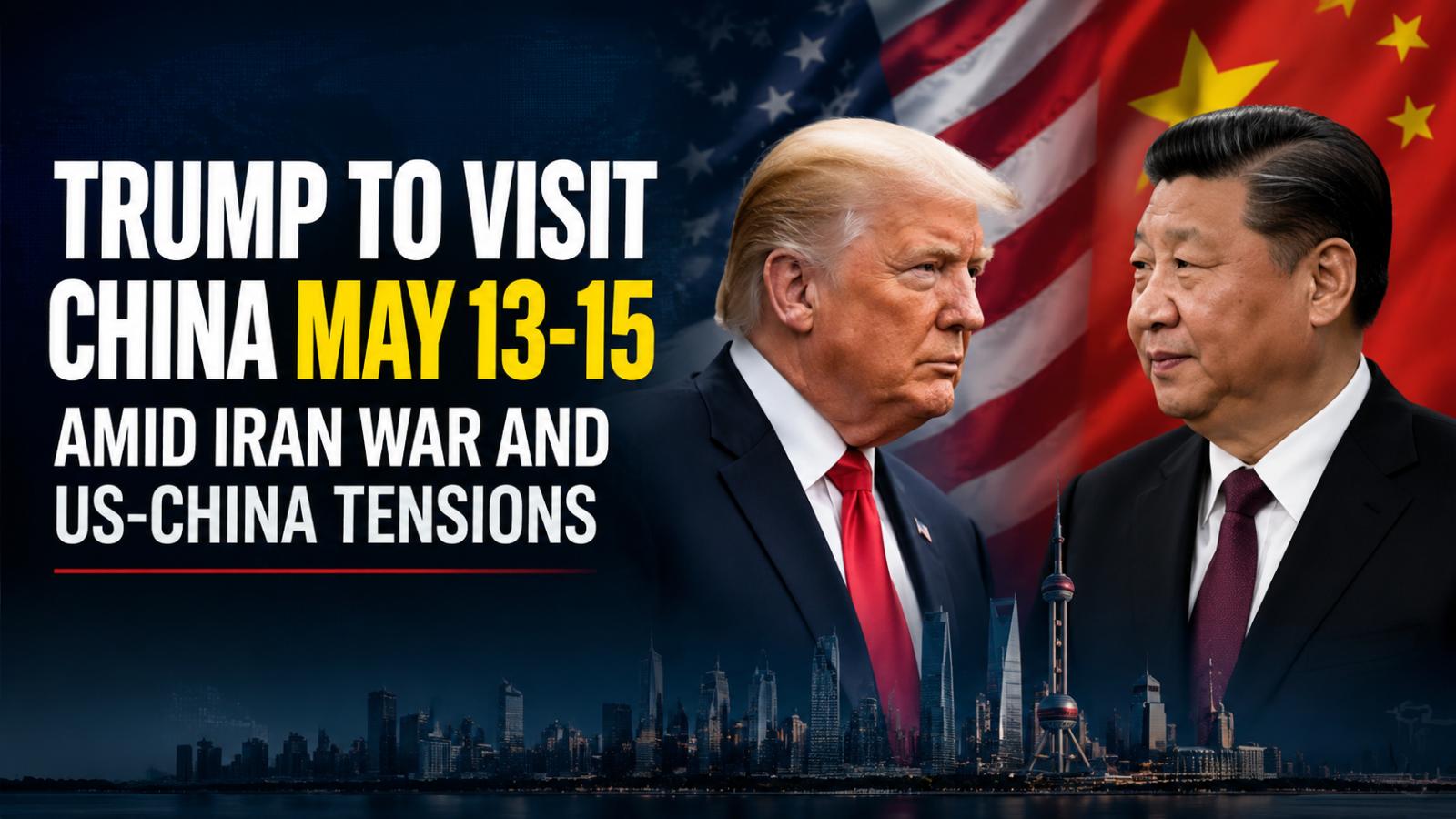
US President Donald Trump is set to visit China from May 13 to 15, marking the first visit to the country by an American president in nearly nine years. The invitation comes from Chinese President Xi Jinping amid growing tensions between the two nations over issues such as trade, technology, and defense. This visit comes at a critical time for global politics, with the ongoing Iran conflict impacting both economic stability and energy prices. The timing of Trump’s visit coincides with a volatile situation in the Strait of Hormuz, where a dual blockade has significantly disrupted global oil trade, driving up energy prices. These disruptions have the potential to harm global economic growth, as the Strait is a vital shipping route for the world’s oil supply. Trump’s administration has placed significant pressure on Iran over its nuclear program, and in recent remarks, he stated that the US would “finish the job” if Iran did not agree to the terms aimed at halting the conflict. While tensions remain high, the US continues to press for a diplomatic resolution to the situation, with President Trump asserting that Iran must meet specific demands regarding its nuclear ambitions. Despite these pressures, Trump maintains that the US does not need China’s assistance to resolve the issue, suggesting that the conflict could be settled with or without China’s involvement. Iran, for its part, has signaled its intention to pursue peace, with chief negotiator Mohammad Bagher Ghalibaf issuing an ultimatum to the US. According to Ghalibaf, Washington must accept Iran’s recent peace proposal or face further failure in negotiations. He emphasized that there was no alternative but to acknowledge the rights of the Iranian people as outlined in Tehran’s 14-point proposal. Beyond the Iran conflict, the upcoming Trump-Xi summit is expected to address several key issues affecting US-China relations. Trade discussions will likely focus on extending a temporary truce in the ongoing trade dispute, particularly concerning rare earth minerals. Both leaders are expected to explore agreements related to Boeing aircraft purchases, as well as expanding trade and investment ties. Additionally, China is anticipated to announce purchases in the US agricultural and energy sectors. Another significant topic of discussion will be Taiwan, with Xi expressing frustration over the US’s continued support for the island nation, which China claims as part of its territory. Trump’s administration has reiterated its commitment to Taiwan, despite escalating military activities in the region by China. The summit will also cover the rapid development of artificial intelligence (AI) in both countries, with US officials highlighting concerns about the potential military and economic implications of AI advancements. With both nations at the forefront of technological innovation, there is a growing need for open communication to avoid misunderstandings or potential conflicts arising from the use of AI. This high-stakes summit between the US and China is poised to shape the future of global trade, energy security, and technological development, with both sides seeking to manage their differences while addressing urgent geopolitical challenges. As the world watches, the outcome of these talks could have far-reaching implications for international relations.
Trump-Xi summit: Key issues, trade talks, and Iran conflict to be addressed
US President Donald Trump is set to visit China from May 13 to 15, marking the first visit to the country by an American president in nearly nine years. The invitation comes from Chinese President Xi Jinping amid growing tensions between the two nations over issues such as trade, technology, and defense. This visit comes at a critical time for global politics, with the ongoing Iran conflict impacting both economic stability and energy prices. The timing of Trump’s visit coincides with a volatile situation in the Strait of Hormuz, where a dual blockade has significantly disrupted global oil trade, driving up energy prices. These disruptions have the potential to harm global economic growth, as the Strait is a vital shipping route for the world’s oil supply. Trump’s administration has placed significant pressure on Iran over its nuclear program, and in recent remarks, he stated that the US would “finish the job” if Iran did not agree to the terms aimed at halting the conflict. While tensions remain high, the US continues to press for a diplomatic resolution to the situation, with President Trump asserting that Iran must meet specific demands regarding its nuclear ambitions. Despite these pressures, Trump maintains that the US does not need China’s assistance to resolve the issue, suggesting that the conflict could be settled with or without China’s involvement. Iran, for its part, has signaled its intention to pursue peace, with chief negotiator Mohammad Bagher Ghalibaf issuing an ultimatum to the US. According to Ghalibaf, Washington must accept Iran’s recent peace proposal or face further failure in negotiations. He emphasized that there was no alternative but to acknowledge the rights of the Iranian people as outlined in Tehran’s 14-point proposal. Beyond the Iran conflict, the upcoming Trump-Xi summit is expected to address several key issues affecting US-China relations. Trade discussions will likely focus on extending a temporary truce in the ongoing trade dispute, particularly concerning rare earth minerals. Both leaders are expected to explore agreements related to Boeing aircraft purchases, as well as expanding trade and investment ties. Additionally, China is anticipated to announce purchases in the US agricultural and energy sectors. Another significant topic of discussion will be Taiwan, with Xi expressing frustration over the US’s continued support for the island nation, which China claims as part of its territory. Trump’s administration has reiterated its commitment to Taiwan, despite escalating military activities in the region by China. The summit will also cover the rapid development of artificial intelligence (AI) in both countries, with US officials highlighting concerns about the potential military and economic implications of AI advancements. With both nations at the forefront of technological innovation, there is a growing need for open communication to avoid misunderstandings or potential conflicts arising from the use of AI. This high-stakes summit between the US and China is poised to shape the future of global trade, energy security, and technological development, with both sides seeking to manage their differences while addressing urgent geopolitical challenges. As the world watches, the outcome of these talks could have far-reaching implications for international relations.
RBI Keeps Repo Rate Steady at 5.25% in First FY27 Monetary Policy
The Reserve Bank of India has kept the policy repo rate unchanged at 5.25% in its first monetary policy announcement for the financial year 2026–27. The decision was announced by RBI Governor Sanjay Malhotra following a detaile
RBI Keeps Repo Rate Steady at 5.25% in First FY27 Monetary Policy
The Reserve Bank of India has kept the policy repo rate unchanged at 5.25% in its first monetary policy announcement for the financial year 2026–27. The decision was announced by RBI Governor Sanjay Malhotra following a detaile
India and EU Set Year-End Deadline for Free Trade Deal, Address Key Tariff and Visa Challenges
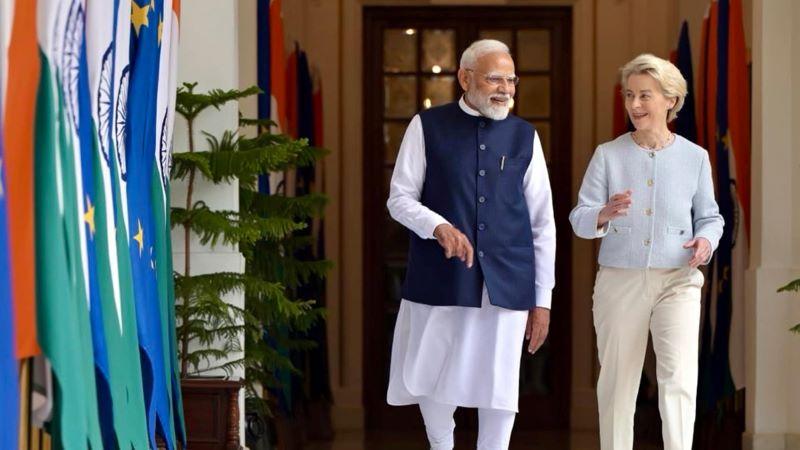
India and the European Union (EU) have set a year-end deadline to finalize a long-awaited free trade agreement (FTA), marking a crucial milestone in their bilateral trade relations. The announcement came after Prime Minister Narendra Modi and European Commission President Ursula von der Leyen met in New Delhi to strengthen India-EU economic and strategic ties.The trade agreement, under negotiation for several years, aims to expand economic cooperation, boost trade, and enhance market access b
India and EU Set Year-End Deadline for Free Trade Deal, Address Key Tariff and Visa Challenges
India and the European Union (EU) have set a year-end deadline to finalize a long-awaited free trade agreement (FTA), marking a crucial milestone in their bilateral trade relations. The announcement came after Prime Minister Narendra Modi and European Commission President Ursula von der Leyen met in New Delhi to strengthen India-EU economic and strategic ties.The trade agreement, under negotiation for several years, aims to expand economic cooperation, boost trade, and enhance market access b
World Bank Urges India to Cut Import Tariffs, Ease Trade Barriers to Boost Investment and Growth
The World Bank has advised India to lower import tariffs, ease regulatory restrictions, and simplify trade processes to enhance its global trade competitiveness and attract foreign investment. In a report released on Friday titled the Economic Memorandum on India, the World Bank highlighted that high trade costs caused by import tariffs on intermediate and capital goods, as well as non-tariff barriers, are limiting India's participation in global value chains (GVCs).The report emphasized
World Bank Urges India to Cut Import Tariffs, Ease Trade Barriers to Boost Investment and Growth
The World Bank has advised India to lower import tariffs, ease regulatory restrictions, and simplify trade processes to enhance its global trade competitiveness and attract foreign investment. In a report released on Friday titled the Economic Memorandum on India, the World Bank highlighted that high trade costs caused by import tariffs on intermediate and capital goods, as well as non-tariff barriers, are limiting India's participation in global value chains (GVCs).The report emphasized
Global Markets React to Trump’s Tariff Pause: Trade War Fears
In February 2025, US President Donald Trump’s announcement of a 30-day pause on tariffs against Mexico and Canada brought a brief sense of relief to global markets. The decision helped prevent a potential escalation of a full-blown trade war, with US equity futures and international markets responding positively. However, concerns linger about the long-term effects of tariffs on industries such as automotive, semiconductor, consumer goods, e-commerce, and green energy.
Global Markets React to Trump’s Tariff Pause: Trade War Fears
In February 2025, US President Donald Trump’s announcement of a 30-day pause on tariffs against Mexico and Canada brought a brief sense of relief to global markets. The decision helped prevent a potential escalation of a full-blown trade war, with US equity futures and international markets responding positively. However, concerns linger about the long-term effects of tariffs on industries such as automotive, semiconductor, consumer goods, e-commerce, and green energy.