
















Evian G7 security operation turns alpine town into fortress
The Evian region has been converted into a heavily controlled security perimeter as France and Switzerland deploy coordinated forces for the G7 summit. What is usually a calm lakeside resort on Lake Geneva has shifted into a restricted diplomatic zone, with layered protection systems covering land, air, and water routes. Authorities are treating the summit as a high-risk global event due to the presence of multiple heads of state and rising concerns over modern hybrid threats.
Evian G7 security operation turns alpine town into fortress
The Evian region has been converted into a heavily controlled security perimeter as France and Switzerland deploy coordinated forces for the G7 summit. What is usually a calm lakeside resort on Lake Geneva has shifted into a restricted diplomatic zone, with layered protection systems covering land, air, and water routes. Authorities are treating the summit as a high-risk global event due to the presence of multiple heads of state and rising concerns over modern hybrid threats.
Japan imperial succession debate intensifies amid heir shortage
Japan’s imperial system is facing growing strain as the number of eligible heirs continues to decline, raising long-term questions about continuity at the country’s oldest monarchy. The current structure limits succession to male members of the imperial bloodline, leaving the royal household with a narrow pool of successors. With only a small number of eligible male heirs remaining, concerns are rising inside political and academic circles about whether the system can remain sta
Japan imperial succession debate intensifies amid heir shortage
Japan’s imperial system is facing growing strain as the number of eligible heirs continues to decline, raising long-term questions about continuity at the country’s oldest monarchy. The current structure limits succession to male members of the imperial bloodline, leaving the royal household with a narrow pool of successors. With only a small number of eligible male heirs remaining, concerns are rising inside political and academic circles about whether the system can remain sta
G7 Evian leaders informal chat sparks viral buzz
At the G7 gathering in Evian, moments outside official discussions drew unexpected attention as world leaders were seen engaging in relaxed conversation. Italian Prime Minister Giorgia Meloni was part of a brief informal exchange with several European counterparts, where everyday topics such as coffee habits and lifestyle choices surfaced during a pause between sessions. The interaction quickly spread across social platforms, overshadowing parts of the formal agenda in online discussions. Light remarks on personal habits draw reactions During the interaction, discussions shifted to routine habits, with references to coffee consumption and smoking-related comments among leaders including Friedrich Merz, Ursula von der Leyen, Antonio Costa and Keir Starmer. Meloni’s mention of recently changing personal habits added a relatable tone to the exchange, prompting light reactions from others in the group. The unscripted nature of the conversation contributed to its rapid circulation online, where short clips gained traction within hours. Modi and Meloni brief exchange becomes symbolic online moment A separate moment during the leaders’ photo session involving Indian Prime Minister Narendra Modi and Giorgia Meloni also gained attention online. Their brief exchange, followed by remarks about their visibility on social media platforms, was widely shared by users who often highlight their diplomatic rapport in informal contexts. While the comment was light in tone, it reinforced how global leaders’ public interactions are increasingly interpreted through a digital and cultural lens. Informal diplomacy shapes online perception Although the summit primarily focused on global economic and strategic issues, the viral spread of these informal exchanges highlighted a growing shift in how international events are consumed. Short, unscripted moments now often travel faster than official statements, influencing public perception of diplomacy. The Evian summit became another example of how modern political communication extends beyond negotiation rooms into real-time social media narratives.
G7 Evian leaders informal chat sparks viral buzz
At the G7 gathering in Evian, moments outside official discussions drew unexpected attention as world leaders were seen engaging in relaxed conversation. Italian Prime Minister Giorgia Meloni was part of a brief informal exchange with several European counterparts, where everyday topics such as coffee habits and lifestyle choices surfaced during a pause between sessions. The interaction quickly spread across social platforms, overshadowing parts of the formal agenda in online discussions. Light remarks on personal habits draw reactions During the interaction, discussions shifted to routine habits, with references to coffee consumption and smoking-related comments among leaders including Friedrich Merz, Ursula von der Leyen, Antonio Costa and Keir Starmer. Meloni’s mention of recently changing personal habits added a relatable tone to the exchange, prompting light reactions from others in the group. The unscripted nature of the conversation contributed to its rapid circulation online, where short clips gained traction within hours. Modi and Meloni brief exchange becomes symbolic online moment A separate moment during the leaders’ photo session involving Indian Prime Minister Narendra Modi and Giorgia Meloni also gained attention online. Their brief exchange, followed by remarks about their visibility on social media platforms, was widely shared by users who often highlight their diplomatic rapport in informal contexts. While the comment was light in tone, it reinforced how global leaders’ public interactions are increasingly interpreted through a digital and cultural lens. Informal diplomacy shapes online perception Although the summit primarily focused on global economic and strategic issues, the viral spread of these informal exchanges highlighted a growing shift in how international events are consumed. Short, unscripted moments now often travel faster than official statements, influencing public perception of diplomacy. The Evian summit became another example of how modern political communication extends beyond negotiation rooms into real-time social media narratives.
G7 summit: India flags risks to global sea trade routes
At the G7 summit in Evian, India placed maritime safety and the protection of seafarers at the center of global discussions. Prime Minister Narendra Modi raised concerns over rising risks faced by commercial shipping crews, particularly those operating through sensitive international sea lanes. He emphasized that disruptions at sea are no longer isolated incidents but a growing threat to global trade stability and human safety.
G7 summit: India flags risks to global sea trade routes
At the G7 summit in Evian, India placed maritime safety and the protection of seafarers at the center of global discussions. Prime Minister Narendra Modi raised concerns over rising risks faced by commercial shipping crews, particularly those operating through sensitive international sea lanes. He emphasized that disruptions at sea are no longer isolated incidents but a growing threat to global trade stability and human safety.
Macron’s hot mic remark about Trump sparks G7 diplomatic tension
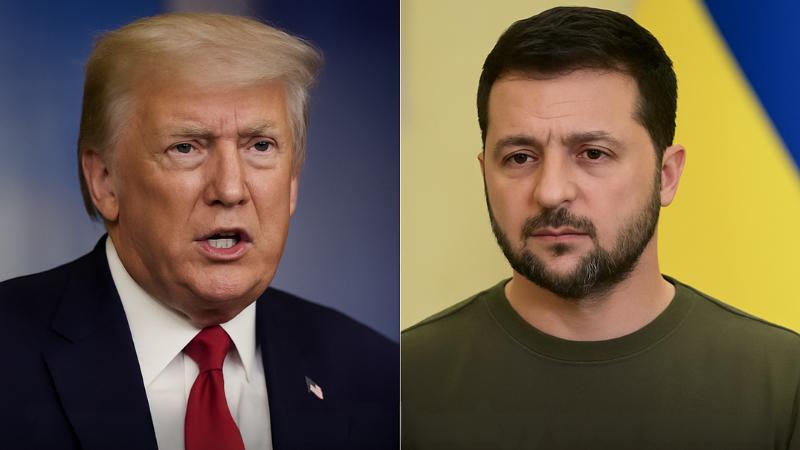
Hot Mic Moment Exposes G7 Diplomatic Underpressure A brief hot mic incident at the G7 summit has exposed underlying diplomatic tensions between US President Donald Trump and French President Emmanuel Macron, offering an unfiltered glimpse into private discussions among world leaders. The moment occurred as Macron greeted Ukrainian President Volodymyr Zelensky on the sidelines of the summit, where microphones captured fragments of their exchange. Macron References “Difficult” Talks With Trump In the recorded conversation, Macron reportedly told Zelensky that he had engaged in a “difficult discussion” with President Trump the previous day. The remark comes amid ongoing disagreements between Washington and Paris on several major international issues, including trade tariffs, Middle East tensions, and differing approaches to the Russia-Ukraine conflict. The incident has drawn attention because such candid remarks are rarely captured in formal diplomatic settings, highlighting the informal pressures and disagreements that often shape high-level negotiations behind closed doors. France Positioned as Diplomatic Intermediary During the interaction, Macron also asked whether Zelensky had secured a direct meeting with Trump. After Zelensky indicated that no one-on-one meeting had been arranged, Macron responded that he would attempt to facilitate one. This exchange has fueled discussion over France’s potential role as a diplomatic intermediary between Washington and Kyiv at a sensitive stage in the ongoing war. The moment underscores Europe’s effort to maintain US engagement in Ukraine-related negotiations, particularly as divisions persist over strategy and endgame conditions. Trump-Zelensky Relations Remain Complex Relations between Trump and Zelensky have been marked by friction since their widely reported Oval Office confrontation in early 2025. That meeting saw sharp disagreements over Ukraine’s negotiating position, leading to a temporary breakdown in diplomatic momentum and a suspension of certain US support mechanisms. Although subsequent meetings have taken place, differences remain over how to end the war. Trump has maintained that Russia may be open to a settlement, while European leaders and Kyiv continue to argue that Moscow has not demonstrated genuine willingness to end the conflict. Signs of Limited Progress at G7 Despite tensions, the latest G7 summit also showed signs of cautious diplomatic movement. Trump described his recent meeting with Zelensky as “very good” and indicated that further discussions would follow. He reiterated that Russia should move toward a negotiated settlement. Zelensky, meanwhile, has continued to emphasize the importance of US leadership in the peace process, stating that Trump may be uniquely positioned to influence Russian decision-making. The hot mic moment, while brief, reflects the complex and often fragile nature of ongoing diplomatic efforts surrounding the war in Ukraine.
Macron’s hot mic remark about Trump sparks G7 diplomatic tension
Hot Mic Moment Exposes G7 Diplomatic Underpressure A brief hot mic incident at the G7 summit has exposed underlying diplomatic tensions between US President Donald Trump and French President Emmanuel Macron, offering an unfiltered glimpse into private discussions among world leaders. The moment occurred as Macron greeted Ukrainian President Volodymyr Zelensky on the sidelines of the summit, where microphones captured fragments of their exchange. Macron References “Difficult” Talks With Trump In the recorded conversation, Macron reportedly told Zelensky that he had engaged in a “difficult discussion” with President Trump the previous day. The remark comes amid ongoing disagreements between Washington and Paris on several major international issues, including trade tariffs, Middle East tensions, and differing approaches to the Russia-Ukraine conflict. The incident has drawn attention because such candid remarks are rarely captured in formal diplomatic settings, highlighting the informal pressures and disagreements that often shape high-level negotiations behind closed doors. France Positioned as Diplomatic Intermediary During the interaction, Macron also asked whether Zelensky had secured a direct meeting with Trump. After Zelensky indicated that no one-on-one meeting had been arranged, Macron responded that he would attempt to facilitate one. This exchange has fueled discussion over France’s potential role as a diplomatic intermediary between Washington and Kyiv at a sensitive stage in the ongoing war. The moment underscores Europe’s effort to maintain US engagement in Ukraine-related negotiations, particularly as divisions persist over strategy and endgame conditions. Trump-Zelensky Relations Remain Complex Relations between Trump and Zelensky have been marked by friction since their widely reported Oval Office confrontation in early 2025. That meeting saw sharp disagreements over Ukraine’s negotiating position, leading to a temporary breakdown in diplomatic momentum and a suspension of certain US support mechanisms. Although subsequent meetings have taken place, differences remain over how to end the war. Trump has maintained that Russia may be open to a settlement, while European leaders and Kyiv continue to argue that Moscow has not demonstrated genuine willingness to end the conflict. Signs of Limited Progress at G7 Despite tensions, the latest G7 summit also showed signs of cautious diplomatic movement. Trump described his recent meeting with Zelensky as “very good” and indicated that further discussions would follow. He reiterated that Russia should move toward a negotiated settlement. Zelensky, meanwhile, has continued to emphasize the importance of US leadership in the peace process, stating that Trump may be uniquely positioned to influence Russian decision-making. The hot mic moment, while brief, reflects the complex and often fragile nature of ongoing diplomatic efforts surrounding the war in Ukraine.
US intelligence says Iran may control Strait of Hormuz leverage after conflict
US Intelligence Flags Iran’s Strategic Leverage in Strait of Hormuz US intelligence agencies have assessed that Iran has gained significant leverage over the Strait of Hormuz following the recent conflict involving the United States and Israel, according to reports citing multiple sources. The assessment suggests that Tehran now holds the capability to disrupt or restrict movement through one of the world??
US intelligence says Iran may control Strait of Hormuz leverage after conflict
US Intelligence Flags Iran’s Strategic Leverage in Strait of Hormuz US intelligence agencies have assessed that Iran has gained significant leverage over the Strait of Hormuz following the recent conflict involving the United States and Israel, according to reports citing multiple sources. The assessment suggests that Tehran now holds the capability to disrupt or restrict movement through one of the world??
India-Canada talks in Evian focus on trade and CEPA progress
India-Canada Relations Strengthen at G7 Meeting Prime Minister Narendra Modi and Canadian Prime Minister Mark Carney held detailed bilateral talks in Evian on the sidelines of the G7 Summit, focusing on strengthening cooperation across trade, energy, technology, education and defence. The meeting marked another step in improving ties between the two countries, with both leaders reviewing ongoing progress in
India-Canada talks in Evian focus on trade and CEPA progress
India-Canada Relations Strengthen at G7 Meeting Prime Minister Narendra Modi and Canadian Prime Minister Mark Carney held detailed bilateral talks in Evian on the sidelines of the G7 Summit, focusing on strengthening cooperation across trade, energy, technology, education and defence. The meeting marked another step in improving ties between the two countries, with both leaders reviewing ongoing progress in
Eduardo Bolsonaro Sentenced Over Foreign Interference Case in Brazil
Supreme Court Ruling Against Eduardo Bolsonaro Brazil’s Supreme Court has sentenced Eduardo Bolsonaro to four years and two months in prison after concluding that he attempted to influence foreign governments against his own country during an ongoing high-profile legal case involving his father, former President Jair Bolsonaro. The court also imposed an eight-year ban on holding public office after comple
Eduardo Bolsonaro Sentenced Over Foreign Interference Case in Brazil
Supreme Court Ruling Against Eduardo Bolsonaro Brazil’s Supreme Court has sentenced Eduardo Bolsonaro to four years and two months in prison after concluding that he attempted to influence foreign governments against his own country during an ongoing high-profile legal case involving his father, former President Jair Bolsonaro. The court also imposed an eight-year ban on holding public office after comple
US-India trade deal enters final stage ahead of Modi-Trump meeting
US-India Trade Deal Nears Final Stage The United States and India are approaching the final phase of a long-anticipated trade agreement, with officials indicating that negotiations are now in their “last mile” and could conclude within weeks. The development comes just ahead of a high-profile bilateral meeting between Prime Minister Narendra Modi and US President Donald Trump on the sidelines of the G7 s
US-India trade deal enters final stage ahead of Modi-Trump meeting
US-India Trade Deal Nears Final Stage The United States and India are approaching the final phase of a long-anticipated trade agreement, with officials indicating that negotiations are now in their “last mile” and could conclude within weeks. The development comes just ahead of a high-profile bilateral meeting between Prime Minister Narendra Modi and US President Donald Trump on the sidelines of the G7 s
Modi G7 Group Photo: Indian Leader Joins Trump, Macron in Evian
The Modi G7 group photo in Evian placed India’s prime minister beside U.S. President Donald Trump and French President Emmanuel Macron during the summit’s official leaders’ portrait. Narendra Modi’s front-row position on Tuesday, June 16, 2026, became one of the most visible moments of India’s participation in the G7 Summit in Évian-les-Bains, France. Why the Modi G7 Group Photo in Evian Drew Attention India is not a
Modi G7 Group Photo: Indian Leader Joins Trump, Macron in Evian
The Modi G7 group photo in Evian placed India’s prime minister beside U.S. President Donald Trump and French President Emmanuel Macron during the summit’s official leaders’ portrait. Narendra Modi’s front-row position on Tuesday, June 16, 2026, became one of the most visible moments of India’s participation in the G7 Summit in Évian-les-Bains, France. Why the Modi G7 Group Photo in Evian Drew Attention India is not a
U.S.-Iran 60-Day Ceasefire Deal Faces Hormuz, Nuclear Tests
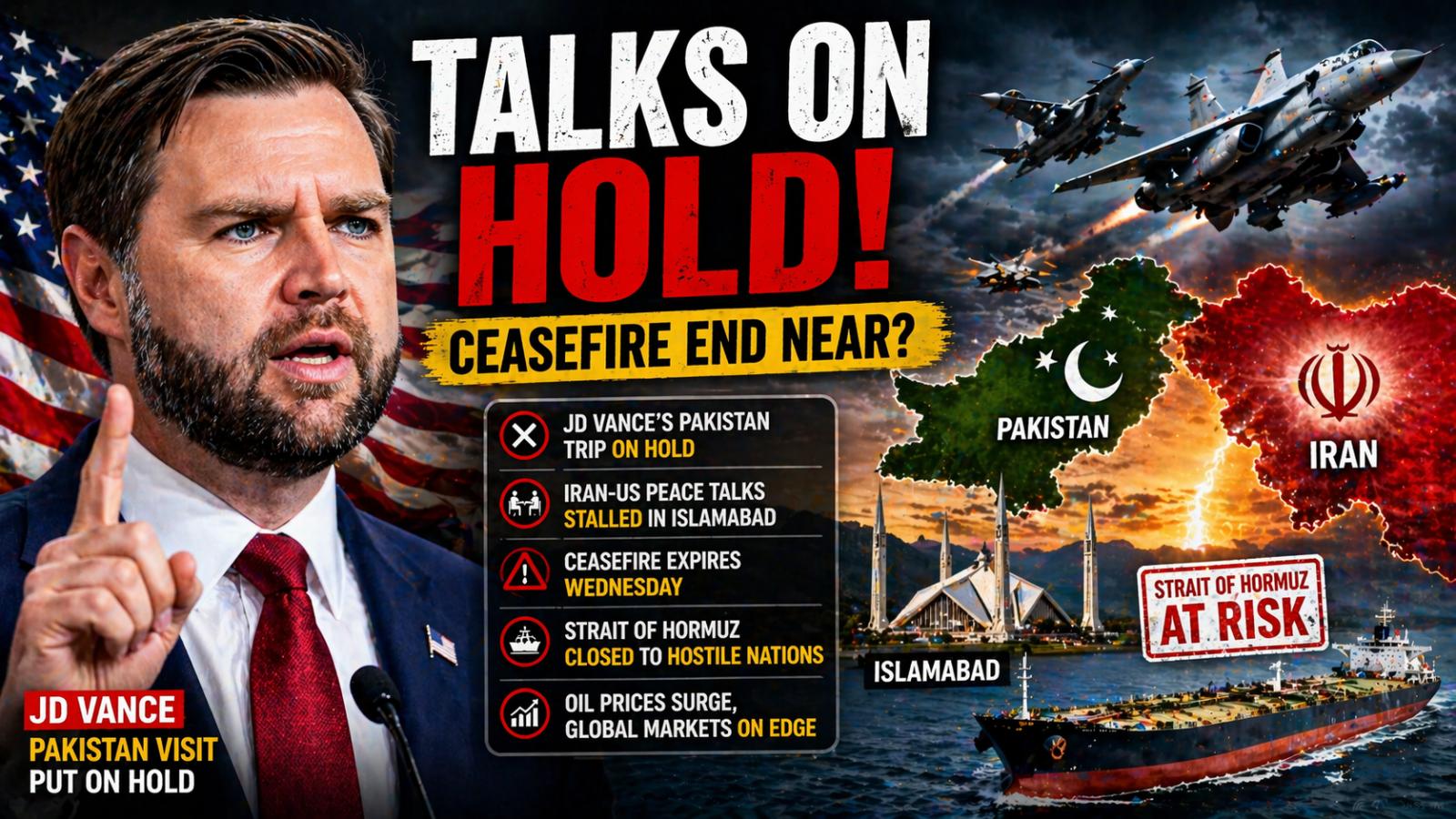
EVIAN-LES-BAINS, France — The U.S.-Iran 60-day ceasefire deal is designed to extend April’s fragile truce and reopen the Strait of Hormuz, but key questions remain over Iran’s nuclear program, shipping security and the conflict in Lebanon. President Donald Trump said at the Group of Seven summit on Tuesday, June 16, 2026, that the interim agreement would be released publicly and would bar Tehran from obtaining a nuclear weapon. A formal signing is expected in Switzerland on Fr
U.S.-Iran 60-Day Ceasefire Deal Faces Hormuz, Nuclear Tests
EVIAN-LES-BAINS, France — The U.S.-Iran 60-day ceasefire deal is designed to extend April’s fragile truce and reopen the Strait of Hormuz, but key questions remain over Iran’s nuclear program, shipping security and the conflict in Lebanon. President Donald Trump said at the Group of Seven summit on Tuesday, June 16, 2026, that the interim agreement would be released publicly and would bar Tehran from obtaining a nuclear weapon. A formal signing is expected in Switzerland on Fr
Modi-Trump G7 Meeting in Evian Puts India-US Trade in Focus
ÉVIAN-LES-BAINS, France — The Modi-Trump G7 meeting in Evian brought India-U.S. trade relations back into focus on Tuesday, June 16, 2026. Prime Minister Narendra Modi and U.S. President Donald Trump exchanged a handshake and brief remarks at the summit venue in France, marking their first face-to-face interaction in about 16 months. Modi-Trump G7 Meeting in Evian Comes Before Trade Discussions Modi approached his seat as Trump turned
Modi-Trump G7 Meeting in Evian Puts India-US Trade in Focus
ÉVIAN-LES-BAINS, France — The Modi-Trump G7 meeting in Evian brought India-U.S. trade relations back into focus on Tuesday, June 16, 2026. Prime Minister Narendra Modi and U.S. President Donald Trump exchanged a handshake and brief remarks at the summit venue in France, marking their first face-to-face interaction in about 16 months. Modi-Trump G7 Meeting in Evian Comes Before Trade Discussions Modi approached his seat as Trump turned
CIA raises concerns over Iran nuclear deal enforcement risks
US intelligence officials have reportedly raised fresh concerns over the durability of a recently discussed nuclear understanding with Iran, warning that the framework may not be strong enough to ensure long-term compliance. The assessment, attributed to CIA Director John Ratcliffe, suggests that while the agreement is designed to reduce immediate tensions, its enforcement structure could leave significant gaps in verification and oversight.
CIA raises concerns over Iran nuclear deal enforcement risks
US intelligence officials have reportedly raised fresh concerns over the durability of a recently discussed nuclear understanding with Iran, warning that the framework may not be strong enough to ensure long-term compliance. The assessment, attributed to CIA Director John Ratcliffe, suggests that while the agreement is designed to reduce immediate tensions, its enforcement structure could leave significant gaps in verification and oversight.
B-52 crash at Edwards Air Force Base under investigation
A serious accident involving a B-52 Stratofortress occurred near Edwards Air Force Base shortly after takeoff, resulting in multiple fatalities among the crew. Early reports indicate the aircraft encountered a critical failure during the initial phase of flight, though officials have not confirmed the exact cause. Emergency response teams were immediately deployed to the site, and flight operations in the area were temporarily reviewed following the incident. Investigation Underway by US Air Force The US Air Force has launched a formal investigation to determine what led to the crash. Focus areas include mechanical performance, maintenance history, and possible operational or environmental factors. Authorities are also reviewing flight data and communication records to reconstruct the final moments before the accident. At this stage, no single cause has been identified, and officials are treating the investigation as open and ongoing. Concerns Over Aging Strategic Fleet The incident has renewed attention on the long-service history of the B-52 fleet, which has remained a central part of US strategic air power for decades. While the aircraft has undergone continuous upgrades, concerns persist about aging airframes, maintenance demands, and operational risks associated with extended service life. Defense analysts often highlight the balance between modernization efforts and the limitations of legacy platforms still in active duty. Cold War Design Still in Active Use Originally developed during the Cold War era, the B-52 was designed for long-range strategic missions and nuclear deterrence roles. Over time, its operational role has shifted toward stand-off strike capabilities, including cruise missile deployment from safer distances. Despite its age, it remains a key component of US strategic aviation planning due to its payload capacity and mission flexibility. Operational Role and Ongoing Upgrades The bomber is typically flown by a multi-member crew and is capable of carrying heavy ordnance loads across intercontinental distances. The US Air Force continues to invest in modernization programs aimed at extending its service life into the coming decades, including engine replacements and avionics upgrades designed to improve efficiency, range, and reliability. However, incidents like this highlight the ongoing challenges of maintaining older strategic aircraft in modern operational environments.
B-52 crash at Edwards Air Force Base under investigation
A serious accident involving a B-52 Stratofortress occurred near Edwards Air Force Base shortly after takeoff, resulting in multiple fatalities among the crew. Early reports indicate the aircraft encountered a critical failure during the initial phase of flight, though officials have not confirmed the exact cause. Emergency response teams were immediately deployed to the site, and flight operations in the area were temporarily reviewed following the incident. Investigation Underway by US Air Force The US Air Force has launched a formal investigation to determine what led to the crash. Focus areas include mechanical performance, maintenance history, and possible operational or environmental factors. Authorities are also reviewing flight data and communication records to reconstruct the final moments before the accident. At this stage, no single cause has been identified, and officials are treating the investigation as open and ongoing. Concerns Over Aging Strategic Fleet The incident has renewed attention on the long-service history of the B-52 fleet, which has remained a central part of US strategic air power for decades. While the aircraft has undergone continuous upgrades, concerns persist about aging airframes, maintenance demands, and operational risks associated with extended service life. Defense analysts often highlight the balance between modernization efforts and the limitations of legacy platforms still in active duty. Cold War Design Still in Active Use Originally developed during the Cold War era, the B-52 was designed for long-range strategic missions and nuclear deterrence roles. Over time, its operational role has shifted toward stand-off strike capabilities, including cruise missile deployment from safer distances. Despite its age, it remains a key component of US strategic aviation planning due to its payload capacity and mission flexibility. Operational Role and Ongoing Upgrades The bomber is typically flown by a multi-member crew and is capable of carrying heavy ordnance loads across intercontinental distances. The US Air Force continues to invest in modernization programs aimed at extending its service life into the coming decades, including engine replacements and avionics upgrades designed to improve efficiency, range, and reliability. However, incidents like this highlight the ongoing challenges of maintaining older strategic aircraft in modern operational environments.
IAI radar unit in Tamil Nadu to begin production by 2027
A new defence manufacturing project is taking shape in Tamil Nadu, where an advanced radar production and integration facility is planned to go operational by 2027. The initiative brings together Israel Aerospace Industries (IAI), DCX Systems, and ELTX Systems Pvt. Ltd., marking a structured push toward localised defence electronics production in India. The upcoming facility is expected to be developed in the Shoolagiri region of Krishnagiri district, an area increasingly positioned as a defence manufacturing cluster. The project reflects a shift from import-heavy procurement to domestic production of high-end radar systems used in surveillance and air defence operations. Strategic push toward domestic defence capability The core objective of the project is to strengthen India’s radar manufacturing ecosystem under the broader Make in India framework. Instead of relying solely on imported systems, the facility aims to support indigenous assembly, integration, and eventual production of advanced radar technologies. These systems are expected to serve multiple defence requirements, including aerial surveillance, threat detection, and battlefield monitoring. The collaboration is also designed to create a supply chain within India for critical electronic defence components, reducing external dependency over time. Role of ELTX Systems and DCX Systems ELTX Systems Pvt. Ltd. is expected to function as the operational platform for technology transfer and local manufacturing. This structure is intended to allow gradual absorption of complex radar design and production capabilities within India. DCX Systems Ltd., which already operates in the defence electronics space, is expected to support integration, manufacturing workflows, and supply chain execution. The collaboration model is focused on moving beyond simple assembly lines toward deeper engineering involvement within India’s defence sector. Industrial cluster development in Krishnagiri The Shoolagiri region is being positioned as part of a wider defence electronics corridor in Tamil Nadu. With multiple private and public collaborations in the pipeline, the area is gradually emerging as a manufacturing node for high-value defence technologies. The radar facility is expected to contribute not only to defence production but also to local industrial growth, including vendor ecosystems, component suppliers, and skilled employment opportunities. While official investment figures vary across early estimates, the project is widely seen as a long-term infrastructure push rather than a short-term manufacturing unit. Long-term impact on India–Israel defence cooperation Israel Aerospace Industries has already established multiple partnerships in India across defence systems, maintenance, and technology collaboration. This radar project adds another layer to that cooperation, focusing specifically on production localisation. By 2027, the facility is expected to play a role in both domestic supply and potential export opportunities, depending on regulatory approvals and production scale. The broader direction indicates a gradual deepening of India’s defence manufacturing independence while maintaining strategic foreign partnerships.
IAI radar unit in Tamil Nadu to begin production by 2027
A new defence manufacturing project is taking shape in Tamil Nadu, where an advanced radar production and integration facility is planned to go operational by 2027. The initiative brings together Israel Aerospace Industries (IAI), DCX Systems, and ELTX Systems Pvt. Ltd., marking a structured push toward localised defence electronics production in India. The upcoming facility is expected to be developed in the Shoolagiri region of Krishnagiri district, an area increasingly positioned as a defence manufacturing cluster. The project reflects a shift from import-heavy procurement to domestic production of high-end radar systems used in surveillance and air defence operations. Strategic push toward domestic defence capability The core objective of the project is to strengthen India’s radar manufacturing ecosystem under the broader Make in India framework. Instead of relying solely on imported systems, the facility aims to support indigenous assembly, integration, and eventual production of advanced radar technologies. These systems are expected to serve multiple defence requirements, including aerial surveillance, threat detection, and battlefield monitoring. The collaboration is also designed to create a supply chain within India for critical electronic defence components, reducing external dependency over time. Role of ELTX Systems and DCX Systems ELTX Systems Pvt. Ltd. is expected to function as the operational platform for technology transfer and local manufacturing. This structure is intended to allow gradual absorption of complex radar design and production capabilities within India. DCX Systems Ltd., which already operates in the defence electronics space, is expected to support integration, manufacturing workflows, and supply chain execution. The collaboration model is focused on moving beyond simple assembly lines toward deeper engineering involvement within India’s defence sector. Industrial cluster development in Krishnagiri The Shoolagiri region is being positioned as part of a wider defence electronics corridor in Tamil Nadu. With multiple private and public collaborations in the pipeline, the area is gradually emerging as a manufacturing node for high-value defence technologies. The radar facility is expected to contribute not only to defence production but also to local industrial growth, including vendor ecosystems, component suppliers, and skilled employment opportunities. While official investment figures vary across early estimates, the project is widely seen as a long-term infrastructure push rather than a short-term manufacturing unit. Long-term impact on India–Israel defence cooperation Israel Aerospace Industries has already established multiple partnerships in India across defence systems, maintenance, and technology collaboration. This radar project adds another layer to that cooperation, focusing specifically on production localisation. By 2027, the facility is expected to play a role in both domestic supply and potential export opportunities, depending on regulatory approvals and production scale. The broader direction indicates a gradual deepening of India’s defence manufacturing independence while maintaining strategic foreign partnerships.
US Iran nuclear talks stall over uranium and inspections
Talks between the United States and Iran remain unsettled as both sides continue to disagree on how far uranium enrichment should be restricted and how compliance should be verified. Washington is pressing for tighter monitoring and clearer limits on enrichment activities, while Tehran insists that any restrictions must respect its sovereign control over its nuclear programme. The gap between both positions is preventing movement toward a structured agreement.
US Iran nuclear talks stall over uranium and inspections
Talks between the United States and Iran remain unsettled as both sides continue to disagree on how far uranium enrichment should be restricted and how compliance should be verified. Washington is pressing for tighter monitoring and clearer limits on enrichment activities, while Tehran insists that any restrictions must respect its sovereign control over its nuclear programme. The gap between both positions is preventing movement toward a structured agreement.
China marine surveillance claims raise coastal security debate
Reports emerging from Chinese security authorities have triggered discussion over the growing use of advanced underwater monitoring systems along coastal regions. The claims suggest that various marine-based platforms, including sensor-equipped aquatic life and autonomous devices, may be collecting detailed ocean data near sensitive shoreline zones. This includes measurements such as temperature shifts, salinity levels, and underwater current behavior, which can collectively reveal patterns of coastal activity. How ocean data becomes strategically sensitive Even basic environmental data, when collected continuously and processed at scale, can create highly detailed digital maps of underwater geography. These maps may outline seabed structures, shipping lanes, and depth variations close to ports. Security analysts note that such information, if accessed by external actors, could potentially be used to study movement patterns of naval or commercial vessels and identify infrastructure vulnerabilities without direct physical intrusion. Expanding role of autonomous maritime technology Modern ocean monitoring has moved far beyond traditional ship-based surveys. Technologies such as wave gliders, drifting sensor buoys, and autonomous underwater vehicles are now widely used for scientific research and environmental tracking. However, the same systems can also be adapted for intelligence collection, depending on their configuration and intent. This overlap between civilian research tools and security applications is creating growing uncertainty in how maritime technology is regulated and interpreted. Security implications and policy response Authorities have reportedly increased attention toward unusual devices and foreign-operated equipment in coastal waters. Guidance has been issued to local maritime workers to report unidentified floating or submerged objects that appear out of place. The situation reflects a broader global trend where environmental monitoring technologies are increasingly viewed through a security lens. As multiple nations expand their ocean data capabilities, the line between scientific exploration and strategic surveillance continues to blur, raising new challenges for coastal defense planning and international maritime trust.
China marine surveillance claims raise coastal security debate
Reports emerging from Chinese security authorities have triggered discussion over the growing use of advanced underwater monitoring systems along coastal regions. The claims suggest that various marine-based platforms, including sensor-equipped aquatic life and autonomous devices, may be collecting detailed ocean data near sensitive shoreline zones. This includes measurements such as temperature shifts, salinity levels, and underwater current behavior, which can collectively reveal patterns of coastal activity. How ocean data becomes strategically sensitive Even basic environmental data, when collected continuously and processed at scale, can create highly detailed digital maps of underwater geography. These maps may outline seabed structures, shipping lanes, and depth variations close to ports. Security analysts note that such information, if accessed by external actors, could potentially be used to study movement patterns of naval or commercial vessels and identify infrastructure vulnerabilities without direct physical intrusion. Expanding role of autonomous maritime technology Modern ocean monitoring has moved far beyond traditional ship-based surveys. Technologies such as wave gliders, drifting sensor buoys, and autonomous underwater vehicles are now widely used for scientific research and environmental tracking. However, the same systems can also be adapted for intelligence collection, depending on their configuration and intent. This overlap between civilian research tools and security applications is creating growing uncertainty in how maritime technology is regulated and interpreted. Security implications and policy response Authorities have reportedly increased attention toward unusual devices and foreign-operated equipment in coastal waters. Guidance has been issued to local maritime workers to report unidentified floating or submerged objects that appear out of place. The situation reflects a broader global trend where environmental monitoring technologies are increasingly viewed through a security lens. As multiple nations expand their ocean data capabilities, the line between scientific exploration and strategic surveillance continues to blur, raising new challenges for coastal defense planning and international maritime trust.
Iran reportedly adjusts US talks strategy with advisory shift
Recent reports indicate a shift in Iran’s diplomatic approach toward negotiations with the United States, with a stronger emphasis on how messages are framed during high-stakes discussions. The change is linked to efforts to improve clarity, control perception, and reduce misinterpretation during sensitive exchanges tied to long-running geopolitical tensions. Inclusion of behavioral expertise in advisory setup
Iran reportedly adjusts US talks strategy with advisory shift
Recent reports indicate a shift in Iran’s diplomatic approach toward negotiations with the United States, with a stronger emphasis on how messages are framed during high-stakes discussions. The change is linked to efforts to improve clarity, control perception, and reduce misinterpretation during sensitive exchanges tied to long-running geopolitical tensions. Inclusion of behavioral expertise in advisory setup
6.7 magnitude quake shakes Sulawesi, Indonesia today
A magnitude 6.7 earthquake struck central Indonesia on Tuesday morning, with strong shaking felt across parts of Sulawesi. The quake originated near the eastern-southeastern zone of Palu at a shallow depth, accor
6.7 magnitude quake shakes Sulawesi, Indonesia today
A magnitude 6.7 earthquake struck central Indonesia on Tuesday morning, with strong shaking felt across parts of Sulawesi. The quake originated near the eastern-southeastern zone of Palu at a shallow depth, accor
Newsom Accuses Trump of Politically Driven DOJ Probe
Newsom Alleges Political Retaliation California Governor Gavin Newsom accused President Donald Trump of using the Justice Department to pursue a politically motivated investigation targeting him and his wife, Jennifer Siebel Newsom. Newsom said federal agents had contacted friends, relatives and former employees while requesting records connected to the couple. He argued that investigators had not identified wrongdoing and were instead search
Newsom Accuses Trump of Politically Driven DOJ Probe
Newsom Alleges Political Retaliation California Governor Gavin Newsom accused President Donald Trump of using the Justice Department to pursue a politically motivated investigation targeting him and his wife, Jennifer Siebel Newsom. Newsom said federal agents had contacted friends, relatives and former employees while requesting records connected to the couple. He argued that investigators had not identified wrongdoing and were instead search


