







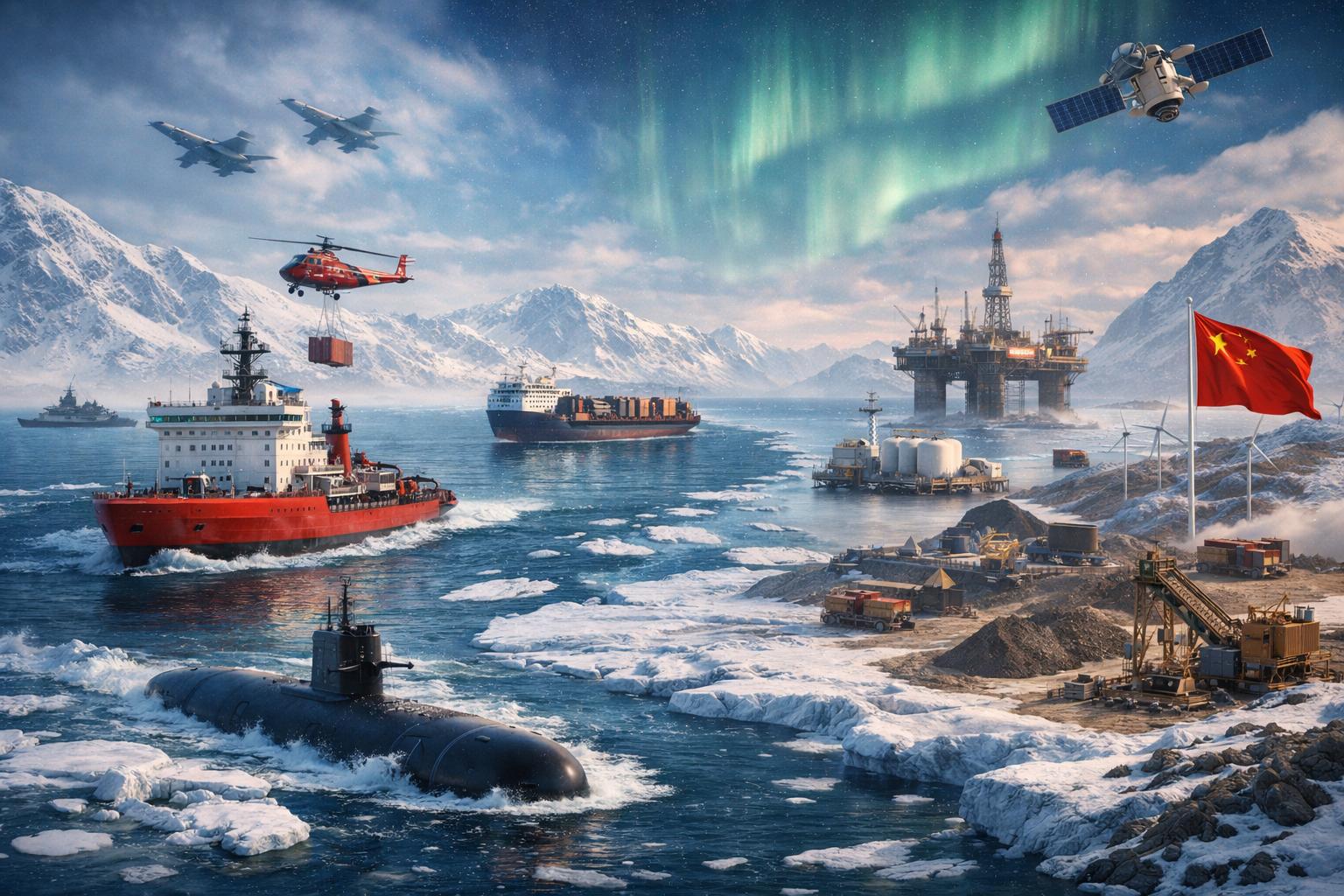
China’s Polar Silk Road: Arctic ambitions reshape trade and security
The Arctic, once considered remote and largely inaccessible, is emerging as a key area of global strategic interest. China has formally included its “Polar Silk Road” initiative within its broader Belt and Road strategy, signaling an expansion of influence in a region historically dominated by Arctic nations. By calling itself a “near-Arctic state,” Beijing is asserting that its economic and strategic interests extend well beyond its geographical borders, prompting concern from other glo
China’s Polar Silk Road: Arctic ambitions reshape trade and security
The Arctic, once considered remote and largely inaccessible, is emerging as a key area of global strategic interest. China has formally included its “Polar Silk Road” initiative within its broader Belt and Road strategy, signaling an expansion of influence in a region historically dominated by Arctic nations. By calling itself a “near-Arctic state,” Beijing is asserting that its economic and strategic interests extend well beyond its geographical borders, prompting concern from other glo
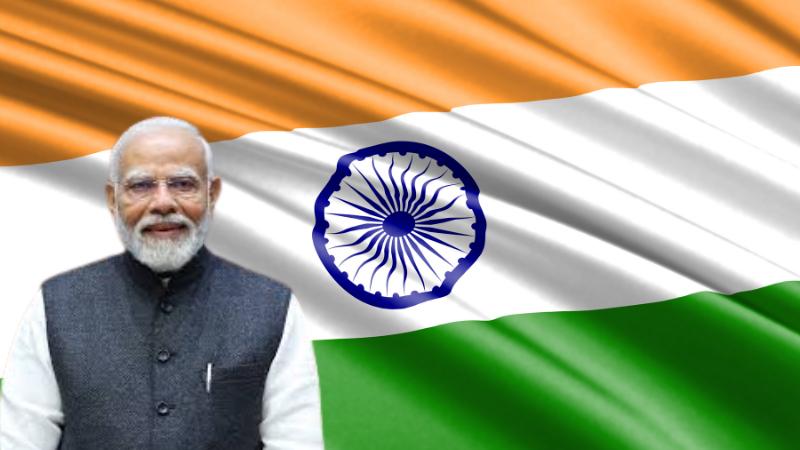
Modi, Ramgoolam discuss India–Mauritius ties and Indian Ocean stability
Prime Minister Narendra Modi on Monday held a telephone conversation with Mauritian Prime Minister Dr Navinchandra Ramgoolam, during which both leaders reaffirmed their commitment to deepening the special and historic relationship between India and Mauritius. The discussion focused on strengthening bilateral ties, expanding development cooperation, and ensuring peace and stability in the Indian Ocean Region, underscoring the strategic significance of the island nation in India’s foreign pol
Modi, Ramgoolam discuss India–Mauritius ties and Indian Ocean stability
Prime Minister Narendra Modi on Monday held a telephone conversation with Mauritian Prime Minister Dr Navinchandra Ramgoolam, during which both leaders reaffirmed their commitment to deepening the special and historic relationship between India and Mauritius. The discussion focused on strengthening bilateral ties, expanding development cooperation, and ensuring peace and stability in the Indian Ocean Region, underscoring the strategic significance of the island nation in India’s foreign pol
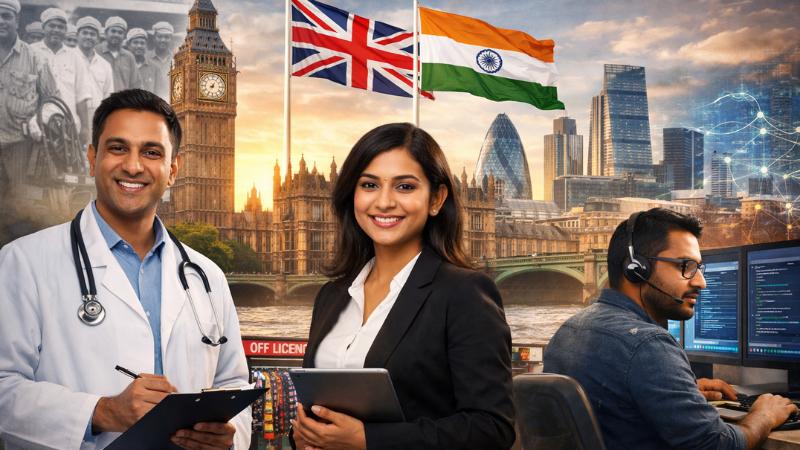
Report charts Indian migration waves shaping UK economy and tech sector
A new white paper has underscored the deep and lasting contribution of the Indian diaspora to modern Britain, describing the community as the country’s most economically successful migrant group and a central force in national growth. The report, launched at the House of Lords on 5 February, traces decades of migration and documents how successive generations of Indian migrants have supported Britain’s recovery, innovation and competitiveness across multiple sectors of the economy.
Report charts Indian migration waves shaping UK economy and tech sector
A new white paper has underscored the deep and lasting contribution of the Indian diaspora to modern Britain, describing the community as the country’s most economically successful migrant group and a central force in national growth. The report, launched at the House of Lords on 5 February, traces decades of migration and documents how successive generations of Indian migrants have supported Britain’s recovery, innovation and competitiveness across multiple sectors of the economy.
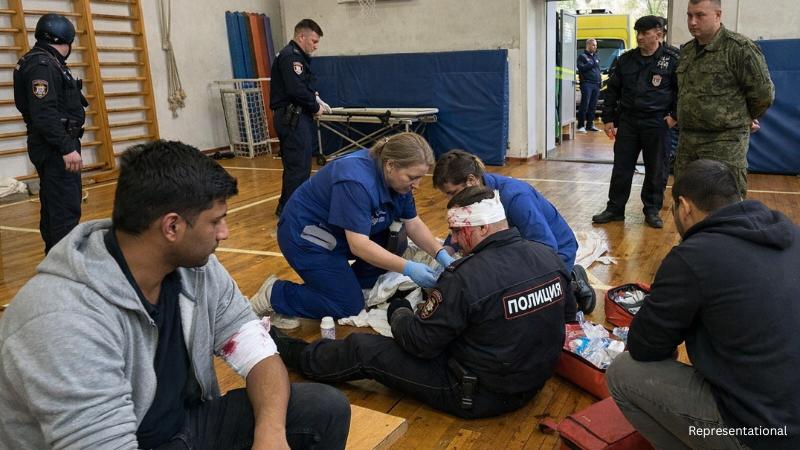
Six injured in knife attack at Ufa university hostel, four Indian students among victims
More than six people, including four Indian students and two police officers, were injured after a knife attack inside a foreign students’ hostel at a state medical university in Ufa, Russia, on Saturday, authorities said. The incident unfolded in the sports hall area of the dormitory when a teenage suspect allegedly entered the premises armed with a knife and began attacking those present, prompting an emergency response from law enforcement and medical teams. According to Russia’s Interior Ministry, the assailant forced his way into the hostel building and targeted students inside the hall. The situation escalated quickly as officers attempted to restrain and detain the suspect. During the arrest operation, the teenager reportedly resisted and stabbed two police officers before inflicting injuries on himself. Both officers sustained wounds while attempting to control the attacker, highlighting the volatility of the encounter. Officials have not immediately released the names or nationalities of all those injured, though early information confirmed that four Indian students were among the victims. The injured individuals were transported to nearby medical facilities for treatment. Local reports indicated that the students and officers were admitted to a clinical hospital in the city, while the 15-year-old suspect was taken to a children’s hospital and remains in serious condition. The motive behind the knife attack remains under investigation, and authorities are continuing to gather evidence and question witnesses to determine the circumstances leading up to the violence. Security has been tightened around the university campus and residential areas as a precaution, and police are reviewing surveillance footage from the hostel. The Indian Embassy in Russia confirmed the incident and said it is closely coordinating with local authorities to ensure assistance for the affected students. In a statement, the embassy said officials from its consulate in Kazan are traveling to Ufa to provide on-ground support, medical assistance, and consular help to those injured. The embassy described the episode as unfortunate and assured that it is monitoring the situation closely. The university administration has yet to issue a detailed statement, but sources indicated that counseling and support services may be offered to students shaken by the incident. The attack has raised concerns about campus safety and the security of international students living in hostels, prompting calls for strengthened measures to prevent similar incidents. As investigations continue, authorities are expected to provide further updates on the condition of the injured and the legal proceedings involving the suspect.
Six injured in knife attack at Ufa university hostel, four Indian students among victims
More than six people, including four Indian students and two police officers, were injured after a knife attack inside a foreign students’ hostel at a state medical university in Ufa, Russia, on Saturday, authorities said. The incident unfolded in the sports hall area of the dormitory when a teenage suspect allegedly entered the premises armed with a knife and began attacking those present, prompting an emergency response from law enforcement and medical teams. According to Russia’s Interior Ministry, the assailant forced his way into the hostel building and targeted students inside the hall. The situation escalated quickly as officers attempted to restrain and detain the suspect. During the arrest operation, the teenager reportedly resisted and stabbed two police officers before inflicting injuries on himself. Both officers sustained wounds while attempting to control the attacker, highlighting the volatility of the encounter. Officials have not immediately released the names or nationalities of all those injured, though early information confirmed that four Indian students were among the victims. The injured individuals were transported to nearby medical facilities for treatment. Local reports indicated that the students and officers were admitted to a clinical hospital in the city, while the 15-year-old suspect was taken to a children’s hospital and remains in serious condition. The motive behind the knife attack remains under investigation, and authorities are continuing to gather evidence and question witnesses to determine the circumstances leading up to the violence. Security has been tightened around the university campus and residential areas as a precaution, and police are reviewing surveillance footage from the hostel. The Indian Embassy in Russia confirmed the incident and said it is closely coordinating with local authorities to ensure assistance for the affected students. In a statement, the embassy said officials from its consulate in Kazan are traveling to Ufa to provide on-ground support, medical assistance, and consular help to those injured. The embassy described the episode as unfortunate and assured that it is monitoring the situation closely. The university administration has yet to issue a detailed statement, but sources indicated that counseling and support services may be offered to students shaken by the incident. The attack has raised concerns about campus safety and the security of international students living in hostels, prompting calls for strengthened measures to prevent similar incidents. As investigations continue, authorities are expected to provide further updates on the condition of the injured and the legal proceedings involving the suspect.
Gulf Nations: India's Next Big Trade Market, Mega FTA Deal in Progress
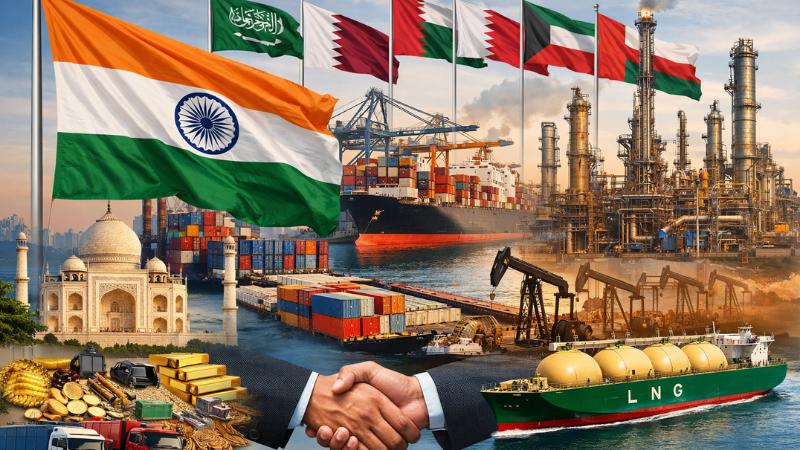
India's relationship with the Gulf Cooperation Council (GCC) nations is evolving into a major trade partnership. In 2024-25, the bilateral trade between India and the six-nation bloc reached a substantial $179 billion, driven by strong exports such as gems, metals, electronics, and chemicals. With an existing free trade pact with the UAE since 2022, and a recent agreement with Oman, India is now focused on formalizing a comprehensive free trade agreement (FTA) with the GCC. This new agreement
Gulf Nations: India's Next Big Trade Market, Mega FTA Deal in Progress
India's relationship with the Gulf Cooperation Council (GCC) nations is evolving into a major trade partnership. In 2024-25, the bilateral trade between India and the six-nation bloc reached a substantial $179 billion, driven by strong exports such as gems, metals, electronics, and chemicals. With an existing free trade pact with the UAE since 2022, and a recent agreement with Oman, India is now focused on formalizing a comprehensive free trade agreement (FTA) with the GCC. This new agreement
India Rejected Gwadar Port in 1956, Now Under Chinese Control - Balochistan's Grievances
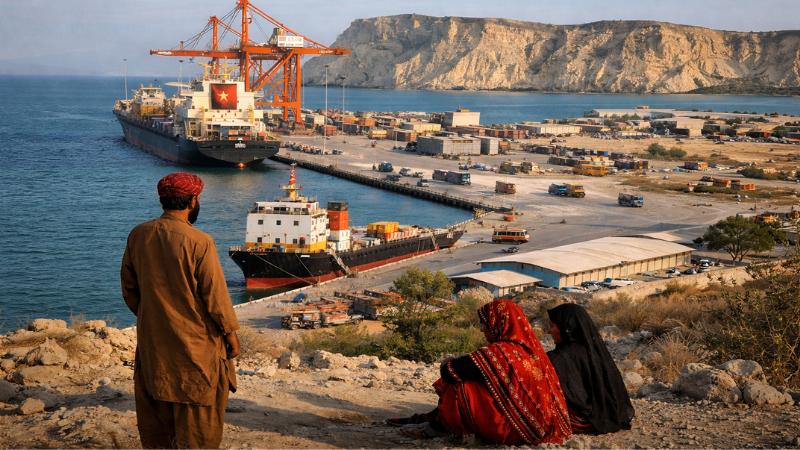
Gwadar, a port in Pakistan's Balochistan province, has become a focal point for geopolitical tensions, local unrest, and external influence, especially from China. Originally a fishing settlement on the Arabian Sea, it is now home to Pakistan's third-largest port, which plays a crucial role in the China–Pakistan Economic Corridor (CPEC). The strategic location of Gwadar, near the Strait of Hormuz, has made it a highly coveted asset for various powers. What is most remarkable about
India Rejected Gwadar Port in 1956, Now Under Chinese Control - Balochistan's Grievances
Gwadar, a port in Pakistan's Balochistan province, has become a focal point for geopolitical tensions, local unrest, and external influence, especially from China. Originally a fishing settlement on the Arabian Sea, it is now home to Pakistan's third-largest port, which plays a crucial role in the China–Pakistan Economic Corridor (CPEC). The strategic location of Gwadar, near the Strait of Hormuz, has made it a highly coveted asset for various powers. What is most remarkable about
India and US near historic trade pact as tariff cuts and mineral ties advance
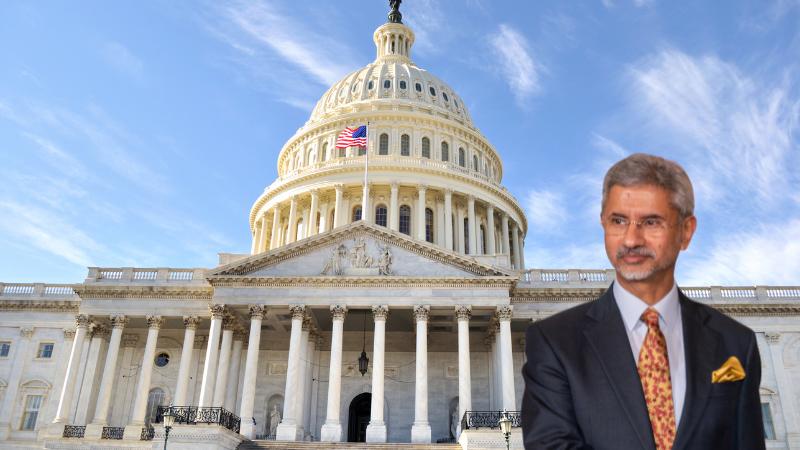
India and the United States are moving closer to concluding what officials describe as a landmark trade agreement, with External Affairs Minister S. Jaishankar indicating that the final details are being worked out and an announcement could come soon. Speaking at the conclusion of his visit to Washington on February 5, Jaishankar said negotiations had reached an advanced stage and expressed confidence that the pact would usher in a new phase of cooperation between the two countries.
India and US near historic trade pact as tariff cuts and mineral ties advance
India and the United States are moving closer to concluding what officials describe as a landmark trade agreement, with External Affairs Minister S. Jaishankar indicating that the final details are being worked out and an announcement could come soon. Speaking at the conclusion of his visit to Washington on February 5, Jaishankar said negotiations had reached an advanced stage and expressed confidence that the pact would usher in a new phase of cooperation between the two countries.

India–US trade deal: Doval warns Washington against pressure tactics
India’s national security advisor Ajit Doval conveyed a firm message to senior United States officials months before the announcement of a new trade agreement between New Delhi and Washington, underscoring that India would not yield to public pressure or coercive tactics during negotiations. According to officials familiar with the discussions, Doval made it clear during meetings in Washington that India was prepared to wait out the current US administration if necessary rather than accept terms it viewed as unfavorable. The visit took place in early September, shortly after Prime Minister Narendra Modi held talks with Russian President Vladimir Putin and Chinese President Xi Jinping, signaling an active diplomatic phase for New Delhi across major global powers. During his interaction with US Secretary of State Marco Rubio, Doval reportedly emphasized that while India remained committed to reviving trade talks, it expected a more measured tone from Washington and less public criticism that could complicate bilateral ties. Officials said Doval sought to put recent acrimony behind the two countries and expressed interest in restarting substantive discussions on a trade deal that has been under negotiation for several years. At the same time, he warned that India would not be “bullied” by President Donald Trump or senior members of his team, stressing that any agreement must respect India’s economic interests and strategic autonomy. The remarks came months before Trump publicly announced progress on a trade deal with India following a phone call with Modi on February 2. That announcement marked a fresh attempt by both sides to rebuild momentum in economic cooperation after a period marked by tariff disputes and disagreements over market access. Diplomatic observers note that India’s approach reflects a broader foreign policy strategy that balances engagement with firmness. By signaling willingness to continue talks while resisting overt pressure, New Delhi appears intent on safeguarding domestic priorities while preserving its long-term partnership with Washington. The United States remains one of India’s largest trading partners, and both governments view closer economic integration as central to strengthening strategic ties in the Indo-Pacific. The Washington meeting is seen as part of quiet backchannel diplomacy aimed at lowering tensions and creating space for practical negotiations. With both sides now indicating readiness to resume dialogue, officials say the focus will be on rebuilding trust and advancing a mutually beneficial trade framework that supports growth and stability in the relationship.
India–US trade deal: Doval warns Washington against pressure tactics
India’s national security advisor Ajit Doval conveyed a firm message to senior United States officials months before the announcement of a new trade agreement between New Delhi and Washington, underscoring that India would not yield to public pressure or coercive tactics during negotiations. According to officials familiar with the discussions, Doval made it clear during meetings in Washington that India was prepared to wait out the current US administration if necessary rather than accept terms it viewed as unfavorable. The visit took place in early September, shortly after Prime Minister Narendra Modi held talks with Russian President Vladimir Putin and Chinese President Xi Jinping, signaling an active diplomatic phase for New Delhi across major global powers. During his interaction with US Secretary of State Marco Rubio, Doval reportedly emphasized that while India remained committed to reviving trade talks, it expected a more measured tone from Washington and less public criticism that could complicate bilateral ties. Officials said Doval sought to put recent acrimony behind the two countries and expressed interest in restarting substantive discussions on a trade deal that has been under negotiation for several years. At the same time, he warned that India would not be “bullied” by President Donald Trump or senior members of his team, stressing that any agreement must respect India’s economic interests and strategic autonomy. The remarks came months before Trump publicly announced progress on a trade deal with India following a phone call with Modi on February 2. That announcement marked a fresh attempt by both sides to rebuild momentum in economic cooperation after a period marked by tariff disputes and disagreements over market access. Diplomatic observers note that India’s approach reflects a broader foreign policy strategy that balances engagement with firmness. By signaling willingness to continue talks while resisting overt pressure, New Delhi appears intent on safeguarding domestic priorities while preserving its long-term partnership with Washington. The United States remains one of India’s largest trading partners, and both governments view closer economic integration as central to strengthening strategic ties in the Indo-Pacific. The Washington meeting is seen as part of quiet backchannel diplomacy aimed at lowering tensions and creating space for practical negotiations. With both sides now indicating readiness to resume dialogue, officials say the focus will be on rebuilding trust and advancing a mutually beneficial trade framework that supports growth and stability in the relationship.
Russia questions India’s pledge to stop Russian crude after U.S. tariff agreement
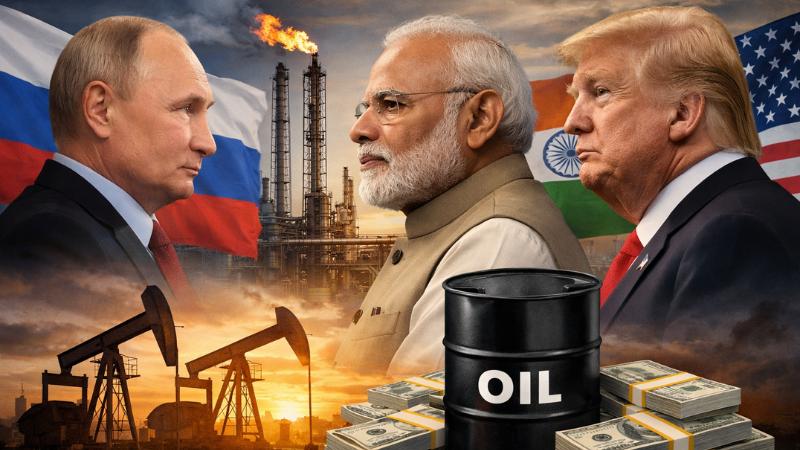
Russia has said it has not received any official confirmation from India that the country plans to halt purchases of Russian oil, a day after U.S. President Donald Trump claimed New Delhi agreed to scale back those imports as part of a new trade agreement with Washington. Kremlin spokesperson Dmitry Peskov stated that Moscow had yet to hear directly from Indian authorities regarding any change in energy flows. While acknowledging the evolving relationship between the United States a
Russia questions India’s pledge to stop Russian crude after U.S. tariff agreement
Russia has said it has not received any official confirmation from India that the country plans to halt purchases of Russian oil, a day after U.S. President Donald Trump claimed New Delhi agreed to scale back those imports as part of a new trade agreement with Washington. Kremlin spokesperson Dmitry Peskov stated that Moscow had yet to hear directly from Indian authorities regarding any change in energy flows. While acknowledging the evolving relationship between the United States a
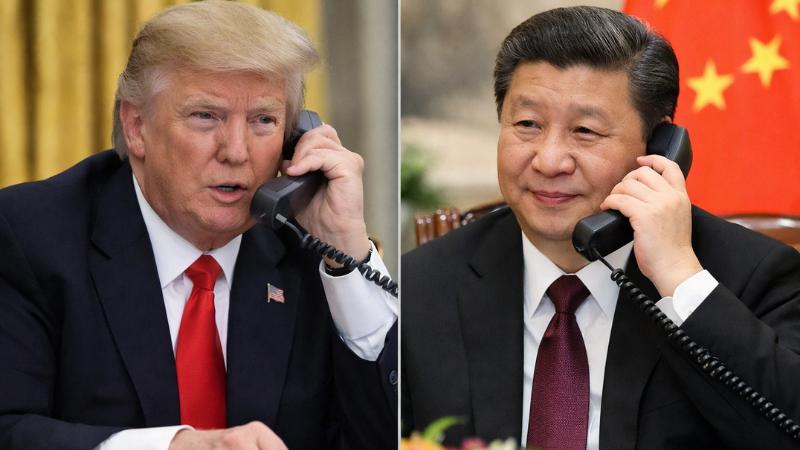
US and China leaders hold extensive talks on oil, agriculture, and Taiwan issues
US President Donald Trump held an extended telephone conversation with Chinese President Xi Jinping on Wednesday, engaging in wide-ranging discussions that touched on trade ties, energy cooperation, agricultural purchases, and several pressing geopolitical concerns, according to remarks shared by the American leader. Posting about the exchange on his social media platform, Trump described the dialogue as “excellent,” emphasizing that the call was both lengthy and substantive. He
US and China leaders hold extensive talks on oil, agriculture, and Taiwan issues
US President Donald Trump held an extended telephone conversation with Chinese President Xi Jinping on Wednesday, engaging in wide-ranging discussions that touched on trade ties, energy cooperation, agricultural purchases, and several pressing geopolitical concerns, according to remarks shared by the American leader. Posting about the exchange on his social media platform, Trump described the dialogue as “excellent,” emphasizing that the call was both lengthy and substantive. He
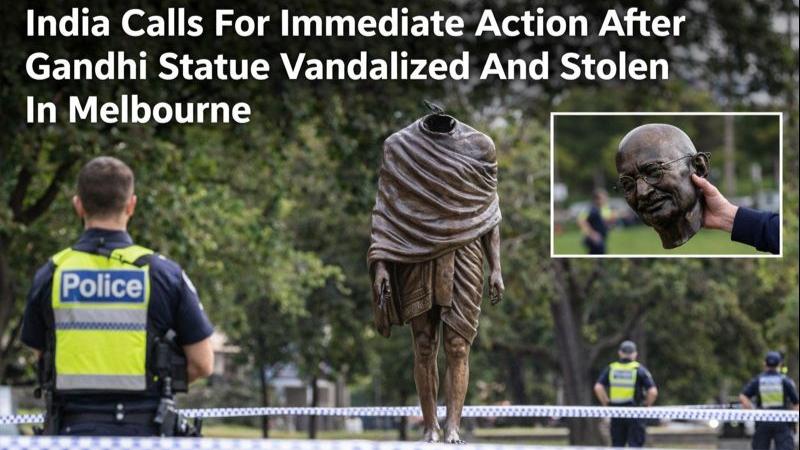
India Calls For Immediate Action After Gandhi Statue Vandalized And Stolen In Melbourne
In a shocking incident, a statue of Mahatma Gandhi was vandalized and stolen in Melbourne, sparking outrage both in India and abroad. The incident has drawn immediate attention from the Indian government, who has called for urgent action from the Australian authorities. The statue, which stood as a symbol of peace and non-violence, was reportedly cut and taken by unknown individuals in an act of desecration. The Indian government swiftly condemned the incident and expressed deep con
India Calls For Immediate Action After Gandhi Statue Vandalized And Stolen In Melbourne
In a shocking incident, a statue of Mahatma Gandhi was vandalized and stolen in Melbourne, sparking outrage both in India and abroad. The incident has drawn immediate attention from the Indian government, who has called for urgent action from the Australian authorities. The statue, which stood as a symbol of peace and non-violence, was reportedly cut and taken by unknown individuals in an act of desecration. The Indian government swiftly condemned the incident and expressed deep con
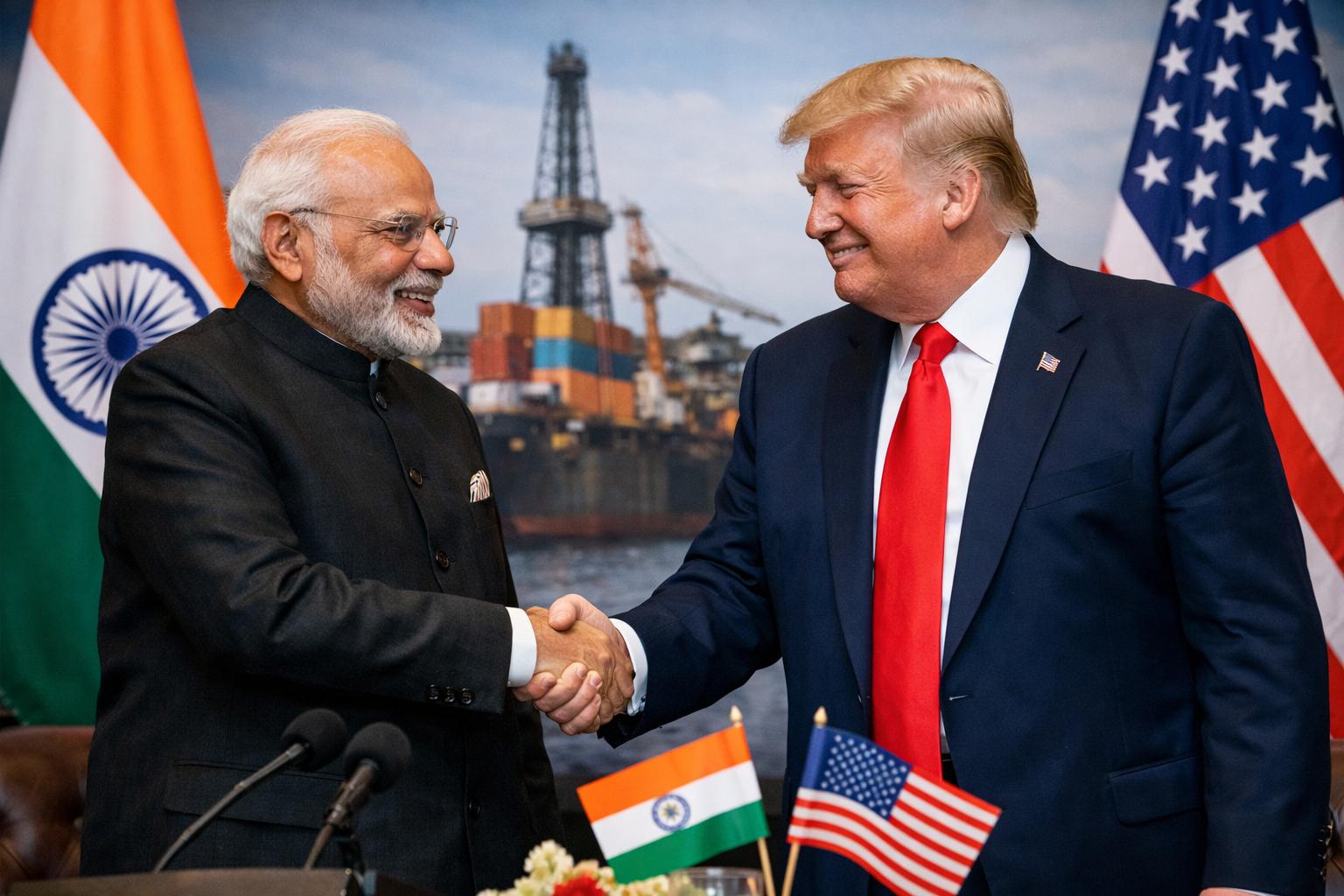
PM Modi expresses gratitude to Trump after US cuts tariffs on Indian goods
Prime Minister Narendra Modi on Monday welcomed a significant reduction in tariffs on Indian exports to the United States following an announcement by US President Donald Trump that the two countries had reached a bilateral trade agreement aimed at lowering reciprocal duties. Under the new arrangement, tariffs on Made in India products entering the US market will be reduced to 18%, marking a notable shift in trade relations between the two major economies. The agreement also provide
PM Modi expresses gratitude to Trump after US cuts tariffs on Indian goods
Prime Minister Narendra Modi on Monday welcomed a significant reduction in tariffs on Indian exports to the United States following an announcement by US President Donald Trump that the two countries had reached a bilateral trade agreement aimed at lowering reciprocal duties. Under the new arrangement, tariffs on Made in India products entering the US market will be reduced to 18%, marking a notable shift in trade relations between the two major economies. The agreement also provide
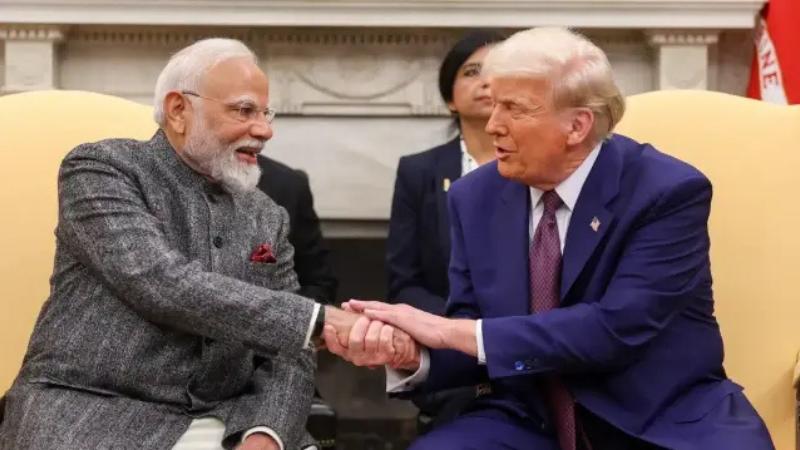
US and India agree on trade deal as tariffs are cut and oil strategy shifts
In a significant development affecting global trade and energy policy, United States President Donald Trump announced a bilateral trade agreement with Indian Prime Minister Narendra Modi following a direct telephone conversation on Monday. According to an official post shared by the US Ambassador to India on social media, the leaders discussed a range of strategic and economic issues, culminating in an accord that reduces key economic barriers between the two countries. In his publi
US and India agree on trade deal as tariffs are cut and oil strategy shifts
In a significant development affecting global trade and energy policy, United States President Donald Trump announced a bilateral trade agreement with Indian Prime Minister Narendra Modi following a direct telephone conversation on Monday. According to an official post shared by the US Ambassador to India on social media, the leaders discussed a range of strategic and economic issues, culminating in an accord that reduces key economic barriers between the two countries. In his publi
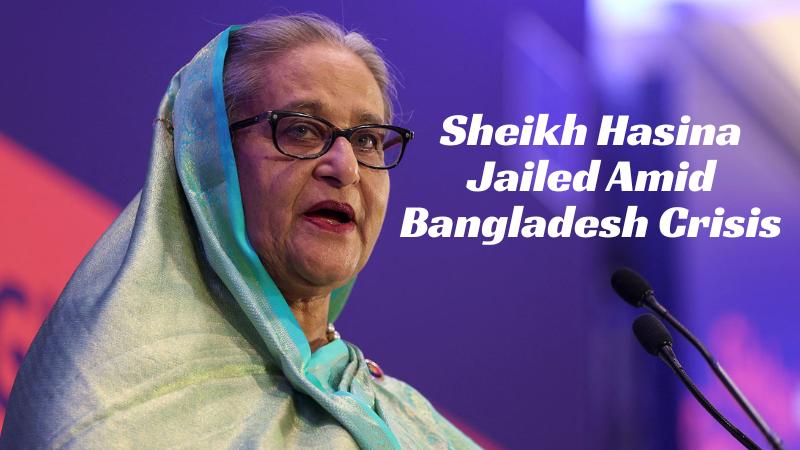
Sheikh Hasina Jailed For 10 Years In Bangladesh Land Allocation Corruption Cases
Bangladesh’s political turmoil deepened further on Monday as a Dhaka court sentenced deposed Prime Minister Sheikh Hasina to 10 years of rigorous imprisonment in two corruption cases related to alleged irregularities in government land allocations. The verdict, delivered by Dhaka’s Special Judge’s Court, marks another major legal setback for the former leader, who has been facing a barrage of cases since her removal from power in 2024. The cases revolve around the Rajuk New Town Project
Sheikh Hasina Jailed For 10 Years In Bangladesh Land Allocation Corruption Cases
Bangladesh’s political turmoil deepened further on Monday as a Dhaka court sentenced deposed Prime Minister Sheikh Hasina to 10 years of rigorous imprisonment in two corruption cases related to alleged irregularities in government land allocations. The verdict, delivered by Dhaka’s Special Judge’s Court, marks another major legal setback for the former leader, who has been facing a barrage of cases since her removal from power in 2024. The cases revolve around the Rajuk New Town Project
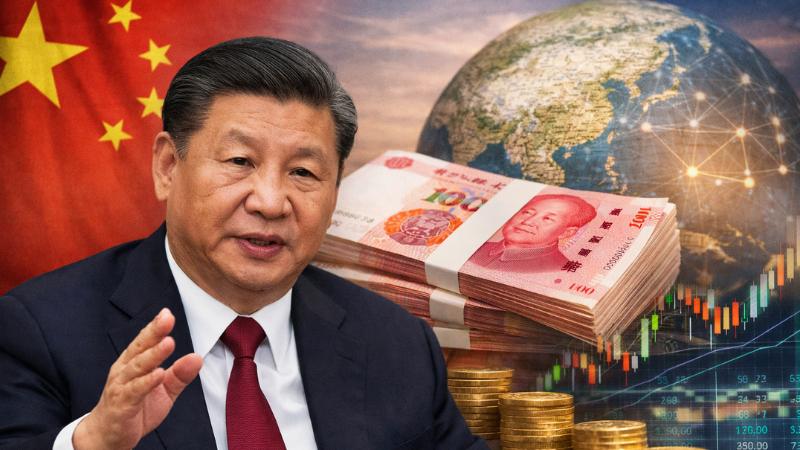
China seeks stronger yuan as Xi Jinping outlines push for global reserve currency
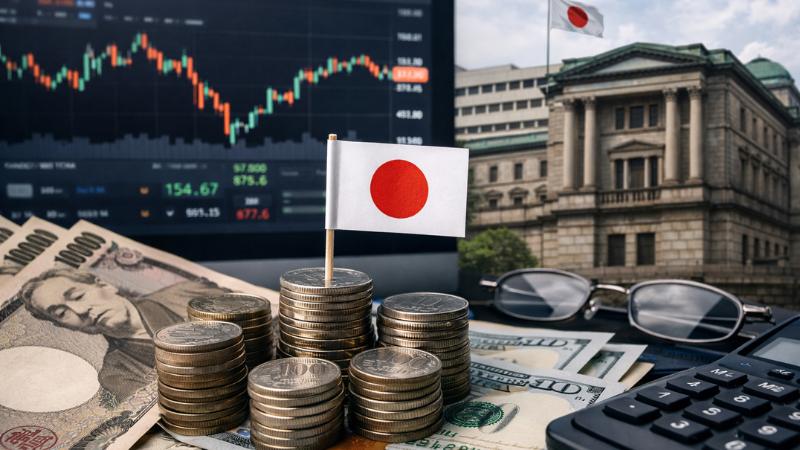
Amid continuing global economic uncertainty and renewed debate over the stability of major reserve currencies, Chinese President Xi Jinping has reiterated China’s ambition to build a “strong currency” and gradually elevate the yuan’s status in the global financial system. Xi said China aims to expand the use of the yuan in international trade, investment, and foreign exchange markets, underscoring a long-standing policy goal to strengthen the country’s financial influence worldwide. Xi’s remarks were outlined in a speech delivered in 2024 to senior provincial and ministerial officials and later published on Saturday in Qiushi, the Communist Party’s leading theoretical journal. The publication of excerpts from the address comes at a time of heightened volatility in global markets and growing scrutiny of the dominance of the US dollar, adding significance to Beijing’s renewed emphasis on currency strength and financial resilience. In the speech, Xi set out what he described as the essential characteristics of a global financial powerhouse. These included a solid economic foundation, world-leading technological and industrial capabilities, and a widely accepted and credible currency. He argued that currency strength was inseparable from broader national competitiveness and institutional capacity, noting that financial influence must be supported by real economic and technological power rather than short-term market movements. Xi also stressed the importance of a capable and independent central bank able to implement effective monetary policy and macroprudential management. He said globally competitive financial institutions, along with influential international financial centres, were necessary to attract global capital and exert pricing power in international markets. According to Xi, these elements must be matched with strong regulation, a reliable legal framework, and a deep pool of skilled financial professionals to ensure long-term stability and credibility. While acknowledging China’s scale in global finance, Xi noted that the country still faced structural limitations. He said China ranked among the world’s largest economies in terms of banking assets, foreign exchange reserves, and capital market size, but remained “big but not strong” overall. Transforming China into a true global financial powerhouse, he added, would be a gradual and long-term undertaking rather than an immediate achievement. Beijing has promoted the internationalisation of the yuan for more than a decade, with measurable progress in its use for cross-border trade settlement. The currency’s role in global markets, however, remains limited when compared with established reserve currencies. China’s Cross-Border Interbank Payment System currently clears an average of about 700 billion yuan, or roughly 100 billion US dollars, in transactions each day. This figure remains well below the nearly 2 trillion US dollars cleared daily through the dollar-based Clearing House Interbank Payments System. Yuan-denominated debt issuance in international markets also accounts for a small share of global activity, representing less than one percent of total issuance. These figures highlight the gap between China’s ambitions and the yuan’s current global footprint, despite steady domestic financial expansion. In recent months, the yuan has generally held firm against the US dollar, even amid trade tensions and uneven global growth. This stability contrasts with the sharper depreciation seen during former US President Donald Trump’s first term, when market observers speculated that Chinese authorities tolerated a weaker currency to offset the impact of tariffs. International investment banks continue to argue that the yuan remains below its long-term fair value, reflecting both policy controls and cautious foreign investor sentiment. The republication of Xi’s speech signals continuity in China’s financial strategy rather than a sudden shift. As global markets navigate uncertainty and reassess existing monetary structures, Beijing appears intent on steadily advancing its vision of a stronger yuan and a more influential role in the international financial system over the long term.
China seeks stronger yuan as Xi Jinping outlines push for global reserve currency
Amid continuing global economic uncertainty and renewed debate over the stability of major reserve currencies, Chinese President Xi Jinping has reiterated China’s ambition to build a “strong currency” and gradually elevate the yuan’s status in the global financial system. Xi said China aims to expand the use of the yuan in international trade, investment, and foreign exchange markets, underscoring a long-standing policy goal to strengthen the country’s financial influence worldwide. Xi’s remarks were outlined in a speech delivered in 2024 to senior provincial and ministerial officials and later published on Saturday in Qiushi, the Communist Party’s leading theoretical journal. The publication of excerpts from the address comes at a time of heightened volatility in global markets and growing scrutiny of the dominance of the US dollar, adding significance to Beijing’s renewed emphasis on currency strength and financial resilience. In the speech, Xi set out what he described as the essential characteristics of a global financial powerhouse. These included a solid economic foundation, world-leading technological and industrial capabilities, and a widely accepted and credible currency. He argued that currency strength was inseparable from broader national competitiveness and institutional capacity, noting that financial influence must be supported by real economic and technological power rather than short-term market movements. Xi also stressed the importance of a capable and independent central bank able to implement effective monetary policy and macroprudential management. He said globally competitive financial institutions, along with influential international financial centres, were necessary to attract global capital and exert pricing power in international markets. According to Xi, these elements must be matched with strong regulation, a reliable legal framework, and a deep pool of skilled financial professionals to ensure long-term stability and credibility. While acknowledging China’s scale in global finance, Xi noted that the country still faced structural limitations. He said China ranked among the world’s largest economies in terms of banking assets, foreign exchange reserves, and capital market size, but remained “big but not strong” overall. Transforming China into a true global financial powerhouse, he added, would be a gradual and long-term undertaking rather than an immediate achievement. Beijing has promoted the internationalisation of the yuan for more than a decade, with measurable progress in its use for cross-border trade settlement. The currency’s role in global markets, however, remains limited when compared with established reserve currencies. China’s Cross-Border Interbank Payment System currently clears an average of about 700 billion yuan, or roughly 100 billion US dollars, in transactions each day. This figure remains well below the nearly 2 trillion US dollars cleared daily through the dollar-based Clearing House Interbank Payments System. Yuan-denominated debt issuance in international markets also accounts for a small share of global activity, representing less than one percent of total issuance. These figures highlight the gap between China’s ambitions and the yuan’s current global footprint, despite steady domestic financial expansion. In recent months, the yuan has generally held firm against the US dollar, even amid trade tensions and uneven global growth. This stability contrasts with the sharper depreciation seen during former US President Donald Trump’s first term, when market observers speculated that Chinese authorities tolerated a weaker currency to offset the impact of tariffs. International investment banks continue to argue that the yuan remains below its long-term fair value, reflecting both policy controls and cautious foreign investor sentiment. The republication of Xi’s speech signals continuity in China’s financial strategy rather than a sudden shift. As global markets navigate uncertainty and reassess existing monetary structures, Beijing appears intent on steadily advancing its vision of a stronger yuan and a more influential role in the international financial system over the long term.
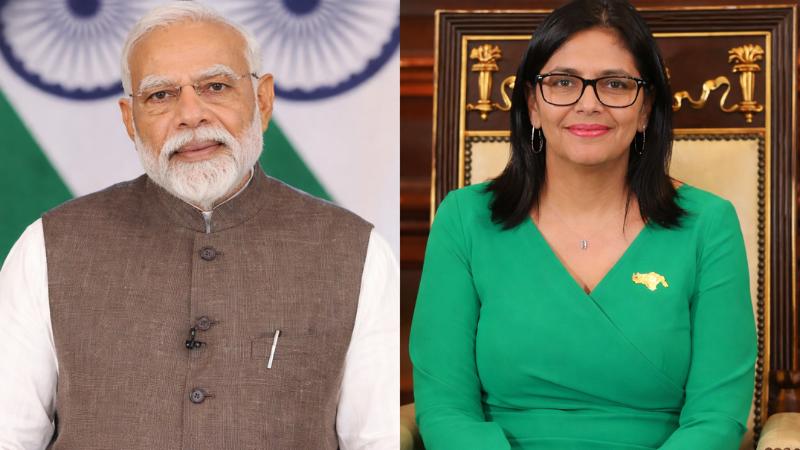
India, Venezuela look to deepen ties after leadership change, PM Modi speaks to Rodríguez
Prime Minister Narendra Modi on Friday held a conversation with Venezuela’s Acting President Delcy Rodríguez, reaffirming India’s intention to deepen and expand cooperation across multiple sectors. The discussion marks a significant diplomatic engagement nearly a month after former Venezuelan President Nicolás Maduro was removed from power and taken into United States custody following a high-profile military operation. In a message shared on social media, Modi said both sides
India, Venezuela look to deepen ties after leadership change, PM Modi speaks to Rodríguez
Prime Minister Narendra Modi on Friday held a conversation with Venezuela’s Acting President Delcy Rodríguez, reaffirming India’s intention to deepen and expand cooperation across multiple sectors. The discussion marks a significant diplomatic engagement nearly a month after former Venezuelan President Nicolás Maduro was removed from power and taken into United States custody following a high-profile military operation. In a message shared on social media, Modi said both sides
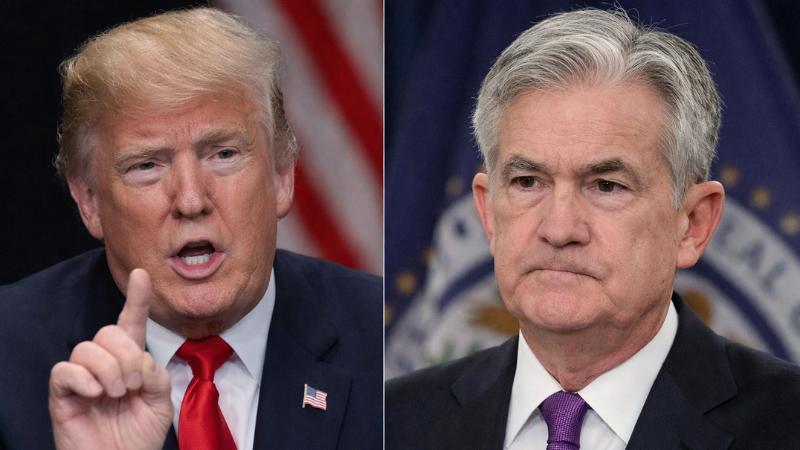
Trump criticizes Fed chair Powell over interest rates after FOMC decision
US President Donald Trump sharply criticized Federal Reserve Chair Jerome Powell on Thursday following the central bank’s decision to leave interest rates unchanged, accusing him of delaying necessary rate cuts and undermining the nation’s economic strength, national security and global competitiveness. The comments came shortly after the Federal Open Market Committee announced it would maintain its benchmark interest rate, a move that aligned with market expectations but drew strong poli
Trump criticizes Fed chair Powell over interest rates after FOMC decision
US President Donald Trump sharply criticized Federal Reserve Chair Jerome Powell on Thursday following the central bank’s decision to leave interest rates unchanged, accusing him of delaying necessary rate cuts and undermining the nation’s economic strength, national security and global competitiveness. The comments came shortly after the Federal Open Market Committee announced it would maintain its benchmark interest rate, a move that aligned with market expectations but drew strong poli
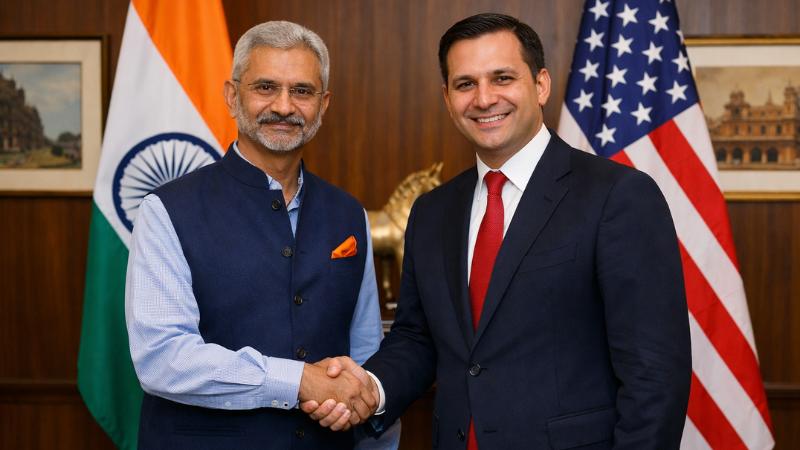
Jaishankar meets US envoy Sergio Gor ahead of Washington visit on critical minerals
External Affairs Minister S Jaishankar on Wednesday held talks with United States Ambassador to India Sergio Gor in New Delhi, days ahead of his scheduled visit to Washington, D.C., for a high-level engagement on critical minerals. The meeting focused on multiple aspects of the India-US relationship, reflecting the breadth and depth of cooperation between the two countries across strategic, economic and defence domains. Following the meeting, Jaishankar said the discussions covered
Jaishankar meets US envoy Sergio Gor ahead of Washington visit on critical minerals
External Affairs Minister S Jaishankar on Wednesday held talks with United States Ambassador to India Sergio Gor in New Delhi, days ahead of his scheduled visit to Washington, D.C., for a high-level engagement on critical minerals. The meeting focused on multiple aspects of the India-US relationship, reflecting the breadth and depth of cooperation between the two countries across strategic, economic and defence domains. Following the meeting, Jaishankar said the discussions covered
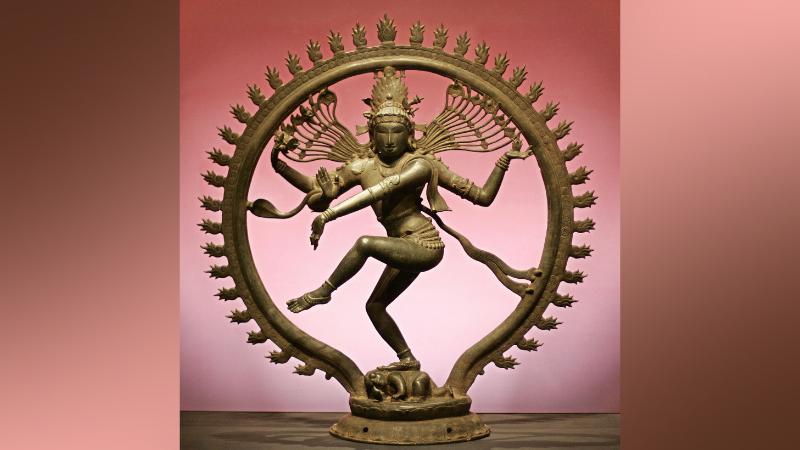
US museum to repatriate ancient Tamil Nadu bronzes to India
The Smithsonian’s National Museum of Asian Art in the United States has announced that it will return three historic bronze sculptures to India after concluding that the works were illegally removed from temple sites in Tamil Nadu. The decision follows an extensive provenance review of the museum’s South Asian collection and marks a significant step in addressing the long-standing issue of illicit trafficking of cultural heritage. The most prominent of the sculptures slated for return is a bronze depiction of Shiva Nataraja, dating to around A.D. 990. Created during the Chola period, the sculpture represents the Hindu deity Shiva in his cosmic dance, symbolizing the cycle of creation and destruction. The figure shows Shiva dancing upon a demon that embodies ignorance, encircled by a ring of fire and standing on a lotus base. Art historians regard this form as one of the most visually powerful and symbolically rich representations in Indian art, revered both within India and among global audiences. Alongside the Shiva Nataraja, the museum will repatriate a Somaskanda sculpture from the 12th century, also from the Chola period. This bronze depicts Shiva seated with his consort Parvathy and their son Skanda, reflecting devotional traditions that were central to temple worship in medieval South India. The third work to be returned is a 16th-century bronze titled Saint Sundarar With Paravai, dating to the Vijayanagar period, which portrays the revered Shaivite saint with his companion. The museum stated that the return of these works reflects its commitment to ethical museum practices and responsible stewardship. A comprehensive review was initiated to determine whether any objects in the collection had been unlawfully acquired. During this process, researchers uncovered evidence that raised serious concerns about the origins of the three bronzes. The Shiva Nataraja entered the museum’s collection in 2002 through a New York art gallery. Subsequent investigation revealed inconsistencies in the documentation associated with the acquisition, including the inability to verify the gallery’s listed address. Researchers later established that the sculpture appeared in photographs taken at a Tamil Nadu temple during the 1950s, confirming that it had been removed from its original religious setting. Further inquiry connected the gallery to a network involved in the trafficking of stolen antiquities. Court records have shown that individuals associated with this network engaged in smuggling cultural objects from South Asia and falsifying provenance records to introduce them into the international art market. In recent years, other institutions have also returned comparable works linked to the same sources. The Somaskanda and Saint Sundarar With Paravai sculptures were donated to the museum in 1987 as part of a major private collection. Their provenance came under scrutiny after a tip prompted researchers to consult archival material held by the French Institute of Pondicherry. Photographs from the 1950s in the institute’s archives showed both sculptures installed in temples in Tamil Nadu, providing clear evidence that they had been stolen and exported illegally. Experts note that bronze sculptures from South Indian temples have been frequent targets of theft due to their artistic value and global demand. Replicas have circulated widely in tourist markets, while original works disappeared from sacred sites, often leaving communities without objects of worship that had been central to their cultural and religious identity for centuries. The Smithsonian’s decision is being viewed as part of a broader international movement toward repatriation and accountability in the museum sector. By returning these sculptures, the institution acknowledges the importance of restoring cultural heritage to its place of origin and reinforces growing global standards for transparency and ethical collecting practices.
US museum to repatriate ancient Tamil Nadu bronzes to India
The Smithsonian’s National Museum of Asian Art in the United States has announced that it will return three historic bronze sculptures to India after concluding that the works were illegally removed from temple sites in Tamil Nadu. The decision follows an extensive provenance review of the museum’s South Asian collection and marks a significant step in addressing the long-standing issue of illicit trafficking of cultural heritage. The most prominent of the sculptures slated for return is a bronze depiction of Shiva Nataraja, dating to around A.D. 990. Created during the Chola period, the sculpture represents the Hindu deity Shiva in his cosmic dance, symbolizing the cycle of creation and destruction. The figure shows Shiva dancing upon a demon that embodies ignorance, encircled by a ring of fire and standing on a lotus base. Art historians regard this form as one of the most visually powerful and symbolically rich representations in Indian art, revered both within India and among global audiences. Alongside the Shiva Nataraja, the museum will repatriate a Somaskanda sculpture from the 12th century, also from the Chola period. This bronze depicts Shiva seated with his consort Parvathy and their son Skanda, reflecting devotional traditions that were central to temple worship in medieval South India. The third work to be returned is a 16th-century bronze titled Saint Sundarar With Paravai, dating to the Vijayanagar period, which portrays the revered Shaivite saint with his companion. The museum stated that the return of these works reflects its commitment to ethical museum practices and responsible stewardship. A comprehensive review was initiated to determine whether any objects in the collection had been unlawfully acquired. During this process, researchers uncovered evidence that raised serious concerns about the origins of the three bronzes. The Shiva Nataraja entered the museum’s collection in 2002 through a New York art gallery. Subsequent investigation revealed inconsistencies in the documentation associated with the acquisition, including the inability to verify the gallery’s listed address. Researchers later established that the sculpture appeared in photographs taken at a Tamil Nadu temple during the 1950s, confirming that it had been removed from its original religious setting. Further inquiry connected the gallery to a network involved in the trafficking of stolen antiquities. Court records have shown that individuals associated with this network engaged in smuggling cultural objects from South Asia and falsifying provenance records to introduce them into the international art market. In recent years, other institutions have also returned comparable works linked to the same sources. The Somaskanda and Saint Sundarar With Paravai sculptures were donated to the museum in 1987 as part of a major private collection. Their provenance came under scrutiny after a tip prompted researchers to consult archival material held by the French Institute of Pondicherry. Photographs from the 1950s in the institute’s archives showed both sculptures installed in temples in Tamil Nadu, providing clear evidence that they had been stolen and exported illegally. Experts note that bronze sculptures from South Indian temples have been frequent targets of theft due to their artistic value and global demand. Replicas have circulated widely in tourist markets, while original works disappeared from sacred sites, often leaving communities without objects of worship that had been central to their cultural and religious identity for centuries. The Smithsonian’s decision is being viewed as part of a broader international movement toward repatriation and accountability in the museum sector. By returning these sculptures, the institution acknowledges the importance of restoring cultural heritage to its place of origin and reinforces growing global standards for transparency and ethical collecting practices.
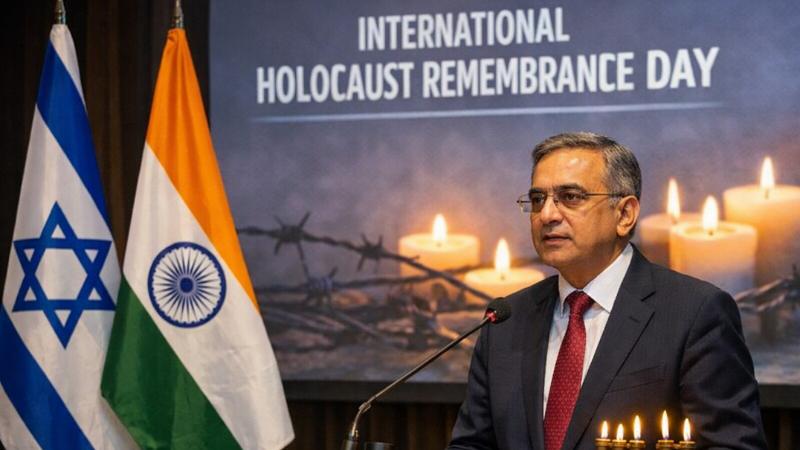
India reaffirms solidarity with Israel, condemns terrorism at Holocaust remembrance event
India has reiterated its firm support for Israel and renewed its condemnation of terrorism in all forms, with Foreign Secretary Vikram Misri drawing clear parallels between the Hamas attacks of October 7, 2023, and India’s long experience with cross-border violence. Speaking at an International Holocaust Remembrance Day commemoration hosted by the Israeli Embassy in New Delhi, Misri underscored India’s position that acts of terror cannot be justified under any circumstances and must be co
India reaffirms solidarity with Israel, condemns terrorism at Holocaust remembrance event
India has reiterated its firm support for Israel and renewed its condemnation of terrorism in all forms, with Foreign Secretary Vikram Misri drawing clear parallels between the Hamas attacks of October 7, 2023, and India’s long experience with cross-border violence. Speaking at an International Holocaust Remembrance Day commemoration hosted by the Israeli Embassy in New Delhi, Misri underscored India’s position that acts of terror cannot be justified under any circumstances and must be co










