



















#globaleducation
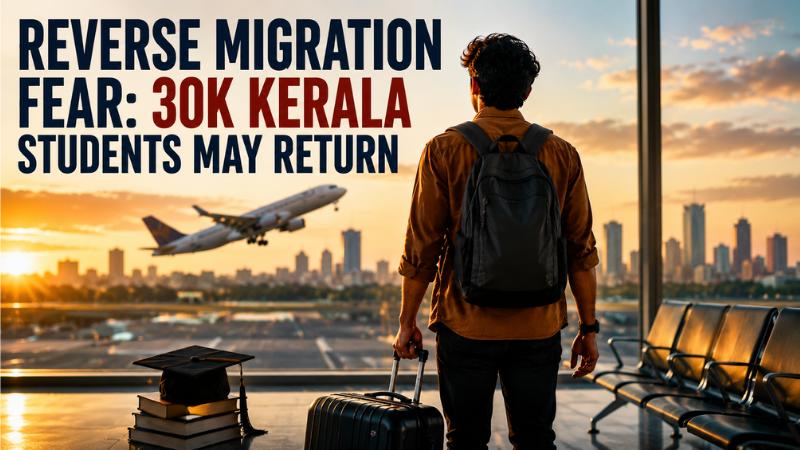
Reverse Migration Fear: 30K Kerala Students May Return Amid Global Visa Crackdown
Reverse migration concerns are growing rapidly in Kerala as countries like the United Kingdom, Canada, Australia, and several European nations tighten immigration and student visa policies. Education experts and overseas consultancy agencies estimate that nearly 30,000 Malayali students could return home over the coming years due to stricter migration rules, reduced work opportunities, and changing settlement regulations abroad. The issue is creating anxiety among students and families who once viewed overseas education as a stable path toward global careers and permanent residency. For many years, Kerala witnessed a sharp rise in students moving abroad for higher education, attracted by better salaries, international exposure, and long-term settlement opportunities. However, recent policy changes in foreign nations are creating uncertainty for thousands of students who invested heavily through education loans and family savings. Many students now fear limited job opportunities and uncertain residency prospects after completing their courses. Countries such as the UK have introduced tighter dependent visa restrictions and stricter financial eligibility rules for international students. Canada has announced caps on student permits, while Australia has increased scrutiny in visa approvals and raised language and financial requirements for applicants. These changes are making it harder for students to secure employment and permanent residency after graduation, forcing many to reconsider their future plans abroad. The possibility of large-scale reverse migration is raising concerns about Kerala’s economy and employment sector. Returning graduates may struggle to find jobs that match their international qualifications and work experience. Education consultants in Kochi, Thiruvananthapuram, Kozhikode, and other cities report that students are becoming more cautious while selecting foreign destinations, increasingly preferring countries with stable immigration pathways. Experts believe Kerala may eventually need stronger employment programs, startup incentives, and skill-based opportunities to support returning graduates and prevent rising unemployment.
Reverse Migration Fear: 30K Kerala Students May Return Amid Global Visa Crackdown
Reverse migration concerns are growing rapidly in Kerala as countries like the United Kingdom, Canada, Australia, and several European nations tighten immigration and student visa policies. Education experts and overseas consultancy agencies estimate that nearly 30,000 Malayali students could return home over the coming years due to stricter migration rules, reduced work opportunities, and changing settlement regulations abroad. The issue is creating anxiety among students and families who once viewed overseas education as a stable path toward global careers and permanent residency. For many years, Kerala witnessed a sharp rise in students moving abroad for higher education, attracted by better salaries, international exposure, and long-term settlement opportunities. However, recent policy changes in foreign nations are creating uncertainty for thousands of students who invested heavily through education loans and family savings. Many students now fear limited job opportunities and uncertain residency prospects after completing their courses. Countries such as the UK have introduced tighter dependent visa restrictions and stricter financial eligibility rules for international students. Canada has announced caps on student permits, while Australia has increased scrutiny in visa approvals and raised language and financial requirements for applicants. These changes are making it harder for students to secure employment and permanent residency after graduation, forcing many to reconsider their future plans abroad. The possibility of large-scale reverse migration is raising concerns about Kerala’s economy and employment sector. Returning graduates may struggle to find jobs that match their international qualifications and work experience. Education consultants in Kochi, Thiruvananthapuram, Kozhikode, and other cities report that students are becoming more cautious while selecting foreign destinations, increasingly preferring countries with stable immigration pathways. Experts believe Kerala may eventually need stronger employment programs, startup incentives, and skill-based opportunities to support returning graduates and prevent rising unemployment.
NISAU UK–ICEF partnership aims to ensure ethical recruitment for Indian students
The National Indian Students and Alumni Union UK has entered a strategic partnership with the International Consultants for Education and Fairs, a long-established organisation known for its global expertise in international education services. The collaboration is intended to address growing concerns around transparency, accountability, and ethical standards in the student recruitment process, particularly for Indian students who form one of the world’s largest cohorts of outbound learners
NISAU UK–ICEF partnership aims to ensure ethical recruitment for Indian students
The National Indian Students and Alumni Union UK has entered a strategic partnership with the International Consultants for Education and Fairs, a long-established organisation known for its global expertise in international education services. The collaboration is intended to address growing concerns around transparency, accountability, and ethical standards in the student recruitment process, particularly for Indian students who form one of the world’s largest cohorts of outbound learners
From Einstein to Card: Nobel laureates who broke classroom rules
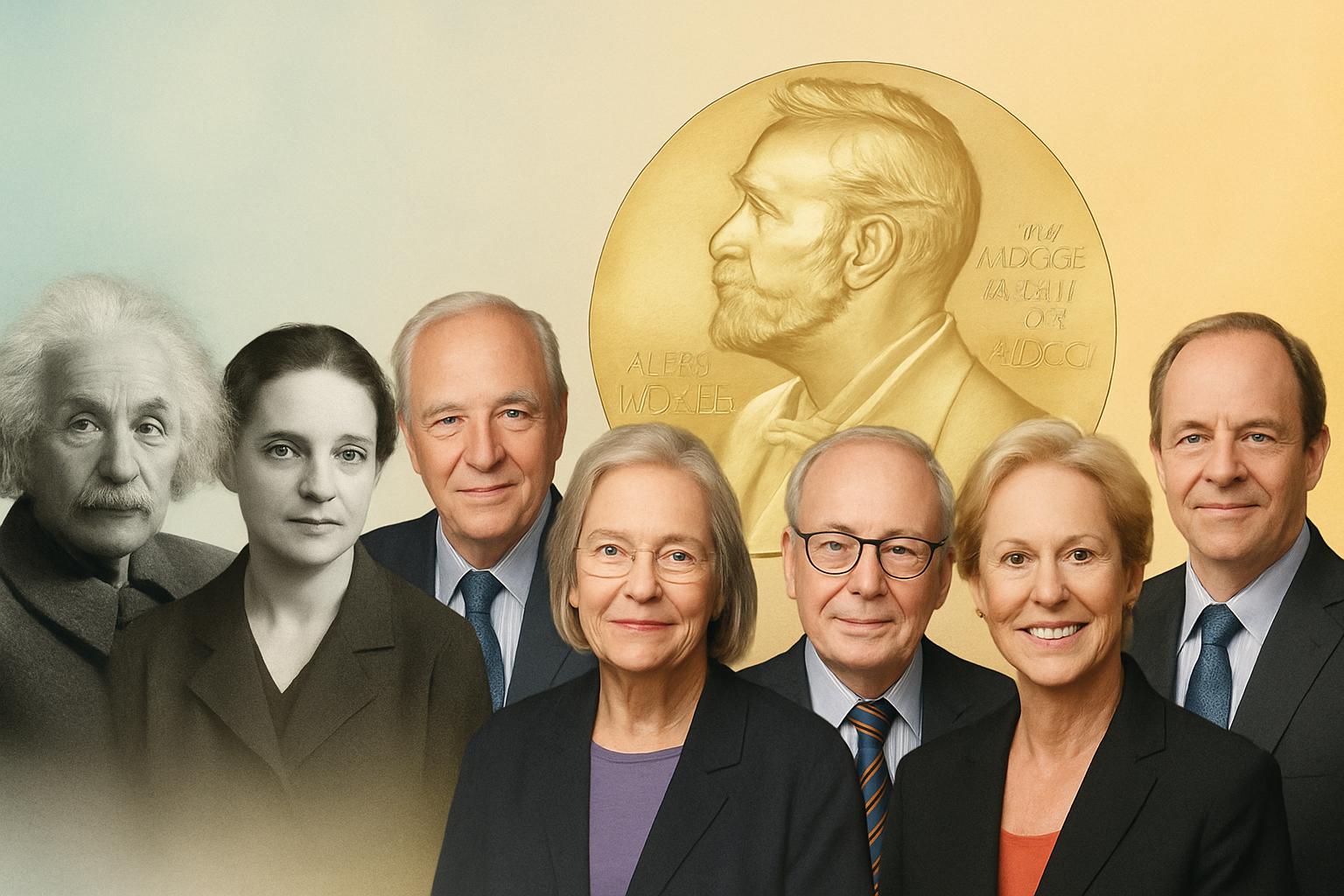
Not every Nobel laureate began as a model student. Some were expelled, others barely passed exams, and a few were told they would never amount to anything. Yet their names now stand among history’s greatest thinkers. From Einstein’s rebellious intellect to David Card’s quiet brilliance on a Canadian farm, these laureates show that unconventional paths often lead to extraordinary destinations. Their stories remind us that curiosity, not conformity, is the true hallmark of genius.
From Einstein to Card: Nobel laureates who broke classroom rules
Not every Nobel laureate began as a model student. Some were expelled, others barely passed exams, and a few were told they would never amount to anything. Yet their names now stand among history’s greatest thinkers. From Einstein’s rebellious intellect to David Card’s quiet brilliance on a Canadian farm, these laureates show that unconventional paths often lead to extraordinary destinations. Their stories remind us that curiosity, not conformity, is the true hallmark of genius.


