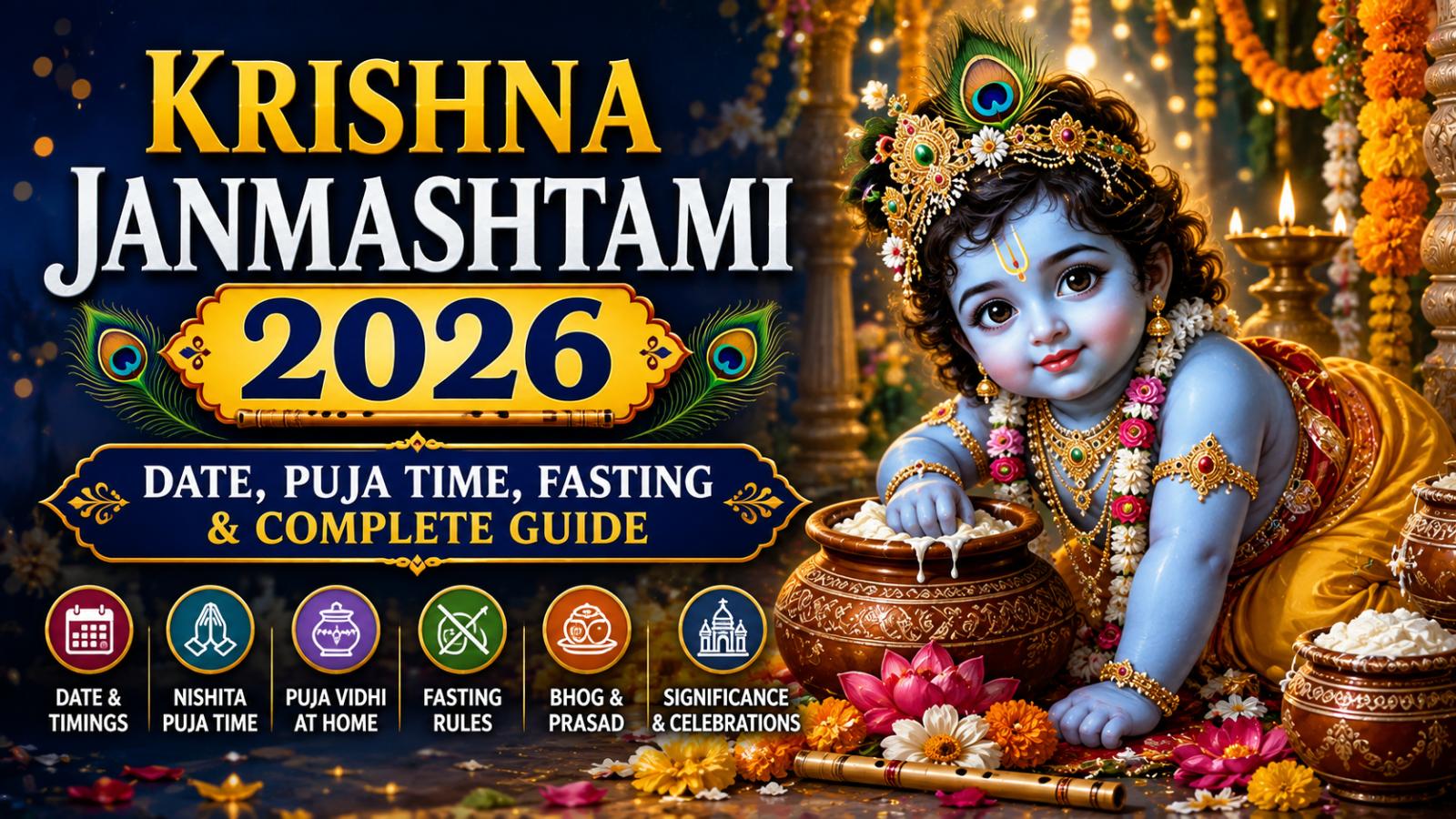
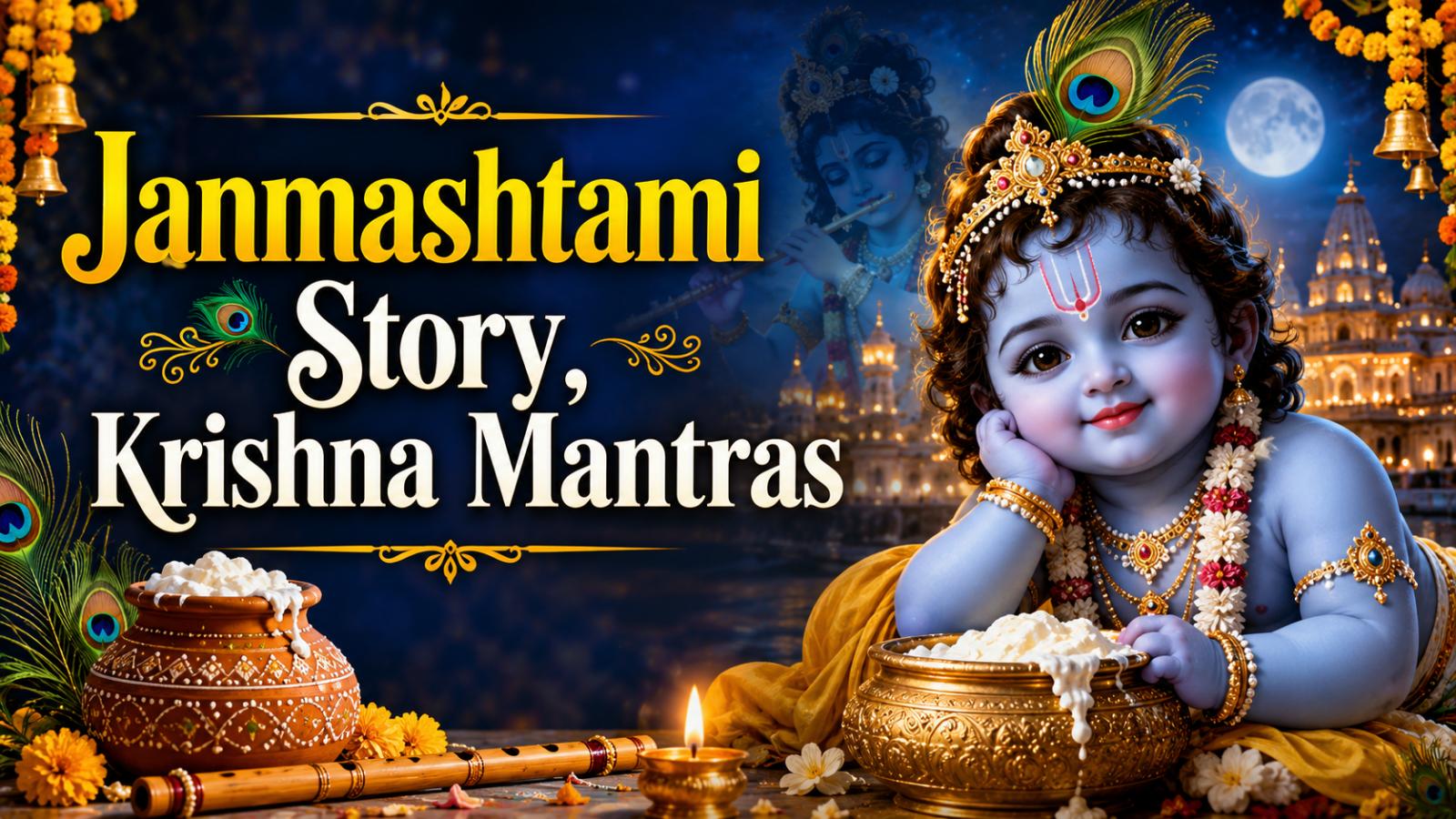
Krishna Janmashtami celebrates the birth of Lord Krishna, regarded in Hindu tradition as the eighth avatar of Lord Vishnu. According to tradition, Krishna was born at midnight on Ashtami during Krishna Paksha of the Hindu month of Bhadrapada.
The festival symbolizes the victory of dharma over adharma and hope over oppression. Devotees across India and around the world observe the occasion with fasting, prayers, bhajans, temple celebrations and midnight worship. Mathura and Vrindavan
Krishna Janmashtami celebrates the birth of Lord Krishna, regarded in Hindu tradition as the eighth avatar of Lord Vishnu. According to tradition, Krishna was born at midnight on Ashtami during Krishna Paksha of the Hindu month of Bhadrapada.
The festival symbolizes the victory of dharma over adharma and hope over oppression. Devotees across India and around the world observe the occasion with fasting, prayers, bhajans, temple celebrations and midnight worship. Mathura and Vrindavan
Krishna Janmashtami commemorates the birth of Lord Krishna, one of the most revered deities in Hindu tradition and regarded as the eighth incarnation of Lord Vishnu. The festival is observed according to the Hindu lunar calendar during Krishna Paksha Ashtami of the Shravana month.
Across the United States, Hindu families, temples and spiritual organizations celebrate Janmashtami with fasting, bhajans, kirtans, abhishekam, Bhagavad Gita readings, cultural programs and midnight worshi
Krishna Janmashtami commemorates the birth of Lord Krishna, one of the most revered deities in Hindu tradition and regarded as the eighth incarnation of Lord Vishnu. The festival is observed according to the Hindu lunar calendar during Krishna Paksha Ashtami of the Shravana month.
Across the United States, Hindu families, temples and spiritual organizations celebrate Janmashtami with fasting, bhajans, kirtans, abhishekam, Bhagavad Gita readings, cultural programs and midnight worshi
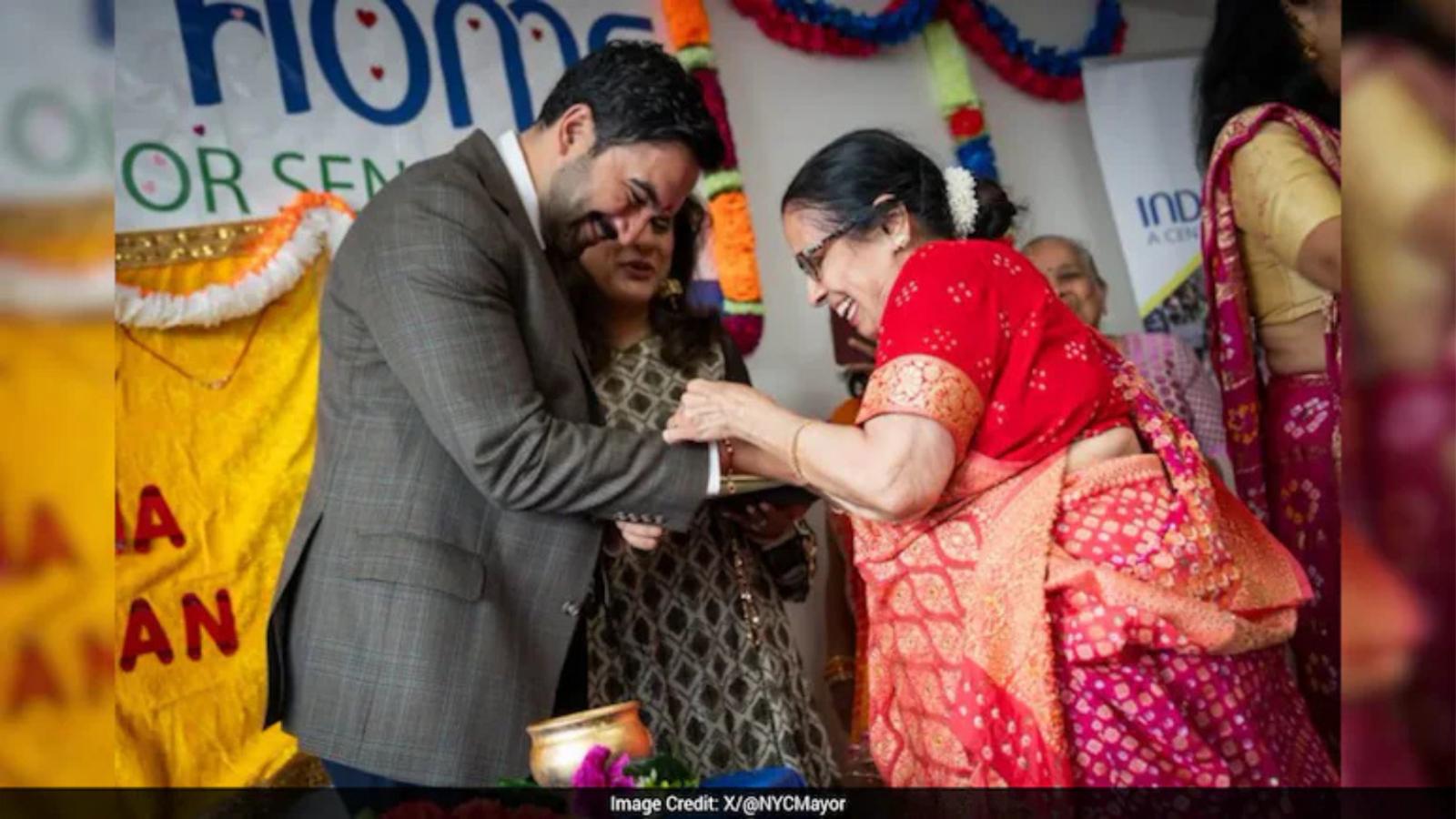
Zohran Mamdani celebrated Raksha Bandhan with South Asian seniors at India Home in New York City on Friday, August 28, 2026. The mayor received a rakhi, spoke about mutual support and community, and linked the festival’s message to a safer, more affordable city.
Mamdani joins Raksha Bandhan celebration
New York City Mayor Zohran Mamdani celebrated Raksha Bandhan with South Asian seniors at India
Zohran Mamdani celebrated Raksha Bandhan with South Asian seniors at India Home in New York City on Friday, August 28, 2026. The mayor received a rakhi, spoke about mutual support and community, and linked the festival’s message to a safer, more affordable city.
Mamdani joins Raksha Bandhan celebration
New York City Mayor Zohran Mamdani celebrated Raksha Bandhan with South Asian seniors at India
Bhai Dooj vs Raksha Bandhan Differences: Rituals and Meaning
Raksha Bandhan and Bhai Dooj celebrate the bond between brothers and sisters, but they are not the same festival. Bhai Dooj vs Raksha Bandhan differences can be seen in their rites, dates, myths, meaning and customs. One centers on tying a rakhi, while the other is marked by a sacred tilak and prayers for a brother’s well-being.
Rites
Bhai Dooj vs Raksha Bandhan Differences: Rituals and Meaning
Raksha Bandhan and Bhai Dooj celebrate the bond between brothers and sisters, but they are not the same festival. Bhai Dooj vs Raksha Bandhan differences can be seen in their rites, dates, myths, meaning and customs. One centers on tying a rakhi, while the other is marked by a sacred tilak and prayers for a brother’s well-being.
Rites
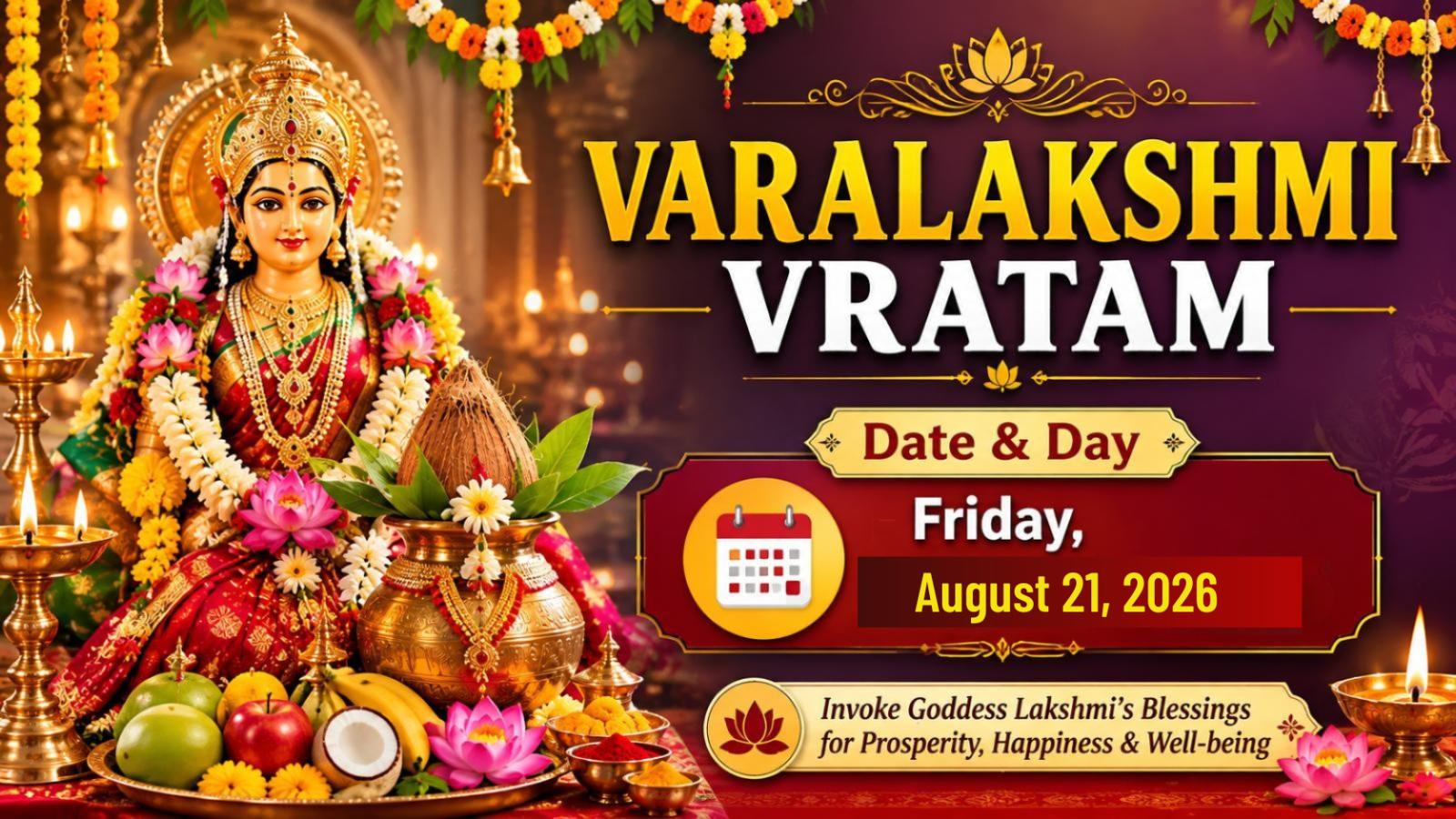
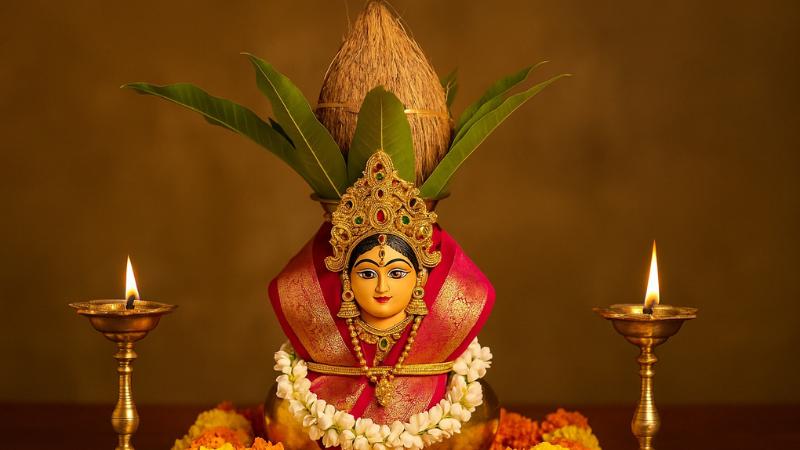
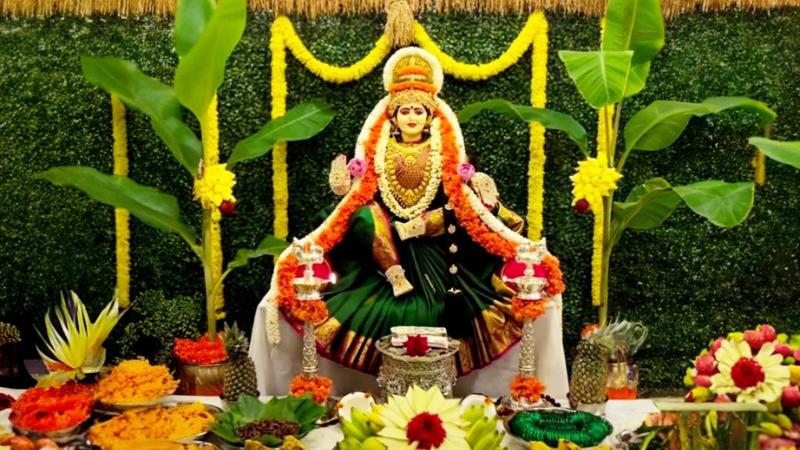
Varalakshmi Vratam is a Hindu observance dedicated to Goddess Varalakshmi, a form of Lakshmi associated with prosperity, auspiciousness and family well-being. Observed especially in South India, the vratam brings together Lakshmi worship, Kalasha puja, traditional offerings and prayers for the welfare of the household.
Varalakshmi Vratam meaning and significa
Varalakshmi Vratam is a Hindu observance dedicated to Goddess Varalakshmi, a form of Lakshmi associated with prosperity, auspiciousness and family well-being. Observed especially in South India, the vratam brings together Lakshmi worship, Kalasha puja, traditional offerings and prayers for the welfare of the household.
Varalakshmi Vratam meaning and significa
Guru Purnima 2026 will be celebrated across India on Wednesday, July 29, to honour teachers, spiritual masters and mentors. The festival falls on Ashadha Purnima and is associated with Maharishi Veda Vyasa, the Adiyogi tradition and India’s ancient guru-shishya relationship.
Guru Purnima 2026 date and time in India
Guru Purnima will be celebrated in India on Wednesday, July 29, 2026. The f
Guru Purnima 2026 will be celebrated across India on Wednesday, July 29, to honour teachers, spiritual masters and mentors. The festival falls on Ashadha Purnima and is associated with Maharishi Veda Vyasa, the Adiyogi tradition and India’s ancient guru-shishya relationship.
Guru Purnima 2026 date and time in India
Guru Purnima will be celebrated in India on Wednesday, July 29, 2026. The f
Ekadashi Calendar 2026
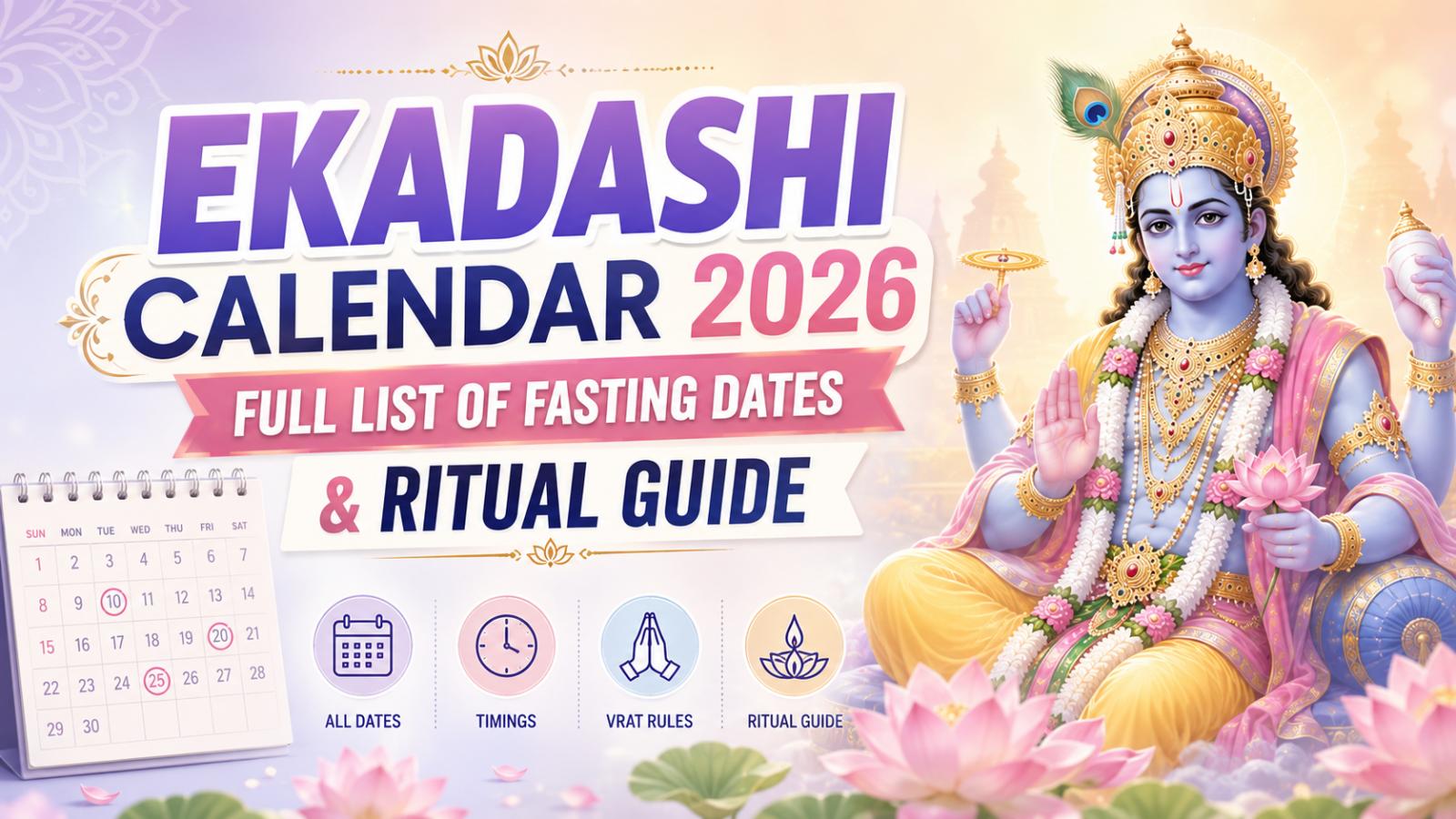
Ekadashi is observed twice in most lunar months and is dedicated to Lord Vishnu. The supplied 2026 calendar begins with Papmochani Ekadashi in March and ends with Mokshada or Vaikuntha Ekadashi in December. Each fast falls in either Krishna Paksha or Shukla Paksha and follows a defined Tithi window.
Ekadashi Calendar 2026
Ekadashi is observed twice in most lunar months and is dedicated to Lord Vishnu. The supplied 2026 calendar begins with Papmochani Ekadashi in March and ends with Mokshada or Vaikuntha Ekadashi in December. Each fast falls in either Krishna Paksha or Shukla Paksha and follows a defined Tithi window.
Dates: Yogini Ekadashi was observed on Friday, July 10, 2026, while Devshayani Ekadashi falls on Saturday, July 25, 2026.
Ekadashi in July 2026 Dates and Timings
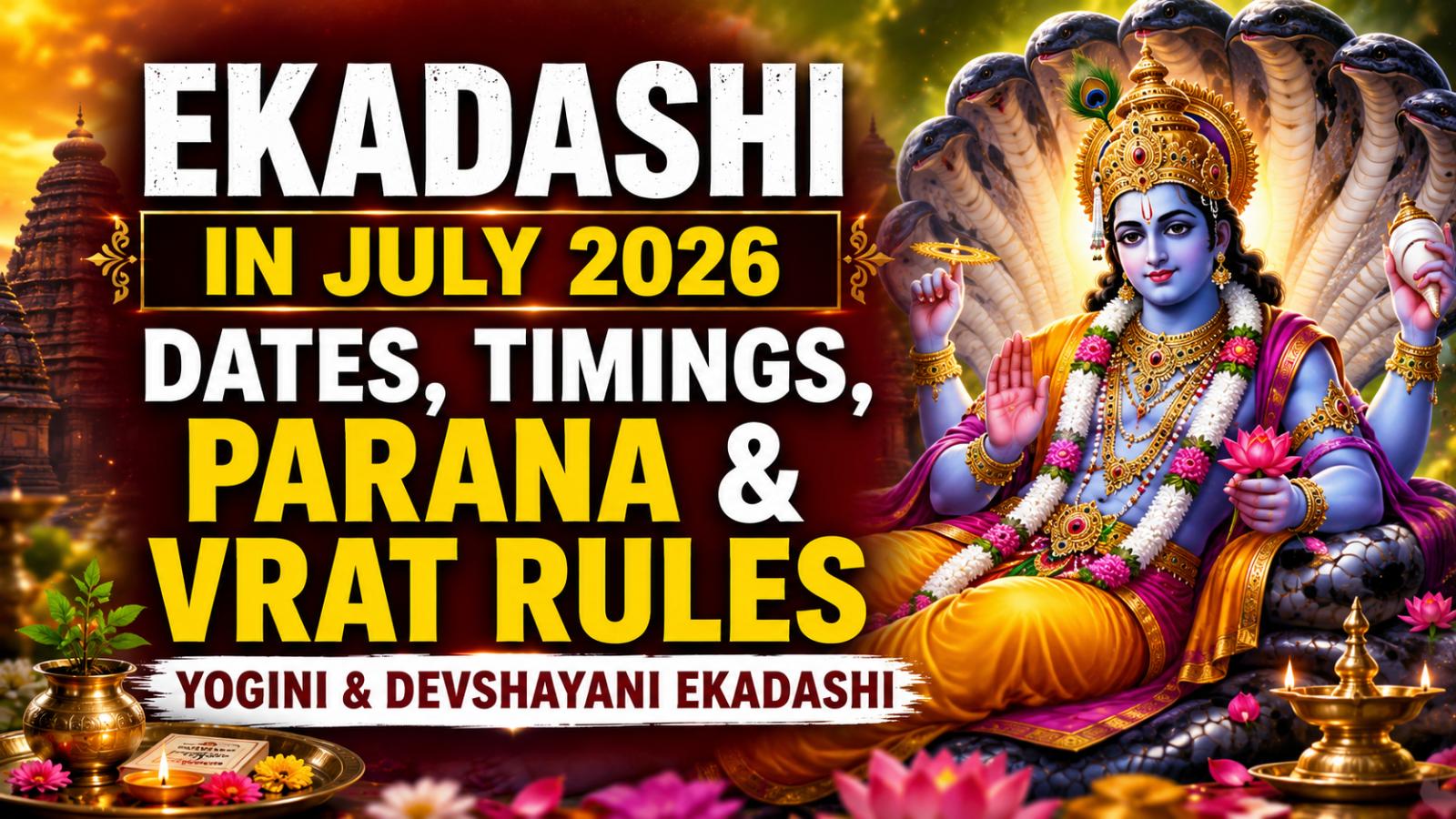
July 2026 includes two major Ekadashi observances dedicated to Lord Vishnu. Yogini Ekadashi falls during the Krishna Paksha of the Ashadha month, while Devshayani Ekadashi is observed during Ashadha Shukla Paksha.
Yogini Ekadashi 2026 timings:
Dates: Yogini Ekadashi was observed on Friday, July 10, 2026, while Devshayani Ekadashi falls on Saturday, July 25, 2026.
Ekadashi in July 2026 Dates and Timings
July 2026 includes two major Ekadashi observances dedicated to Lord Vishnu. Yogini Ekadashi falls during the Krishna Paksha of the Ashadha month, while Devshayani Ekadashi is observed during Ashadha Shukla Paksha.
Yogini Ekadashi 2026 timings:
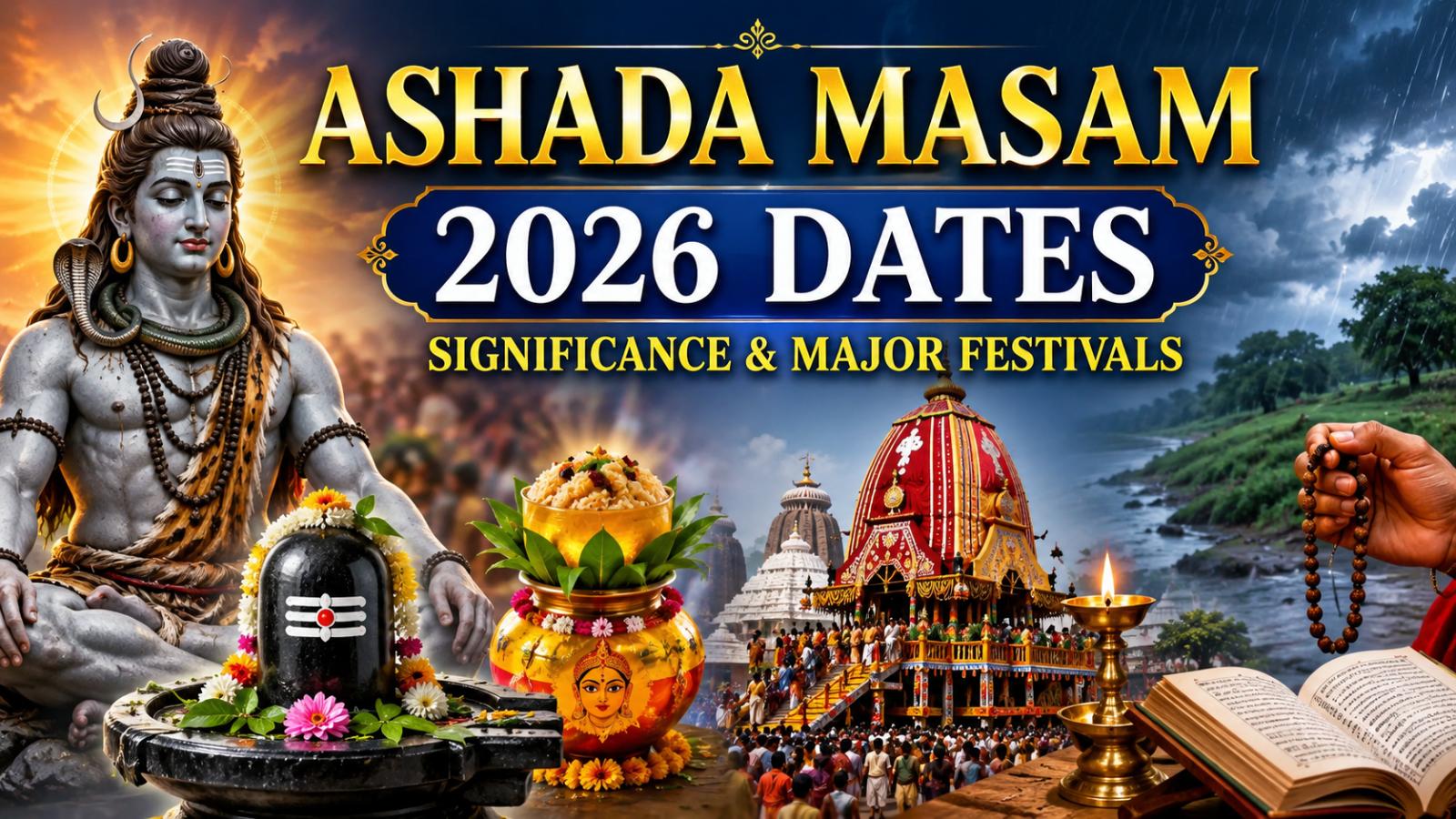
Ashada Masam 2026 begins on July 15 and ends with Amavasya on August 12. The Telugu lunar month is known as Shunya Masam, yet it remains spiritually important for Bonalu, Rath Yatra, Gupt Navratri, Toli Ekadashi, Chaturmasya and Guru Purnima festivals.
Ashada Masam is the fourth month in the traditional Telugu lunar calendar and holds an important place in Hindu religious customs. Although many families avoid weddings, housewarming ceremonies and other auspicious ev
Ashada Masam 2026 begins on July 15 and ends with Amavasya on August 12. The Telugu lunar month is known as Shunya Masam, yet it remains spiritually important for Bonalu, Rath Yatra, Gupt Navratri, Toli Ekadashi, Chaturmasya and Guru Purnima festivals.
Ashada Masam is the fourth month in the traditional Telugu lunar calendar and holds an important place in Hindu religious customs. Although many families avoid weddings, housewarming ceremonies and other auspicious ev
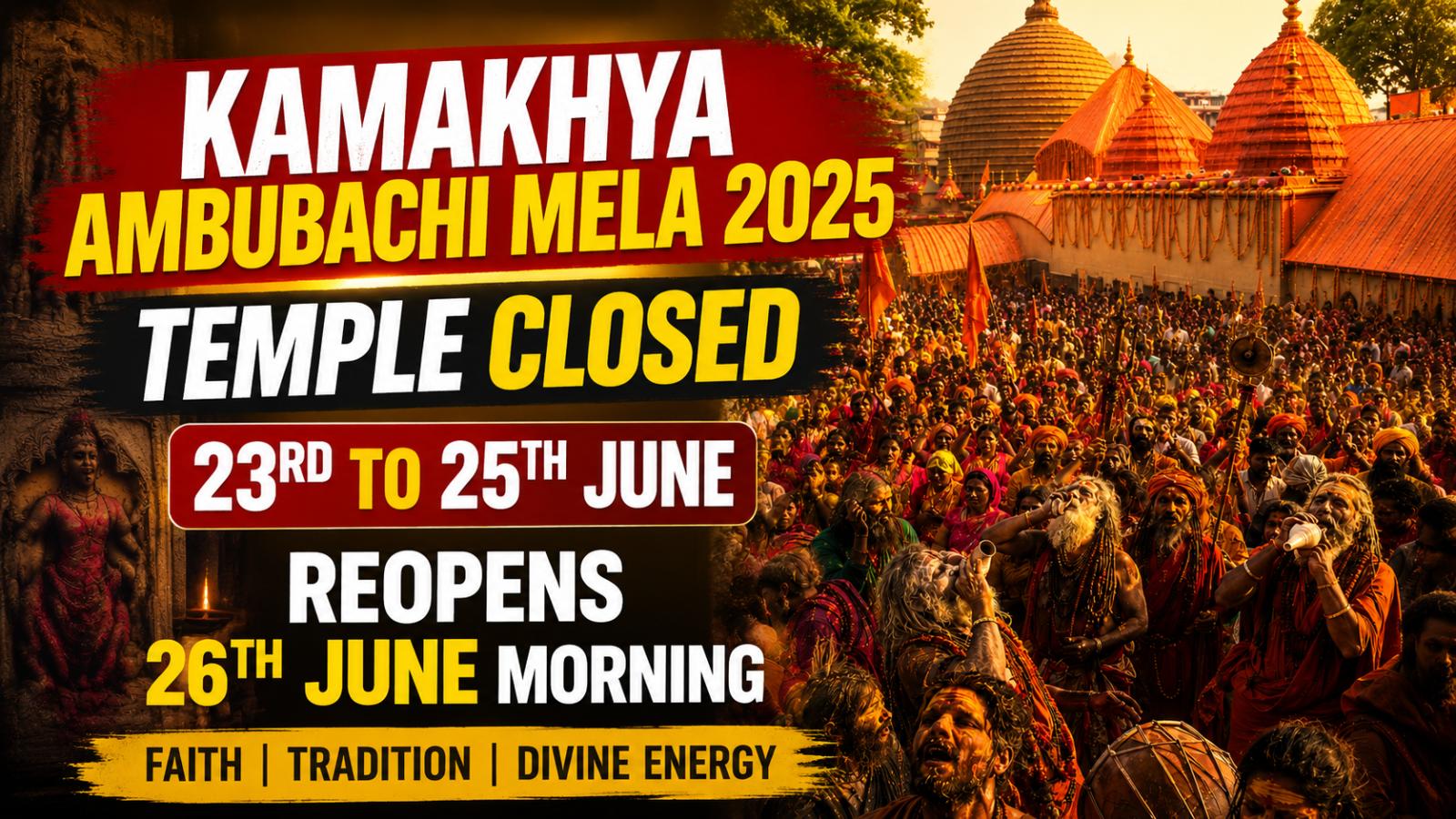
Maa Kamakhya Temple and Ambubachi Mela Observance
Maa Kamakhya Temple in Guwahati, Assam, is one of the most revered Shakti Peeths in India and is globally known for the Ambubachi Mela. The event symbolizes the annual ritual associated with the Goddess Kamakhya and represents fertility, feminine power, and natural cycles. During this time, the temple follows a strict
Maa Kamakhya Temple and Ambubachi Mela Observance
Maa Kamakhya Temple in Guwahati, Assam, is one of the most revered Shakti Peeths in India and is globally known for the Ambubachi Mela. The event symbolizes the annual ritual associated with the Goddess Kamakhya and represents fertility, feminine power, and natural cycles. During this time, the temple follows a strict
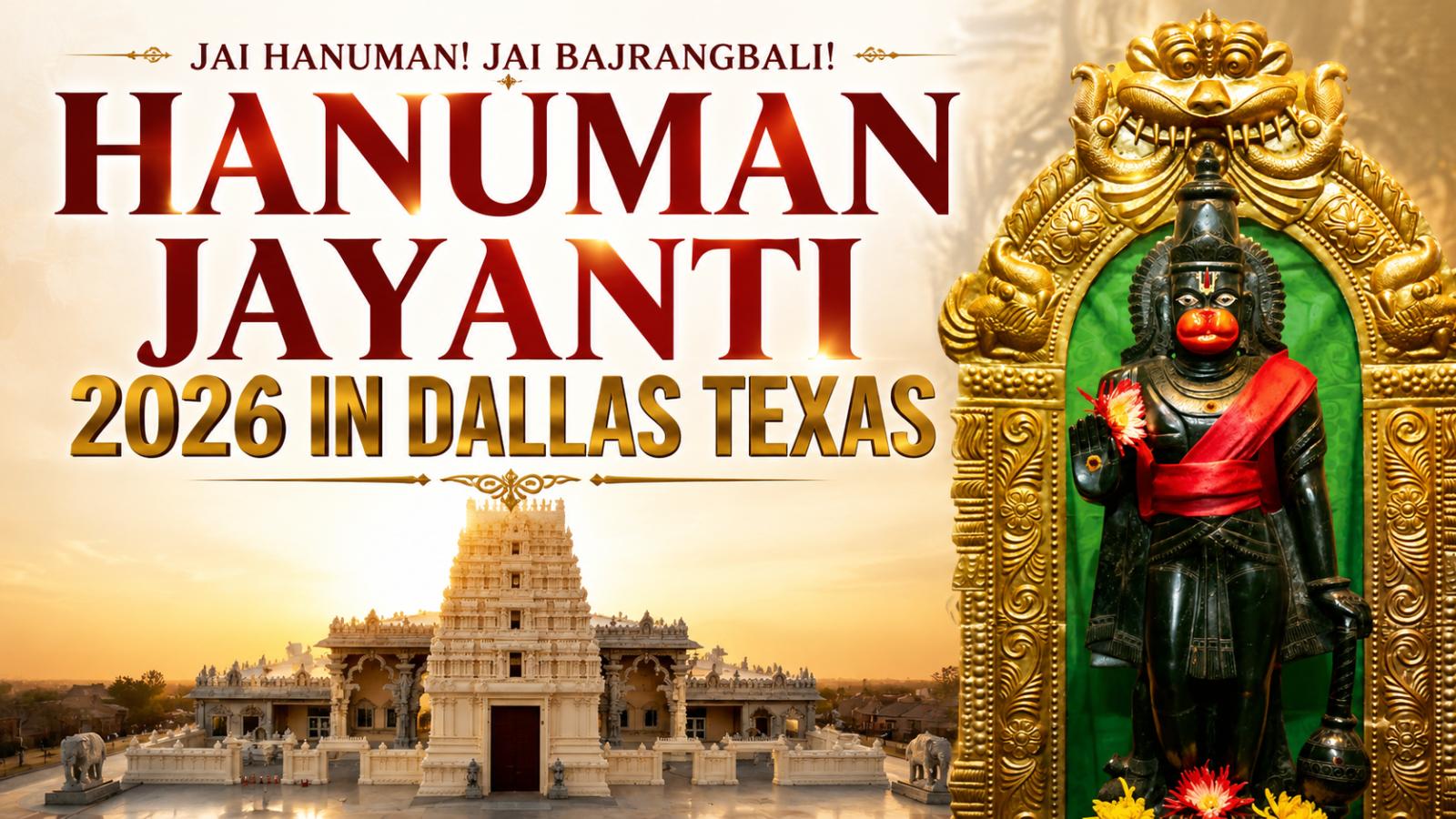
Devotees searching for “Hanuman Jayanti in Dallas Texas” or “when is Hanuman Jayanti in Dallas” are expected to gather in large numbers at Karya Siddhi Hanuman Temple as the temple announced grand Hanuman Jayanti 2026 celebrations in the Dallas-Fort Worth area.
The Frisco-based Hindu temple, one of the most visited spiritual centers in Texas, will host multiple rituals and seva p
Devotees searching for “Hanuman Jayanti in Dallas Texas” or “when is Hanuman Jayanti in Dallas” are expected to gather in large numbers at Karya Siddhi Hanuman Temple as the temple announced grand Hanuman Jayanti 2026 celebrations in the Dallas-Fort Worth area.
The Frisco-based Hindu temple, one of the most visited spiritual centers in Texas, will host multiple rituals and seva p
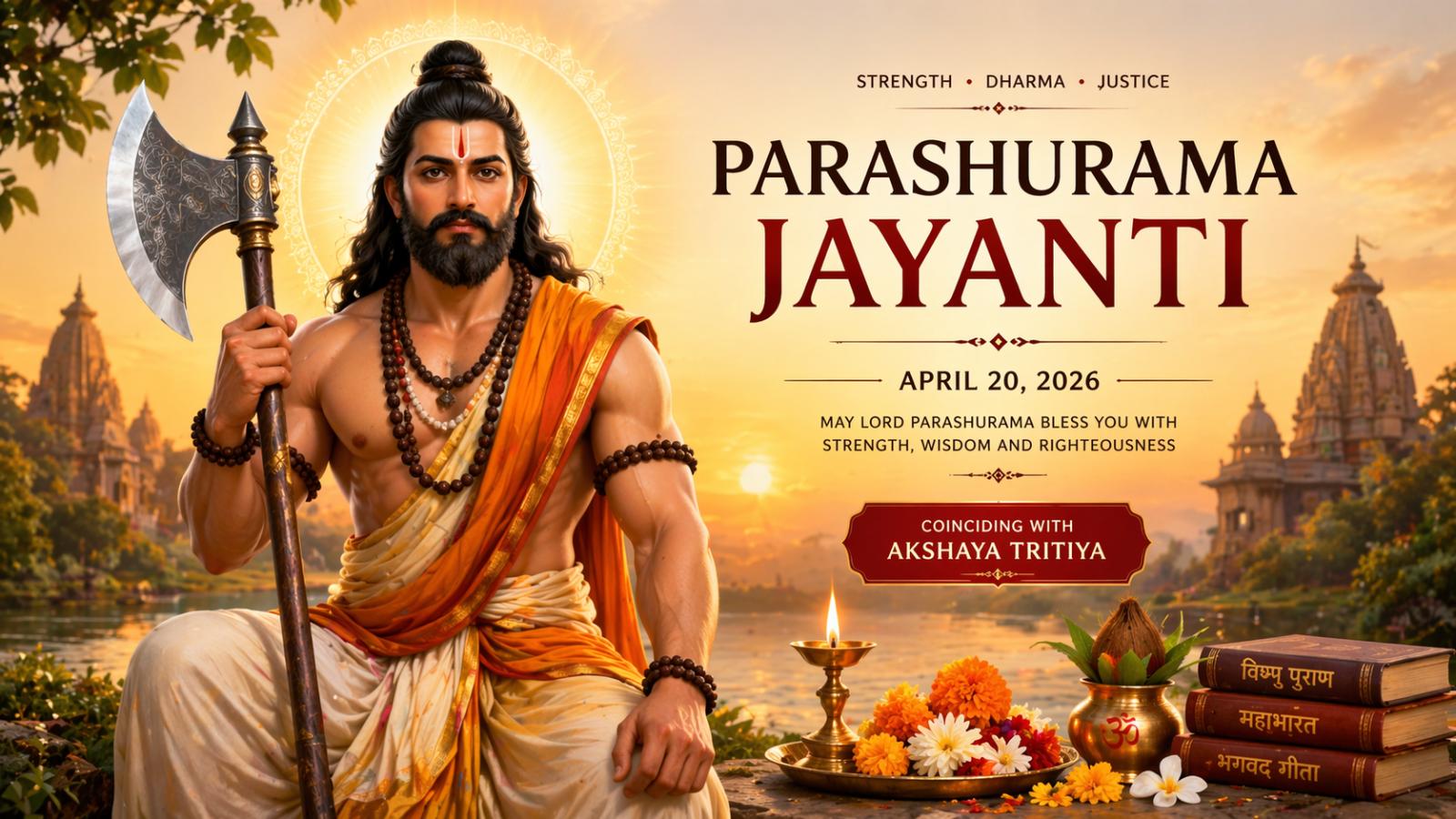
Parashurama Jayanti 2026 will be observed on April 20, coinciding with the highly auspicious Akshaya Tritiya. This sacred occasion marks the birth anniversary of Parashurama, who is regarded as the warrior sage and the sixth incarnation of Vishnu. The alignment of these two important occasions enhances the spiritual significance of the day, making it especially favorable for prayers, charity, and new beginnings. Devotees across India observe this festival with devotion, seeking blessings for strength, prosperity, and moral guidance.
The festival falls on the Tritiya Tithi of the Shukla Paksha in the Vaishakha month. Since this lunar phase is present during the daytime on April 20, it is considered ideal for performing religious rituals. The most suitable time for worship is during the morning and midday hours. Temples dedicated to Lord Vishnu and Parashurama witness large gatherings of devotees who participate in special ceremonies, offer prayers, and chant sacred hymns.
Date: April 20, 2026 (Monday)
Tithi: Tritiya Tithi (Shukla Paksha, Vaishakha month)
Special Significance: Coincides with Akshaya Tritiya
Best Time for Worship: Morning and midday hours
Main Deities Worshipped: Lord Parashurama and Lord Vishnu
Significance of the Festival
Parashurama Jayanti holds deep religious and cultural importance. Parashurama is believed to have been born to restore balance and uphold righteousness. His life represents discipline, courage, and a strong sense of justice. The festival serves as a reminder of these values and encourages individuals to follow a path of integrity and responsibility.
The coincidence with Akshaya Tritiya further adds to its importance. This day is considered naturally auspicious, meaning that important activities can be undertaken without the need for a specific timing window. Many people choose this day to start new ventures, make investments, or purchase gold, as it is believed to bring lasting prosperity and success.
Rituals and Celebrations
Devotees celebrate Parashurama Jayanti through a range of spiritual practices that emphasize devotion and simplicity. People begin the day early with a cleansing bath, followed by prayers offered to Lord Vishnu and Parashurama. Homes and temples are decorated, and offerings such as flowers, fruits, and incense are presented during worship. Fasting is commonly observed as a mark of devotion and self-discipline. Devotees also chant sacred mantras and read religious texts dedicated to Lord Vishnu. Visiting temples and participating in special ceremonies form an important part of the celebration. Charity plays a significant role on this day. Many people donate food, clothing, or money to those in need, as acts of giving are believed to bring positive outcomes and spiritual merit. These practices highlight the importance of compassion and generosity.
Why This Day Matters
Parashurama Jayanti 2026 is more than a ritualistic celebration; it is a day that combines spiritual devotion with meaningful life values. It encourages individuals to reflect on their actions, strengthen their faith, and pursue a balanced life guided by ethics and responsibility. With its association with Akshaya Tritiya, the day becomes even more powerful for initiating positive changes and building a prosperous future. Whether through prayer, fasting, or acts of kindness, the essence of the festival lies in promoting harmony, discipline, and continuous growth in both personal and spiritual life.
Parashurama Jayanti 2026 will be observed on April 20, coinciding with the highly auspicious Akshaya Tritiya. This sacred occasion marks the birth anniversary of Parashurama, who is regarded as the warrior sage and the sixth incarnation of Vishnu. The alignment of these two important occasions enhances the spiritual significance of the day, making it especially favorable for prayers, charity, and new beginnings. Devotees across India observe this festival with devotion, seeking blessings for strength, prosperity, and moral guidance.
The festival falls on the Tritiya Tithi of the Shukla Paksha in the Vaishakha month. Since this lunar phase is present during the daytime on April 20, it is considered ideal for performing religious rituals. The most suitable time for worship is during the morning and midday hours. Temples dedicated to Lord Vishnu and Parashurama witness large gatherings of devotees who participate in special ceremonies, offer prayers, and chant sacred hymns.
Date: April 20, 2026 (Monday)
Tithi: Tritiya Tithi (Shukla Paksha, Vaishakha month)
Special Significance: Coincides with Akshaya Tritiya
Best Time for Worship: Morning and midday hours
Main Deities Worshipped: Lord Parashurama and Lord Vishnu
Significance of the Festival
Parashurama Jayanti holds deep religious and cultural importance. Parashurama is believed to have been born to restore balance and uphold righteousness. His life represents discipline, courage, and a strong sense of justice. The festival serves as a reminder of these values and encourages individuals to follow a path of integrity and responsibility.
The coincidence with Akshaya Tritiya further adds to its importance. This day is considered naturally auspicious, meaning that important activities can be undertaken without the need for a specific timing window. Many people choose this day to start new ventures, make investments, or purchase gold, as it is believed to bring lasting prosperity and success.
Rituals and Celebrations
Devotees celebrate Parashurama Jayanti through a range of spiritual practices that emphasize devotion and simplicity. People begin the day early with a cleansing bath, followed by prayers offered to Lord Vishnu and Parashurama. Homes and temples are decorated, and offerings such as flowers, fruits, and incense are presented during worship. Fasting is commonly observed as a mark of devotion and self-discipline. Devotees also chant sacred mantras and read religious texts dedicated to Lord Vishnu. Visiting temples and participating in special ceremonies form an important part of the celebration. Charity plays a significant role on this day. Many people donate food, clothing, or money to those in need, as acts of giving are believed to bring positive outcomes and spiritual merit. These practices highlight the importance of compassion and generosity.
Why This Day Matters
Parashurama Jayanti 2026 is more than a ritualistic celebration; it is a day that combines spiritual devotion with meaningful life values. It encourages individuals to reflect on their actions, strengthen their faith, and pursue a balanced life guided by ethics and responsibility. With its association with Akshaya Tritiya, the day becomes even more powerful for initiating positive changes and building a prosperous future. Whether through prayer, fasting, or acts of kindness, the essence of the festival lies in promoting harmony, discipline, and continuous growth in both personal and spiritual life.
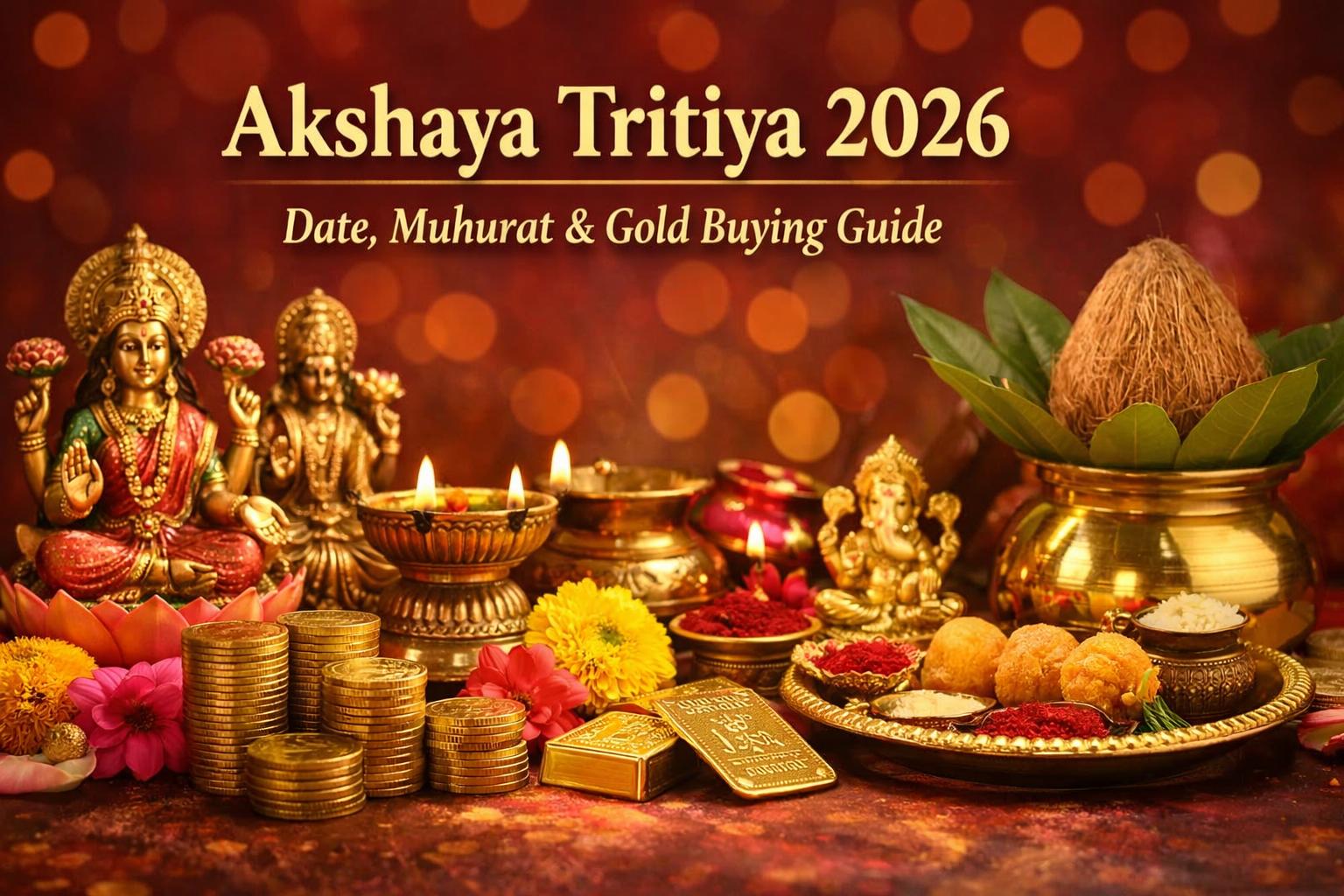
Akshaya Tritiya 2026 will be celebrated on April 19 (Sunday) and is considered one of the most auspicious days in the Hindu calendar. The word “Akshaya” means “never diminishing,” symbolizing eternal prosperity, success, and good fortune. Unlike other festivals, this day is believed to be self-auspicious, meaning there is no need to find a separate muhurat to begin new activities. Any good deed, purchase, or investment made on this day is believed to grow and bring long-term benefits.
Akshaya Tritiya 2026 will be celebrated on April 19 (Sunday) and is considered one of the most auspicious days in the Hindu calendar. The word “Akshaya” means “never diminishing,” symbolizing eternal prosperity, success, and good fortune. Unlike other festivals, this day is believed to be self-auspicious, meaning there is no need to find a separate muhurat to begin new activities. Any good deed, purchase, or investment made on this day is believed to grow and bring long-term benefits.
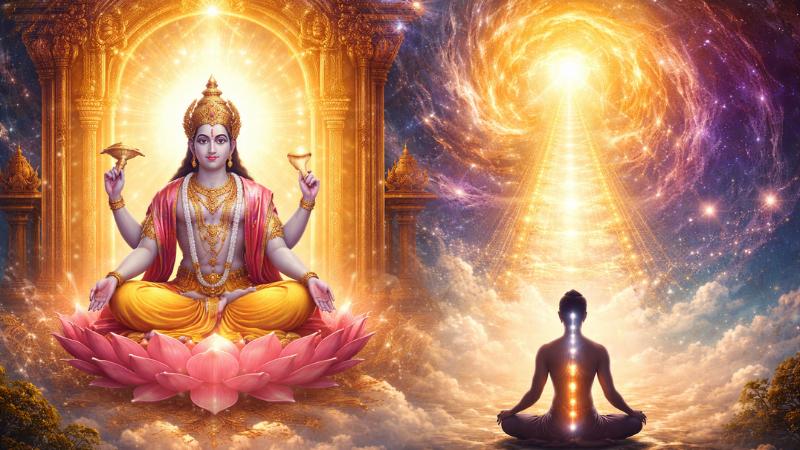
Vaikuntha Ekadashi is often observed with fasting, temple visits and devotional practices, but traditional sources describe it as far more than a symbolic religious occasion. Ancient Hindu texts and yogic teachings present the observance as a carefully timed alignment of cosmic movements, biological rhythms and human consciousness, established long before the emergence of modern scientific terminology. The day is traditionally observed during Dhanur Masa, in the bright fortnight of Margashirsha, immediately preceding Makara Sankranti, when the Sun begins its northward journey known as Uttarayana.
While many temples ceremonially open a northern gate on this day, classical interpretations clarify that the reference is not primarily architectural. Yogic literature describes Vaikuntha as a state beyond limitation and suffering, and Dvara as a gateway. Together, the term points toward an internal transition rather than a physical passage. According to yogic physiology, this gateway corresponds to the Sushumna Nadi, the central energy channel that runs along the spinal axis. Texts such as the Shiva Samhita state that liberation is experienced when prana, or vital energy, flows freely through this central channel without obstruction.
Vaikuntha Ekadashi is observed on Ekadashi tithi, a lunar phase traditionally associated with reduced digestive activity in the human body. Yogic science holds that on this day the digestive system operates at a minimum, making fasting less stressful on the body. Through fasting, the downward-moving energy known as Apana Vayu is restrained, allowing prana to move upward more naturally. This upward movement is believed to balance the Ida and Pingala nadis, often described as the lunar and solar energy channels, creating conditions favorable for the activation of the Sushumna Nadi. Contemporary scientific research into fasting has begun to recognize restorative processes that align with these ancient observations.
Classical yogic texts further explain this mechanism. The Hatha Yoga Pradipika notes that when food intake and sensory distractions are restrained, prana is more likely to enter the central channel. The timing of Vaikuntha Ekadashi coincides with the Sun’s transition toward Uttarayana, symbolically mirroring the upward movement of consciousness described in yogic practices. This phase is traditionally associated with the awakening of higher centers of awareness, moving from the lower chakras toward Ajna and Sahasrara.
Hindu scriptures also describe cosmic time in a distinctive way, defining a single day of the devas as consisting of six months of Uttarayana and six months of Dakshinayana. In this framework, one human year equals one full day and night for celestial beings. Vaikuntha Ekadashi is therefore regarded as marking a cosmic dawn within this larger cycle.
Devotional practices on this day traditionally include the recitation of the Dwadashakshari mantra, Om Namo Narayanaya, as a form of japa. Beyond ritual observance, the day is understood as an opportunity for internal alignment, where seasonal astronomy, lunar dynamics and human physiology converge. Ancient seers embedded this observance into the calendar as a reminder of harmony between the cosmos and the individual.
The invocation Hari Om, often associated with Vaikuntha Ekadashi, reflects this integrated vision. Hari signifies the principle that removes sorrow, ignorance and bondage, while Om represents the primordial sound identified with ultimate reality. Together, they express an aspiration toward clarity and balance within the larger cosmic order.
Viewed through this lens, Vaikuntha Ekadashi stands as a structured convergence of spiritual practice and natural rhythms, emphasizing introspection, restraint and alignment rather than mere ritual formality.
Vaikuntha Ekadashi is often observed with fasting, temple visits and devotional practices, but traditional sources describe it as far more than a symbolic religious occasion. Ancient Hindu texts and yogic teachings present the observance as a carefully timed alignment of cosmic movements, biological rhythms and human consciousness, established long before the emergence of modern scientific terminology. The day is traditionally observed during Dhanur Masa, in the bright fortnight of Margashirsha, immediately preceding Makara Sankranti, when the Sun begins its northward journey known as Uttarayana.
While many temples ceremonially open a northern gate on this day, classical interpretations clarify that the reference is not primarily architectural. Yogic literature describes Vaikuntha as a state beyond limitation and suffering, and Dvara as a gateway. Together, the term points toward an internal transition rather than a physical passage. According to yogic physiology, this gateway corresponds to the Sushumna Nadi, the central energy channel that runs along the spinal axis. Texts such as the Shiva Samhita state that liberation is experienced when prana, or vital energy, flows freely through this central channel without obstruction.
Vaikuntha Ekadashi is observed on Ekadashi tithi, a lunar phase traditionally associated with reduced digestive activity in the human body. Yogic science holds that on this day the digestive system operates at a minimum, making fasting less stressful on the body. Through fasting, the downward-moving energy known as Apana Vayu is restrained, allowing prana to move upward more naturally. This upward movement is believed to balance the Ida and Pingala nadis, often described as the lunar and solar energy channels, creating conditions favorable for the activation of the Sushumna Nadi. Contemporary scientific research into fasting has begun to recognize restorative processes that align with these ancient observations.
Classical yogic texts further explain this mechanism. The Hatha Yoga Pradipika notes that when food intake and sensory distractions are restrained, prana is more likely to enter the central channel. The timing of Vaikuntha Ekadashi coincides with the Sun’s transition toward Uttarayana, symbolically mirroring the upward movement of consciousness described in yogic practices. This phase is traditionally associated with the awakening of higher centers of awareness, moving from the lower chakras toward Ajna and Sahasrara.
Hindu scriptures also describe cosmic time in a distinctive way, defining a single day of the devas as consisting of six months of Uttarayana and six months of Dakshinayana. In this framework, one human year equals one full day and night for celestial beings. Vaikuntha Ekadashi is therefore regarded as marking a cosmic dawn within this larger cycle.
Devotional practices on this day traditionally include the recitation of the Dwadashakshari mantra, Om Namo Narayanaya, as a form of japa. Beyond ritual observance, the day is understood as an opportunity for internal alignment, where seasonal astronomy, lunar dynamics and human physiology converge. Ancient seers embedded this observance into the calendar as a reminder of harmony between the cosmos and the individual.
The invocation Hari Om, often associated with Vaikuntha Ekadashi, reflects this integrated vision. Hari signifies the principle that removes sorrow, ignorance and bondage, while Om represents the primordial sound identified with ultimate reality. Together, they express an aspiration toward clarity and balance within the larger cosmic order.
Viewed through this lens, Vaikuntha Ekadashi stands as a structured convergence of spiritual practice and natural rhythms, emphasizing introspection, restraint and alignment rather than mere ritual formality.
Kartik Purnima, also known as Dev Diwali or Tripurari Purnima, is one of the most sacred and spiritually uplifting festivals in the Hindu calendar. In 2025, it will be celebrated on Wednesday, 5th November, marking the conclusion of the holy month of Kartik — the “month of light.” Devotees across India and abroad honor this full moon day with prayers, fasting, charity, and by lighting thousands of lamps that symbolize the triumph of light over darkness and good over evil.
This
Kartik Purnima, also known as Dev Diwali or Tripurari Purnima, is one of the most sacred and spiritually uplifting festivals in the Hindu calendar. In 2025, it will be celebrated on Wednesday, 5th November, marking the conclusion of the holy month of Kartik — the “month of light.” Devotees across India and abroad honor this full moon day with prayers, fasting, charity, and by lighting thousands of lamps that symbolize the triumph of light over darkness and good over evil.
This
Date: Thursday, 23 October 2025
Tilak Muhurat (Auspicious Time): 1:13 PM to 3:28 PM (IST)
Dwitiya Tithi Begins: 22 October 2025 at 8:16 PM
Dwitiya Tithi Ends: 23 October 2025 at 10:46 PM
What is Bhai Dooj?
Bhai Dooj (also known as Bhaiya Dooj, Bhau Beej, or Bhai Phota) is
Date: Thursday, 23 October 2025
Tilak Muhurat (Auspicious Time): 1:13 PM to 3:28 PM (IST)
Dwitiya Tithi Begins: 22 October 2025 at 8:16 PM
Dwitiya Tithi Ends: 23 October 2025 at 10:46 PM
What is Bhai Dooj?
Bhai Dooj (also known as Bhaiya Dooj, Bhau Beej, or Bhai Phota) is
Rishi Panchami in 2025 will be observed on Thursday, 28 August. Falling on the Panchami tithi of the Shukla Paksha in the Bhadrapada month, the vrat is observed right after Ganesh Chaturthi and Hartalika Teej. Considered a day of repentance, purification, and gratitude towards the Saptarishis, the festival is significant in many Hindu households where ancient traditions continue to be honored through fasting and puja. The Panchami tithi begins at 7:02 AM on 28
Rishi Panchami in 2025 will be observed on Thursday, 28 August. Falling on the Panchami tithi of the Shukla Paksha in the Bhadrapada month, the vrat is observed right after Ganesh Chaturthi and Hartalika Teej. Considered a day of repentance, purification, and gratitude towards the Saptarishis, the festival is significant in many Hindu households where ancient traditions continue to be honored through fasting and puja. The Panchami tithi begins at 7:02 AM on 28
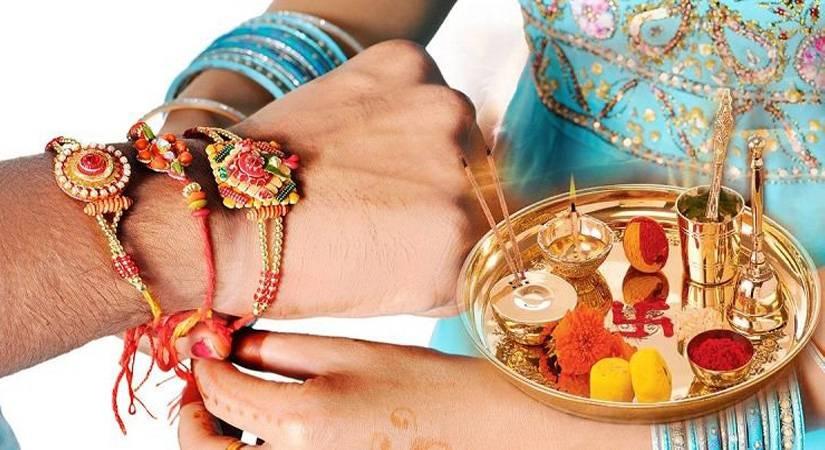
Raksha Bandhan is a cherished festival that celebrates the sacred bond between brothers and sisters. On this day, sisters tie a rakhi, a sacred thread, on the right wrist of their brothers as a symbol of love, prayers for protection, and a lifelong vow of care. In exchange, brothers promise to protect their sisters and often give gifts as a token of appreciation. The festival’s name comes from Sanskrit: “Raksha” means protection, and
Raksha Bandhan is a cherished festival that celebrates the sacred bond between brothers and sisters. On this day, sisters tie a rakhi, a sacred thread, on the right wrist of their brothers as a symbol of love, prayers for protection, and a lifelong vow of care. In exchange, brothers promise to protect their sisters and often give gifts as a token of appreciation. The festival’s name comes from Sanskrit: “Raksha” means protection, and
Varalakshmi Vratam 2025 will be celebrated on Friday, August 8, by millions of Hindu women across India and abroad. This sacred festival, observed on the Friday before the full moon in the Shravana month, is considered highly auspicious for seeking the blessings of Goddess Mahalakshmi, the consort of Lord Vishnu and the deity of wealth, fortune, and well-being. This vratam is especially popular in the southern states of Tamil Nadu, Andhra Pradesh, Telangana,
Varalakshmi Vratam 2025 will be celebrated on Friday, August 8, by millions of Hindu women across India and abroad. This sacred festival, observed on the Friday before the full moon in the Shravana month, is considered highly auspicious for seeking the blessings of Goddess Mahalakshmi, the consort of Lord Vishnu and the deity of wealth, fortune, and well-being. This vratam is especially popular in the southern states of Tamil Nadu, Andhra Pradesh, Telangana,
Sravana Masam 2025, one of the most spiritually powerful months in the Hindu calendar, begins on Friday, July 25, 2025, and ends on Saturday, August 23, 2025. It is considered highly sacred for performing various vratams, pujas, and devotional practices. The month is devoted to both Lord Shiva and Goddess Lakshmi, with devotees performing rituals with great faith and discipline. Women, in particular, observe multiple vratams d
Sravana Masam 2025, one of the most spiritually powerful months in the Hindu calendar, begins on Friday, July 25, 2025, and ends on Saturday, August 23, 2025. It is considered highly sacred for performing various vratams, pujas, and devotional practices. The month is devoted to both Lord Shiva and Goddess Lakshmi, with devotees performing rituals with great faith and discipline. Women, in particular, observe multiple vratams d