




















#home-loan-emi
RBI Cuts Repo Rate To 5.25%: Will Your Home Loan EMIs Finally Get Cheaper?
The Reserve Bank of India has reduced the repo rate by 25 basis points, bringing it down from 5.5% to 5.25%. This marks a total reduction of 125 basis points in 2025, sparking fresh hope among homebuyers for affordable loan EMIs as banks prepare to revise lending rates. The Monetary Policy Committee (MPC), which met on December 3, 4 and 5, voted unanimously after assessing inflation control, liquidity status and growth expectations. Governor Sanjay Malhotra confirmed the move, addin
RBI Cuts Repo Rate To 5.25%: Will Your Home Loan EMIs Finally Get Cheaper?
The Reserve Bank of India has reduced the repo rate by 25 basis points, bringing it down from 5.5% to 5.25%. This marks a total reduction of 125 basis points in 2025, sparking fresh hope among homebuyers for affordable loan EMIs as banks prepare to revise lending rates. The Monetary Policy Committee (MPC), which met on December 3, 4 and 5, voted unanimously after assessing inflation control, liquidity status and growth expectations. Governor Sanjay Malhotra confirmed the move, addin
Fixed vs Floating Home Loan Interest Rates: Which One Should You Choose?
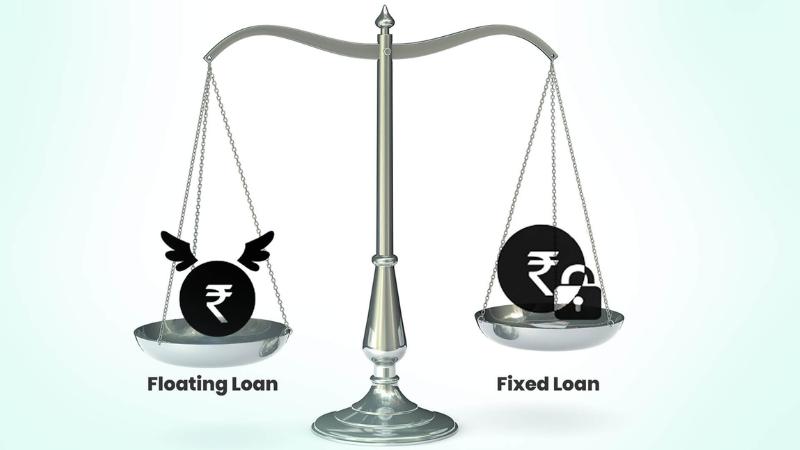
Choosing between a fixed and floating interest rate for a home loan is a crucial financial decision. Both options come with advantages and risks, and selecting the best one depends on your financial goals, market trends, and risk appetite. A fixed rate offers stability, while a floating rate provides flexibility and potential savings. Understanding the differences between these loan types will help you make an informed decision based on your repayment capacity and future market expectations.
Fixed vs Floating Home Loan Interest Rates: Which One Should You Choose?
Choosing between a fixed and floating interest rate for a home loan is a crucial financial decision. Both options come with advantages and risks, and selecting the best one depends on your financial goals, market trends, and risk appetite. A fixed rate offers stability, while a floating rate provides flexibility and potential savings. Understanding the differences between these loan types will help you make an informed decision based on your repayment capacity and future market expectations.


