



























Many taxpayers are facing a frustrating wait for their tax refunds as nearly 24 lakh income tax returns (ITRs) for the Assessment Year 2025–26 have been pending for more than 90 days. According to the Minister of State for Finance, Pankaj Chaudhary, as of February 4, 2026, out of 8.79 crore ITRs filed, approximately 24.64 lakh were yet to be processed, leaving millions of individuals waiting for their refunds. The large backlog has triggered concerns, especially for senior citizen
Paying income tax every year can be burdensome for many, but did you know that, under the new tax rules, you may qualify to pay zero tax? The latest updates in India’s tax policies provide an opportunity for taxpayers to reduce their tax liabilities, potentially to zero, with proper planning. Finance Minister Nirmala Sitharaman’s 2025 Budget announcement revealed a significant change in the tax system that could benefit many taxpayers. Here’s
The Income Tax Department has officially released the Income Tax Return (ITR) forms 1 and 4 for the assessment year 2025–26, enabling individual taxpayers, Hindu Undivided Families (HUFs), and firms (excluding LLPs) with total income up to ₹50 lakh to begin filing their income tax returns. This marks the beginning of the tax season for income earned during the financial year April 1, 2024, to March 31, 2025. Taxpayers must submit their returns by the due date of July 31, 2025, to avoid l
As the new financial year commences on April 1, 2025, several significant income tax changes have officially come into effect, directly impacting salaried individuals, senior citizens, investors, and taxpayers across the country. Announced during Budget 2025, these updates aim to simplify compliance, improve transparency, and provide substantial relief to the middle class. From revised tax slabs to increased deduction limits and changes in TDS thresholds, here’s a complete breakdown of
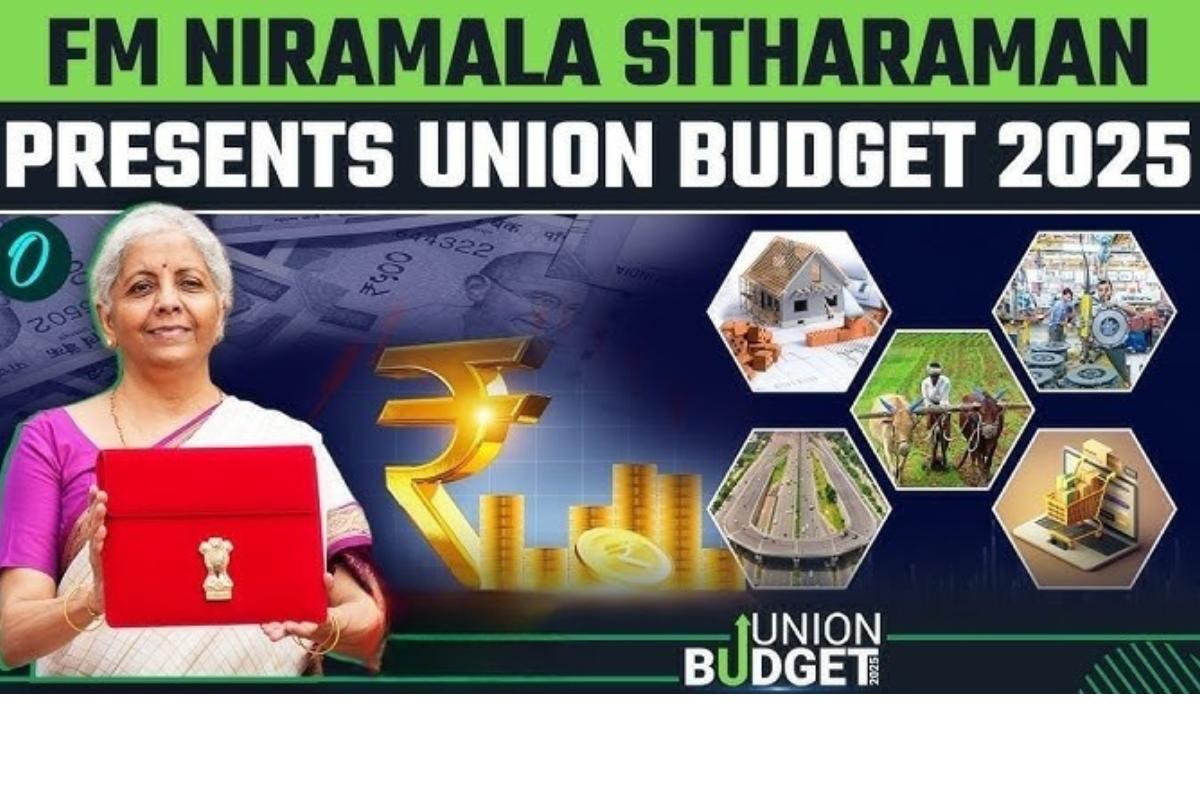
The Union Budget 2025 has brought a major tax relief for the middle class, with Finance Minister Nirmala Sitharaman announcing that individuals earning up to ₹12 lakh annually will have zero tax liability under the new tax regime. Additionally, salaried individuals can claim a standard deduction of ₹75,000, effectively making income up to ₹12.75 lakh tax-free. This move is aimed at simplifying tax compliance and increasing disposable income for millions of taxpayers.
Union Finance Minister Nirmala Sitharaman is expected to introduce a new Income Tax Bill in Parliament today that will replace the existing Income Tax Act of 1961. The purpose of this new bill is to simplify the language and provisions of the current tax law, making it easier to understand and more accessible for taxpayers. The bill is part of the government’s ongoing efforts to reform and modernize the Indian tax system. The new bill will streamline various processes, eliminate complex
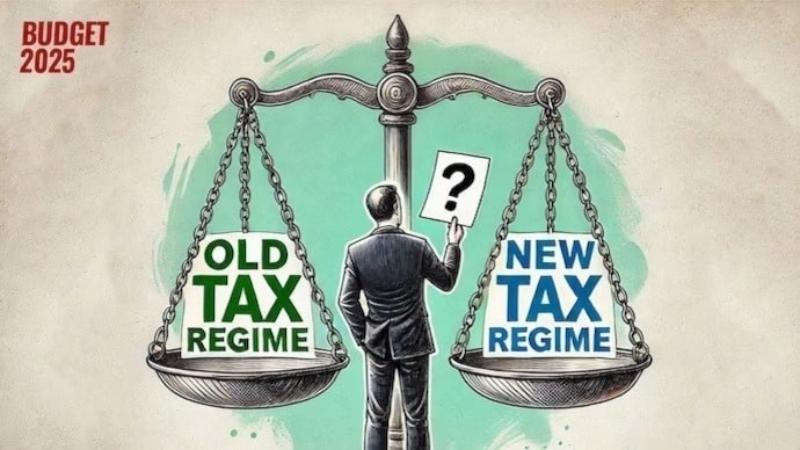
The Union Budget 2025 has introduced significant changes to the income tax regime, offering relief to middle-class taxpayers. Finance Minister Nirmala Sitharaman proposed raising the basic exemption limit to Rs 4 lakh and increased the income threshold for the rebate under Section 87A to Rs 12 lakh. This means individuals earning up to Rs 12 lakh, with a standard deduction of Rs 75,000, can avoid paying taxes altogether. But for those earning more than Rs 12.75 lakh, choosing between the old
Income Tax: Union Budget 2025 introduces a revamped tax regime, with key reforms aimed at providing relief to the middle class. The new tax slabs are as follows: Up to Rs 4 lakh - 0% Rs 4-8 lakh - 5% Rs 8-12 lakh - 10%