
























Eight of India’s top 10 most valued companies added a combined Rs 1.90 lakh crore in market capitalisation last week, supported by a strong rally in the equity markets. ICICI Bank emerged as the biggest gainer, followed by HDFC Bank and State Bank of India. The gains came as benchmark indices ended higher after a volatile week. The BSE Sensex rose 1,284.61 points, or 1.73 per cent, while the NSE Nifty gained 256.2 points, or 1 per cent. ICICI Bank Tops The Gaine
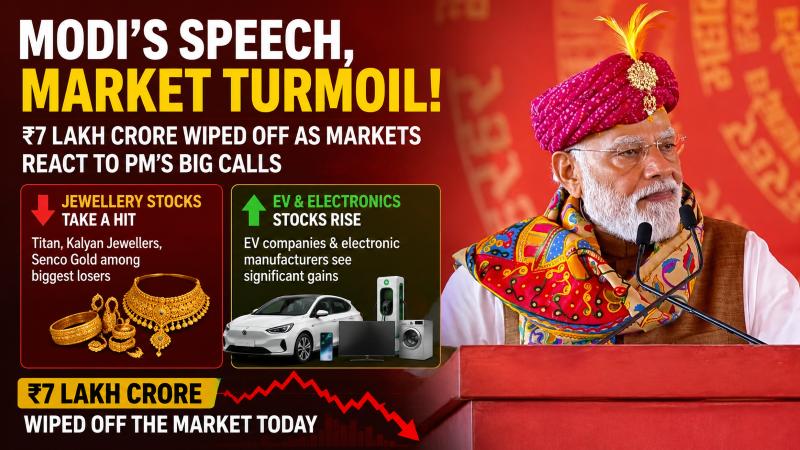
Prime Minister Narendra Modi recently emphasized the need to reduce dependency on petrol and diesel, advocating for sustainable practices and increased adoption of work-from-home models. He also suggested that consumers reconsider discretionary purchases, including gold, in the near term. Following the speech, the stock market reacted sharply. Shares
Gold prices fell by Rs 602 to Rs 1,52,050 per 10 grams in futures trading on Monday, primarily due to a decline in spot demand. On the Multi Commodity Exchange, gold contracts for June delivery dropped by Rs 602, or 0.39%, to Rs 1,52,050 per 10 grams, with a business turnover of 1,491 lots. Analysts pointed to weak global cues as the reason for the drop in gold prices. On the international front, gold futures also saw a decline of 0.40%, trading at USD 4,730.59 per ounce in New York
On April 8, 2026, India’s stock markets experienced a remarkable surge, with the BSE Sensex climbing over 2,700 points, marking a 3.66% increase, and the Nifty rising by more than 3.4%. Investor wealth swelled by over Rs 14 lakh crore during the early trade, signaling a sharp recovery after a period of volatility. This rally was fueled by multiple factors, including easing global geopolitical tensions, softer crude prices, and an increase in investor confidence. The biggest trigge
India’s economy recorded a faster pace of expansion in the July–September quarter, with official data showing that gross domestic product rose 8.2% year-on-year. The acceleration reflects a combination of stronger consumer demand, a revival in manufacturing activity, and accelerated production schedules ahead of India’s major festive season. Economists had widely expected the quarter to deliver robust growth, but the latest figure surpassed the projected 7.3% expansion for the period, e
Indian equity benchmarks Sensex and Nifty reversed early gains to trade lower by midday Thursday, reflecting a cautious investor mood amid growing uncertainty surrounding the leadership of the US Federal Reserve and other macroeconomic factors. The Sensex had opened on a stronger note, rising by 119.05 points to touch 82,753.53, while the Nifty advanced 18.7 points to 25,230.75. However, this initial positivity gave way to selling pressure later in the session, dragging the Sensex down to 82,
Tata Consultancy Services (TCS), India’s largest IT services firm, drew market attention after releasing its first quarter results for FY26 following market hours on July 10. The company reported a stronger-than-expected performance, sparking positive sentiment around the stock, which has the potential to test Rs 3,580 levels in the near term, according to analysts. TCS posted a consolidated net profit of Rs 12,760 crore for the quarter ended June 30, 2025, reflecting a 5
Dassault Aviation shares saw renewed upward movement for the second straight day after India officially denied reports that any of its Rafale fighter jets were shot down during Operation Sindoor. On July 8, the company's stock opened slightly higher at €297.40, marginally up from the previous close of €297. The development follows weeks of pressure on the stock, which had declined by about 3 percent over the past month, largely due to speculation surrounding the Indian Air Force&rs
Global trading giant Jane Street has been barred from participating in India's securities markets following an investigation by the Securities and Exchange Board of India (sebi). The interim order, issued by the market regulator, accuses the firm and its subsidiaries of manipulating index-based derivative trades in the Indian market to secure massive illegal profits. The ban, announced late last week, restricts Jane Street and four affiliated entities from buying, selling, or dealing in a
Oil sector stocks in India saw notable gains today, largely driven by major geopolitical developments. A ceasefire between Iran and Israel led to a sudden shift in oilarket sentiment, reversing a recent upward trend in crude prices. The announcement resulted in a noticeable decline in global oil benchmarks, which had been elevated due to the prior escalation of tensions. Brent crude, which had surged earlier in the week to a peak of $81.40 per barrel, dropped sharply following the
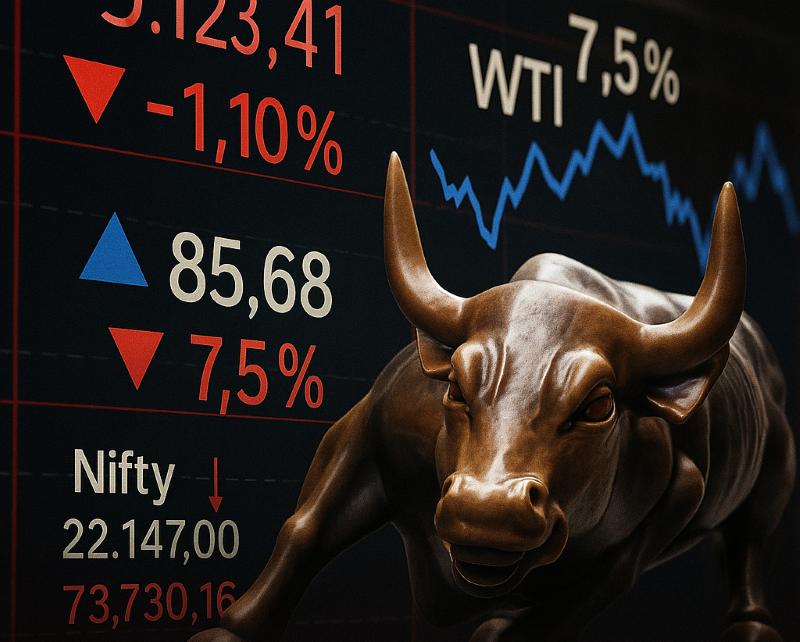
Global financial markets came under pressure on Friday as Iran launched hundreds of missiles toward Israel in retaliation for earlier airstrikes on its nuclear and military facilities. The geopolitical escalation sparked fears of a wider Middle East conflict, leading to a steep sell-off on Wall Street and sharp gains in oil and gold. The S&P 500 fell 1.1%, while crude oil futures jumped 7.5%, their largest single-day gain in over two years. The VIX fear g
Clean energy companies faced a significant sell-off after a new tax bill proposed in the United States triggered deep concerns across the renewable energy sector. Stocks of major US-based renewable energy firms such as Sunrun, the largest rooftop solar company in the country, and NextEra Energy, the leading developer of solar and wind energy projects, recorded sharp declines in a single trading session. Losses ranged between 7% and an alarming 37%, shaking investor confidence and dragging dow
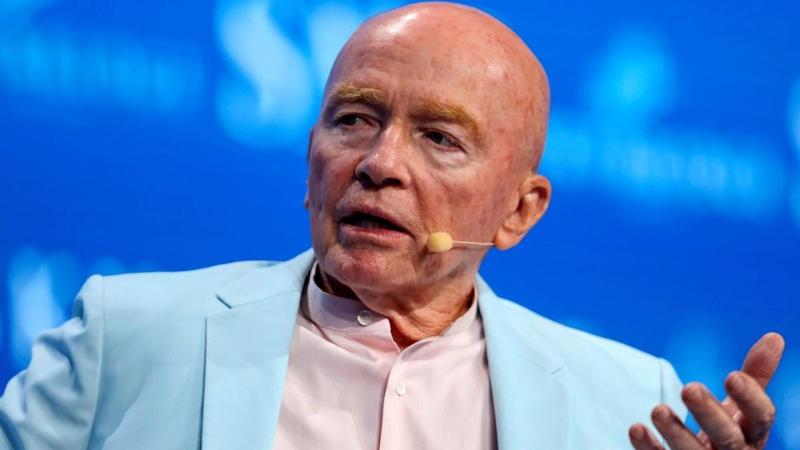
Veteran emerging markets investor Mark Mobius has shifted nearly all of his investments into cash, citing ongoing global trade tensions and market uncertainty. In an interview with Bloomberg Television, Mobius said that he currently has around 95% of his funds in cash, declaring that “cash is king” as the global economy navigates unstable trade dynamics. Mobius, who has over three decades of experience investing across developing markets and co-founded Mobius Capital P
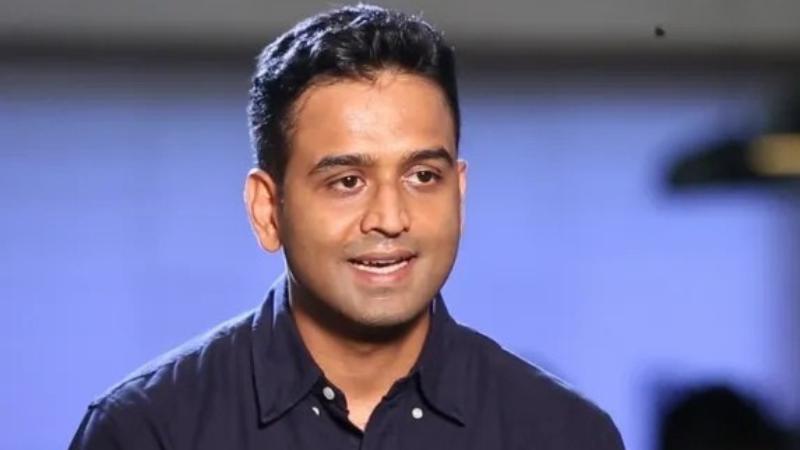
Zerodha CEO Nithin Kamath has sounded a timely caution amid ongoing market volatility, warning that a sharp and prolonged crash in the Indian stock market could result in long-lasting consequences for investor sentiment. Drawing parallels with the aftermath of the 2008 global financial crisis, Kamath posted on social media platform X, stating, “By the way, if markets fall sharply, investors might stay out of the market for years—just like they did after 2008.” Kama
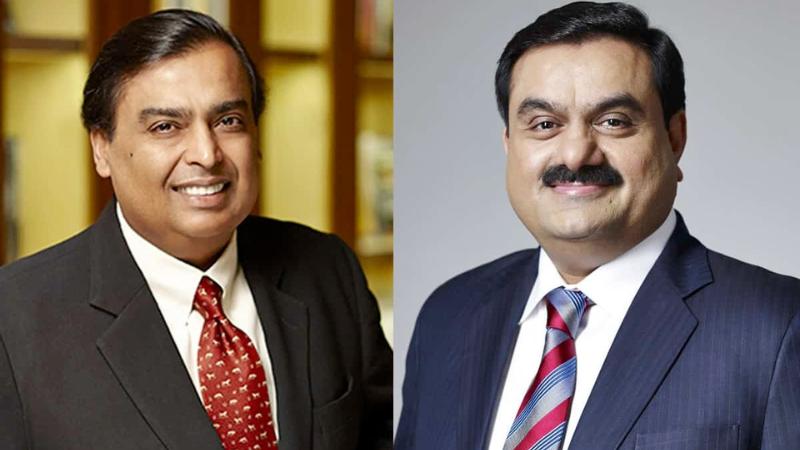
India’s wealthiest individuals faced a massive financial hit in Monday’s stock market crash, which saw billions of dollars wiped off global markets. Along with retail investors and institutional players, some of the country’s most prominent business leaders—Mukesh Ambani, Gautam Adani, Savitri Jindal & family, and Shiv Nadar—collectively lost over $10 billion in personal wealth. The losses were reported based on Forbes’ real-time billionaire tracker, which
In a significant financial setback for India’s wealthiest individuals, seven prominent billionaires, including Mukesh Ambani, Gautam Adani, Shiv Nadar, Azim Premji, Shapoor Mistry, and others, have collectively lost a staggering $34 billion in 2025 following a sharp stock market selloff. According to the Bloomberg Billionaire Index, this loss comes amid growing volatility in global financial markets. Gautam Adani: The Biggest Loser Ga
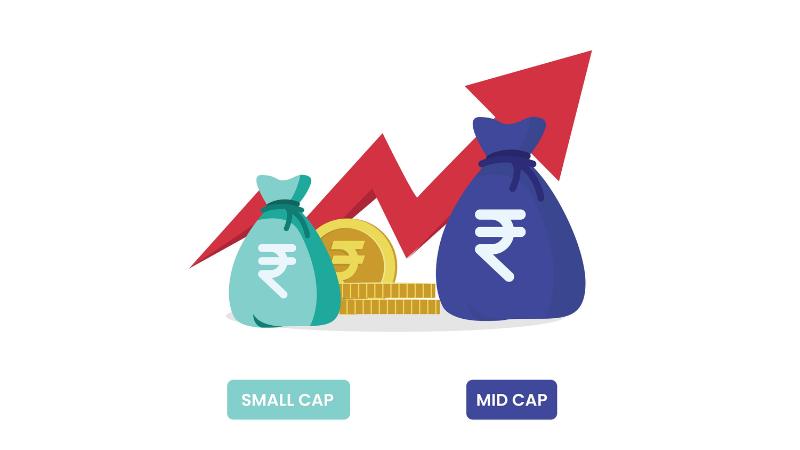
The Indian stock market continues to remain volatile, leaving investors uncertain about where to invest their money. After facing a three-week losing streak, the market started positively on Monday, but gains were short-lived as Sensex and Nifty slipped into negative territory in the afternoon session. Despite this recent setback, the markets witnessed some positivity last week, marking the best weekly performance in 2025 so far. Midcap and smallcap stocks outperformed broader indices, with t
SEBI has introduced new algorithmic trading regulations requiring firms to register with stock exchanges. The rules mandate closed, vendor-specific APIs and unique trade identifiers for transparency. Brokers must conduct due diligence before onboarding algo providers. Investors creating their own algorithms above set limits must register through brokers. These measures aim to prevent market manipulation, enhance security, and ensure compliance, improving oversight in high-frequency trading en
On February 4, Indian stock markets experienced a strong rally as the Sensex and Nifty surged following positive global cues and optimism surrounding a potential rate cut by the Reserve Bank of India. The Sensex opened at 77,687.60 and gained over 700 points to reach 77,952, while the Nifty 50 opened at 23,509.90 and rose nearly 1% to 23,582. Mid-cap and small-cap stocks also posted gains, contributing to an overall bullish sentiment in the market. Investor confidence was boost
Summary: Indian stock market saw a sharp decline: Sensex fell over 700 points, Nifty down nearly 300 points. Decline triggered by global factors, including new US tariffs on Mexico, Canada, and China. Foreign investor selling pressure continues, with FPIs pulling out significant funds from Indian markets. Rupee hits a record low of Rs 87.07 against the US dollar. Despite post-Budget relief for some sectors, overall