The UK will open a combined 1,800 annual visa places for Indian traditional chefs, classical musicians and yoga instructors when the UK–India trade agreement takes effect on Wednesday, July 15, 2026.
The allocation falls under the Global Business Mobility–Service Supplier route. It is one shared cap covering all three occupations, not 1,800 places for each profession. The annual allocation is measured from January 1 through December 31.
The UK will open a combined 1,800 annual visa places for Indian traditional chefs, classical musicians and yoga instructors when the UK–India trade agreement takes effect on Wednesday, July 15, 2026.
The allocation falls under the Global Business Mobility–Service Supplier route. It is one shared cap covering all three occupations, not 1,800 places for each profession. The annual allocation is measured from January 1 through December 31.
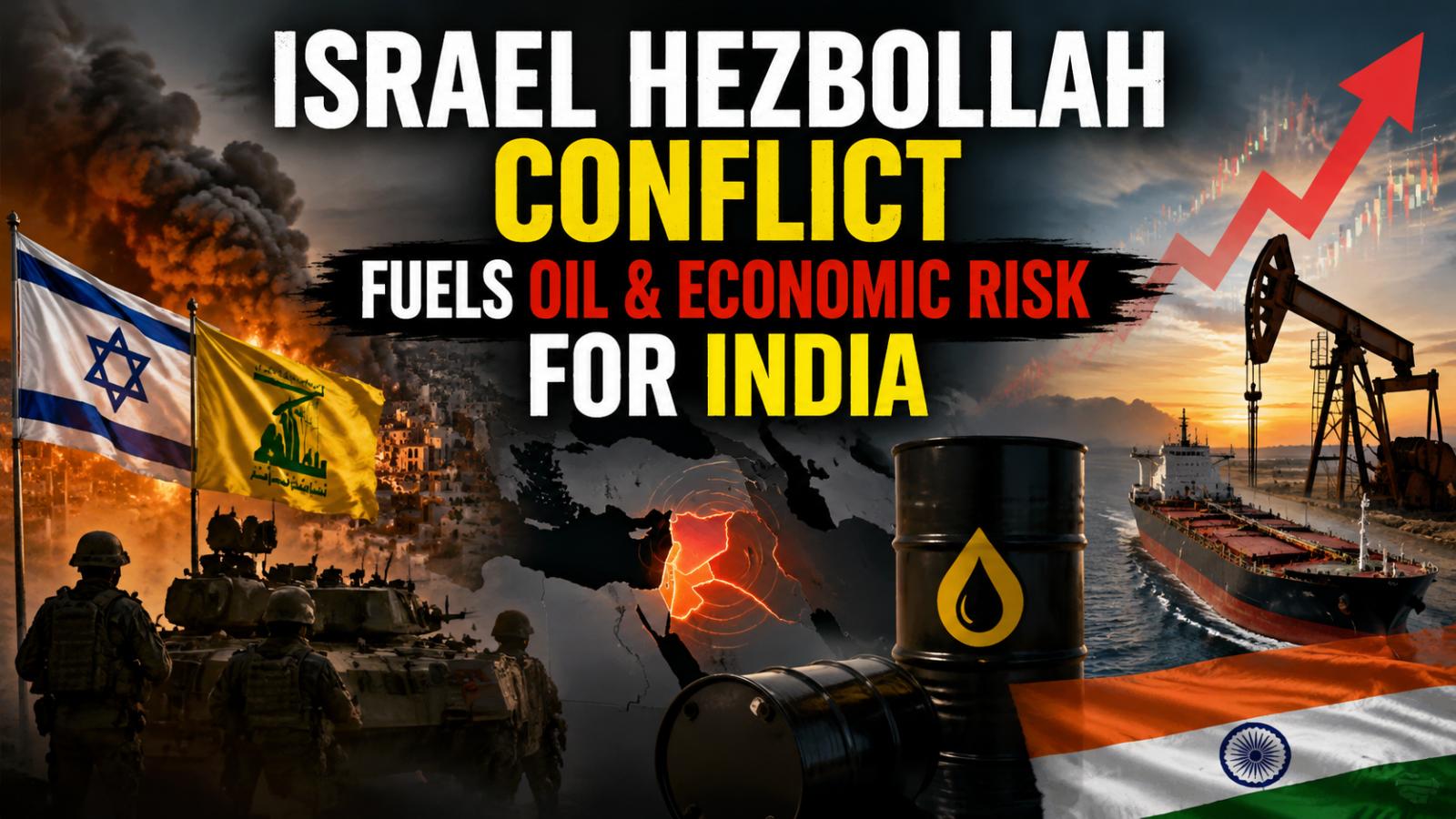
The renewed exchange of fire between Israeli forces and Hezbollah-linked positions in southern Lebanon has again drawn attention to an already fragile regional security environment. While both sides continue to frame their actions as targeted and defensive, the situation is increasingly being viewed through a wider geopolitical lens, especially by energy markets and trade-dependent economies.
Even limited escalation in this corridor tends to trigger immediate risk recalibration in global markets, not because of direct supply disruption, but due to fear of spillover into wider West Asian conflict zones.
Oil markets react to uncertainty, not only disruption
Crude oil prices have remained sensitive to developments in the region, with traders closely tracking any sign of expansion beyond localized strikes. Brent crude has shown intermittent swings, reflecting how quickly sentiment shifts when geopolitical risks rise.
For import-heavy economies like India, the concern is not only about supply cuts but also price volatility. Even short-lived spikes increase import bills, widen trade deficits, and add pressure on domestic inflation through fuel and transport costs.
India remains heavily dependent on imported crude, leaving it exposed to external shocks that originate far from its own borders but quickly reach its economy through global pricing mechanisms.
Maritime chokepoints add another layer of risk
Beyond oil production zones, shipping routes remain a critical pressure point. The Strait of Hormuz continues to be one of the most strategically sensitive maritime corridors in the world, handling a large share of global crude movement.
Any perception of instability in nearby conflict zones tends to increase insurance premiums for tankers and freight operators. This raises shipping costs even when physical disruption does not occur.
For trade-dependent economies, the indirect cost of conflict often arrives faster than any actual supply shortage.
India’s broader exposure goes beyond energy
India’s stake in West Asian stability is not limited to crude imports. A large Indian workforce in Gulf countries supports billions in annual remittances, which play a steady role in foreign exchange stability.
At the same time, India maintains layered relationships across the region—energy partnerships with Gulf producers, strategic cooperation with Israel, and connectivity interests linked to Iran and regional ports.
This creates a complex policy environment where instability in one corridor can influence multiple economic and diplomatic channels simultaneously.
Long-term infrastructure plans face sensitivity risks
Large-scale trade and infrastructure initiatives involving West Asia, including proposed trans-regional connectivity corridors, depend heavily on stable political conditions. Projects linked to ports, energy routes, and logistics networks become vulnerable when security risks rise.
Even without direct damage, prolonged uncertainty tends to slow investment decisions, delay contracts, and increase financing costs for regional development projects.
Conclusion
The current Israel–Hezbollah exchange remains geographically contained, but its economic impact is far wider. Oil markets, shipping costs, remittance flows, and long-term trade planning all react quickly to signals of escalation.
For India and other import-dependent economies, the primary challenge is not direct involvement in the conflict but exposure to its ripple effects through energy pricing, logistics costs, and regional stability risks.
The renewed exchange of fire between Israeli forces and Hezbollah-linked positions in southern Lebanon has again drawn attention to an already fragile regional security environment. While both sides continue to frame their actions as targeted and defensive, the situation is increasingly being viewed through a wider geopolitical lens, especially by energy markets and trade-dependent economies.
Even limited escalation in this corridor tends to trigger immediate risk recalibration in global markets, not because of direct supply disruption, but due to fear of spillover into wider West Asian conflict zones.
Oil markets react to uncertainty, not only disruption
Crude oil prices have remained sensitive to developments in the region, with traders closely tracking any sign of expansion beyond localized strikes. Brent crude has shown intermittent swings, reflecting how quickly sentiment shifts when geopolitical risks rise.
For import-heavy economies like India, the concern is not only about supply cuts but also price volatility. Even short-lived spikes increase import bills, widen trade deficits, and add pressure on domestic inflation through fuel and transport costs.
India remains heavily dependent on imported crude, leaving it exposed to external shocks that originate far from its own borders but quickly reach its economy through global pricing mechanisms.
Maritime chokepoints add another layer of risk
Beyond oil production zones, shipping routes remain a critical pressure point. The Strait of Hormuz continues to be one of the most strategically sensitive maritime corridors in the world, handling a large share of global crude movement.
Any perception of instability in nearby conflict zones tends to increase insurance premiums for tankers and freight operators. This raises shipping costs even when physical disruption does not occur.
For trade-dependent economies, the indirect cost of conflict often arrives faster than any actual supply shortage.
India’s broader exposure goes beyond energy
India’s stake in West Asian stability is not limited to crude imports. A large Indian workforce in Gulf countries supports billions in annual remittances, which play a steady role in foreign exchange stability.
At the same time, India maintains layered relationships across the region—energy partnerships with Gulf producers, strategic cooperation with Israel, and connectivity interests linked to Iran and regional ports.
This creates a complex policy environment where instability in one corridor can influence multiple economic and diplomatic channels simultaneously.
Long-term infrastructure plans face sensitivity risks
Large-scale trade and infrastructure initiatives involving West Asia, including proposed trans-regional connectivity corridors, depend heavily on stable political conditions. Projects linked to ports, energy routes, and logistics networks become vulnerable when security risks rise.
Even without direct damage, prolonged uncertainty tends to slow investment decisions, delay contracts, and increase financing costs for regional development projects.
Conclusion
The current Israel–Hezbollah exchange remains geographically contained, but its economic impact is far wider. Oil markets, shipping costs, remittance flows, and long-term trade planning all react quickly to signals of escalation.
For India and other import-dependent economies, the primary challenge is not direct involvement in the conflict but exposure to its ripple effects through energy pricing, logistics costs, and regional stability risks.
According to reports from June 25, 2026, leaders from Andhra Pradesh, Telangana, and Karnataka gathered in Hosapete (Hospet), Karnataka, ahead of the inauguration of the newly installed gates at the Tungabhadra Dam. The event was attended by Union Jal Shakti Minister C. R.
According to reports from June 25, 2026, leaders from Andhra Pradesh, Telangana, and Karnataka gathered in Hosapete (Hospet), Karnataka, ahead of the inauguration of the newly installed gates at the Tungabhadra Dam. The event was attended by Union Jal Shakti Minister C. R.
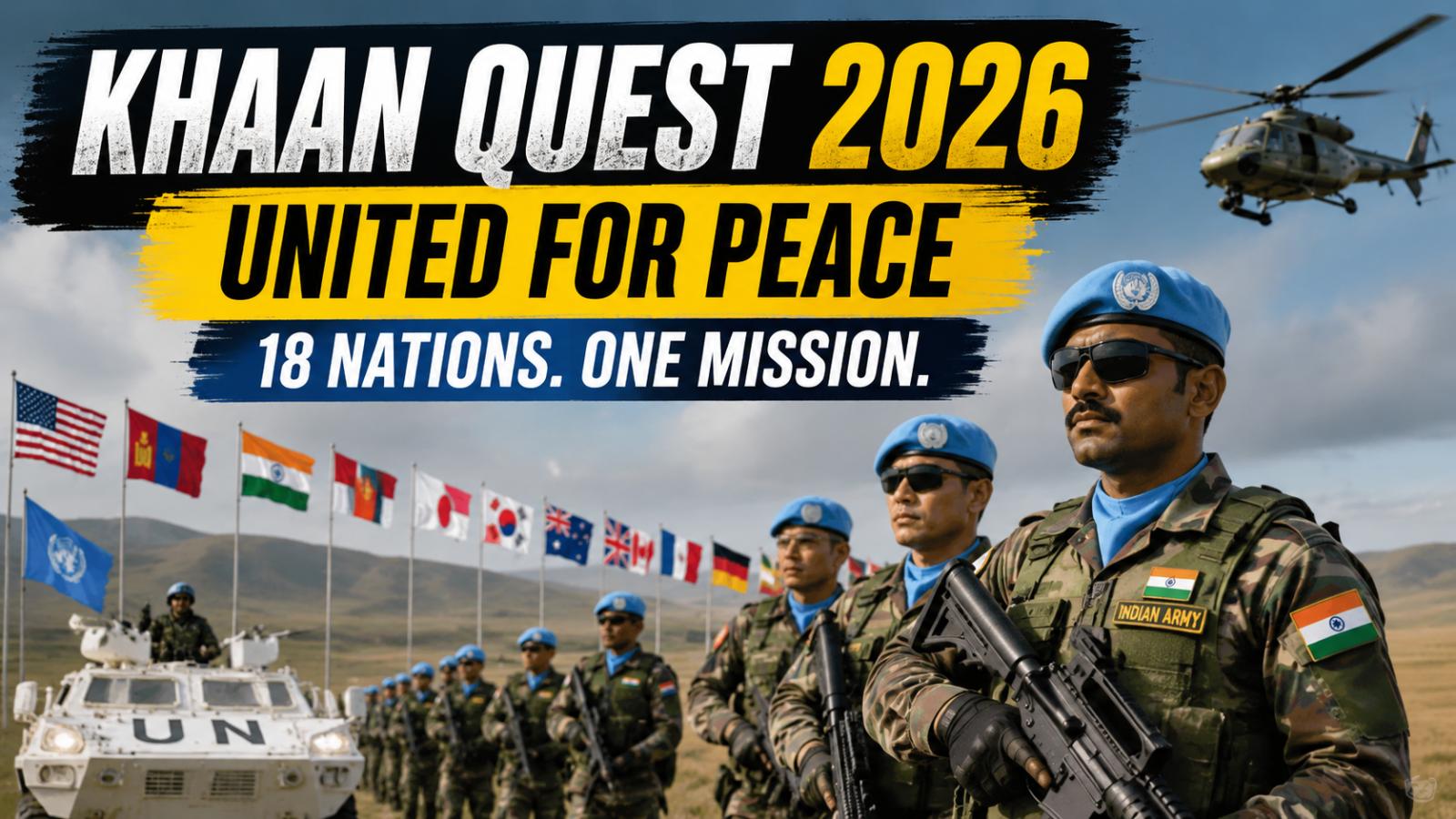
Khaan Quest 2026 has officially begun at the Five Hills Training Area near Ulaanbaatar, marking one of the largest annual UN peacekeeping training exercises in the region. The drill brings together troops from 18 nations, with a focus on improving coordination in complex peace support environments. More than 1,000 personnel are taking part in structured field training designed to replicate real-world mission conditions under United Nations mandates.
India strengthens peacekeeping engagement through participation
The Indian Army has deployed a 40-member contingent for the exercise, including personnel from a battalion of the JAT Regiment along with supporting arms. Their participation reflects India’s continued operational commitment to global peacekeeping frameworks. Indian troops are actively engaged in tactical drills such as area domination, checkpoint operations, search procedures, and controlled movement scenarios that simulate volatile environments.
Training designed for real-world mission readiness
The exercise is structured around practical peacekeeping scenarios where multinational forces must operate under unified command conditions. Activities include convoy protection, casualty evacuation drills, and humanitarian response simulations. A strong emphasis is placed on interoperability, ensuring that forces from different countries can communicate and operate seamlessly during international deployments.
Women, Peace and Security module gains importance
A dedicated training segment on Women, Peace and Security is a key feature of this year’s exercise. It focuses on improving gender awareness in operational settings, strengthening civilian protection measures, and encouraging greater participation of women in peacekeeping roles. The module is designed to reflect evolving global expectations in modern conflict management.
Exercise highlights growing global coordination
Khaan Quest began as a bilateral initiative between Mongolia and the United States in the early 2000s and has since expanded into a multinational platform co-sponsored by US Indo-Pacific Command. Over the years, it has evolved into a key training ground for preparing forces for UN peace operations. The 2026 edition reinforces international cooperation, operational readiness, and shared security practices among participating nations.
Strategic relevance of Khaan Quest 2026
The exercise serves as more than just a training event—it acts as a platform for military diplomacy and operational alignment among partner countries. By working together in simulated peace missions, participating forces strengthen trust, improve tactical compatibility, and enhance readiness for future UN deployments in conflict and post-conflict zones.
Khaan Quest 2026 has officially begun at the Five Hills Training Area near Ulaanbaatar, marking one of the largest annual UN peacekeeping training exercises in the region. The drill brings together troops from 18 nations, with a focus on improving coordination in complex peace support environments. More than 1,000 personnel are taking part in structured field training designed to replicate real-world mission conditions under United Nations mandates.
India strengthens peacekeeping engagement through participation
The Indian Army has deployed a 40-member contingent for the exercise, including personnel from a battalion of the JAT Regiment along with supporting arms. Their participation reflects India’s continued operational commitment to global peacekeeping frameworks. Indian troops are actively engaged in tactical drills such as area domination, checkpoint operations, search procedures, and controlled movement scenarios that simulate volatile environments.
Training designed for real-world mission readiness
The exercise is structured around practical peacekeeping scenarios where multinational forces must operate under unified command conditions. Activities include convoy protection, casualty evacuation drills, and humanitarian response simulations. A strong emphasis is placed on interoperability, ensuring that forces from different countries can communicate and operate seamlessly during international deployments.
Women, Peace and Security module gains importance
A dedicated training segment on Women, Peace and Security is a key feature of this year’s exercise. It focuses on improving gender awareness in operational settings, strengthening civilian protection measures, and encouraging greater participation of women in peacekeeping roles. The module is designed to reflect evolving global expectations in modern conflict management.
Exercise highlights growing global coordination
Khaan Quest began as a bilateral initiative between Mongolia and the United States in the early 2000s and has since expanded into a multinational platform co-sponsored by US Indo-Pacific Command. Over the years, it has evolved into a key training ground for preparing forces for UN peace operations. The 2026 edition reinforces international cooperation, operational readiness, and shared security practices among participating nations.
Strategic relevance of Khaan Quest 2026
The exercise serves as more than just a training event—it acts as a platform for military diplomacy and operational alignment among partner countries. By working together in simulated peace missions, participating forces strengthen trust, improve tactical compatibility, and enhance readiness for future UN deployments in conflict and post-conflict zones.
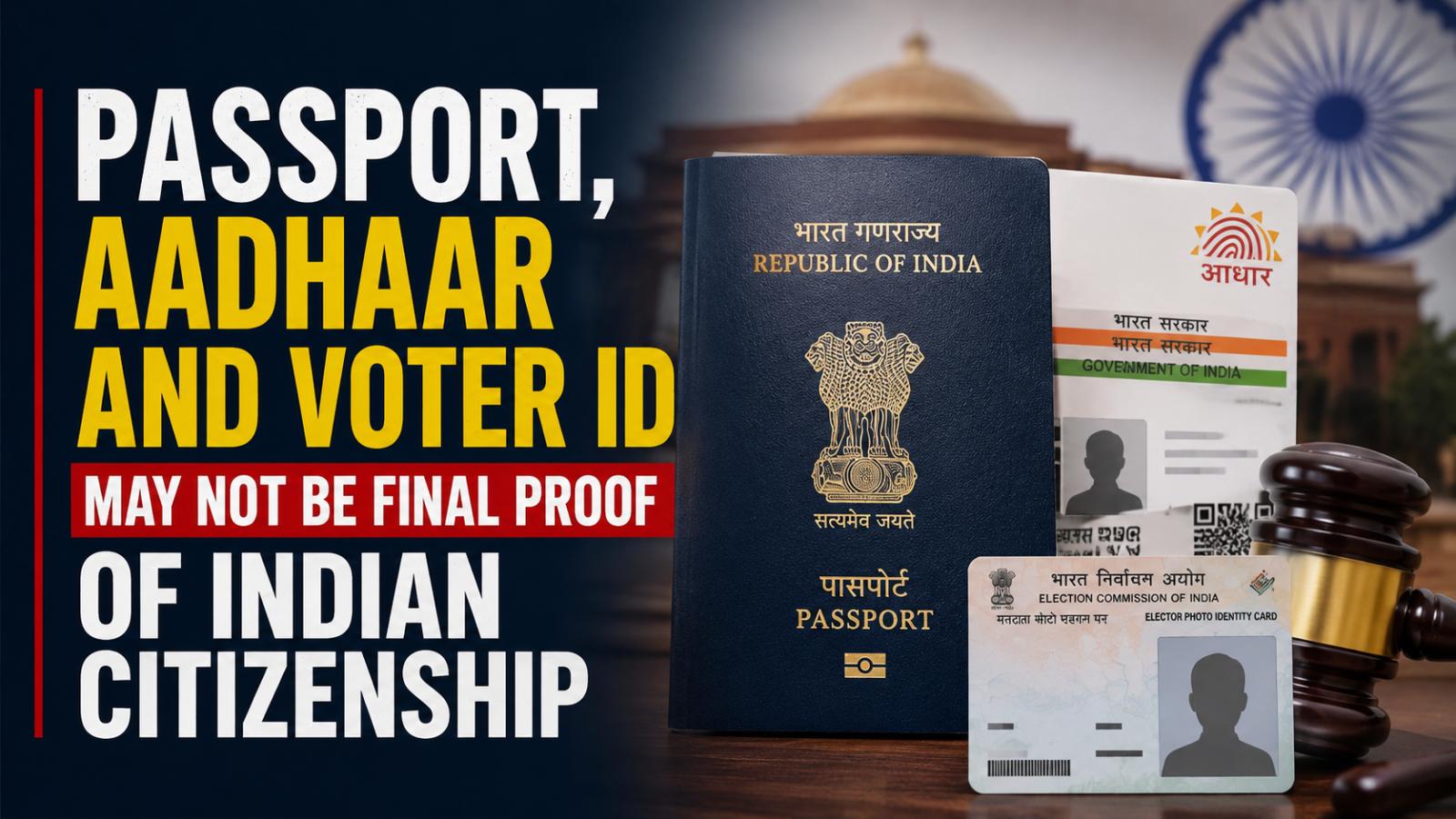
The recent clarification that an Indian passport is not legally considered conclusive proof of citizenship has sparked widespread discussion and confusion among citizens. For decades, passports, Aadhaar cards and voter ID cards have been widely accepted as the primary documents that establish a person's identity and nationality. However, under India's legal framework, these documents may not always serve as final proof of citizenship in certain legal or administrative si
The recent clarification that an Indian passport is not legally considered conclusive proof of citizenship has sparked widespread discussion and confusion among citizens. For decades, passports, Aadhaar cards and voter ID cards have been widely accepted as the primary documents that establish a person's identity and nationality. However, under India's legal framework, these documents may not always serve as final proof of citizenship in certain legal or administrative si
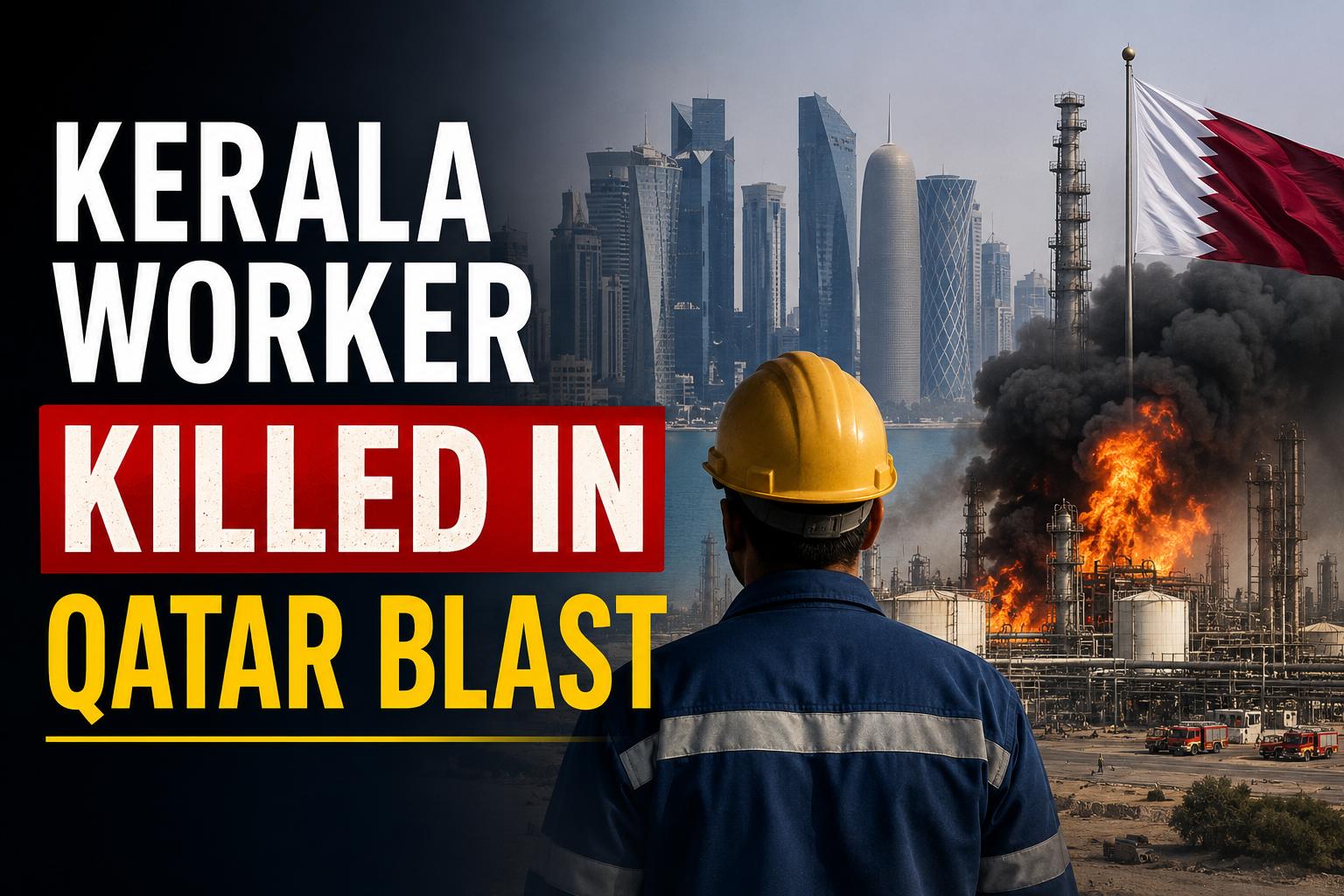
Thiruvananthapuram, June 24: Leader of the Opposition in the Kerala Assembly, Pinarayi Vijayan, on Wednesday wrote to Chief Minister V D Satheesan, urging immediate steps to bring back the mortal remains of Arjun, a Keralite worker who died in an explosion at an industrial facility in Qatar.
Arjun, a native of Kozhikode district, was working at the Barzan gas facility in Ras Laffan Industrial City when the incident occurre
Thiruvananthapuram, June 24: Leader of the Opposition in the Kerala Assembly, Pinarayi Vijayan, on Wednesday wrote to Chief Minister V D Satheesan, urging immediate steps to bring back the mortal remains of Arjun, a Keralite worker who died in an explosion at an industrial facility in Qatar.
Arjun, a native of Kozhikode district, was working at the Barzan gas facility in Ras Laffan Industrial City when the incident occurre
The Cornell Tata Scholarship provides need-based financial aid to eligible undergraduate students who attended secondary school in India. Applicants must gain admission to Cornell University, demonstrate financial need and complete the university’s required financial-aid process.
Created through a $25 million endowment from the Tata Education and Development Trust, the program supports about 20 scholars at any one time and awards assistance annually.
The Cornell Tata Scholarship provides need-based financial aid to eligible undergraduate students who attended secondary school in India. Applicants must gain admission to Cornell University, demonstrate financial need and complete the university’s required financial-aid process.
Created through a $25 million endowment from the Tata Education and Development Trust, the program supports about 20 scholars at any one time and awards assistance annually.
An Indian couple says $850,000 in debt accumulated through mortgages, a home renovation loan and credit card balances after years of lifestyle upgrades in the United States.
The couple, who said they moved to the United States at age 22, has now announced a 1,200-day plan to become debt-free. They are documenting the effort through their Instagram account, @moneyharmony123.
How the Indian Couple’s $850,000 Debt Accumulated
According to figure
An Indian couple says $850,000 in debt accumulated through mortgages, a home renovation loan and credit card balances after years of lifestyle upgrades in the United States.
The couple, who said they moved to the United States at age 22, has now announced a 1,200-day plan to become debt-free. They are documenting the effort through their Instagram account, @moneyharmony123.
How the Indian Couple’s $850,000 Debt Accumulated
According to figure
Jaipur Maharaja Sawai Madho Singh II carried thousands of litres of Ganga water to London in 1902, turning a royal journey to King Edward VII’s coronation into an extraordinary expression of religious faith.
The water travelled in enormous silver vessels known as Gangajalis, which are now preserved at Jaipur’s City Palace and remain among its most recognizable historical objects.
Jaipur Maharaja Sawai Madho Singh II carried thousands of litres of Ganga water to London in 1902, turning a royal journey to King Edward VII’s coronation into an extraordinary expression of religious faith.
The water travelled in enormous silver vessels known as Gangajalis, which are now preserved at Jaipur’s City Palace and remain among its most recognizable historical objects.
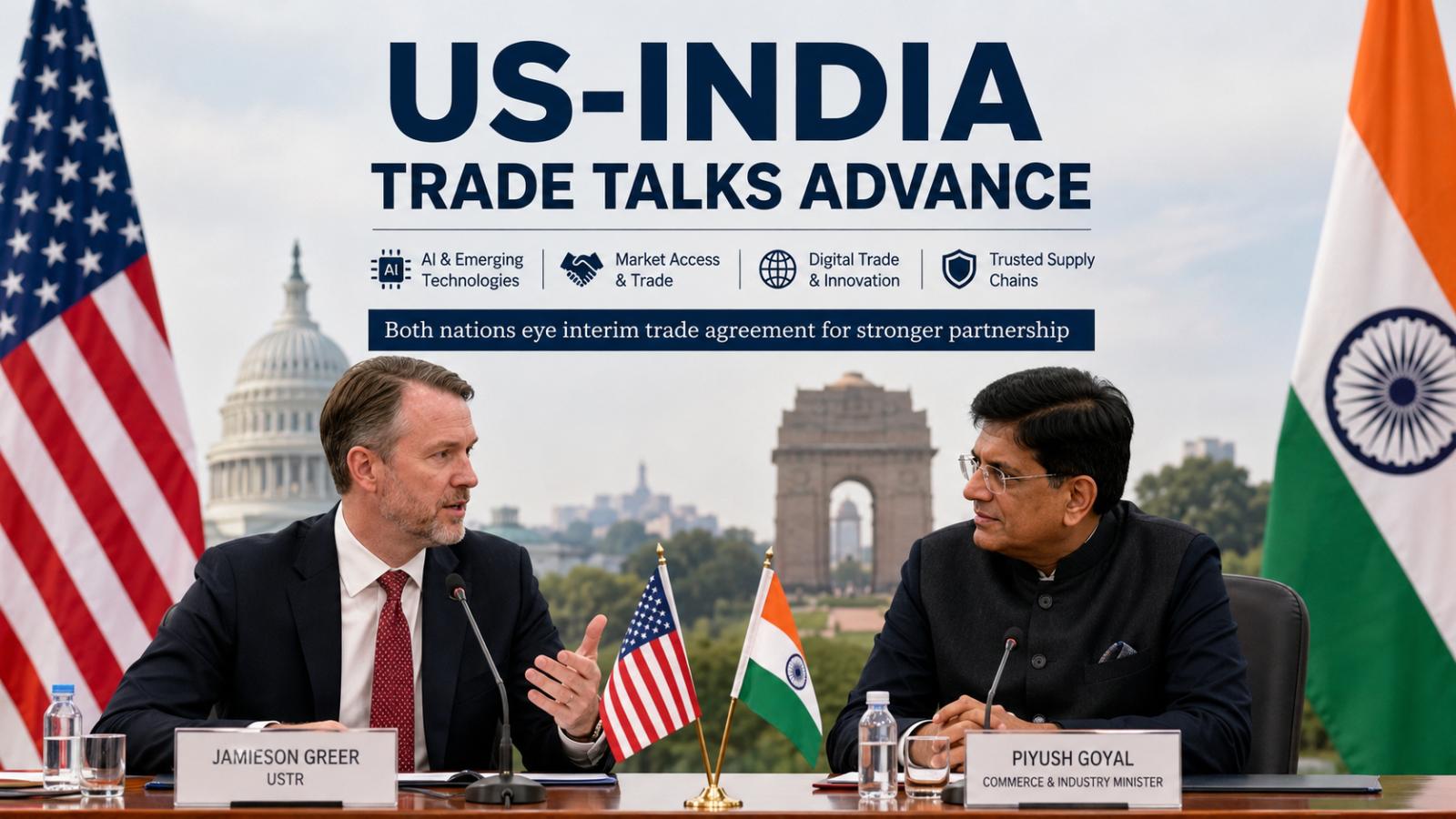
The United States and India reported substantial progress on Wednesday, June 24, 2026, toward an interim bilateral trade agreement, as U.S. Trade Representative Jamieson Greer highlighted artificial intelligence and emerging technologies as growing areas of cooperation.
Greer visited New Delhi from Monday, June 22, through Wednesday, June 24, 2026, and held multiple rounds of talks with Indian Commerce and Industry Minister Piyush Goyal.
US-India Trade Talks Focus
The United States and India reported substantial progress on Wednesday, June 24, 2026, toward an interim bilateral trade agreement, as U.S. Trade Representative Jamieson Greer highlighted artificial intelligence and emerging technologies as growing areas of cooperation.
Greer visited New Delhi from Monday, June 22, through Wednesday, June 24, 2026, and held multiple rounds of talks with Indian Commerce and Industry Minister Piyush Goyal.
US-India Trade Talks Focus
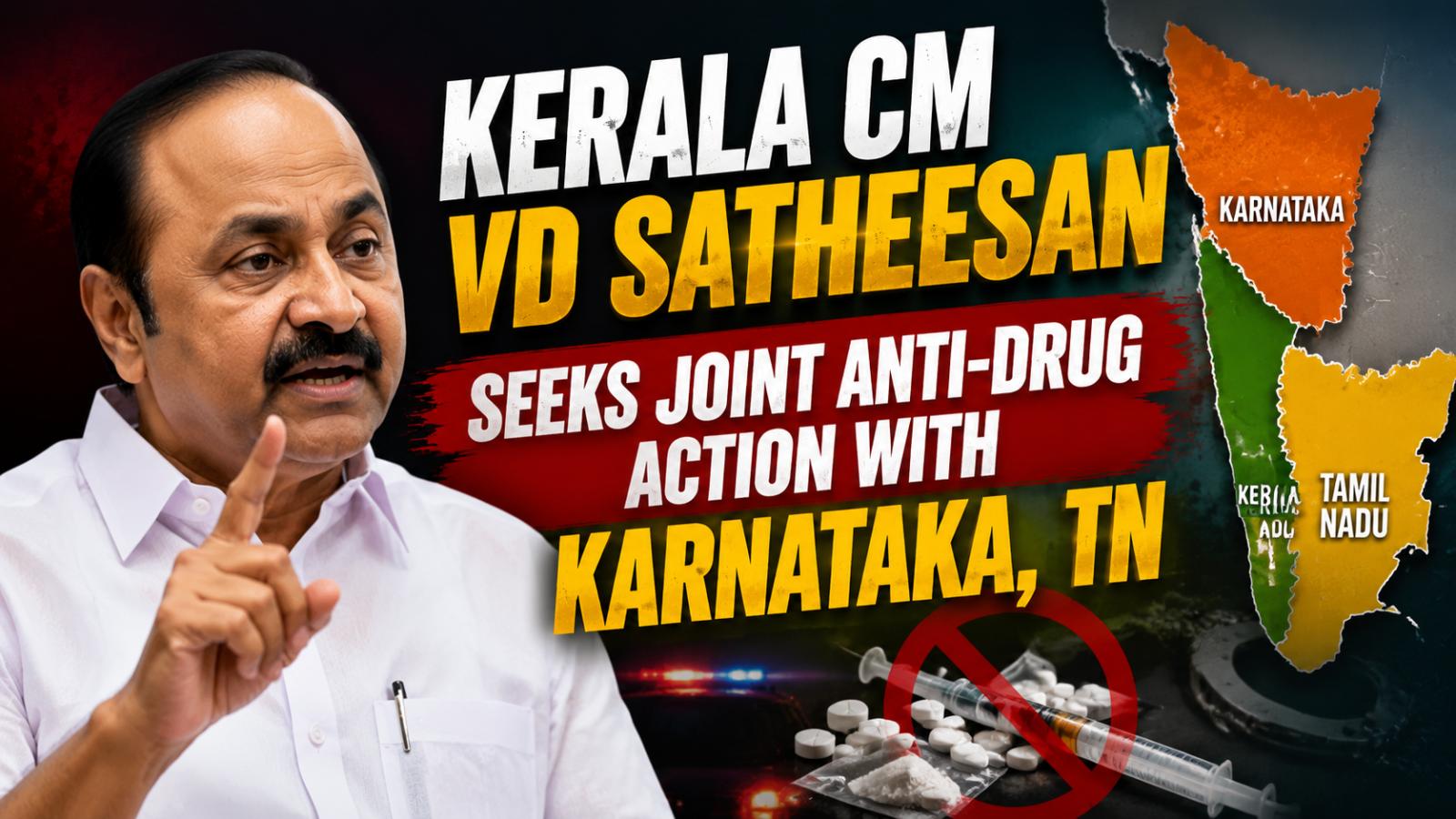
Thiruvananthapuram, June 24, 2026: Kerala Chief Minister V D Satheesan has reached out to the governments of Karnataka, Tamil Nadu and Puducherry, seeking enhanced cooperation to combat the growing threat of interstate drug trafficking. The initiative is part of Kerala's intensified anti-drug campaign, Operation Toofan, which aims to curb narcotics abuse and dismantle organized trafficking networks operating across state borders.
According to an official release from the Chief Minis
Thiruvananthapuram, June 24, 2026: Kerala Chief Minister V D Satheesan has reached out to the governments of Karnataka, Tamil Nadu and Puducherry, seeking enhanced cooperation to combat the growing threat of interstate drug trafficking. The initiative is part of Kerala's intensified anti-drug campaign, Operation Toofan, which aims to curb narcotics abuse and dismantle organized trafficking networks operating across state borders.
According to an official release from the Chief Minis
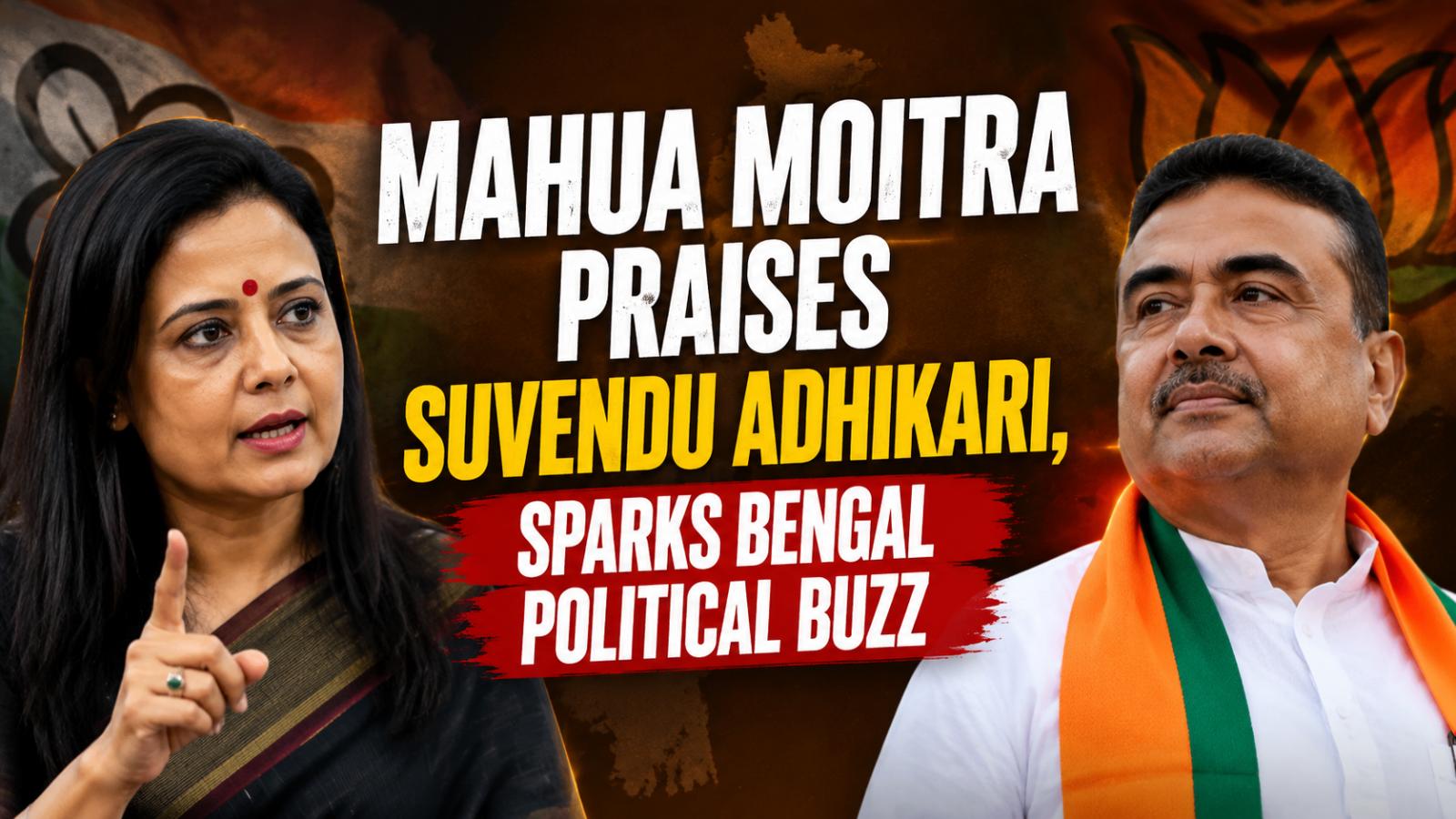
Kolkata, June 24, 2026: Trinamool Congress (TMC) MP Mahua Moitra has stirred fresh political discussions in West Bengal after publicly recalling the support she received from Chief Minister Suvendu Adhikari during the early stages of her political journey. Her remarks come at a crucial time when the TMC is facing internal challenges, defections, and a growing leadership crisis.
Mahua Moitra described her relationship with Suvendu Adhikari as one built on personal respect and emotion
Kolkata, June 24, 2026: Trinamool Congress (TMC) MP Mahua Moitra has stirred fresh political discussions in West Bengal after publicly recalling the support she received from Chief Minister Suvendu Adhikari during the early stages of her political journey. Her remarks come at a crucial time when the TMC is facing internal challenges, defections, and a growing leadership crisis.
Mahua Moitra described her relationship with Suvendu Adhikari as one built on personal respect and emotion
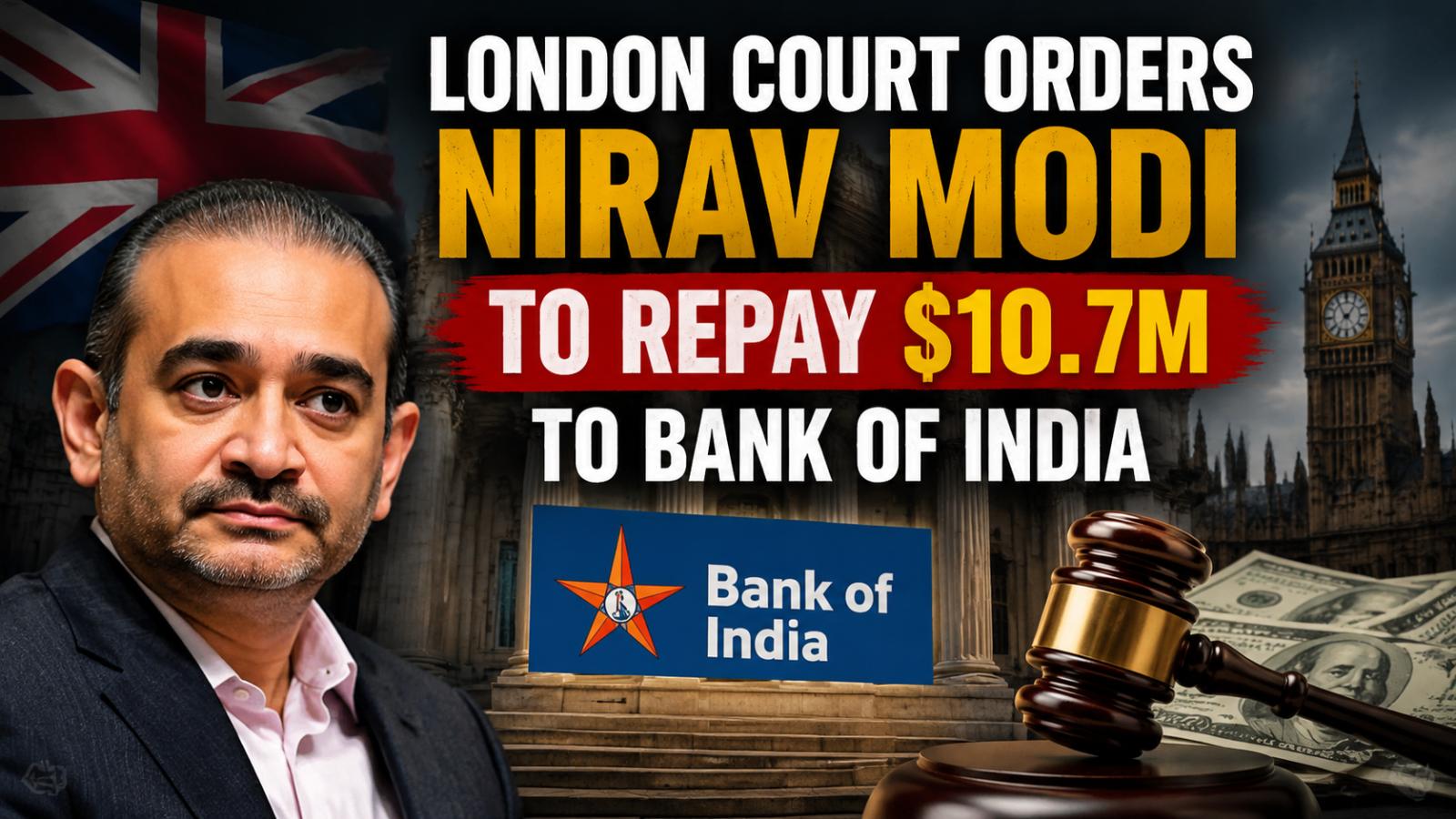
A London court has ruled against diamond merchant Nirav Modi in a financial dispute involving Bank of India, ordering him to repay approximately $10.7 million linked to a defaulted corporate loan. The judgment strengthens the bank’s claim that Modi remains personally liable under a guarantee tied to funding extended to his overseas diamond trading entity.
Court upholds personal guarantee obligation
A London court has ruled against diamond merchant Nirav Modi in a financial dispute involving Bank of India, ordering him to repay approximately $10.7 million linked to a defaulted corporate loan. The judgment strengthens the bank’s claim that Modi remains personally liable under a guarantee tied to funding extended to his overseas diamond trading entity.
Court upholds personal guarantee obligation
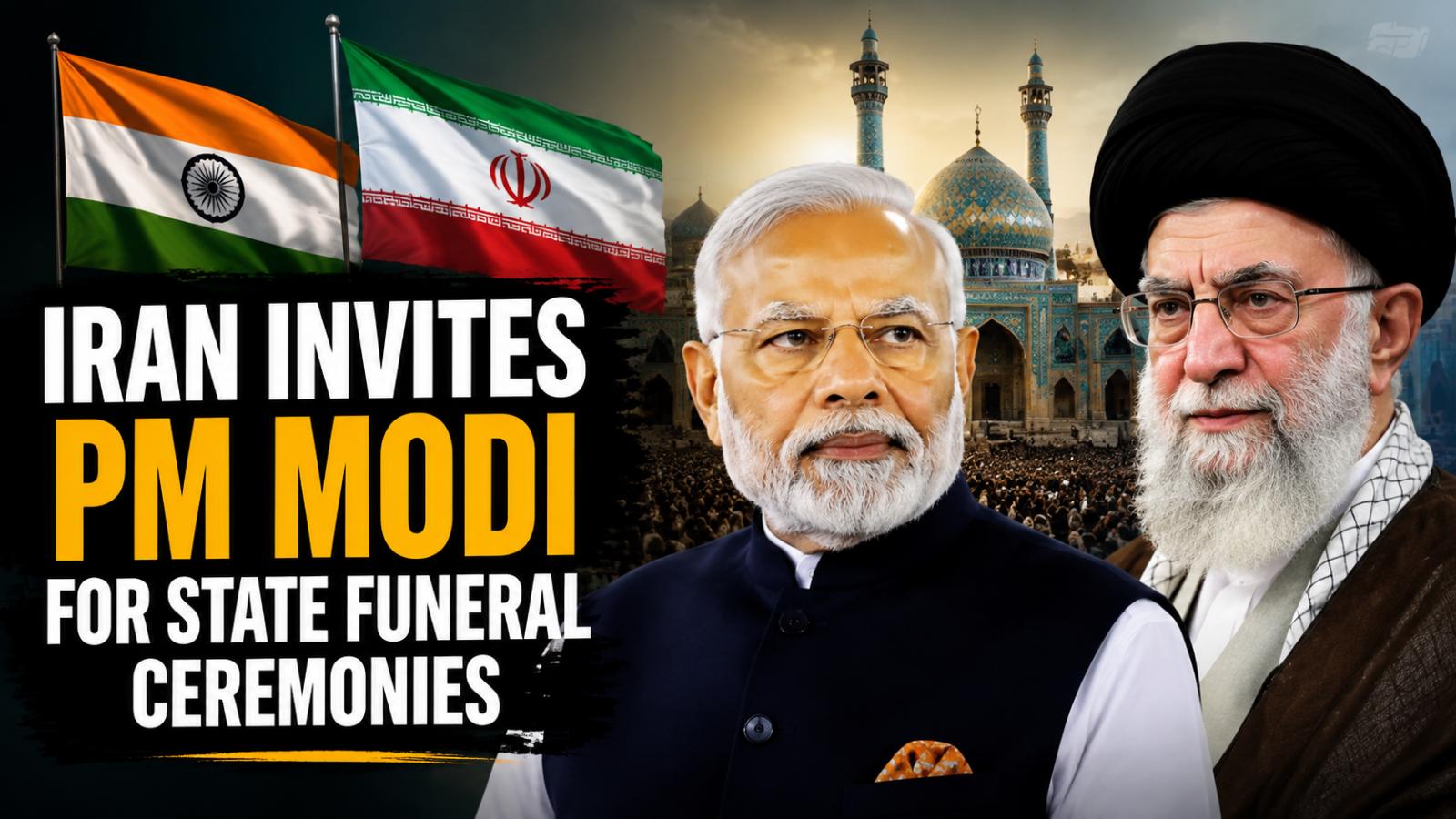
Reports emerging from diplomatic channels suggest that Iran has extended formal communication to India regarding participation in upcoming state-level funeral and memorial ceremonies linked to its top leadership structure. While official confirmation from either government remains limited, the development is being viewed as part of ongoing West Asia diplomatic engagement.
India reviews representation strategy
Reports emerging from diplomatic channels suggest that Iran has extended formal communication to India regarding participation in upcoming state-level funeral and memorial ceremonies linked to its top leadership structure. While official confirmation from either government remains limited, the development is being viewed as part of ongoing West Asia diplomatic engagement.
India reviews representation strategy
India and the United States are edging closer to a structured trade agreement after fresh negotiations indicated reduced gaps on several contentious issues. US officials described the discussions as the most constructive phase so far, suggesting that a framework deal is now within reach, even though final clearance is still pending.
The talks are part of a broader effort to establish a long-term Bilateral Trade Agreement aimed at improving market access, easing tariff friction, and stabilizing supply chain cooperation between the two economies.
Tariff reduction and market access remain central issues
At the core of the negotiations are tariff structures and access to each other’s markets. The United States is pushing for wider entry for industrial and agricultural goods, while India is focused on protecting sensitive domestic sectors while expanding export opportunities in technology, textiles, and pharmaceuticals.
Both sides are trying to balance domestic political pressures with the need to expand bilateral trade volumes, which currently remain below their long-term potential despite strong economic ties.
Digital trade and pharmaceutical rules under review
A significant portion of the discussion is now centered on digital trade regulations and pharmaceutical standards. The US is seeking clearer digital data flow rules and stronger intellectual property protections, while India is prioritizing flexibility for its growing digital economy and affordable healthcare exports.
Pharmaceutical trade remains a key pillar, with India seeking smoother regulatory pathways for generic drug exports, while the US is focusing on compliance and quality standard alignment.
Strategic economic alignment driving urgency
The urgency behind the negotiations is being shaped by global supply chain realignment and geopolitical competition. Both countries are increasingly aligning their trade policies within the Indo-Pacific framework, with an emphasis on reducing dependency on concentrated manufacturing hubs.
India is positioning itself as an alternative global manufacturing base, while the US is looking to diversify sourcing and strengthen resilient supply networks.
Next phase depends on unresolved policy gaps
Despite visible progress, the agreement is not finalized. Several policy differences still need resolution, particularly around tariff ceilings, digital governance, and sector-specific protections.
Officials from both sides are expected to continue technical-level discussions before moving toward a formalized trade framework. A final agreement timeline has not been confirmed, but momentum suggests continued acceleration in the coming months.
India and the United States are edging closer to a structured trade agreement after fresh negotiations indicated reduced gaps on several contentious issues. US officials described the discussions as the most constructive phase so far, suggesting that a framework deal is now within reach, even though final clearance is still pending.
The talks are part of a broader effort to establish a long-term Bilateral Trade Agreement aimed at improving market access, easing tariff friction, and stabilizing supply chain cooperation between the two economies.
Tariff reduction and market access remain central issues
At the core of the negotiations are tariff structures and access to each other’s markets. The United States is pushing for wider entry for industrial and agricultural goods, while India is focused on protecting sensitive domestic sectors while expanding export opportunities in technology, textiles, and pharmaceuticals.
Both sides are trying to balance domestic political pressures with the need to expand bilateral trade volumes, which currently remain below their long-term potential despite strong economic ties.
Digital trade and pharmaceutical rules under review
A significant portion of the discussion is now centered on digital trade regulations and pharmaceutical standards. The US is seeking clearer digital data flow rules and stronger intellectual property protections, while India is prioritizing flexibility for its growing digital economy and affordable healthcare exports.
Pharmaceutical trade remains a key pillar, with India seeking smoother regulatory pathways for generic drug exports, while the US is focusing on compliance and quality standard alignment.
Strategic economic alignment driving urgency
The urgency behind the negotiations is being shaped by global supply chain realignment and geopolitical competition. Both countries are increasingly aligning their trade policies within the Indo-Pacific framework, with an emphasis on reducing dependency on concentrated manufacturing hubs.
India is positioning itself as an alternative global manufacturing base, while the US is looking to diversify sourcing and strengthen resilient supply networks.
Next phase depends on unresolved policy gaps
Despite visible progress, the agreement is not finalized. Several policy differences still need resolution, particularly around tariff ceilings, digital governance, and sector-specific protections.
Officials from both sides are expected to continue technical-level discussions before moving toward a formalized trade framework. A final agreement timeline has not been confirmed, but momentum suggests continued acceleration in the coming months.
Assembly Heated Over Personal Remarks
A political storm erupted in the Tamil Nadu Legislative Assembly after personal references linked to Chief Minister Vijay were raised during a debate involving opposition leader Udhayanidhi
Assembly Heated Over Personal Remarks
A political storm erupted in the Tamil Nadu Legislative Assembly after personal references linked to Chief Minister Vijay were raised during a debate involving opposition leader Udhayanidhi
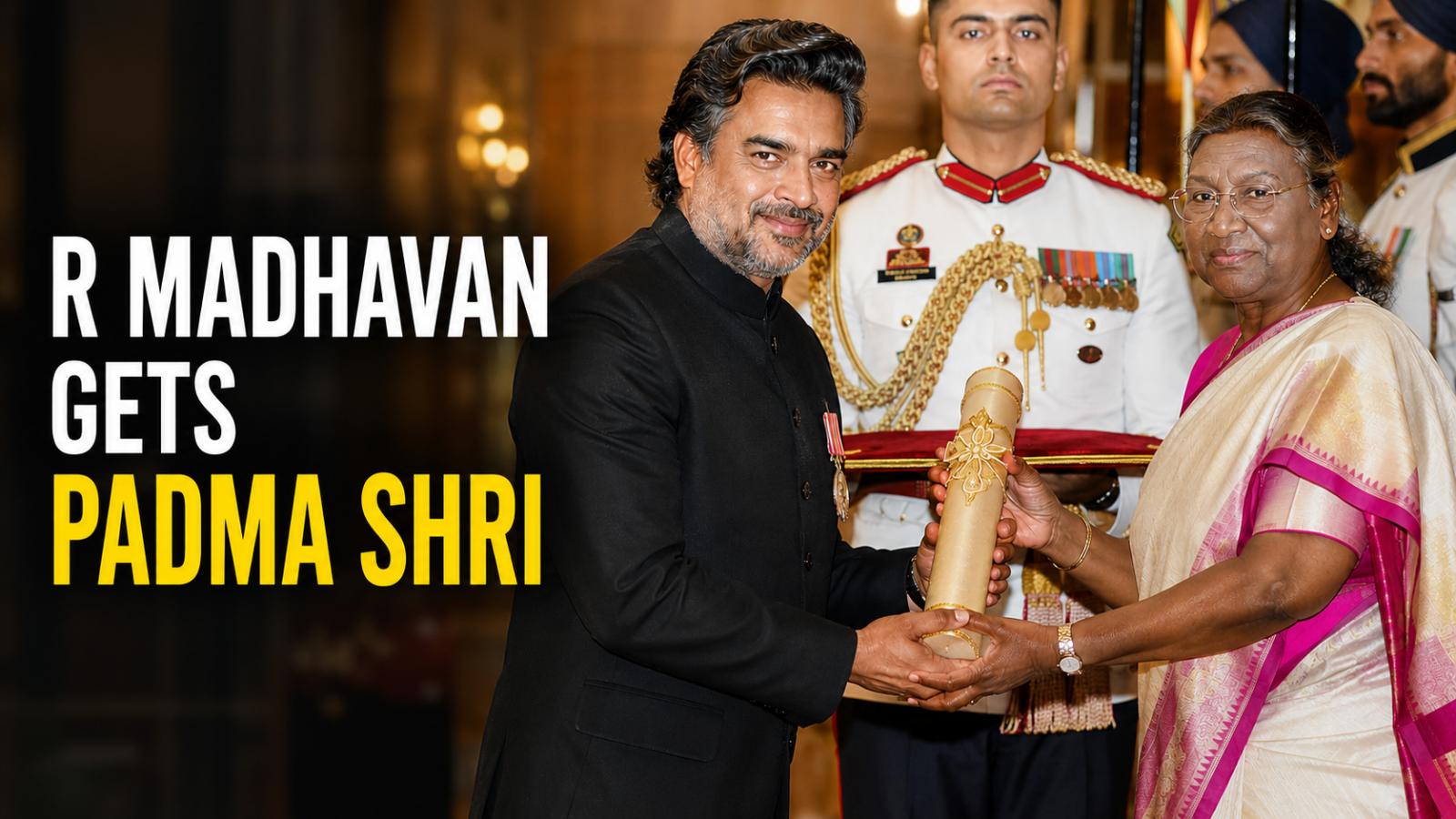
R Madhavan received the Padma Shri at the Padma Awards 2026 ceremony held at Rashtrapati Bhavan in New Delhi on June 23. The actor was honoured by President Droupadi Murmu, while his respectful greeting to Prime Minister Narendra Modi became one of the most noticed moments from the event.
R Madhavan Padma Shri Honour At Padma Awards 2026
Actor R Madhavan was conferred with the Padma Shri during the second Civil
R Madhavan received the Padma Shri at the Padma Awards 2026 ceremony held at Rashtrapati Bhavan in New Delhi on June 23. The actor was honoured by President Droupadi Murmu, while his respectful greeting to Prime Minister Narendra Modi became one of the most noticed moments from the event.
R Madhavan Padma Shri Honour At Padma Awards 2026
Actor R Madhavan was conferred with the Padma Shri during the second Civil
A Lake Michigan search for a missing boy at Washington Park Beach was suspended after dangerous waves and currents injured four rescue divers near Michigan City, Indiana.
Police said officers responded at about 5:43 p.m. after witnesses reported that a child wearing red shorts entered the water east of the catwalk, just south of the lighthouse, and did not resurface. The Indiana Department of Natural Resources said a group of teenagers had been swimming when one of them disappeared
A Lake Michigan search for a missing boy at Washington Park Beach was suspended after dangerous waves and currents injured four rescue divers near Michigan City, Indiana.
Police said officers responded at about 5:43 p.m. after witnesses reported that a child wearing red shorts entered the water east of the catwalk, just south of the lighthouse, and did not resurface. The Indiana Department of Natural Resources said a group of teenagers had been swimming when one of them disappeared
Meta will invest $900 million in Bengaluru-based fintech company CRED, while founder Kunal Shah prepares to take charge of WhatsApp globally. The linked announcements place one of India’s best-known startup founders at the center of Meta’s next phase in messaging, business services and digital payments.
Watch: Why did Meta choose Kunal Shah to lead WhatsApp? See o
Meta will invest $900 million in Bengaluru-based fintech company CRED, while founder Kunal Shah prepares to take charge of WhatsApp globally. The linked announcements place one of India’s best-known startup founders at the center of Meta’s next phase in messaging, business services and digital payments.
Watch: Why did Meta choose Kunal Shah to lead WhatsApp? See o
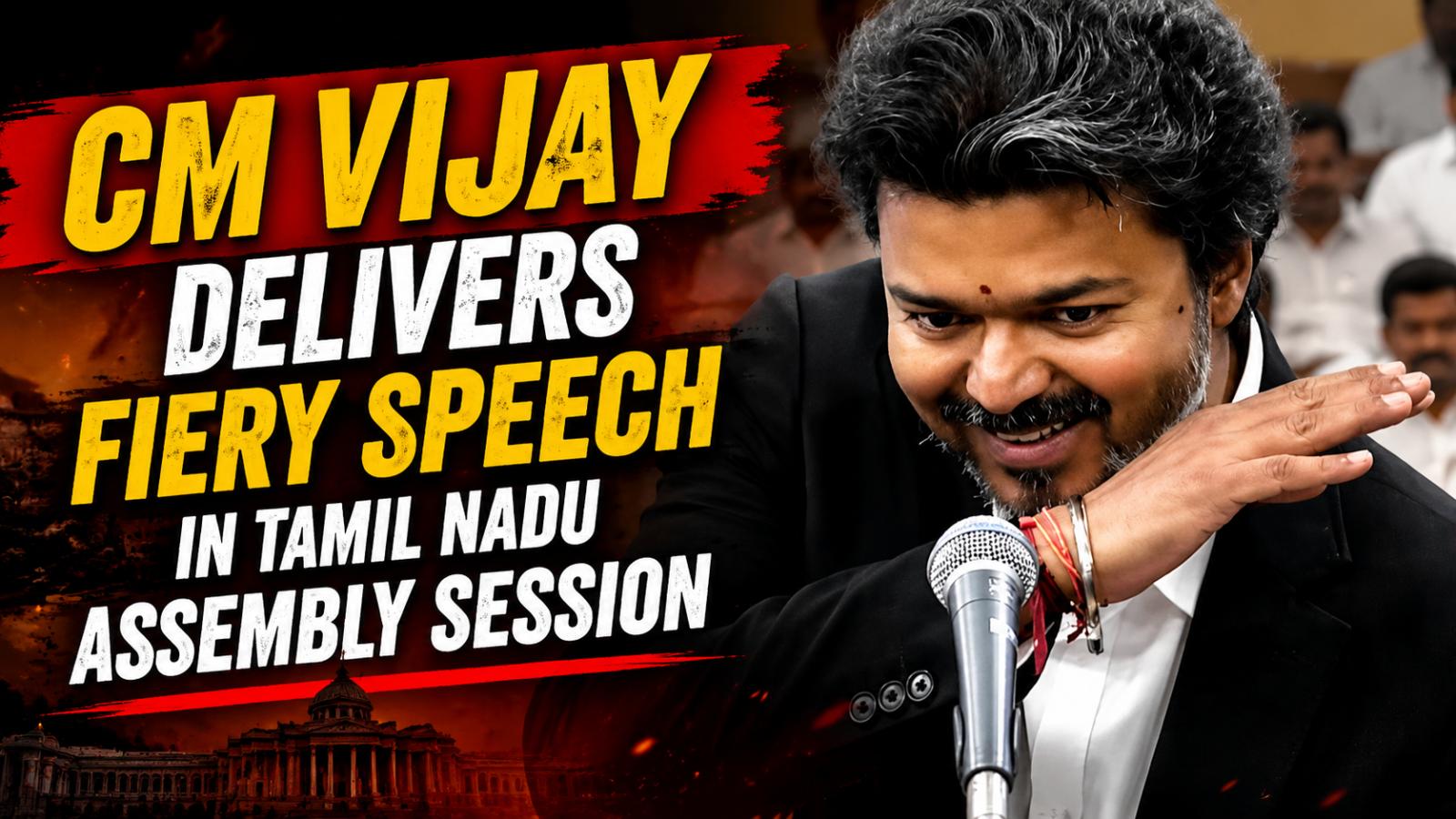
High-intensity Assembly session in Tamil Nadu
The Tamil Nadu Legislative Assembly witnessed a politically charged session on Tuesday as Chief Minister Vijay delivered a forceful address during the proceedings. The session saw heightened exchanges between the ruling party and the opposition DMK, with disruptions and sharp remarks marking the atmosphere inside the House.
According to proceedings, the Chief Minist
High-intensity Assembly session in Tamil Nadu
The Tamil Nadu Legislative Assembly witnessed a politically charged session on Tuesday as Chief Minister Vijay delivered a forceful address during the proceedings. The session saw heightened exchanges between the ruling party and the opposition DMK, with disruptions and sharp remarks marking the atmosphere inside the House.
According to proceedings, the Chief Minist