#indiadiplomacy
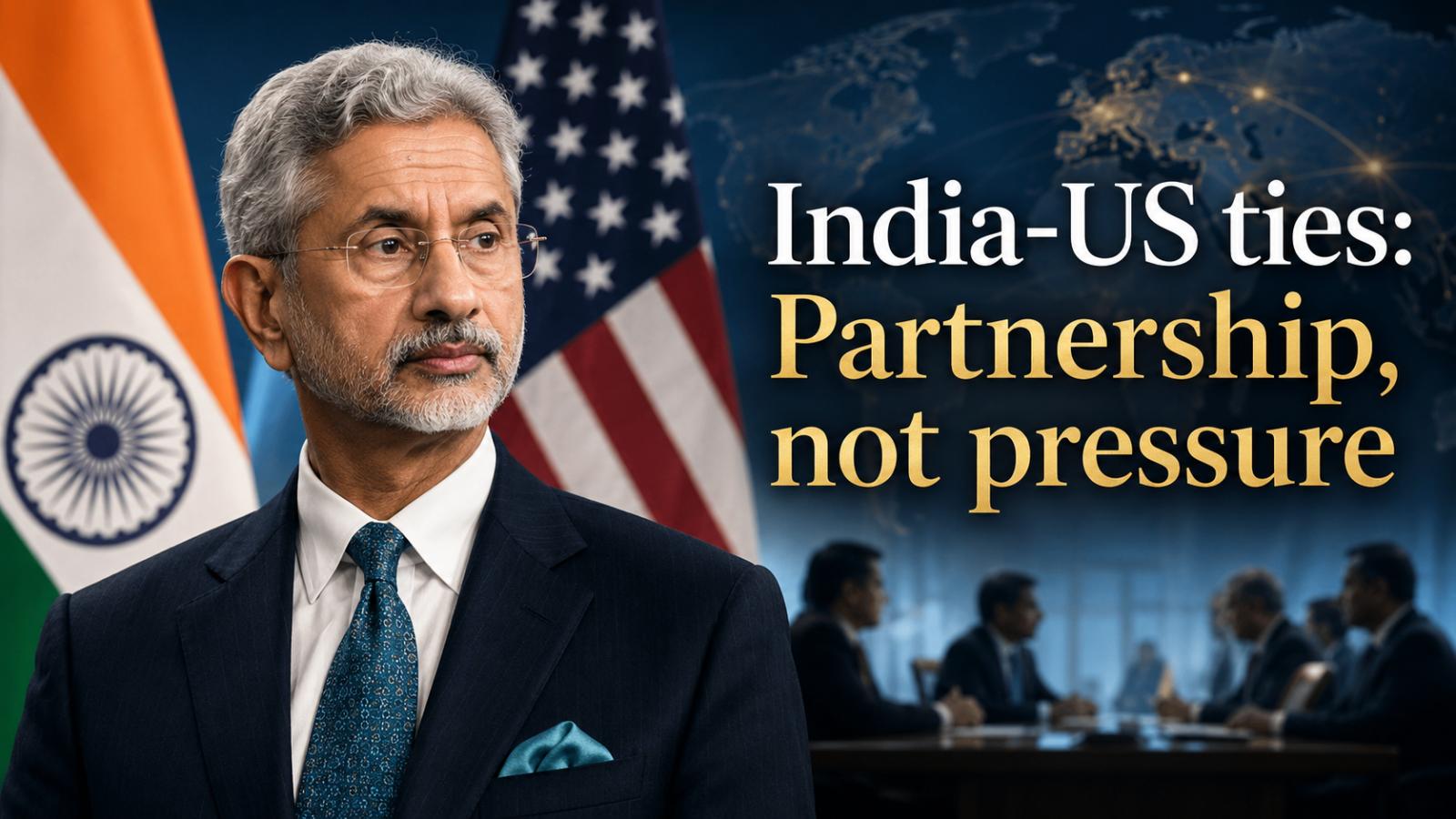
India-US relations: Jaishankar stresses partnership with dignity
India-US relations have become stronger and more important, but External Affairs Minister S. Jaishankar has made it clear that the partnership is not without challenges. His message is simple: India and America may have differences on trade, energy, diplomacy and global issues, but both countries must handle them maturely and keep the relationship moving forward. He sees the relationship as a serious strategic partnership based on shared interests, not as a one-sided friendship or dependence.
India-US relations: Jaishankar stresses partnership with dignity
India-US relations have become stronger and more important, but External Affairs Minister S. Jaishankar has made it clear that the partnership is not without challenges. His message is simple: India and America may have differences on trade, energy, diplomacy and global issues, but both countries must handle them maturely and keep the relationship moving forward. He sees the relationship as a serious strategic partnership based on shared interests, not as a one-sided friendship or dependence.
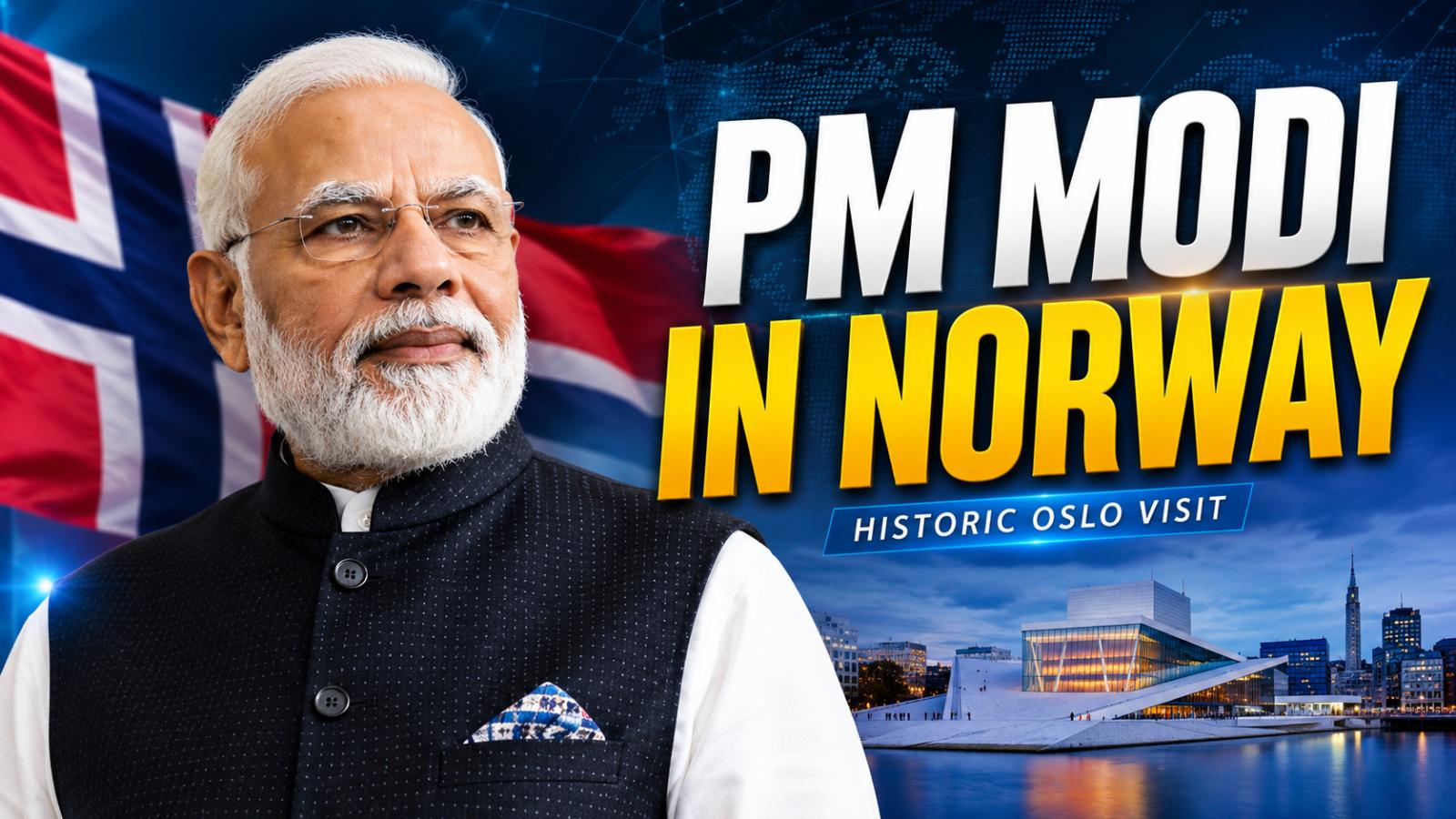
PM Modi Norway Visit: Oslo Talks, India-Nordic Summit and Historic 43-Year Milestone
Prime Minister Narendra Modi arrived in Oslo on Monday, May 18, for an official visit to Norway aimed at strengthening India-Norway relations and deepening India’s engagement with Nordic countries. The visit is significant because it marks PM Modi’s first trip to Norway and the first visit by an Indian Prime Minister to the country in 43 years. Norwegian Prime Minister Jonas Gahr Støre received PM Modi on his arrival, reflecting the importance both countries are giving to this
PM Modi Norway Visit: Oslo Talks, India-Nordic Summit and Historic 43-Year Milestone
Prime Minister Narendra Modi arrived in Oslo on Monday, May 18, for an official visit to Norway aimed at strengthening India-Norway relations and deepening India’s engagement with Nordic countries. The visit is significant because it marks PM Modi’s first trip to Norway and the first visit by an Indian Prime Minister to the country in 43 years. Norwegian Prime Minister Jonas Gahr Støre received PM Modi on his arrival, reflecting the importance both countries are giving to this
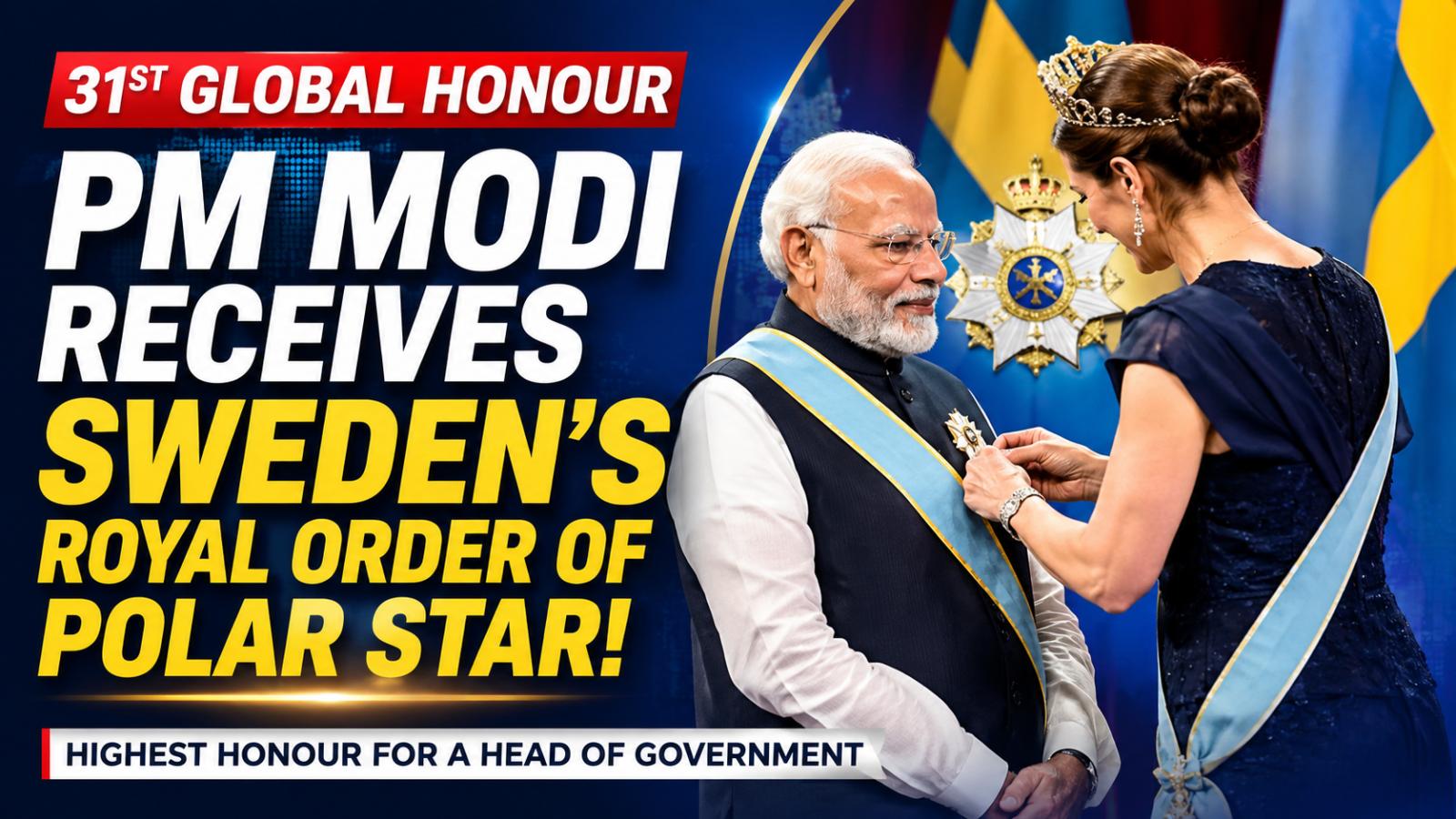
PM Narendra Modi Receives Sweden’s Royal Order Of Polar Star, 31st Global Honour
May 17, 2026, PM Modi received Sweden’s Royal Order of the Polar Star in Gothenburg, marking his 31st international honour. The award highlights stronger India-Sweden ties and recognises his role in boosting bilateral friendship, diplomacy and cooperation.
PM Narendra Modi Receives Sweden’s Royal Order Of Polar Star, 31st Global Honour
May 17, 2026, PM Modi received Sweden’s Royal Order of the Polar Star in Gothenburg, marking his 31st international honour. The award highlights stronger India-Sweden ties and recognises his role in boosting bilateral friendship, diplomacy and cooperation.
West Asia Crisis: Jaishankar Holds Key Talks with Qatar PM, UAE Foreign Minister
On April 5, 2026, Subrahmanyam Jaishankar held crucial telephonic discussions with Sheikh Mohammed bin Abdulrahman bin Jassim Al Thani and
West Asia Crisis: Jaishankar Holds Key Talks with Qatar PM, UAE Foreign Minister
On April 5, 2026, Subrahmanyam Jaishankar held crucial telephonic discussions with Sheikh Mohammed bin Abdulrahman bin Jassim Al Thani and
Modi Urges Diplomacy in Call with Iran President Amid Rising West Asia Tensions
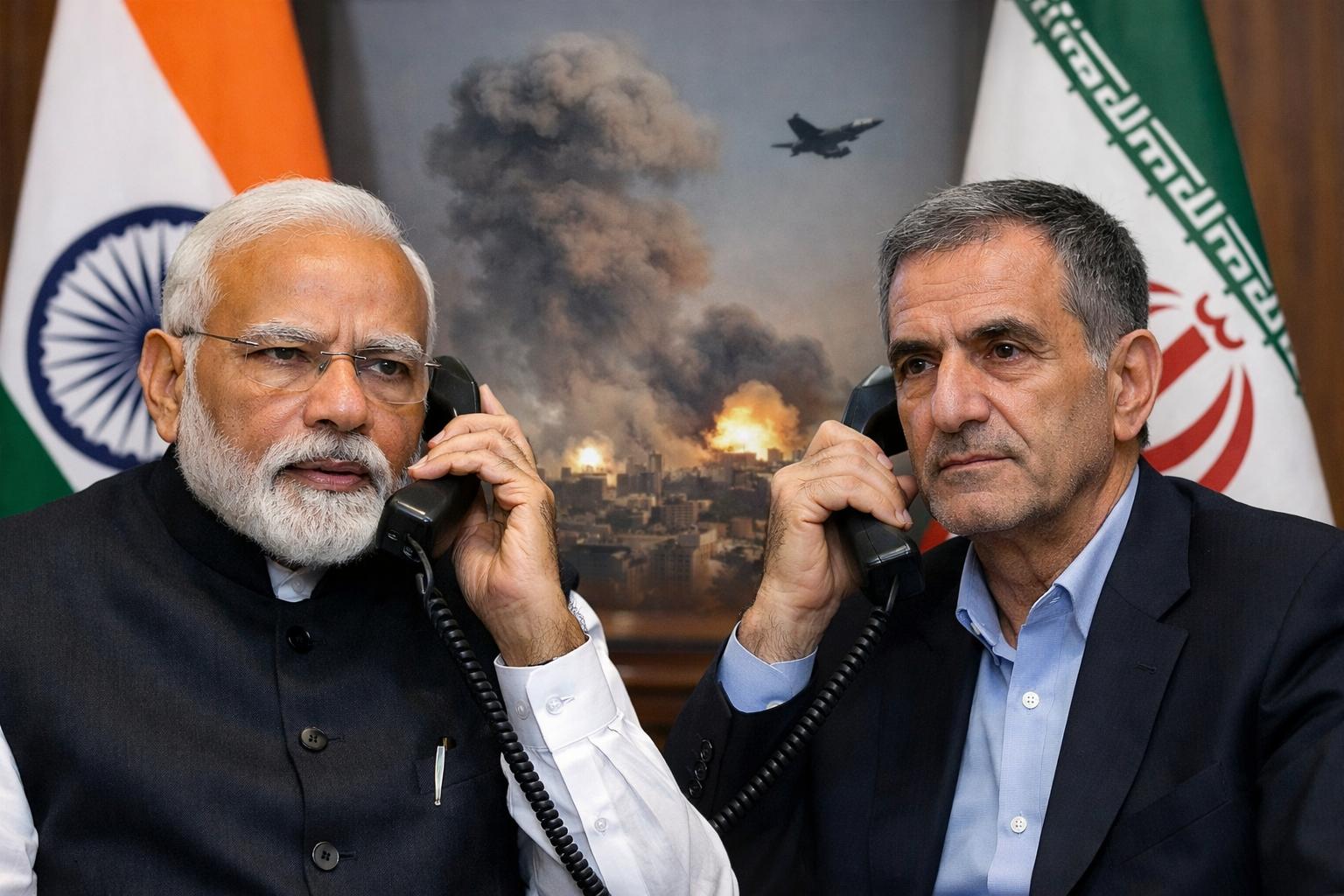
Prime Minister Narendra Modi on Thursday held a conversation with Iran’s President Masoud Pezeshkian and expressed deep concern over the escalating tensions in West Asia, highlighting the growing impact of the conflict on civilian lives and infrastructure. During the discussion, Modi emphasized the need for restraint and reiterated India’s long-standing position that dialogue and diplomacy remain the most effective path toward resolving regional disputes. According to the Prime
Modi Urges Diplomacy in Call with Iran President Amid Rising West Asia Tensions
Prime Minister Narendra Modi on Thursday held a conversation with Iran’s President Masoud Pezeshkian and expressed deep concern over the escalating tensions in West Asia, highlighting the growing impact of the conflict on civilian lives and infrastructure. During the discussion, Modi emphasized the need for restraint and reiterated India’s long-standing position that dialogue and diplomacy remain the most effective path toward resolving regional disputes. According to the Prime
Palestine seeks India’s support for peace and reconstruction amid West Asia tensions
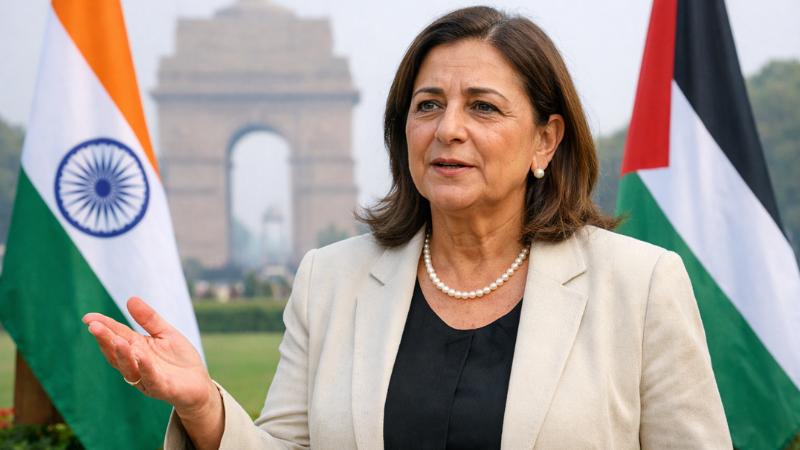
With renewed calls for peace, reconstruction, and an end to prolonged conflict, Dr. Varsen Aghabekian Shahin, Minister of Foreign Affairs and Expatriates of the State of Palestine, is on her first official visit to India. Speaking to journalists in New Delhi on Thursday, she stressed the urgency of achieving Palestinian statehood, arguing that lasting peace in West Asia cannot be realised without ending occupation and restoring sovereignty to the Palestinian people. Dr. Shahin highl
Palestine seeks India’s support for peace and reconstruction amid West Asia tensions
With renewed calls for peace, reconstruction, and an end to prolonged conflict, Dr. Varsen Aghabekian Shahin, Minister of Foreign Affairs and Expatriates of the State of Palestine, is on her first official visit to India. Speaking to journalists in New Delhi on Thursday, she stressed the urgency of achieving Palestinian statehood, arguing that lasting peace in West Asia cannot be realised without ending occupation and restoring sovereignty to the Palestinian people. Dr. Shahin highl
India rebukes New York mayor’s note to Umar Khalid, stresses judicial independence
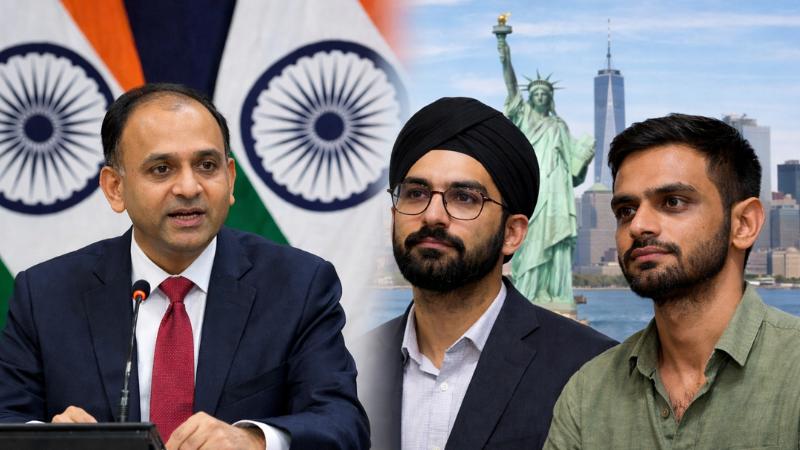
India on Friday issued a firm response to a message written by Zohran Mamdani, stating that elected representatives in democracies should respect the independence of judicial institutions in other countries and refrain from commenting on ongoing legal matters. The reaction followed the circulation of a handwritten note addressed to jailed activist Umar Khalid, who is accused in connection with the 2020 Delhi riots case. At a regular press briefing, the Ministry of External Affairs underscored that public office carries responsibilities that require restraint, particularly on sensitive judicial issues. Responding to questions on the matter, Randhir Jaiswal, spokesperson for the Ministry of External Affairs, said India expects public representatives to be respectful of the independence of the judiciary in other democracies. He added that expressing personal views or prejudices on such matters does not befit those holding public office and that attention should instead remain on the duties entrusted to them by their constituents. The remarks came after a photograph of the note written by Mamdani was shared publicly by a close associate of Khalid. The message, written on the day Mamdani was ceremonially sworn in as mayor of New York City, conveyed personal sentiments and support for Khalid. According to those familiar with the interaction, the note was handed to Khalid’s parents during their visit to the United States in December 2025. The development has drawn attention in India amid ongoing legal proceedings related to the violence that erupted in parts of the national capital in February 2020. Earlier this month, the Supreme Court of India declined to grant bail to Umar Khalid and Sharjeel Imam, observing that the two stood on a qualitatively different footing compared with other accused, given the nature of the allegations and the evidence cited by the prosecution. In the same order, the apex court granted bail to several other accused, including Gulfisha Fatima, Meeran Haider, Shifa Ur Rehman, Mohd Saleem Khan and Shadab Ahmad, noting that their alleged roles appeared limited in scope. The court, however, made it clear that similar relief could not be extended to Khalid and Imam at this stage. Officials indicated that India’s response was rooted in principle rather than politics, emphasizing the need for mutual respect among democratic institutions across borders. The government maintained that judicial processes in India are governed by law and evidence, and external commentary by foreign public figures on active cases is neither appropriate nor constructive. The episode has also highlighted the sensitivities surrounding international commentary on domestic legal matters, particularly in high-profile cases. Indian officials reiterated that while democratic societies value free expression, elected representatives are expected to exercise caution and uphold the norms of diplomatic and institutional respect when addressing issues beyond their jurisdiction.
India rebukes New York mayor’s note to Umar Khalid, stresses judicial independence
India on Friday issued a firm response to a message written by Zohran Mamdani, stating that elected representatives in democracies should respect the independence of judicial institutions in other countries and refrain from commenting on ongoing legal matters. The reaction followed the circulation of a handwritten note addressed to jailed activist Umar Khalid, who is accused in connection with the 2020 Delhi riots case. At a regular press briefing, the Ministry of External Affairs underscored that public office carries responsibilities that require restraint, particularly on sensitive judicial issues. Responding to questions on the matter, Randhir Jaiswal, spokesperson for the Ministry of External Affairs, said India expects public representatives to be respectful of the independence of the judiciary in other democracies. He added that expressing personal views or prejudices on such matters does not befit those holding public office and that attention should instead remain on the duties entrusted to them by their constituents. The remarks came after a photograph of the note written by Mamdani was shared publicly by a close associate of Khalid. The message, written on the day Mamdani was ceremonially sworn in as mayor of New York City, conveyed personal sentiments and support for Khalid. According to those familiar with the interaction, the note was handed to Khalid’s parents during their visit to the United States in December 2025. The development has drawn attention in India amid ongoing legal proceedings related to the violence that erupted in parts of the national capital in February 2020. Earlier this month, the Supreme Court of India declined to grant bail to Umar Khalid and Sharjeel Imam, observing that the two stood on a qualitatively different footing compared with other accused, given the nature of the allegations and the evidence cited by the prosecution. In the same order, the apex court granted bail to several other accused, including Gulfisha Fatima, Meeran Haider, Shifa Ur Rehman, Mohd Saleem Khan and Shadab Ahmad, noting that their alleged roles appeared limited in scope. The court, however, made it clear that similar relief could not be extended to Khalid and Imam at this stage. Officials indicated that India’s response was rooted in principle rather than politics, emphasizing the need for mutual respect among democratic institutions across borders. The government maintained that judicial processes in India are governed by law and evidence, and external commentary by foreign public figures on active cases is neither appropriate nor constructive. The episode has also highlighted the sensitivities surrounding international commentary on domestic legal matters, particularly in high-profile cases. Indian officials reiterated that while democratic societies value free expression, elected representatives are expected to exercise caution and uphold the norms of diplomatic and institutional respect when addressing issues beyond their jurisdiction.