








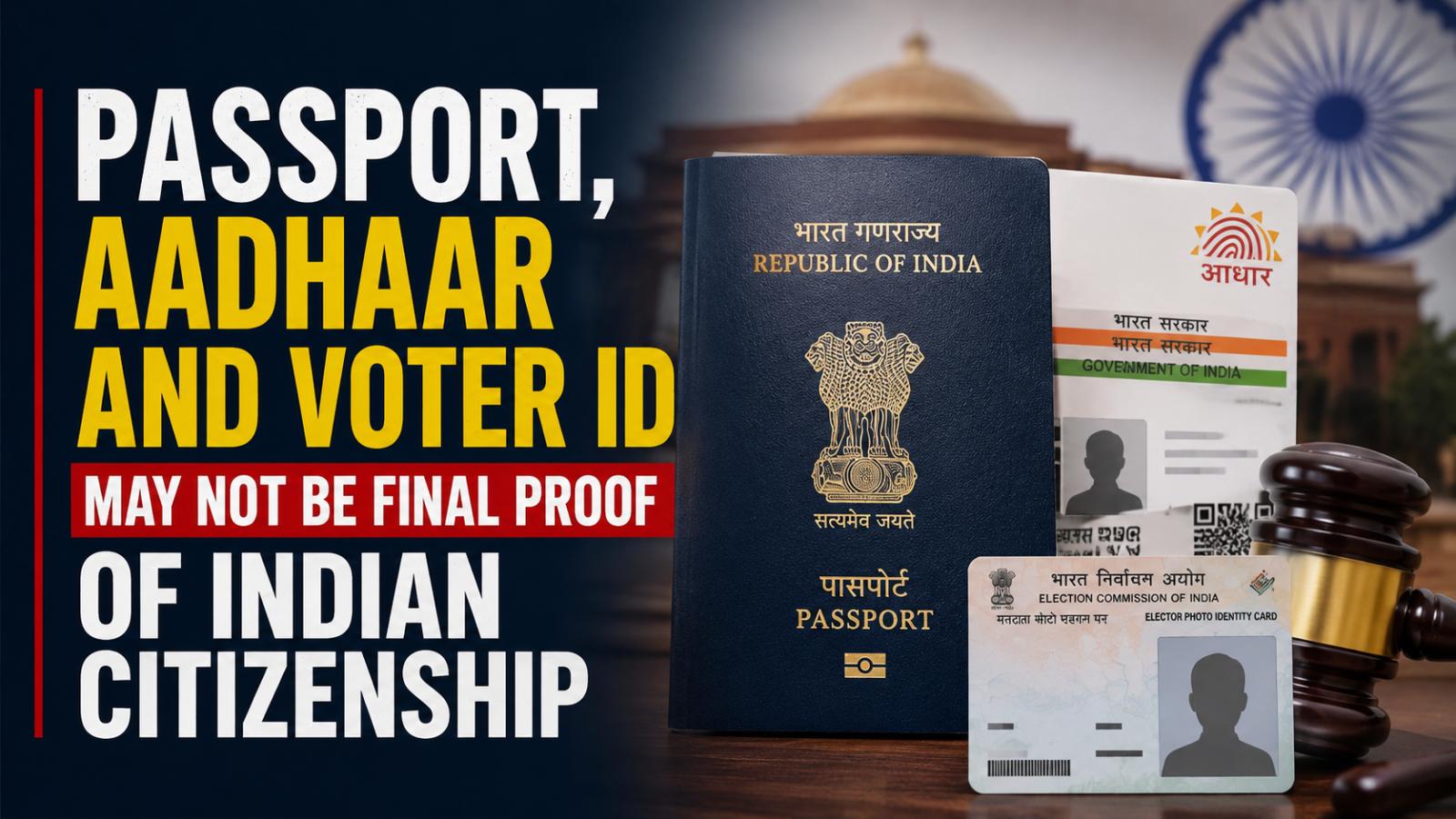

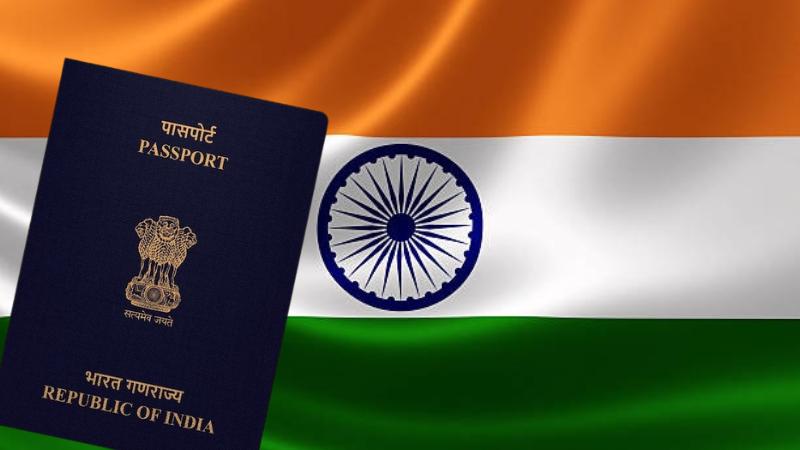












The recent clarification that an Indian passport is not legally considered conclusive proof of citizenship has sparked widespread discussion and confusion among citizens. For decades, passports, Aadhaar cards and voter ID cards have been widely accepted as the primary documents that establish a person's identity and nationality. However, under India's legal framework, these documents may not always serve as final proof of citizenship in certain legal or administrative si
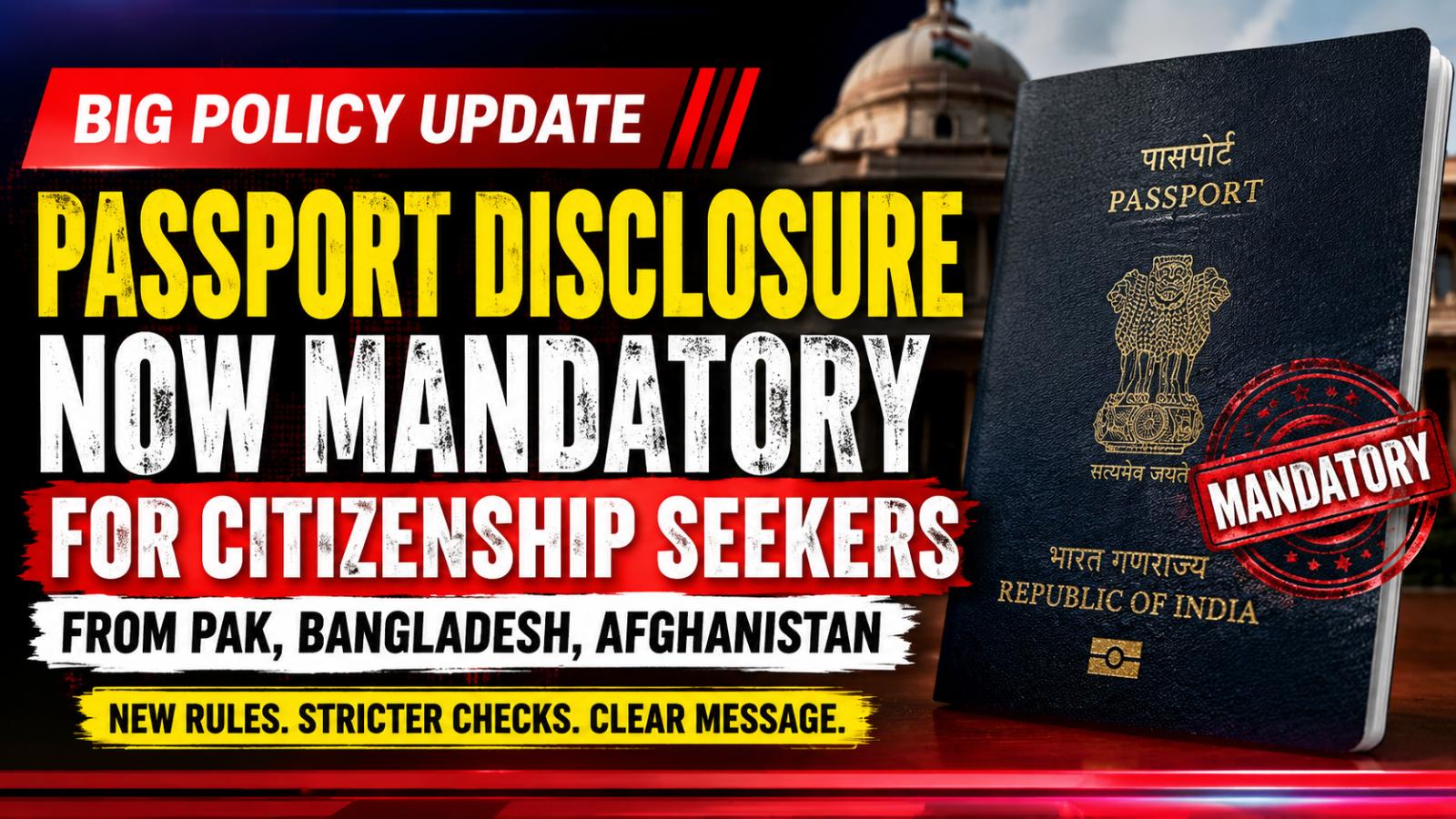
The Union Home Ministry has introduced a crucial amendment to the Citizenship Rules, 2009, impacting applicants from Pakistan, Afghanistan, and Bangladesh. As per a notification issued on May 18, 2026, individuals seeking Indian citizenship from these countries are now required to declare the status of their passports. The amendment introduces a provision specifying that applicants must not be in possession of a valid or expired passport issued by the governments of Pakistan, Afghanistan, or Ban
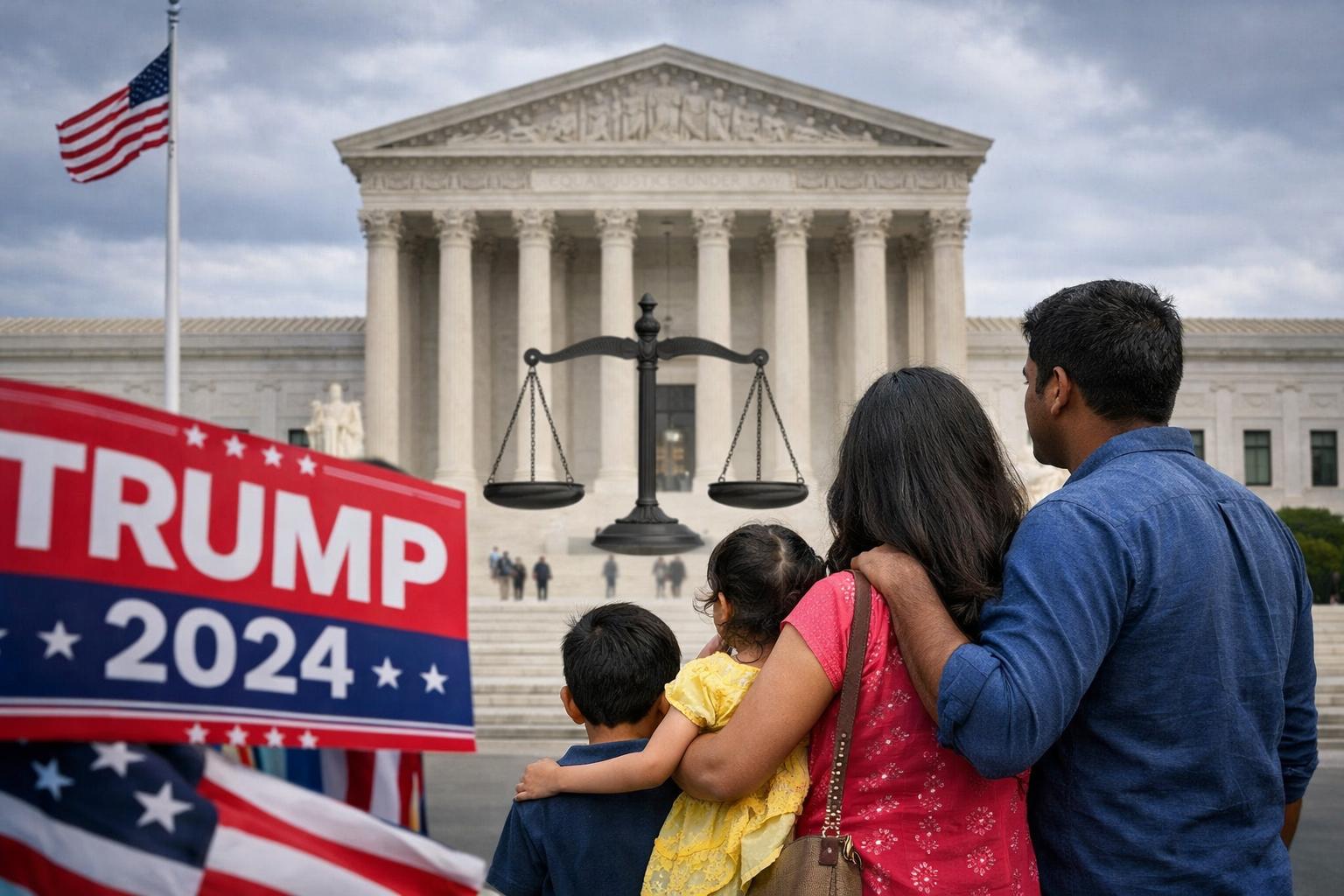
The U.S. Supreme Court is reviewing a contentious policy backed by President Donald Trump that seeks to limit birthright citizenship, prompting strong objections from South Asian advocacy organizations that warn of widespread legal and social consequences. In an amicus brief submitted to the court, a coalition led by the South Asian American Justice Collaborative argued that the proposed restrictions could leave thousands of children born in the United States effectively stateless, creating long
At 38, Delhi-born Shilpa Chaudhary has taken a path few imagine — trading a civilian routine for military fatigues in the United States Army. An Indian citizen and lawful permanent resident of the US, Chaudhary chose to serve the country that became her adopted home, reflecting both courage and complexity in an era where immigration debates remain deeply polarized. As a Green Card holder, Chaudhary was eligible to enlist under a long-standing US Department of Defense policy that a
Indians and other immigrants hoping to live and work legally in the United States will now face a new obstacle with the introduction of an anti Americanism screening. The policy, announced by the US Citizenship and Immigration Services, instructs immigration officers to evaluate whether green card applicants have ever endorsed, supported, or promoted anti American, antisemitic, or terrorist views. Officials argue that this screening is necessary to protect the
In a country where administrative processes and welfare programs are intertwined with identity documents, it is important to understand what truly serves as valid proof of Indian citizenship. While Aadhaar cards, PAN cards, and ration cards are commonly used to access government services and benefits, none of these documents definitively establish an individual’s citizenship. This has significant implications for legal status, access to constitutional rights, and eligibility for various
Former US President Donald Trump has announced a significant shift in US immigration policy, introducing the ‘Gold Card’ visa program, which allows Indian graduates from US universities to secure jobs and eventually gain citizenship. This move is seen as a major boost for international students, particularly those from India, who have often struggled with restrictive visa policies despite their high qualifications. The ‘Gold Card’ initiative, un