



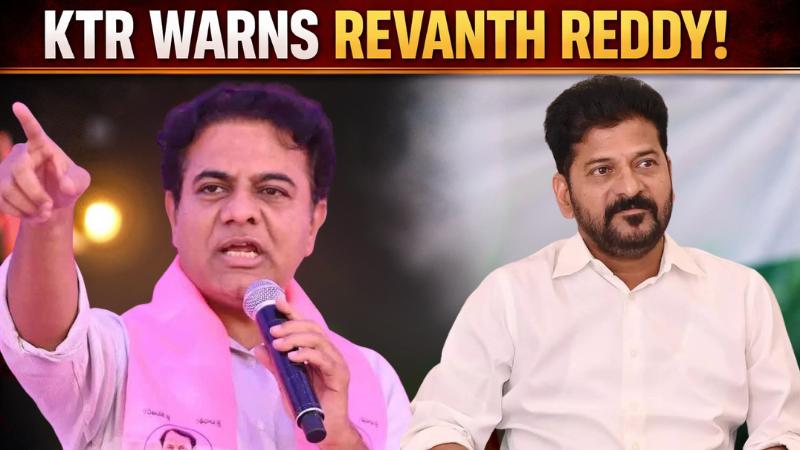
KTR Targets Revanth Reddy with Aggressive Remarks, Stirring Controversy in Telangana Politics
The political arena in Telangana has once again been marred by a fiery exchange between BRS working president KTR and Telangana Congress leader, Revanth Reddy. Known for their often vocal and charged confrontations, political leaders in Andhra Pradesh and Telangana have been engaging in increasingly aggressive verbal exchanges, and KTR’s latest remarks have once again brought the issue to the forefront. At a recent BRS roadshow, KTR used highly provocative language while discussing Revanth Reddy, openly mocking the Telangana chief minister. “Ee Revanth Reddy gaadu emi peekaledu… vaadoka pottodu, inthe untadu,” KTR said, referring to Revanth's height in a demeaning manner. His speech grew more intense when he added, “Orei pottoda (Revanth) inkosaari BRS vasthe neeku untadi ra… mamulga undadu,” further escalating the verbal clash. KTR also resorted to using terms like “Howlagaallu” and other derogatory words aimed at not just Revanth but also other Congress leaders. This aggressive and provocative language is becoming a defining feature of the political discourse in the region, as both KTR and Revanth have consistently made headlines for their charged and over-the-top rhetoric. While such exchanges may be seen as a tool for political one-upmanship, the increasingly hostile tone of their debates is raising concerns among the public. Some even argue that such language is inappropriate, especially in a family setting, as it may prompt parents to restrict their children's access to political discussions on TV due to the nature of the rhetoric. Using such language against a Chief Minister is widely considered regressive, and critics argue that it reflects poorly on the state’s political environment. As Telangana's political culture continues to be defined by such verbal spats, many hope for a shift toward more constructive and respectful dialogue. However, as things stand, the aggressive political equilibrium currently in play only seems to deepen divisions, setting a concerning precedent for the future of the state’s politics.
KTR Targets Revanth Reddy with Aggressive Remarks, Stirring Controversy in Telangana Politics
The political arena in Telangana has once again been marred by a fiery exchange between BRS working president KTR and Telangana Congress leader, Revanth Reddy. Known for their often vocal and charged confrontations, political leaders in Andhra Pradesh and Telangana have been engaging in increasingly aggressive verbal exchanges, and KTR’s latest remarks have once again brought the issue to the forefront. At a recent BRS roadshow, KTR used highly provocative language while discussing Revanth Reddy, openly mocking the Telangana chief minister. “Ee Revanth Reddy gaadu emi peekaledu… vaadoka pottodu, inthe untadu,” KTR said, referring to Revanth's height in a demeaning manner. His speech grew more intense when he added, “Orei pottoda (Revanth) inkosaari BRS vasthe neeku untadi ra… mamulga undadu,” further escalating the verbal clash. KTR also resorted to using terms like “Howlagaallu” and other derogatory words aimed at not just Revanth but also other Congress leaders. This aggressive and provocative language is becoming a defining feature of the political discourse in the region, as both KTR and Revanth have consistently made headlines for their charged and over-the-top rhetoric. While such exchanges may be seen as a tool for political one-upmanship, the increasingly hostile tone of their debates is raising concerns among the public. Some even argue that such language is inappropriate, especially in a family setting, as it may prompt parents to restrict their children's access to political discussions on TV due to the nature of the rhetoric. Using such language against a Chief Minister is widely considered regressive, and critics argue that it reflects poorly on the state’s political environment. As Telangana's political culture continues to be defined by such verbal spats, many hope for a shift toward more constructive and respectful dialogue. However, as things stand, the aggressive political equilibrium currently in play only seems to deepen divisions, setting a concerning precedent for the future of the state’s politics.
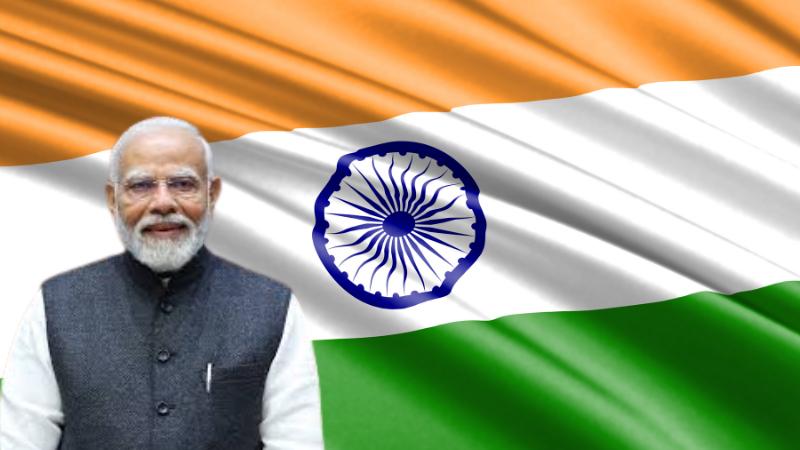
Modi, Ramgoolam discuss India–Mauritius ties and Indian Ocean stability
Prime Minister Narendra Modi on Monday held a telephone conversation with Mauritian Prime Minister Dr Navinchandra Ramgoolam, during which both leaders reaffirmed their commitment to deepening the special and historic relationship between India and Mauritius. The discussion focused on strengthening bilateral ties, expanding development cooperation, and ensuring peace and stability in the Indian Ocean Region, underscoring the strategic significance of the island nation in India’s foreign pol
Modi, Ramgoolam discuss India–Mauritius ties and Indian Ocean stability
Prime Minister Narendra Modi on Monday held a telephone conversation with Mauritian Prime Minister Dr Navinchandra Ramgoolam, during which both leaders reaffirmed their commitment to deepening the special and historic relationship between India and Mauritius. The discussion focused on strengthening bilateral ties, expanding development cooperation, and ensuring peace and stability in the Indian Ocean Region, underscoring the strategic significance of the island nation in India’s foreign pol
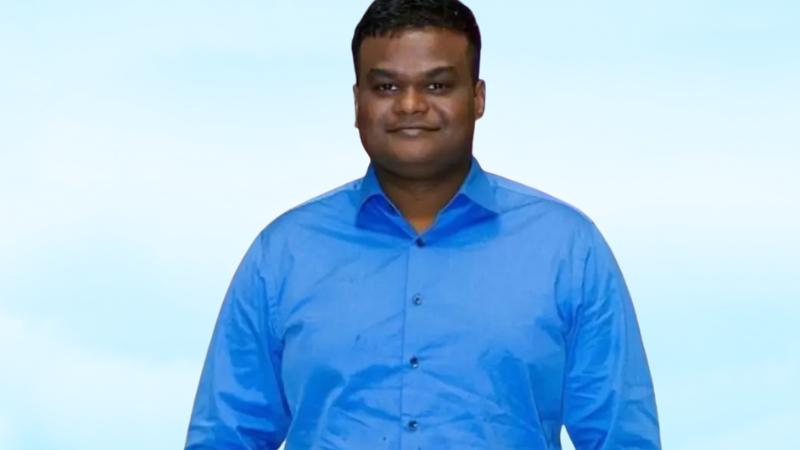
Indian-origin tech professional killed in targeted Toronto parking lot shooting
A 37-year-old Indian-origin information technology professional was killed after unidentified assailants opened fire on the vehicle he was travelling in at a shopping centre parking lot in Toronto, according to Canadian police officials. The victim, identified as Chandan Kumar, hailed from Bengaluru Rural district in Karnataka and had been living in Canada for the past six years while working with a private technology company. The incident occurred on Saturday, February 7, when poli
Indian-origin tech professional killed in targeted Toronto parking lot shooting
A 37-year-old Indian-origin information technology professional was killed after unidentified assailants opened fire on the vehicle he was travelling in at a shopping centre parking lot in Toronto, according to Canadian police officials. The victim, identified as Chandan Kumar, hailed from Bengaluru Rural district in Karnataka and had been living in Canada for the past six years while working with a private technology company. The incident occurred on Saturday, February 7, when poli
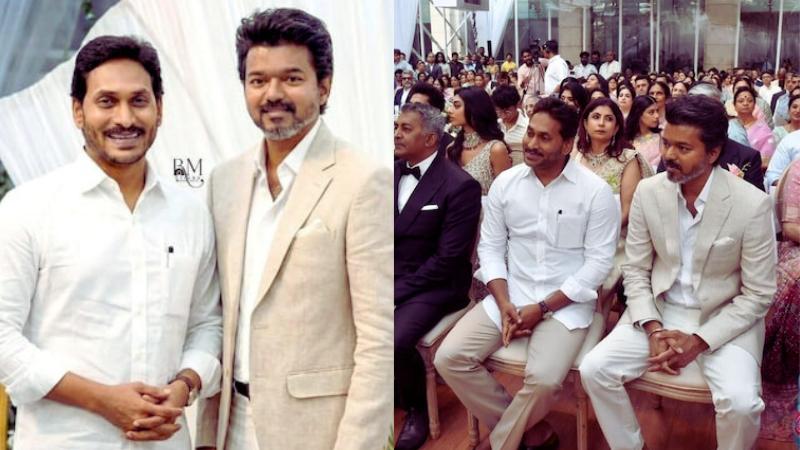
Amid Jana Nayagan Row, Vijay Attends Chennai Wedding With Jagan Reddy
Amid mounting uncertainty surrounding his much-anticipated film Jana Nayagan, actor-turned-politician Vijay made a notable public appearance at a high-profile wedding in Chennai on Sunday, drawing widespread attention from fans and political observers alike. The appearance comes at a time when speculation continues to swirl around both the film’s delayed release and Vijay’s political future in T
Amid Jana Nayagan Row, Vijay Attends Chennai Wedding With Jagan Reddy
Amid mounting uncertainty surrounding his much-anticipated film Jana Nayagan, actor-turned-politician Vijay made a notable public appearance at a high-profile wedding in Chennai on Sunday, drawing widespread attention from fans and political observers alike. The appearance comes at a time when speculation continues to swirl around both the film’s delayed release and Vijay’s political future in T
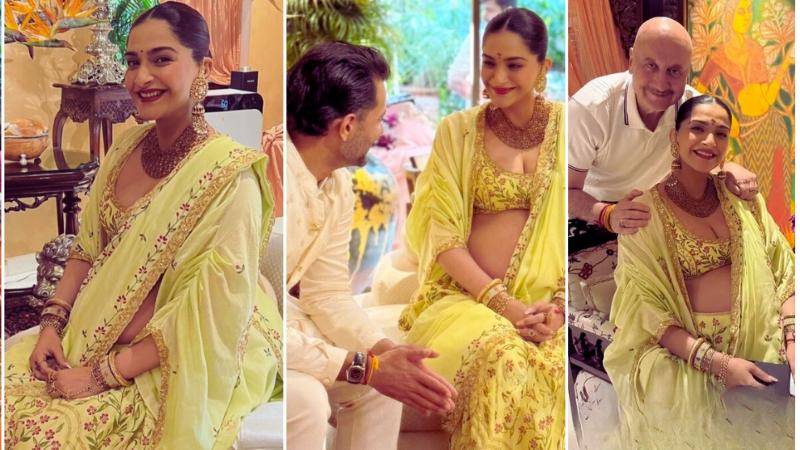
Sonam Kapoor’s Baby Shower Look Redefines Effortless Indianwear
Actor Sonam Kapoor marked her baby shower with signature elegance, hosting an intimate godh bharai ceremony at her Mumbai residence as she awaits her second child with husband Anand Ahuja. Known for setting fashion benchmarks, Sonam once again demonstrated how maternity style can be both rooted in tradition and refreshingly modern. The celebration was thoughtfully curated, reflecting Sonam’s preference for understated luxury over extravagance. Surrounded by close friends, family,
Sonam Kapoor’s Baby Shower Look Redefines Effortless Indianwear
Actor Sonam Kapoor marked her baby shower with signature elegance, hosting an intimate godh bharai ceremony at her Mumbai residence as she awaits her second child with husband Anand Ahuja. Known for setting fashion benchmarks, Sonam once again demonstrated how maternity style can be both rooted in tradition and refreshingly modern. The celebration was thoughtfully curated, reflecting Sonam’s preference for understated luxury over extravagance. Surrounded by close friends, family,
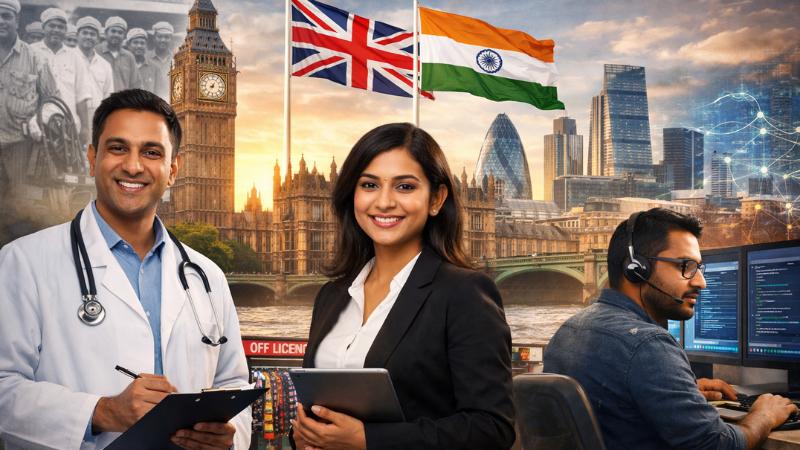
Report charts Indian migration waves shaping UK economy and tech sector
A new white paper has underscored the deep and lasting contribution of the Indian diaspora to modern Britain, describing the community as the country’s most economically successful migrant group and a central force in national growth. The report, launched at the House of Lords on 5 February, traces decades of migration and documents how successive generations of Indian migrants have supported Britain’s recovery, innovation and competitiveness across multiple sectors of the economy.
Report charts Indian migration waves shaping UK economy and tech sector
A new white paper has underscored the deep and lasting contribution of the Indian diaspora to modern Britain, describing the community as the country’s most economically successful migrant group and a central force in national growth. The report, launched at the House of Lords on 5 February, traces decades of migration and documents how successive generations of Indian migrants have supported Britain’s recovery, innovation and competitiveness across multiple sectors of the economy.
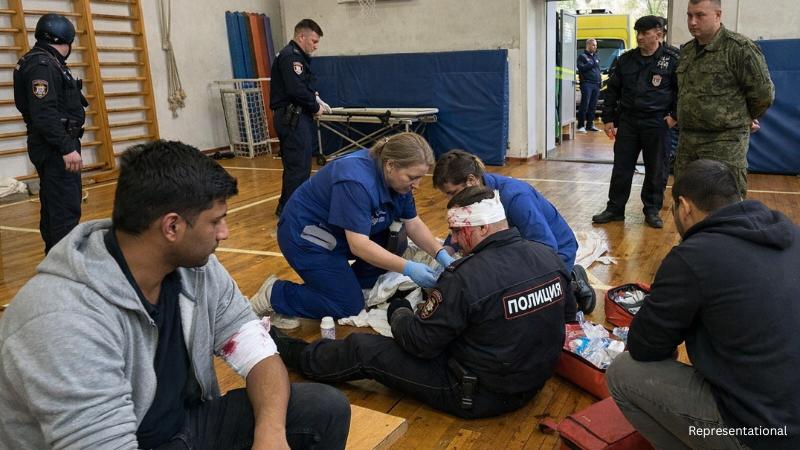
Six injured in knife attack at Ufa university hostel, four Indian students among victims
More than six people, including four Indian students and two police officers, were injured after a knife attack inside a foreign students’ hostel at a state medical university in Ufa, Russia, on Saturday, authorities said. The incident unfolded in the sports hall area of the dormitory when a teenage suspect allegedly entered the premises armed with a knife and began attacking those present, prompting an emergency response from law enforcement and medical teams. According to Russia’s Interior Ministry, the assailant forced his way into the hostel building and targeted students inside the hall. The situation escalated quickly as officers attempted to restrain and detain the suspect. During the arrest operation, the teenager reportedly resisted and stabbed two police officers before inflicting injuries on himself. Both officers sustained wounds while attempting to control the attacker, highlighting the volatility of the encounter. Officials have not immediately released the names or nationalities of all those injured, though early information confirmed that four Indian students were among the victims. The injured individuals were transported to nearby medical facilities for treatment. Local reports indicated that the students and officers were admitted to a clinical hospital in the city, while the 15-year-old suspect was taken to a children’s hospital and remains in serious condition. The motive behind the knife attack remains under investigation, and authorities are continuing to gather evidence and question witnesses to determine the circumstances leading up to the violence. Security has been tightened around the university campus and residential areas as a precaution, and police are reviewing surveillance footage from the hostel. The Indian Embassy in Russia confirmed the incident and said it is closely coordinating with local authorities to ensure assistance for the affected students. In a statement, the embassy said officials from its consulate in Kazan are traveling to Ufa to provide on-ground support, medical assistance, and consular help to those injured. The embassy described the episode as unfortunate and assured that it is monitoring the situation closely. The university administration has yet to issue a detailed statement, but sources indicated that counseling and support services may be offered to students shaken by the incident. The attack has raised concerns about campus safety and the security of international students living in hostels, prompting calls for strengthened measures to prevent similar incidents. As investigations continue, authorities are expected to provide further updates on the condition of the injured and the legal proceedings involving the suspect.
Six injured in knife attack at Ufa university hostel, four Indian students among victims
More than six people, including four Indian students and two police officers, were injured after a knife attack inside a foreign students’ hostel at a state medical university in Ufa, Russia, on Saturday, authorities said. The incident unfolded in the sports hall area of the dormitory when a teenage suspect allegedly entered the premises armed with a knife and began attacking those present, prompting an emergency response from law enforcement and medical teams. According to Russia’s Interior Ministry, the assailant forced his way into the hostel building and targeted students inside the hall. The situation escalated quickly as officers attempted to restrain and detain the suspect. During the arrest operation, the teenager reportedly resisted and stabbed two police officers before inflicting injuries on himself. Both officers sustained wounds while attempting to control the attacker, highlighting the volatility of the encounter. Officials have not immediately released the names or nationalities of all those injured, though early information confirmed that four Indian students were among the victims. The injured individuals were transported to nearby medical facilities for treatment. Local reports indicated that the students and officers were admitted to a clinical hospital in the city, while the 15-year-old suspect was taken to a children’s hospital and remains in serious condition. The motive behind the knife attack remains under investigation, and authorities are continuing to gather evidence and question witnesses to determine the circumstances leading up to the violence. Security has been tightened around the university campus and residential areas as a precaution, and police are reviewing surveillance footage from the hostel. The Indian Embassy in Russia confirmed the incident and said it is closely coordinating with local authorities to ensure assistance for the affected students. In a statement, the embassy said officials from its consulate in Kazan are traveling to Ufa to provide on-ground support, medical assistance, and consular help to those injured. The embassy described the episode as unfortunate and assured that it is monitoring the situation closely. The university administration has yet to issue a detailed statement, but sources indicated that counseling and support services may be offered to students shaken by the incident. The attack has raised concerns about campus safety and the security of international students living in hostels, prompting calls for strengthened measures to prevent similar incidents. As investigations continue, authorities are expected to provide further updates on the condition of the injured and the legal proceedings involving the suspect.
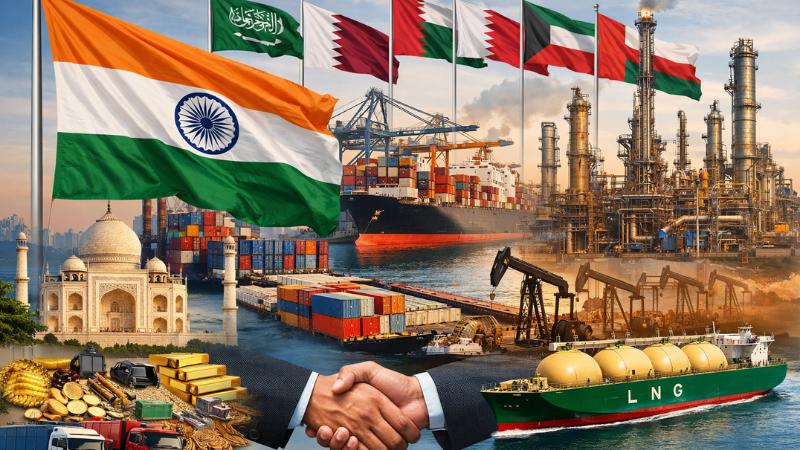
Gulf Nations: India's Next Big Trade Market, Mega FTA Deal in Progress
India's relationship with the Gulf Cooperation Council (GCC) nations is evolving into a major trade partnership. In 2024-25, the bilateral trade between India and the six-nation bloc reached a substantial $179 billion, driven by strong exports such as gems, metals, electronics, and chemicals. With an existing free trade pact with the UAE since 2022, and a recent agreement with Oman, India is now focused on formalizing a comprehensive free trade agreement (FTA) with the GCC. This new agreement
Gulf Nations: India's Next Big Trade Market, Mega FTA Deal in Progress
India's relationship with the Gulf Cooperation Council (GCC) nations is evolving into a major trade partnership. In 2024-25, the bilateral trade between India and the six-nation bloc reached a substantial $179 billion, driven by strong exports such as gems, metals, electronics, and chemicals. With an existing free trade pact with the UAE since 2022, and a recent agreement with Oman, India is now focused on formalizing a comprehensive free trade agreement (FTA) with the GCC. This new agreement
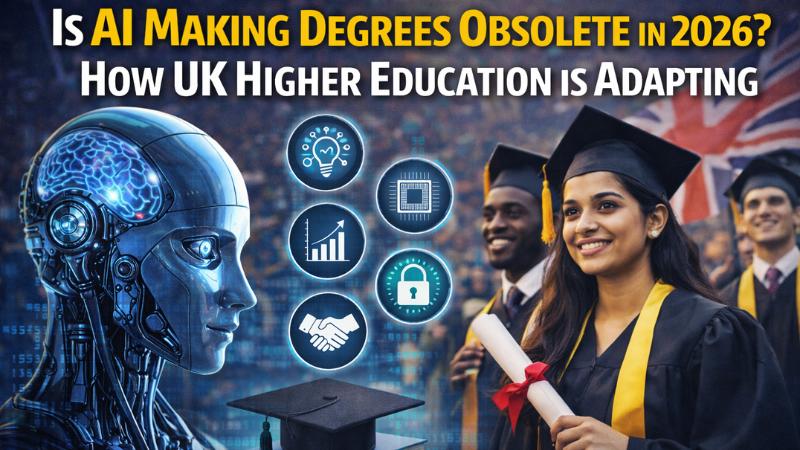
Is AI Making Degrees Obsolete in 2026? How UK Higher Education is Adapting
As artificial intelligence (AI) reshapes industries and job markets, higher education, especially in the UK, is undergoing a transformation to adapt to new skill demands. In 2026, universities are increasingly focusing on practical skills and AI literacy to ensure graduates are ready for the workforce. This shift away from traditional degrees is a response to the growing need for hybrid capabilities that blend human insight with machine intelligence. The UK, in particular, faces a r
Is AI Making Degrees Obsolete in 2026? How UK Higher Education is Adapting
As artificial intelligence (AI) reshapes industries and job markets, higher education, especially in the UK, is undergoing a transformation to adapt to new skill demands. In 2026, universities are increasingly focusing on practical skills and AI literacy to ensure graduates are ready for the workforce. This shift away from traditional degrees is a response to the growing need for hybrid capabilities that blend human insight with machine intelligence. The UK, in particular, faces a r
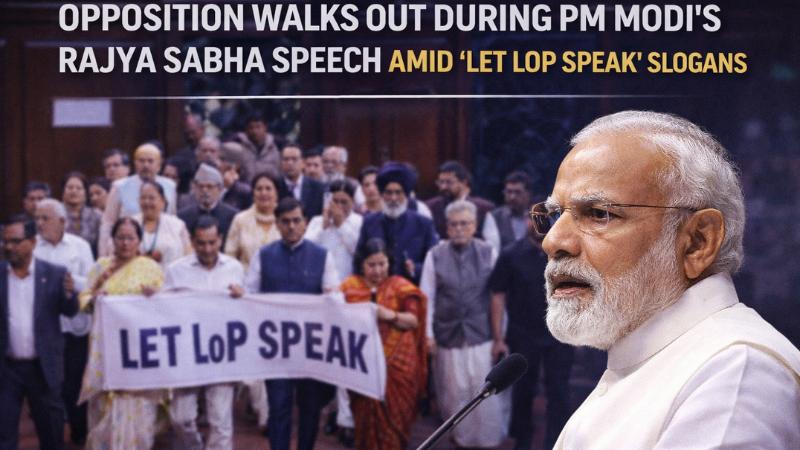
Opposition Walks Out During PM Modi’s Rajya Sabha Speech Amid Let LoP Speak Slogans
The ongoing standoff between the government and the Opposition took a new turn as the Congress-led Opposition staged a walkout from the Rajya Sabha on Thursday. The protest erupted as Prime Minister Narendra Modi continued his speech on the Motion of Thanks to the President’s address. The Opposition, led by Mallikarjun Kharge, demanded that Leader of the Opposition (LoP) in the Lok Sabha, Rahul Gandhi, be allowed to speak, especially after the Lok Sabha Speaker’s refusal to let Gandhi quote
Opposition Walks Out During PM Modi’s Rajya Sabha Speech Amid Let LoP Speak Slogans
The ongoing standoff between the government and the Opposition took a new turn as the Congress-led Opposition staged a walkout from the Rajya Sabha on Thursday. The protest erupted as Prime Minister Narendra Modi continued his speech on the Motion of Thanks to the President’s address. The Opposition, led by Mallikarjun Kharge, demanded that Leader of the Opposition (LoP) in the Lok Sabha, Rahul Gandhi, be allowed to speak, especially after the Lok Sabha Speaker’s refusal to let Gandhi quote
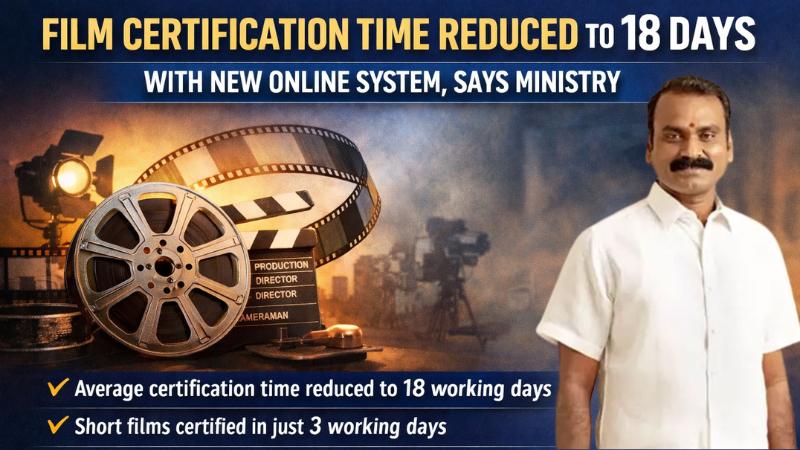
Film Certification Time Reduced to 18 Days with New Online System, Says Ministry
The Ministry of Information and Broadcasting announced that the average time taken for the certification of feature films has been reduced to just 18 working days, thanks to the introduction of the Online Certificate System. Minister L Murugan shared this information in response to a question raised by Priyanka Gandhi Vadra in the Lok Sabha. This reduction marks a significant improvement in the efficiency of the film certification process, which was previously subject to a 48-day prescribed t
Film Certification Time Reduced to 18 Days with New Online System, Says Ministry
The Ministry of Information and Broadcasting announced that the average time taken for the certification of feature films has been reduced to just 18 working days, thanks to the introduction of the Online Certificate System. Minister L Murugan shared this information in response to a question raised by Priyanka Gandhi Vadra in the Lok Sabha. This reduction marks a significant improvement in the efficiency of the film certification process, which was previously subject to a 48-day prescribed t
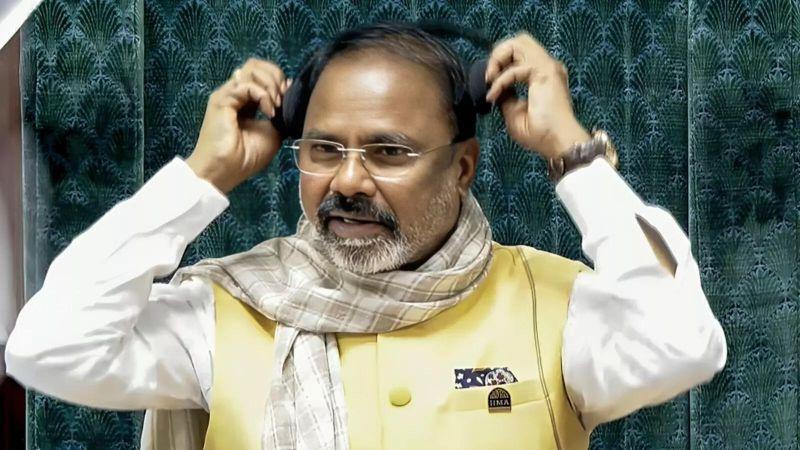
TDP MP Krishna Prasad Tenneti Goes Viral for Strong Stand in Parliament
The Telugu Desam Party once again found itself at the centre of national attention after one of its newly elected Members of Parliament delivered a commanding performance in the Lok Sabha. Krishna Prasad Tenneti, a first-time MP from Bapatla, went viral on social media after firmly handling a tense situation on the floor of Parliament. The incident highlighted the party’s long-standing tradition o
TDP MP Krishna Prasad Tenneti Goes Viral for Strong Stand in Parliament
The Telugu Desam Party once again found itself at the centre of national attention after one of its newly elected Members of Parliament delivered a commanding performance in the Lok Sabha. Krishna Prasad Tenneti, a first-time MP from Bapatla, went viral on social media after firmly handling a tense situation on the floor of Parliament. The incident highlighted the party’s long-standing tradition o
Historic Moment: Mamata Banerjee Argues Case in Supreme Court
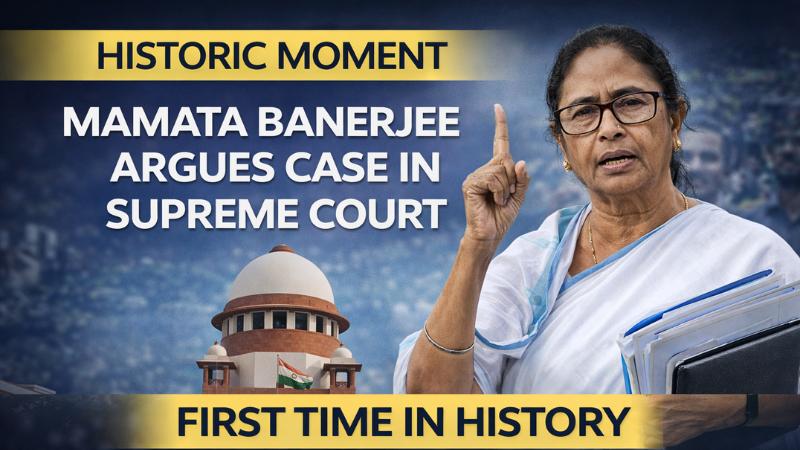
For the first time in Indian history, a sitting Chief Minister will argue a case in the Supreme Court. Mamata Banerjee, the Chief Minister of West Bengal, is set to make history by appearing in person to argue a case before the country’s highest court. The case involves the Special Intensive Revision (SIR) of electoral rolls in West Bengal, a topic that has stirred significant political debate in the state. Mamata Banerjee’s appearance in the Supreme Court as a "party in person"
Historic Moment: Mamata Banerjee Argues Case in Supreme Court
For the first time in Indian history, a sitting Chief Minister will argue a case in the Supreme Court. Mamata Banerjee, the Chief Minister of West Bengal, is set to make history by appearing in person to argue a case before the country’s highest court. The case involves the Special Intensive Revision (SIR) of electoral rolls in West Bengal, a topic that has stirred significant political debate in the state. Mamata Banerjee’s appearance in the Supreme Court as a "party in person"
Tragic Deaths of Three Ghaziabad Sisters Linked to Korean Gaming App Addiction
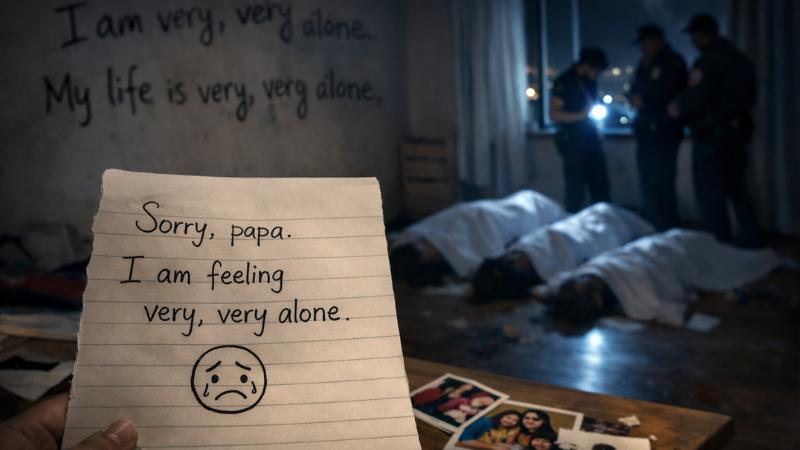
The tragic deaths of three sisters in Ghaziabad, Uttar Pradesh, have raised serious concerns about the influence of online gaming on young minds. The sisters, aged 12, 14, and 16, tragically ended their lives by jumping from the ninth floor of their residential building in the early hours of February 4, 2026. The girls were reportedly addicted to a task-based Korean gaming app, which assigned them a series of challenges to complete. According to their father, Chetan Kumar, he had no knowledge
Tragic Deaths of Three Ghaziabad Sisters Linked to Korean Gaming App Addiction
The tragic deaths of three sisters in Ghaziabad, Uttar Pradesh, have raised serious concerns about the influence of online gaming on young minds. The sisters, aged 12, 14, and 16, tragically ended their lives by jumping from the ninth floor of their residential building in the early hours of February 4, 2026. The girls were reportedly addicted to a task-based Korean gaming app, which assigned them a series of challenges to complete. According to their father, Chetan Kumar, he had no knowledge
ISRO rules out sabotage amid repeated strategic mission failures
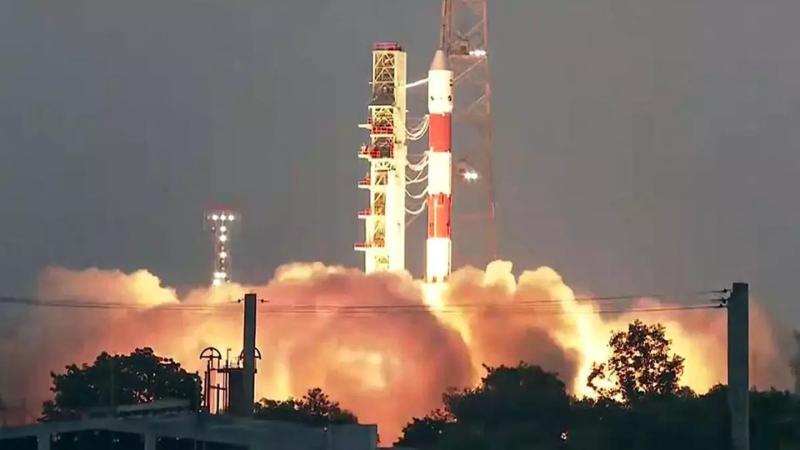
India’s Space Minister Dr. Jitendra Singh has said that there is no indication of sabotage behind a series of recent failures involving the Indian Space Research Organisation, even as repeated setbacks to strategic missions have triggered concern within policy and defence circles. The remarks come after three out of six ISRO missions launched from Indian soil over the past year failed, all of them linked to national security and strategic objectives. Speaking at a press briefing in New Delhi, Dr. Singh said that no report pointing to sabotage has been received so far. He clarified that while he is responsible for overseeing space launches, investigations related to sabotage or hostile interference fall under the purview of other ministries such as defence, home affairs, or external affairs. The minister added that, as of now, there is no information to suggest external interference in the recent launch failures. The comments follow two rare back-to-back mid-flight failures of ISRO’s Polar Satellite Launch Vehicle, a rocket that has long been considered the agency’s most dependable platform. Over a 33-year operational history, the PSLV had suffered only four major failures prior to 2025. The failures in May 2025 and January 2026, both occurring during the third stage of flight, have therefore raised serious questions about reliability and corrective action. Dr. Singh addressed public speculation that ISRO may have failed to rectify earlier faults, stating that the two PSLV failures had different technical causes despite occurring at the same stage. He expressed confidence in ISRO’s internal failure appraisal process, describing it as thorough and analytical. Traditionally, ISRO has publicly released summaries of mission failure analyses, contributing to its image as a transparent space agency. However, in recent cases, that practice has not been consistently followed. The failure analysis report of the PSLV-C61 mission in May 2025 was submitted to the Prime Minister’s Office but not released publicly. Similarly, no detailed technical update has been shared regarding the PSLV-C62 failure in January 2026 beyond ministerial statements. January 2026 – PSLV-C62 / EOS-N1 The PSLV-C62 mission on January 12, 2026, was ISRO’s first launch of the year and marked the PSLV’s return to flight after a setback in May 2025. The primary payload was EOS-N1, also known as Anvesha, a hyperspectral Earth observation satellite developed by the Defence Research and Development Organisation. The satellite was designed to operate at an altitude of 511 kilometres and provide advanced material identification capabilities by analysing reflected light across multiple wavelengths. The mission also carried 15 co-passenger satellites. A mid-flight failure during the third stage of the PSLV resulted in the loss of the rocket and all onboard satellites, ending the mission prematurely. May 2025 – PSLV-C61 / EOS-09 On May 18, 2025, ISRO’s PSLV-C61 mission failed approximately six minutes after liftoff. According to ISRO officials, performance was normal up to the second stage before an anomaly was observed during third-stage operation. The EOS-09 satellite, a radar imaging platform capable of all-weather, day-and-night surveillance, was lost along with the launch vehicle. Despite the strategic importance of the mission, ISRO did not release a public failure analysis, a departure from past practice. January 2025 – GSLV-F15 / NVS-02 On January 29, 2025, ISRO launched the NVS-02 navigation satellite aboard the GSLV-F15 rocket during the 100th launch from the Sriharikota spaceport. While the rocket successfully placed the satellite into its initial orbit, the satellite failed to fire its onboard engines, preventing it from reaching its designated operational orbit. The failure rendered NVS-02 unusable for its intended role within India’s NAVIC regional navigation system, which serves both civilian agencies and the armed forces. August 2021 – GSLV-F10 / EOS-03 In August 2021, ISRO launched the EOS-03 satellite, previously known as GISAT-1, aboard the GSLV-F10 rocket. Designed for near real-time Earth observation and disaster monitoring, the mission failed due to a malfunction in the cryogenic upper stage. ISRO later identified a valve leak in the liquid hydrogen tank as the cause of the failure. August 2017 – PSLV-C39 / IRNSS-1H The PSLV-C39 mission in August 2017 failed after the satellite remained trapped inside the rocket’s heat shield due to a separation failure. Although all other flight events proceeded as planned, the navigation satellite could not be deployed, resulting in the loss of a critical component of the Indian Regional Navigation Satellite System. The cumulative impact of these strategic mission failures over the past nine years is significant. Financial estimates suggest losses amounting to several hundred million dollars, excluding the cost of rebuilding and relaunching replacement missions. Beyond monetary loss, delays in deploying indigenous navigation and surveillance satellites force greater reliance on foreign systems, affecting strategic autonomy. ISRO has indicated that each failure was caused by a different subsystem or component, reinforcing the reality that spaceflight is a zero-error domain where even minor defects can have catastrophic consequences. While each failure contributes valuable lessons, the repeated setbacks have slowed the deployment of key space-based capabilities developed by Indian scientists, placing renewed focus on reliability, transparency, and long-term mission planning.
ISRO rules out sabotage amid repeated strategic mission failures
India’s Space Minister Dr. Jitendra Singh has said that there is no indication of sabotage behind a series of recent failures involving the Indian Space Research Organisation, even as repeated setbacks to strategic missions have triggered concern within policy and defence circles. The remarks come after three out of six ISRO missions launched from Indian soil over the past year failed, all of them linked to national security and strategic objectives. Speaking at a press briefing in New Delhi, Dr. Singh said that no report pointing to sabotage has been received so far. He clarified that while he is responsible for overseeing space launches, investigations related to sabotage or hostile interference fall under the purview of other ministries such as defence, home affairs, or external affairs. The minister added that, as of now, there is no information to suggest external interference in the recent launch failures. The comments follow two rare back-to-back mid-flight failures of ISRO’s Polar Satellite Launch Vehicle, a rocket that has long been considered the agency’s most dependable platform. Over a 33-year operational history, the PSLV had suffered only four major failures prior to 2025. The failures in May 2025 and January 2026, both occurring during the third stage of flight, have therefore raised serious questions about reliability and corrective action. Dr. Singh addressed public speculation that ISRO may have failed to rectify earlier faults, stating that the two PSLV failures had different technical causes despite occurring at the same stage. He expressed confidence in ISRO’s internal failure appraisal process, describing it as thorough and analytical. Traditionally, ISRO has publicly released summaries of mission failure analyses, contributing to its image as a transparent space agency. However, in recent cases, that practice has not been consistently followed. The failure analysis report of the PSLV-C61 mission in May 2025 was submitted to the Prime Minister’s Office but not released publicly. Similarly, no detailed technical update has been shared regarding the PSLV-C62 failure in January 2026 beyond ministerial statements. January 2026 – PSLV-C62 / EOS-N1 The PSLV-C62 mission on January 12, 2026, was ISRO’s first launch of the year and marked the PSLV’s return to flight after a setback in May 2025. The primary payload was EOS-N1, also known as Anvesha, a hyperspectral Earth observation satellite developed by the Defence Research and Development Organisation. The satellite was designed to operate at an altitude of 511 kilometres and provide advanced material identification capabilities by analysing reflected light across multiple wavelengths. The mission also carried 15 co-passenger satellites. A mid-flight failure during the third stage of the PSLV resulted in the loss of the rocket and all onboard satellites, ending the mission prematurely. May 2025 – PSLV-C61 / EOS-09 On May 18, 2025, ISRO’s PSLV-C61 mission failed approximately six minutes after liftoff. According to ISRO officials, performance was normal up to the second stage before an anomaly was observed during third-stage operation. The EOS-09 satellite, a radar imaging platform capable of all-weather, day-and-night surveillance, was lost along with the launch vehicle. Despite the strategic importance of the mission, ISRO did not release a public failure analysis, a departure from past practice. January 2025 – GSLV-F15 / NVS-02 On January 29, 2025, ISRO launched the NVS-02 navigation satellite aboard the GSLV-F15 rocket during the 100th launch from the Sriharikota spaceport. While the rocket successfully placed the satellite into its initial orbit, the satellite failed to fire its onboard engines, preventing it from reaching its designated operational orbit. The failure rendered NVS-02 unusable for its intended role within India’s NAVIC regional navigation system, which serves both civilian agencies and the armed forces. August 2021 – GSLV-F10 / EOS-03 In August 2021, ISRO launched the EOS-03 satellite, previously known as GISAT-1, aboard the GSLV-F10 rocket. Designed for near real-time Earth observation and disaster monitoring, the mission failed due to a malfunction in the cryogenic upper stage. ISRO later identified a valve leak in the liquid hydrogen tank as the cause of the failure. August 2017 – PSLV-C39 / IRNSS-1H The PSLV-C39 mission in August 2017 failed after the satellite remained trapped inside the rocket’s heat shield due to a separation failure. Although all other flight events proceeded as planned, the navigation satellite could not be deployed, resulting in the loss of a critical component of the Indian Regional Navigation Satellite System. The cumulative impact of these strategic mission failures over the past nine years is significant. Financial estimates suggest losses amounting to several hundred million dollars, excluding the cost of rebuilding and relaunching replacement missions. Beyond monetary loss, delays in deploying indigenous navigation and surveillance satellites force greater reliance on foreign systems, affecting strategic autonomy. ISRO has indicated that each failure was caused by a different subsystem or component, reinforcing the reality that spaceflight is a zero-error domain where even minor defects can have catastrophic consequences. While each failure contributes valuable lessons, the repeated setbacks have slowed the deployment of key space-based capabilities developed by Indian scientists, placing renewed focus on reliability, transparency, and long-term mission planning.
Jaishankar meets US envoy Sergio Gor ahead of Washington visit on critical minerals
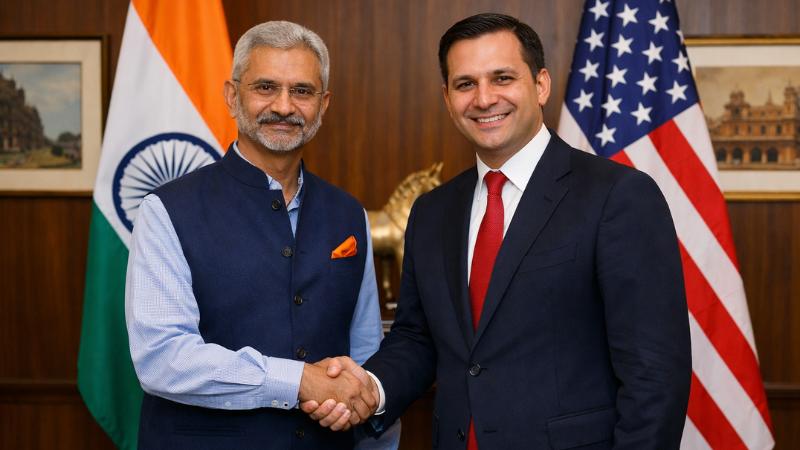
External Affairs Minister S Jaishankar on Wednesday held talks with United States Ambassador to India Sergio Gor in New Delhi, days ahead of his scheduled visit to Washington, D.C., for a high-level engagement on critical minerals. The meeting focused on multiple aspects of the India-US relationship, reflecting the breadth and depth of cooperation between the two countries across strategic, economic and defence domains. Following the meeting, Jaishankar said the discussions covered
Jaishankar meets US envoy Sergio Gor ahead of Washington visit on critical minerals
External Affairs Minister S Jaishankar on Wednesday held talks with United States Ambassador to India Sergio Gor in New Delhi, days ahead of his scheduled visit to Washington, D.C., for a high-level engagement on critical minerals. The meeting focused on multiple aspects of the India-US relationship, reflecting the breadth and depth of cooperation between the two countries across strategic, economic and defence domains. Following the meeting, Jaishankar said the discussions covered
US museum to repatriate ancient Tamil Nadu bronzes to India
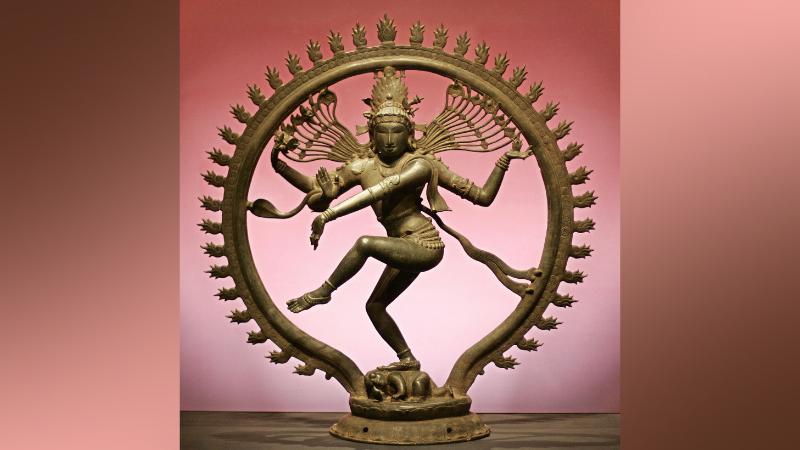
The Smithsonian’s National Museum of Asian Art in the United States has announced that it will return three historic bronze sculptures to India after concluding that the works were illegally removed from temple sites in Tamil Nadu. The decision follows an extensive provenance review of the museum’s South Asian collection and marks a significant step in addressing the long-standing issue of illicit trafficking of cultural heritage. The most prominent of the sculptures slated for return is a bronze depiction of Shiva Nataraja, dating to around A.D. 990. Created during the Chola period, the sculpture represents the Hindu deity Shiva in his cosmic dance, symbolizing the cycle of creation and destruction. The figure shows Shiva dancing upon a demon that embodies ignorance, encircled by a ring of fire and standing on a lotus base. Art historians regard this form as one of the most visually powerful and symbolically rich representations in Indian art, revered both within India and among global audiences. Alongside the Shiva Nataraja, the museum will repatriate a Somaskanda sculpture from the 12th century, also from the Chola period. This bronze depicts Shiva seated with his consort Parvathy and their son Skanda, reflecting devotional traditions that were central to temple worship in medieval South India. The third work to be returned is a 16th-century bronze titled Saint Sundarar With Paravai, dating to the Vijayanagar period, which portrays the revered Shaivite saint with his companion. The museum stated that the return of these works reflects its commitment to ethical museum practices and responsible stewardship. A comprehensive review was initiated to determine whether any objects in the collection had been unlawfully acquired. During this process, researchers uncovered evidence that raised serious concerns about the origins of the three bronzes. The Shiva Nataraja entered the museum’s collection in 2002 through a New York art gallery. Subsequent investigation revealed inconsistencies in the documentation associated with the acquisition, including the inability to verify the gallery’s listed address. Researchers later established that the sculpture appeared in photographs taken at a Tamil Nadu temple during the 1950s, confirming that it had been removed from its original religious setting. Further inquiry connected the gallery to a network involved in the trafficking of stolen antiquities. Court records have shown that individuals associated with this network engaged in smuggling cultural objects from South Asia and falsifying provenance records to introduce them into the international art market. In recent years, other institutions have also returned comparable works linked to the same sources. The Somaskanda and Saint Sundarar With Paravai sculptures were donated to the museum in 1987 as part of a major private collection. Their provenance came under scrutiny after a tip prompted researchers to consult archival material held by the French Institute of Pondicherry. Photographs from the 1950s in the institute’s archives showed both sculptures installed in temples in Tamil Nadu, providing clear evidence that they had been stolen and exported illegally. Experts note that bronze sculptures from South Indian temples have been frequent targets of theft due to their artistic value and global demand. Replicas have circulated widely in tourist markets, while original works disappeared from sacred sites, often leaving communities without objects of worship that had been central to their cultural and religious identity for centuries. The Smithsonian’s decision is being viewed as part of a broader international movement toward repatriation and accountability in the museum sector. By returning these sculptures, the institution acknowledges the importance of restoring cultural heritage to its place of origin and reinforces growing global standards for transparency and ethical collecting practices.
US museum to repatriate ancient Tamil Nadu bronzes to India
The Smithsonian’s National Museum of Asian Art in the United States has announced that it will return three historic bronze sculptures to India after concluding that the works were illegally removed from temple sites in Tamil Nadu. The decision follows an extensive provenance review of the museum’s South Asian collection and marks a significant step in addressing the long-standing issue of illicit trafficking of cultural heritage. The most prominent of the sculptures slated for return is a bronze depiction of Shiva Nataraja, dating to around A.D. 990. Created during the Chola period, the sculpture represents the Hindu deity Shiva in his cosmic dance, symbolizing the cycle of creation and destruction. The figure shows Shiva dancing upon a demon that embodies ignorance, encircled by a ring of fire and standing on a lotus base. Art historians regard this form as one of the most visually powerful and symbolically rich representations in Indian art, revered both within India and among global audiences. Alongside the Shiva Nataraja, the museum will repatriate a Somaskanda sculpture from the 12th century, also from the Chola period. This bronze depicts Shiva seated with his consort Parvathy and their son Skanda, reflecting devotional traditions that were central to temple worship in medieval South India. The third work to be returned is a 16th-century bronze titled Saint Sundarar With Paravai, dating to the Vijayanagar period, which portrays the revered Shaivite saint with his companion. The museum stated that the return of these works reflects its commitment to ethical museum practices and responsible stewardship. A comprehensive review was initiated to determine whether any objects in the collection had been unlawfully acquired. During this process, researchers uncovered evidence that raised serious concerns about the origins of the three bronzes. The Shiva Nataraja entered the museum’s collection in 2002 through a New York art gallery. Subsequent investigation revealed inconsistencies in the documentation associated with the acquisition, including the inability to verify the gallery’s listed address. Researchers later established that the sculpture appeared in photographs taken at a Tamil Nadu temple during the 1950s, confirming that it had been removed from its original religious setting. Further inquiry connected the gallery to a network involved in the trafficking of stolen antiquities. Court records have shown that individuals associated with this network engaged in smuggling cultural objects from South Asia and falsifying provenance records to introduce them into the international art market. In recent years, other institutions have also returned comparable works linked to the same sources. The Somaskanda and Saint Sundarar With Paravai sculptures were donated to the museum in 1987 as part of a major private collection. Their provenance came under scrutiny after a tip prompted researchers to consult archival material held by the French Institute of Pondicherry. Photographs from the 1950s in the institute’s archives showed both sculptures installed in temples in Tamil Nadu, providing clear evidence that they had been stolen and exported illegally. Experts note that bronze sculptures from South Indian temples have been frequent targets of theft due to their artistic value and global demand. Replicas have circulated widely in tourist markets, while original works disappeared from sacred sites, often leaving communities without objects of worship that had been central to their cultural and religious identity for centuries. The Smithsonian’s decision is being viewed as part of a broader international movement toward repatriation and accountability in the museum sector. By returning these sculptures, the institution acknowledges the importance of restoring cultural heritage to its place of origin and reinforces growing global standards for transparency and ethical collecting practices.

Temple jewellery dazzles Paris at Gaurav Gupta’s Haute Couture Week 2026 show
India’s rich jewellery heritage claimed international attention at Paris Haute Couture Week 2026 when temple jewellery emerged as one of the most talked-about elements on the runway. Celebrated designer Gaurav Gupta unveiled his latest couture collection in Paris, blending his signature sculptural silhouettes with deeply rooted Indian craftsmanship. While the architectural couture pieces impressed fashion insiders, it was the traditional jewellery styling that truly captured global imaginat
Temple jewellery dazzles Paris at Gaurav Gupta’s Haute Couture Week 2026 show
India’s rich jewellery heritage claimed international attention at Paris Haute Couture Week 2026 when temple jewellery emerged as one of the most talked-about elements on the runway. Celebrated designer Gaurav Gupta unveiled his latest couture collection in Paris, blending his signature sculptural silhouettes with deeply rooted Indian craftsmanship. While the architectural couture pieces impressed fashion insiders, it was the traditional jewellery styling that truly captured global imaginat
Budget 2026: Jewellery industry seeks GST cut, duty relief and simpler tax rules
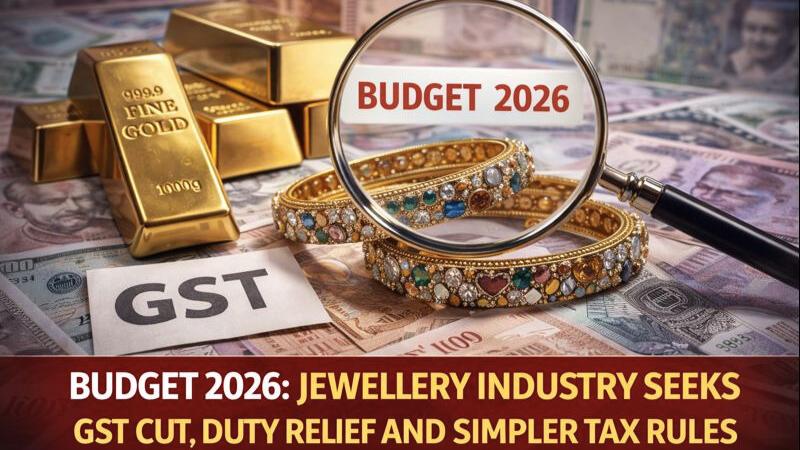
As the Union Budget 2026 draws closer, India’s gems and jewellery industry has stepped up its demands for policy reforms aimed at reviving demand, supporting employment and improving transparency. Industry leaders believe the upcoming Budget can play a decisive role in restoring consumer confidence at a time when global trade uncertainty and high prices have made buyers cautious. With jewellery being both a cultural and economic mainstay, the sector is urging the government to adopt growth-
Budget 2026: Jewellery industry seeks GST cut, duty relief and simpler tax rules
As the Union Budget 2026 draws closer, India’s gems and jewellery industry has stepped up its demands for policy reforms aimed at reviving demand, supporting employment and improving transparency. Industry leaders believe the upcoming Budget can play a decisive role in restoring consumer confidence at a time when global trade uncertainty and high prices have made buyers cautious. With jewellery being both a cultural and economic mainstay, the sector is urging the government to adopt growth-
Silver crosses Rs 4 lakh per kg as global shortage fears and weak rupee fuel rally
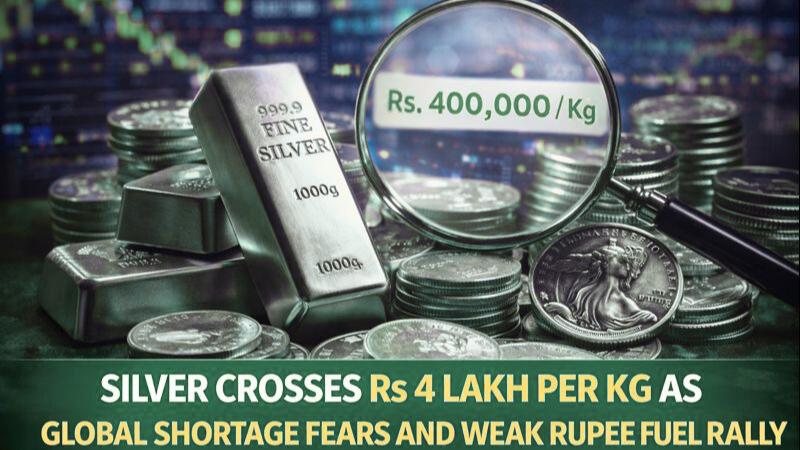
Silver prices in India have surged to a historic high, crossing the Rs 4 lakh per kilogram mark in futures trading and pushing up spot prices across major cities. The sudden spike has caught many buyers by surprise, especially as silver was trading at much lower levels just weeks ago. The rally has been sharp and swift, making silver one of the strongest-performing commodities in recent times and raising questions among consumers and investors about whether prices will continue to rise or cor
Silver crosses Rs 4 lakh per kg as global shortage fears and weak rupee fuel rally
Silver prices in India have surged to a historic high, crossing the Rs 4 lakh per kilogram mark in futures trading and pushing up spot prices across major cities. The sudden spike has caught many buyers by surprise, especially as silver was trading at much lower levels just weeks ago. The rally has been sharp and swift, making silver one of the strongest-performing commodities in recent times and raising questions among consumers and investors about whether prices will continue to rise or cor










