




























#investing
Dow Jones Industrial Average, Nasdaq Composite Highlights: S&P 500 Hits Record High as Oil Prices Slide
US stock markets surged to fresh record highs as easing geopolitical tensions triggered a sharp decline in oil prices, boosting investor confidence across global markets. Sentiment improved after reports of the reopening of the Strait of Hormuz, easing concerns over potential disruptions to global oil supply. The rally was led by the
Dow Jones Industrial Average, Nasdaq Composite Highlights: S&P 500 Hits Record High as Oil Prices Slide
US stock markets surged to fresh record highs as easing geopolitical tensions triggered a sharp decline in oil prices, boosting investor confidence across global markets. Sentiment improved after reports of the reopening of the Strait of Hormuz, easing concerns over potential disruptions to global oil supply. The rally was led by the
Trump praises Palantir as AI stock faces sharp weekly decline
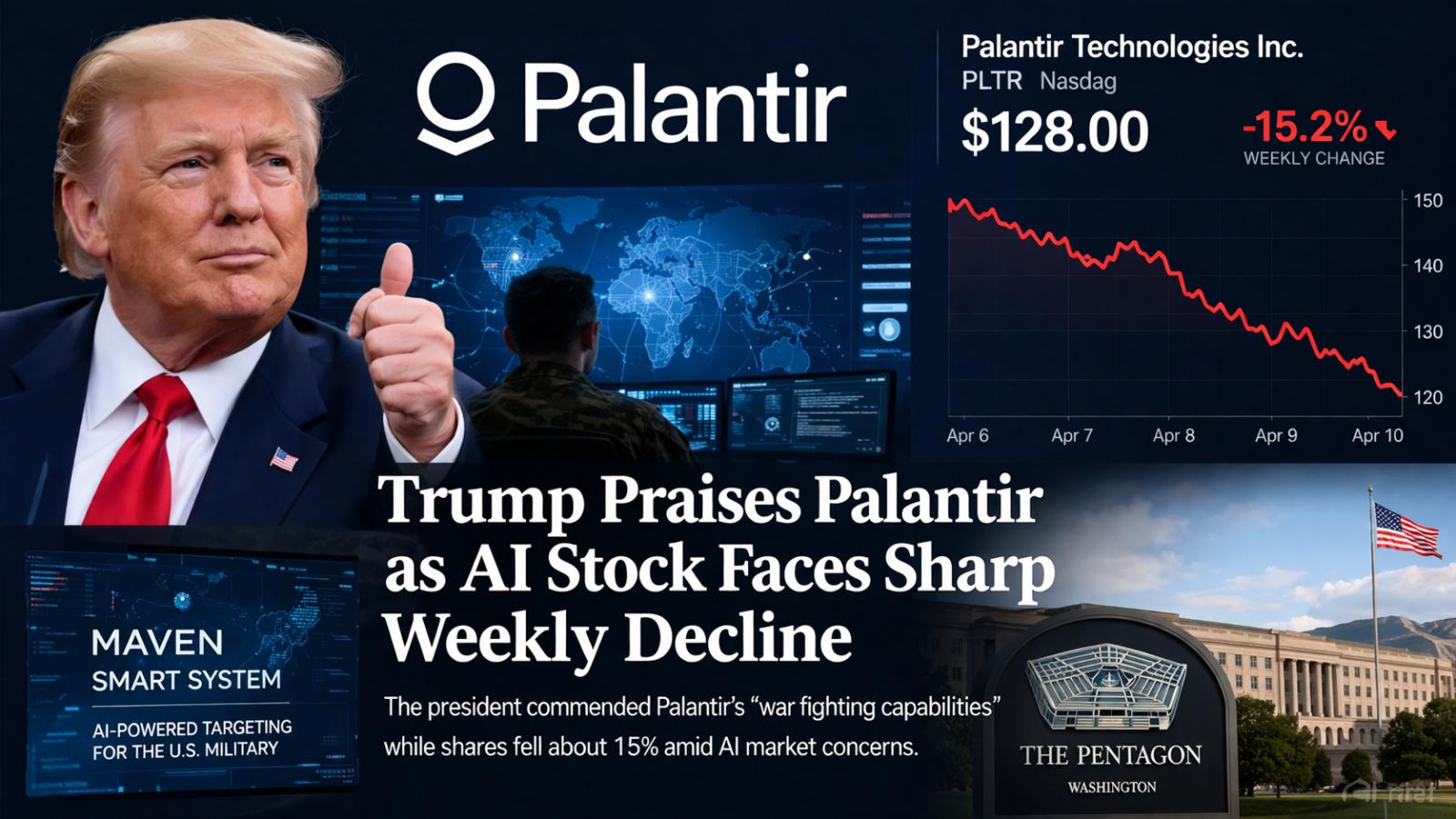
Shares of Palantir Technologies declined sharply over the week ending Friday, April 10, 2026, even as Donald Trump publicly praised the company’s role in defense technology. The stock fell approximately 15% during the week, reflecting broader pressure across the software and artificial intelligence sectors. In a post on Truth Social on Friday, April 10, 2026, Trump highlighted Palantir’s capabilities, stating that the company has demonstrated strong “war fighting capabilities and equipment.” His remarks come as reports indicate that the U.S. military is using Palantir’s AI-powered Maven Smart System platform to assist with target identification in operations in the Middle East. The company derives a significant portion of its U.S. revenue from government contracts, including work with the Pentagon and immigration enforcement agencies. Palantir CEO Alex Karp has consistently supported the use of advanced technology in defense, aligning more closely with current administration policies despite previously backing Joe Biden. Karp has also defended the company against criticism over surveillance concerns involving both immigrants and U.S. citizens. The company’s political positioning has drawn internal and external scrutiny. In October 2025, a senior communications executive described the firm’s perceived political shift as “concerning,” though related public footage was later removed from online platforms. Palantir’s partnerships in the AI sector have also raised questions. Its platform integrates models from multiple labs, including Anthropic, which has faced restrictions from the Department of Defense due to concerns over potential misuse in autonomous weapons and surveillance. Although Karp previously indicated plans to phase out Anthropic’s models, no such move has yet been confirmed. Market sentiment toward AI stocks weakened further after Anthropic introduced a new model with limited release, citing risks of misuse. This has fueled broader concerns that rapid AI advancements could disrupt traditional software business models. Investor skepticism has also been amplified by Michael Burry, who has taken bearish positions on several AI-related companies, including Palantir. In recent commentary, Burry suggested the stock may experience short-term gains but maintained that its fundamental value remains significantly lower than current levels. Following the week’s decline, Palantir shares were trading near $128, reflecting ongoing volatility in the AI-driven technology sector.
Trump praises Palantir as AI stock faces sharp weekly decline
Shares of Palantir Technologies declined sharply over the week ending Friday, April 10, 2026, even as Donald Trump publicly praised the company’s role in defense technology. The stock fell approximately 15% during the week, reflecting broader pressure across the software and artificial intelligence sectors. In a post on Truth Social on Friday, April 10, 2026, Trump highlighted Palantir’s capabilities, stating that the company has demonstrated strong “war fighting capabilities and equipment.” His remarks come as reports indicate that the U.S. military is using Palantir’s AI-powered Maven Smart System platform to assist with target identification in operations in the Middle East. The company derives a significant portion of its U.S. revenue from government contracts, including work with the Pentagon and immigration enforcement agencies. Palantir CEO Alex Karp has consistently supported the use of advanced technology in defense, aligning more closely with current administration policies despite previously backing Joe Biden. Karp has also defended the company against criticism over surveillance concerns involving both immigrants and U.S. citizens. The company’s political positioning has drawn internal and external scrutiny. In October 2025, a senior communications executive described the firm’s perceived political shift as “concerning,” though related public footage was later removed from online platforms. Palantir’s partnerships in the AI sector have also raised questions. Its platform integrates models from multiple labs, including Anthropic, which has faced restrictions from the Department of Defense due to concerns over potential misuse in autonomous weapons and surveillance. Although Karp previously indicated plans to phase out Anthropic’s models, no such move has yet been confirmed. Market sentiment toward AI stocks weakened further after Anthropic introduced a new model with limited release, citing risks of misuse. This has fueled broader concerns that rapid AI advancements could disrupt traditional software business models. Investor skepticism has also been amplified by Michael Burry, who has taken bearish positions on several AI-related companies, including Palantir. In recent commentary, Burry suggested the stock may experience short-term gains but maintained that its fundamental value remains significantly lower than current levels. Following the week’s decline, Palantir shares were trading near $128, reflecting ongoing volatility in the AI-driven technology sector.
US stocks rally as ceasefire with Iran lifts market sentiment
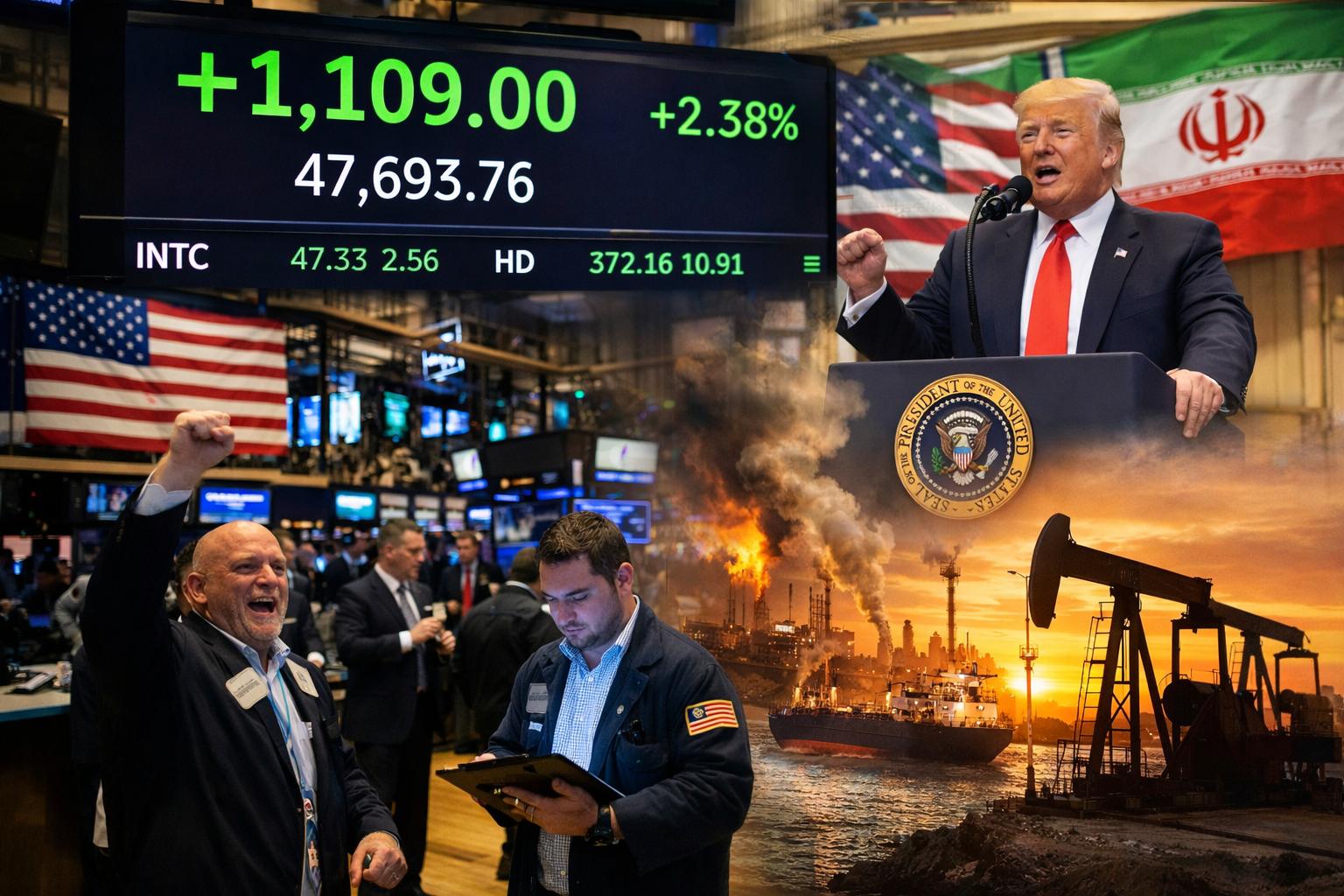
US equities surged sharply on Wednesday as investor sentiment improved following President Donald Trump’s announcement of a temporary two-week ceasefire with Iran. The development eased fears of a prolonged conflict in the Middle East, triggering a broad rally across major indexes and sectors while simultaneously pushing oil prices lower. The Dow Jones Industrial Average climbed 1,109 points to close at 47,693.76, driven by gains in technology, industrial, and financial stocks. Companies such as Intel, Home Depot, and Caterpillar contributed significantly to the upward momentum, reflecting renewed confidence among investors. The S&P 500 rose 2.21%, supported by widespread gains across both growth and cyclical sectors, although energy stocks lagged due to declining crude prices. The Nasdaq Composite advanced 2.48%, led by strong performance in semiconductor and technology stocks, signaling optimism around artificial intelligence and chip demand. The NYSE Composite also gained 1.79%, highlighting strength in large-cap industrial and financial shares. Market sentiment shifted notably after the ceasefire announcement, as earlier concerns about escalating tensions had driven oil prices higher and weighed on equities. Investors responded positively to the prospect of reduced geopolitical risk and the potential reopening of the Strait of Hormuz, a critical shipping route responsible for roughly 20% of global oil supply. Oil prices fell sharply in response, easing inflation concerns. West Texas Intermediate crude declined 17% to $93.42 per barrel, while Brent crude dropped 16% to $91.65 per barrel. The decline in energy costs provided additional support to equities, reinforcing expectations of reduced inflationary pressure and improved economic stability. Overall, the ceasefire announcement acted as a key catalyst for markets, with investors viewing it as a step toward stabilizing global energy flows and reducing geopolitical uncertainty.
US stocks rally as ceasefire with Iran lifts market sentiment
US equities surged sharply on Wednesday as investor sentiment improved following President Donald Trump’s announcement of a temporary two-week ceasefire with Iran. The development eased fears of a prolonged conflict in the Middle East, triggering a broad rally across major indexes and sectors while simultaneously pushing oil prices lower. The Dow Jones Industrial Average climbed 1,109 points to close at 47,693.76, driven by gains in technology, industrial, and financial stocks. Companies such as Intel, Home Depot, and Caterpillar contributed significantly to the upward momentum, reflecting renewed confidence among investors. The S&P 500 rose 2.21%, supported by widespread gains across both growth and cyclical sectors, although energy stocks lagged due to declining crude prices. The Nasdaq Composite advanced 2.48%, led by strong performance in semiconductor and technology stocks, signaling optimism around artificial intelligence and chip demand. The NYSE Composite also gained 1.79%, highlighting strength in large-cap industrial and financial shares. Market sentiment shifted notably after the ceasefire announcement, as earlier concerns about escalating tensions had driven oil prices higher and weighed on equities. Investors responded positively to the prospect of reduced geopolitical risk and the potential reopening of the Strait of Hormuz, a critical shipping route responsible for roughly 20% of global oil supply. Oil prices fell sharply in response, easing inflation concerns. West Texas Intermediate crude declined 17% to $93.42 per barrel, while Brent crude dropped 16% to $91.65 per barrel. The decline in energy costs provided additional support to equities, reinforcing expectations of reduced inflationary pressure and improved economic stability. Overall, the ceasefire announcement acted as a key catalyst for markets, with investors viewing it as a step toward stabilizing global energy flows and reducing geopolitical uncertainty.
Warren Buffett steps down as Berkshire Hathaway CEO after 60 years
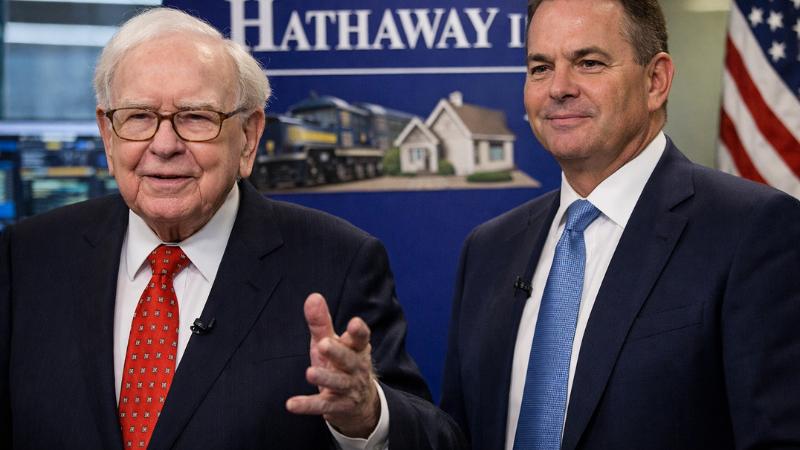
Warren Buffett formally stepped down as chief executive officer of Berkshire Hathaway on the final day of 2025, ending a 60-year tenure that reshaped American corporate history. The transition, long anticipated by investors and company insiders, marks the close of one of the most influential leadership runs in global business. At the age of 95, Buffett will remain chairman of the holding company he transformed from a struggling textile firm into a diversified conglomerate valued at more than
Warren Buffett steps down as Berkshire Hathaway CEO after 60 years
Warren Buffett formally stepped down as chief executive officer of Berkshire Hathaway on the final day of 2025, ending a 60-year tenure that reshaped American corporate history. The transition, long anticipated by investors and company insiders, marks the close of one of the most influential leadership runs in global business. At the age of 95, Buffett will remain chairman of the holding company he transformed from a struggling textile firm into a diversified conglomerate valued at more than
Buffett finally buys into Google parent Alphabet with multibillion-dollar stake
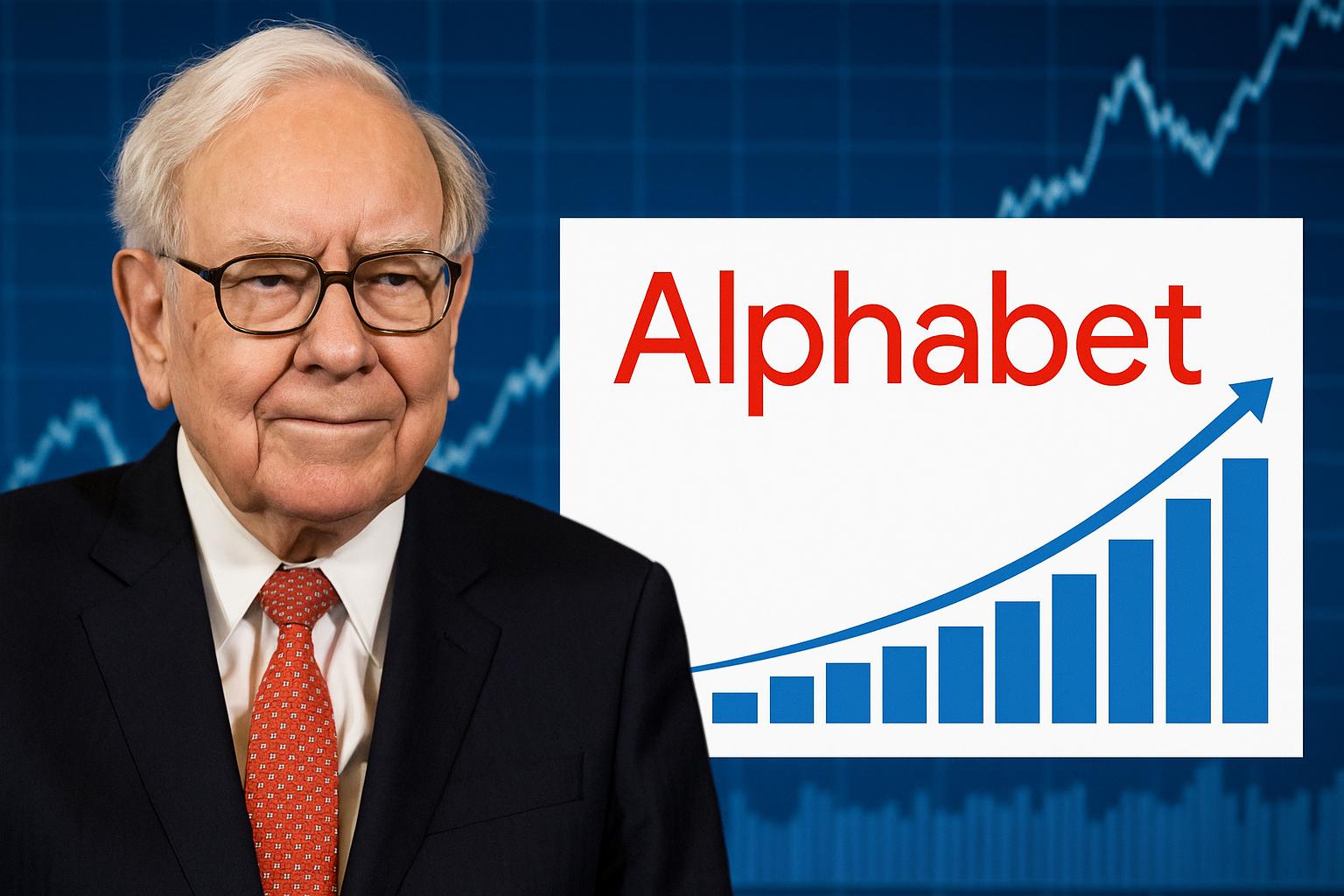
Warren Buffett has long admitted that one of his biggest investing oversights was failing to buy shares of Google in its early years. Two decades later, that regret has turned into action. Berkshire Hathaway has disclosed a new position in Alphabet Inc valued at approximately 4.3 billion US dollars, marking one of the most notable shifts in the firm’s long-standing investment philosophy. The announcement immediately boosted market sentiment around Alphabet, with shares rising after the fili
Buffett finally buys into Google parent Alphabet with multibillion-dollar stake
Warren Buffett has long admitted that one of his biggest investing oversights was failing to buy shares of Google in its early years. Two decades later, that regret has turned into action. Berkshire Hathaway has disclosed a new position in Alphabet Inc valued at approximately 4.3 billion US dollars, marking one of the most notable shifts in the firm’s long-standing investment philosophy. The announcement immediately boosted market sentiment around Alphabet, with shares rising after the fili
Jewellery vs Gold ETFs: How to Make Money Shine, Not Just Wrists
Gold has always held a revered place in many cultures, especially in India, where it is seen not only as a valuable asset but also as a symbol of tradition, prosperity, and security. However, when it comes to building long-term wealth, is simply owning gold jewellery the best option, or is there a more strategic way to invest in this precious metal? CA Nitin Kaushik, an expert in finance and investment strategies, recently shed light on this dilemma, highlightin
Jewellery vs Gold ETFs: How to Make Money Shine, Not Just Wrists
Gold has always held a revered place in many cultures, especially in India, where it is seen not only as a valuable asset but also as a symbol of tradition, prosperity, and security. However, when it comes to building long-term wealth, is simply owning gold jewellery the best option, or is there a more strategic way to invest in this precious metal? CA Nitin Kaushik, an expert in finance and investment strategies, recently shed light on this dilemma, highlightin


