#israelwar
Israel to Keep Troops in Gaza, Lebanon and Syria
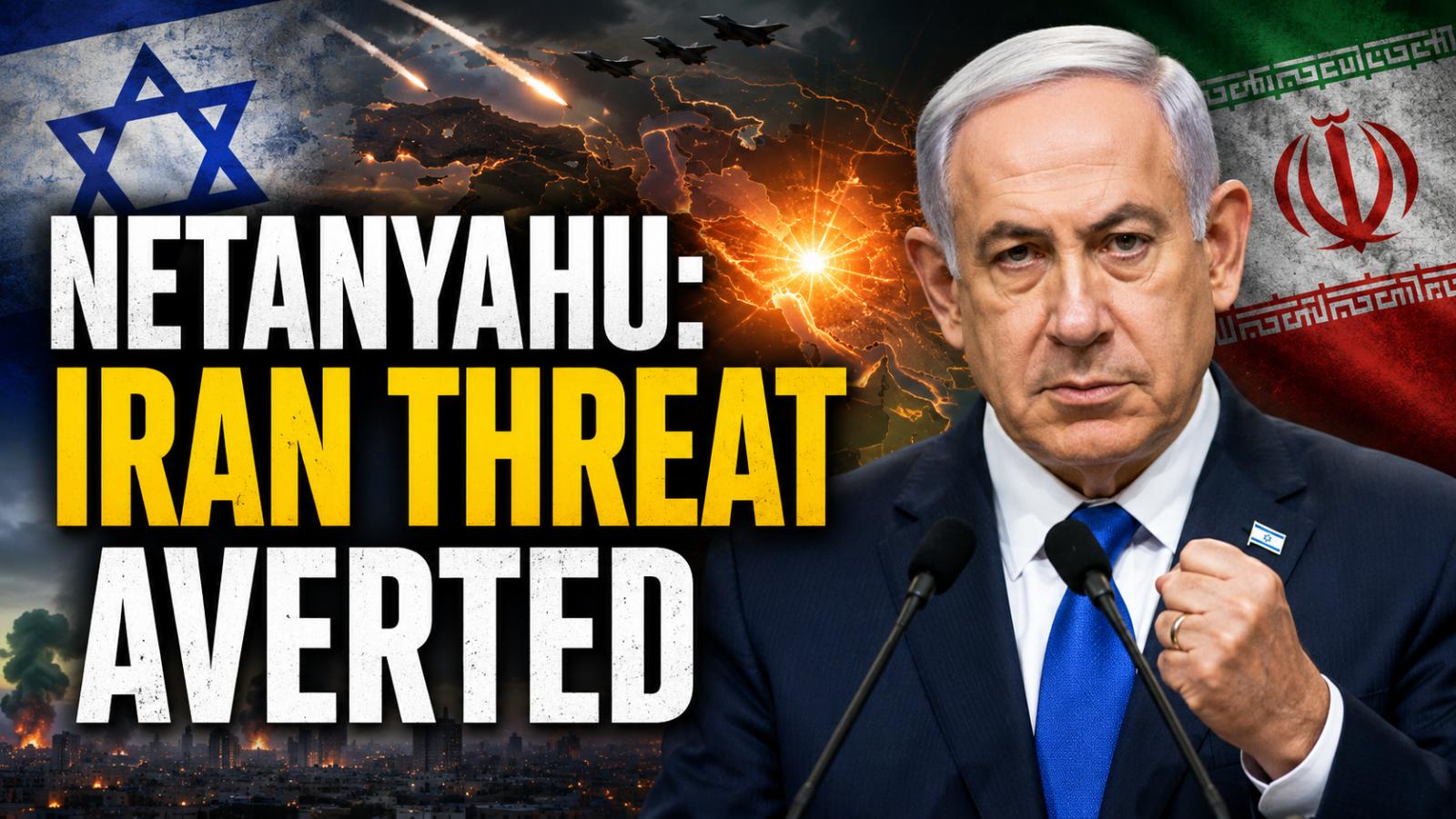
Netanyahu Defends Iran Campaign Israeli Prime Minister Benjamin Netanyahu said the joint US-Israeli military campaign against Iran had protected Israel from what he described as the danger of nuclear annihilation. Speaking after Washington and Tehran announced a preliminary agreement to halt the regional war, Netanyahu said Israel and the United States had removed an immediate Iranian nuclear threat and created a credible military deterrent for future negotiations. He said Iran would not be allowed to obtain nuclear weapons “with or without a deal,” while insisting that Israel would retain the ability to act if it judged the threat unresolved. Security Zones To Remain Netanyahu also said Israeli forces would remain in security zones in Gaza, Lebanon and Syria for as long as his government considered necessary. He argued that those buffer areas were created to protect Israel’s borders after years of threats from Iran-backed groups and other armed factions. His position comes as the US-Iran agreement seeks to reduce fighting across the region, including in Lebanon, where Hezbollah and Israeli forces have been involved in continued hostilities. The statement signals that Israel may not automatically withdraw from territory it currently controls even if broader diplomacy moves forward. Iran Deal Raises Tensions The US-Iran agreement has created political pressure inside Israel, with critics warning that the deal may leave major issues unresolved, including Iran’s missile program and support for regional armed groups. Netanyahu has avoided directly rejecting the diplomatic track, but he has stressed that Israel is not bound to accept security risks it considers unacceptable. The gap between Washington’s push for de-escalation and Israel’s insistence on military freedom of action could become a major test for future Middle East diplomacy. Netanyahu Confirms Election Run Netanyahu also confirmed that he plans to run in Israel’s upcoming elections. His announcement comes as he faces criticism from opposition parties over the handling of the war, the fate of hostages, continued military operations and the political cost of the Iran campaign. Despite domestic pressure and a continuing corruption trial, Netanyahu said he intends to seek another term. His remarks show that the Iran campaign, the US-Iran deal and Israel’s security zones are likely to become central issues in the election debate.
Israel to Keep Troops in Gaza, Lebanon and Syria
Netanyahu Defends Iran Campaign Israeli Prime Minister Benjamin Netanyahu said the joint US-Israeli military campaign against Iran had protected Israel from what he described as the danger of nuclear annihilation. Speaking after Washington and Tehran announced a preliminary agreement to halt the regional war, Netanyahu said Israel and the United States had removed an immediate Iranian nuclear threat and created a credible military deterrent for future negotiations. He said Iran would not be allowed to obtain nuclear weapons “with or without a deal,” while insisting that Israel would retain the ability to act if it judged the threat unresolved. Security Zones To Remain Netanyahu also said Israeli forces would remain in security zones in Gaza, Lebanon and Syria for as long as his government considered necessary. He argued that those buffer areas were created to protect Israel’s borders after years of threats from Iran-backed groups and other armed factions. His position comes as the US-Iran agreement seeks to reduce fighting across the region, including in Lebanon, where Hezbollah and Israeli forces have been involved in continued hostilities. The statement signals that Israel may not automatically withdraw from territory it currently controls even if broader diplomacy moves forward. Iran Deal Raises Tensions The US-Iran agreement has created political pressure inside Israel, with critics warning that the deal may leave major issues unresolved, including Iran’s missile program and support for regional armed groups. Netanyahu has avoided directly rejecting the diplomatic track, but he has stressed that Israel is not bound to accept security risks it considers unacceptable. The gap between Washington’s push for de-escalation and Israel’s insistence on military freedom of action could become a major test for future Middle East diplomacy. Netanyahu Confirms Election Run Netanyahu also confirmed that he plans to run in Israel’s upcoming elections. His announcement comes as he faces criticism from opposition parties over the handling of the war, the fate of hostages, continued military operations and the political cost of the Iran campaign. Despite domestic pressure and a continuing corruption trial, Netanyahu said he intends to seek another term. His remarks show that the Iran campaign, the US-Iran deal and Israel’s security zones are likely to become central issues in the election debate.
US–Israel–Iran War | Iran Claims Strategic Victory as Conflict with Israel and US Intensifies
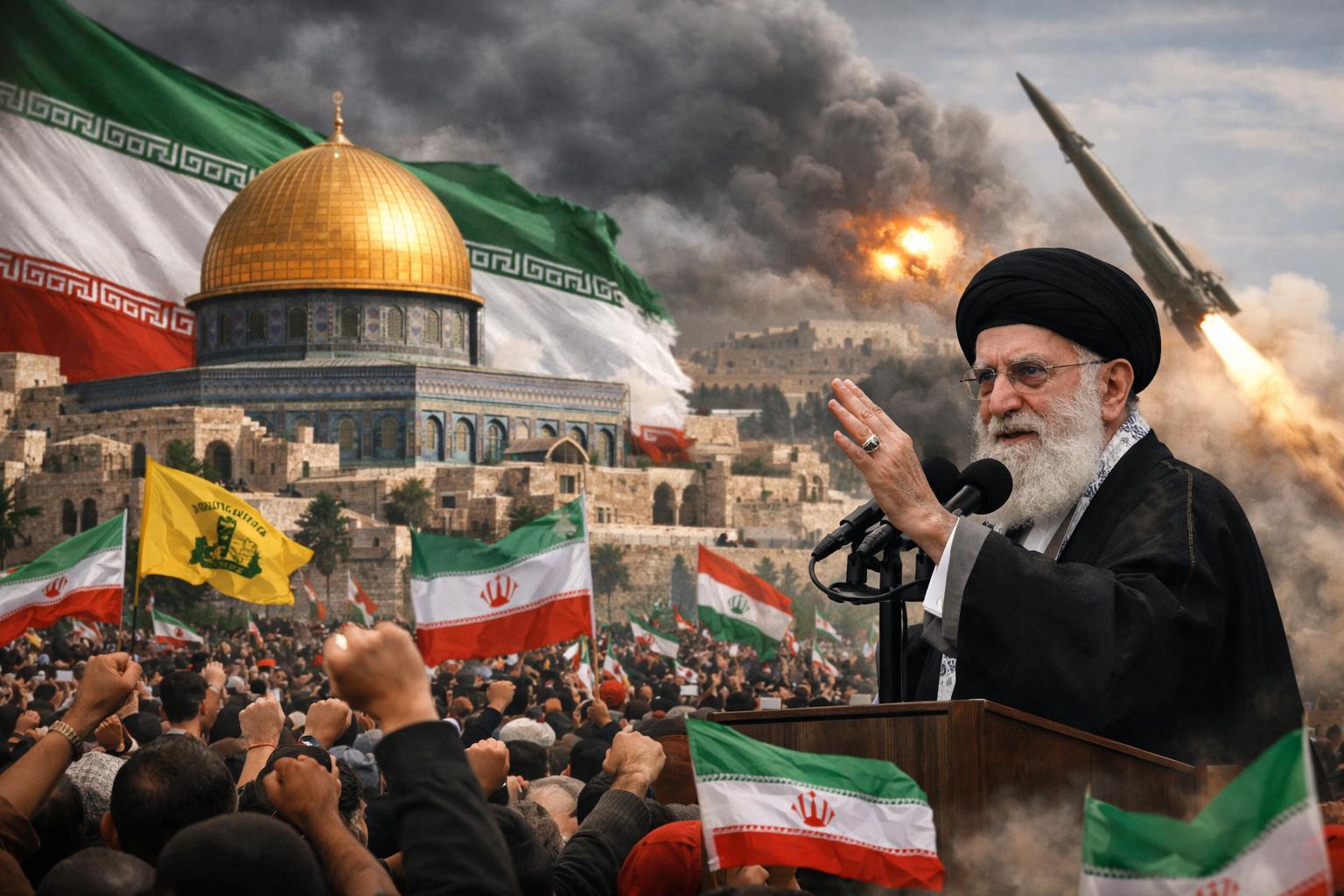
Iran’s Supreme Leader Mojtaba Khamenei has asserted that the country has delivered a significant strategic setback to its adversaries amid the ongoing conflict involving Israel and the United States. In a written message released on Friday to mark the Persian New Year, Khamenei emphasized that national unity and resilience among Iranians had played a decisive role in shifting the balance in the confrontation. The statement comes at a time when the conflict has entered its fourth week, casting a shadow over Nowruz celebrations across the country. Despite the subdued atmosphere, Khamenei highlighted what he described as unprecedented solidarity among citizens from diverse religious, cultural, and political backgrounds. He stated that this unity had left Iran’s opponents disoriented, leading them to issue what he characterized as inconsistent and contradictory statements. Tensions escalated further following a blast in Jerusalem’s Old City, which created a crater near several significant religious landmarks, including the Al-Aqsa Mosque, the Western Wall, and the Church of the Holy Sepulchre. Israeli authorities accused Tehran of being linked to what they described as an attack on sacred sites, intensifying already strained relations in the region. Khamenei rejected these allegations, firmly denying any involvement by Iran or its regional allies in reported incidents in Oman and Turkey during the conflict. He attributed such claims to what he called deliberate misinformation by Israel, referring to it as a “Zionist enemy” engaged in deceptive tactics. The current situation marks a period of heightened geopolitical tension, with both rhetoric and military developments continuing to evolve. Adding to the symbolic shift within Iran, large banners marking Nowruz have replaced images of former leader Ali Khamenei, who was reportedly killed at the outset of the conflict on February 28. As the crisis unfolds, Iran’s leadership continues to project confidence and defiance, framing the ongoing developments as a demonstration of national strength and unity in the face of external pressure.
US–Israel–Iran War | Iran Claims Strategic Victory as Conflict with Israel and US Intensifies
Iran’s Supreme Leader Mojtaba Khamenei has asserted that the country has delivered a significant strategic setback to its adversaries amid the ongoing conflict involving Israel and the United States. In a written message released on Friday to mark the Persian New Year, Khamenei emphasized that national unity and resilience among Iranians had played a decisive role in shifting the balance in the confrontation. The statement comes at a time when the conflict has entered its fourth week, casting a shadow over Nowruz celebrations across the country. Despite the subdued atmosphere, Khamenei highlighted what he described as unprecedented solidarity among citizens from diverse religious, cultural, and political backgrounds. He stated that this unity had left Iran’s opponents disoriented, leading them to issue what he characterized as inconsistent and contradictory statements. Tensions escalated further following a blast in Jerusalem’s Old City, which created a crater near several significant religious landmarks, including the Al-Aqsa Mosque, the Western Wall, and the Church of the Holy Sepulchre. Israeli authorities accused Tehran of being linked to what they described as an attack on sacred sites, intensifying already strained relations in the region. Khamenei rejected these allegations, firmly denying any involvement by Iran or its regional allies in reported incidents in Oman and Turkey during the conflict. He attributed such claims to what he called deliberate misinformation by Israel, referring to it as a “Zionist enemy” engaged in deceptive tactics. The current situation marks a period of heightened geopolitical tension, with both rhetoric and military developments continuing to evolve. Adding to the symbolic shift within Iran, large banners marking Nowruz have replaced images of former leader Ali Khamenei, who was reportedly killed at the outset of the conflict on February 28. As the crisis unfolds, Iran’s leadership continues to project confidence and defiance, framing the ongoing developments as a demonstration of national strength and unity in the face of external pressure.
PV Sindhu Stranded in Dubai as Middle East Conflict Disrupts Gulf Air Travel
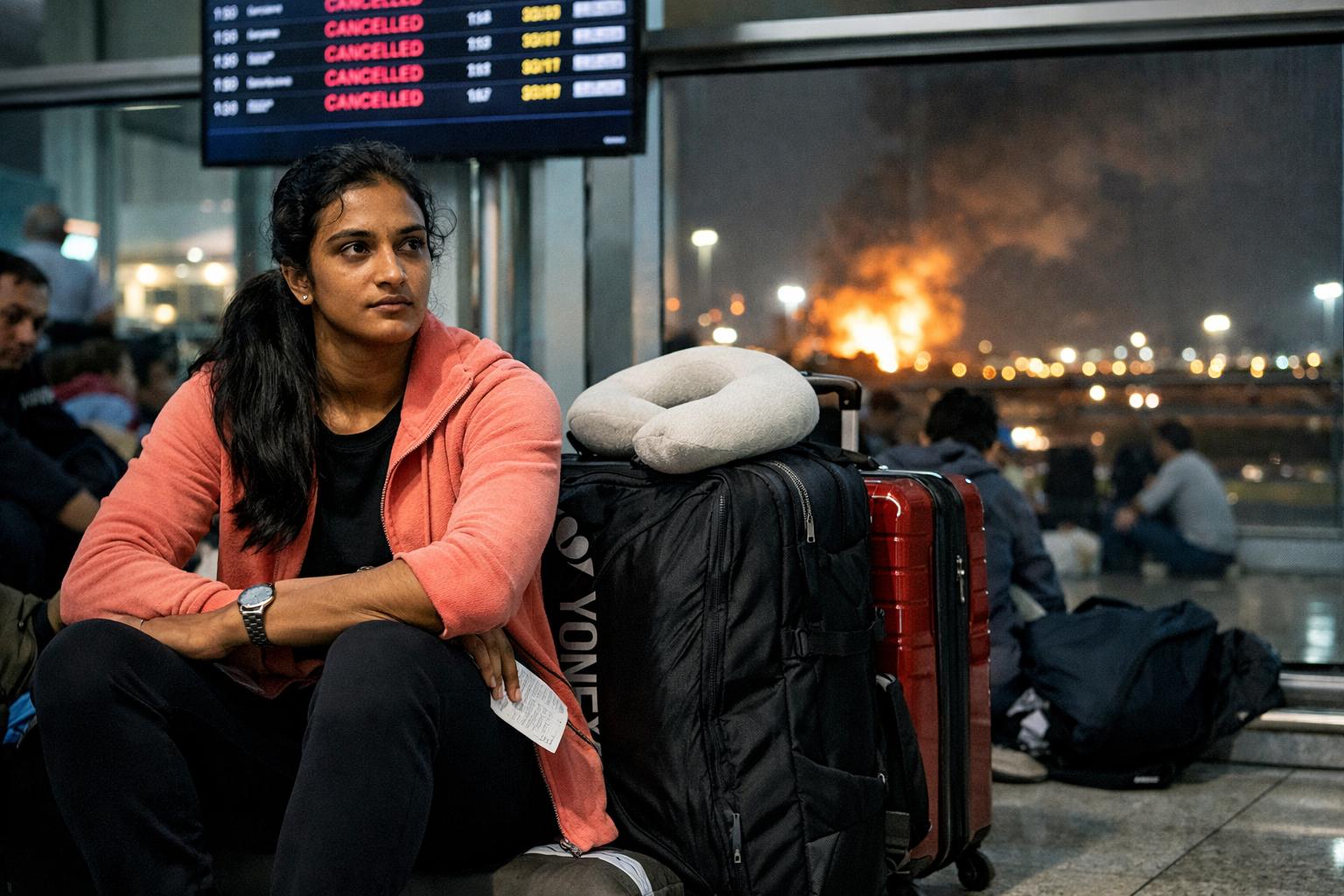
Double Olympic medallist PV Sindhu is among several international travellers stranded in the Middle East after escalating military tensions between Iran, Israel and the United States led to widespread disruption of air travel across the Gulf region. The conflict intensified after combined strikes by the United States and Israel on Iranian targets began on Saturday, triggering retaliatory attacks from Iran across multiple locations in the region. Following the exchange of strikes, se
PV Sindhu Stranded in Dubai as Middle East Conflict Disrupts Gulf Air Travel
Double Olympic medallist PV Sindhu is among several international travellers stranded in the Middle East after escalating military tensions between Iran, Israel and the United States led to widespread disruption of air travel across the Gulf region. The conflict intensified after combined strikes by the United States and Israel on Iranian targets began on Saturday, triggering retaliatory attacks from Iran across multiple locations in the region. Following the exchange of strikes, se