


















#karnatakahighcourt
Ranveer Singh apologises for Kantara mimicry remarks, court to close case
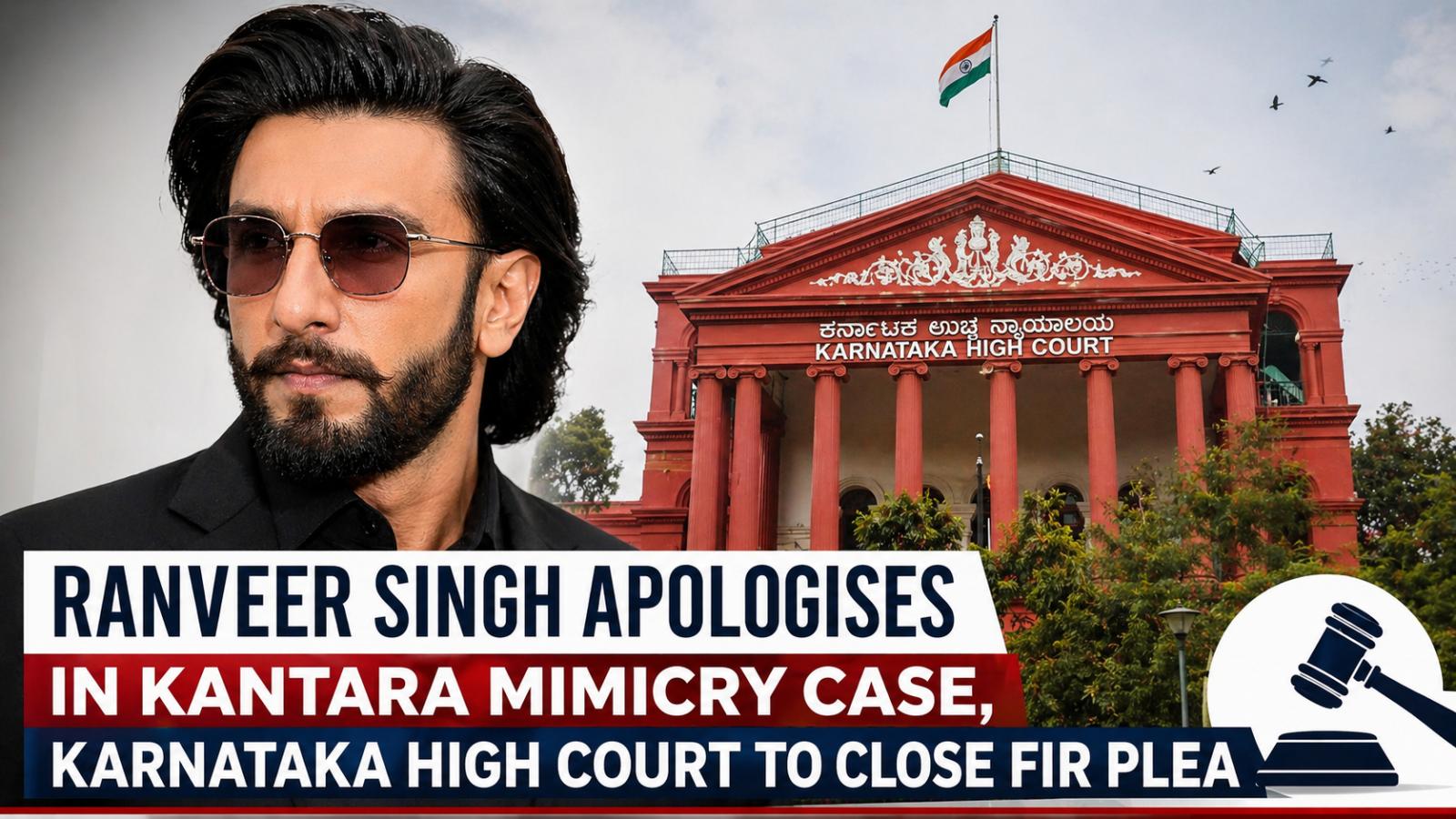
Ranveer Singh submitted a revised affidavit before the Karnataka High Court on Saturday (April 25) during a hearing, expressing his unconditional apology over his mimicry of a character from Kantara: Chapter 1 at a public event last year. The court, after taking note of the affidavit, indicated that it is likely to dispose of the matter by recording the actor’s undertaking and closing the proceedings. The hearing pertained to Singh’s plea seeking to quash an FIR registered against him following remarks made during the International Film Festival of India in Goa. At the event, the actor had mimicked a role portrayed by Rishab Shetty and allegedly made references that hurt religious sentiments associated with a temple deity. The FIR invoked provisions under the Bharatiya Nyaya Sanhita, 2023, relating to promoting enmity and outraging religious beliefs. During the proceedings, counsel representing Singh informed the court that the affidavit had been revised to include an unconditional apology and an acknowledgment of the sentiments involved. The bench noted that the actor had also undertaken to visit the concerned temple within a specified period, and this assurance would be recorded while disposing of the case. The complainant, however, argued before the court that the matter involved a larger issue of faith and should not be treated as a routine legal dispute. The court responded by stating that it would issue an admonition, emphasizing that public figures must remain mindful of their words and actions, especially in matters linked to religious sensitivities. Earlier, the court had declined to stay the FIR, observing that celebrity status does not grant immunity from accountability. With the submission of the revised affidavit during the hearing and the acknowledgment of concerns raised, the court signaled that it would formally conclude the matter without engaging in a detailed legal examination.
Ranveer Singh apologises for Kantara mimicry remarks, court to close case
Ranveer Singh submitted a revised affidavit before the Karnataka High Court on Saturday (April 25) during a hearing, expressing his unconditional apology over his mimicry of a character from Kantara: Chapter 1 at a public event last year. The court, after taking note of the affidavit, indicated that it is likely to dispose of the matter by recording the actor’s undertaking and closing the proceedings. The hearing pertained to Singh’s plea seeking to quash an FIR registered against him following remarks made during the International Film Festival of India in Goa. At the event, the actor had mimicked a role portrayed by Rishab Shetty and allegedly made references that hurt religious sentiments associated with a temple deity. The FIR invoked provisions under the Bharatiya Nyaya Sanhita, 2023, relating to promoting enmity and outraging religious beliefs. During the proceedings, counsel representing Singh informed the court that the affidavit had been revised to include an unconditional apology and an acknowledgment of the sentiments involved. The bench noted that the actor had also undertaken to visit the concerned temple within a specified period, and this assurance would be recorded while disposing of the case. The complainant, however, argued before the court that the matter involved a larger issue of faith and should not be treated as a routine legal dispute. The court responded by stating that it would issue an admonition, emphasizing that public figures must remain mindful of their words and actions, especially in matters linked to religious sensitivities. Earlier, the court had declined to stay the FIR, observing that celebrity status does not grant immunity from accountability. With the submission of the revised affidavit during the hearing and the acknowledgment of concerns raised, the court signaled that it would formally conclude the matter without engaging in a detailed legal examination.
Karnataka High Court Halts Monthly Menstrual Leave Order For Women Employees
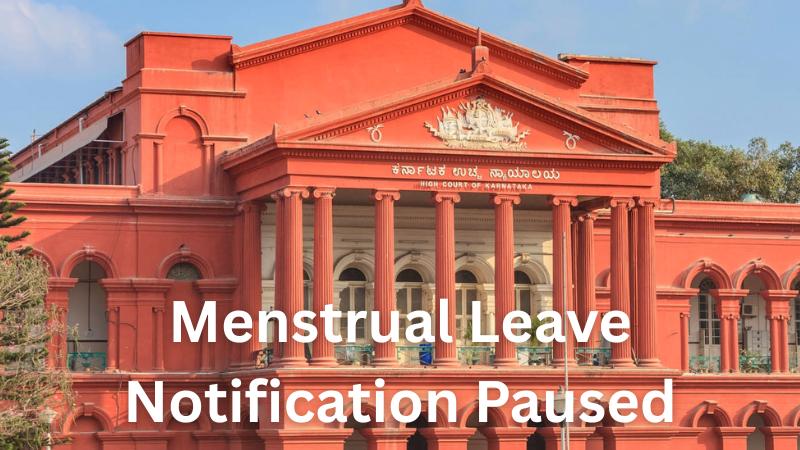
The Karnataka High Court on Tuesday put a temporary halt to the State government's order that mandated one day of paid menstrual leave per month for women employees across industries. The policy, issued through a notification on November 20, extended paid menstrual leave to permanent, contractual and outsourced women workers employed in establishments covered under the Factories Act, the Karnataka Shops and Commercial Establishments Act, the Plantation Labour Act, the Motor Transport Workers
Karnataka High Court Halts Monthly Menstrual Leave Order For Women Employees
The Karnataka High Court on Tuesday put a temporary halt to the State government's order that mandated one day of paid menstrual leave per month for women employees across industries. The policy, issued through a notification on November 20, extended paid menstrual leave to permanent, contractual and outsourced women workers employed in establishments covered under the Factories Act, the Karnataka Shops and Commercial Establishments Act, the Plantation Labour Act, the Motor Transport Workers
Governor's Action As Per Law": Big Setback For Siddaramaiah In Court
The Karnataka High Court has delivered a significant verdict by dismissing Chief Minister Siddaramaiah's challenge against Governor Thawar Chand Gehlot's decision to sanction his prosecution in the alleged MUDA land scam. A bench led by Justice M Nagaprasanna stated that the Governor had adequately considered the matter, affirming that the order does not reflect a lack of due diligence. The court emphasized that the facts surrounding the case warrant investigation, leading to the dism
Governor's Action As Per Law": Big Setback For Siddaramaiah In Court
The Karnataka High Court has delivered a significant verdict by dismissing Chief Minister Siddaramaiah's challenge against Governor Thawar Chand Gehlot's decision to sanction his prosecution in the alleged MUDA land scam. A bench led by Justice M Nagaprasanna stated that the Governor had adequately considered the matter, affirming that the order does not reflect a lack of due diligence. The court emphasized that the facts surrounding the case warrant investigation, leading to the dism


