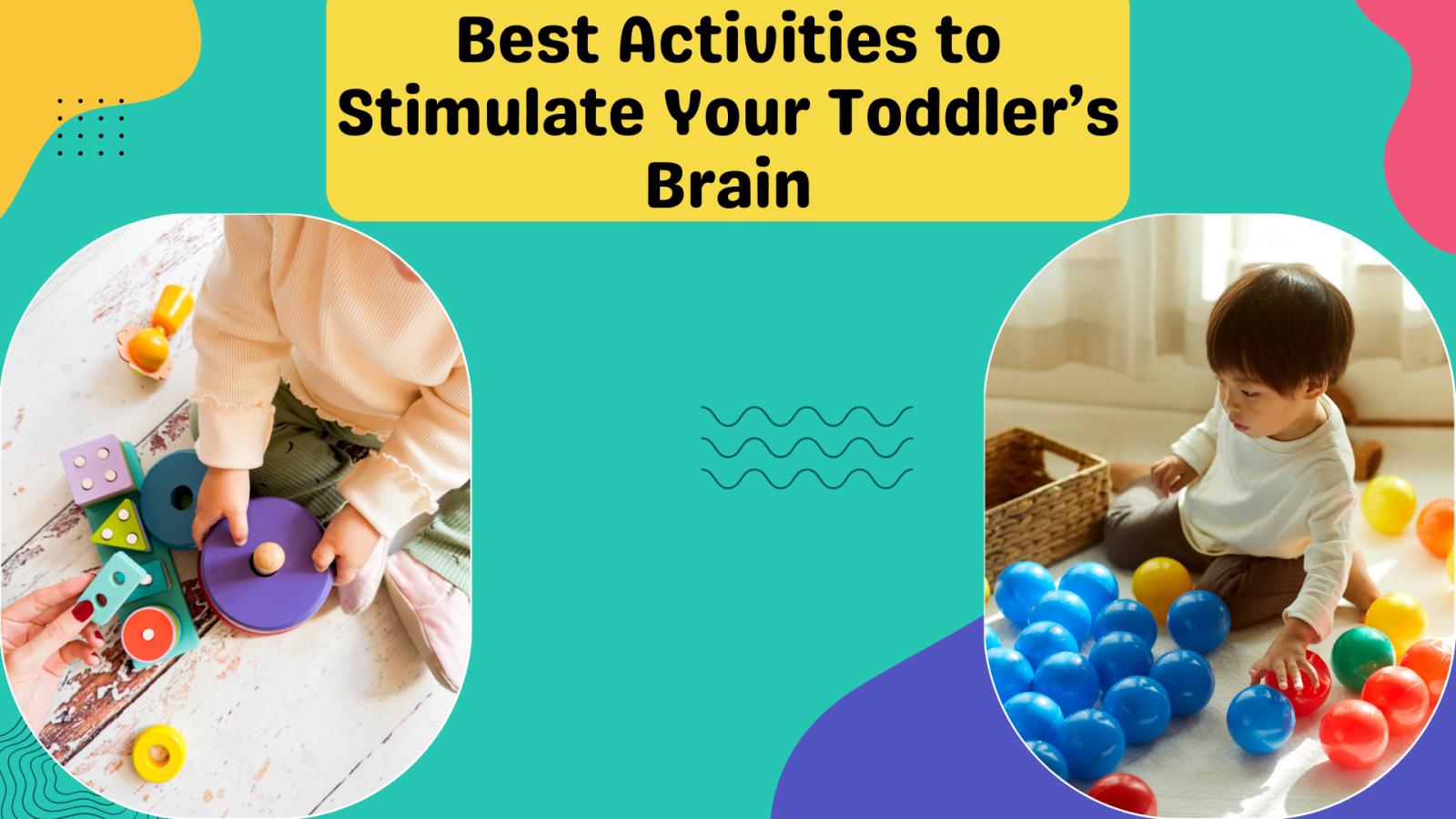








As toddlers grow, their brains develop at a rapid pace, making early learning experiences essential for shaping how they think, communicate, and interact with the world. Engaging in playful yet educational activities not only keeps them entertained but also strengthens memory, problem-solving, and social skills. The best part is that these activities don’t require expensive toys; most can be done at home with everyday items. 1. Storytelling and Picture Books
Why Balance Screen Time and Playtime In today’s world, toddlers are spending more time in front of screens, whether watching TV or using tablets. While some screen time can be helpful, too much can harm their development. Balancing screen time with playtime is important to ensure your toddler grows physically, mentally, and socially. Playtime helps toddlers build skills they need, like creativity and coordination, while screen time should be a tool for lear
A strong foundation in early childhood is key to fostering intellectual growth. Genetics and environmental factors contribute to a child's cognitive development, but there are simple, effective activities and lifestyle changes you can implement to nurture their brains. Here are six tips to help make your child smarter and support their overall development: Try Memory Activities Memory exercises, though they might not directly enhance memory