















#kingcharlesiii
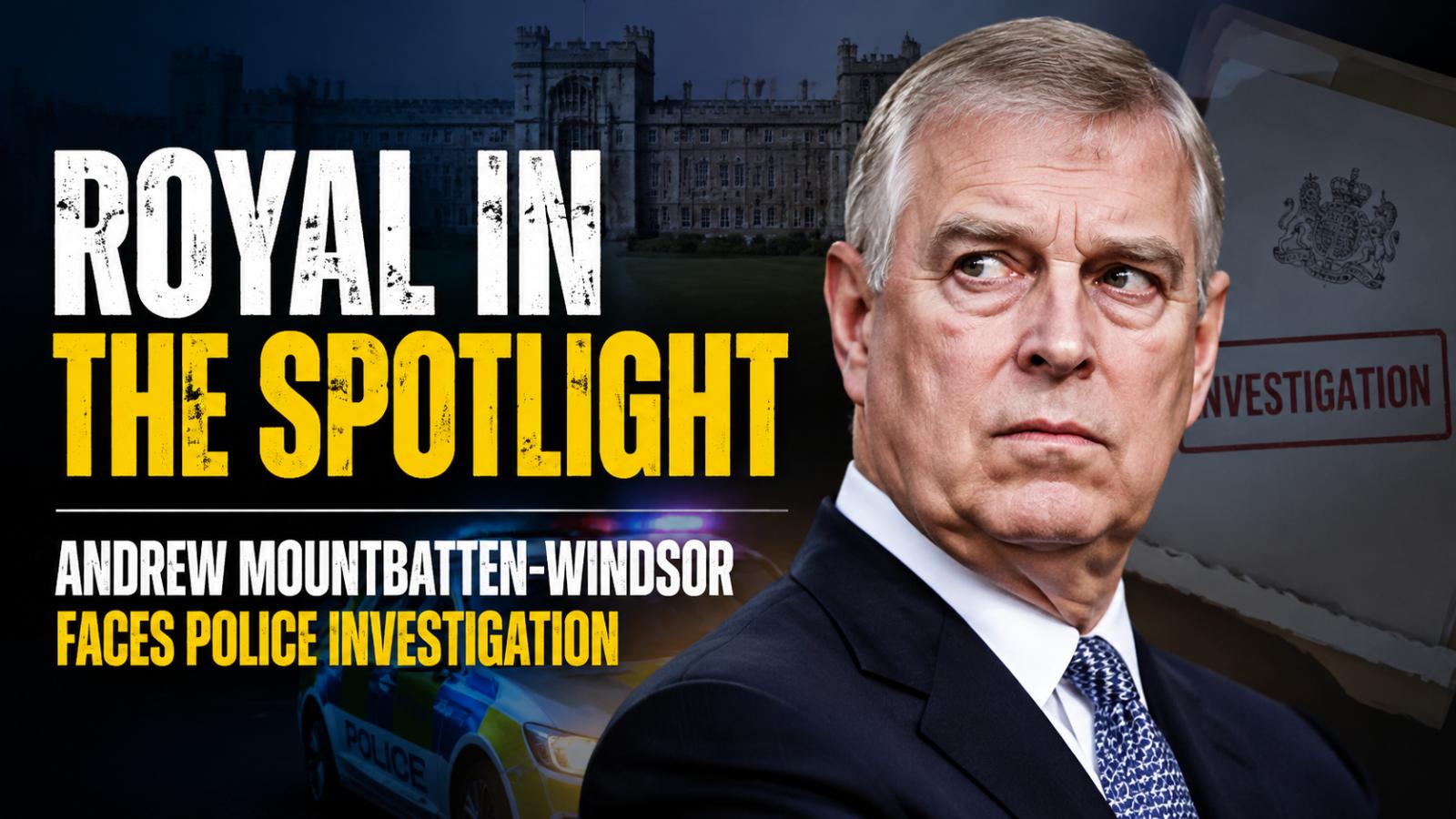
Andrew Mountbatten-Windsor under police probe over misconduct
Authorities in the UK have launched a detailed investigation into Andrew Mountbatten-Windsor following allegations of misconduct during his public service tenure. The inquiry is being led by Thames Valley Police and centers on alleged sexual misconduct, misuse of confidential information, and possible corruption. Mountbatten-Windsor, the second son of the late Queen Elizabeth II and younger brother of King Charles III, was arrested at his Norfolk estate earlier this year and questioned under
Andrew Mountbatten-Windsor under police probe over misconduct
Authorities in the UK have launched a detailed investigation into Andrew Mountbatten-Windsor following allegations of misconduct during his public service tenure. The inquiry is being led by Thames Valley Police and centers on alleged sexual misconduct, misuse of confidential information, and possible corruption. Mountbatten-Windsor, the second son of the late Queen Elizabeth II and younger brother of King Charles III, was arrested at his Norfolk estate earlier this year and questioned under
Zohran Mamdani Calls for Kohinoor Diamond Return Ahead of Royal Visit
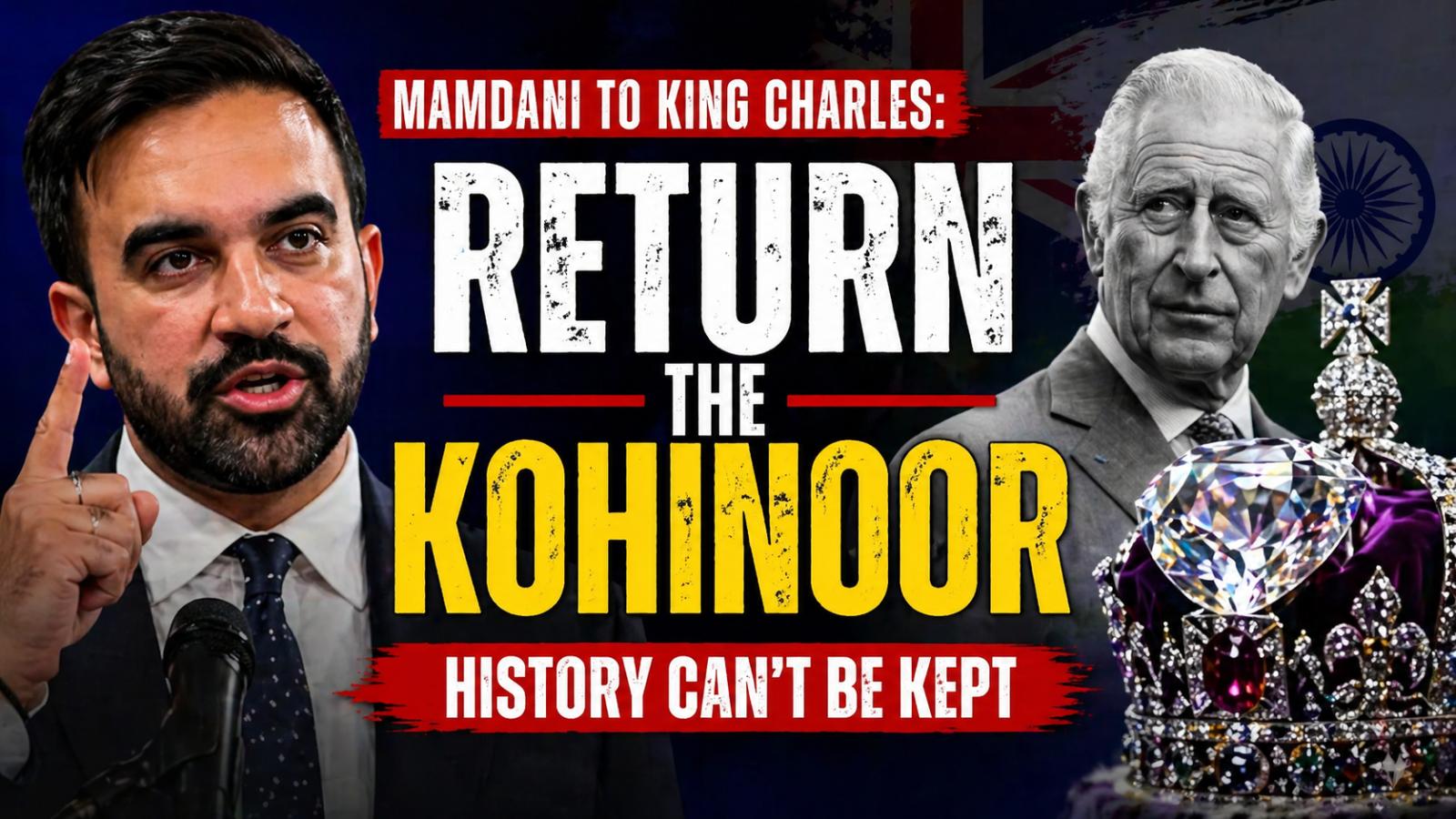
Zohran Mamdani has renewed debate over colonial history by suggesting that any future meeting with King Charles III should include a discussion about the return of the Kohinoor diamond. Speaking at a press conference in New York, Mamdani said he would encourage the British monarch to consider returning the historic gemstone, widely regarded in India as a symbol of colonial-era exploitation. His remarks come ahead of King Charles and Queen Camilla’s planned visit to the One World Trade Center to mark the 25th anniversary of the September 11 attacks, an event Mamdani is expected to attend. The Kohinoor diamond, originally mined in southern India, passed through several South Asian empires before being taken by the British East India Company in 1849 after the Second Anglo-Sikh War. It was formally transferred under the Treaty of Lahore, signed by Maharaja Duleep Singh, and later became part of the British Crown Jewels. Today, the 105.6-carat diamond remains displayed in the Tower of London, continuing to draw attention as a contested artifact. Mamdani’s comments place the issue within a broader international movement seeking the return of cultural heritage objects held in Western institutions. Similar demands have been made by Greece for the Elgin Marbles and by Nigeria for the Benin Bronzes. While British authorities maintain the Kohinoor was acquired legally, critics argue the agreement occurred under coercive conditions. By raising the issue in a diplomatic context, Mamdani has shifted the conversation beyond ceremony, highlighting ongoing questions of historical accountability and the legacy of empire.
Zohran Mamdani Calls for Kohinoor Diamond Return Ahead of Royal Visit
Zohran Mamdani has renewed debate over colonial history by suggesting that any future meeting with King Charles III should include a discussion about the return of the Kohinoor diamond. Speaking at a press conference in New York, Mamdani said he would encourage the British monarch to consider returning the historic gemstone, widely regarded in India as a symbol of colonial-era exploitation. His remarks come ahead of King Charles and Queen Camilla’s planned visit to the One World Trade Center to mark the 25th anniversary of the September 11 attacks, an event Mamdani is expected to attend. The Kohinoor diamond, originally mined in southern India, passed through several South Asian empires before being taken by the British East India Company in 1849 after the Second Anglo-Sikh War. It was formally transferred under the Treaty of Lahore, signed by Maharaja Duleep Singh, and later became part of the British Crown Jewels. Today, the 105.6-carat diamond remains displayed in the Tower of London, continuing to draw attention as a contested artifact. Mamdani’s comments place the issue within a broader international movement seeking the return of cultural heritage objects held in Western institutions. Similar demands have been made by Greece for the Elgin Marbles and by Nigeria for the Benin Bronzes. While British authorities maintain the Kohinoor was acquired legally, critics argue the agreement occurred under coercive conditions. By raising the issue in a diplomatic context, Mamdani has shifted the conversation beyond ceremony, highlighting ongoing questions of historical accountability and the legacy of empire.
King Charles III Uses Humor to Strengthen US-UK Ties During Visit
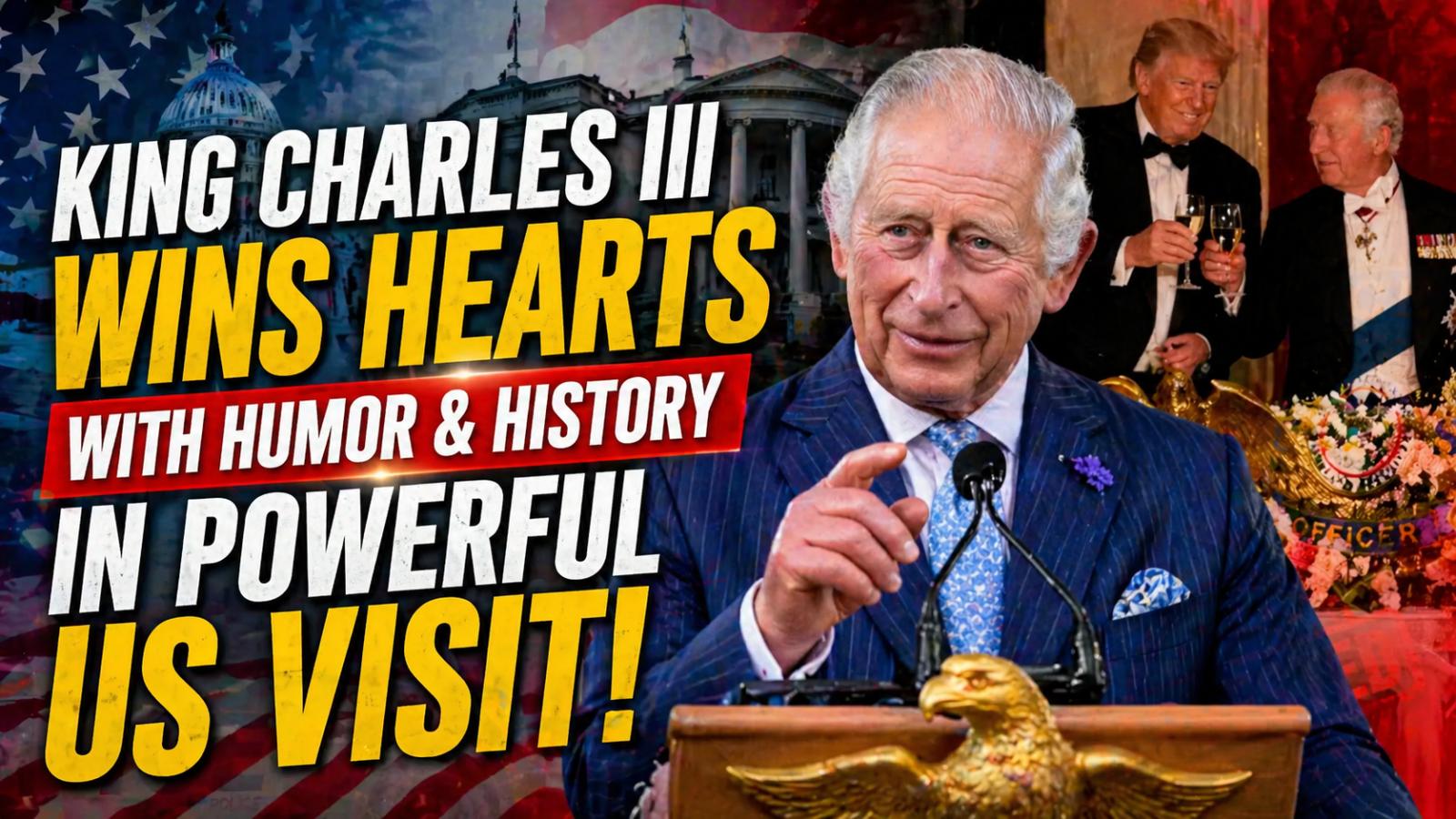
King Charles III used a mix of humor and historical references during his recent visit to the United States, delivering speeches that balanced diplomacy with wit while reinforcing the long-standing relationship between the two nations. His appearances, including an address to Congress and remarks at a state dinner at the White House hosted by Donald Trump, drew attention for their tone and messaging. During his engagements, the King made light-hearted comments that resonated with audiences while referencing shared history. In one instance, he joked about the British army’s burning of the White House in 1814, describing it as a “small attempt at beautification,” prompting laughter while acknowledging a historic conflict. His remarks also included references to earlier global rivalries, noting that without British influence, Americans might have been speaking French, a nod to the outcome of 18th-century European conflicts. In his address to Congress, King Charles drew on literary imagery, referring to “a tale of two Georges,” linking George Washington and George III. The comment highlighted shared history while emphasizing the evolution of relations between the United Kingdom and the United States. His speech avoided direct involvement in political controversies, instead focusing on broader themes of partnership and mutual respect. The King also touched on modern geopolitical issues, including defense cooperation and the role of alliances such as NATO. He referenced the enduring collaboration between the two nations, particularly in times of crisis, while acknowledging differing perspectives on international policy matters. His remarks underscored the importance of maintaining cooperation despite disagreements. By combining humor with carefully measured commentary, King Charles demonstrated a diplomatic approach that emphasized unity without overlooking complexity. His visit highlighted both the historical depth and contemporary relevance of the US-UK relationship, presenting a message aimed at strengthening ties while navigating sensitive political dynamics.
King Charles III Uses Humor to Strengthen US-UK Ties During Visit
King Charles III used a mix of humor and historical references during his recent visit to the United States, delivering speeches that balanced diplomacy with wit while reinforcing the long-standing relationship between the two nations. His appearances, including an address to Congress and remarks at a state dinner at the White House hosted by Donald Trump, drew attention for their tone and messaging. During his engagements, the King made light-hearted comments that resonated with audiences while referencing shared history. In one instance, he joked about the British army’s burning of the White House in 1814, describing it as a “small attempt at beautification,” prompting laughter while acknowledging a historic conflict. His remarks also included references to earlier global rivalries, noting that without British influence, Americans might have been speaking French, a nod to the outcome of 18th-century European conflicts. In his address to Congress, King Charles drew on literary imagery, referring to “a tale of two Georges,” linking George Washington and George III. The comment highlighted shared history while emphasizing the evolution of relations between the United Kingdom and the United States. His speech avoided direct involvement in political controversies, instead focusing on broader themes of partnership and mutual respect. The King also touched on modern geopolitical issues, including defense cooperation and the role of alliances such as NATO. He referenced the enduring collaboration between the two nations, particularly in times of crisis, while acknowledging differing perspectives on international policy matters. His remarks underscored the importance of maintaining cooperation despite disagreements. By combining humor with carefully measured commentary, King Charles demonstrated a diplomatic approach that emphasized unity without overlooking complexity. His visit highlighted both the historical depth and contemporary relevance of the US-UK relationship, presenting a message aimed at strengthening ties while navigating sensitive political dynamics.
King Charles III Attends White House State Dinner Hosted by President Trump
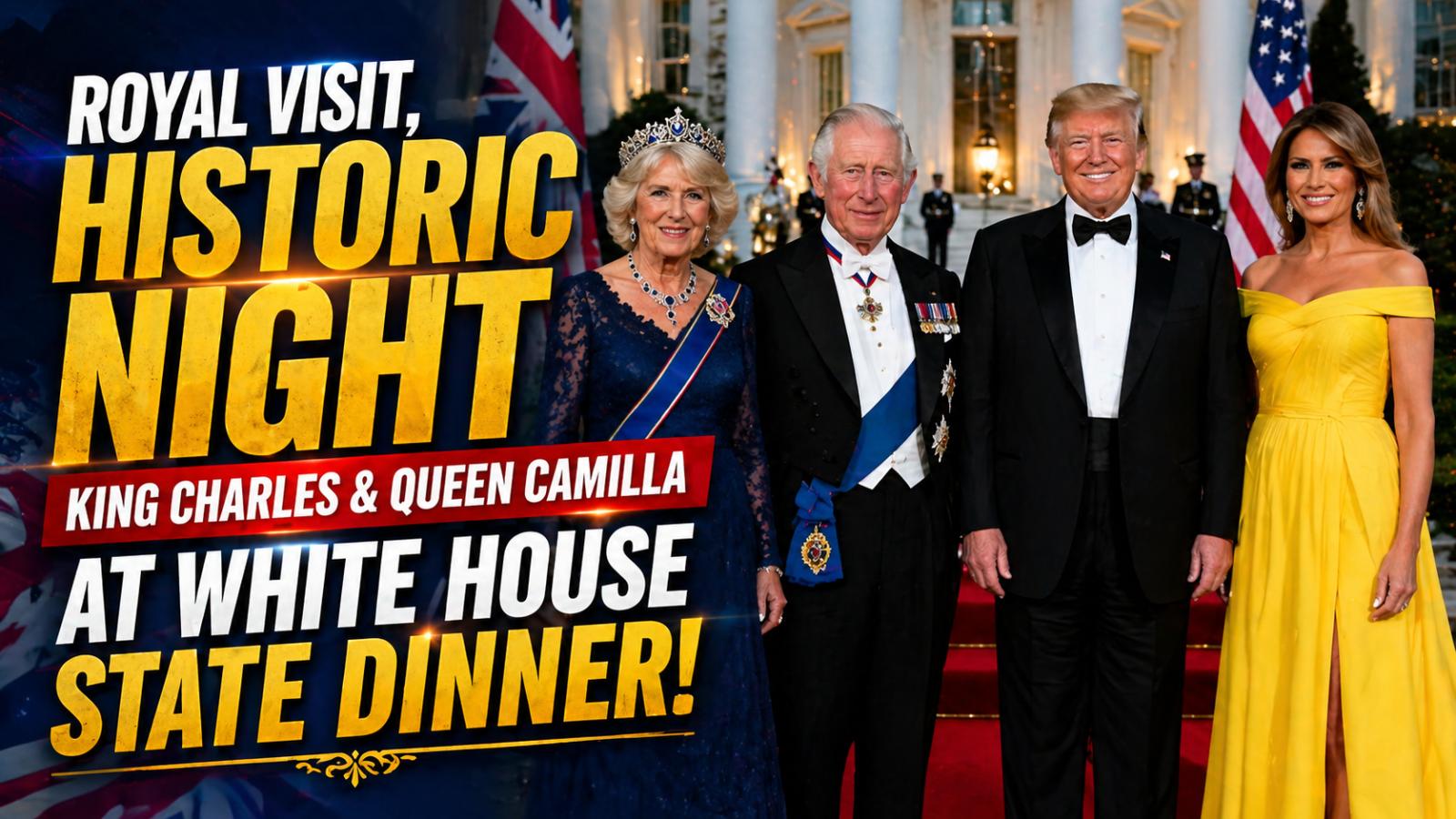
King Charles III and Queen Camilla arrived at the White House on Tuesday evening for a formal state dinner hosted by Donald
King Charles III Attends White House State Dinner Hosted by President Trump
King Charles III and Queen Camilla arrived at the White House on Tuesday evening for a formal state dinner hosted by Donald
Why is King Charles III visiting the US? A historic state visit begins in Washington
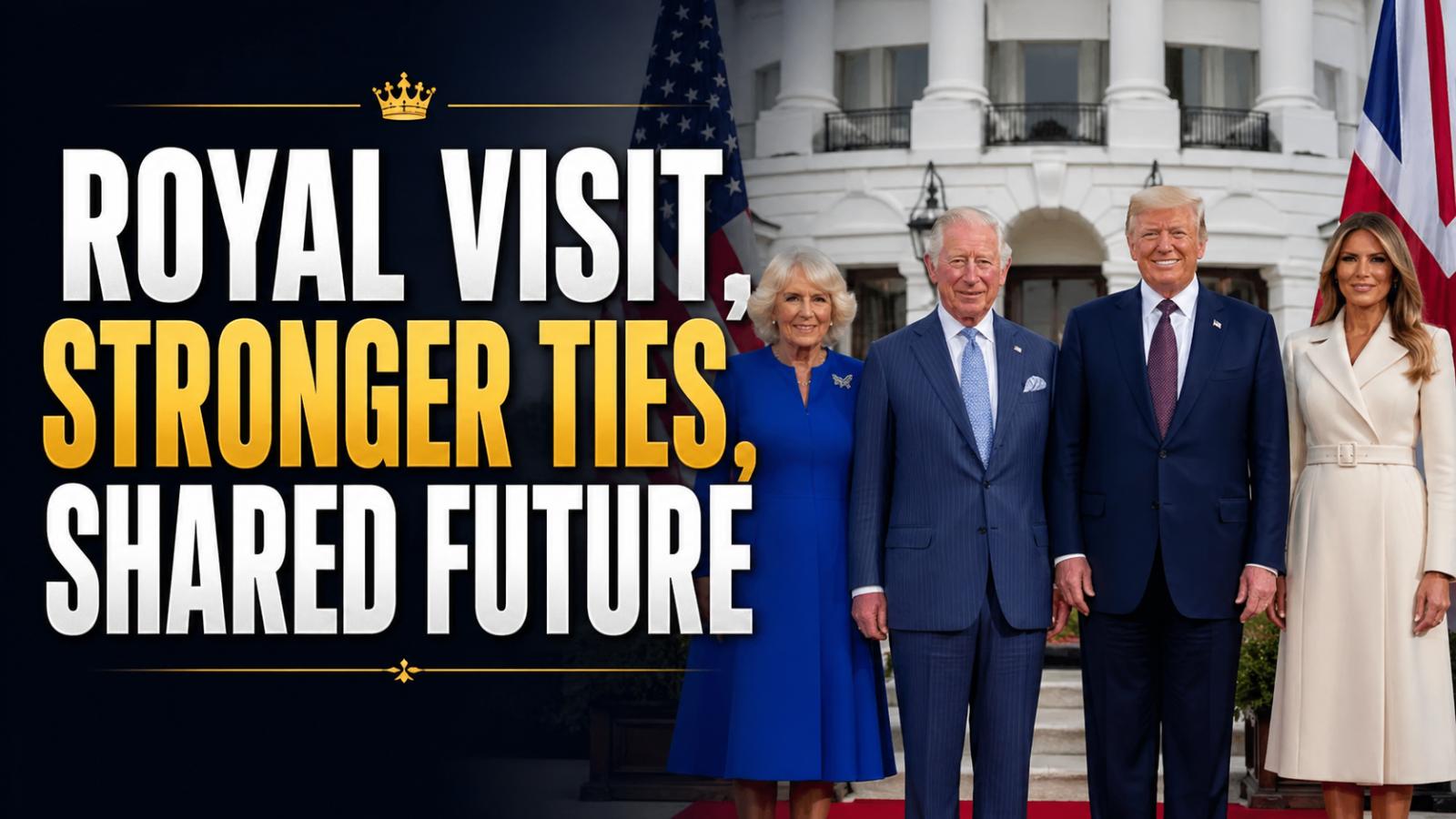
A historic state visit begins in Washington King Charles III and Queen Camilla were formally received by Donald Trump at the White House on Monday April 27, 2026 afternoon, marking the
Why is King Charles III visiting the US? A historic state visit begins in Washington
A historic state visit begins in Washington King Charles III and Queen Camilla were formally received by Donald Trump at the White House on Monday April 27, 2026 afternoon, marking the


