









Greg Abbott Courts Wall Street as Mamdani Backlash Hits NYC
Texas Governor Greg Abbott is courting Wall Street firms as criticism grows over New York City Mayor Zohran Mamdani’s rhetoric toward wealthy business leaders and billionaire CEOs. The political clash has sharpened concerns about New York City’s business climate, especially among financial firms weighing taxes, regulation and long-term expansion plans. Texas Sells Low-Tax Business Climate Abbott’s office said Texas remains open to compani
Greg Abbott Courts Wall Street as Mamdani Backlash Hits NYC
Texas Governor Greg Abbott is courting Wall Street firms as criticism grows over New York City Mayor Zohran Mamdani’s rhetoric toward wealthy business leaders and billionaire CEOs. The political clash has sharpened concerns about New York City’s business climate, especially among financial firms weighing taxes, regulation and long-term expansion plans. Texas Sells Low-Tax Business Climate Abbott’s office said Texas remains open to compani
UK PM Keir Starmer announces British Steel plan during Labour revolt
United Kingdom Prime Minister Keir Starmer is facing one of the toughest moments of his political career after Labour suffered major defeats in local elections across England and Wales. In a major speech aimed at calming angry Labour MPs, Starmer admitted the election results were “tough” and accepted responsibility for the setback. At the same time, he promised to rebuild trust, strengthen the UK economy, improve ties with Europe, and protect Britain from being pulled into a war with Ira
UK PM Keir Starmer announces British Steel plan during Labour revolt
United Kingdom Prime Minister Keir Starmer is facing one of the toughest moments of his political career after Labour suffered major defeats in local elections across England and Wales. In a major speech aimed at calming angry Labour MPs, Starmer admitted the election results were “tough” and accepted responsibility for the setback. At the same time, he promised to rebuild trust, strengthen the UK economy, improve ties with Europe, and protect Britain from being pulled into a war with Ira

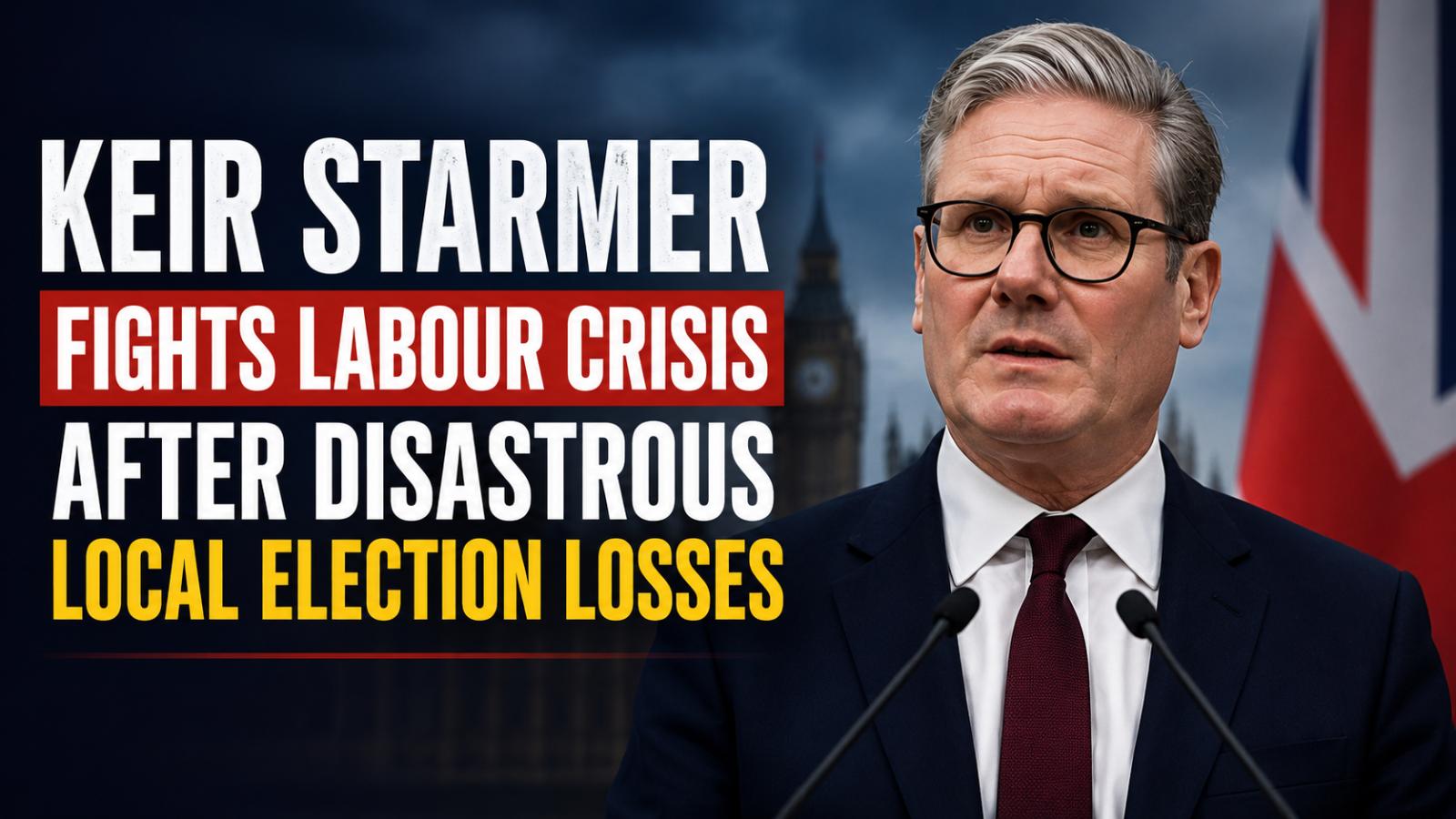
Keir Starmer faces Labour leadership crisis after crushing local election losses
United Kingdom Prime Minister Keir Starmer is facing a serious Labour leadership crisis after the party suffered heavy losses in the 2026 local elections across England and Wales. The poor election performance has triggered anger among Labour MPs, with Catherine West warning cabinet ministers that she may begin gathering support for a leadership contest if no one challenges Starmer by Monday. The growing rebellion has raised fresh questions about Starmer’s future as leader of the Labour Par
Keir Starmer faces Labour leadership crisis after crushing local election losses
United Kingdom Prime Minister Keir Starmer is facing a serious Labour leadership crisis after the party suffered heavy losses in the 2026 local elections across England and Wales. The poor election performance has triggered anger among Labour MPs, with Catherine West warning cabinet ministers that she may begin gathering support for a leadership contest if no one challenges Starmer by Monday. The growing rebellion has raised fresh questions about Starmer’s future as leader of the Labour Par

Canvas Cyberattack: Schools Scramble as Student Data Leak Fears Grow
Canvas cyberattack disrupts schools during finals The Canvas cyberattack disrupted schools and universities nationwide during final exam season, leaving students unable to access assignments, grades and course materials. The incident has also raised data breach fears after ShinyHunters claimed it stole Canvas user information. What happened to Canvas? Canvas, the learning platform run by Instructure, was taken offline for many users after reports of hacked login pages and service disruptions. Students at multiple colleges said they were redirected to a message allegedly posted by ShinyHunters, a hacking group that threatened to leak school data if its demands were not met. The timing intensified the fallout. With finals underway, some students lost access to exam materials, lecture notes and submission portals, forcing schools to adjust deadlines, monitor systems and guide users through temporary workarounds. Which schools were affected? The disruption touched schools across the U.S., including districts and colleges in North Texas. Plano ISD, Allen ISD, Southern Methodist University and Tarrant County College were among institutions reviewing the impact as Canvas access began returning. What student data may be at risk? Instructure has said it is investigating the security incident. Reports indicate the exposed information may include names, email addresses, student ID numbers and messages, though the full scope has not been independently confirmed. Cybersecurity experts warn that education platforms remain high-value targets because they store data on minors, teachers and university communities. For students and families, the immediate advice is simple: watch for suspicious emails, avoid unknown links and follow official school updates while the investigation continues.
Canvas Cyberattack: Schools Scramble as Student Data Leak Fears Grow
Canvas cyberattack disrupts schools during finals The Canvas cyberattack disrupted schools and universities nationwide during final exam season, leaving students unable to access assignments, grades and course materials. The incident has also raised data breach fears after ShinyHunters claimed it stole Canvas user information. What happened to Canvas? Canvas, the learning platform run by Instructure, was taken offline for many users after reports of hacked login pages and service disruptions. Students at multiple colleges said they were redirected to a message allegedly posted by ShinyHunters, a hacking group that threatened to leak school data if its demands were not met. The timing intensified the fallout. With finals underway, some students lost access to exam materials, lecture notes and submission portals, forcing schools to adjust deadlines, monitor systems and guide users through temporary workarounds. Which schools were affected? The disruption touched schools across the U.S., including districts and colleges in North Texas. Plano ISD, Allen ISD, Southern Methodist University and Tarrant County College were among institutions reviewing the impact as Canvas access began returning. What student data may be at risk? Instructure has said it is investigating the security incident. Reports indicate the exposed information may include names, email addresses, student ID numbers and messages, though the full scope has not been independently confirmed. Cybersecurity experts warn that education platforms remain high-value targets because they store data on minors, teachers and university communities. For students and families, the immediate advice is simple: watch for suspicious emails, avoid unknown links and follow official school updates while the investigation continues.

Massive Belleville Warehouse Fire Leaves Residents Without Power
Belleville Warehouse Fire Recovery Costs Continue to Rise Officials in New Jersey are seeking state aid as the massive Belleville warehouse fire continues straining emergency resources, leaving dozens of residents without power and forcing costly cleanup operations. Gov. Mikie Sherrill toured the fire zone Thursday alongside Belleville Mayor Michael Melham as f
Massive Belleville Warehouse Fire Leaves Residents Without Power
Belleville Warehouse Fire Recovery Costs Continue to Rise Officials in New Jersey are seeking state aid as the massive Belleville warehouse fire continues straining emergency resources, leaving dozens of residents without power and forcing costly cleanup operations. Gov. Mikie Sherrill toured the fire zone Thursday alongside Belleville Mayor Michael Melham as f
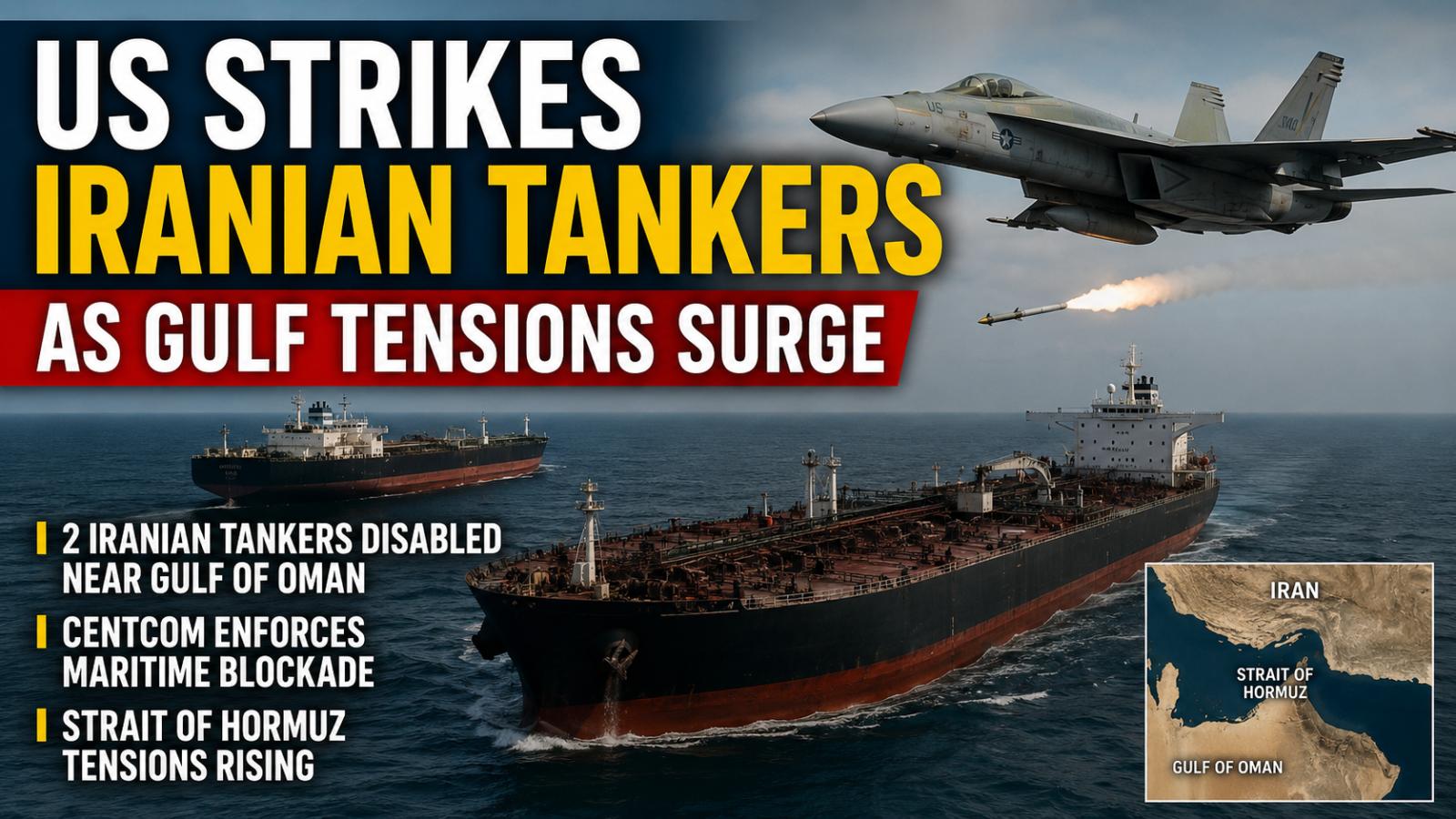
US Strikes Iranian Tankers as Strait of Hormuz Tensions Surge
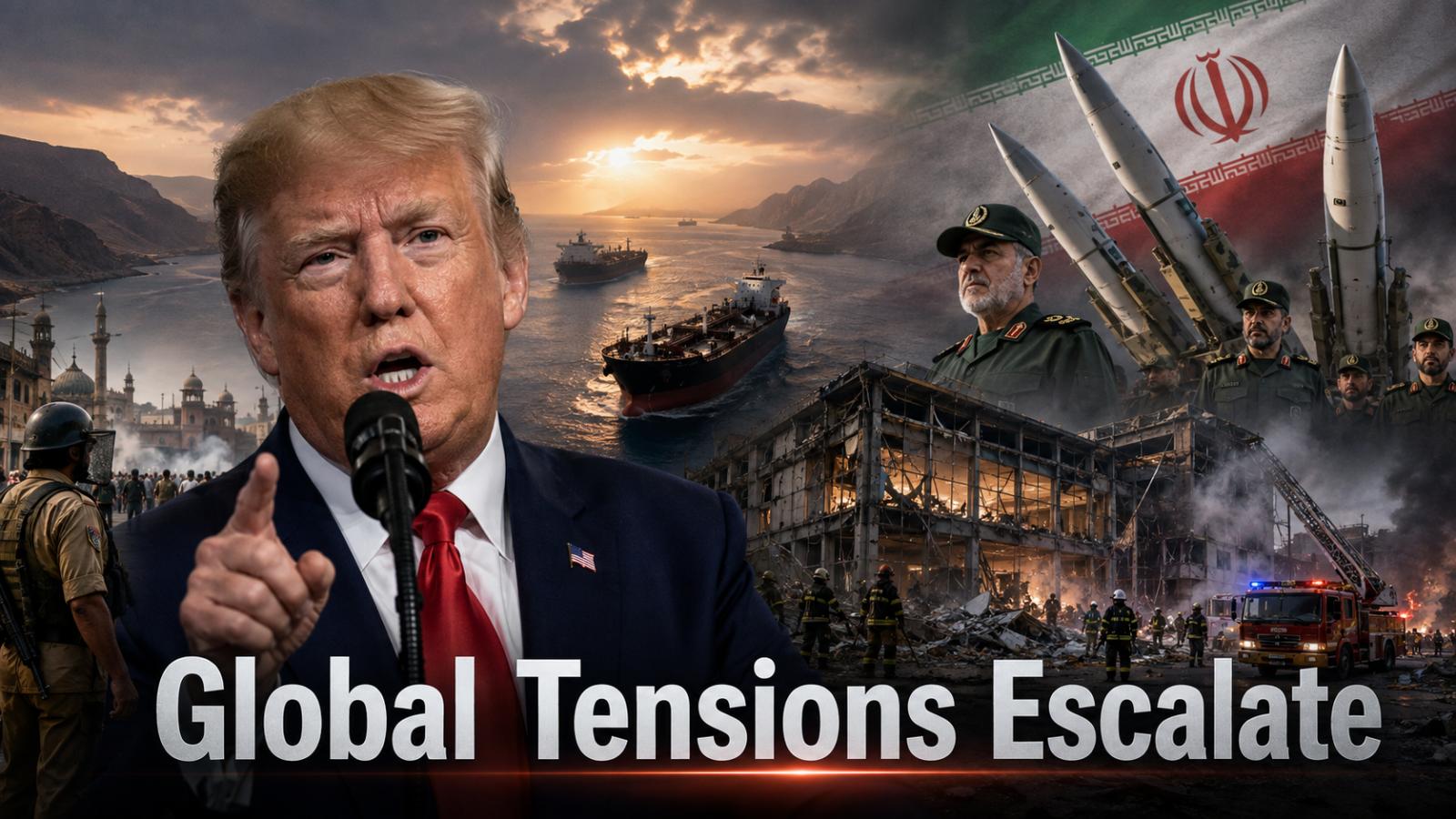
US Iran Tanker Strike Raises Gulf Tensions US forces disabled two Iranian-flagged tankers near the Gulf of Oman on Friday, May 8, 2026, after CENTCOM said the vessels violated an ongoing maritime blockade. The tankers, identified as M/T Sea Star III and M/T Sevda, were stopped before entering an Iranian port. US Central Command said both vessels were empty at the time and were no longer heading toward Iran after the strike. CENTCOM Says Blockade Enforcement Is Continuing Officials said the operation was carried out as part of wider US efforts to enforce maritime restrictions around Iranian ports. The action follows a similar incident earlier in the week, when another Iranian-linked vessel was disabled while attempting to reach Iran. The latest strike comes as US Navy assets remain active across the Gulf region, including carrier-based aircraft supporting blockade enforcement and maritime security operations. Why the Strait of Hormuz Matters The Strait of Hormuz is one of the world’s most important energy corridors, making any military escalation there a direct concern for oil markets, shipping companies, and regional governments. Reports of sporadic clashes and rising naval activity have increased fears of wider disruption. While US officials describe the strikes as limited enforcement action, the incident adds fresh pressure to already fragile diplomatic efforts between Washington and Tehran. For global markets, the key question is whether the confrontation remains contained—or turns into a longer Gulf shipping crisis.
US Strikes Iranian Tankers as Strait of Hormuz Tensions Surge
US Iran Tanker Strike Raises Gulf Tensions US forces disabled two Iranian-flagged tankers near the Gulf of Oman on Friday, May 8, 2026, after CENTCOM said the vessels violated an ongoing maritime blockade. The tankers, identified as M/T Sea Star III and M/T Sevda, were stopped before entering an Iranian port. US Central Command said both vessels were empty at the time and were no longer heading toward Iran after the strike. CENTCOM Says Blockade Enforcement Is Continuing Officials said the operation was carried out as part of wider US efforts to enforce maritime restrictions around Iranian ports. The action follows a similar incident earlier in the week, when another Iranian-linked vessel was disabled while attempting to reach Iran. The latest strike comes as US Navy assets remain active across the Gulf region, including carrier-based aircraft supporting blockade enforcement and maritime security operations. Why the Strait of Hormuz Matters The Strait of Hormuz is one of the world’s most important energy corridors, making any military escalation there a direct concern for oil markets, shipping companies, and regional governments. Reports of sporadic clashes and rising naval activity have increased fears of wider disruption. While US officials describe the strikes as limited enforcement action, the incident adds fresh pressure to already fragile diplomatic efforts between Washington and Tehran. For global markets, the key question is whether the confrontation remains contained—or turns into a longer Gulf shipping crisis.

Houston Water Bills Shock: Meter Mix-Up in Houston Leaves Hundreds Overcharged for Years
Houston residents facing unusually high water bills finally have an answer. Houston officials confirmed faulty water meters caused inflated charges for hundreds of customers over several years. What Caused High Houston Water Bills? Houston Public Works admitted incorrect water meters were installed during a 2024 upgrade replacing 125,000 aging units. These faulty installations led to inaccurate readings—explaining why many asked, “Why is my Houston water bill so high?” Hundreds Affected by Meter Errors More than 600 homes, including areas like Gulfgate, were impacted. Some residents reported bills soaring to $683 despite normal usage. Officials said the issue went undetected until January 2026, raising concerns over delayed response. Delayed Fix and Growing Frustration City crews began replacing faulty meters in March 2026. However, many residents say they received no clear communication—even after repeatedly questioning high charges. “We kept asking, but got no answers,” one customer said. Will Houston Refund Overcharged Bills? Houston Public Works Director Randy Macchi acknowledged the issue publicly. Officials have yet to confirm how refunds or billing corrections will be handled, leaving affected customers uncertain. Ongoing Investigation into Houston Billing Issues The discovery has intensified scrutiny on Houston’s utility system, already criticized for billing errors. Officials said the investigation continues, and further updates on corrections are expected. For many residents, the key question remains: when—and how—will the city fix the financial damage caused by years of overcharges
Houston Water Bills Shock: Meter Mix-Up in Houston Leaves Hundreds Overcharged for Years
Houston residents facing unusually high water bills finally have an answer. Houston officials confirmed faulty water meters caused inflated charges for hundreds of customers over several years. What Caused High Houston Water Bills? Houston Public Works admitted incorrect water meters were installed during a 2024 upgrade replacing 125,000 aging units. These faulty installations led to inaccurate readings—explaining why many asked, “Why is my Houston water bill so high?” Hundreds Affected by Meter Errors More than 600 homes, including areas like Gulfgate, were impacted. Some residents reported bills soaring to $683 despite normal usage. Officials said the issue went undetected until January 2026, raising concerns over delayed response. Delayed Fix and Growing Frustration City crews began replacing faulty meters in March 2026. However, many residents say they received no clear communication—even after repeatedly questioning high charges. “We kept asking, but got no answers,” one customer said. Will Houston Refund Overcharged Bills? Houston Public Works Director Randy Macchi acknowledged the issue publicly. Officials have yet to confirm how refunds or billing corrections will be handled, leaving affected customers uncertain. Ongoing Investigation into Houston Billing Issues The discovery has intensified scrutiny on Houston’s utility system, already criticized for billing errors. Officials said the investigation continues, and further updates on corrections are expected. For many residents, the key question remains: when—and how—will the city fix the financial damage caused by years of overcharges
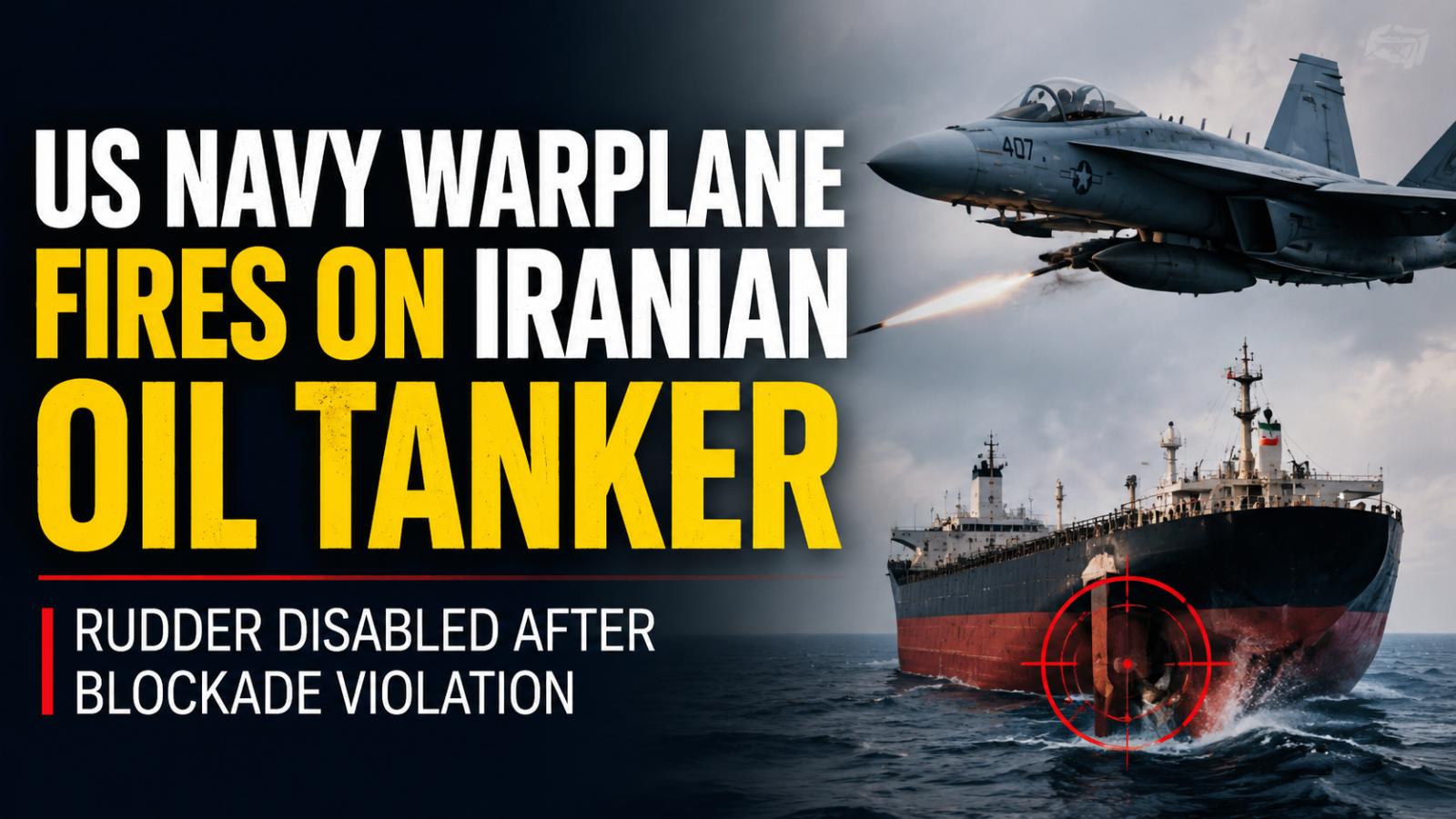
US Navy targets oil tanker violating blockade on Iranian ports
On May 6, the US military announced that a US Navy warplane disabled an Iranian oil tanker after it attempted to breach Washington’s blockade on Iranian ports. This marks the second time US forces have fired on a vessel accused of violating the blockade, which has been in place since April 13. The Iranian-flagged vessel, M/T Hasna, was reportedly not carrying any cargo when it was warned by US forces. When the crew failed to respond, a US F/A-18 Super Hornet opened fire, disabling the tanke
US Navy targets oil tanker violating blockade on Iranian ports
On May 6, the US military announced that a US Navy warplane disabled an Iranian oil tanker after it attempted to breach Washington’s blockade on Iranian ports. This marks the second time US forces have fired on a vessel accused of violating the blockade, which has been in place since April 13. The Iranian-flagged vessel, M/T Hasna, was reportedly not carrying any cargo when it was warned by US forces. When the crew failed to respond, a US F/A-18 Super Hornet opened fire, disabling the tanke
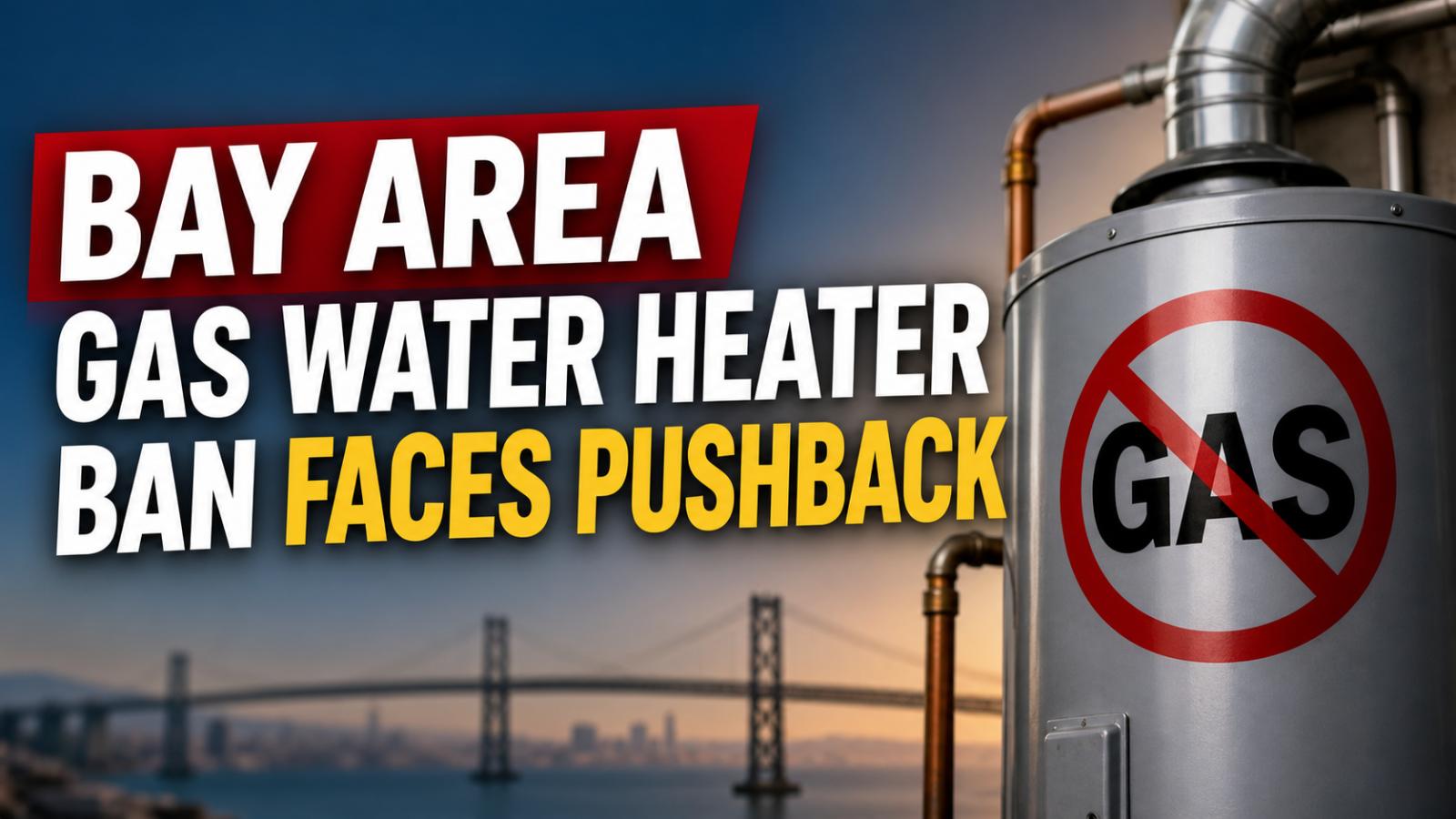
Bay Area Gas Water Heater Ban Faces South Bay Pushback Before Vote
Bay Area Gas Water Heater Ban Faces New South Bay Fight The Bay Area gas water heater ban is facing fresh South Bay resistance before a key BAAQMD vote that could decide how flexible the rule becomes for homeowners. Business leaders and local advocates rallied outside the Santa Clara County Building, urging regulators to pause or soften restrictions on new gas-powered water heaters and boilers. The rule, adopted by the Bay Area Air Quality Managem
Bay Area Gas Water Heater Ban Faces South Bay Pushback Before Vote
Bay Area Gas Water Heater Ban Faces New South Bay Fight The Bay Area gas water heater ban is facing fresh South Bay resistance before a key BAAQMD vote that could decide how flexible the rule becomes for homeowners. Business leaders and local advocates rallied outside the Santa Clara County Building, urging regulators to pause or soften restrictions on new gas-powered water heaters and boilers. The rule, adopted by the Bay Area Air Quality Managem

Illinois School Closed After Police Gun Goes Missing on Campus
Illinois School Closed After Missing Police Gun Sparks Search An Illinois school was shut down on Monday, May 5, 2026, after a police-issued firearm went missing on campus, triggering an urgent search and raising safety concerns among parents and staff. The incident happened at Forest View Education Center in Arlington Heights, where officials confirmed classes were canceled for Tuesday as a precaution while the investigation continues.
Illinois School Closed After Police Gun Goes Missing on Campus
Illinois School Closed After Missing Police Gun Sparks Search An Illinois school was shut down on Monday, May 5, 2026, after a police-issued firearm went missing on campus, triggering an urgent search and raising safety concerns among parents and staff. The incident happened at Forest View Education Center in Arlington Heights, where officials confirmed classes were canceled for Tuesday as a precaution while the investigation continues.

Sakauye Farmhouse Saved: Japanese American Landmark Moves to San Jose History Park
Sakauye Farmhouse Saved in San Jose The Sakauye farmhouse has been moved to San Jose History Park after an eight-mile relocation, preserving a rare Japanese American heritage site once threatened by redevelopment. The century-old home, tied to farmer and educator Eiichi “Ed” Sakauye, stood on Seely Avenue in North San Jose, where new housing plans put the structure at risk. Preservation advocates say the move keeps a vital piece of Santa Clara Valley
Sakauye Farmhouse Saved: Japanese American Landmark Moves to San Jose History Park
Sakauye Farmhouse Saved in San Jose The Sakauye farmhouse has been moved to San Jose History Park after an eight-mile relocation, preserving a rare Japanese American heritage site once threatened by redevelopment. The century-old home, tied to farmer and educator Eiichi “Ed” Sakauye, stood on Seely Avenue in North San Jose, where new housing plans put the structure at risk. Preservation advocates say the move keeps a vital piece of Santa Clara Valley
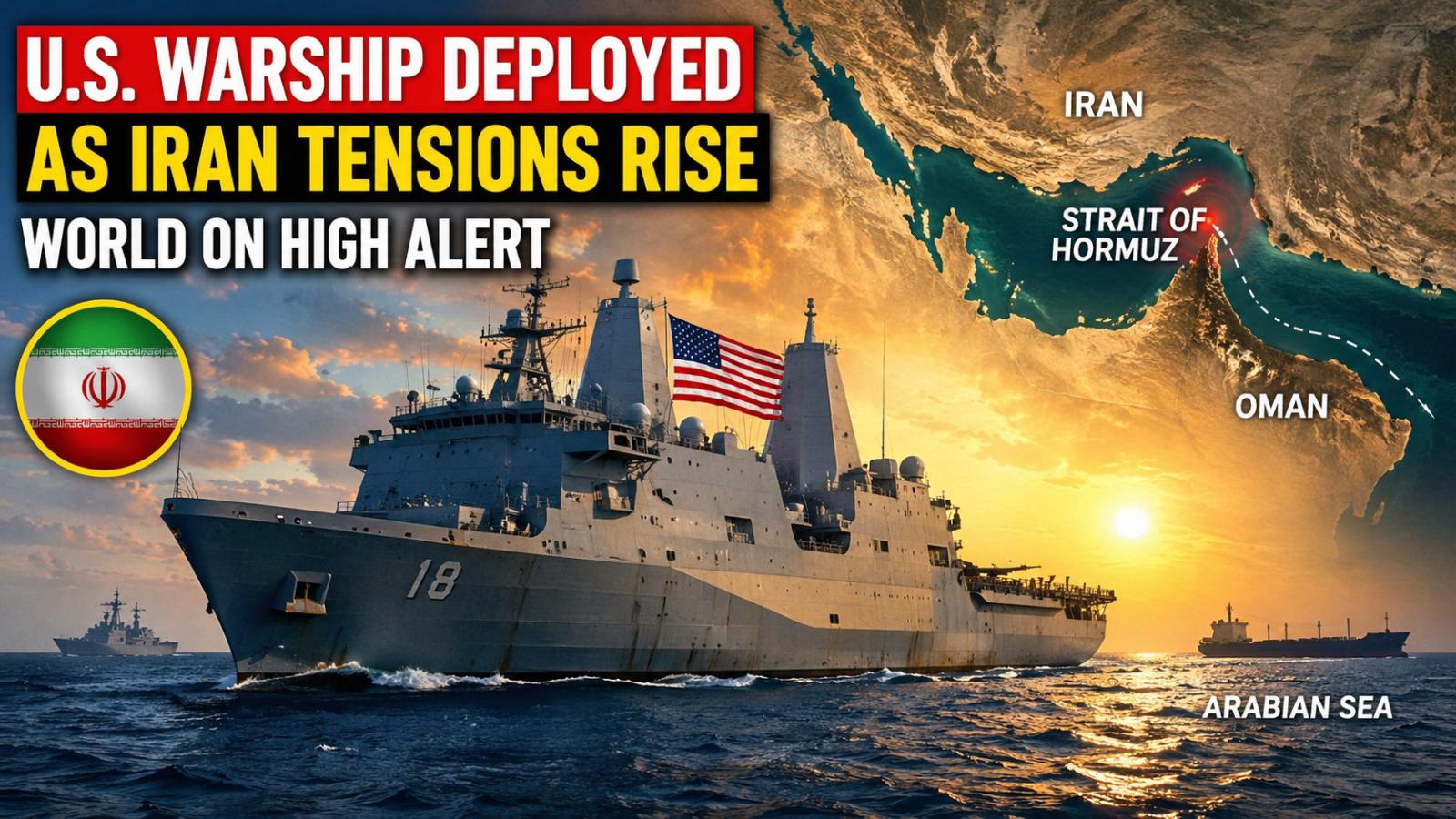
USS New Orleans Deployed in Arabian Sea as U.S.-Iran Tensions Rise Over Strait of Hormuz
The deployment of the USS New Orleans (LPD-18) in the Arabian Sea is drawing global attention as tensions between the United States and Iran continue to escalate. According to the U.S. Central Command, the warship has been actively involved in maritime patrol operations aimed at enforcing restrictions linked to Iran. Images released on May 2, 2026, show the vessel operatin
USS New Orleans Deployed in Arabian Sea as U.S.-Iran Tensions Rise Over Strait of Hormuz
The deployment of the USS New Orleans (LPD-18) in the Arabian Sea is drawing global attention as tensions between the United States and Iran continue to escalate. According to the U.S. Central Command, the warship has been actively involved in maritime patrol operations aimed at enforcing restrictions linked to Iran. Images released on May 2, 2026, show the vessel operatin
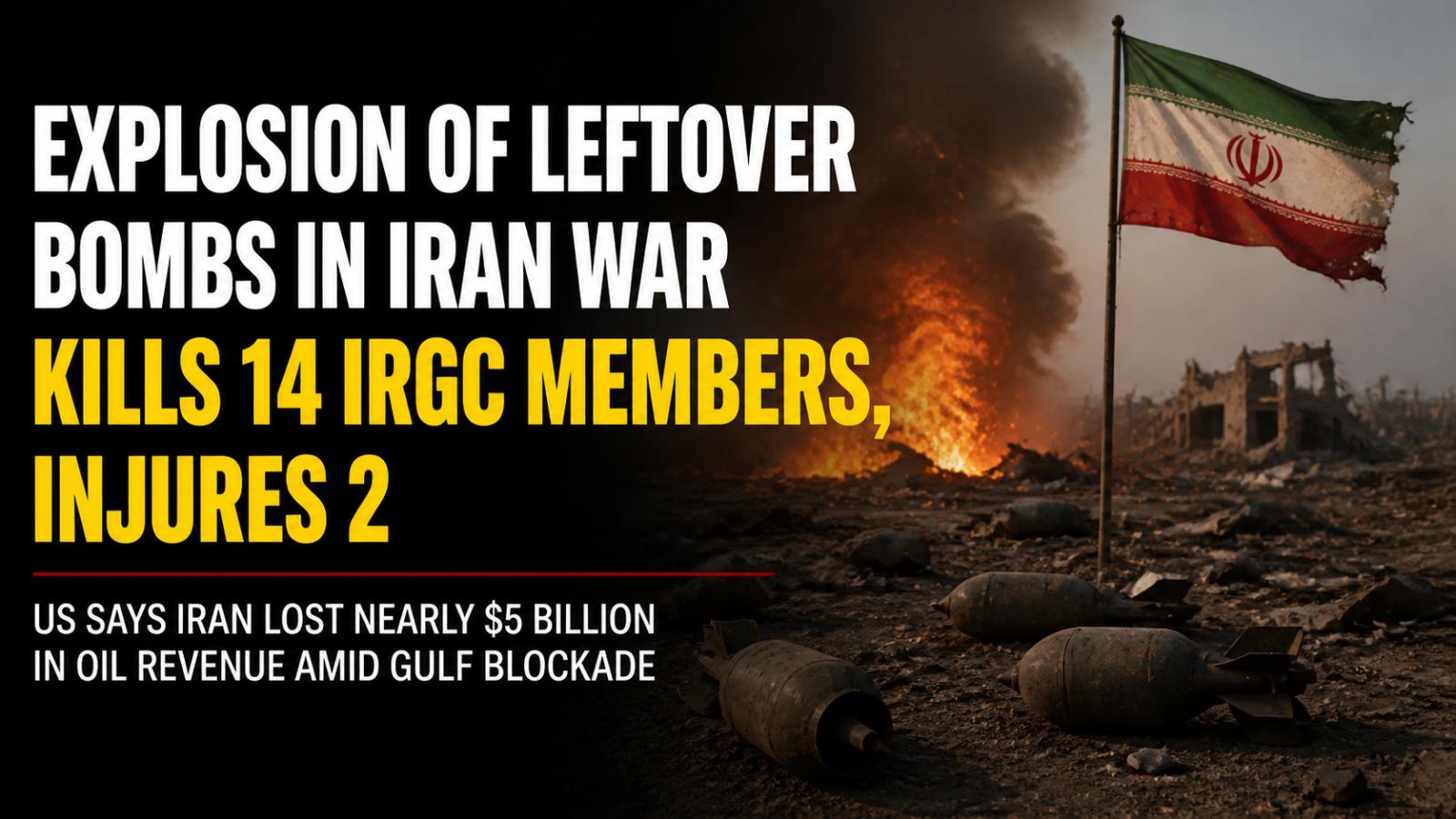
Explosion of leftover bombs kills 14 IRGC members in northwestern Iran
Explosion kills 14 IRGC members in northwestern Iran On Friday, May 1, 14 members of Iran's Islamic Revolutionary Guard Corps (IRGC) were killed in an explosion caused by leftover bombs from the ongoing war. The explosion took place in Zanjan Province, a region in northwestern Iran. This incident marks the largest number of casualties for the IRGC since the US-Iran ceasefi
Explosion of leftover bombs kills 14 IRGC members in northwestern Iran
Explosion kills 14 IRGC members in northwestern Iran On Friday, May 1, 14 members of Iran's Islamic Revolutionary Guard Corps (IRGC) were killed in an explosion caused by leftover bombs from the ongoing war. The explosion took place in Zanjan Province, a region in northwestern Iran. This incident marks the largest number of casualties for the IRGC since the US-Iran ceasefi
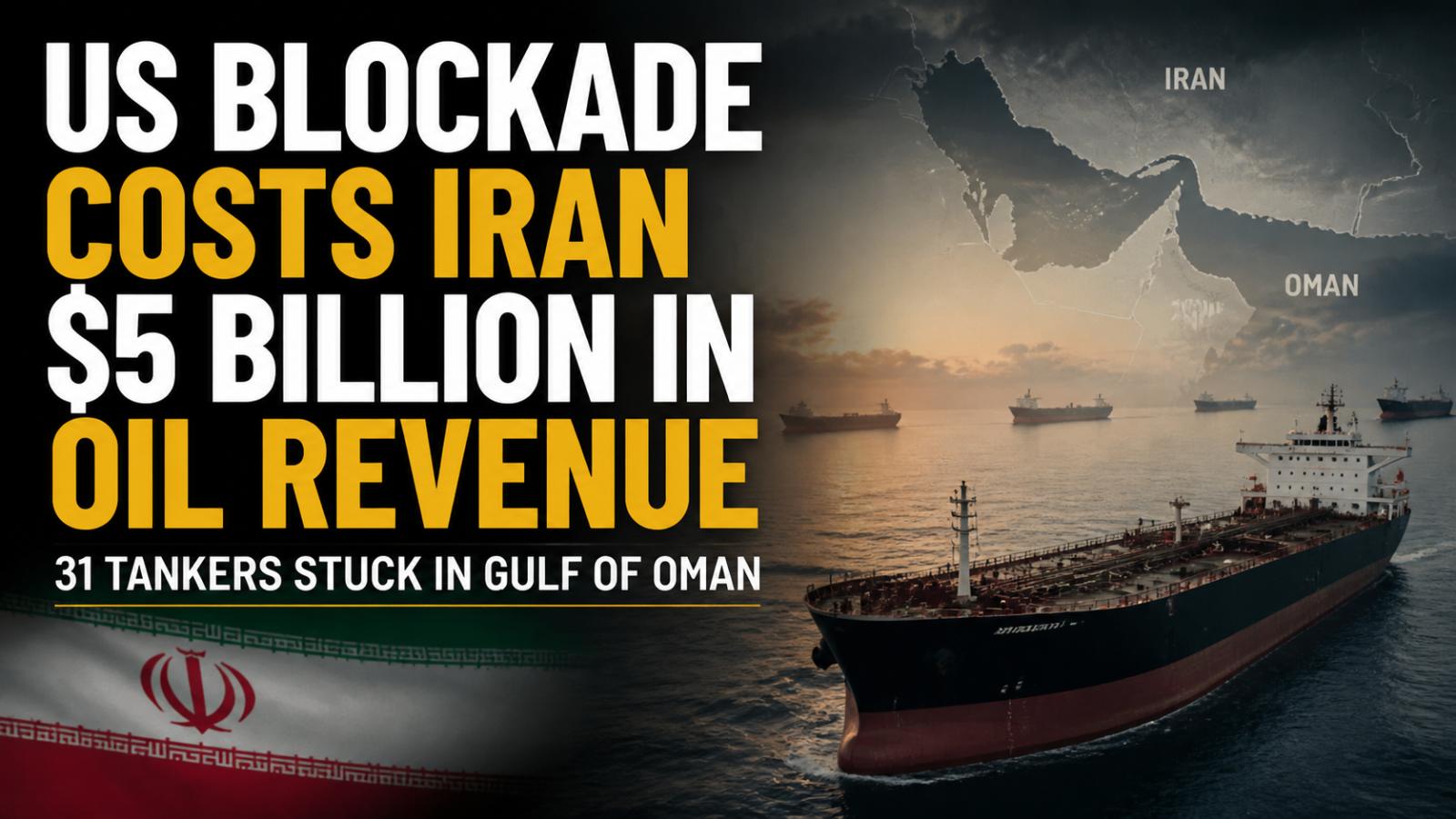
US blockade in Gulf of Oman halts $5 billion in Iranian oil revenue
The ongoing US blockade in the Gulf of Oman has forced Iran to face a massive loss, with the US Defense Department estimating that Tehran has lost nearly $5 billion in oil revenue. This economic setback is the result of a blockade imposed by the US military in an effort to increase pressure on Iran’s economy. The blockade, which began on April 13, 2025, has been described as one of President Donald Trump’s most powerful tools to drive Iran into negotiations that aim to resolve the ongoing conflict. However, diplomatic talks have been repeatedly stalling and restarting, leaving both parties in a stalemate. According to Pentagon officials, more than 40 vessels have been redirected since the operation’s start, as they attempted to smuggle oil and other contraband through the region. In total, 31 tankers carrying approximately 53 million barrels of Iranian crude are now stuck in the Gulf of Oman, and these shipments are valued at around $4.8 billion. Of these, two vessels have already been seized by US forces. With storage capacity on land reaching its limits, Iran has resorted to using older tankers as floating storage units, as reported by analysts. These tankers, which are no longer fit for regular commercial routes, have become temporary storage sites for Iran’s oil. Some shipments are being rerouted along longer and more expensive paths, primarily to avoid interception by US forces. To achieve this, Iranian ships have been following coastlines near Pakistan and India and using safer maritime corridors towards the Strait of Malacca, a key transit point for oil bound for China. Tanker tracking analysts such as Samir Madani, co-founder of TankerTrackers.com, have noted a shift in Iranian shipping patterns. He explained how one Iranian tanker, called “HUGE,” cleverly demonstrated how ships are using stealth routes to evade detection. According to Madani, ships are increasingly relying on hidden paths through regional waters to avoid the US military blockade. Madani also predicted that, in the future, Iran might attempt a large-scale breakout of its tankers. "I think the Iranians will wait for an opportunity to launch an overnight 'Great Escape' once they have built up further storage near the border with Pakistan,” Madani told Axios. This situation is part of a broader economic struggle between Iran and the United States, with both countries resorting to maritime pressure tactics. Iran has previously restricted access to the Strait of Hormuz, a critical shipping route, in retaliation. Meanwhile, the US has been tightening its control over the Gulf of Oman, an entry point to key waterways. According to Gregory Brew, an analyst at Eurasia Group, Iran is just weeks away from running out of storage space for its oil, which could collapse its oil production capacity. "They're probably several weeks, or perhaps as much as a month, away from running out of storage," Brew said. The Pentagon’s spokesperson, Joel Valdez, emphasized the severity of the situation, stating that the blockade is fully active and that the US military is delivering a devastating blow to Iran’s ability to fund terrorism and regional destabilization. “Our armed forces in the region will continue to maintain this unrelenting pressure,” Valdez said. This strategy, although harsh, seems designed to wear down Iran’s ability to sustain itself economically, and possibly force a change in its approach to negotiations.
US blockade in Gulf of Oman halts $5 billion in Iranian oil revenue
The ongoing US blockade in the Gulf of Oman has forced Iran to face a massive loss, with the US Defense Department estimating that Tehran has lost nearly $5 billion in oil revenue. This economic setback is the result of a blockade imposed by the US military in an effort to increase pressure on Iran’s economy. The blockade, which began on April 13, 2025, has been described as one of President Donald Trump’s most powerful tools to drive Iran into negotiations that aim to resolve the ongoing conflict. However, diplomatic talks have been repeatedly stalling and restarting, leaving both parties in a stalemate. According to Pentagon officials, more than 40 vessels have been redirected since the operation’s start, as they attempted to smuggle oil and other contraband through the region. In total, 31 tankers carrying approximately 53 million barrels of Iranian crude are now stuck in the Gulf of Oman, and these shipments are valued at around $4.8 billion. Of these, two vessels have already been seized by US forces. With storage capacity on land reaching its limits, Iran has resorted to using older tankers as floating storage units, as reported by analysts. These tankers, which are no longer fit for regular commercial routes, have become temporary storage sites for Iran’s oil. Some shipments are being rerouted along longer and more expensive paths, primarily to avoid interception by US forces. To achieve this, Iranian ships have been following coastlines near Pakistan and India and using safer maritime corridors towards the Strait of Malacca, a key transit point for oil bound for China. Tanker tracking analysts such as Samir Madani, co-founder of TankerTrackers.com, have noted a shift in Iranian shipping patterns. He explained how one Iranian tanker, called “HUGE,” cleverly demonstrated how ships are using stealth routes to evade detection. According to Madani, ships are increasingly relying on hidden paths through regional waters to avoid the US military blockade. Madani also predicted that, in the future, Iran might attempt a large-scale breakout of its tankers. "I think the Iranians will wait for an opportunity to launch an overnight 'Great Escape' once they have built up further storage near the border with Pakistan,” Madani told Axios. This situation is part of a broader economic struggle between Iran and the United States, with both countries resorting to maritime pressure tactics. Iran has previously restricted access to the Strait of Hormuz, a critical shipping route, in retaliation. Meanwhile, the US has been tightening its control over the Gulf of Oman, an entry point to key waterways. According to Gregory Brew, an analyst at Eurasia Group, Iran is just weeks away from running out of storage space for its oil, which could collapse its oil production capacity. "They're probably several weeks, or perhaps as much as a month, away from running out of storage," Brew said. The Pentagon’s spokesperson, Joel Valdez, emphasized the severity of the situation, stating that the blockade is fully active and that the US military is delivering a devastating blow to Iran’s ability to fund terrorism and regional destabilization. “Our armed forces in the region will continue to maintain this unrelenting pressure,” Valdez said. This strategy, although harsh, seems designed to wear down Iran’s ability to sustain itself economically, and possibly force a change in its approach to negotiations.
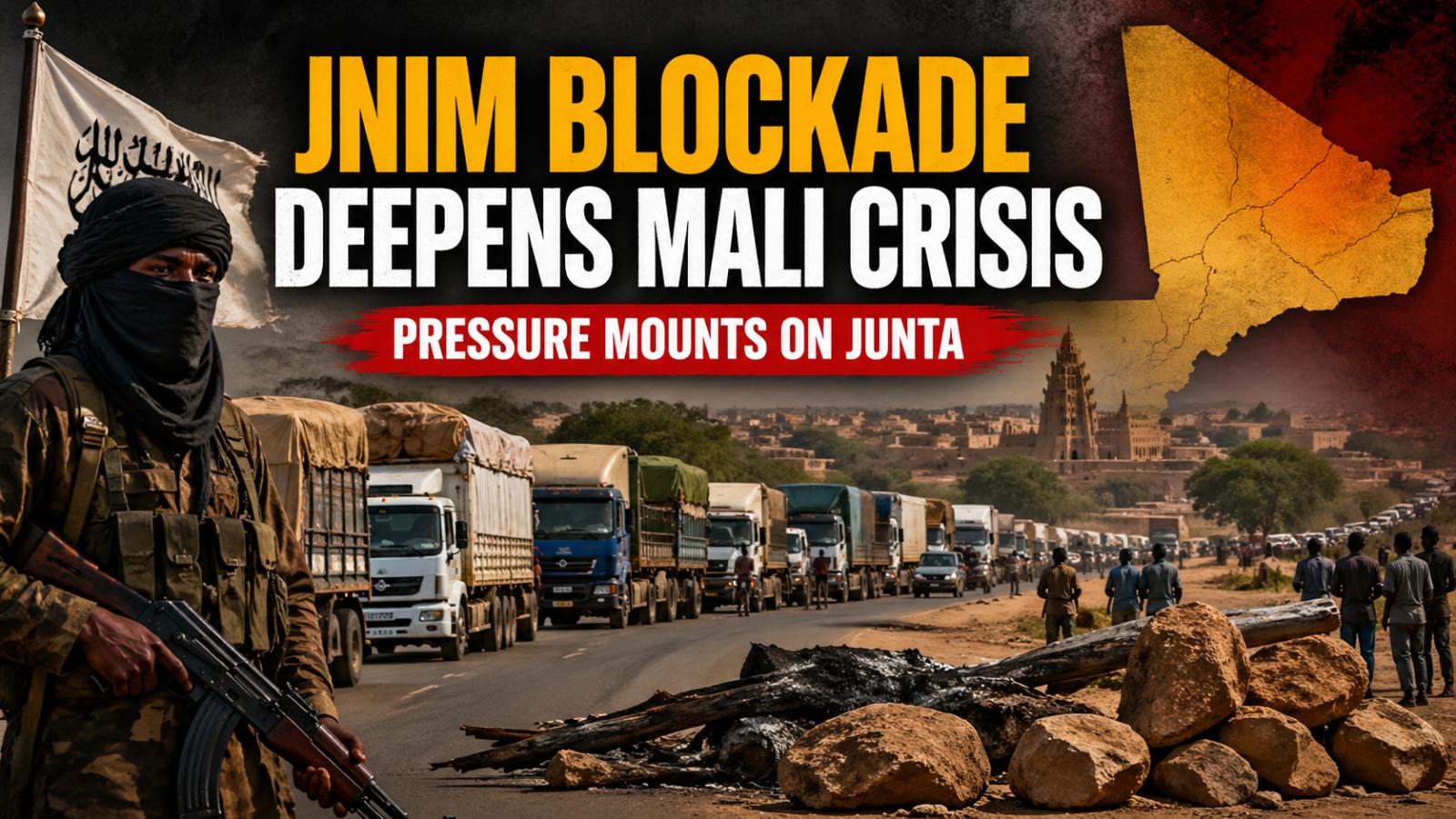
JNIM blockade in Mali on April 30 deepens crisis around Bamako
JNIM blockade in mali escalates crisis on April 30 The Mali crisis intensified on April 30 as the jnim blockade tightened around bamako, cutting key supply routes and increasing pressure on the mali junta government. The jihadist group, the Group for the Support of Islam and Muslims, also called for a united front to remove the military leadership, raising fears of deeper instability across the country. JNIM released a statement on Thursday, April 30, urging political parties, security forces, religious leaders, and citizens to unite against the junta. the group called for a “common front” to bring down the government and push for a transition, following recent coordinated attacks with Tuareg fighters. These attacks targeted military positions and led to the death of Mali’s defence minister Sadio Camara. His funeral in Bamako was held under tight security, attended by thousands including junta leader Assimi Goita. At the same time, the blockade around bamako has created a major supply crisis, with roads leading into the capital and nearby Kati effectively shut. Hundreds of trucks and passenger vehicles remain stranded at entry points, with drivers reporting long waits and growing uncertainty. jnim warned of strict action against anyone using these routes, allowing only those inside the city to leave. The impact is severe because Mali depends heavily on road transport for essential goods. As a landlocked country, it relies on routes through neighboring nations for fuel and supplies. key trade corridors linking to ports like abidjan are now disrupted, affecting businesses and daily life. Reports of violence against drivers along these routes have added to fear, though some claims remain unverified. Air traffic into Bamako continues without disruption, but the overall situation remains tense. analysts warn that if the blockade continues, it could worsen the mali economy crisis and create further humanitarian challenges. The developments on April 30 highlight the growing difficulty for authorities in handling both security threats and economic stability in Mali.
JNIM blockade in Mali on April 30 deepens crisis around Bamako
JNIM blockade in mali escalates crisis on April 30 The Mali crisis intensified on April 30 as the jnim blockade tightened around bamako, cutting key supply routes and increasing pressure on the mali junta government. The jihadist group, the Group for the Support of Islam and Muslims, also called for a united front to remove the military leadership, raising fears of deeper instability across the country. JNIM released a statement on Thursday, April 30, urging political parties, security forces, religious leaders, and citizens to unite against the junta. the group called for a “common front” to bring down the government and push for a transition, following recent coordinated attacks with Tuareg fighters. These attacks targeted military positions and led to the death of Mali’s defence minister Sadio Camara. His funeral in Bamako was held under tight security, attended by thousands including junta leader Assimi Goita. At the same time, the blockade around bamako has created a major supply crisis, with roads leading into the capital and nearby Kati effectively shut. Hundreds of trucks and passenger vehicles remain stranded at entry points, with drivers reporting long waits and growing uncertainty. jnim warned of strict action against anyone using these routes, allowing only those inside the city to leave. The impact is severe because Mali depends heavily on road transport for essential goods. As a landlocked country, it relies on routes through neighboring nations for fuel and supplies. key trade corridors linking to ports like abidjan are now disrupted, affecting businesses and daily life. Reports of violence against drivers along these routes have added to fear, though some claims remain unverified. Air traffic into Bamako continues without disruption, but the overall situation remains tense. analysts warn that if the blockade continues, it could worsen the mali economy crisis and create further humanitarian challenges. The developments on April 30 highlight the growing difficulty for authorities in handling both security threats and economic stability in Mali.
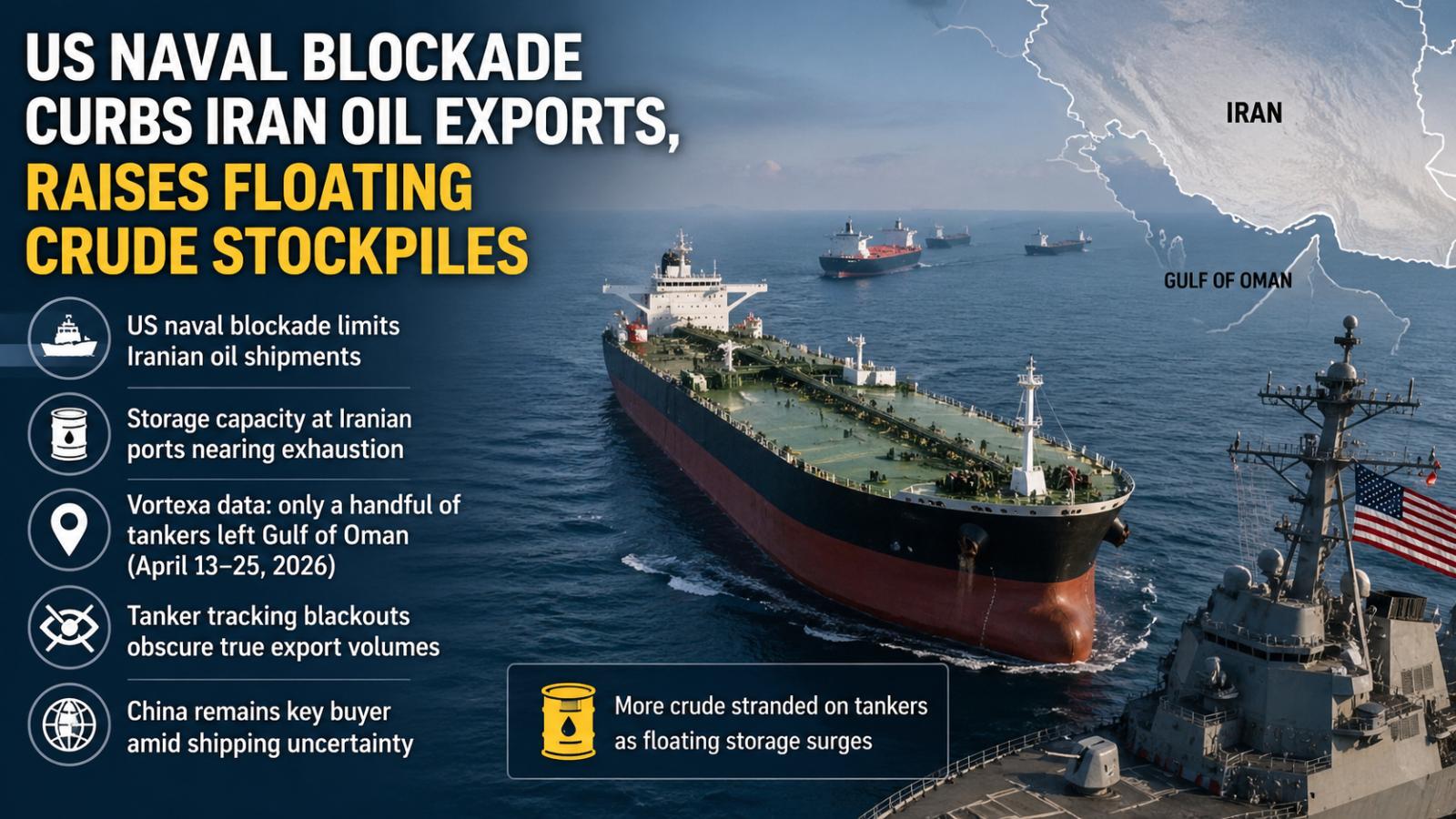
US naval blockade curbs Iran oil exports, raises floating crude stockpiles
The US naval blockade has sharply reduced Iran’s oil exports, forcing crude into floating storage as onshore capacity fills. Limited tanker movement and tracking blackouts obscure shipments, raising concerns over global supply transparency and market stability US naval blockade curbs Iran oil exports, raises floating crude stockpiles has significantly reduced Tehran’s oil shipments, leaving large volumes stranded at sea as storage capacity tightens. Analysts citing shipping data report that Iranian crude exports have dropped sharply due to heightened maritime restrictions and operational risks in key transit routes. According to data from oil analytics firm Vortexa, only a limited number of tankers carrying Iranian crude departed the Gulf of Oman between Sunday, April 13, 2026, and Friday, April 25, 2026. This decline underscores the growing impact of the blockade, which has disrupted traditional export channels and created uncertainty across global energy markets. The situation is further complicated by tanker operators switching off tracking systems to avoid detection, making it difficult to accurately measure export volumes. China remains Iran’s primary buyer, but the opacity surrounding shipments has increased as vessels attempt to evade monitoring systems. Analysts note that this lack of transparency could distort global supply assessments and complicate pricing trends in international oil markets. As Iranian onshore storage facilities reach capacity, more crude is being held on tankers, effectively turning them into floating storage units. The blockade’s ripple effects extend beyond oil logistics. Broader policy measures tied to the maritime restrictions have contributed to operational challenges within U.S. federal systems. Since Friday, February 14, 2026, certain agencies have faced funding interruptions, leading to disruptions including extended wait times at major U.S. airports. While a recent measure supported by President Donald Trump has reopened the Department of Homeland Security, it does not allocate additional funding for Immigration and Customs Enforcement or the U.S. Border Patrol. The evolving situation highlights the intersection of geopolitical strategy and global energy flows, with analysts warning that prolonged disruptions could tighten supply chains and influence oil prices worldwide.
US naval blockade curbs Iran oil exports, raises floating crude stockpiles
The US naval blockade has sharply reduced Iran’s oil exports, forcing crude into floating storage as onshore capacity fills. Limited tanker movement and tracking blackouts obscure shipments, raising concerns over global supply transparency and market stability US naval blockade curbs Iran oil exports, raises floating crude stockpiles has significantly reduced Tehran’s oil shipments, leaving large volumes stranded at sea as storage capacity tightens. Analysts citing shipping data report that Iranian crude exports have dropped sharply due to heightened maritime restrictions and operational risks in key transit routes. According to data from oil analytics firm Vortexa, only a limited number of tankers carrying Iranian crude departed the Gulf of Oman between Sunday, April 13, 2026, and Friday, April 25, 2026. This decline underscores the growing impact of the blockade, which has disrupted traditional export channels and created uncertainty across global energy markets. The situation is further complicated by tanker operators switching off tracking systems to avoid detection, making it difficult to accurately measure export volumes. China remains Iran’s primary buyer, but the opacity surrounding shipments has increased as vessels attempt to evade monitoring systems. Analysts note that this lack of transparency could distort global supply assessments and complicate pricing trends in international oil markets. As Iranian onshore storage facilities reach capacity, more crude is being held on tankers, effectively turning them into floating storage units. The blockade’s ripple effects extend beyond oil logistics. Broader policy measures tied to the maritime restrictions have contributed to operational challenges within U.S. federal systems. Since Friday, February 14, 2026, certain agencies have faced funding interruptions, leading to disruptions including extended wait times at major U.S. airports. While a recent measure supported by President Donald Trump has reopened the Department of Homeland Security, it does not allocate additional funding for Immigration and Customs Enforcement or the U.S. Border Patrol. The evolving situation highlights the intersection of geopolitical strategy and global energy flows, with analysts warning that prolonged disruptions could tighten supply chains and influence oil prices worldwide.
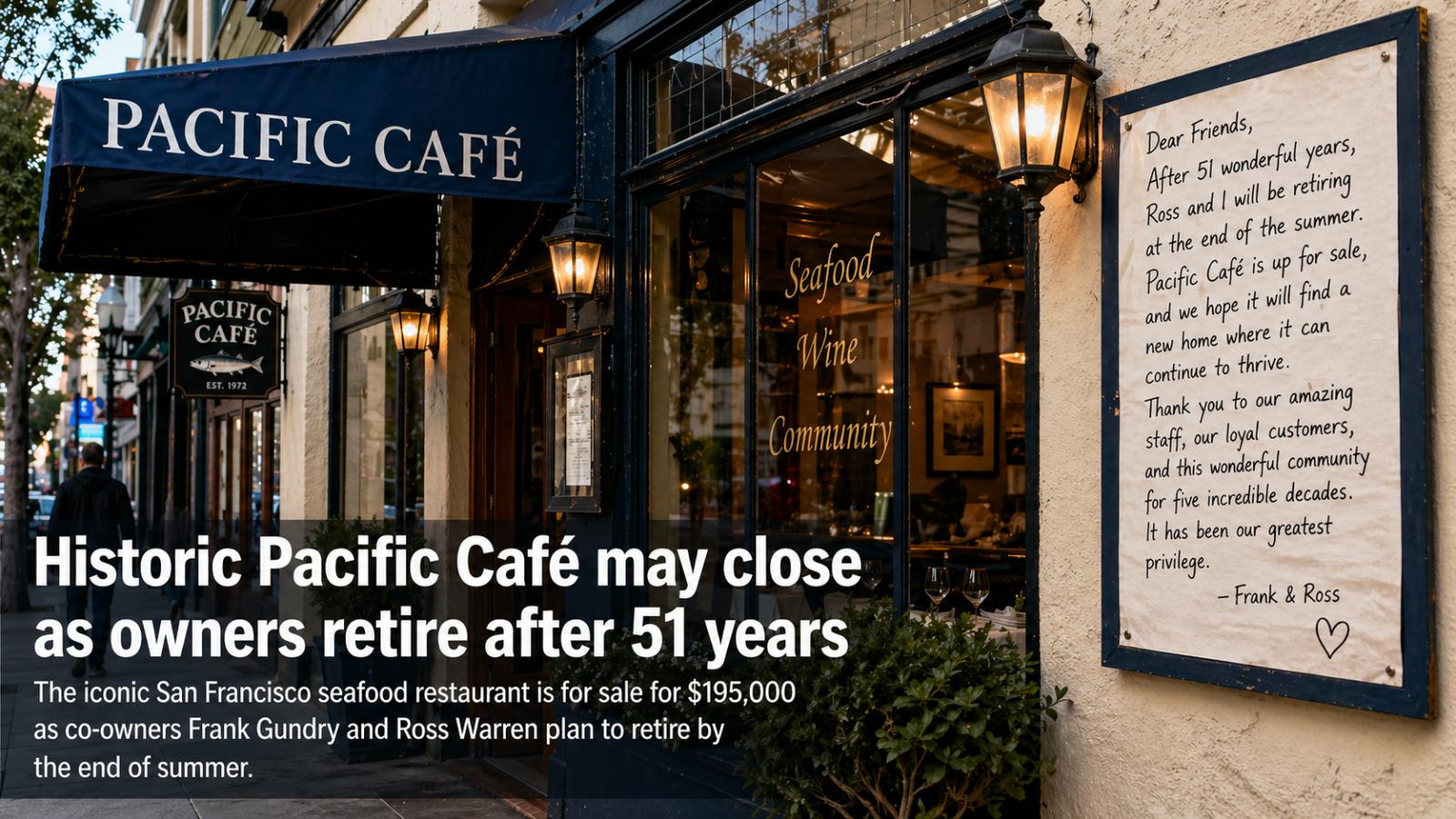
Pacific Café faces possible closure without buyer after decades of service
Historic Pacific Café may close as owners retire after 51 years. A well-known San Francisco seafood restaurant recognized for its classic menu and complimentary wine service may soon shut its doors as its longtime owners prepare to retire. Pacific Café, located on Geary Boulevard, has been listed for sale for $195,000, raising concerns about the future of the decades-old establishment if a buyer is not secured. Co-owners Frank Gundry and Ross Warren, who have operated the restaur
Pacific Café faces possible closure without buyer after decades of service
Historic Pacific Café may close as owners retire after 51 years. A well-known San Francisco seafood restaurant recognized for its classic menu and complimentary wine service may soon shut its doors as its longtime owners prepare to retire. Pacific Café, located on Geary Boulevard, has been listed for sale for $195,000, raising concerns about the future of the decades-old establishment if a buyer is not secured. Co-owners Frank Gundry and Ross Warren, who have operated the restaur
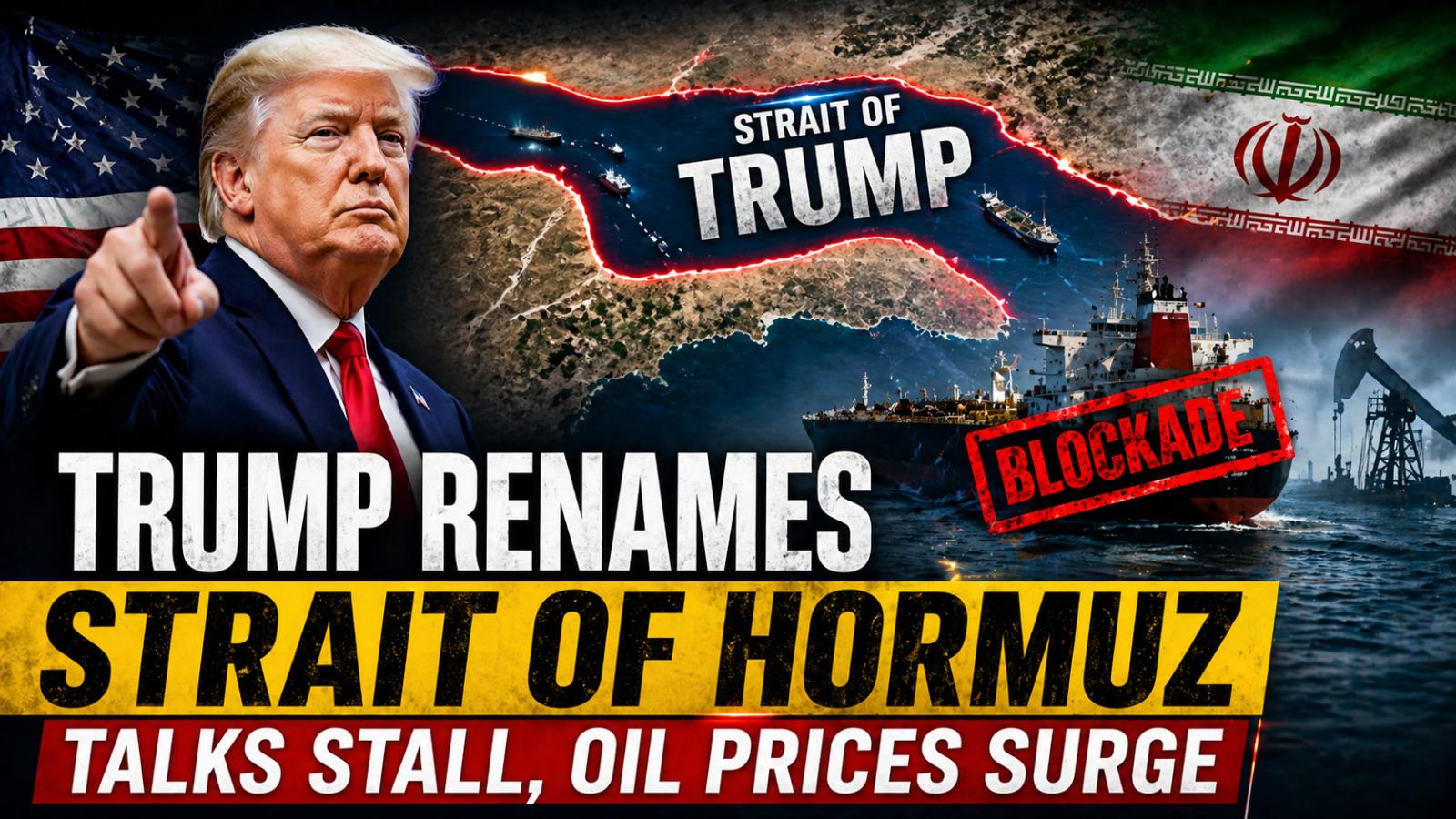
Trump Renames Strait of Hormuz Amid Rising US-Iran Tensions
US President Donald Trump has drawn attention after sharing a modified map referring to the Strait of Hormuz as the “Strait of Trump,” a move that comes amid escalating tensions and stalled negotiations with Iran. The strategic waterway remains a focal point in the ongoing standoff, with both sides maintaining a blockade despite a previously agreed ceasefire. Trump indicated that discussions to end the conflict are continuing remotely, describing them as telephonic due to logistical challenges. At the same time, Iran has attempted to revive dialogue by sending a proposal through Pakistan, facilitated by Foreign Minister Abbas Araghchi. However, indications suggest that the US administration is dissatisfied with the terms and is unlikely to accept the framework presented. The proposal reportedly outlined a three-stage approach, beginning with a complete cessation of hostilities, followed by lifting the naval blockade and restoring maritime traffic through the Strait of Hormuz. The final stage involved renewed negotiations over Iran’s nuclear program. Despite these efforts, talks remain at an impasse, with both sides maintaining firm positions. Trump defended the blockade, describing it as effective and emphasizing its economic impact on Iran. He stated that the pressure strategy would continue until Iran concedes. Meanwhile, energy markets reacted sharply, with Brent crude prices rising significantly, reflecting concerns over supply disruptions linked to the strategic route. The Strait of Hormuz remains critical to global oil flows, and its continued closure by both US and Iranian forces underscores the fragile state of the ceasefire. Diplomatic efforts have yet to regain momentum, leaving the situation uncertain as geopolitical and economic pressures continue to build.
Trump Renames Strait of Hormuz Amid Rising US-Iran Tensions
US President Donald Trump has drawn attention after sharing a modified map referring to the Strait of Hormuz as the “Strait of Trump,” a move that comes amid escalating tensions and stalled negotiations with Iran. The strategic waterway remains a focal point in the ongoing standoff, with both sides maintaining a blockade despite a previously agreed ceasefire. Trump indicated that discussions to end the conflict are continuing remotely, describing them as telephonic due to logistical challenges. At the same time, Iran has attempted to revive dialogue by sending a proposal through Pakistan, facilitated by Foreign Minister Abbas Araghchi. However, indications suggest that the US administration is dissatisfied with the terms and is unlikely to accept the framework presented. The proposal reportedly outlined a three-stage approach, beginning with a complete cessation of hostilities, followed by lifting the naval blockade and restoring maritime traffic through the Strait of Hormuz. The final stage involved renewed negotiations over Iran’s nuclear program. Despite these efforts, talks remain at an impasse, with both sides maintaining firm positions. Trump defended the blockade, describing it as effective and emphasizing its economic impact on Iran. He stated that the pressure strategy would continue until Iran concedes. Meanwhile, energy markets reacted sharply, with Brent crude prices rising significantly, reflecting concerns over supply disruptions linked to the strategic route. The Strait of Hormuz remains critical to global oil flows, and its continued closure by both US and Iranian forces underscores the fragile state of the ceasefire. Diplomatic efforts have yet to regain momentum, leaving the situation uncertain as geopolitical and economic pressures continue to build.
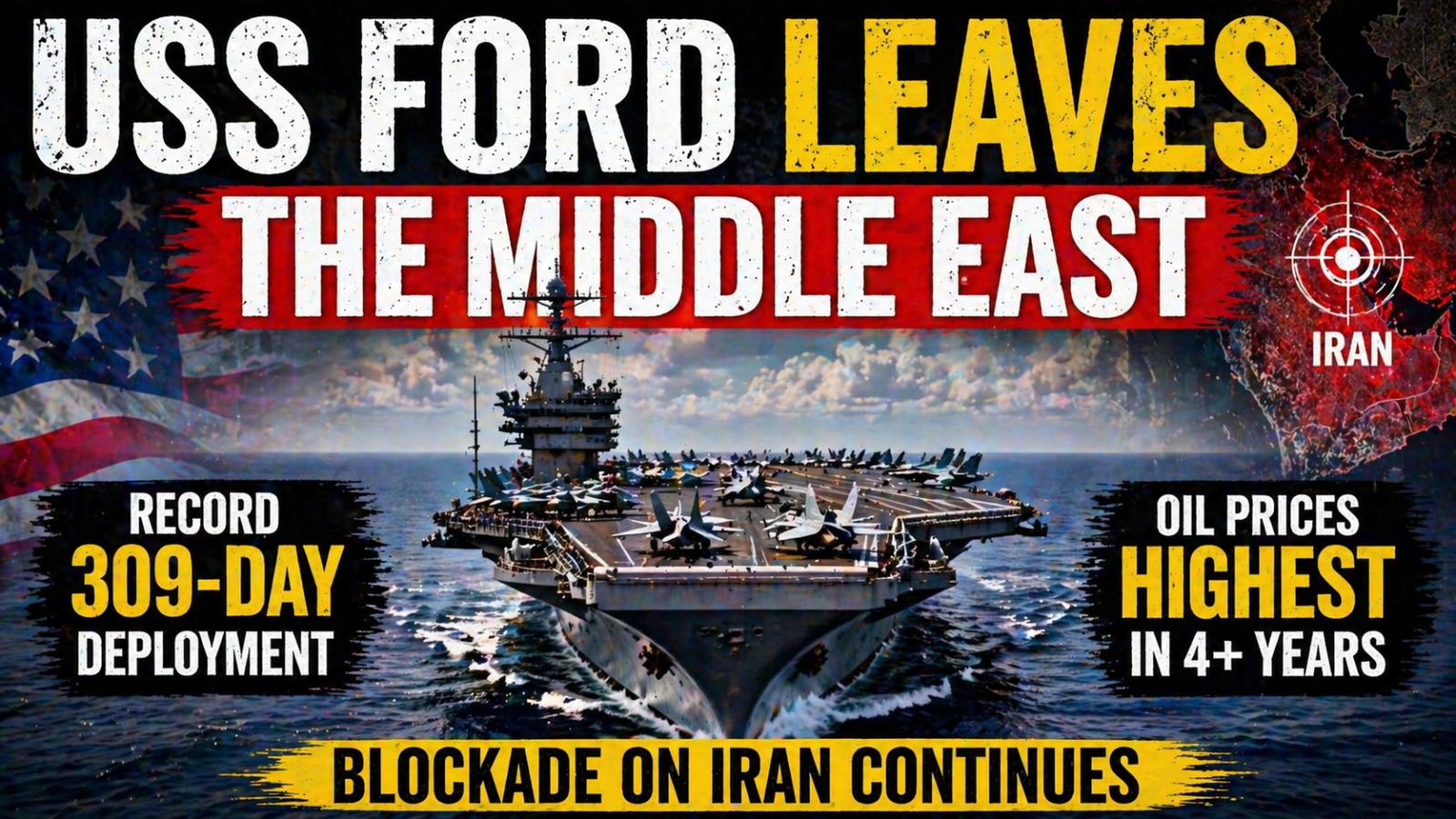
USS Gerald R. Ford Set to Leave Middle East After Record Deployment
The USS Gerald R. Ford, the US Navy’s newest aircraft carrier, is preparing to leave the Middle East after completing a record 309-day deployment, marking the longest continuous mission for a modern American carrier. The vessel is expected to return to its home port at Naval Station Norfolk, Virginia, around mid-May, concluding an extended operational period that has drawn attention from lawmakers and defense officials. The decision to bring the USS Ford back follows a demanding d
USS Gerald R. Ford Set to Leave Middle East After Record Deployment
The USS Gerald R. Ford, the US Navy’s newest aircraft carrier, is preparing to leave the Middle East after completing a record 309-day deployment, marking the longest continuous mission for a modern American carrier. The vessel is expected to return to its home port at Naval Station Norfolk, Virginia, around mid-May, concluding an extended operational period that has drawn attention from lawmakers and defense officials. The decision to bring the USS Ford back follows a demanding d
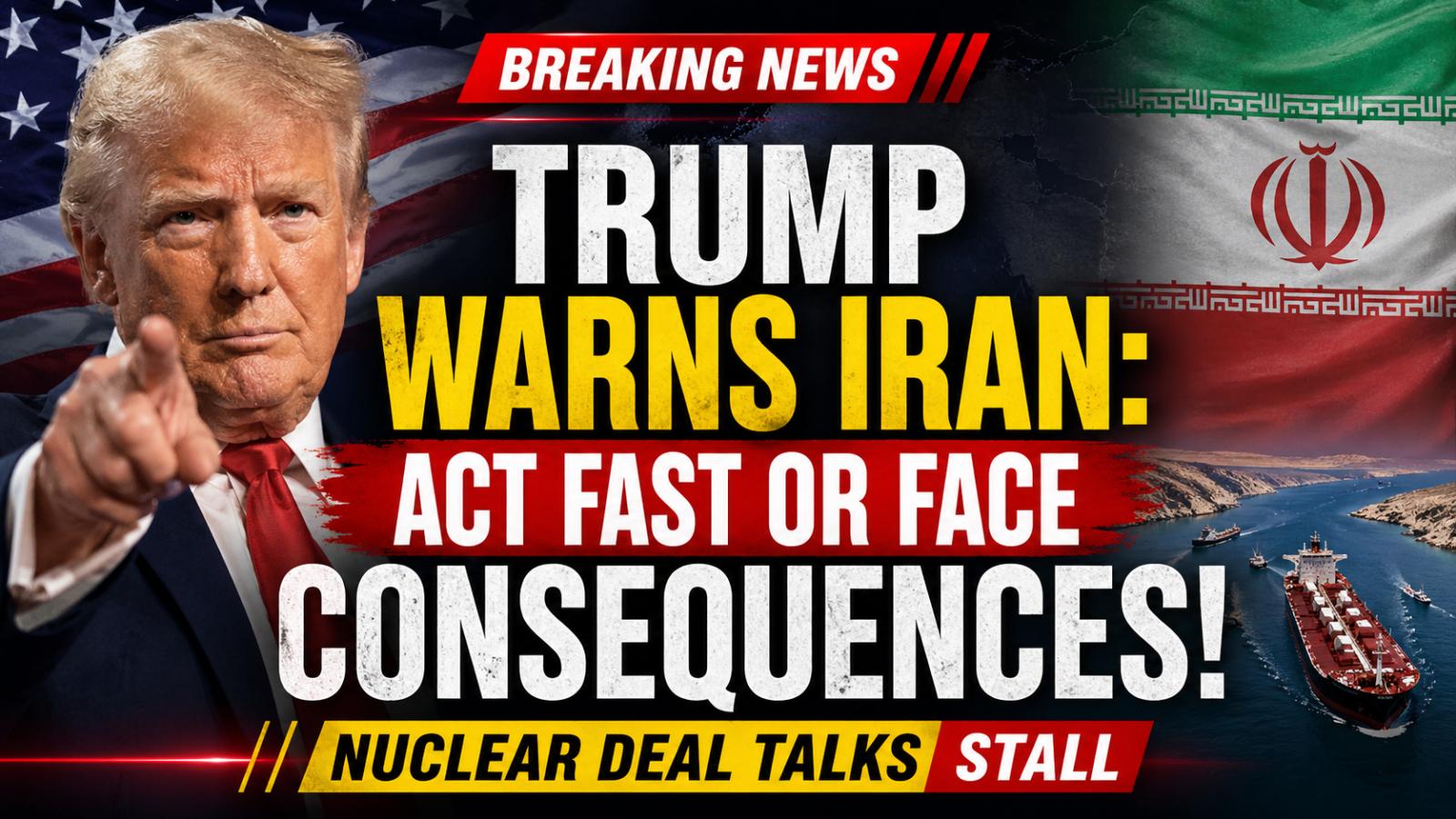
Trump issues strong warning to Iran amid stalled nuclear negotiations
US President Donald Trump warned Iran on April 28, 2026, at around 10:00 AM EST to act quickly as nuclear deal negotiations between Washington and Tehran remain stalled. The statement highlights rising US-Iran tensions, ongoing diplomatic failure, and stricter American control over the
Trump issues strong warning to Iran amid stalled nuclear negotiations
US President Donald Trump warned Iran on April 28, 2026, at around 10:00 AM EST to act quickly as nuclear deal negotiations between Washington and Tehran remain stalled. The statement highlights rising US-Iran tensions, ongoing diplomatic failure, and stricter American control over the










