#militarycooperation
India Japan expand military drills across land sea air
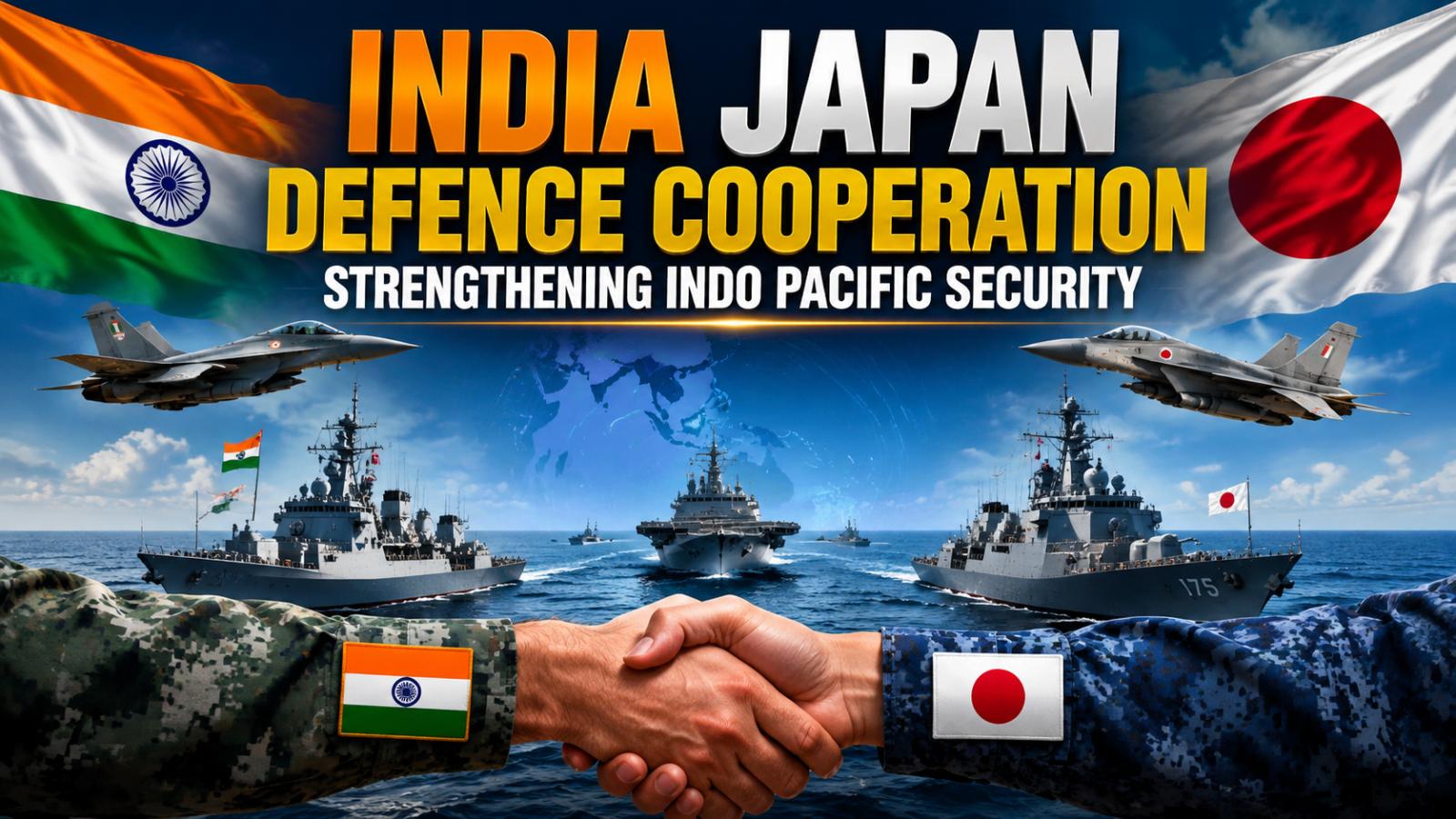
India and Japan are steadily widening their defence partnership with a stronger focus on Indo Pacific stability. The cooperation is no longer limited to symbolic diplomacy and now includes structured military coordination, regular exercises and operational level engagement between the armed forces of both countries. The shared objective is improving readiness and ensuring secure maritime routes across a region that is becoming increasingly contested. Defence dialogue moves into operational coordination High level defence talks between the two countries have evolved into practical coordination mechanisms. Regular 2+2 ministerial meetings have helped align security priorities, especially around regional stability, maritime surveillance and disaster response readiness. This structured engagement has created a foundation for long term interoperability between Indian and Japanese defence forces. Army level training under Dharma Guardian framework The joint Army exercise Dharma Guardian has become a key pillar of land based cooperation. It focuses on counter insurgency operations, jungle warfare and high altitude combat readiness. These drills are designed to improve tactical coordination between the Indian Army and the Japan Ground Self Defence Force, especially in complex terrain scenarios where joint response capability is critical. Naval cooperation through Malabar, JIMEX and MILAN Maritime collaboration remains the strongest pillar of this partnership. Exercises like Malabar, JIMEX and MILAN bring together naval forces to train in anti submarine warfare, sea lane protection and coordinated fleet operations. These drills improve communication and operational compatibility between navies, while also strengthening surveillance across key Indo Pacific shipping routes. Air force integration under Veer Guardian exercises Air cooperation has also expanded through joint training activities such as Veer Guardian. These exercises involve fighter aircraft operations, tactical missions and coordinated aerial drills between the Indian Air Force and the Japan Air Self Defence Force. The focus is on improving mission readiness and developing shared operational understanding in air combat scenarios. Defence technology and industrial cooperation Beyond field exercises, both countries are deepening collaboration in defence technology. Areas such as maritime surveillance systems, sensors and advanced naval equipment are gaining attention. Technology transfer initiatives and joint development discussions are gradually shaping a more integrated defence industrial partnership. Long term Indo Pacific security outlook The India Japan defence partnership is expected to grow further as regional security dynamics continue to evolve. Both countries are increasingly aligned on maintaining freedom of navigation, securing trade routes and responding to emerging maritime threats. This cooperation is positioning them as important contributors to Indo Pacific stability rather than passive regional players.
India Japan expand military drills across land sea air
India and Japan are steadily widening their defence partnership with a stronger focus on Indo Pacific stability. The cooperation is no longer limited to symbolic diplomacy and now includes structured military coordination, regular exercises and operational level engagement between the armed forces of both countries. The shared objective is improving readiness and ensuring secure maritime routes across a region that is becoming increasingly contested. Defence dialogue moves into operational coordination High level defence talks between the two countries have evolved into practical coordination mechanisms. Regular 2+2 ministerial meetings have helped align security priorities, especially around regional stability, maritime surveillance and disaster response readiness. This structured engagement has created a foundation for long term interoperability between Indian and Japanese defence forces. Army level training under Dharma Guardian framework The joint Army exercise Dharma Guardian has become a key pillar of land based cooperation. It focuses on counter insurgency operations, jungle warfare and high altitude combat readiness. These drills are designed to improve tactical coordination between the Indian Army and the Japan Ground Self Defence Force, especially in complex terrain scenarios where joint response capability is critical. Naval cooperation through Malabar, JIMEX and MILAN Maritime collaboration remains the strongest pillar of this partnership. Exercises like Malabar, JIMEX and MILAN bring together naval forces to train in anti submarine warfare, sea lane protection and coordinated fleet operations. These drills improve communication and operational compatibility between navies, while also strengthening surveillance across key Indo Pacific shipping routes. Air force integration under Veer Guardian exercises Air cooperation has also expanded through joint training activities such as Veer Guardian. These exercises involve fighter aircraft operations, tactical missions and coordinated aerial drills between the Indian Air Force and the Japan Air Self Defence Force. The focus is on improving mission readiness and developing shared operational understanding in air combat scenarios. Defence technology and industrial cooperation Beyond field exercises, both countries are deepening collaboration in defence technology. Areas such as maritime surveillance systems, sensors and advanced naval equipment are gaining attention. Technology transfer initiatives and joint development discussions are gradually shaping a more integrated defence industrial partnership. Long term Indo Pacific security outlook The India Japan defence partnership is expected to grow further as regional security dynamics continue to evolve. Both countries are increasingly aligned on maintaining freedom of navigation, securing trade routes and responding to emerging maritime threats. This cooperation is positioning them as important contributors to Indo Pacific stability rather than passive regional players.
UAE denies Netanyahu’s ‘secret visit’ amid rising tensions with Iran
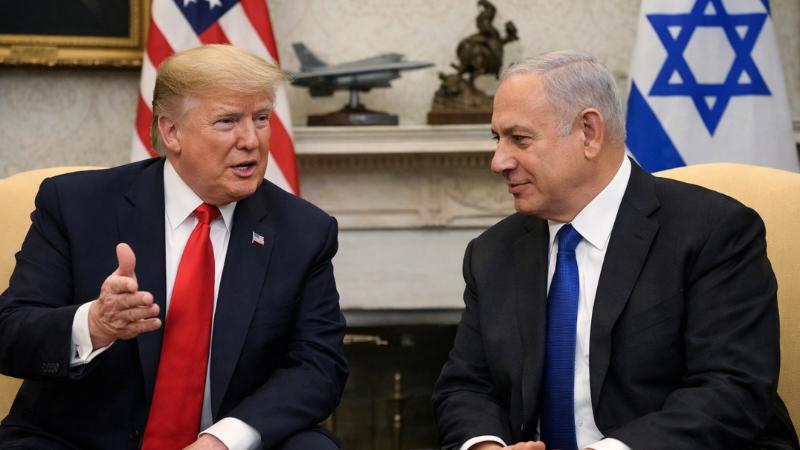
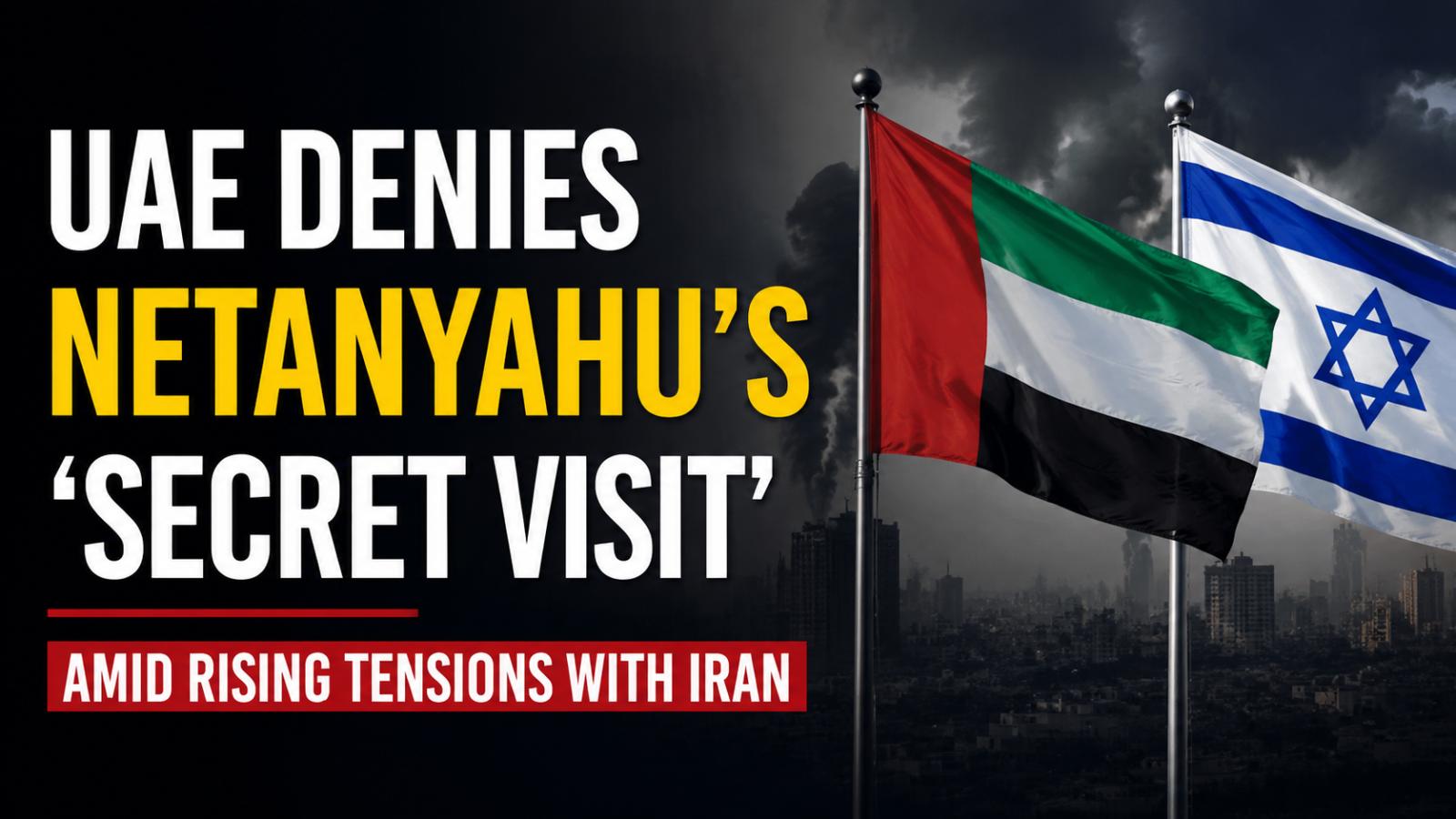
The United Arab Emirates (UAE) has officially denied reports claiming that Israeli Prime Minister Benjamin Netanyahu secretly visited the country amid escalating tensions in the Middle East, particularly with Iran. These claims initially surfaced from Netanyahu's office, which stated that the Israeli leader traveled to the UAE to strengthen military and diplomatic ties during a period of heightened regional conflict. Netanyahu’s office had described the alleged visit as a “histo
UAE denies Netanyahu’s ‘secret visit’ amid rising tensions with Iran
The United Arab Emirates (UAE) has officially denied reports claiming that Israeli Prime Minister Benjamin Netanyahu secretly visited the country amid escalating tensions in the Middle East, particularly with Iran. These claims initially surfaced from Netanyahu's office, which stated that the Israeli leader traveled to the UAE to strengthen military and diplomatic ties during a period of heightened regional conflict. Netanyahu’s office had described the alleged visit as a “histo
India and US sign 10-year defence framework to strengthen strategic partnership
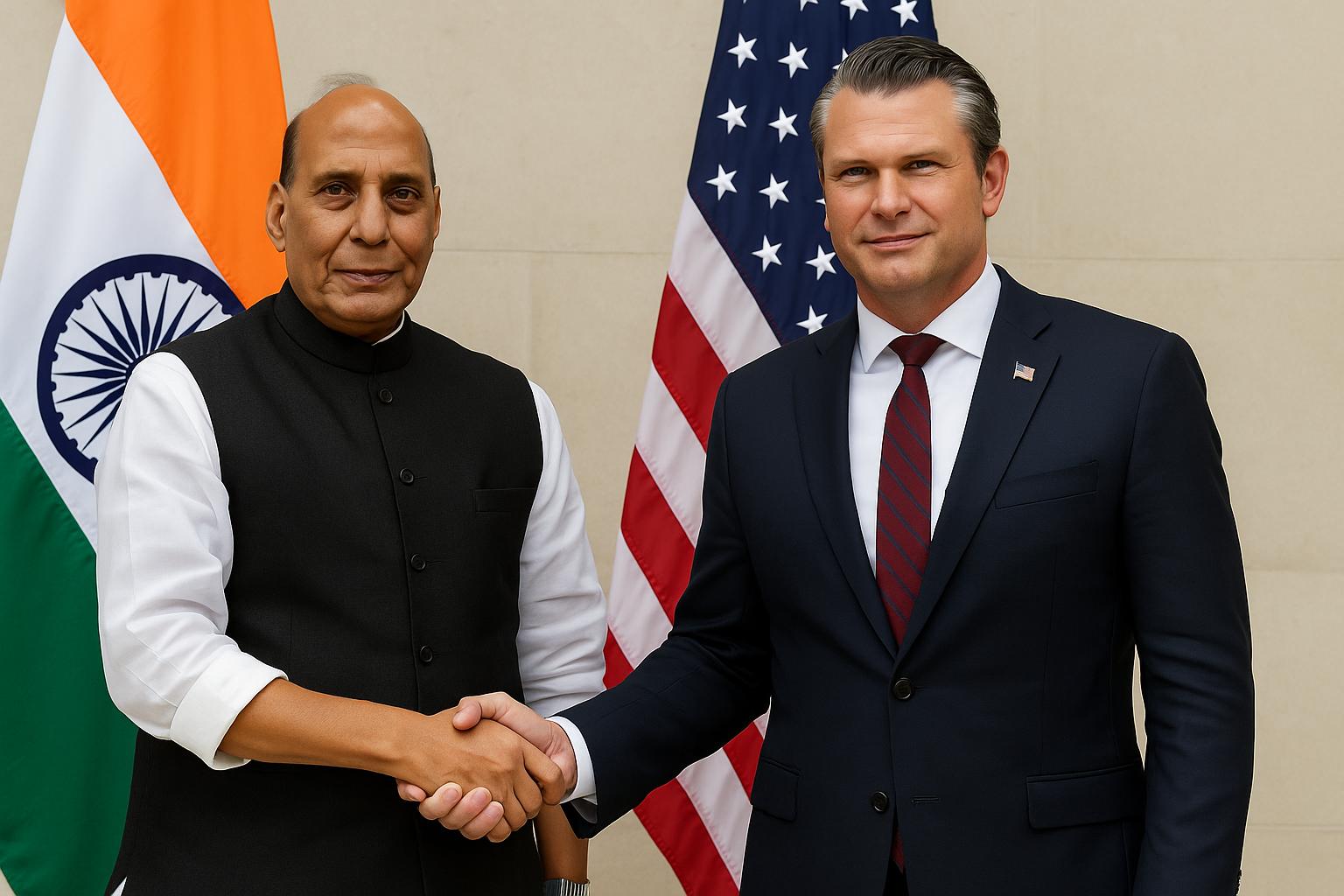
In a landmark step toward strengthening bilateral defence ties, India and the United States on Friday signed a 10-year defence framework agreement aimed at deepening strategic cooperation and expanding technological collaboration between the two nations. The agreement was formalised during a meeting between India’s Defence Minister Rajnath Singh and US Secretary of Defence Pete Hegseth in Kuala Lumpur. The new framework, extending over a decade, underscores both countries’ commitment to p
India and US sign 10-year defence framework to strengthen strategic partnership
In a landmark step toward strengthening bilateral defence ties, India and the United States on Friday signed a 10-year defence framework agreement aimed at deepening strategic cooperation and expanding technological collaboration between the two nations. The agreement was formalised during a meeting between India’s Defence Minister Rajnath Singh and US Secretary of Defence Pete Hegseth in Kuala Lumpur. The new framework, extending over a decade, underscores both countries’ commitment to p