


















#msme
Monsoon Session 2026: Five Bills Listed, Delimitation Unclear
The Centre has listed five new bills and two previously introduced measures for the Monsoon Session 2026 beginning Monday, July 20. However, the Delimitation Bill and Public Office Disqualification Bill are absent, fuelling speculation over whether they could be introduced later. Monsoon Session Bills Leave Delimitation Question Open The Union government has outlined its legislative agenda for the Monsoon Session 2026, listing five new bil
Monsoon Session 2026: Five Bills Listed, Delimitation Unclear
The Centre has listed five new bills and two previously introduced measures for the Monsoon Session 2026 beginning Monday, July 20. However, the Delimitation Bill and Public Office Disqualification Bill are absent, fuelling speculation over whether they could be introduced later. Monsoon Session Bills Leave Delimitation Question Open The Union government has outlined its legislative agenda for the Monsoon Session 2026, listing five new bil
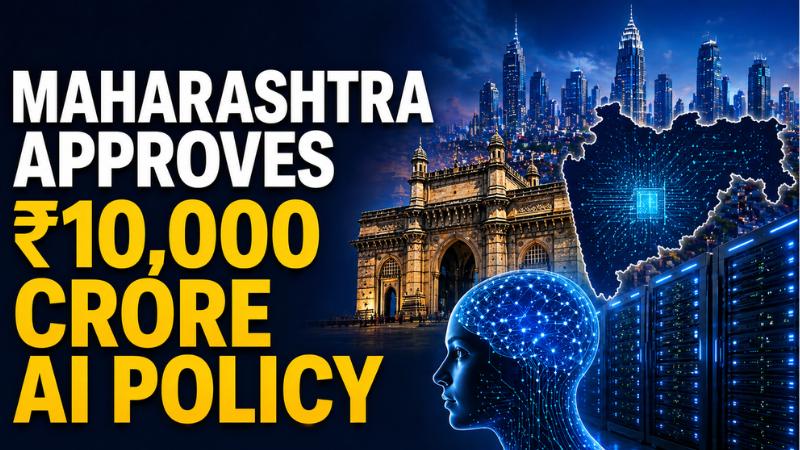
₹10,000 Cr AI Push: Maharashtra Targets Startups, Jobs And Tech Growth
Maharashtra has approved a ₹10,000 crore AI policy to build advanced infrastructure, boost startups, create jobs, and position the state as a leader in ethical artificial intelligence. The Maharashtra government has approved a comprehensive Artificial Intelligence (AI) policy with a proposed investment of ₹10,000 crore, marking a major push toward building advanced digital infrastructure in the state. The policy, cleared on Wednesday, aims to establish 6 AI Exc
₹10,000 Cr AI Push: Maharashtra Targets Startups, Jobs And Tech Growth
Maharashtra has approved a ₹10,000 crore AI policy to build advanced infrastructure, boost startups, create jobs, and position the state as a leader in ethical artificial intelligence. The Maharashtra government has approved a comprehensive Artificial Intelligence (AI) policy with a proposed investment of ₹10,000 crore, marking a major push toward building advanced digital infrastructure in the state. The policy, cleared on Wednesday, aims to establish 6 AI Exc
GST Council Approves New Measures to Ease Compliance and Rationalize Tax Slabs
The Goods and Services Tax (GST) Council has approved a series of new measures aimed at easing the compliance burden for businesses in India, with a focus on reducing the registration time for MSMEs (Micro, Small, and Medium Enterprises) and start-ups. Sources confirmed to that the new policy will reduce the MSME registration time from 30 days to just three days, streamlining the process significantly. In addition, a proposal for automated GST refunds for
GST Council Approves New Measures to Ease Compliance and Rationalize Tax Slabs
The Goods and Services Tax (GST) Council has approved a series of new measures aimed at easing the compliance burden for businesses in India, with a focus on reducing the registration time for MSMEs (Micro, Small, and Medium Enterprises) and start-ups. Sources confirmed to that the new policy will reduce the MSME registration time from 30 days to just three days, streamlining the process significantly. In addition, a proposal for automated GST refunds for
Income Tax No.2 Bill Passed: Key Features Of New S.I.M.P.L.E Law Explained
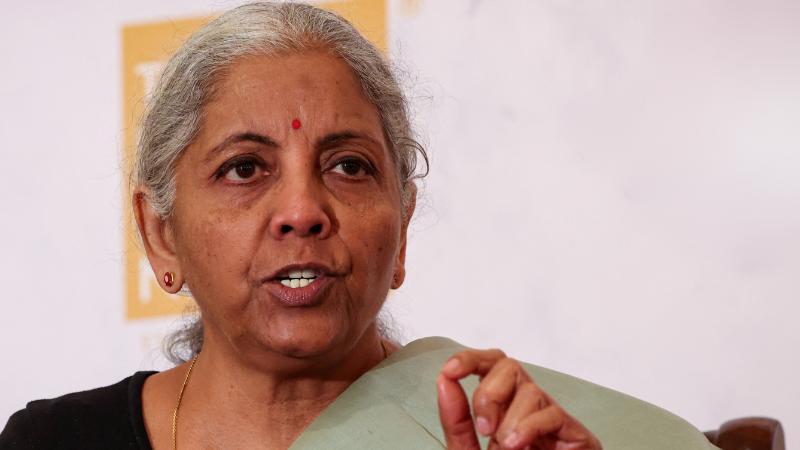
The Income Tax (No 2) Bill, aimed at replacing the six-decade-old Income Tax Act of 1961, has been passed in the Lok Sabha, introducing a ‘S.I.M.P.L.E’ framework Streamlined structure and language, Integrated and concise, Minimised litigation, Practical and transparent, Learn and adapt, and Efficient tax reforms. Presented by Finance Minister Nirmala Sitharaman, the bill has been reworked based on 285 recommendations from a select committee led by
Income Tax No.2 Bill Passed: Key Features Of New S.I.M.P.L.E Law Explained
The Income Tax (No 2) Bill, aimed at replacing the six-decade-old Income Tax Act of 1961, has been passed in the Lok Sabha, introducing a ‘S.I.M.P.L.E’ framework Streamlined structure and language, Integrated and concise, Minimised litigation, Practical and transparent, Learn and adapt, and Efficient tax reforms. Presented by Finance Minister Nirmala Sitharaman, the bill has been reworked based on 285 recommendations from a select committee led by


