#natoalliance
King Charles III Uses Humor to Strengthen US-UK Ties During Visit
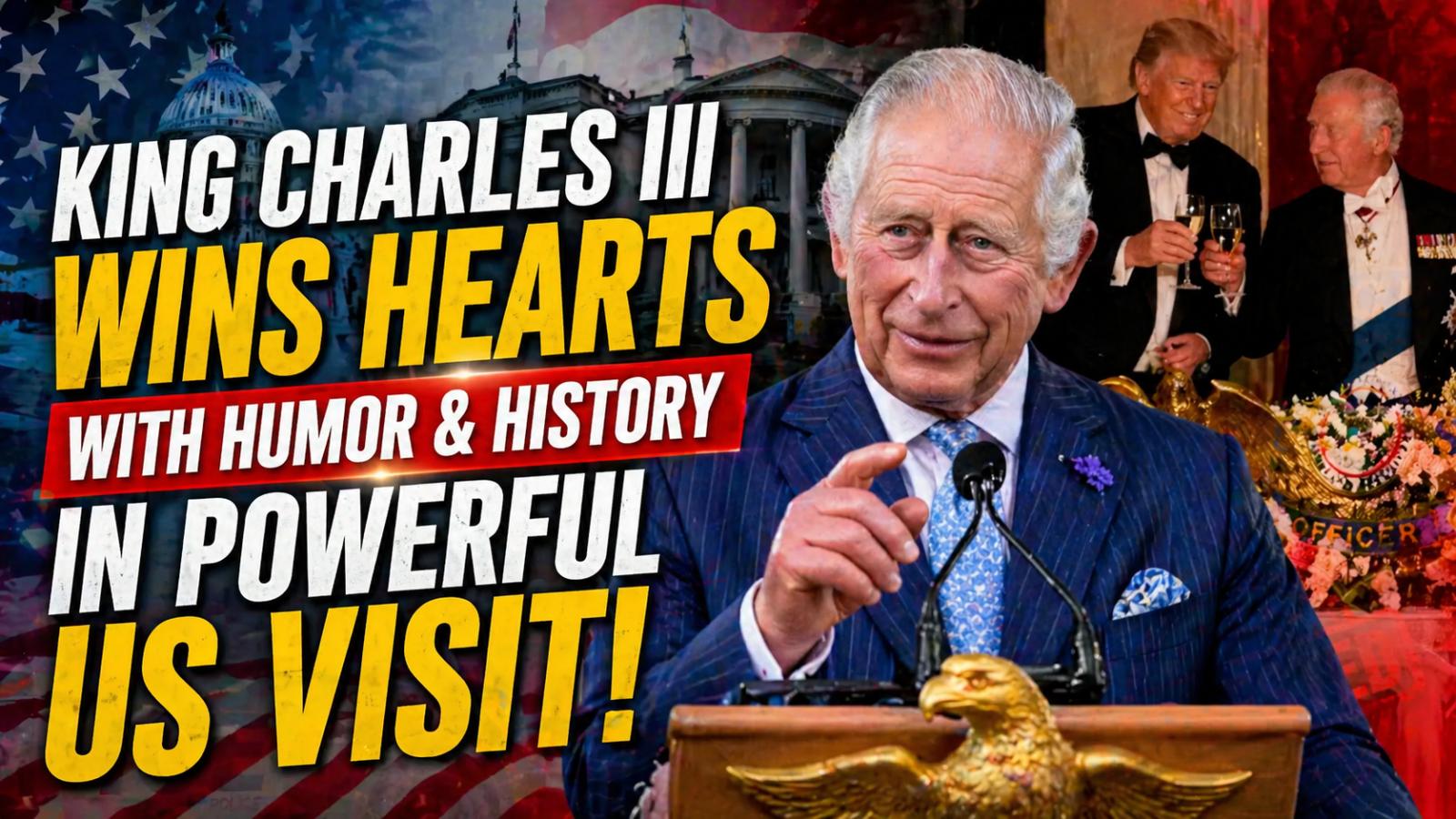
King Charles III used a mix of humor and historical references during his recent visit to the United States, delivering speeches that balanced diplomacy with wit while reinforcing the long-standing relationship between the two nations. His appearances, including an address to Congress and remarks at a state dinner at the White House hosted by Donald Trump, drew attention for their tone and messaging. During his engagements, the King made light-hearted comments that resonated with audiences while referencing shared history. In one instance, he joked about the British army’s burning of the White House in 1814, describing it as a “small attempt at beautification,” prompting laughter while acknowledging a historic conflict. His remarks also included references to earlier global rivalries, noting that without British influence, Americans might have been speaking French, a nod to the outcome of 18th-century European conflicts. In his address to Congress, King Charles drew on literary imagery, referring to “a tale of two Georges,” linking George Washington and George III. The comment highlighted shared history while emphasizing the evolution of relations between the United Kingdom and the United States. His speech avoided direct involvement in political controversies, instead focusing on broader themes of partnership and mutual respect. The King also touched on modern geopolitical issues, including defense cooperation and the role of alliances such as NATO. He referenced the enduring collaboration between the two nations, particularly in times of crisis, while acknowledging differing perspectives on international policy matters. His remarks underscored the importance of maintaining cooperation despite disagreements. By combining humor with carefully measured commentary, King Charles demonstrated a diplomatic approach that emphasized unity without overlooking complexity. His visit highlighted both the historical depth and contemporary relevance of the US-UK relationship, presenting a message aimed at strengthening ties while navigating sensitive political dynamics.
King Charles III Uses Humor to Strengthen US-UK Ties During Visit
King Charles III used a mix of humor and historical references during his recent visit to the United States, delivering speeches that balanced diplomacy with wit while reinforcing the long-standing relationship between the two nations. His appearances, including an address to Congress and remarks at a state dinner at the White House hosted by Donald Trump, drew attention for their tone and messaging. During his engagements, the King made light-hearted comments that resonated with audiences while referencing shared history. In one instance, he joked about the British army’s burning of the White House in 1814, describing it as a “small attempt at beautification,” prompting laughter while acknowledging a historic conflict. His remarks also included references to earlier global rivalries, noting that without British influence, Americans might have been speaking French, a nod to the outcome of 18th-century European conflicts. In his address to Congress, King Charles drew on literary imagery, referring to “a tale of two Georges,” linking George Washington and George III. The comment highlighted shared history while emphasizing the evolution of relations between the United Kingdom and the United States. His speech avoided direct involvement in political controversies, instead focusing on broader themes of partnership and mutual respect. The King also touched on modern geopolitical issues, including defense cooperation and the role of alliances such as NATO. He referenced the enduring collaboration between the two nations, particularly in times of crisis, while acknowledging differing perspectives on international policy matters. His remarks underscored the importance of maintaining cooperation despite disagreements. By combining humor with carefully measured commentary, King Charles demonstrated a diplomatic approach that emphasized unity without overlooking complexity. His visit highlighted both the historical depth and contemporary relevance of the US-UK relationship, presenting a message aimed at strengthening ties while navigating sensitive political dynamics.
Trump warns NATO faces “very bad” future if allies refuse to reopen Strait of Hormuz
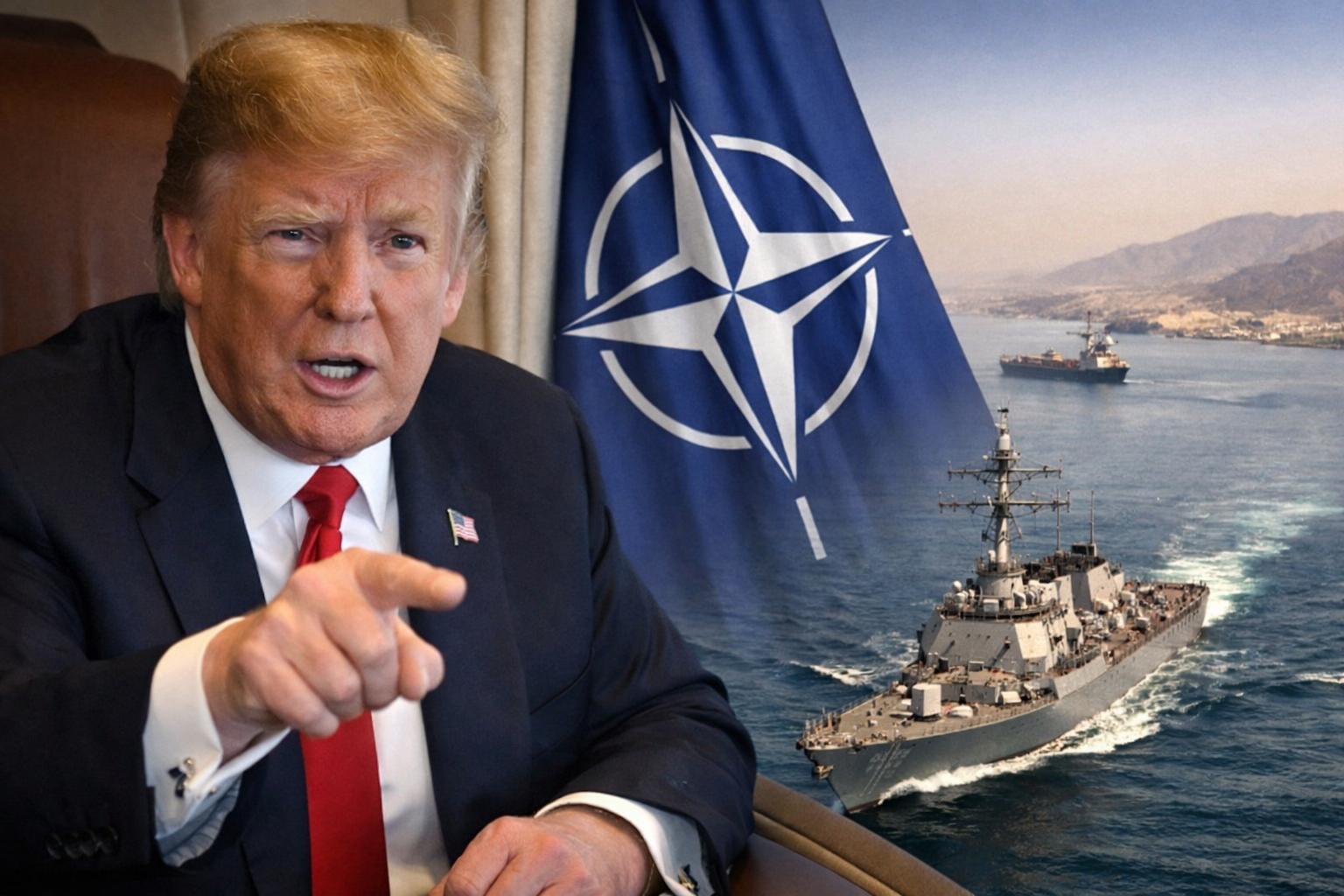
US President Donald Trump has warned that the future of the North Atlantic Treaty Organization could face serious consequences if allied nations fail to support efforts to reopen the Strait of Hormuz, a key global shipping route currently disrupted amid escalating tensions with Iran. The remarks signal increasing pressure from Washington on European allies to contribute more actively to maritime security in the strategically vital Gulf region. Speaking in a telephone interview on Sunday, Trump said a lack of support from allied nations could have negative implications for the military alliance. He emphasized that the United States has historically provided strong support to its partners, including assistance during the Ukraine-Russia war, and now expects reciprocal cooperation. According to Trump, maintaining stability in the Strait of Hormuz is essential not only for regional security but also for global oil trade and international shipping routes. Trump indicated that the United States has already taken significant action against Iranian threats in the Gulf and called for greater participation from allied countries to monitor and secure the waterway. He suggested that additional military support, including specialized forces or naval contributions, could help counter activities such as drone operations and naval mine deployments along the Iranian coastline, which he described as disruptive to maritime navigation. While speaking to reporters aboard Air Force One, Trump said he had demanded that several countries heavily dependent on oil shipments through the strait join a coalition aimed at safeguarding the passage. Although he did not disclose the names of the countries involved, he argued that nations benefiting from the route should take a more active role in protecting it. The president also discussed the situation with British Prime Minister Keir Starmer during a phone conversation on Sunday. According to the UK government, both leaders spoke about the importance of restoring access to the Strait of Hormuz to reduce disruptions in global shipping that are contributing to rising costs worldwide. Starmer also conveyed condolences for American service members who have died during the conflict. However, Trump voiced frustration over what he described as the United Kingdom’s initially cautious response to US requests for assistance. He said Washington expected support earlier in the operation and reiterated his longstanding view that NATO cooperation should be mutual. The Strait of Hormuz remains one of the world’s most critical maritime chokepoints, carrying a significant share of global oil supplies, making its security a central concern for governments and markets worldwide.
Trump warns NATO faces “very bad” future if allies refuse to reopen Strait of Hormuz
US President Donald Trump has warned that the future of the North Atlantic Treaty Organization could face serious consequences if allied nations fail to support efforts to reopen the Strait of Hormuz, a key global shipping route currently disrupted amid escalating tensions with Iran. The remarks signal increasing pressure from Washington on European allies to contribute more actively to maritime security in the strategically vital Gulf region. Speaking in a telephone interview on Sunday, Trump said a lack of support from allied nations could have negative implications for the military alliance. He emphasized that the United States has historically provided strong support to its partners, including assistance during the Ukraine-Russia war, and now expects reciprocal cooperation. According to Trump, maintaining stability in the Strait of Hormuz is essential not only for regional security but also for global oil trade and international shipping routes. Trump indicated that the United States has already taken significant action against Iranian threats in the Gulf and called for greater participation from allied countries to monitor and secure the waterway. He suggested that additional military support, including specialized forces or naval contributions, could help counter activities such as drone operations and naval mine deployments along the Iranian coastline, which he described as disruptive to maritime navigation. While speaking to reporters aboard Air Force One, Trump said he had demanded that several countries heavily dependent on oil shipments through the strait join a coalition aimed at safeguarding the passage. Although he did not disclose the names of the countries involved, he argued that nations benefiting from the route should take a more active role in protecting it. The president also discussed the situation with British Prime Minister Keir Starmer during a phone conversation on Sunday. According to the UK government, both leaders spoke about the importance of restoring access to the Strait of Hormuz to reduce disruptions in global shipping that are contributing to rising costs worldwide. Starmer also conveyed condolences for American service members who have died during the conflict. However, Trump voiced frustration over what he described as the United Kingdom’s initially cautious response to US requests for assistance. He said Washington expected support earlier in the operation and reiterated his longstanding view that NATO cooperation should be mutual. The Strait of Hormuz remains one of the world’s most critical maritime chokepoints, carrying a significant share of global oil supplies, making its security a central concern for governments and markets worldwide.