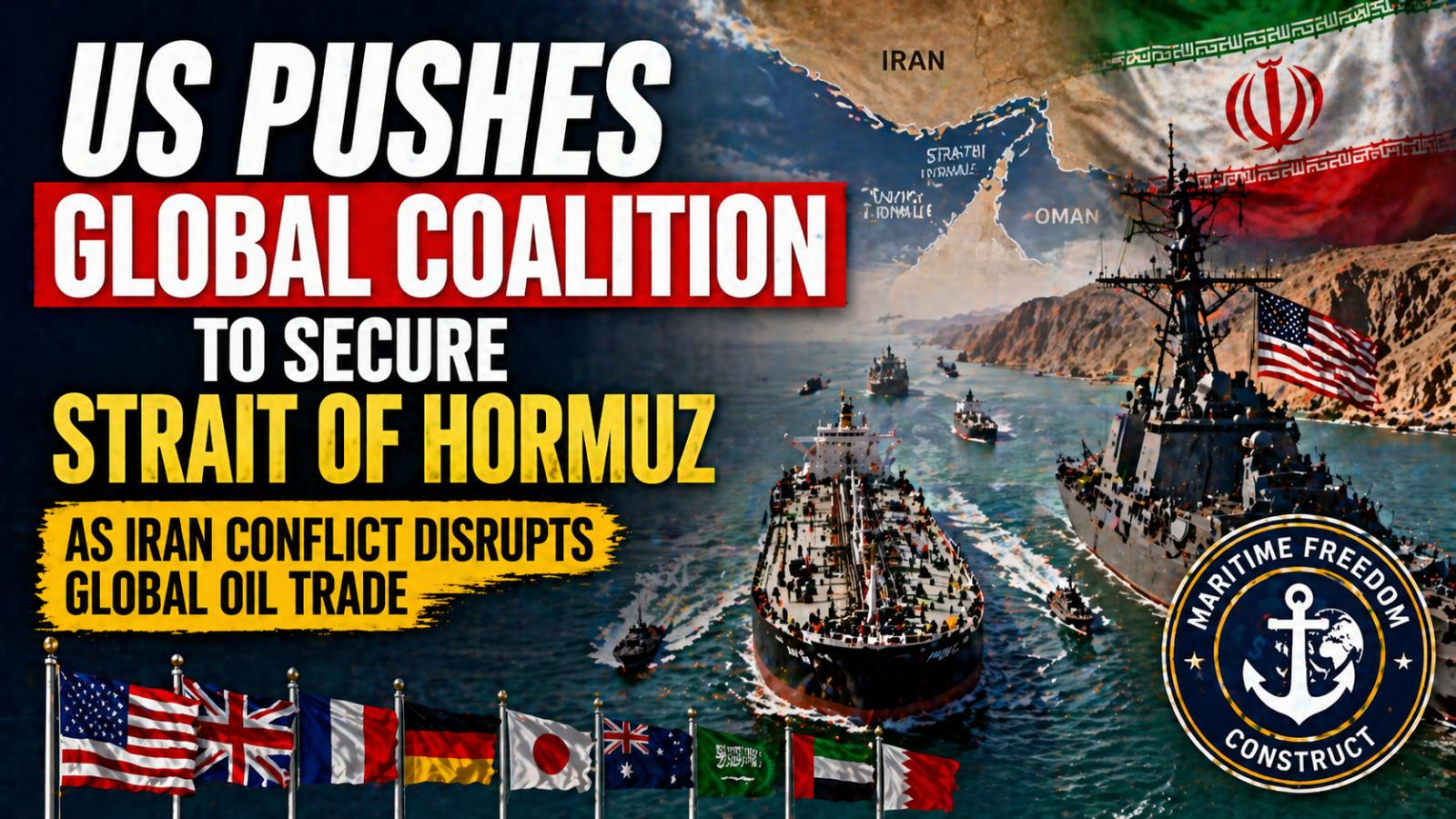
The United States is accelerating efforts to form a global coalition to secure the Strait of Hormuz, as the ongoing US-Iran conflict continues to disrupt critical shipping routes and drive volatility in global oil trade. The initiative, known as the Maritime Freedom Construct, aims to coordinate international maritime security, sanctions policy, and intelligence sharing to ensure safe navigation through one of the world’s most strategic waterways.
The Strait of Hormuz, a narrow pa
The United States is accelerating efforts to form a global coalition to secure the Strait of Hormuz, as the ongoing US-Iran conflict continues to disrupt critical shipping routes and drive volatility in global oil trade. The initiative, known as the Maritime Freedom Construct, aims to coordinate international maritime security, sanctions policy, and intelligence sharing to ensure safe navigation through one of the world’s most strategic waterways.
The Strait of Hormuz, a narrow pa
US deploys three aircraft carriers to the Middle East amid Iran tensions, expanding naval operations and reinforcing security in key maritime routes including the Strait of Hormuz.
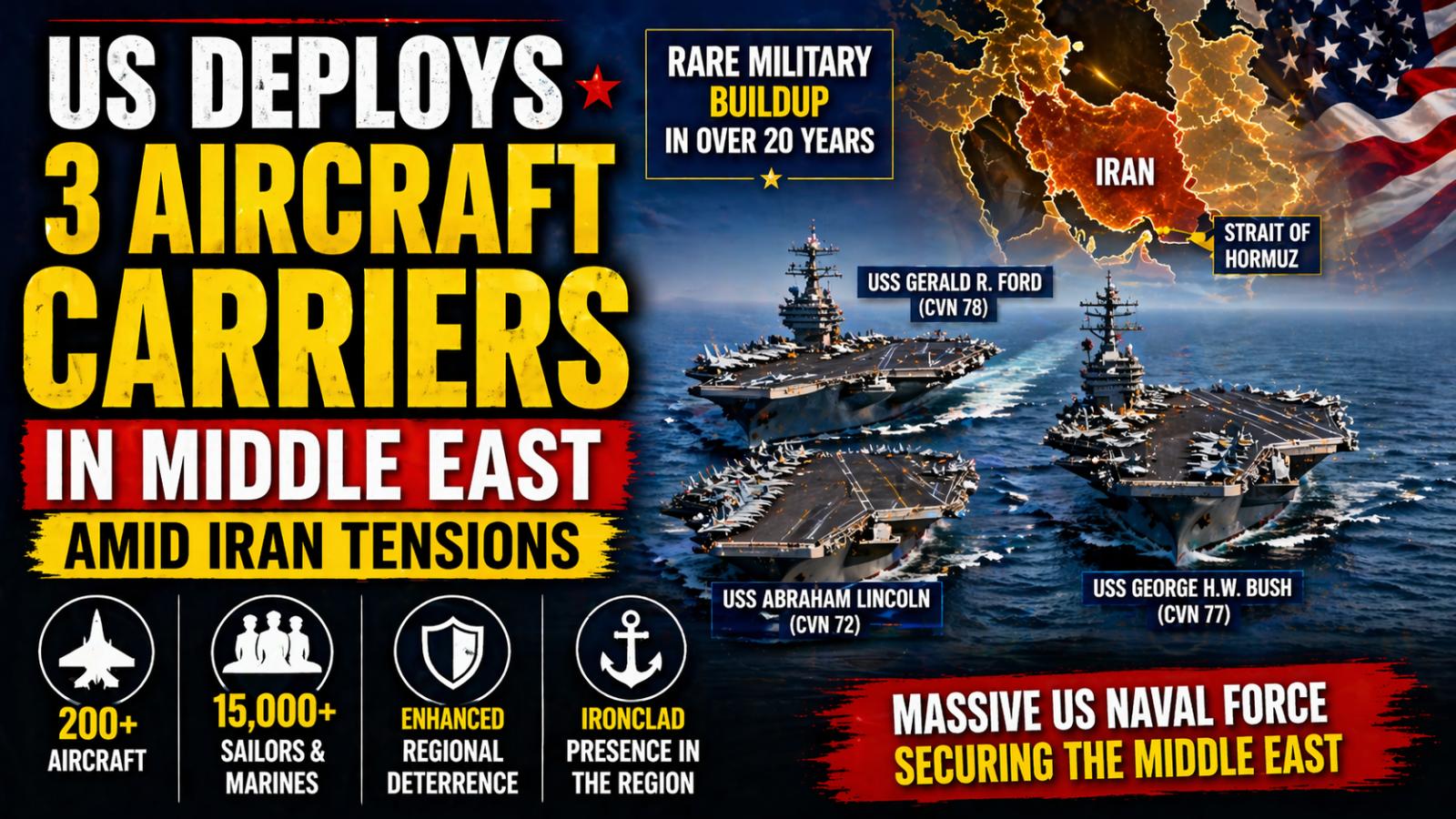
US deploys three aircraft carriers to Middle East amid Iran tensions as Washington significantly expands its military footprint across the region, marking one of the largest naval concentrations in more than two decades. Officials confirmed that three carrier strike groups—the USS Abraham Lincoln, USS Gerald R. Ford, and USS George H.W. Bush—are operating simultaneously, supported by more than 200 aircraft and approximately 15,000 sailors and Marines.
A statement from US Central Command on Thursday confirmed the rare deployment, describing it as a significant concentration of naval power aimed at maintaining operational readiness amid rising tensions involving Iran. The carrier groups and their air wings are conducting coordinated missions, underscoring the strategic importance of key maritime routes in the Middle East and reinforcing a broader posture of deterrence.
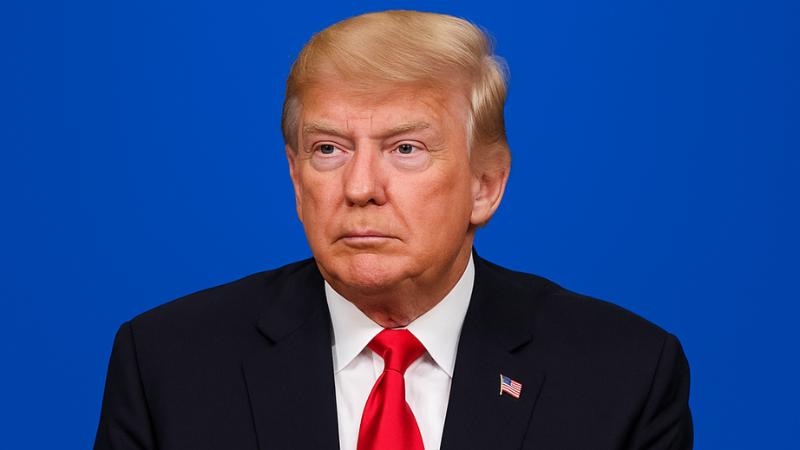
The announcement coincided with remarks from Donald Trump on Thursday, who declined to provide a timeline for a potential resolution to the Iran conflict. He indicated that any agreement would depend on conditions favorable to US interests, highlighting ongoing uncertainty surrounding diplomatic efforts. The absence of a clear timeline has aligned with increased military activity and messaging focused on regional stability.
Defense officials stated on Friday that the US blockade of Iranian vessels in the Strait of Hormuz remains “ironclad,” with additional naval assets expected to join the operation in the coming days. The expanding mission signals a broader enforcement effort in one of the world’s most critical shipping corridors. The USS George H.W. Bush, commissioned in 2009, is among the newest Nimitz-class carriers involved, measuring nearly 1,000 feet in length and powered by two nuclear reactors, with the capacity to carry more than 80 aircraft and support a crew exceeding 5,500 personnel.
US deploys three aircraft carriers to the Middle East amid Iran tensions, expanding naval operations and reinforcing security in key maritime routes including the Strait of Hormuz.
US deploys three aircraft carriers to Middle East amid Iran tensions as Washington significantly expands its military footprint across the region, marking one of the largest naval concentrations in more than two decades. Officials confirmed that three carrier strike groups—the USS Abraham Lincoln, USS Gerald R. Ford, and USS George H.W. Bush—are operating simultaneously, supported by more than 200 aircraft and approximately 15,000 sailors and Marines.
A statement from US Central Command on Thursday confirmed the rare deployment, describing it as a significant concentration of naval power aimed at maintaining operational readiness amid rising tensions involving Iran. The carrier groups and their air wings are conducting coordinated missions, underscoring the strategic importance of key maritime routes in the Middle East and reinforcing a broader posture of deterrence.
The announcement coincided with remarks from Donald Trump on Thursday, who declined to provide a timeline for a potential resolution to the Iran conflict. He indicated that any agreement would depend on conditions favorable to US interests, highlighting ongoing uncertainty surrounding diplomatic efforts. The absence of a clear timeline has aligned with increased military activity and messaging focused on regional stability.
Defense officials stated on Friday that the US blockade of Iranian vessels in the Strait of Hormuz remains “ironclad,” with additional naval assets expected to join the operation in the coming days. The expanding mission signals a broader enforcement effort in one of the world’s most critical shipping corridors. The USS George H.W. Bush, commissioned in 2009, is among the newest Nimitz-class carriers involved, measuring nearly 1,000 feet in length and powered by two nuclear reactors, with the capacity to carry more than 80 aircraft and support a crew exceeding 5,500 personnel.
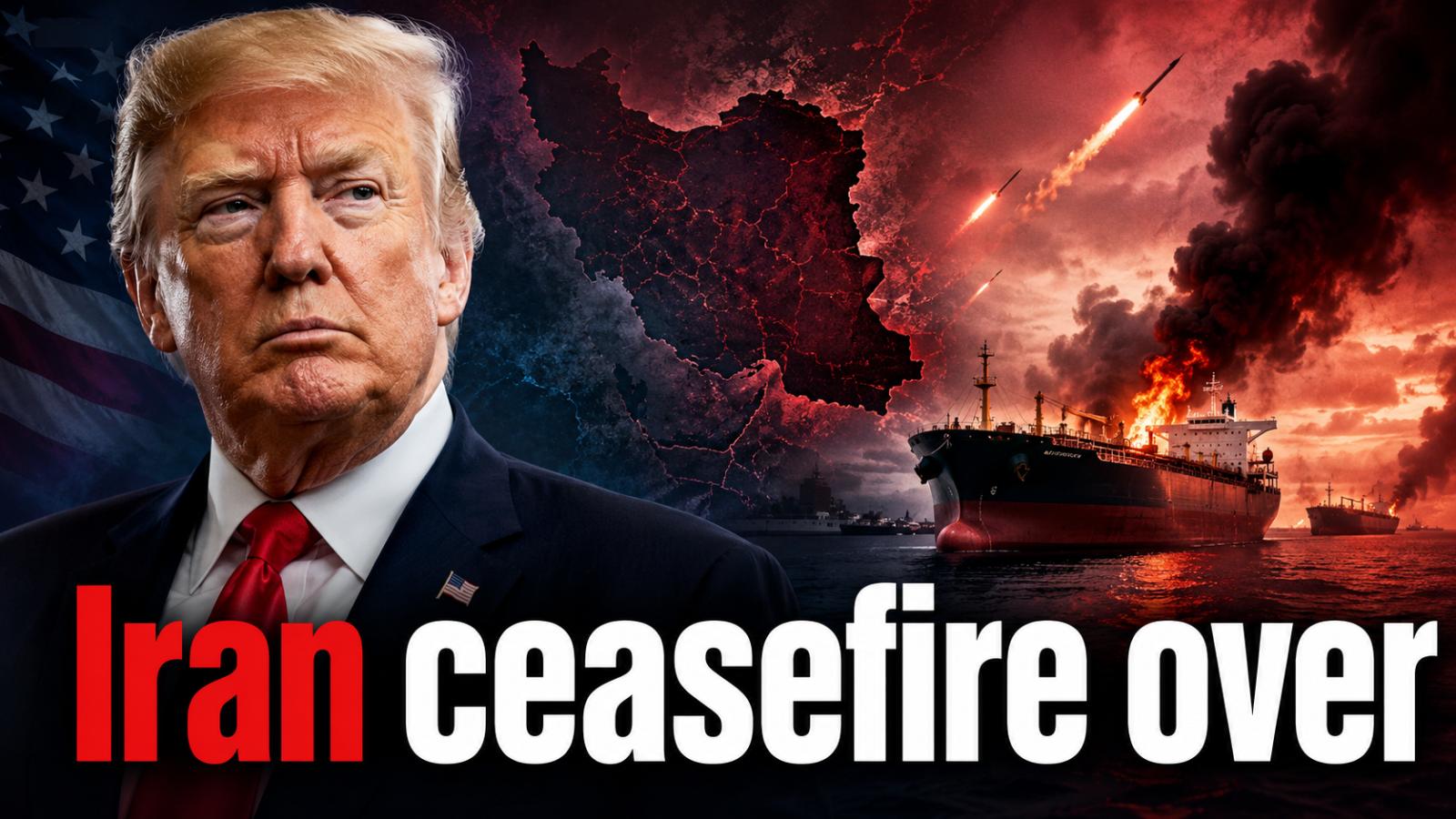
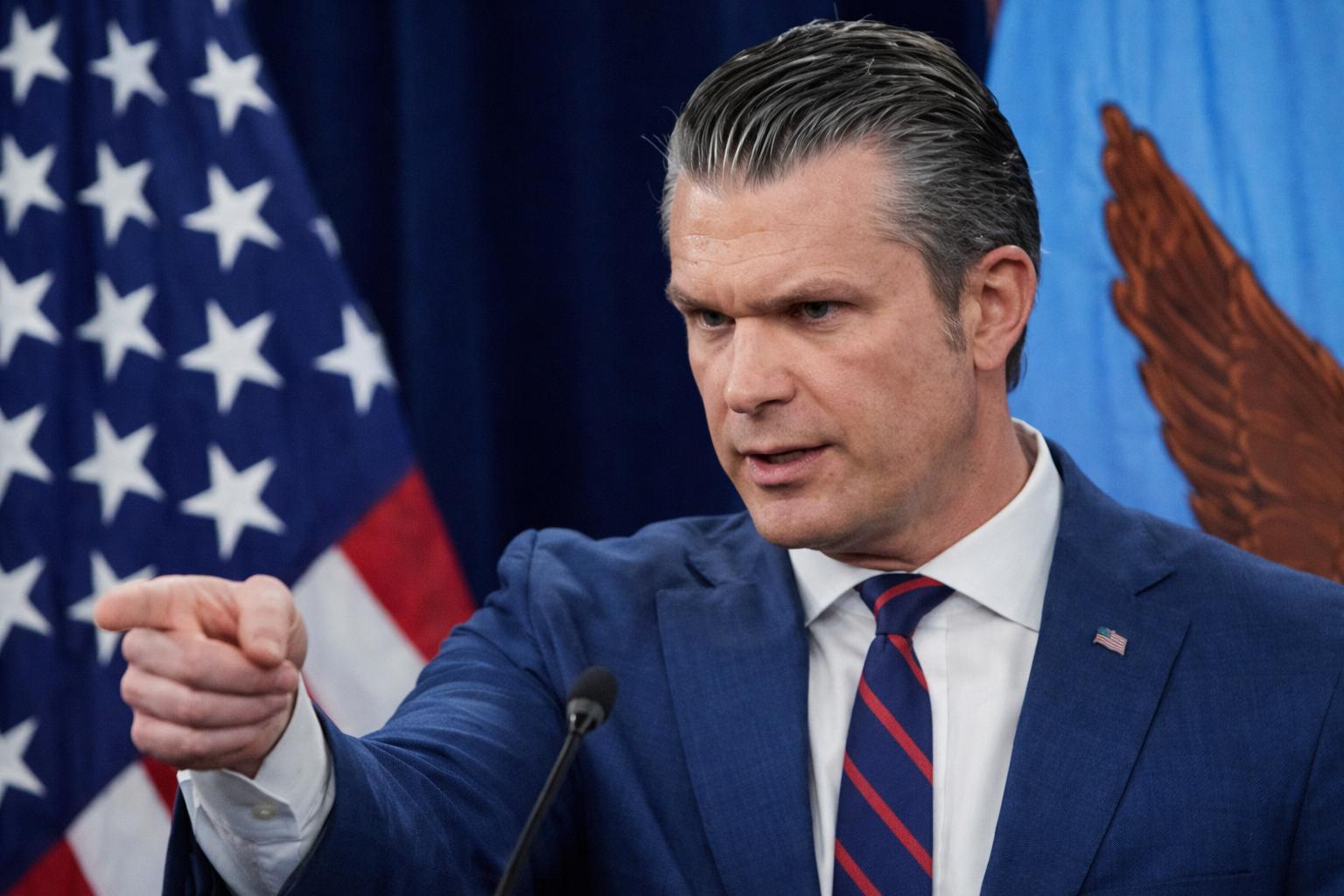
U.S. Secretary of Defense Pete Hegseth stated on Wednesday, April 8, 2026, that Iran had sought a ceasefire following what he described as a decisive U.S. military campaign known as Operation Epic Fury. Speaking during a Pentagon briefing, Hegseth characterized the operation as a “historic and overwhelming victory,” attributing its outcome to leadership under President Donald Trump.
Hegseth said Iran’s leadership had “begged for a ceasefire,” asserting that the scale of the military impact left Tehran with limited options. He emphasized that the operation significantly degraded Iran’s conventional military capabilities, particularly across its naval, air, and missile forces.
According to the defense secretary, Iran’s navy suffered extensive losses, claiming it had effectively been neutralized. He further stated that Iran’s air force had been rendered inoperable and that its broader air defense infrastructure no longer functioned as a cohesive system. Hegseth also asserted that Iran’s missile program had been “functionally destroyed,” suggesting a substantial setback to the country’s strategic deterrence capabilities.
The remarks were delivered as part of an official Pentagon briefing outlining the outcomes of recent military actions. While Hegseth presented the operation as a clear U.S. victory, his statements reflect the administration’s assessment of the situation and have not been independently verified within the briefing.
The comments signal a significant escalation in rhetoric surrounding U.S.-Iran tensions and underscore the broader geopolitical implications of Operation Epic Fury. Further developments are expected as international observers and regional stakeholders assess the long-term consequences of the reported military actions.
U.S. Secretary of Defense Pete Hegseth stated on Wednesday, April 8, 2026, that Iran had sought a ceasefire following what he described as a decisive U.S. military campaign known as Operation Epic Fury. Speaking during a Pentagon briefing, Hegseth characterized the operation as a “historic and overwhelming victory,” attributing its outcome to leadership under President Donald Trump.
Hegseth said Iran’s leadership had “begged for a ceasefire,” asserting that the scale of the military impact left Tehran with limited options. He emphasized that the operation significantly degraded Iran’s conventional military capabilities, particularly across its naval, air, and missile forces.
According to the defense secretary, Iran’s navy suffered extensive losses, claiming it had effectively been neutralized. He further stated that Iran’s air force had been rendered inoperable and that its broader air defense infrastructure no longer functioned as a cohesive system. Hegseth also asserted that Iran’s missile program had been “functionally destroyed,” suggesting a substantial setback to the country’s strategic deterrence capabilities.
The remarks were delivered as part of an official Pentagon briefing outlining the outcomes of recent military actions. While Hegseth presented the operation as a clear U.S. victory, his statements reflect the administration’s assessment of the situation and have not been independently verified within the briefing.
The comments signal a significant escalation in rhetoric surrounding U.S.-Iran tensions and underscore the broader geopolitical implications of Operation Epic Fury. Further developments are expected as international observers and regional stakeholders assess the long-term consequences of the reported military actions.