India is considering stricter front-of-pack red warning labels for packaged foods after the Supreme Court questioned whether the Food Safety and Standards Authority of India’s proposed system could allow too many products to avoid health warnings.
The FSSAI had proposed a two-phase system in which a red hexagonal warning would initially appear only when a product exceeded limits in at least two of three categories — added sugar, salt or saturated fat. A stricter second phase was
India is considering stricter front-of-pack red warning labels for packaged foods after the Supreme Court questioned whether the Food Safety and Standards Authority of India’s proposed system could allow too many products to avoid health warnings.
The FSSAI had proposed a two-phase system in which a red hexagonal warning would initially appear only when a product exceeded limits in at least two of three categories — added sugar, salt or saturated fat. A stricter second phase was
Pakistan’s food crisis is increasingly visible at the household level, with official data showing families consuming less of many everyday foods while food insecurity continues to rise. The decline in milk, meat, rice and other staples suggests that affordability is reshaping diets and pushing more households toward cheaper sources of calories.
Pakistan’s food crisis is increasingly visible at the household level, with official data showing families consuming less of many everyday foods while food insecurity continues to rise. The decline in milk, meat, rice and other staples suggests that affordability is reshaping diets and pushing more households toward cheaper sources of calories.
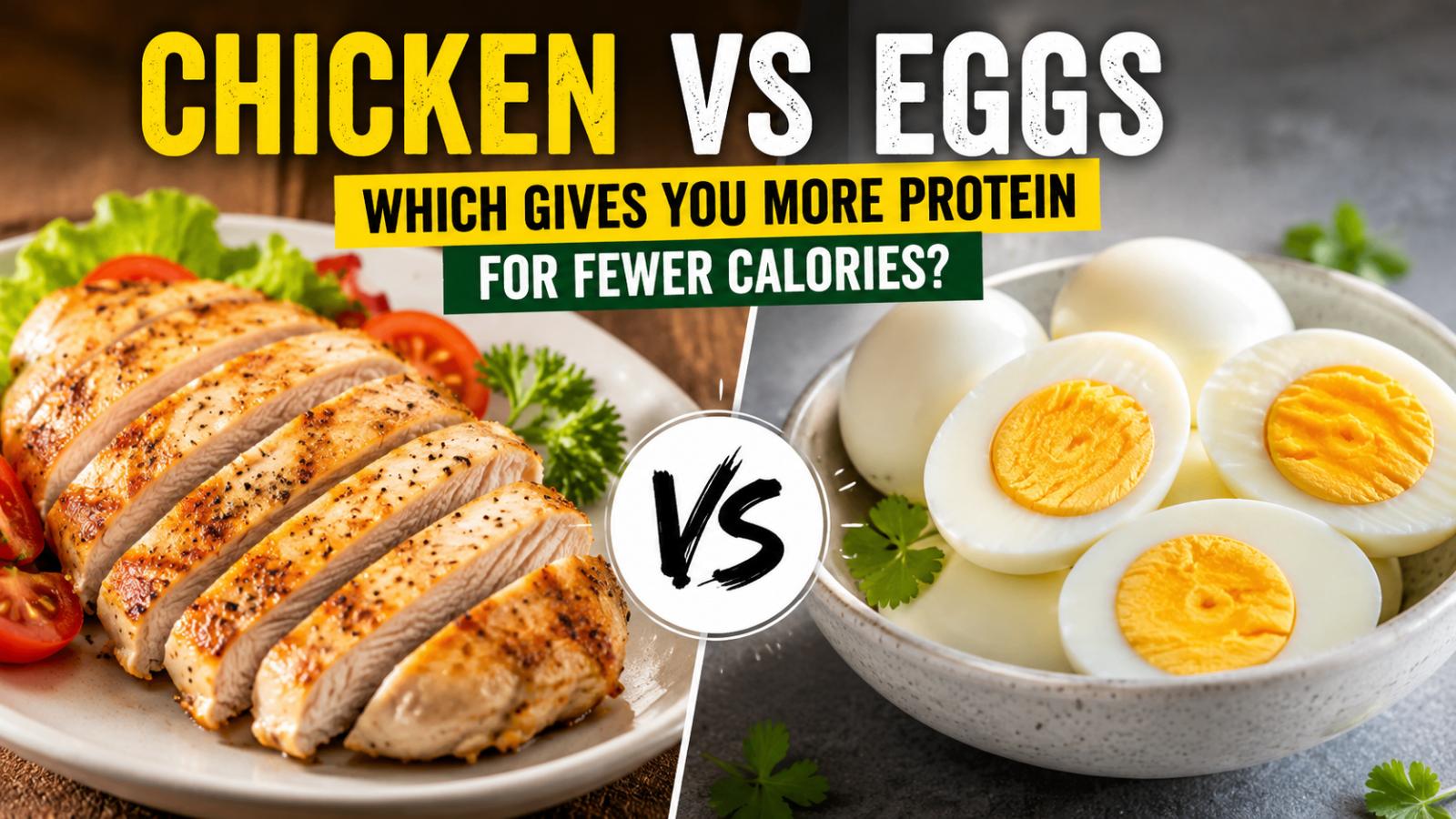
Chicken breast delivers more than twice the protein of hard-boiled eggs for nearly the same number of calories, making it the better lean-protein choice. Eggs provide less protein per calorie but offer valuable nutrients such as choline, vitamin D, vitamin B12, lutein and zeaxanthin.
Chicken vs Eggs: A Detailed Nutrition Comparison
Chicken and eggs are both complete sources of protein, meaning they provide all nine essential amino acids that the body cannot produce independently. However, their protein, calorie and fat content differs considerably.
A 100-gram serving of cooked, skinless chicken breast generally provides around 31 grams of protein, 165 calories and 3.6 grams of fat. In comparison, 100 grams of hard-boiled whole eggs provides approximately 12.6 grams of protein, 155 calories and 10.6 grams of fat. Exact figures may vary according to the size, cooking method and food product. USDA FoodData Central maintains the official nutrient database used for such comparisons.
The difference in calories is small, but chicken breast provides more than twice as much protein and substantially less fat. This gives chicken a clear advantage when protein density is the main priority.
Quick comparison per 100 grams:
• Cooked chicken breast: Around 31 grams of protein
• Hard-boiled whole eggs: Around 12.6 grams of protein
• Chicken breast calories: Around 165 calories
• Hard-boiled egg calories: Around 155 calories
• Chicken breast fat: Around 3.6 grams
• Hard-boiled egg fat: Around 10.6 grams
Chicken Gives More Protein For Fewer Calories
Chicken breast provides approximately 18.8 grams of protein for every 100 calories. Hard-boiled eggs provide about 8.1 grams of protein for the same calorie intake.
This makes skinless chicken breast more suitable for people who need to increase protein consumption without adding excessive calories or fat. Protein supports muscle maintenance and repair, although exercise, sleep and total food intake also influence fitness results.
Higher-protein meals may promote fullness more effectively than meals lower in protein. Research reviews indicate that protein can support satiety and may help reduce subsequent food intake, but weight loss still depends on maintaining an appropriate overall calorie balance.
Chicken may be helpful for people seeking:
• More protein in each serving
• A better protein-to-calorie ratio
• Lower fat intake
• Support for muscle recovery
• A filling option for lunch or dinner
• A lean protein source for calorie-controlled meals
The cooking method can significantly change the final calorie count. Grilled, baked, steamed or boiled chicken generally contains fewer added calories than breaded or deep-fried chicken. Removing the skin and limiting butter, oil, cream and sugary sauces can also keep the meal lighter.
Eggs Provide Nutrients Beyond Protein
Eggs may contain less protein per calorie, but they provide several nutrients that make them valuable in a balanced diet. Whole eggs are an important source of choline, which supports normal cellular function and is involved in brain and nervous-system processes. The National Institutes of Health lists eggs, meat, poultry, fish and dairy among major dietary sources of choline.
Most of an egg’s choline and several other nutrients are concentrated in the yolk. Discarding the yolk reduces calories and fat, but it also removes much of the egg’s nutritional value.
Eggs may be useful for people seeking:
• A convenient and quickly prepared protein source
• Choline and other essential nutrients
• A filling breakfast or snack
• A food that works in multiple recipes
• A vegetarian source of complete protein
• A combination of protein and dietary fat
People seeking more protein with fewer calories can combine one whole egg with additional egg whites. This retains some nutrients from the yolk while increasing the total protein content without adding as much fat as several whole eggs.
Chicken Or Eggs: Which One Should You Choose?
Chicken breast is the better choice when the main goal is obtaining maximum protein for relatively few calories. It delivers more than twice the protein of hard-boiled eggs for only a small increase in calories.
Eggs are the better choice when convenience and nutrient variety are important. They are easy to cook, widely available and suitable for breakfast, snacks or light meals.
Choose chicken when you want:
• Higher protein intake
• Lower fat per serving
• Better protein density
• Support for muscle-building meals
• A lean option for weight-management diets
Choose eggs when you want:
• A quick and convenient meal
• Choline and nutrients found in the yolk
• A versatile breakfast or snack
• A vegetarian complete-protein option
• A balanced combination of protein and fat
Chicken and eggs do not need to compete for a place in the diet. Chicken can serve as the primary lean protein in larger meals, while eggs can provide convenience and nutrient variety at breakfast or between meals. People with kidney disease, egg allergies or medical conditions that affect protein intake should consult a qualified doctor or registered dietitian before making major dietary changes.
Chicken breast delivers more than twice the protein of hard-boiled eggs for nearly the same number of calories, making it the better lean-protein choice. Eggs provide less protein per calorie but offer valuable nutrients such as choline, vitamin D, vitamin B12, lutein and zeaxanthin.
Chicken vs Eggs: A Detailed Nutrition Comparison
Chicken and eggs are both complete sources of protein, meaning they provide all nine essential amino acids that the body cannot produce independently. However, their protein, calorie and fat content differs considerably.
A 100-gram serving of cooked, skinless chicken breast generally provides around 31 grams of protein, 165 calories and 3.6 grams of fat. In comparison, 100 grams of hard-boiled whole eggs provides approximately 12.6 grams of protein, 155 calories and 10.6 grams of fat. Exact figures may vary according to the size, cooking method and food product. USDA FoodData Central maintains the official nutrient database used for such comparisons.
The difference in calories is small, but chicken breast provides more than twice as much protein and substantially less fat. This gives chicken a clear advantage when protein density is the main priority.
Quick comparison per 100 grams:
• Cooked chicken breast: Around 31 grams of protein
• Hard-boiled whole eggs: Around 12.6 grams of protein
• Chicken breast calories: Around 165 calories
• Hard-boiled egg calories: Around 155 calories
• Chicken breast fat: Around 3.6 grams
• Hard-boiled egg fat: Around 10.6 grams
Chicken Gives More Protein For Fewer Calories
Chicken breast provides approximately 18.8 grams of protein for every 100 calories. Hard-boiled eggs provide about 8.1 grams of protein for the same calorie intake.
This makes skinless chicken breast more suitable for people who need to increase protein consumption without adding excessive calories or fat. Protein supports muscle maintenance and repair, although exercise, sleep and total food intake also influence fitness results.
Higher-protein meals may promote fullness more effectively than meals lower in protein. Research reviews indicate that protein can support satiety and may help reduce subsequent food intake, but weight loss still depends on maintaining an appropriate overall calorie balance.
Chicken may be helpful for people seeking:
• More protein in each serving
• A better protein-to-calorie ratio
• Lower fat intake
• Support for muscle recovery
• A filling option for lunch or dinner
• A lean protein source for calorie-controlled meals
The cooking method can significantly change the final calorie count. Grilled, baked, steamed or boiled chicken generally contains fewer added calories than breaded or deep-fried chicken. Removing the skin and limiting butter, oil, cream and sugary sauces can also keep the meal lighter.
Eggs Provide Nutrients Beyond Protein
Eggs may contain less protein per calorie, but they provide several nutrients that make them valuable in a balanced diet. Whole eggs are an important source of choline, which supports normal cellular function and is involved in brain and nervous-system processes. The National Institutes of Health lists eggs, meat, poultry, fish and dairy among major dietary sources of choline.
Most of an egg’s choline and several other nutrients are concentrated in the yolk. Discarding the yolk reduces calories and fat, but it also removes much of the egg’s nutritional value.
Eggs may be useful for people seeking:
• A convenient and quickly prepared protein source
• Choline and other essential nutrients
• A filling breakfast or snack
• A food that works in multiple recipes
• A vegetarian source of complete protein
• A combination of protein and dietary fat
People seeking more protein with fewer calories can combine one whole egg with additional egg whites. This retains some nutrients from the yolk while increasing the total protein content without adding as much fat as several whole eggs.
Chicken Or Eggs: Which One Should You Choose?
Chicken breast is the better choice when the main goal is obtaining maximum protein for relatively few calories. It delivers more than twice the protein of hard-boiled eggs for only a small increase in calories.
Eggs are the better choice when convenience and nutrient variety are important. They are easy to cook, widely available and suitable for breakfast, snacks or light meals.
Choose chicken when you want:
• Higher protein intake
• Lower fat per serving
• Better protein density
• Support for muscle-building meals
• A lean option for weight-management diets
Choose eggs when you want:
• A quick and convenient meal
• Choline and nutrients found in the yolk
• A versatile breakfast or snack
• A vegetarian complete-protein option
• A balanced combination of protein and fat
Chicken and eggs do not need to compete for a place in the diet. Chicken can serve as the primary lean protein in larger meals, while eggs can provide convenience and nutrient variety at breakfast or between meals. People with kidney disease, egg allergies or medical conditions that affect protein intake should consult a qualified doctor or registered dietitian before making major dietary changes.
Vitamin B12 Deficiency Symptoms Beyond Ordinary Fatigue
Vitamin B12 is essential for healthy nerves, normal brain function, red blood cell production and DNA synthesis. It also helps maintain the myelin sheath, the protective covering around nerves that allows signals to travel efficiently throughout the body.
When vitamin B12 levels become too low, nerve communication may weaken. This can produce neurological symp
Vitamin B12 Deficiency Symptoms Beyond Ordinary Fatigue
Vitamin B12 is essential for healthy nerves, normal brain function, red blood cell production and DNA synthesis. It also helps maintain the myelin sheath, the protective covering around nerves that allows signals to travel efficiently throughout the body.
When vitamin B12 levels become too low, nerve communication may weaken. This can produce neurological symp
Structured Morning Health Routine Guide
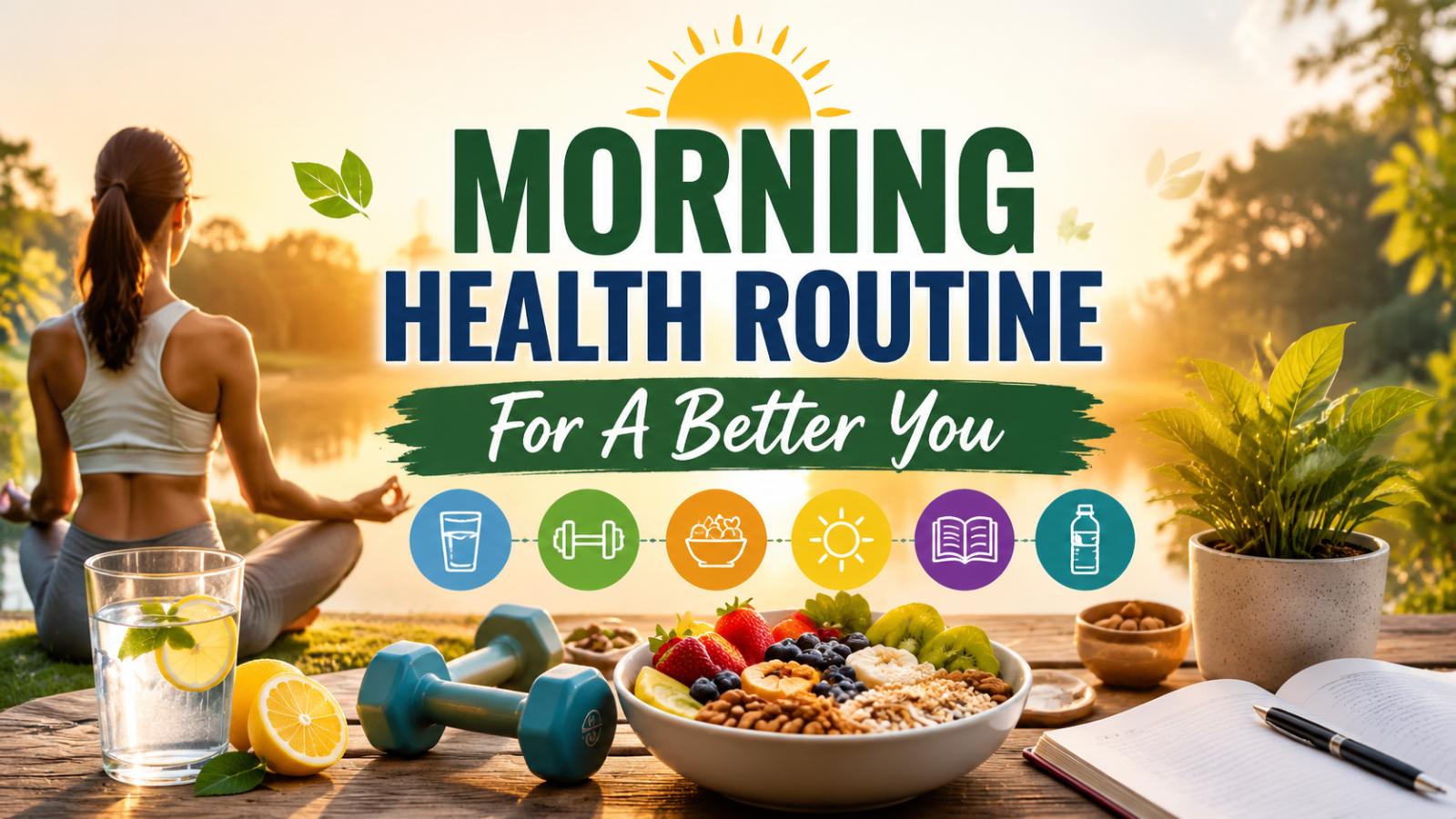
A newly shared wellness routine emphasizes disciplined lifestyle habits focused on hydration, physical activity, nutrition, and mental clarity. The guide highlights how small daily practices in the morning can significantly improve long-term health, energy levels, and productivity.
1. Early Morning Hydration
Start the day with
Structured Morning Health Routine Guide
A newly shared wellness routine emphasizes disciplined lifestyle habits focused on hydration, physical activity, nutrition, and mental clarity. The guide highlights how small daily practices in the morning can significantly improve long-term health, energy levels, and productivity.
1. Early Morning Hydration
Start the day with
Buckwheat: A Protein-Packed Grain
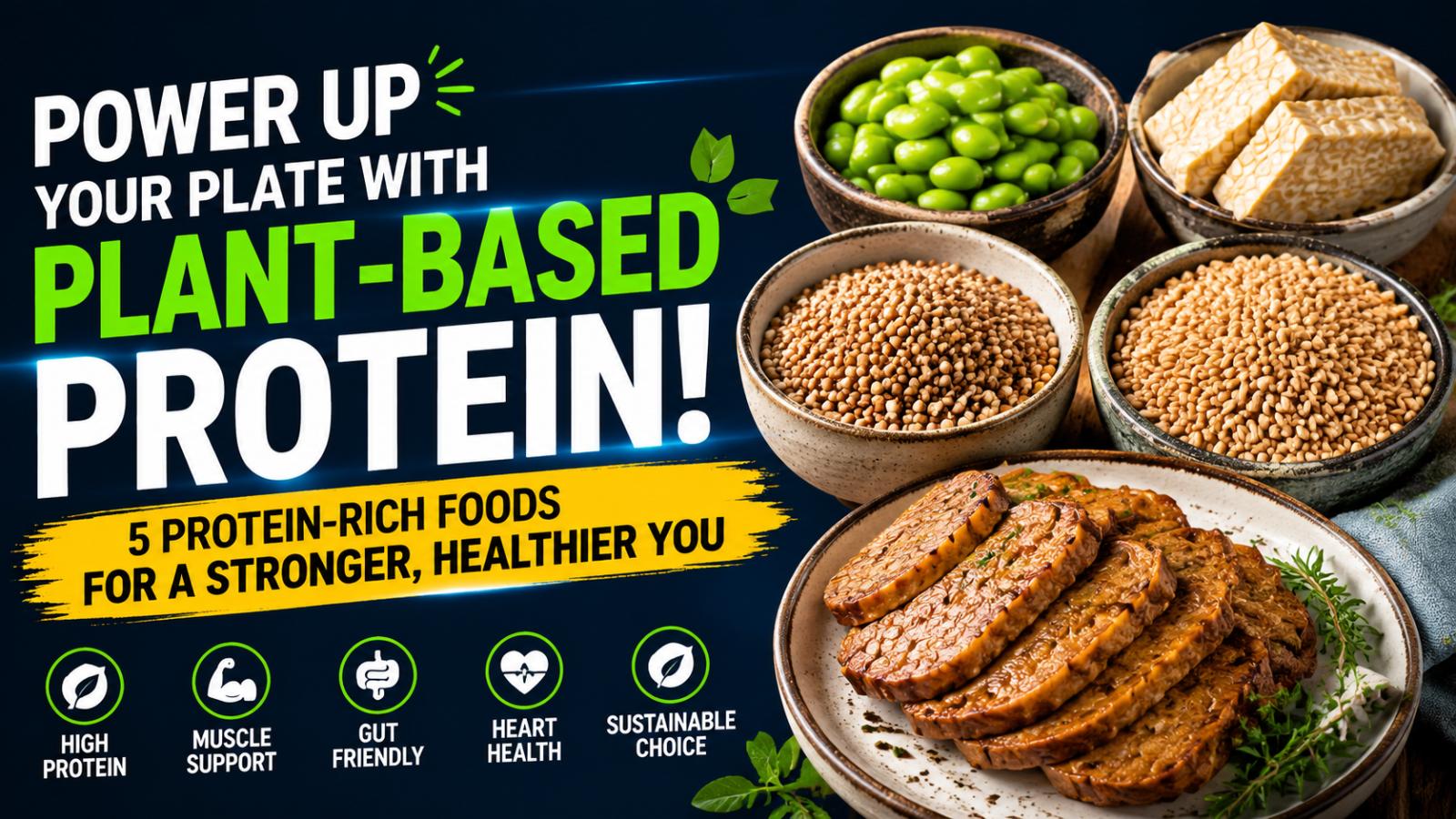
Buckwheat is a versatile, gluten-free grain that is rich in protein and essential amino acids. Often used in pancakes, porridge, and salads, it provides a hearty texture and nutty flavor. Buckwheat is also high in fiber, antioxidants, and minerals like magnesium and manganese, making it an excellent choice for those seeking both protein and overall nutritional benefits. Its
Buckwheat: A Protein-Packed Grain
Buckwheat is a versatile, gluten-free grain that is rich in protein and essential amino acids. Often used in pancakes, porridge, and salads, it provides a hearty texture and nutty flavor. Buckwheat is also high in fiber, antioxidants, and minerals like magnesium and manganese, making it an excellent choice for those seeking both protein and overall nutritional benefits. Its
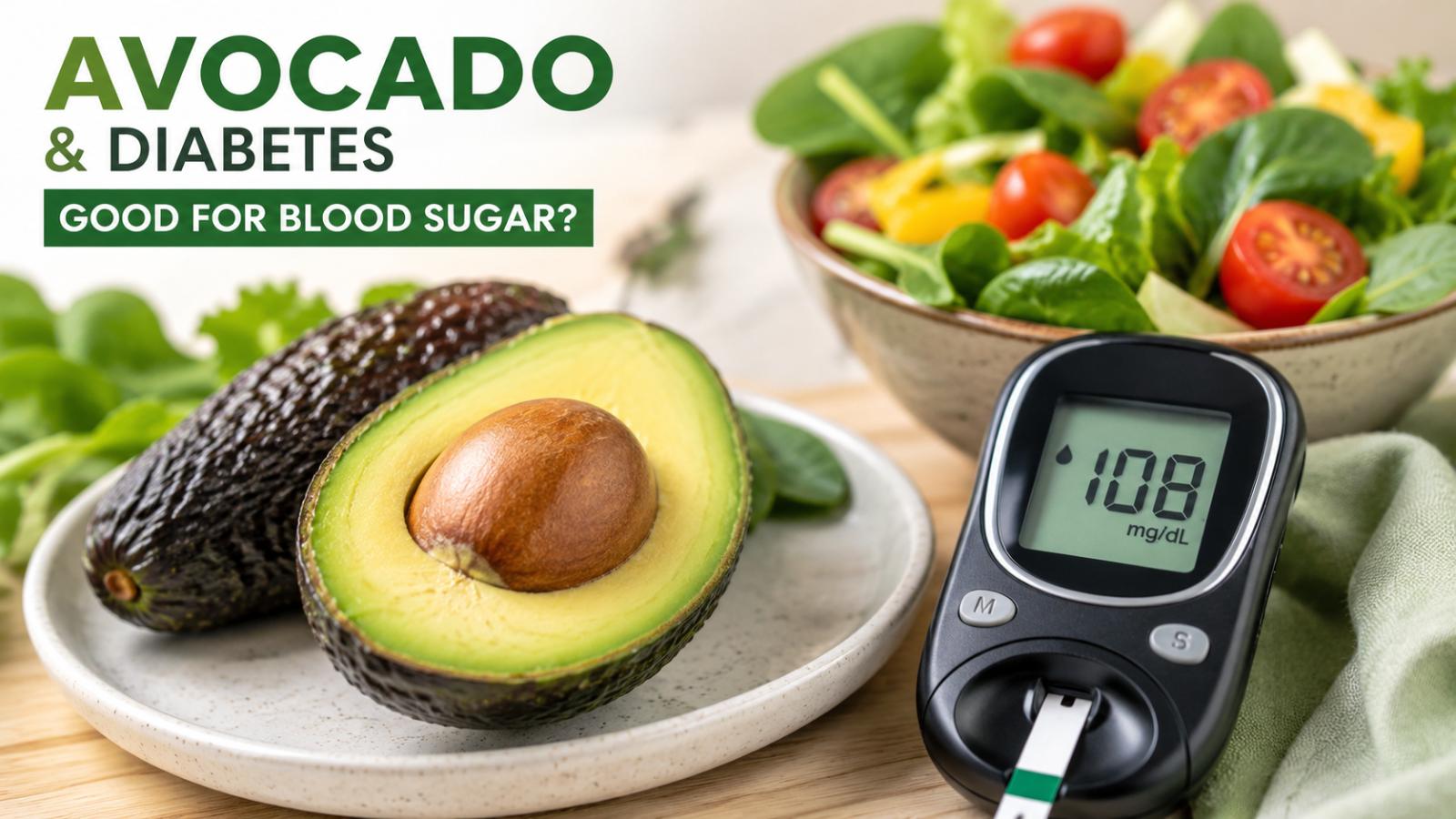
Avocado and diabetes can fit together in a healthy eating plan because avocado is low in sugar and provides fiber and mostly unsaturated fat. For people managing blood sugar, the benefit is not that avocado “treats” diabetes, but that it can help build a more balanced meal.
The American Diabetes Association lists avocado as a heart-healthy fat source for the Diabetes Plate and says it contributes fiber and fat-soluble vitamins. ADA nutrition data for one-fourth of an avocado lis
Avocado and diabetes can fit together in a healthy eating plan because avocado is low in sugar and provides fiber and mostly unsaturated fat. For people managing blood sugar, the benefit is not that avocado “treats” diabetes, but that it can help build a more balanced meal.
The American Diabetes Association lists avocado as a heart-healthy fat source for the Diabetes Plate and says it contributes fiber and fat-soluble vitamins. ADA nutrition data for one-fourth of an avocado lis
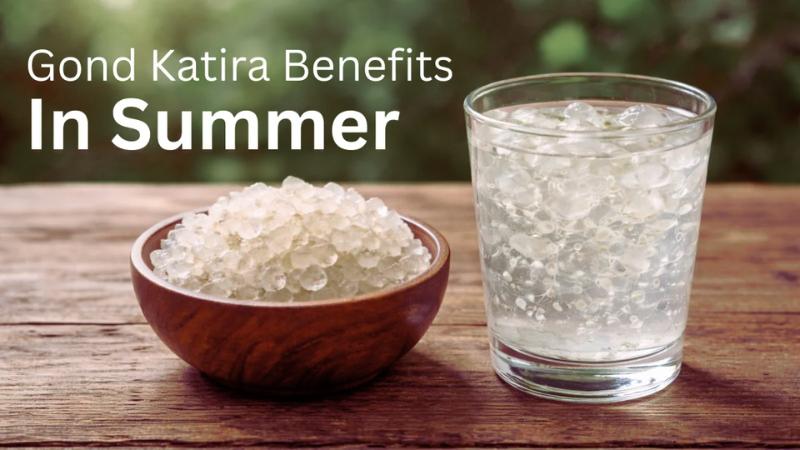
If you’re looking for a natural way to beat the heat, Gond Katira is a traditional ingredient worth adding to your summer routine. Known for its cooling and soothing properties, it has been used in Indian households for generations as a natural remedy during hot weather.
If you’re looking for a natural way to beat the heat, Gond Katira is a traditional ingredient worth adding to your summer routine. Known for its cooling and soothing properties, it has been used in Indian households for generations as a natural remedy during hot weather.
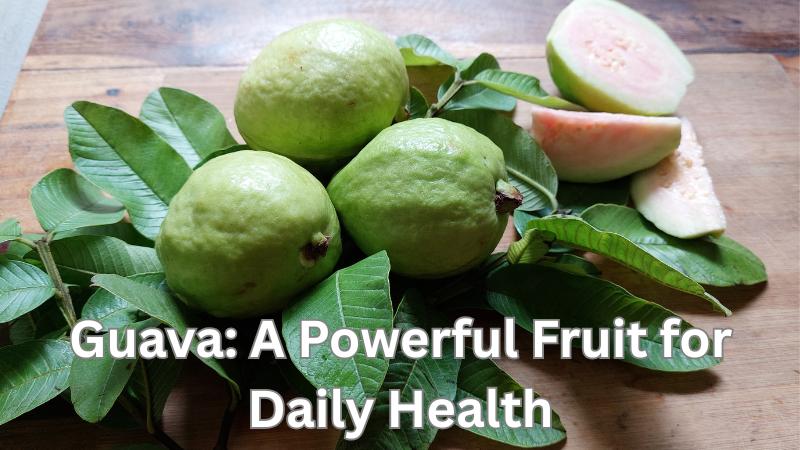
Guava is widely considered one of the most nutrient-rich fruits because it delivers a powerful combination of vitamin C, fibre, antioxidants, minerals, and plant compounds that support multiple aspects of health. Its benefits range from boosting immunity and improving digestion to helping regulate blood sugar and supporting heart function. Since guava is low in calories but high in essential nutrients, it fits easily into any daily diet, making it a simple and effective addition for better we
Guava is widely considered one of the most nutrient-rich fruits because it delivers a powerful combination of vitamin C, fibre, antioxidants, minerals, and plant compounds that support multiple aspects of health. Its benefits range from boosting immunity and improving digestion to helping regulate blood sugar and supporting heart function. Since guava is low in calories but high in essential nutrients, it fits easily into any daily diet, making it a simple and effective addition for better we
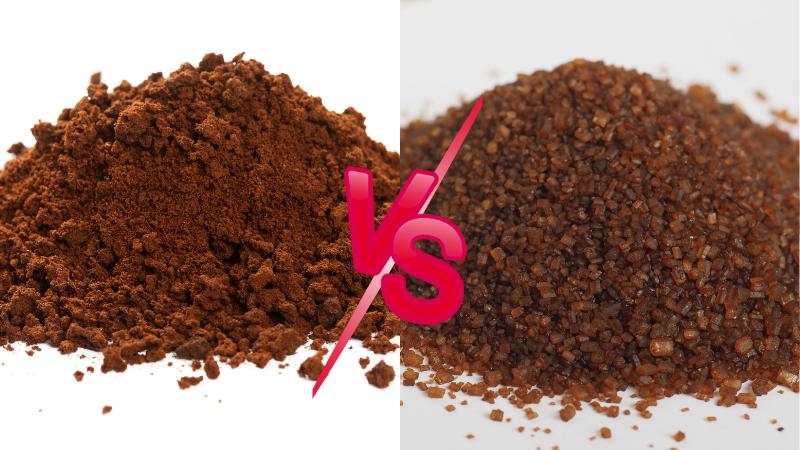
Many people looking to improve their health and manage weight are switching from refined white sugar to alternatives like jaggery powder and brown sugar. While both appear similar and are used as sweeteners, they differ in production, nutrition, and overall health benefits. Here’s a breakdown:
What is Jaggery Powder?
Made from sugarcane juice or pa
Many people looking to improve their health and manage weight are switching from refined white sugar to alternatives like jaggery powder and brown sugar. While both appear similar and are used as sweeteners, they differ in production, nutrition, and overall health benefits. Here’s a breakdown:
What is Jaggery Powder?
Made from sugarcane juice or pa
What is food phobia?
Food phobia is an intense fear or strong refusal of certain foods. It can look like crying, gagging, panic at mealtimes, or insisting on only a few safe foods. It’s common in young children and often improves with calm, consistent help.
Common causes
Some kids develop fears after a scary experience such as choking, gagging, or vomiting. Sensory sensitivity to texture, smell, or
What is food phobia?
Food phobia is an intense fear or strong refusal of certain foods. It can look like crying, gagging, panic at mealtimes, or insisting on only a few safe foods. It’s common in young children and often improves with calm, consistent help.
Common causes
Some kids develop fears after a scary experience such as choking, gagging, or vomiting. Sensory sensitivity to texture, smell, or
Every parent knows the challenge of dealing with a picky eater at home. Children often go through phases where they refuse to try new foods or stick to eating the same meals repeatedly. While this can be frustrating, it is a normal part of childhood development. The key is patience, creativity, and consistency in mealtime habits to ensure kids get the nutrition they need without turning every meal into a battle.
One of the best strategies is to make mealtime fun and stress-free. Pre
Every parent knows the challenge of dealing with a picky eater at home. Children often go through phases where they refuse to try new foods or stick to eating the same meals repeatedly. While this can be frustrating, it is a normal part of childhood development. The key is patience, creativity, and consistency in mealtime habits to ensure kids get the nutrition they need without turning every meal into a battle.
One of the best strategies is to make mealtime fun and stress-free. Pre
National Nutrition Week (NNW), observed from September 1st to 7th, highlights the importance of balanced nutrition for a healthier lifestyle. This initiative, launched by India’s Ministry of Health and Family Welfare, serves as a reminder for individuals and communities to focus on making informed food choices. The theme for this year, 'Eat right for a better life,' emphasizes the significance of proper nutrition and healthy eating habits.
National Nutrition Week (NNW), observed from September 1st to 7th, highlights the importance of balanced nutrition for a healthier lifestyle. This initiative, launched by India’s Ministry of Health and Family Welfare, serves as a reminder for individuals and communities to focus on making informed food choices. The theme for this year, 'Eat right for a better life,' emphasizes the significance of proper nutrition and healthy eating habits.
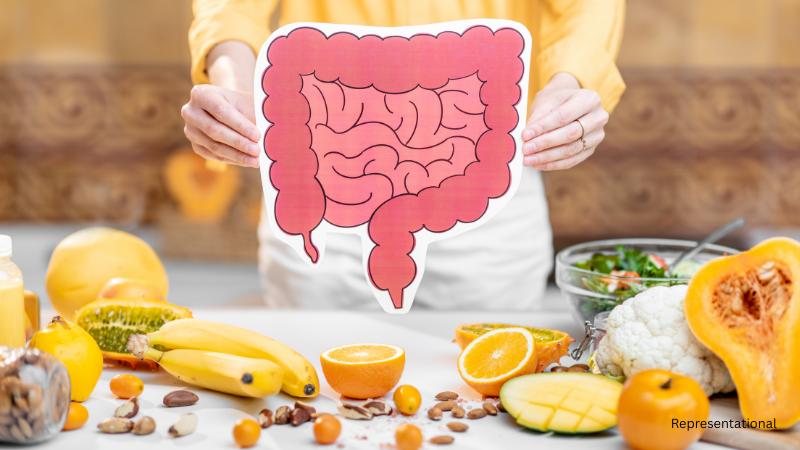
The conversation around gut health has become one of the most important topics in the wellness community. With increasing awareness about digestive health, functional foods have emerged as a powerful tool in promoting gut wellness and overall health. These foods, packed with bioactive compounds, work to support the digestive system, enhance nutrient absorption, and regulate the gut microbiome. So, what exactly are functional foods, and how can they improve gut health?
Unders
The conversation around gut health has become one of the most important topics in the wellness community. With increasing awareness about digestive health, functional foods have emerged as a powerful tool in promoting gut wellness and overall health. These foods, packed with bioactive compounds, work to support the digestive system, enhance nutrient absorption, and regulate the gut microbiome. So, what exactly are functional foods, and how can they improve gut health?
Unders
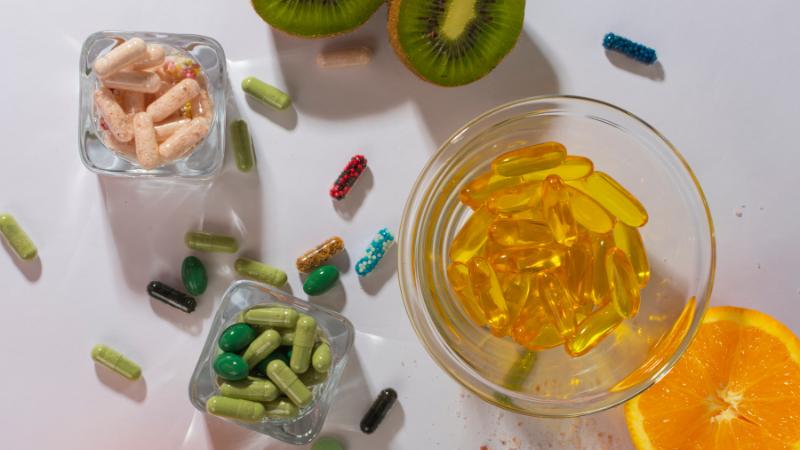
When it comes to health supplements, timing isn’t just a minor detail it can significantly affect how your body absorbs and uses them. Nutritionist Rashi Chowdhary recently broke down the best times to take common supplements like Omega 3, vitamin D, B12, and magnesium, explaining how poor timing can completely negate their benefits.
In her Instagram post, Chowdhary emphasized that "right supplements with
When it comes to health supplements, timing isn’t just a minor detail it can significantly affect how your body absorbs and uses them. Nutritionist Rashi Chowdhary recently broke down the best times to take common supplements like Omega 3, vitamin D, B12, and magnesium, explaining how poor timing can completely negate their benefits.
In her Instagram post, Chowdhary emphasized that "right supplements with
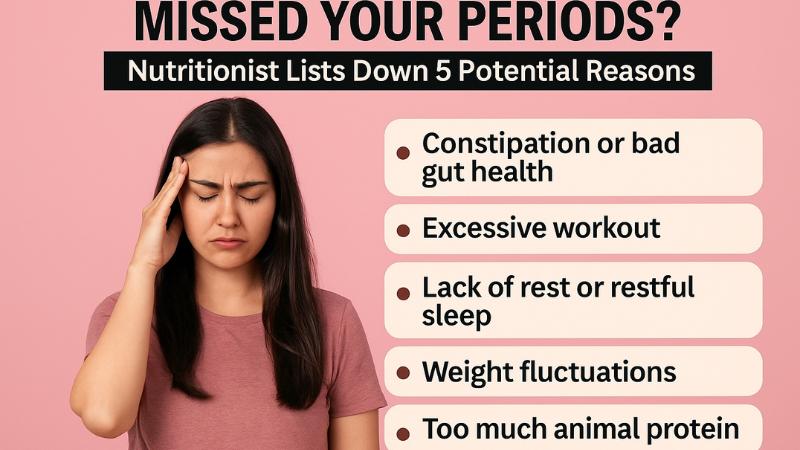
Missed your period and unsure why? If you haven’t experienced stress, changed your diet, or recently travelled, a delayed menstrual cycle can leave you feeling confused and concerned. Nutritionist Lovneet Batra took to Instagram to explain that there are several often-overlooked lifestyle factors that could be disrupting your cycle.
In a post aimed at helping women understand their bodies better, Batra outlines five potential reasons why your period might be late—even if
Missed your period and unsure why? If you haven’t experienced stress, changed your diet, or recently travelled, a delayed menstrual cycle can leave you feeling confused and concerned. Nutritionist Lovneet Batra took to Instagram to explain that there are several often-overlooked lifestyle factors that could be disrupting your cycle.
In a post aimed at helping women understand their bodies better, Batra outlines five potential reasons why your period might be late—even if
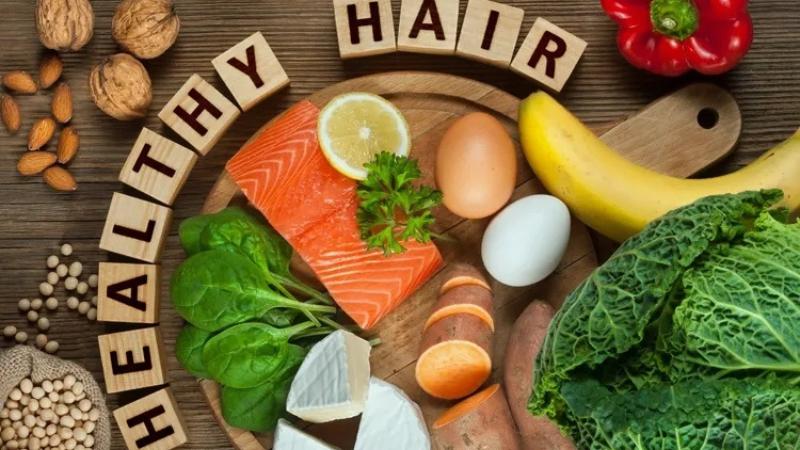
Achieving strong, shiny, and healthy hair goes beyond shampoos, serums, and salon treatments—it begins on your plate. Nutrition plays a key role in hair health, and according to well-known nutritionist Palak Nagpal, a balanced diet rich in specific nutrients can do wonders for your hair’s growth, thickness, and texture. In a recent Instagram video, Palak shared her top three foods that she personally swears by for maintaining healthy hair: lentils, walnuts, and homemade yoghurt.
Achieving strong, shiny, and healthy hair goes beyond shampoos, serums, and salon treatments—it begins on your plate. Nutrition plays a key role in hair health, and according to well-known nutritionist Palak Nagpal, a balanced diet rich in specific nutrients can do wonders for your hair’s growth, thickness, and texture. In a recent Instagram video, Palak shared her top three foods that she personally swears by for maintaining healthy hair: lentils, walnuts, and homemade yoghurt.
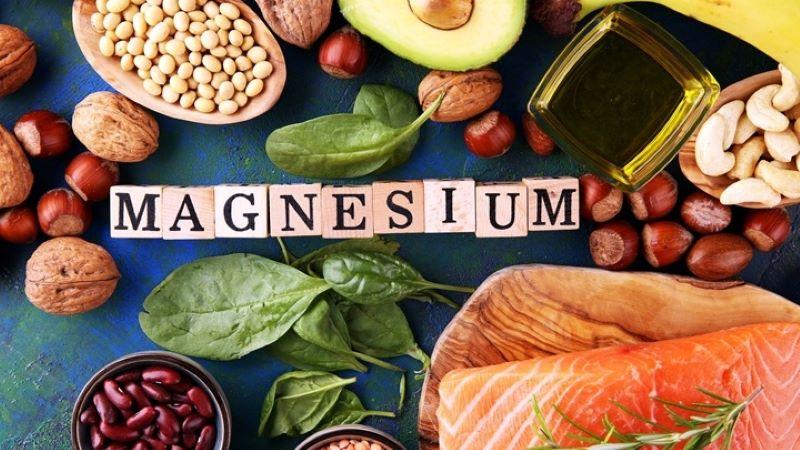
A balanced, nutrient-rich diet is the foundation of a healthy body and a sound mind. Among the essential nutrients the human body needs, magnesium often doesn’t get the attention it deserves. Yet, this powerhouse mineral plays a vital role in over 300 biochemical reactions that are crucial to everyday health. From muscle and nerve function to bone strength and sleep quality, magnesium is involved in numerous physiological processes that keep the body running smoothly. Despite its import
A balanced, nutrient-rich diet is the foundation of a healthy body and a sound mind. Among the essential nutrients the human body needs, magnesium often doesn’t get the attention it deserves. Yet, this powerhouse mineral plays a vital role in over 300 biochemical reactions that are crucial to everyday health. From muscle and nerve function to bone strength and sleep quality, magnesium is involved in numerous physiological processes that keep the body running smoothly. Despite its import
Mushrooms have long held a reputation as a nutritious powerhouse in global diets. With their low calorie count and high nutrient density, they're packed with antioxidants, essential minerals, and anti-inflammatory compounds. But is it safe to eat mushrooms every single day? The answer is a cautious yes—if consumed in moderation and chosen wisely. According to health authorities such as the United States Department of Agriculture (USDA) and the World Health Organization (WHO), edible
Mushrooms have long held a reputation as a nutritious powerhouse in global diets. With their low calorie count and high nutrient density, they're packed with antioxidants, essential minerals, and anti-inflammatory compounds. But is it safe to eat mushrooms every single day? The answer is a cautious yes—if consumed in moderation and chosen wisely. According to health authorities such as the United States Department of Agriculture (USDA) and the World Health Organization (WHO), edible