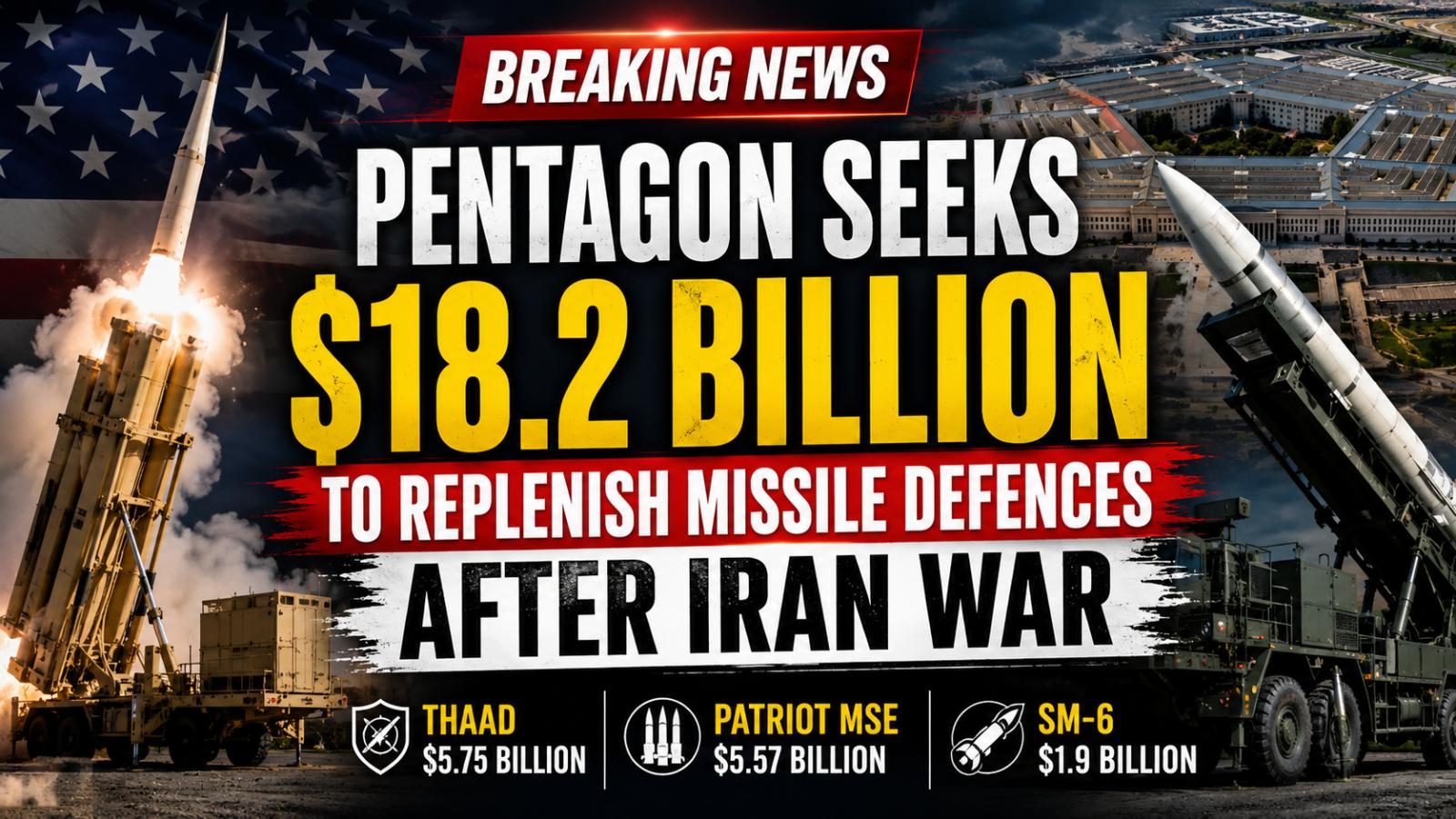
The Pentagon has asked Congress for $18.2 billion in emergency Pentagon missile funding to replenish advanced interceptors used during the war with Iran and subsequent attacks on American bases. The proposal highlights growing concern over US missile stocks as operations in the Middle East continue.
THAAD Restock Receives Largest Funding Share
Pentagon documents submitted to congressional defen
The Pentagon has asked Congress for $18.2 billion in emergency Pentagon missile funding to replenish advanced interceptors used during the war with Iran and subsequent attacks on American bases. The proposal highlights growing concern over US missile stocks as operations in the Middle East continue.
THAAD Restock Receives Largest Funding Share
Pentagon documents submitted to congressional defen
Immediate Aftermath and Casualties
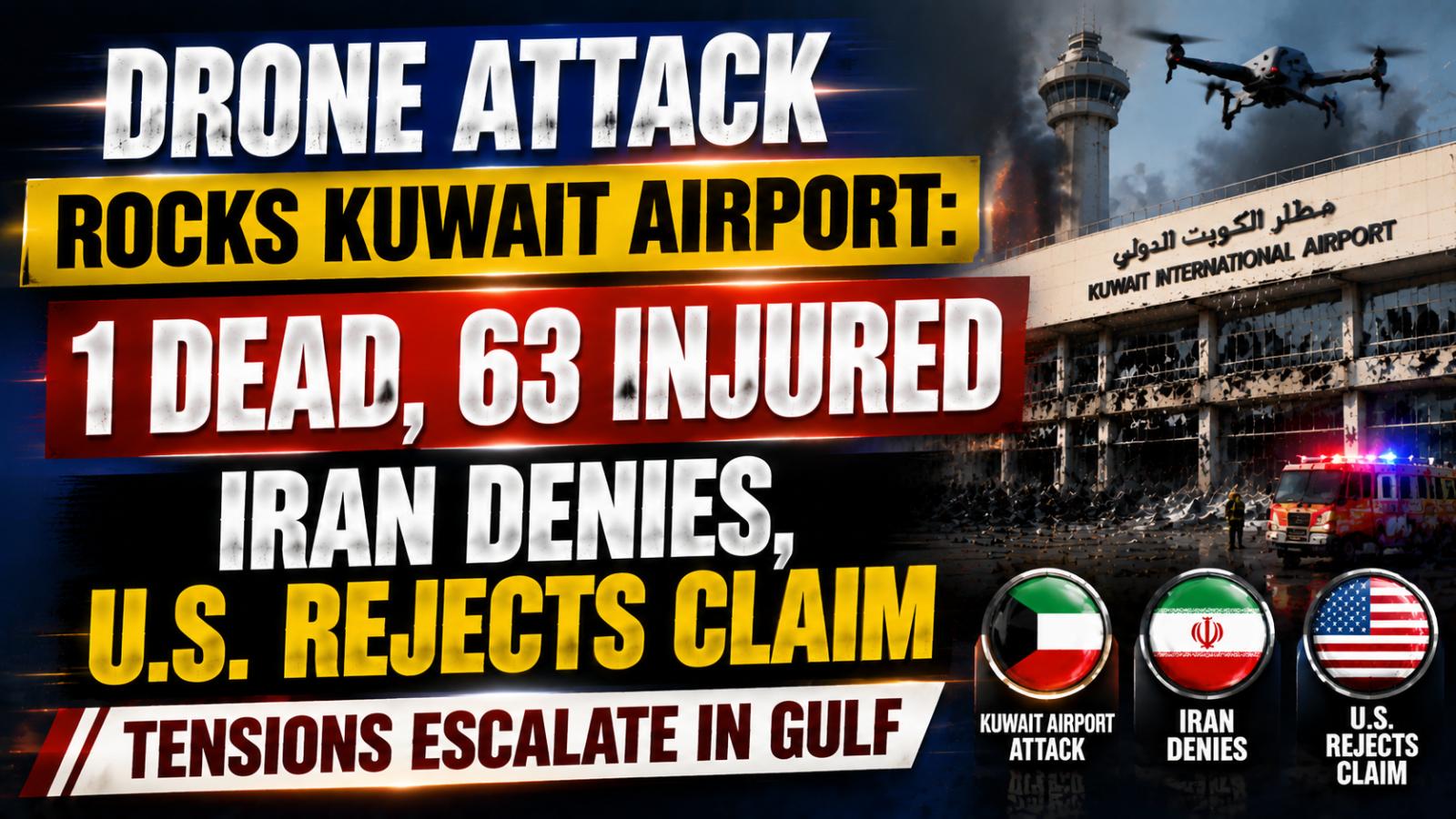
Kuwait’s Civil Aviation Authority released CCTV footage on June 4 showing the chaos following a drone strike on Terminal 1 at Kuwait International Airport. The attack killed an Indian national and injured 63 others, forcing the temporary closure of the airport. Officials described this as the first deadly strike in the Gulf since the April 8 ceasefire. The incident follows US military strikes on
Immediate Aftermath and Casualties
Kuwait’s Civil Aviation Authority released CCTV footage on June 4 showing the chaos following a drone strike on Terminal 1 at Kuwait International Airport. The attack killed an Indian national and injured 63 others, forcing the temporary closure of the airport. Officials described this as the first deadly strike in the Gulf since the April 8 ceasefire. The incident follows US military strikes on
Iran Denies Responsibility
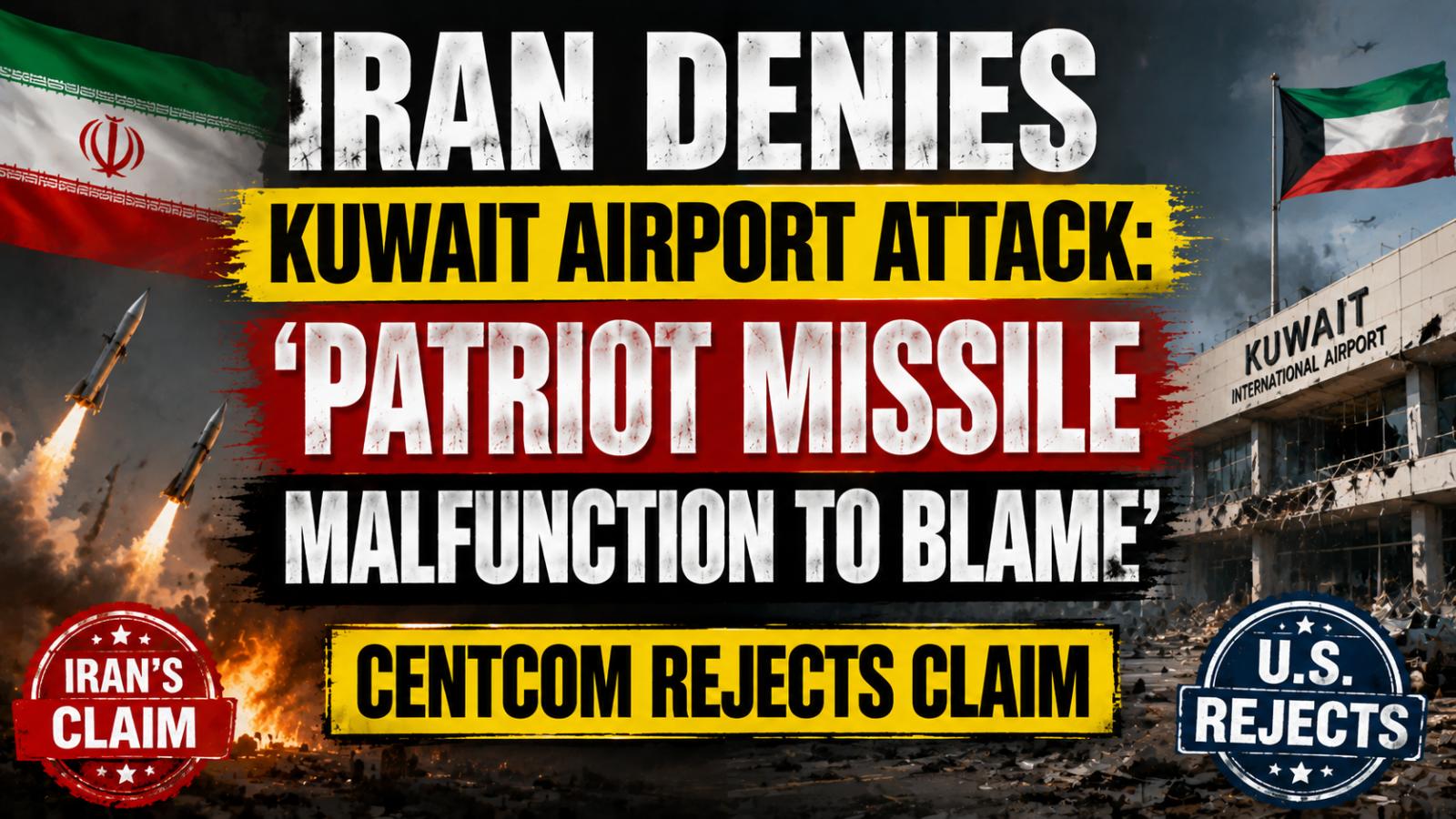
Iran’s Islamic Revolutionary Guard Corps (IRGC) has categorically denied involvement in the recent attack on Kuwait International Airport. The IRGC stated that the damage resulted from a malfunction in the US-made Patriot missile defence system, which failed to intercept incoming projectiles. According to a spokesperson, the Aerospace Force did not target the civilian airport, and the terminal was struck accidentally by malfunctioning defensive systems. The incident caused extensive damage to Passenger Terminal 1 (T1), killed one individual—a citizen of India—and injured 63 others. Kuwaiti authorities immediately closed national airspace, suspended commercial operations, and diverted incoming flights.
Regional Criticism and Concerns
Former Qatari Prime Minister Sheikh Hamad bin Jassim bin Jaber Al Thani strongly criticized Iran’s military activities against Gulf countries, labeling them as "astonishing" and "unjustifiable." While emphasizing Qatar’s intent to maintain constructive relations with Tehran, he stressed that Gulf states should adopt a coordinated stance to ensure regional stability. Al Thani questioned the rationale behind recent attacks on Bahrain and Kuwait and highlighted the importance of unified diplomatic and security measures in the face of escalating threats.
US Response and CENTCOM Statement
The United States Central Command (CENTCOM) rejected Iran’s claim, asserting that Tehran deliberately targeted Kuwait’s civilian airport. Officials described the attack as “unjustified” and stressed the potential threat to civilian safety in the region. CENTCOM continues to monitor developments and coordinate with Gulf partners to prevent further escalation. The conflicting accounts between Tehran and Washington underline growing tensions in the Middle East, highlighting the need for diplomatic engagement to avoid a wider regional conflict.
Strategic and Political Implications
The dispute underscores the fragility of security in the Gulf amid Iran’s military expansion and the broader geopolitical rivalries in the region. The use of defensive missile systems such as the Patriot has drawn scrutiny for its reliability and effectiveness in high-tension scenarios. Analysts note that the incident may influence future negotiations between Gulf countries and Iran and could prompt stronger regional defense cooperation. Both civilian safety and military escalation remain pressing concerns as authorities assess the implications of the incident.
International Repercussions
The attack has drawn global attention to the volatility of the Gulf region, with multiple countries urging restraint. International observers have called for transparent investigations into the incident and emphasized the importance of maintaining airspace security to prevent further civilian casualties. The events highlight the intersection of military technology, regional politics, and civilian safety, reinforcing the need for carefully coordinated responses to avoid unintended consequences in densely populated areas.
Iran Denies Responsibility
Iran’s Islamic Revolutionary Guard Corps (IRGC) has categorically denied involvement in the recent attack on Kuwait International Airport. The IRGC stated that the damage resulted from a malfunction in the US-made Patriot missile defence system, which failed to intercept incoming projectiles. According to a spokesperson, the Aerospace Force did not target the civilian airport, and the terminal was struck accidentally by malfunctioning defensive systems. The incident caused extensive damage to Passenger Terminal 1 (T1), killed one individual—a citizen of India—and injured 63 others. Kuwaiti authorities immediately closed national airspace, suspended commercial operations, and diverted incoming flights.
Regional Criticism and Concerns
Former Qatari Prime Minister Sheikh Hamad bin Jassim bin Jaber Al Thani strongly criticized Iran’s military activities against Gulf countries, labeling them as "astonishing" and "unjustifiable." While emphasizing Qatar’s intent to maintain constructive relations with Tehran, he stressed that Gulf states should adopt a coordinated stance to ensure regional stability. Al Thani questioned the rationale behind recent attacks on Bahrain and Kuwait and highlighted the importance of unified diplomatic and security measures in the face of escalating threats.
US Response and CENTCOM Statement
The United States Central Command (CENTCOM) rejected Iran’s claim, asserting that Tehran deliberately targeted Kuwait’s civilian airport. Officials described the attack as “unjustified” and stressed the potential threat to civilian safety in the region. CENTCOM continues to monitor developments and coordinate with Gulf partners to prevent further escalation. The conflicting accounts between Tehran and Washington underline growing tensions in the Middle East, highlighting the need for diplomatic engagement to avoid a wider regional conflict.
Strategic and Political Implications
The dispute underscores the fragility of security in the Gulf amid Iran’s military expansion and the broader geopolitical rivalries in the region. The use of defensive missile systems such as the Patriot has drawn scrutiny for its reliability and effectiveness in high-tension scenarios. Analysts note that the incident may influence future negotiations between Gulf countries and Iran and could prompt stronger regional defense cooperation. Both civilian safety and military escalation remain pressing concerns as authorities assess the implications of the incident.
International Repercussions
The attack has drawn global attention to the volatility of the Gulf region, with multiple countries urging restraint. International observers have called for transparent investigations into the incident and emphasized the importance of maintaining airspace security to prevent further civilian casualties. The events highlight the intersection of military technology, regional politics, and civilian safety, reinforcing the need for carefully coordinated responses to avoid unintended consequences in densely populated areas.
Zelensky Warns of New Russian Strikes
Ukrainian President Volodymyr Zelensky on Friday, May 29, warned that Russia is preparing a major new attack on Ukraine. His message comes after Kyiv experienced one of the largest Russian bombardments since the full-scale invasion began in 2022. The capital city was among the hardest-hit areas during last weekend’s wave of strikes, raising concerns about further
Zelensky Warns of New Russian Strikes
Ukrainian President Volodymyr Zelensky on Friday, May 29, warned that Russia is preparing a major new attack on Ukraine. His message comes after Kyiv experienced one of the largest Russian bombardments since the full-scale invasion began in 2022. The capital city was among the hardest-hit areas during last weekend’s wave of strikes, raising concerns about further
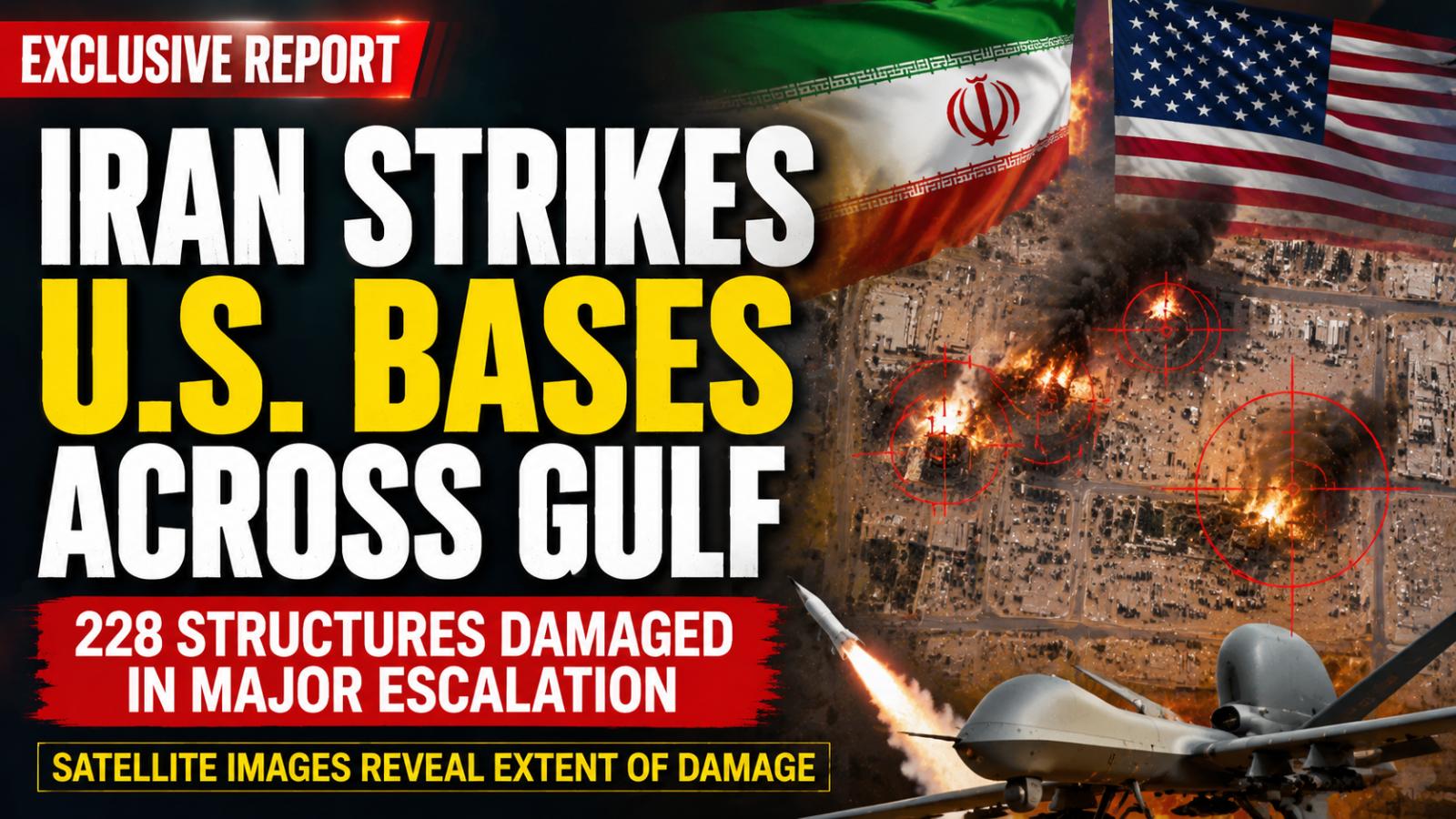
The Washington Post has reported, based on satellite imagery analysis, that Iranian airstrikes have severely damaged or destroyed at least 228 structures and pieces of equipment at U.S. military sites across the Gulf region since the conflict began on February 28. This number far exceeds the figures acknowledged by the U.S. government. The strikes affected 15 U.S. military sites in Kuwait, Bahrain, Qatar, Saudi Arabia, Jordan, and the UAE.
Satellite images from Iranian state-affiliated media, along with 109 images from the EU's Copernicus satellite system and commercial sources, provided evidence of the scale of the damage. The investigation uncovered damage to 217 structures and 11 pieces of equipment, including hangars, barracks, fuel depots, aircraft, radar systems, and air defense equipment. In total, seven U.S. service members were killed in attacks on regional bases, six in Kuwait and one in Saudi Arabia, while more than 400 troops were injured by late April. Of the injured, 12 sustained serious injuries.
More than half of the documented damage occurred at the U.S. 5th Fleet headquarters in Bahrain and major U.S. facilities in Kuwait. Iranian forces targeted critical infrastructure, including fuel bladders and Patriot missile defense systems at Ali al-Salem Air Base in Kuwait. Attacks also hit barracks, power infrastructure, and operational facilities at Camp Arifjan and Camp Buehring in Kuwait. Other U.S. sites, such as Al-Udeid Air Base in Qatar and naval facilities in Bahrain, saw significant damage to satellite communications infrastructure.
Iran’s airstrikes have demonstrated a higher degree of precision than expected. Mark Cancian of the Center for Strategic and International Studies noted that "there are no random craters indicating misses," suggesting that the attacks were highly targeted.
This precision has placed considerable strain on U.S.-made defense systems in the Gulf. Between February 28 and April 8, U.S. forces used at least 190 THAAD interceptors, nearly 53% of their pre-war inventory, and 1,060 Patriot interceptors, about 43% of their pre-war stock. Despite these efforts, U.S. air defenses have struggled to cope with modern drone warfare, where one-way attack drones are difficult to intercept yet highly accurate.
The strikes have forced U.S. commanders to relocate personnel from bases at risk, with some U.S. officials describing the damage at the Naval Support Activity Bahrain as “extensive.” Personnel from the site have been relocated to MacDill Air Force Base in Tampa, Florida. The U.S. Central Command declined to provide further counter-assessments, citing the need for a complete evaluation after the conflict ends.
This extensive damage underscores the ongoing challenges faced by U.S. forces in the Gulf and highlights the evolving nature of modern warfare.
The Washington Post has reported, based on satellite imagery analysis, that Iranian airstrikes have severely damaged or destroyed at least 228 structures and pieces of equipment at U.S. military sites across the Gulf region since the conflict began on February 28. This number far exceeds the figures acknowledged by the U.S. government. The strikes affected 15 U.S. military sites in Kuwait, Bahrain, Qatar, Saudi Arabia, Jordan, and the UAE.
Satellite images from Iranian state-affiliated media, along with 109 images from the EU's Copernicus satellite system and commercial sources, provided evidence of the scale of the damage. The investigation uncovered damage to 217 structures and 11 pieces of equipment, including hangars, barracks, fuel depots, aircraft, radar systems, and air defense equipment. In total, seven U.S. service members were killed in attacks on regional bases, six in Kuwait and one in Saudi Arabia, while more than 400 troops were injured by late April. Of the injured, 12 sustained serious injuries.
More than half of the documented damage occurred at the U.S. 5th Fleet headquarters in Bahrain and major U.S. facilities in Kuwait. Iranian forces targeted critical infrastructure, including fuel bladders and Patriot missile defense systems at Ali al-Salem Air Base in Kuwait. Attacks also hit barracks, power infrastructure, and operational facilities at Camp Arifjan and Camp Buehring in Kuwait. Other U.S. sites, such as Al-Udeid Air Base in Qatar and naval facilities in Bahrain, saw significant damage to satellite communications infrastructure.
Iran’s airstrikes have demonstrated a higher degree of precision than expected. Mark Cancian of the Center for Strategic and International Studies noted that "there are no random craters indicating misses," suggesting that the attacks were highly targeted.
This precision has placed considerable strain on U.S.-made defense systems in the Gulf. Between February 28 and April 8, U.S. forces used at least 190 THAAD interceptors, nearly 53% of their pre-war inventory, and 1,060 Patriot interceptors, about 43% of their pre-war stock. Despite these efforts, U.S. air defenses have struggled to cope with modern drone warfare, where one-way attack drones are difficult to intercept yet highly accurate.
The strikes have forced U.S. commanders to relocate personnel from bases at risk, with some U.S. officials describing the damage at the Naval Support Activity Bahrain as “extensive.” Personnel from the site have been relocated to MacDill Air Force Base in Tampa, Florida. The U.S. Central Command declined to provide further counter-assessments, citing the need for a complete evaluation after the conflict ends.
This extensive damage underscores the ongoing challenges faced by U.S. forces in the Gulf and highlights the evolving nature of modern warfare.
US Authorizes $9 Billion in Arms Sales to Middle East Allies
The United States has authorized the expedited sale of arms to Israel, Kuwait, Qatar, and the UAE, totaling nearly $9 billion. This decision, approved by Secretary of State Marco Rubio, bypasses the standard congressional review process and is designed t
US Authorizes $9 Billion in Arms Sales to Middle East Allies
The United States has authorized the expedited sale of arms to Israel, Kuwait, Qatar, and the UAE, totaling nearly $9 billion. This decision, approved by Secretary of State Marco Rubio, bypasses the standard congressional review process and is designed t
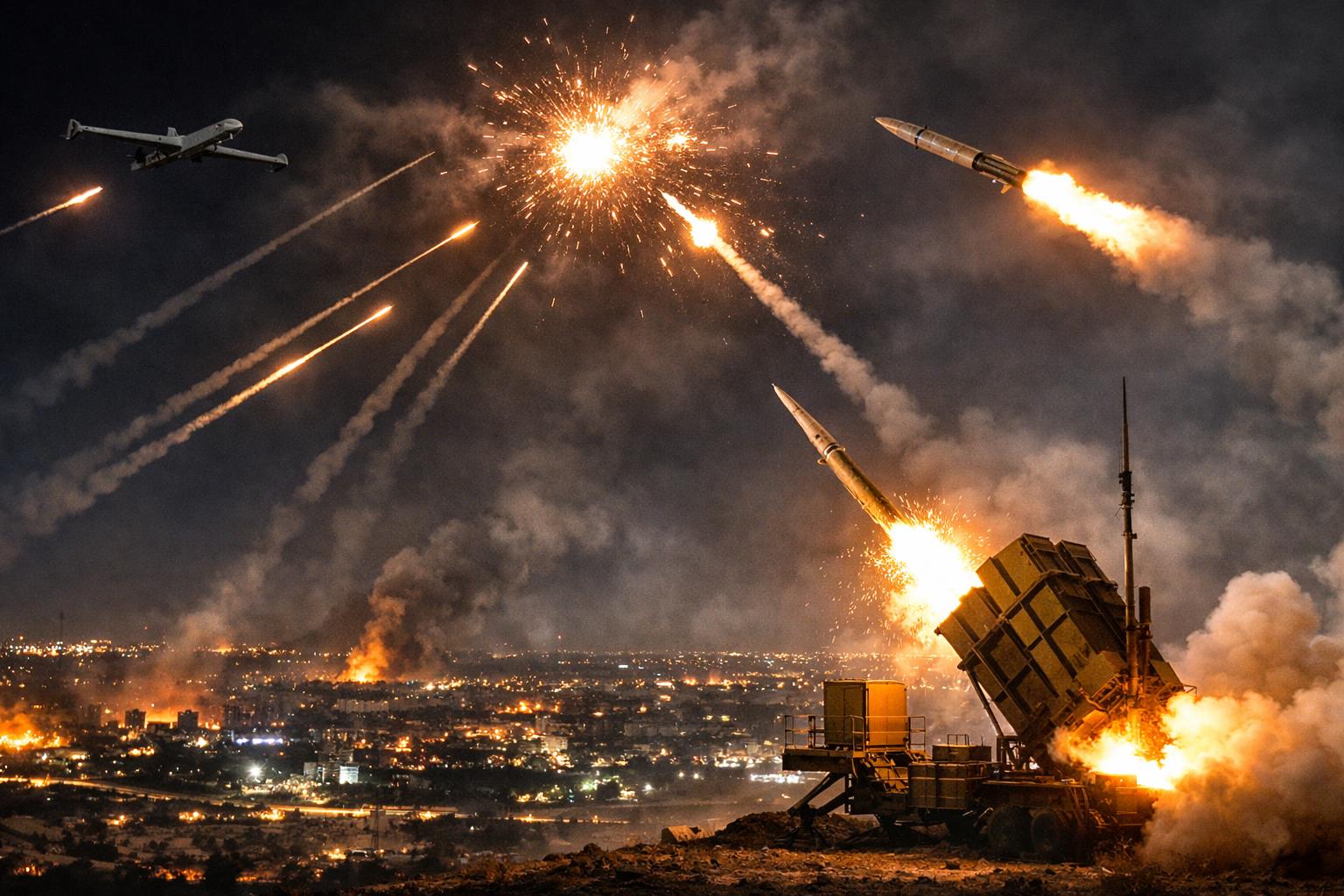
The skies over West Asia have become the center of a rapidly intensifying aerial confrontation as waves of Iranian drones and missiles streak across the region. Air defense systems operated by the United States and Israel are working almost continuously to intercept incoming threats, creating a dramatic display of explosions, interceptor launches, and fire trails across the night sky. The escalating conflict has transformed the region’s airspace into a high-stakes battlefield, where defensive
The skies over West Asia have become the center of a rapidly intensifying aerial confrontation as waves of Iranian drones and missiles streak across the region. Air defense systems operated by the United States and Israel are working almost continuously to intercept incoming threats, creating a dramatic display of explosions, interceptor launches, and fire trails across the night sky. The escalating conflict has transformed the region’s airspace into a high-stakes battlefield, where defensive
In a major escalation of his position on the ongoing Russia-Ukraine war, US President Donald Trump has privately encouraged Ukrainian President Volodymyr Zelenskyy to consider launching long-range strikes deeper into Russian territory, including Moscow, using American-supplied weapons. According to individuals familiar with the matter, the conversation reportedly took place between the two leaders on July 4, signaling a notable shift in Trump’s foreign policy approach and his campaign-e
In a major escalation of his position on the ongoing Russia-Ukraine war, US President Donald Trump has privately encouraged Ukrainian President Volodymyr Zelenskyy to consider launching long-range strikes deeper into Russian territory, including Moscow, using American-supplied weapons. According to individuals familiar with the matter, the conversation reportedly took place between the two leaders on July 4, signaling a notable shift in Trump’s foreign policy approach and his campaign-e
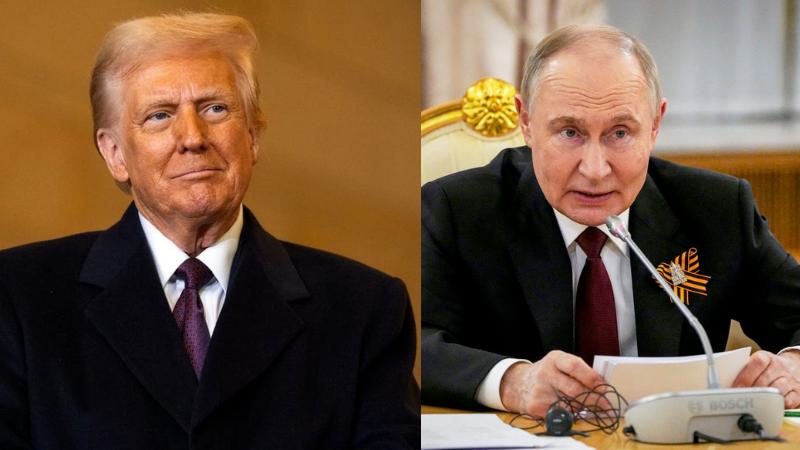
President Donald Trump on Sunday delivered a scathing rebuke of Russian President Vladimir Putin, accusing him of speaking peacefully while engaging in violent actions. Addressing reporters, Trump expressed deep disappointment with Putin's recent moves, particularly Russia’s ongoing aggression in Ukraine. “I thought he was somebody that meant what he said — and he’ll talk so beautifully, then he’ll bomb people at night. We don’t like that," Trump s
President Donald Trump on Sunday delivered a scathing rebuke of Russian President Vladimir Putin, accusing him of speaking peacefully while engaging in violent actions. Addressing reporters, Trump expressed deep disappointment with Putin's recent moves, particularly Russia’s ongoing aggression in Ukraine. “I thought he was somebody that meant what he said — and he’ll talk so beautifully, then he’ll bomb people at night. We don’t like that," Trump s