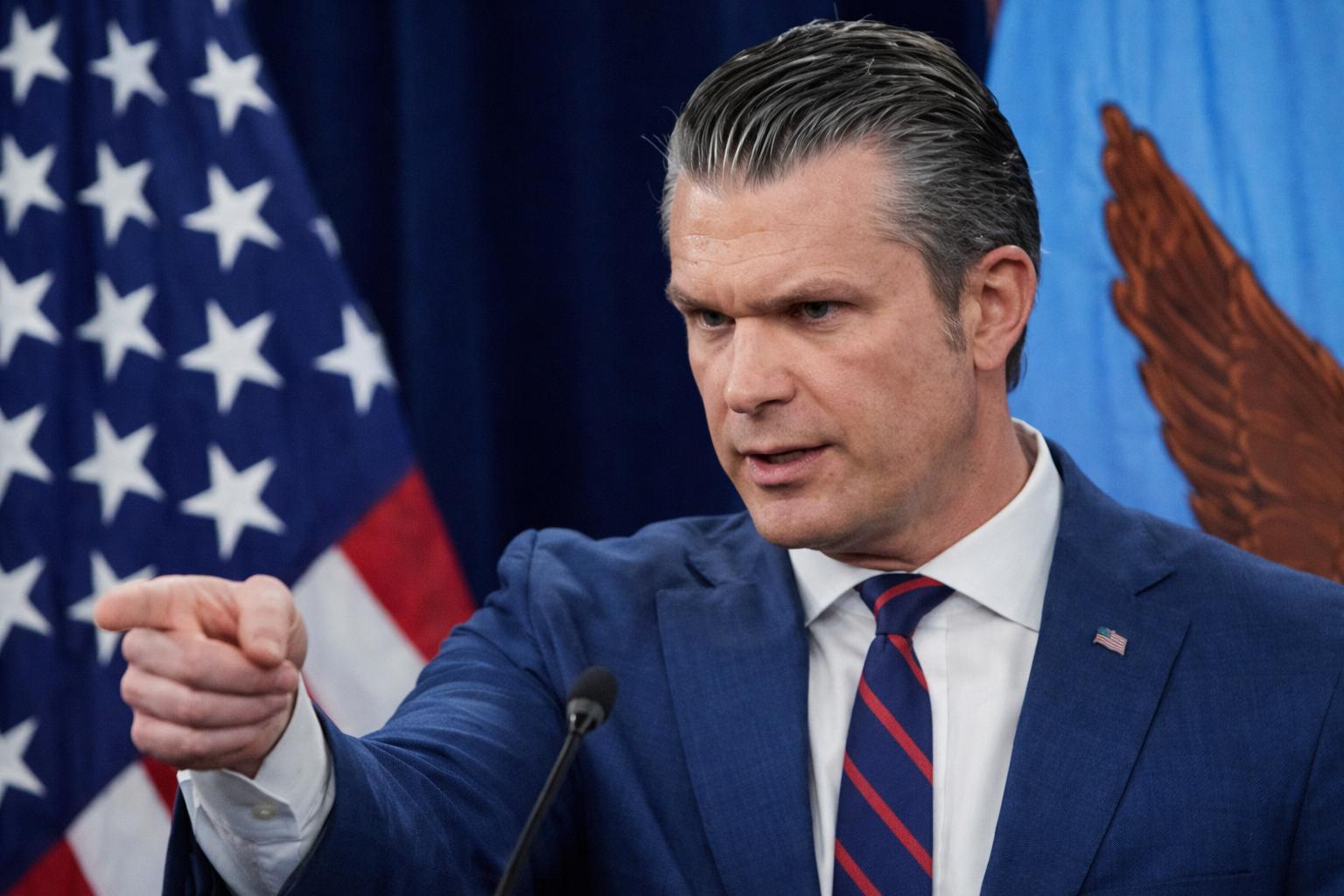
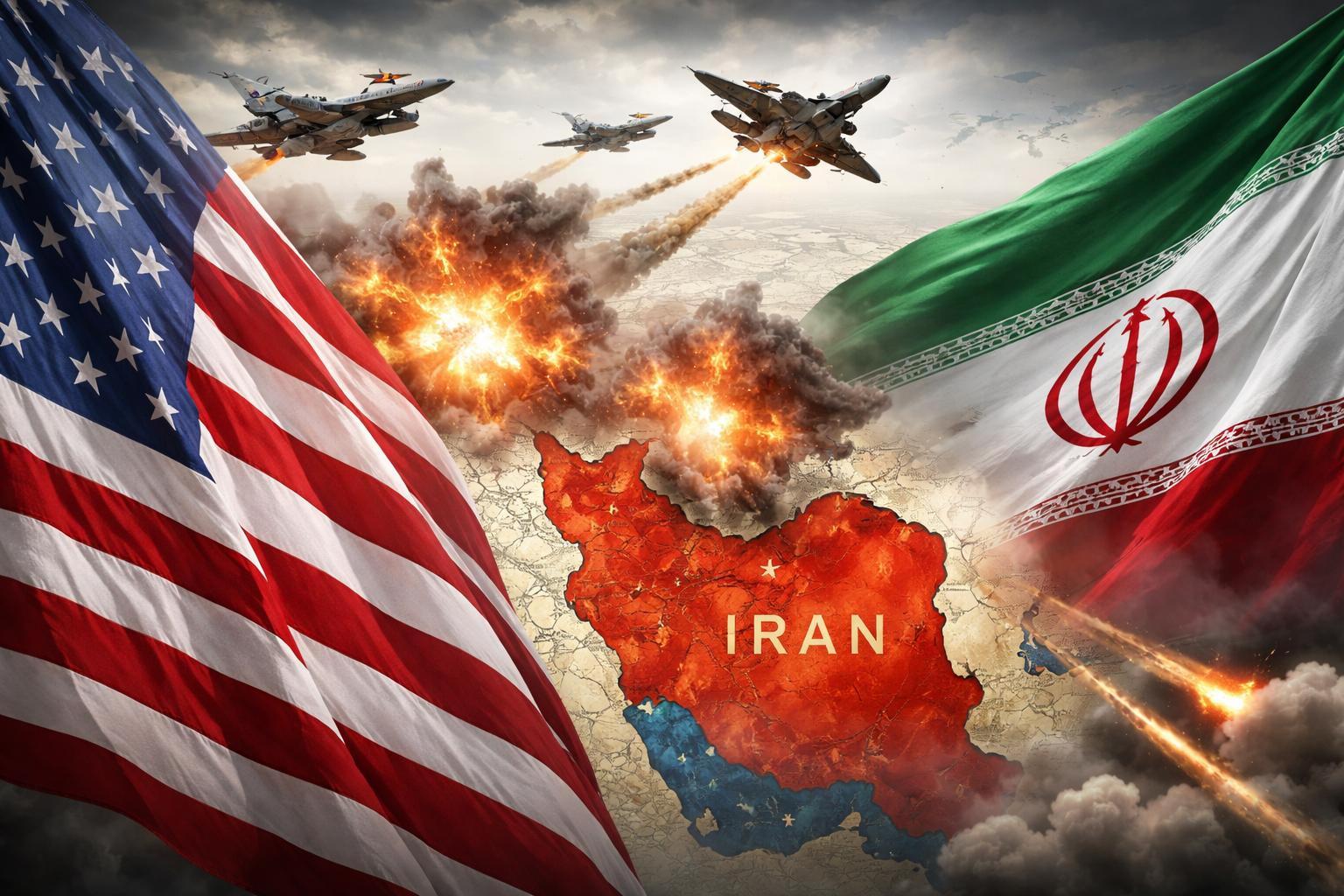
U.S. Secretary of Defense Pete Hegseth stated on Wednesday, April 8, 2026, that Iran had sought a ceasefire following what he described as a decisive U.S. military campaign known as Operation Epic Fury. Speaking during a Pentagon briefing, Hegseth characterized the operation as a “historic and overwhelming victory,” attributing its outcome to leadership under President Donald Trump.
Hegseth said Iran’s leadership had “begged for a ceasefire,” asserting that the scale of the military impact left Tehran with limited options. He emphasized that the operation significantly degraded Iran’s conventional military capabilities, particularly across its naval, air, and missile forces.
According to the defense secretary, Iran’s navy suffered extensive losses, claiming it had effectively been neutralized. He further stated that Iran’s air force had been rendered inoperable and that its broader air defense infrastructure no longer functioned as a cohesive system. Hegseth also asserted that Iran’s missile program had been “functionally destroyed,” suggesting a substantial setback to the country’s strategic deterrence capabilities.
The remarks were delivered as part of an official Pentagon briefing outlining the outcomes of recent military actions. While Hegseth presented the operation as a clear U.S. victory, his statements reflect the administration’s assessment of the situation and have not been independently verified within the briefing.
The comments signal a significant escalation in rhetoric surrounding U.S.-Iran tensions and underscore the broader geopolitical implications of Operation Epic Fury. Further developments are expected as international observers and regional stakeholders assess the long-term consequences of the reported military actions.
U.S. Secretary of Defense Pete Hegseth stated on Wednesday, April 8, 2026, that Iran had sought a ceasefire following what he described as a decisive U.S. military campaign known as Operation Epic Fury. Speaking during a Pentagon briefing, Hegseth characterized the operation as a “historic and overwhelming victory,” attributing its outcome to leadership under President Donald Trump.
Hegseth said Iran’s leadership had “begged for a ceasefire,” asserting that the scale of the military impact left Tehran with limited options. He emphasized that the operation significantly degraded Iran’s conventional military capabilities, particularly across its naval, air, and missile forces.
According to the defense secretary, Iran’s navy suffered extensive losses, claiming it had effectively been neutralized. He further stated that Iran’s air force had been rendered inoperable and that its broader air defense infrastructure no longer functioned as a cohesive system. Hegseth also asserted that Iran’s missile program had been “functionally destroyed,” suggesting a substantial setback to the country’s strategic deterrence capabilities.
The remarks were delivered as part of an official Pentagon briefing outlining the outcomes of recent military actions. While Hegseth presented the operation as a clear U.S. victory, his statements reflect the administration’s assessment of the situation and have not been independently verified within the briefing.
The comments signal a significant escalation in rhetoric surrounding U.S.-Iran tensions and underscore the broader geopolitical implications of Operation Epic Fury. Further developments are expected as international observers and regional stakeholders assess the long-term consequences of the reported military actions.
U.S. Defense Secretary Pete Hegseth said Wednesday that President Donald Trump had effectively “gotten the last laugh” after American forces killed an Iranian official linked to an alleged assassination plot against him. The comments came as the United States expanded its military operations against Iran and signaled confidence that the campaign is significantly weakening Tehran’s capabilities.
Speaking during a Pentagon briefing, Hegseth said the Iranian official who was killed had overseen a unit connected to efforts aimed at targeting Trump. Although he emphasized that the individual was not the initial objective when hostilities began, Hegseth said military planners ensured that those connected to the alleged assassination plot were eventually included on the operational target list.
The issue of a Trump assassination plot first surfaced in 2024, when the U.S. Justice Department charged an Iranian national over what prosecutors described as a plan directed by Iran’s Revolutionary Guard Corps to kill Trump, who at the time was the president-elect. Tehran has repeatedly denied accusations that it attempted to target Trump or other American officials.
The latest developments come amid an expanding conflict between the United States and Iran. Hegseth used forceful language to describe the state of the war, asserting that U.S. forces were gaining the upper hand. He said American military operations would continue as long as necessary to meet the administration’s objectives and warned that Iran’s leadership was facing growing pressure as strikes intensified.
The confrontation widened further after U.S. forces struck an Iranian warship near Sri Lanka, a move that deepened tensions across the Middle East and raised concerns about disruptions to shipping routes through the Strait of Hormuz. The strategic waterway is a vital passage for global oil and gas flows, and the conflict has already begun to affect regional stability.
Military leaders said American and allied forces were also making rapid progress in controlling Iranian airspace. General Dan Caine, chairman of the Joint Chiefs of Staff, told reporters that U.S. operations were establishing localized air superiority along Iran’s southern coast. He said the campaign would now move further inland, allowing American forces greater operational freedom as they target military infrastructure.
Caine also noted a significant decline in Iranian offensive activity since the opening phase of the conflict. According to Pentagon data, Iran’s ballistic missile launches have fallen sharply, while one-way drone attacks have also dropped considerably, suggesting that sustained U.S. strikes are degrading Iran’s operational capacity.
Despite the administration’s confidence in the military campaign, lawmakers from both major political parties have questioned the longer-term strategy. Critics say the government has yet to clearly outline what the political outcome of the conflict might look like if Iran’s leadership structure becomes weakened or destabilized.
Hegseth said the United States has the capability to sustain the campaign for as long as required. He stressed that the duration of the conflict would ultimately depend on the administration’s goals and how quickly the Pentagon is able to achieve its military objectives.
U.S. Defense Secretary Pete Hegseth said Wednesday that President Donald Trump had effectively “gotten the last laugh” after American forces killed an Iranian official linked to an alleged assassination plot against him. The comments came as the United States expanded its military operations against Iran and signaled confidence that the campaign is significantly weakening Tehran’s capabilities.
Speaking during a Pentagon briefing, Hegseth said the Iranian official who was killed had overseen a unit connected to efforts aimed at targeting Trump. Although he emphasized that the individual was not the initial objective when hostilities began, Hegseth said military planners ensured that those connected to the alleged assassination plot were eventually included on the operational target list.
The issue of a Trump assassination plot first surfaced in 2024, when the U.S. Justice Department charged an Iranian national over what prosecutors described as a plan directed by Iran’s Revolutionary Guard Corps to kill Trump, who at the time was the president-elect. Tehran has repeatedly denied accusations that it attempted to target Trump or other American officials.
The latest developments come amid an expanding conflict between the United States and Iran. Hegseth used forceful language to describe the state of the war, asserting that U.S. forces were gaining the upper hand. He said American military operations would continue as long as necessary to meet the administration’s objectives and warned that Iran’s leadership was facing growing pressure as strikes intensified.
The confrontation widened further after U.S. forces struck an Iranian warship near Sri Lanka, a move that deepened tensions across the Middle East and raised concerns about disruptions to shipping routes through the Strait of Hormuz. The strategic waterway is a vital passage for global oil and gas flows, and the conflict has already begun to affect regional stability.
Military leaders said American and allied forces were also making rapid progress in controlling Iranian airspace. General Dan Caine, chairman of the Joint Chiefs of Staff, told reporters that U.S. operations were establishing localized air superiority along Iran’s southern coast. He said the campaign would now move further inland, allowing American forces greater operational freedom as they target military infrastructure.
Caine also noted a significant decline in Iranian offensive activity since the opening phase of the conflict. According to Pentagon data, Iran’s ballistic missile launches have fallen sharply, while one-way drone attacks have also dropped considerably, suggesting that sustained U.S. strikes are degrading Iran’s operational capacity.
Despite the administration’s confidence in the military campaign, lawmakers from both major political parties have questioned the longer-term strategy. Critics say the government has yet to clearly outline what the political outcome of the conflict might look like if Iran’s leadership structure becomes weakened or destabilized.
Hegseth said the United States has the capability to sustain the campaign for as long as required. He stressed that the duration of the conflict would ultimately depend on the administration’s goals and how quickly the Pentagon is able to achieve its military objectives.