#petehegseth
US War Secretary Assures Readiness Against Iran
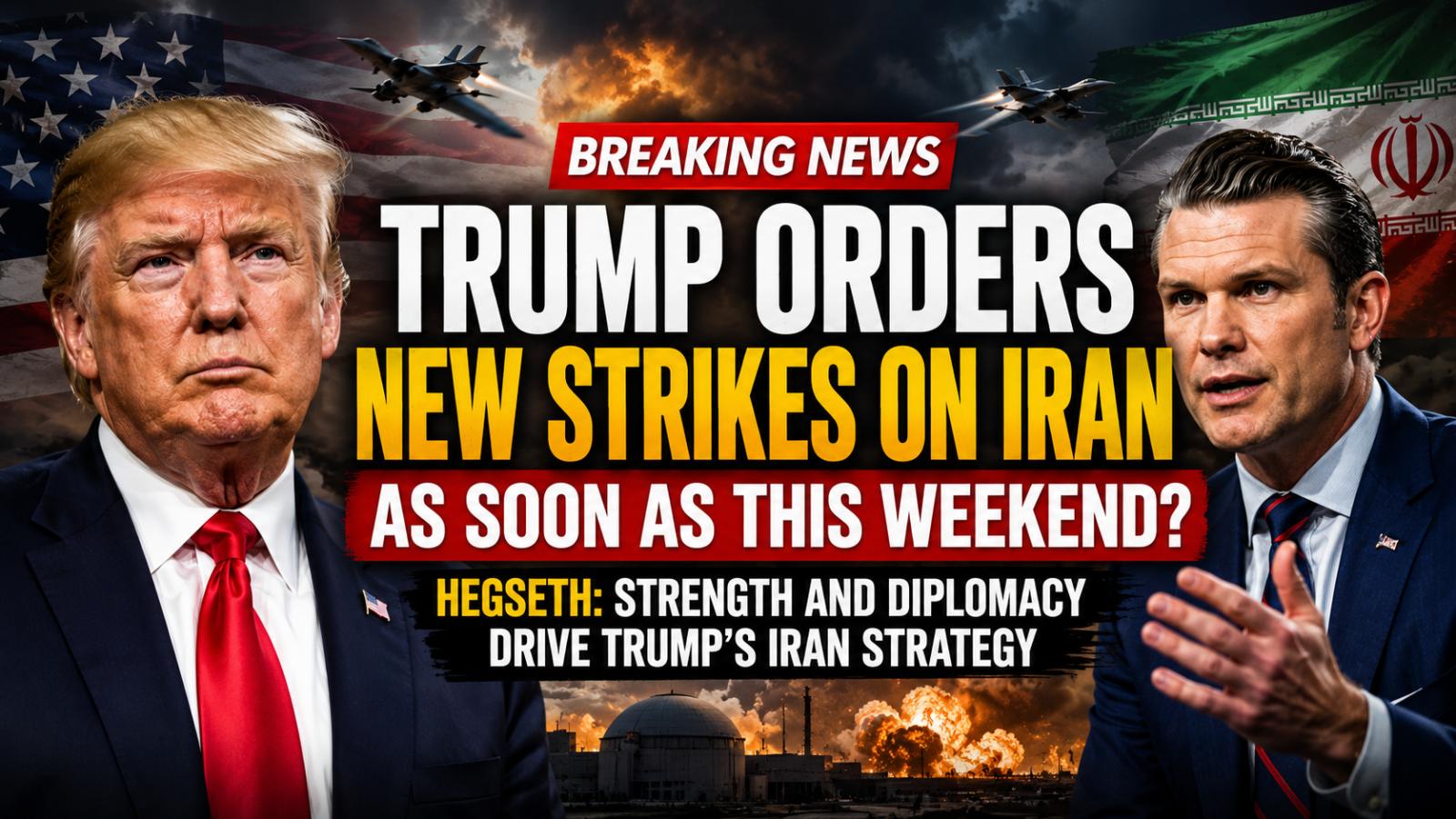
Hegseth Affirms U.S. Military Readiness US Secretary of War Pete Hegseth on Saturday, May 30, dismissed concerns over the United States’ military preparedness, asserting that the country remains fully capable of launching fresh operations against Iran if necessary. Speaking at the annual Shangri-La Dialogue security summit in Singapore, Hegseth emphasized the US military’s ability to res
US War Secretary Assures Readiness Against Iran
Hegseth Affirms U.S. Military Readiness US Secretary of War Pete Hegseth on Saturday, May 30, dismissed concerns over the United States’ military preparedness, asserting that the country remains fully capable of launching fresh operations against Iran if necessary. Speaking at the annual Shangri-La Dialogue security summit in Singapore, Hegseth emphasized the US military’s ability to res
Memorial Day 2026: President Trump to Honor Fallen at Tomb of the Unknown Soldier
Trump to Lead Memorial Day Observance at Arlington President Donald Trump is scheduled to participate in the annual Memorial Day wreath-laying ceremony at Arlington National Cemetery on Monday, May 25, 2026. The Armed Forces Full Honor Wreath Ceremony will commence at noon at the Tomb of the Unknown Soldier, honoring those who have made the ultimate sacrifice for the nation.
Memorial Day 2026: President Trump to Honor Fallen at Tomb of the Unknown Soldier
Trump to Lead Memorial Day Observance at Arlington President Donald Trump is scheduled to participate in the annual Memorial Day wreath-laying ceremony at Arlington National Cemetery on Monday, May 25, 2026. The Armed Forces Full Honor Wreath Ceremony will commence at noon at the Tomb of the Unknown Soldier, honoring those who have made the ultimate sacrifice for the nation.
Hegseth says Iran ceasefire pauses war powers clock amid congressional concerns
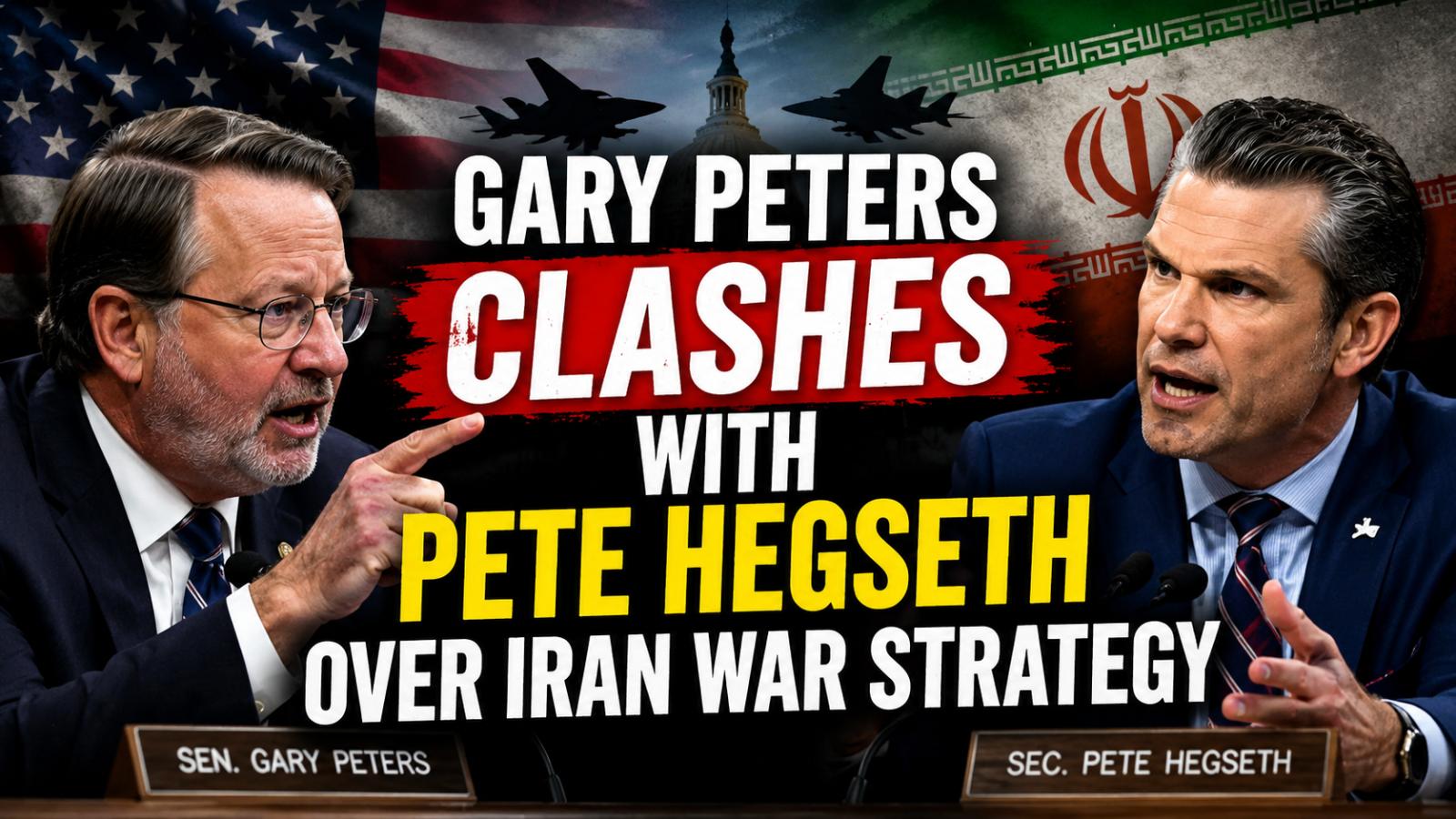
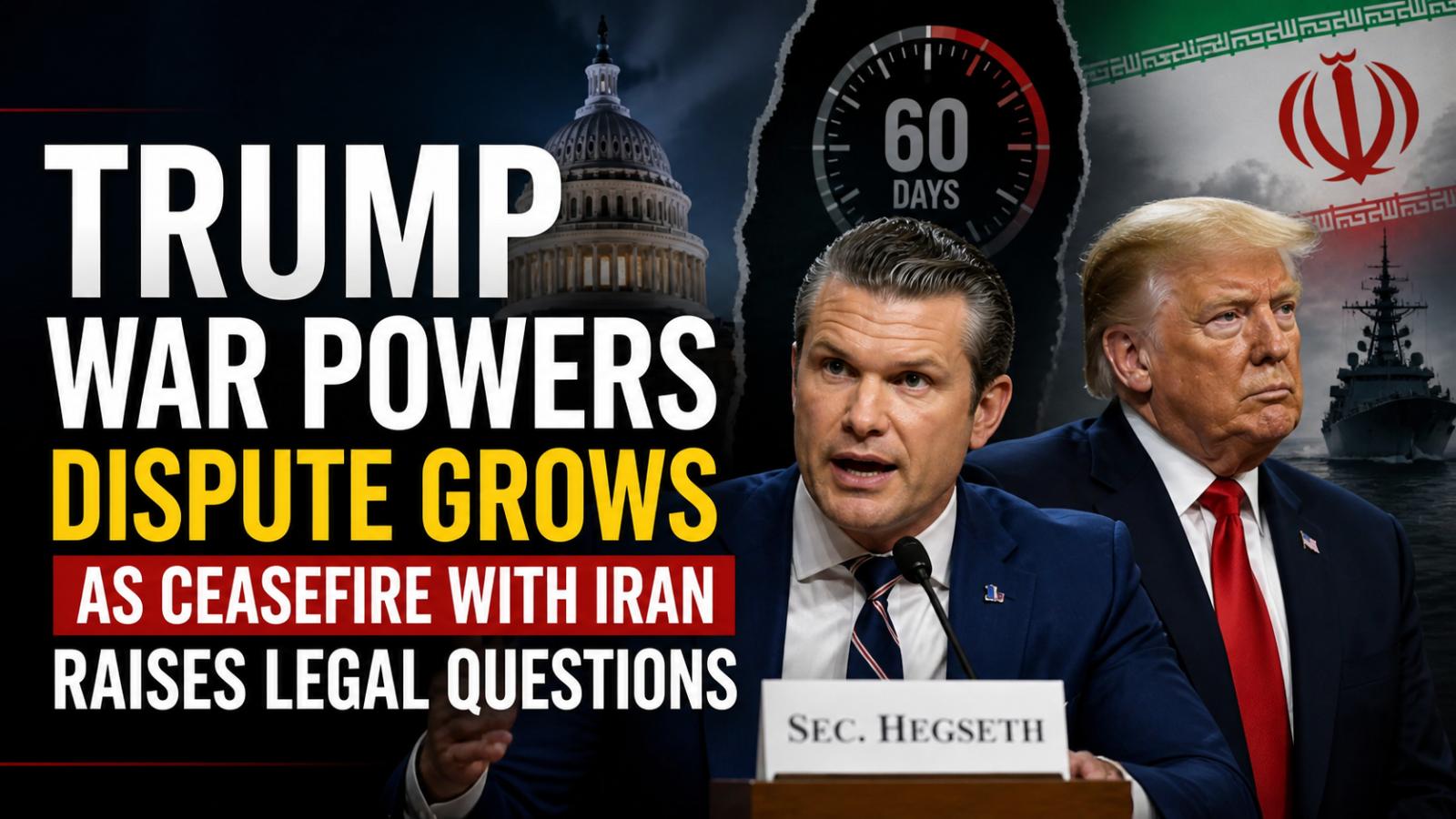
The Trump war powers debate took center stage in Washington as Defense Secretary Pete Hegseth told lawmakers that a ceasefire with Iran pauses the legal clock under the War Powers Resolution, a claim that has triggered strong political and legal reactions. The dispute comes just before the 60-day deadline that typically requires the president to seek approval from Congress to continue military action, raising questions about how the law should be applied during a ceasefire. Speaking before the Senate Armed Services Committee, Hegseth argued that ongoing ceasefire conditions mean the countdown does not apply in the usual way. Under the War Powers Resolution, introduced in 1973, presidents must inform Congress within 48 hours of military action and must withdraw troops within 60 days unless lawmakers approve continued engagement. Lawmakers had expected this deadline to expire on May 1, but Hegseth’s interpretation suggests otherwise. Hegseth avoided giving a clear answer when asked if the administration of Donald Trump would seek formal authorization. Instead, he defended the administration’s actions and criticized opponents, saying that internal political disagreements weaken the country’s position. His remarks came during discussions on the Pentagon’s proposed $1.45 trillion budget, though much of the focus shifted to the Iran conflict and its legal implications. Several lawmakers from both parties expressed concern. Senator Tim Kaine warned that the situation raises serious constitutional questions, while some Republicans also indicated they may oppose continuing military operations without approval. Others supported a more flexible interpretation, especially during active negotiations or ceasefire periods. Legal experts, however, strongly rejected the argument that a ceasefire pauses the law. Analysts pointed out that US naval forces remain active in the region, including operations in the Strait of Hormuz, suggesting that hostilities have not fully stopped. Scholars emphasized that the law does not include any provision for pausing the timeline. The conflict has already had wider consequences, including rising energy prices and increased tensions in the region. Critics have also accused the administration of starting the conflict without a clear immediate threat. During the hearing, Senator Elissa Slotkin questioned whether the administration could truly claim progress while key trade routes remain unstable. The exchange grew tense at times, reflecting deep divisions over the handling of the situation. While military officials maintained a more measured tone, political leaders continued to clash over strategy, legality, and communication with the public. As the deadline passes, the debate over war powers, presidential authority, and congressional oversight is expected to intensify further.
Hegseth says Iran ceasefire pauses war powers clock amid congressional concerns
The Trump war powers debate took center stage in Washington as Defense Secretary Pete Hegseth told lawmakers that a ceasefire with Iran pauses the legal clock under the War Powers Resolution, a claim that has triggered strong political and legal reactions. The dispute comes just before the 60-day deadline that typically requires the president to seek approval from Congress to continue military action, raising questions about how the law should be applied during a ceasefire. Speaking before the Senate Armed Services Committee, Hegseth argued that ongoing ceasefire conditions mean the countdown does not apply in the usual way. Under the War Powers Resolution, introduced in 1973, presidents must inform Congress within 48 hours of military action and must withdraw troops within 60 days unless lawmakers approve continued engagement. Lawmakers had expected this deadline to expire on May 1, but Hegseth’s interpretation suggests otherwise. Hegseth avoided giving a clear answer when asked if the administration of Donald Trump would seek formal authorization. Instead, he defended the administration’s actions and criticized opponents, saying that internal political disagreements weaken the country’s position. His remarks came during discussions on the Pentagon’s proposed $1.45 trillion budget, though much of the focus shifted to the Iran conflict and its legal implications. Several lawmakers from both parties expressed concern. Senator Tim Kaine warned that the situation raises serious constitutional questions, while some Republicans also indicated they may oppose continuing military operations without approval. Others supported a more flexible interpretation, especially during active negotiations or ceasefire periods. Legal experts, however, strongly rejected the argument that a ceasefire pauses the law. Analysts pointed out that US naval forces remain active in the region, including operations in the Strait of Hormuz, suggesting that hostilities have not fully stopped. Scholars emphasized that the law does not include any provision for pausing the timeline. The conflict has already had wider consequences, including rising energy prices and increased tensions in the region. Critics have also accused the administration of starting the conflict without a clear immediate threat. During the hearing, Senator Elissa Slotkin questioned whether the administration could truly claim progress while key trade routes remain unstable. The exchange grew tense at times, reflecting deep divisions over the handling of the situation. While military officials maintained a more measured tone, political leaders continued to clash over strategy, legality, and communication with the public. As the deadline passes, the debate over war powers, presidential authority, and congressional oversight is expected to intensify further.
Trump assassination plot leader killed as US strikes Iran, Pentagon says
U.S. Defense Secretary Pete Hegseth said Wednesday that President Donald Trump had effectively “gotten the last laugh” after American forces killed an Iranian official linked to an alleged assassination plot against him. The comments came as the United States expanded its military operations against Iran and signaled confidence that the campaign is significantly weakening Tehran’s capabilities. Speaking during a Pentagon briefing, Hegseth said the Iranian official who was killed had overseen a unit connected to efforts aimed at targeting Trump. Although he emphasized that the individual was not the initial objective when hostilities began, Hegseth said military planners ensured that those connected to the alleged assassination plot were eventually included on the operational target list. The issue of a Trump assassination plot first surfaced in 2024, when the U.S. Justice Department charged an Iranian national over what prosecutors described as a plan directed by Iran’s Revolutionary Guard Corps to kill Trump, who at the time was the president-elect. Tehran has repeatedly denied accusations that it attempted to target Trump or other American officials. The latest developments come amid an expanding conflict between the United States and Iran. Hegseth used forceful language to describe the state of the war, asserting that U.S. forces were gaining the upper hand. He said American military operations would continue as long as necessary to meet the administration’s objectives and warned that Iran’s leadership was facing growing pressure as strikes intensified. The confrontation widened further after U.S. forces struck an Iranian warship near Sri Lanka, a move that deepened tensions across the Middle East and raised concerns about disruptions to shipping routes through the Strait of Hormuz. The strategic waterway is a vital passage for global oil and gas flows, and the conflict has already begun to affect regional stability. Military leaders said American and allied forces were also making rapid progress in controlling Iranian airspace. General Dan Caine, chairman of the Joint Chiefs of Staff, told reporters that U.S. operations were establishing localized air superiority along Iran’s southern coast. He said the campaign would now move further inland, allowing American forces greater operational freedom as they target military infrastructure. Caine also noted a significant decline in Iranian offensive activity since the opening phase of the conflict. According to Pentagon data, Iran’s ballistic missile launches have fallen sharply, while one-way drone attacks have also dropped considerably, suggesting that sustained U.S. strikes are degrading Iran’s operational capacity. Despite the administration’s confidence in the military campaign, lawmakers from both major political parties have questioned the longer-term strategy. Critics say the government has yet to clearly outline what the political outcome of the conflict might look like if Iran’s leadership structure becomes weakened or destabilized. Hegseth said the United States has the capability to sustain the campaign for as long as required. He stressed that the duration of the conflict would ultimately depend on the administration’s goals and how quickly the Pentagon is able to achieve its military objectives.
Trump assassination plot leader killed as US strikes Iran, Pentagon says
U.S. Defense Secretary Pete Hegseth said Wednesday that President Donald Trump had effectively “gotten the last laugh” after American forces killed an Iranian official linked to an alleged assassination plot against him. The comments came as the United States expanded its military operations against Iran and signaled confidence that the campaign is significantly weakening Tehran’s capabilities. Speaking during a Pentagon briefing, Hegseth said the Iranian official who was killed had overseen a unit connected to efforts aimed at targeting Trump. Although he emphasized that the individual was not the initial objective when hostilities began, Hegseth said military planners ensured that those connected to the alleged assassination plot were eventually included on the operational target list. The issue of a Trump assassination plot first surfaced in 2024, when the U.S. Justice Department charged an Iranian national over what prosecutors described as a plan directed by Iran’s Revolutionary Guard Corps to kill Trump, who at the time was the president-elect. Tehran has repeatedly denied accusations that it attempted to target Trump or other American officials. The latest developments come amid an expanding conflict between the United States and Iran. Hegseth used forceful language to describe the state of the war, asserting that U.S. forces were gaining the upper hand. He said American military operations would continue as long as necessary to meet the administration’s objectives and warned that Iran’s leadership was facing growing pressure as strikes intensified. The confrontation widened further after U.S. forces struck an Iranian warship near Sri Lanka, a move that deepened tensions across the Middle East and raised concerns about disruptions to shipping routes through the Strait of Hormuz. The strategic waterway is a vital passage for global oil and gas flows, and the conflict has already begun to affect regional stability. Military leaders said American and allied forces were also making rapid progress in controlling Iranian airspace. General Dan Caine, chairman of the Joint Chiefs of Staff, told reporters that U.S. operations were establishing localized air superiority along Iran’s southern coast. He said the campaign would now move further inland, allowing American forces greater operational freedom as they target military infrastructure. Caine also noted a significant decline in Iranian offensive activity since the opening phase of the conflict. According to Pentagon data, Iran’s ballistic missile launches have fallen sharply, while one-way drone attacks have also dropped considerably, suggesting that sustained U.S. strikes are degrading Iran’s operational capacity. Despite the administration’s confidence in the military campaign, lawmakers from both major political parties have questioned the longer-term strategy. Critics say the government has yet to clearly outline what the political outcome of the conflict might look like if Iran’s leadership structure becomes weakened or destabilized. Hegseth said the United States has the capability to sustain the campaign for as long as required. He stressed that the duration of the conflict would ultimately depend on the administration’s goals and how quickly the Pentagon is able to achieve its military objectives.
White House defends admiral’s authority in controversial Caribbean strike
The White House said on Monday that Admiral Frank Bradley acted within the scope of his legal authority when he ordered a second strike on individuals who survived an initial attack on what officials described as a drug-trafficking vessel. The confirmation followed rising scrutiny of the operation and renewed questions about whether US forces conducted a “double-tap” strike, a tactic typically associated with targeting survivors following an initial assault. Press Secretary Karoline Leavi
White House defends admiral’s authority in controversial Caribbean strike
The White House said on Monday that Admiral Frank Bradley acted within the scope of his legal authority when he ordered a second strike on individuals who survived an initial attack on what officials described as a drug-trafficking vessel. The confirmation followed rising scrutiny of the operation and renewed questions about whether US forces conducted a “double-tap” strike, a tactic typically associated with targeting survivors following an initial assault. Press Secretary Karoline Leavi
India and US sign 10-year defence framework to strengthen strategic partnership
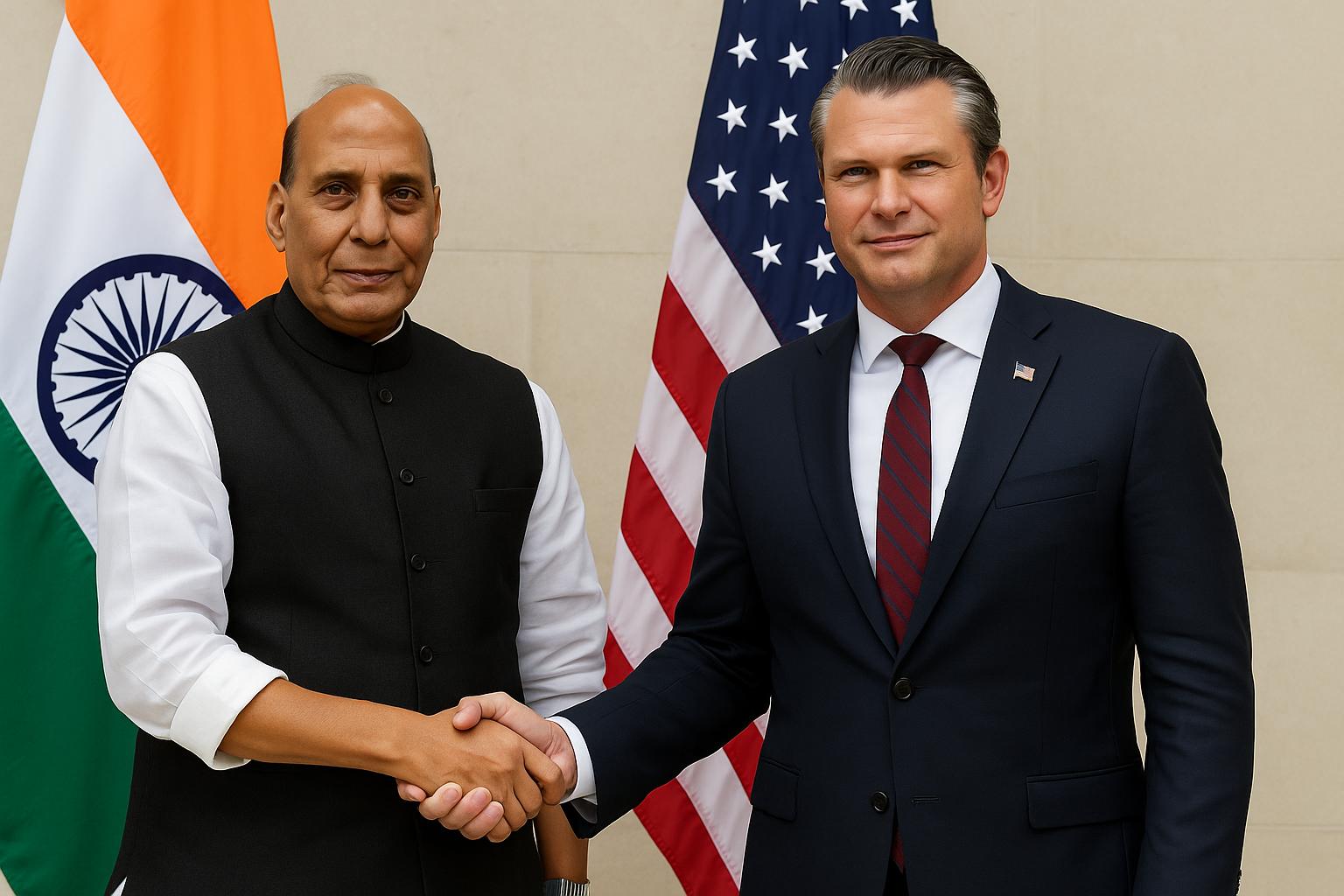
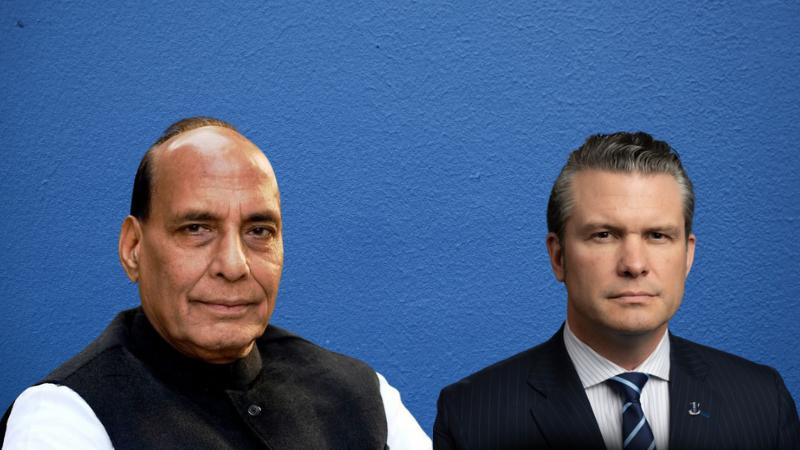
In a landmark step toward strengthening bilateral defence ties, India and the United States on Friday signed a 10-year defence framework agreement aimed at deepening strategic cooperation and expanding technological collaboration between the two nations. The agreement was formalised during a meeting between India’s Defence Minister Rajnath Singh and US Secretary of Defence Pete Hegseth in Kuala Lumpur. The new framework, extending over a decade, underscores both countries’ commitment to p
India and US sign 10-year defence framework to strengthen strategic partnership
In a landmark step toward strengthening bilateral defence ties, India and the United States on Friday signed a 10-year defence framework agreement aimed at deepening strategic cooperation and expanding technological collaboration between the two nations. The agreement was formalised during a meeting between India’s Defence Minister Rajnath Singh and US Secretary of Defence Pete Hegseth in Kuala Lumpur. The new framework, extending over a decade, underscores both countries’ commitment to p
India and US to Sign New 10-Year Defence Deal Strengthening Strategic Partnership
India and the United States have agreed to finalize a new 10-year defence partnership framework aimed at deepening strategic and military cooperation between the two countries. The agreement is expected to be signed later this year when India's Defence Minister Rajnath Singh meets with US Secretary of Defence Pete Hegseth, according to a Pentagon spokesperson. The decision to move forward with the long-term framework was made during a recent phone call between Singh and Heg
India and US to Sign New 10-Year Defence Deal Strengthening Strategic Partnership
India and the United States have agreed to finalize a new 10-year defence partnership framework aimed at deepening strategic and military cooperation between the two countries. The agreement is expected to be signed later this year when India's Defence Minister Rajnath Singh meets with US Secretary of Defence Pete Hegseth, according to a Pentagon spokesperson. The decision to move forward with the long-term framework was made during a recent phone call between Singh and Heg