



















#planetaryscience
Hemvati Nandan Bahuguna University scientist selected for ISRO’s Shukrayaan-1 mission
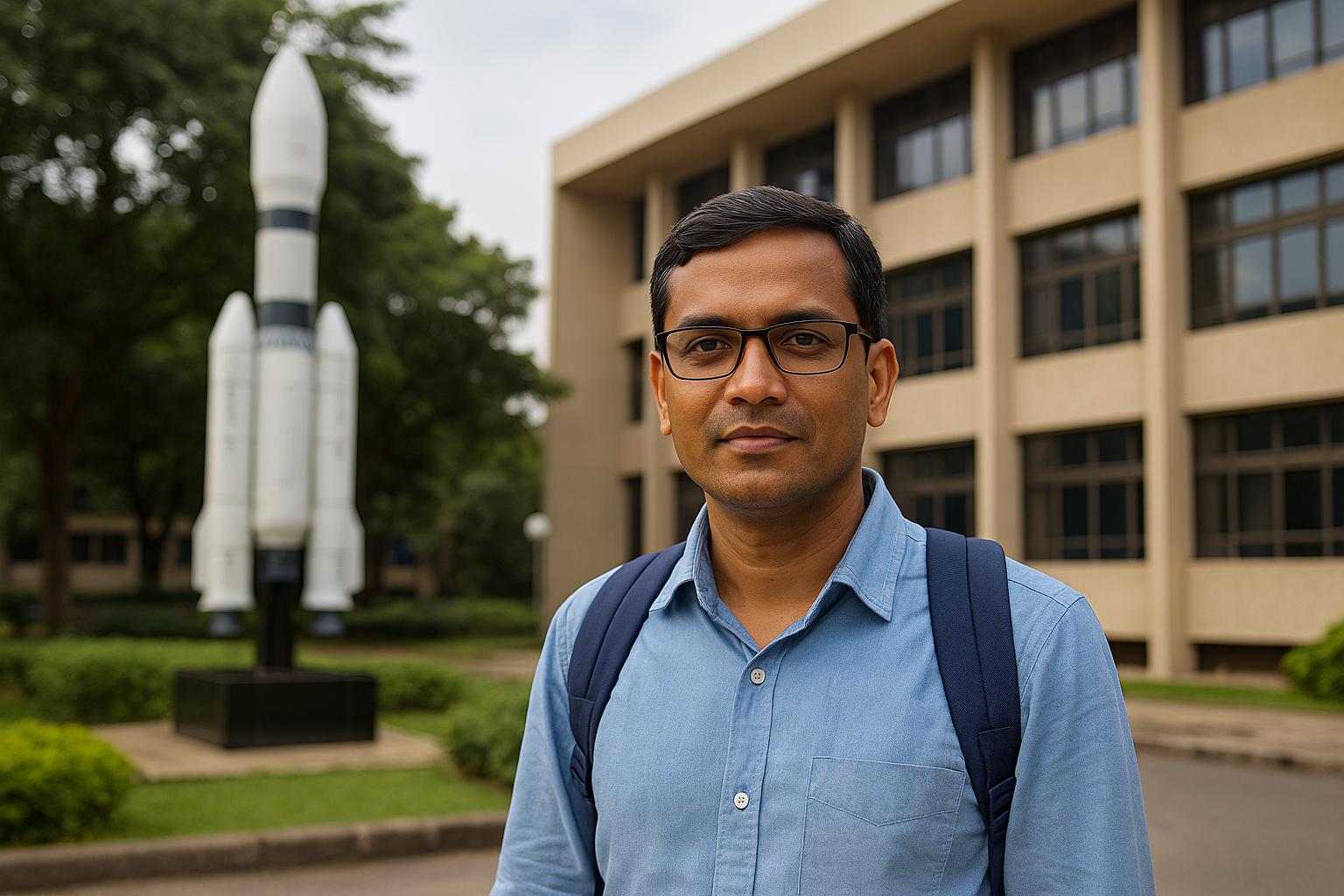
In a remarkable achievement for Indian academia and space research, Assistant Professor Alok Sagar Gautam from the Department of Physics at Hemvati Nandan Bahuguna Garhwal University has been selected to join the Indian Space Research Organisation’s upcoming Venus Orbiter Mission, officially known as Shukrayaan-1. This marks a significant moment in India’s pursuit of interplanetary exploration, as the mission represents the nation’s first dedicated effort to study Venus, often referred
Hemvati Nandan Bahuguna University scientist selected for ISRO’s Shukrayaan-1 mission
In a remarkable achievement for Indian academia and space research, Assistant Professor Alok Sagar Gautam from the Department of Physics at Hemvati Nandan Bahuguna Garhwal University has been selected to join the Indian Space Research Organisation’s upcoming Venus Orbiter Mission, officially known as Shukrayaan-1. This marks a significant moment in India’s pursuit of interplanetary exploration, as the mission represents the nation’s first dedicated effort to study Venus, often referred
Seismic discovery reveals massive liquid water deep beneath Mars' crust
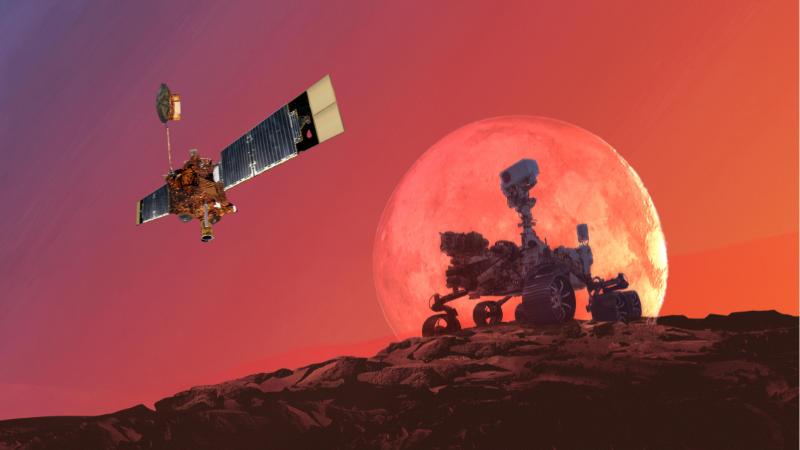
A potential breakthrough in planetary science is reshaping how researchers understand Mars. Recent analysis of seismic data from a mission to the Red Planet has revealed evidence suggesting that a vast reservoir of liquid water may be hidden deep beneath its surface. This discovery could explain where much of Mars’ ancient water went and raise new questions about the planet’s habitability—both past and future. Though today’s Mars appears arid and lifeless,
Seismic discovery reveals massive liquid water deep beneath Mars' crust
A potential breakthrough in planetary science is reshaping how researchers understand Mars. Recent analysis of seismic data from a mission to the Red Planet has revealed evidence suggesting that a vast reservoir of liquid water may be hidden deep beneath its surface. This discovery could explain where much of Mars’ ancient water went and raise new questions about the planet’s habitability—both past and future. Though today’s Mars appears arid and lifeless,


