#politicalbias
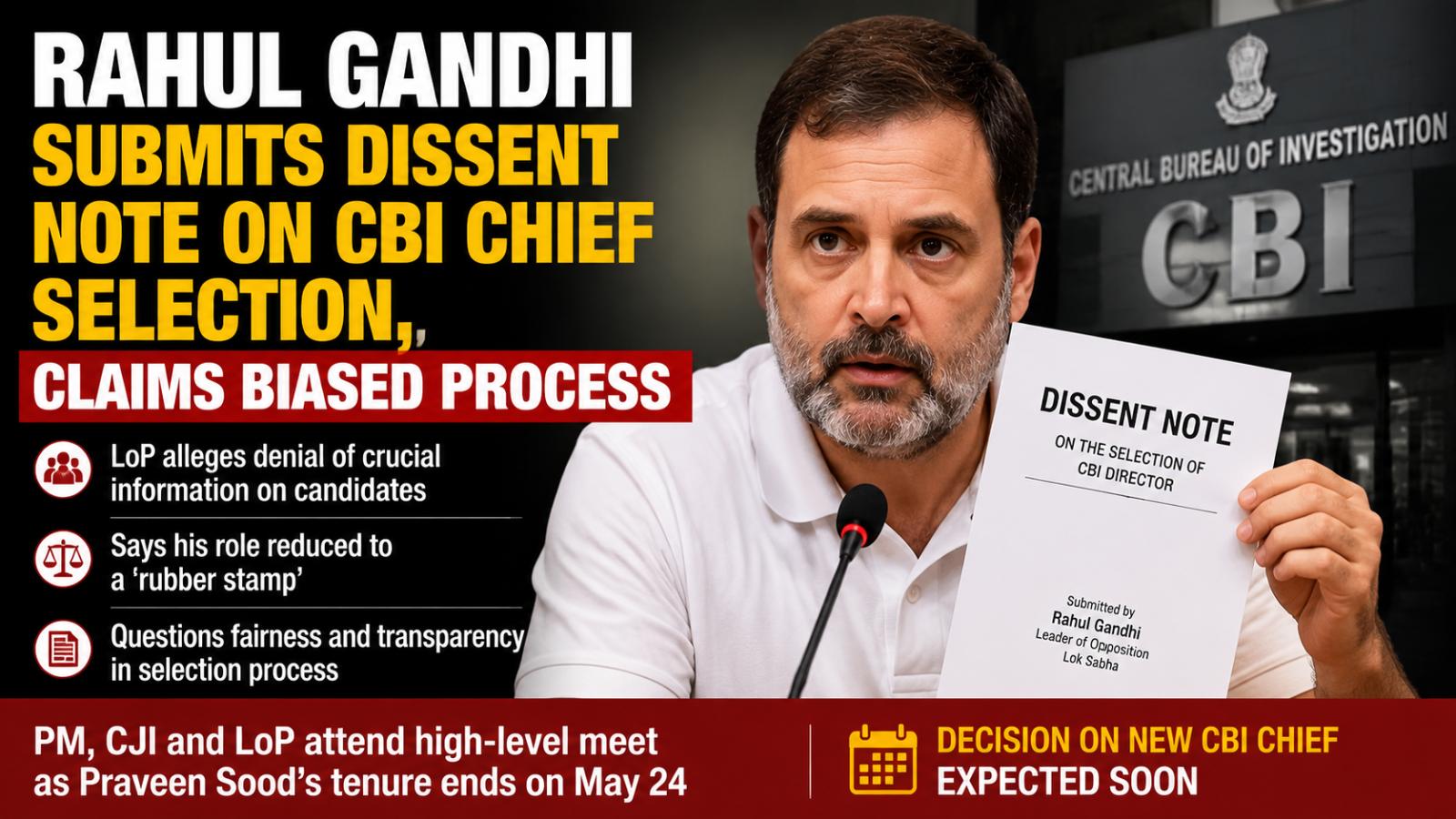
Rahul Gandhi Submits Dissent Note on CBI Chief Selection, Claims Biased Process
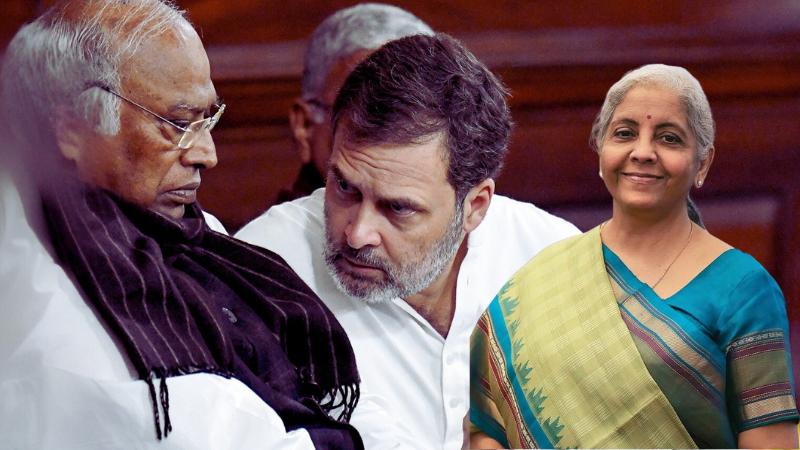
On May 13, 2026, Rahul Gandhi, the Leader of Opposition in the Lok Sabha, submitted a dissent note to Prime Minister Narendra Modi regarding the selection process for the new Central Bureau of Investigation (CBI) chief. The Congress MP accused the process of being biased, stating that his constitutional role in the appointment process had been reduced to that of a "rubber stamp." Gandhi expressed that the procedure was designed to ensure that the government's preferred candidate would be selected, and he refused to participate in what he deemed a "mockery" of the process. The high-level meeting, which included Prime Minister Modi, Chief Justice of India Surya Kant, and Gandhi, was held at the Prime Minister's residence to discuss the potential successors to Praveen Sood, the outgoing CBI Director, whose tenure ends on May 24, 2026. Gandhi claimed that despite repeated requests, he was denied access to crucial self-appraisal and assessment reports of the 69 shortlisted candidates. He pointed out that he was expected to review these records only during the meeting, preventing a meaningful evaluation of the candidates' histories and performances. The lack of transparency in the process, he said, made it difficult for him to fulfill his constitutional duty to ensure a fair and unbiased selection for the critical position. In his note, Gandhi also accused the Modi government of using the CBI to target political opponents, journalists, and critics. He noted that his suggestions for a more transparent and fair process had been ignored, including earlier written requests made on October 21 and May 5 of the previous year. Gandhi’s criticism of the process is seen as part of a broader political strategy to hold the government accountable on issues of institutional independence, especially as the CBI has often been at the center of political controversies. As the selection process for the new CBI chief continues, it is expected that the Modi government will announce the new director soon, with several senior IPS officers under consideration for the top position. This issue remains a politically sensitive one, with several high-profile cases involving the agency, making the outcome of the CBI chief selection process crucial for the current government and the opposition alike.
Rahul Gandhi Submits Dissent Note on CBI Chief Selection, Claims Biased Process
On May 13, 2026, Rahul Gandhi, the Leader of Opposition in the Lok Sabha, submitted a dissent note to Prime Minister Narendra Modi regarding the selection process for the new Central Bureau of Investigation (CBI) chief. The Congress MP accused the process of being biased, stating that his constitutional role in the appointment process had been reduced to that of a "rubber stamp." Gandhi expressed that the procedure was designed to ensure that the government's preferred candidate would be selected, and he refused to participate in what he deemed a "mockery" of the process. The high-level meeting, which included Prime Minister Modi, Chief Justice of India Surya Kant, and Gandhi, was held at the Prime Minister's residence to discuss the potential successors to Praveen Sood, the outgoing CBI Director, whose tenure ends on May 24, 2026. Gandhi claimed that despite repeated requests, he was denied access to crucial self-appraisal and assessment reports of the 69 shortlisted candidates. He pointed out that he was expected to review these records only during the meeting, preventing a meaningful evaluation of the candidates' histories and performances. The lack of transparency in the process, he said, made it difficult for him to fulfill his constitutional duty to ensure a fair and unbiased selection for the critical position. In his note, Gandhi also accused the Modi government of using the CBI to target political opponents, journalists, and critics. He noted that his suggestions for a more transparent and fair process had been ignored, including earlier written requests made on October 21 and May 5 of the previous year. Gandhi’s criticism of the process is seen as part of a broader political strategy to hold the government accountable on issues of institutional independence, especially as the CBI has often been at the center of political controversies. As the selection process for the new CBI chief continues, it is expected that the Modi government will announce the new director soon, with several senior IPS officers under consideration for the top position. This issue remains a politically sensitive one, with several high-profile cases involving the agency, making the outcome of the CBI chief selection process crucial for the current government and the opposition alike.
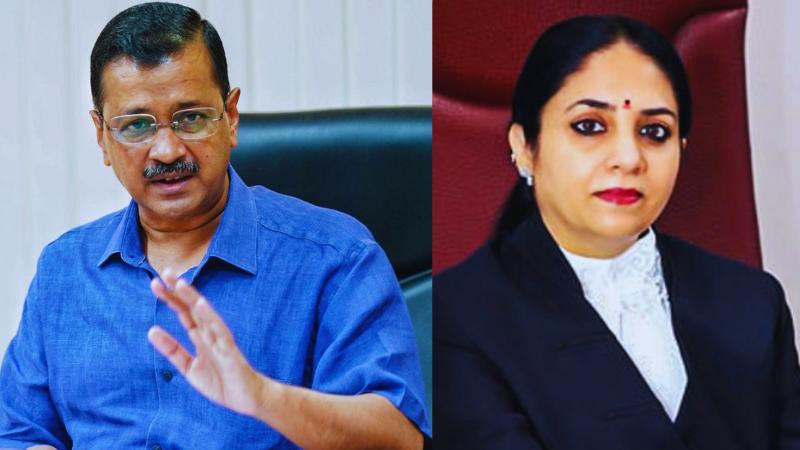
Kejriwal Calls for Delhi HC Judge's Removal Over RSS Ties in Liquor Case
Former Delhi Chief Minister Arvind Kejriwal has raised concerns about judicial impartiality, accusing Delhi High Court judge Justice Swarana Kanta Sharma of attending four events hosted by the Adhivakta Parishad, a lawyers' body linked to the RSS. Kejriwal, who has long opposed the BJP-RSS ideology, stated that the judge's participation in these events creates a reasonable apprehension that the case may not be handled impartially. The AAP chief called the Delhi liquor policy case political an
Kejriwal Calls for Delhi HC Judge's Removal Over RSS Ties in Liquor Case
Former Delhi Chief Minister Arvind Kejriwal has raised concerns about judicial impartiality, accusing Delhi High Court judge Justice Swarana Kanta Sharma of attending four events hosted by the Adhivakta Parishad, a lawyers' body linked to the RSS. Kejriwal, who has long opposed the BJP-RSS ideology, stated that the judge's participation in these events creates a reasonable apprehension that the case may not be handled impartially. The AAP chief called the Delhi liquor policy case political an
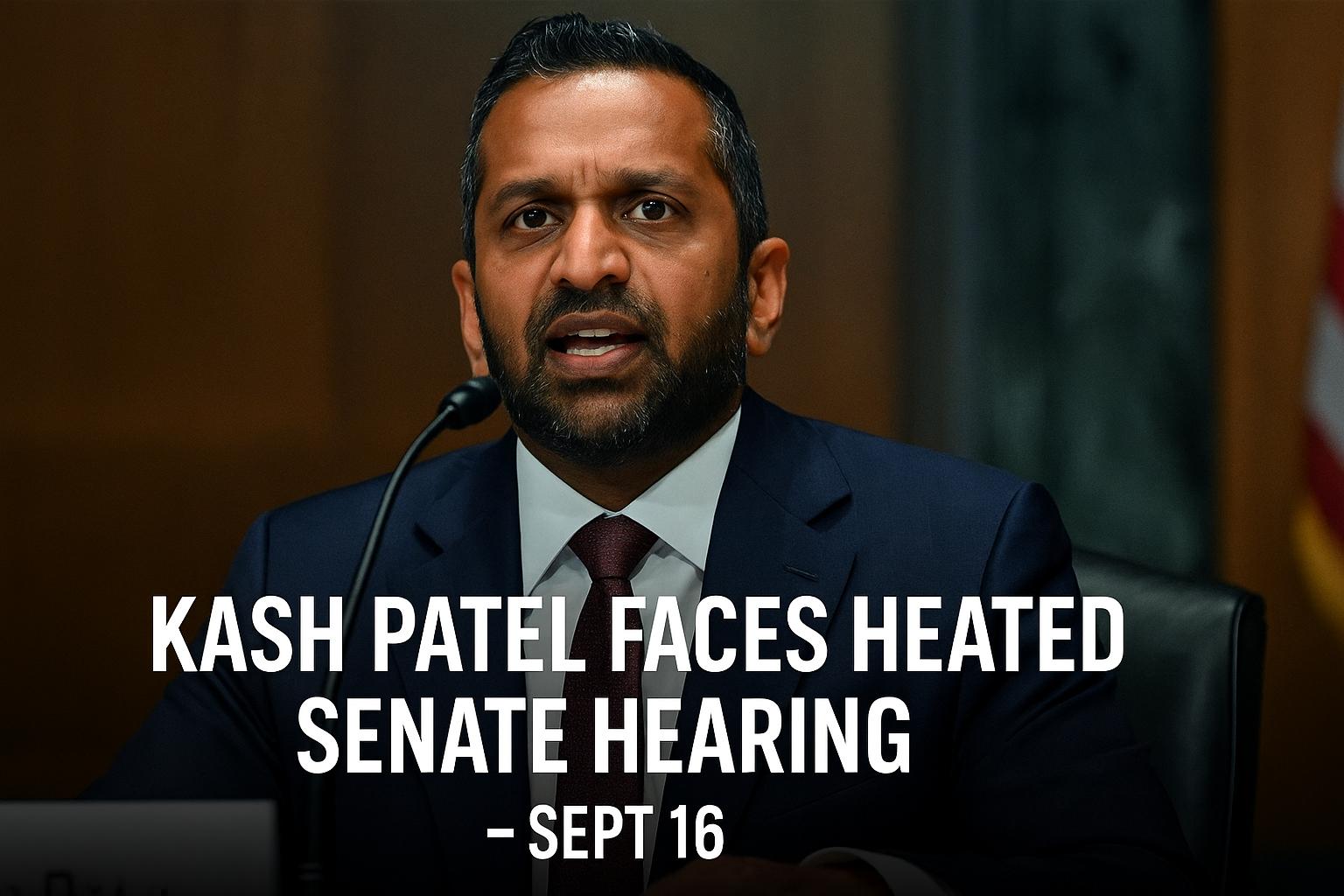
Kash Patel faces tense Senate hearing over FBI firings and political bias claims
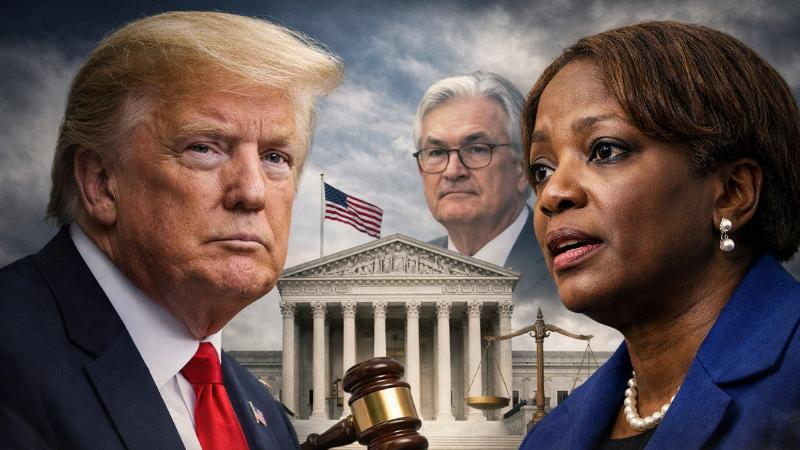
FBI Director Kash Patel came under intense scrutiny on Tuesday, September 16, as he defended his leadership of the bureau before the Senate Judiciary Committee in a heated hearing that underscored the growing partisan divide over the FBI’s independence. The four-hour session marked Patel’s first formal appearance before lawmakers since his confirmation in February, and it quickly escalated into a bitter exchange of accusations between the director and Senate Democrats. A
Kash Patel faces tense Senate hearing over FBI firings and political bias claims
FBI Director Kash Patel came under intense scrutiny on Tuesday, September 16, as he defended his leadership of the bureau before the Senate Judiciary Committee in a heated hearing that underscored the growing partisan divide over the FBI’s independence. The four-hour session marked Patel’s first formal appearance before lawmakers since his confirmation in February, and it quickly escalated into a bitter exchange of accusations between the director and Senate Democrats. A