




















Back pain and neck stiffness have become universal problems in the digital era, cutting across age groups and professions. While screens, bad posture, and sedentary habits are easy targets for blame, experts say the real culprit could be the mind itself. New findings show a strong connection between emotional stress and spinal health when your brain stays tense, your back follows suit. According to the World Health Organization, more than 619 million people currently suffer from low
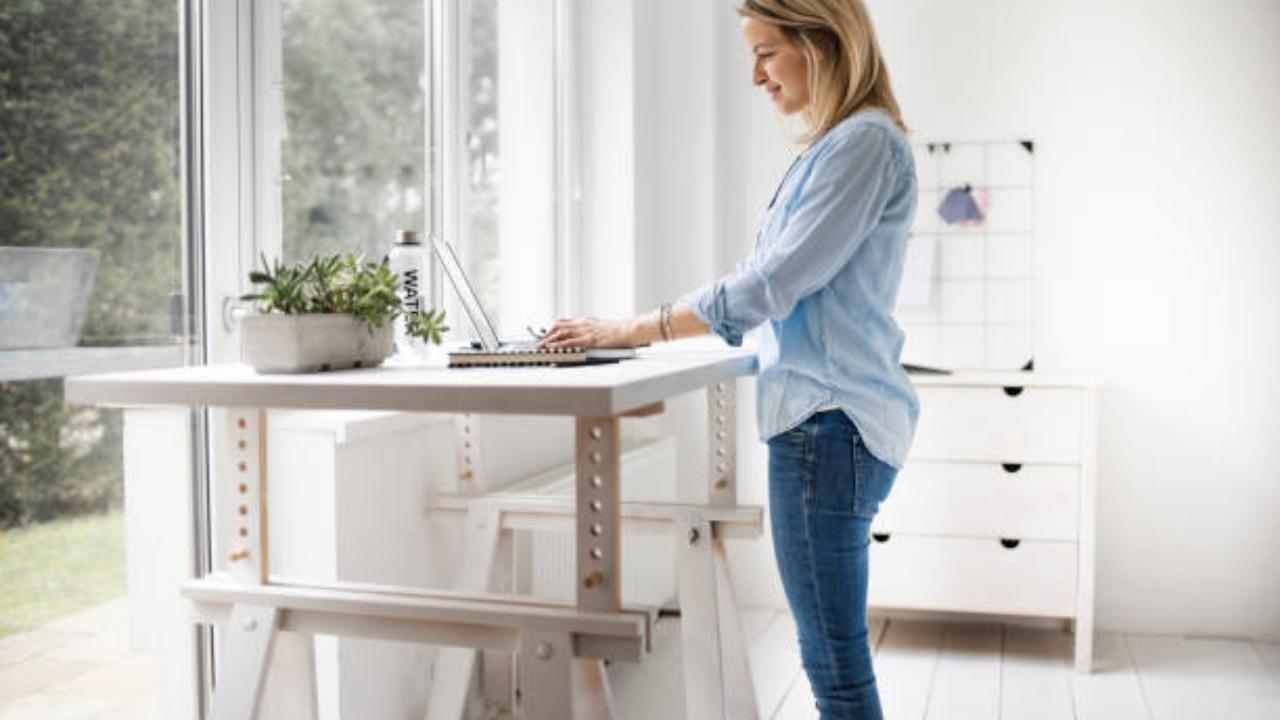
In today’s modern world, sitting has become a dominant part of daily life—at desks, in cars, while watching TV, or using smartphones. However, this sedentary behavior has triggered serious health concerns, prompting health experts to advise people to stand and move more frequently throughout the day. According to multiple studies and global health organizations, including the World Health Organization (WHO), prolonged sitting is linked to an increased risk of obesity, heart diseas