









#rareearths
US China Trade Talks Set Stage for Trump-Xi Summit
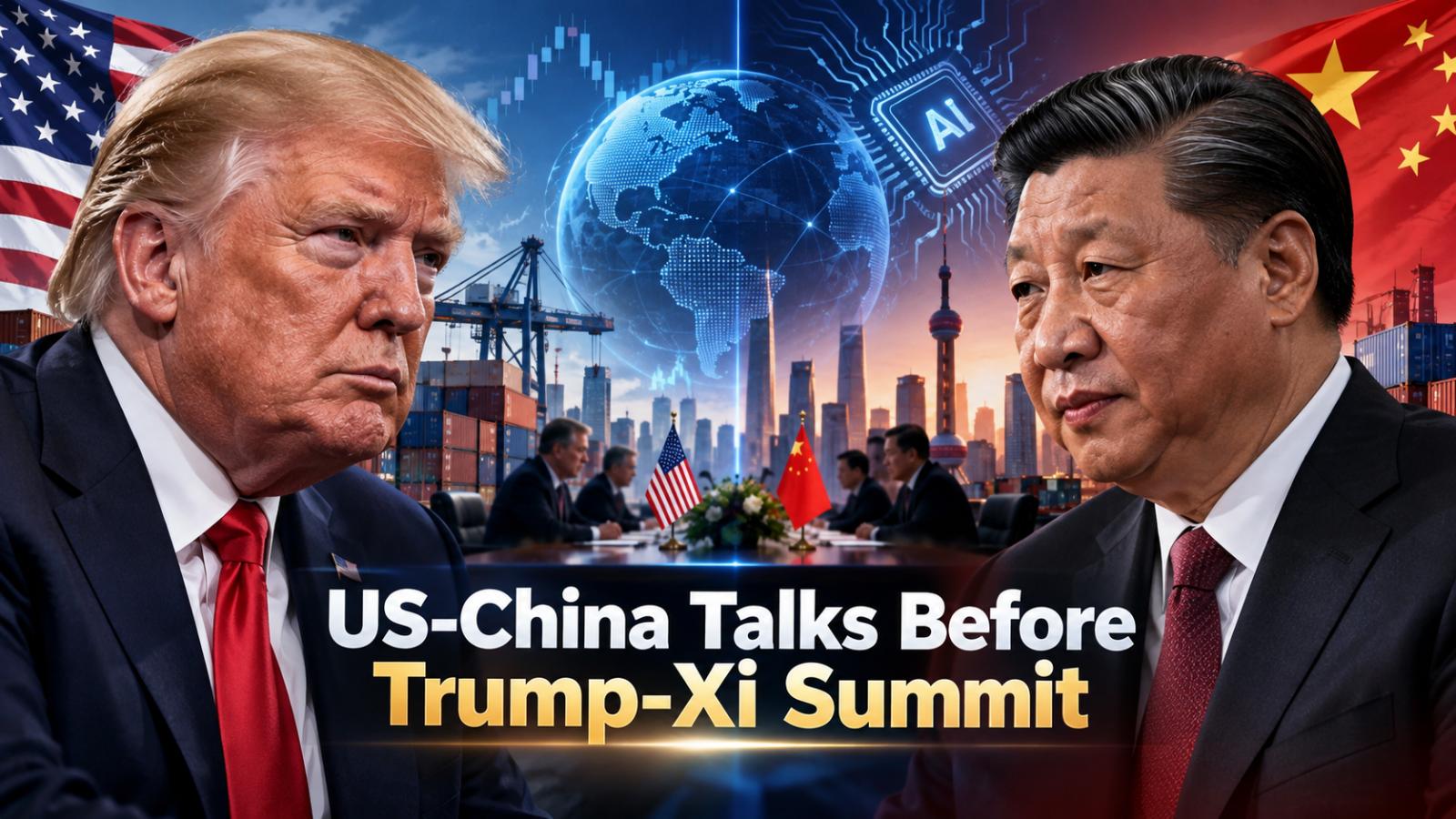
US China trade talks moved into a crucial phase in New York as Treasury Secretary Scott Bessent and Chinese Vice Premier He Lifeng discussed artificial intelligence, tariffs and critical minerals ahead of Donald Trump and Xi Jinping’s September 24 White House meeting. US China trade talks prepare Trump-Xi summit
US China Trade Talks Set Stage for Trump-Xi Summit
US China trade talks moved into a crucial phase in New York as Treasury Secretary Scott Bessent and Chinese Vice Premier He Lifeng discussed artificial intelligence, tariffs and critical minerals ahead of Donald Trump and Xi Jinping’s September 24 White House meeting. US China trade talks prepare Trump-Xi summit
Taliban offers US access to Afghanistan mineral wealth
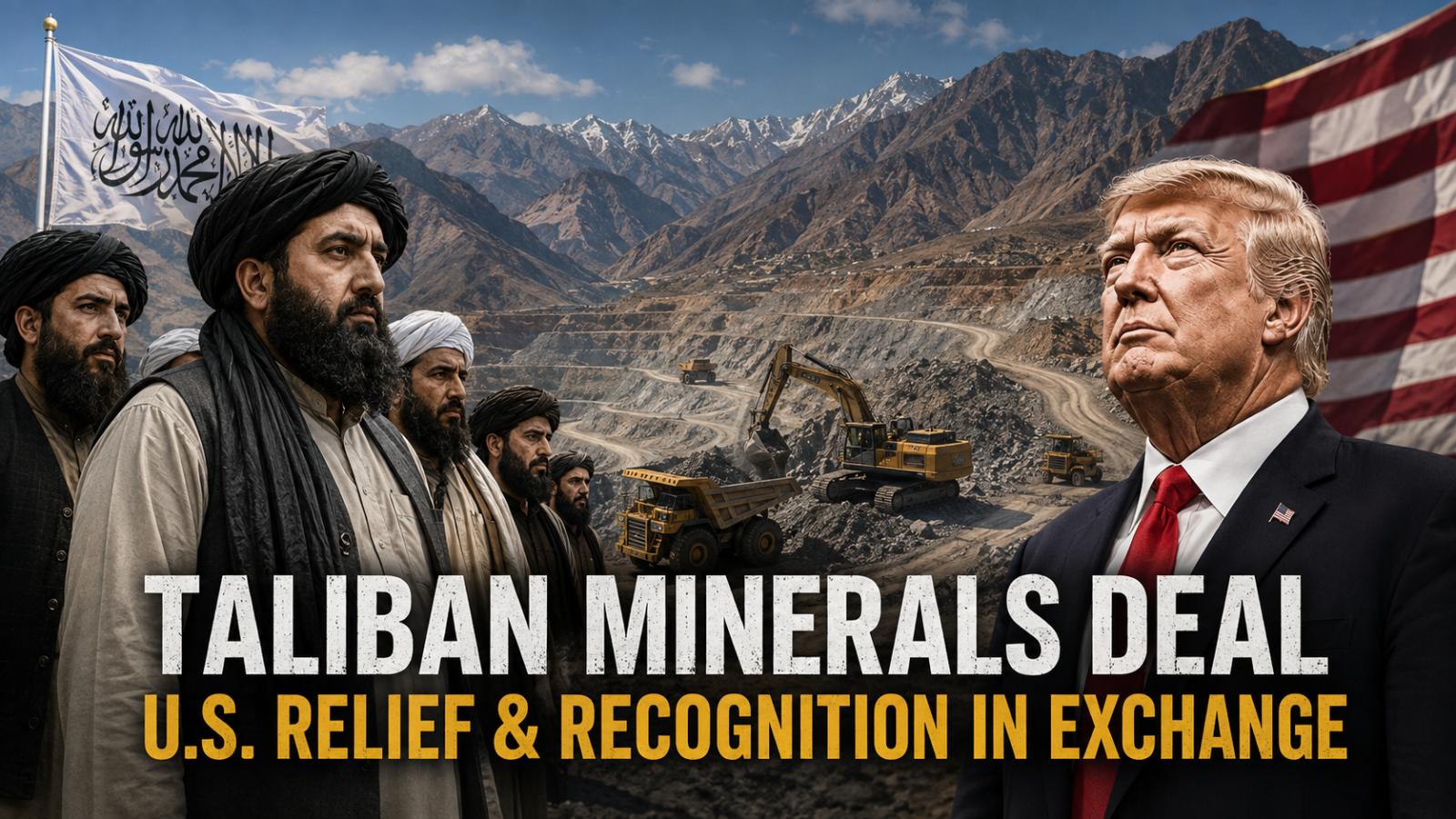
Afghanistan’s mineral wealth has emerged as a key part of the Taliban government’s attempt to improve relations with the United States. Foreign Minister Amir Khan Muttaqi says Kabul would welcome American investment in mining, infrastructure, agriculture and trade while seeking sanctions relief and access to frozen Afghan central bank reserves. Afghanistan mineral wealth becomes Taliban’s US pitch
Taliban offers US access to Afghanistan mineral wealth
Afghanistan’s mineral wealth has emerged as a key part of the Taliban government’s attempt to improve relations with the United States. Foreign Minister Amir Khan Muttaqi says Kabul would welcome American investment in mining, infrastructure, agriculture and trade while seeking sanctions relief and access to frozen Afghan central bank reserves. Afghanistan mineral wealth becomes Taliban’s US pitch

India Japan summit 2026 boosts FOIP rare earth strategy
The India Japan Summit 2026 is emerging as more than diplomatic engagement, shifting toward a structured economic alignment under the Free and Open Indo-Pacific (FOIP) framework. Japan is positioning India as a long-term partner in building alternative production networks outside China’s dominant supply ecosystem. The focus is no longer symbolic cooperation but measurable industrial integration across energy, technology, and critical materials. Rare Earth Dependency and Strategic Diversification A major driver of the summit is global concern over rare earth concentration in China. These materials are essential for electric vehicles, defence systems, and semiconductor manufacturing. Japan has been actively seeking diversification, and India is being viewed as a viable partner due to its untapped mineral reserves and growing extraction capability. However, this shift is not immediate. India still faces infrastructure gaps in refining and processing, which limits its ability to fully replace existing supply chains. The partnership therefore focuses on joint development rather than replacement. Northeast India as an Emerging Industrial Bridge Northeast India is increasingly being integrated into strategic planning as a logistics and manufacturing connector between South Asia and Southeast Asia. Its geographical position near the Bay of Bengal makes it relevant for regional trade routes, especially under Japan-backed connectivity initiatives. The long-term expectation is the development of corridors linking manufacturing zones, ports, and resource hubs. But execution remains a challenge due to terrain, infrastructure bottlenecks, and slow industrial scaling. EV Batteries and Semiconductor Collaboration Expands The summit is expected to accelerate cooperation in electric mobility and chip production. Japan’s technology strength in precision manufacturing complements India’s expanding industrial base and domestic demand growth. Instead of simple export-import trade, both countries are moving toward localized production ecosystems. This includes battery supply chains, semiconductor assembly, and joint research in advanced materials. The real shift here is from consumption-driven trade to production-sharing models. Investment Flow and Industrial Integration Japanese investment in India continues to grow steadily, with a strong presence in automobiles, electronics, and infrastructure. The partnership now appears to be entering a deeper phase where investment is tied to strategic supply chain redesign rather than isolated projects. This creates a long-term dependency loop where both economies benefit from shared manufacturing ecosystems, but also become more structurally linked to global market fluctuations. Strategic Outcome: A Competing Supply Chain Bloc The broader outcome of the India Japan Summit 2026 is the gradual formation of an alternative industrial network in Asia. It does not replace existing systems overnight but creates parallel pathways in critical sectors like energy storage, semiconductors, and defence manufacturing. The key question going forward is execution speed. Policy alignment is strong, but infrastructure readiness and capital deployment will decide how quickly this partnership moves from strategy to reality.
India Japan summit 2026 boosts FOIP rare earth strategy
The India Japan Summit 2026 is emerging as more than diplomatic engagement, shifting toward a structured economic alignment under the Free and Open Indo-Pacific (FOIP) framework. Japan is positioning India as a long-term partner in building alternative production networks outside China’s dominant supply ecosystem. The focus is no longer symbolic cooperation but measurable industrial integration across energy, technology, and critical materials. Rare Earth Dependency and Strategic Diversification A major driver of the summit is global concern over rare earth concentration in China. These materials are essential for electric vehicles, defence systems, and semiconductor manufacturing. Japan has been actively seeking diversification, and India is being viewed as a viable partner due to its untapped mineral reserves and growing extraction capability. However, this shift is not immediate. India still faces infrastructure gaps in refining and processing, which limits its ability to fully replace existing supply chains. The partnership therefore focuses on joint development rather than replacement. Northeast India as an Emerging Industrial Bridge Northeast India is increasingly being integrated into strategic planning as a logistics and manufacturing connector between South Asia and Southeast Asia. Its geographical position near the Bay of Bengal makes it relevant for regional trade routes, especially under Japan-backed connectivity initiatives. The long-term expectation is the development of corridors linking manufacturing zones, ports, and resource hubs. But execution remains a challenge due to terrain, infrastructure bottlenecks, and slow industrial scaling. EV Batteries and Semiconductor Collaboration Expands The summit is expected to accelerate cooperation in electric mobility and chip production. Japan’s technology strength in precision manufacturing complements India’s expanding industrial base and domestic demand growth. Instead of simple export-import trade, both countries are moving toward localized production ecosystems. This includes battery supply chains, semiconductor assembly, and joint research in advanced materials. The real shift here is from consumption-driven trade to production-sharing models. Investment Flow and Industrial Integration Japanese investment in India continues to grow steadily, with a strong presence in automobiles, electronics, and infrastructure. The partnership now appears to be entering a deeper phase where investment is tied to strategic supply chain redesign rather than isolated projects. This creates a long-term dependency loop where both economies benefit from shared manufacturing ecosystems, but also become more structurally linked to global market fluctuations. Strategic Outcome: A Competing Supply Chain Bloc The broader outcome of the India Japan Summit 2026 is the gradual formation of an alternative industrial network in Asia. It does not replace existing systems overnight but creates parallel pathways in critical sectors like energy storage, semiconductors, and defence manufacturing. The key question going forward is execution speed. Policy alignment is strong, but infrastructure readiness and capital deployment will decide how quickly this partnership moves from strategy to reality.
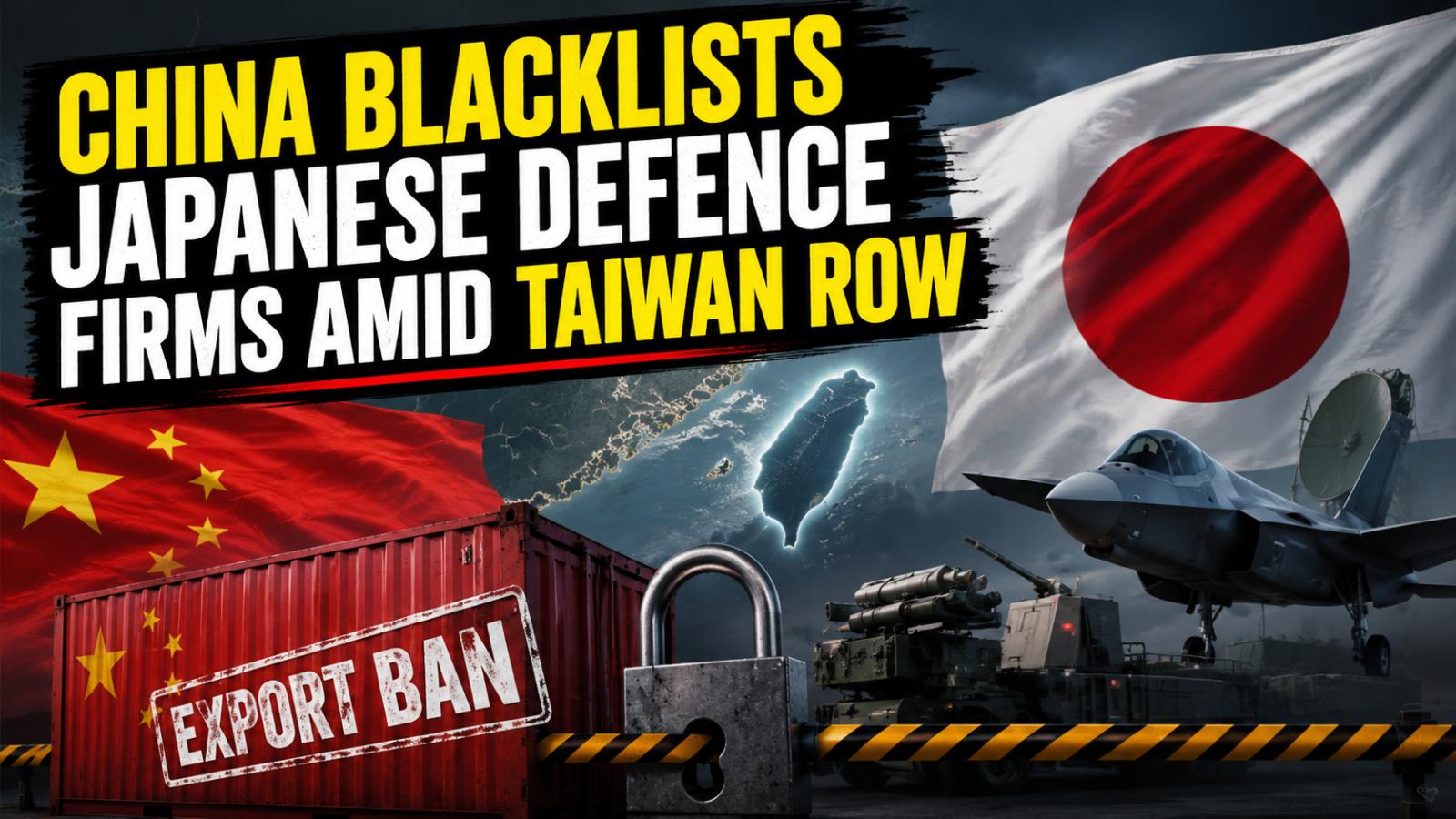
China blacklists Japanese defence firms amid Taiwan row
China has added 20 Japanese defence-linked and technology entities to its export control blacklist, marking a fresh escalation in the already tense relationship between Beijing and Tokyo. The decision blocks the listed organisations from receiving Chinese dual-use goods, materials and technologies without official approval. Beijing said the move was linked to national security, non-proliferation commitments and concerns over supplies that
China blacklists Japanese defence firms amid Taiwan row
China has added 20 Japanese defence-linked and technology entities to its export control blacklist, marking a fresh escalation in the already tense relationship between Beijing and Tokyo. The decision blocks the listed organisations from receiving Chinese dual-use goods, materials and technologies without official approval. Beijing said the move was linked to national security, non-proliferation commitments and concerns over supplies that
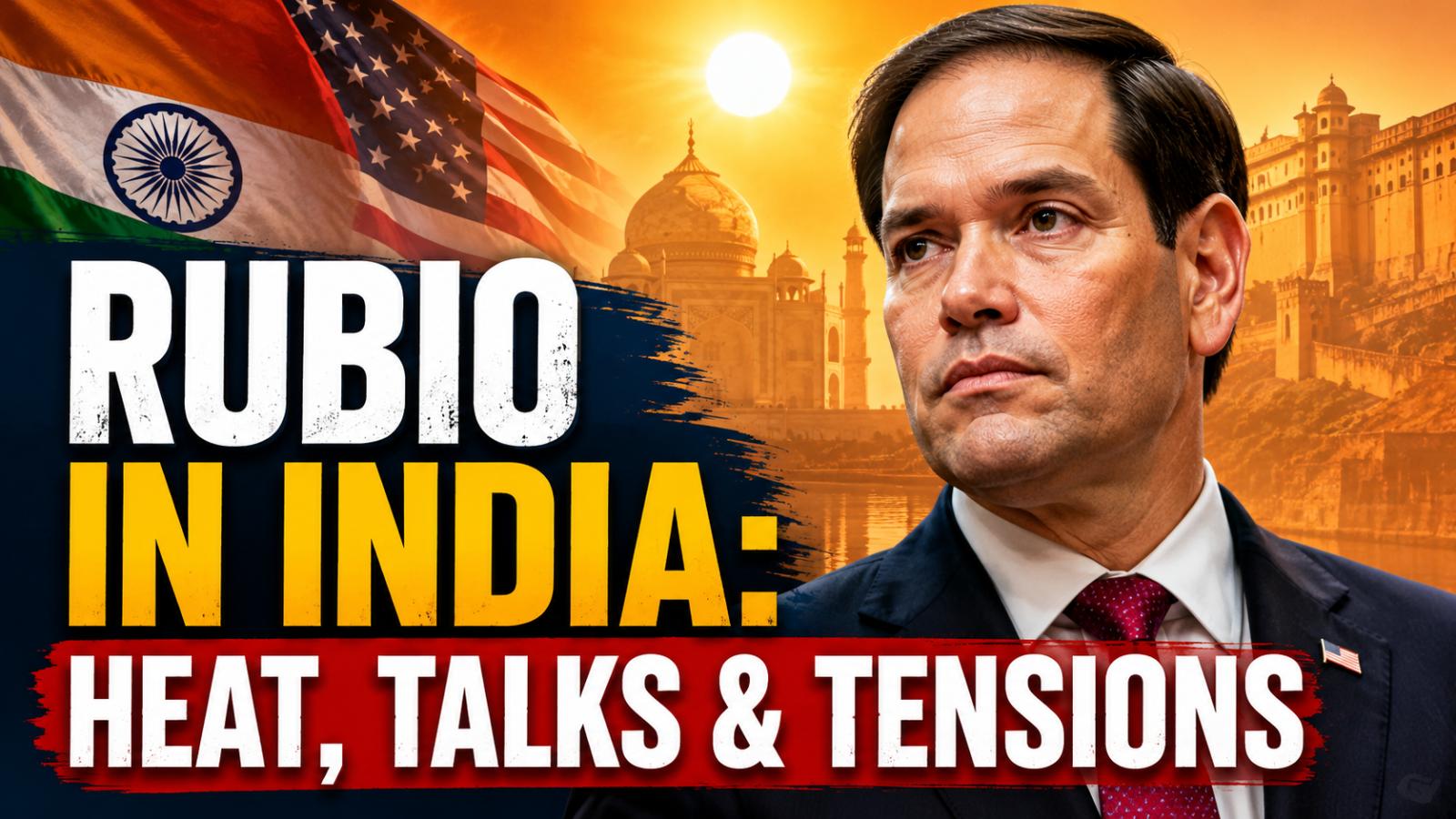
Marco Rubio India Visit: Delhi Talks, Taj Mahal Stop, Jaipur Heat and Critical Minerals Focus
Marco Rubio’s India visit became more than a routine diplomatic tour. The US Secretary of State’s trip brought together serious India-US discussions, Quad cooperation, regional security concerns, critical minerals strategy and public attention around India’s extreme summer heat. Rubio visited India from May 23 to May 26, 2026, with his schedule covering Kolkata, Delhi, Agra and Jaipur. His visit came at a time when Washington and New Delhi were trying to stren
Marco Rubio India Visit: Delhi Talks, Taj Mahal Stop, Jaipur Heat and Critical Minerals Focus
Marco Rubio’s India visit became more than a routine diplomatic tour. The US Secretary of State’s trip brought together serious India-US discussions, Quad cooperation, regional security concerns, critical minerals strategy and public attention around India’s extreme summer heat. Rubio visited India from May 23 to May 26, 2026, with his schedule covering Kolkata, Delhi, Agra and Jaipur. His visit came at a time when Washington and New Delhi were trying to stren
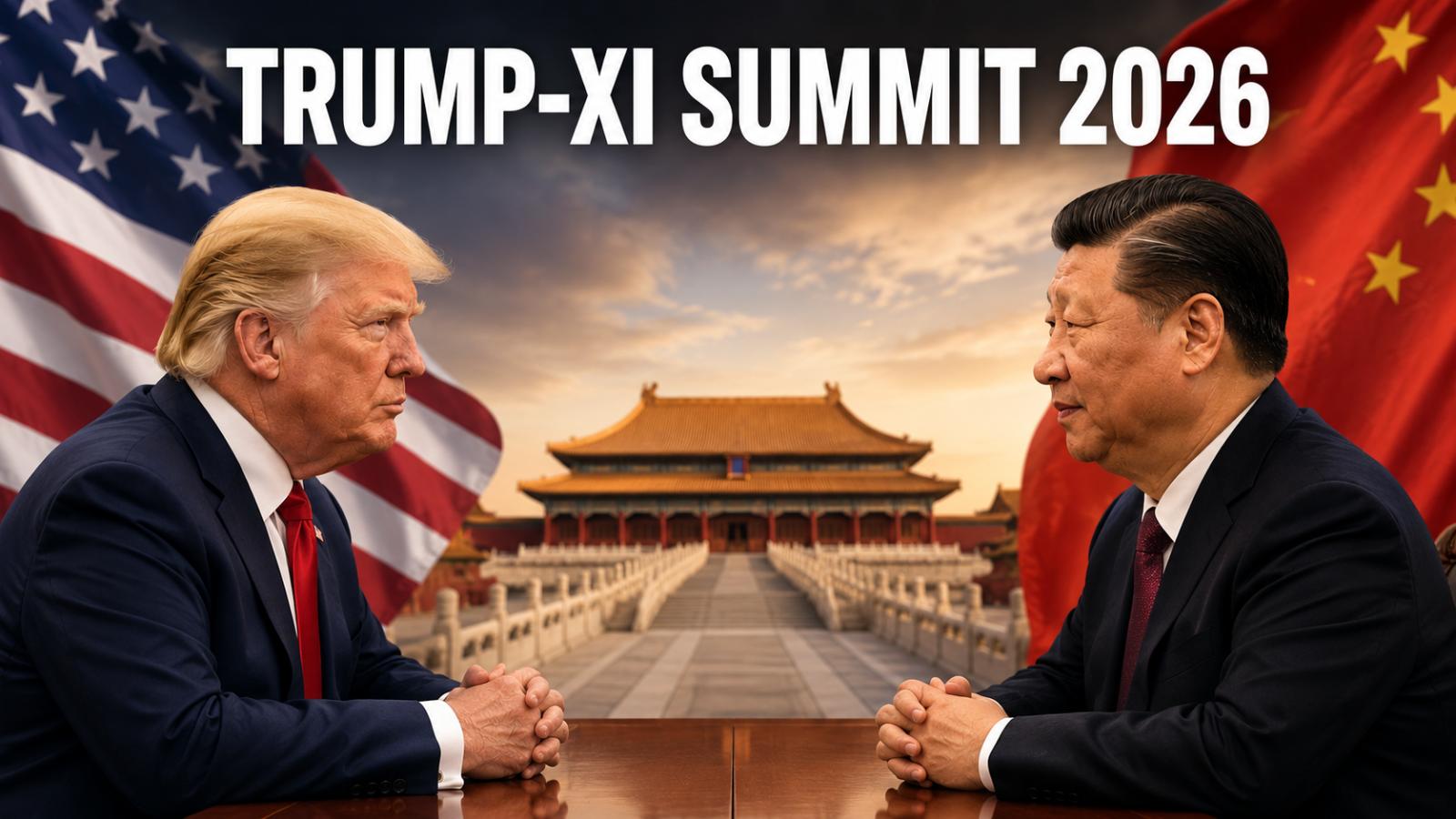
Trump-Xi Summit 2026: 6 Past Meetings That Explain US-China Tensions
Trump-Xi Summit Puts US-China Tensions Back in Focus US President Donald Trump arrived in Beijing on Wednesday, May 13, 2026, for a high-stakes summit with Chinese President Xi Jinping, bringing tariffs, rare earth exports, AI chips, Taiwan and global security back to the center of US-China relations. The summit is expected to mark another major test for the world’s two largest economies after six previous Trump-Xi meetings shaped trade disputes, tariff pauses and fragile diplomatic resets since 2017. For Washington, the key questions include trade access, technology restrictions, agriculture purchases, Taiwan and supply-chain stability. For Beijing, the meeting is a chance to push back against US tariffs and technology controls while protecting China’s position in global trade. Why the Trump-Xi Summit Matters in 2026 The 2026 Trump-Xi summit matters because the issues are no longer limited to trade. The talks now include rare earth minerals, artificial intelligence, agriculture, Taiwan, nuclear concerns and broader geopolitical tensions. Reuters reported that Trump and Xi are expected to discuss trade, AI, agriculture, rare earths and global security issues during the summit period. Rare earth exports are especially important because China plays a major role in minerals used in defense systems, electric vehicles, electronics and clean-energy technology. Any movement on export controls could affect global supply chains and US manufacturers. AI chips are another major pressure point. Trump’s Beijing visit also drew attention because Nvidia CEO Jensen Huang joined the mission as US companies seek broader access to China’s technology market. Taiwan remains one of the most sensitive security issues. Beijing strongly opposes US arms sales to Taiwan, while Washington continues to maintain political and security ties with Taipei. AP reported that US arms sales to Taiwan are among the issues surrounding the summit. Trump-Xi Meetings Timeline Meeting Date Location Main Focus Why It Matters Now First Trump-Xi meeting Thursday, April 6, 2017 Mar-a-Lago, Florida Trade, diplomacy, North Korea Opened direct leader-level communication G20 meeting Saturday, July 8, 2017 Hamburg, Germany North Korea and economic ties Came before stronger US trade action Trump China visit Wednesday, November 8, 2017 to Friday, November 10, 2017 Beijing, China Business deals and trade imbalance Warm diplomacy did not stop tariff tensions G20 dinner Saturday, December 1, 2018 Buenos Aires, Argentina Tariffs, intellectual property and cyber concerns Opened temporary negotiations during the trade war Osaka G20 meeting Saturday, June 29, 2019 Osaka, Japan Tariff pause and farm purchases Restarted trade talks after escalation APEC meeting Thursday, October 30, 2025 Busan, South Korea Tariffs, rare earths and farm exports Created a temporary pause before the 2026 summit How Six Meetings Shaped US-China Relations Trump and Xi first met at Mar-a-Lago in Florida on Thursday, April 6, 2017. The meeting created a personal channel between the two leaders, but it did not resolve deeper US concerns over China’s trade practices, market access and industrial policy. Their second meeting came on Saturday, July 8, 2017, during the G20 summit in Hamburg, Germany. North Korea was a major topic, but trade tensions were already rising. Soon after, Washington moved toward stronger action over alleged Chinese intellectual property theft and unfair trade practices. Trump visited Beijing from Wednesday, November 8, 2017, to Friday, November 10, 2017. The visit included ceremonial events and business announcements, but the friendly tone did not prevent the two countries from moving toward a wider trade confrontation. By Saturday, December 1, 2018, when Trump and Xi met at the G20 summit in Buenos Aires, both countries had already imposed tariffs. The dinner opened temporary negotiations on trade imbalances, intellectual property and cyber concerns. The next major pause came at the G20 summit in Osaka on Saturday, June 29, 2019. Trump and Xi agreed to restart trade talks and delay new tariffs. China also pledged to buy more US agricultural goods. Their sixth meeting came after a six-year gap on Thursday, October 30, 2025, during the APEC summit in Busan, South Korea. That meeting helped create a temporary pause in parts of the trade dispute, including movement on tariffs, rare earth exports and US farm purchases. What the 2026 Trump-Xi Meeting Could Decide The Beijing summit could decide whether Washington and Beijing extend a period of limited stability or return to sharper confrontation. For the United States, the main goals include tariff relief, stronger export access for farmers, rare earth supply stability, technology safeguards and progress on broader security issues. American companies are also watching whether the talks create more space for business access in China. For China, the summit is about reducing pressure from tariffs and technology restrictions while showing that Beijing can negotiate from strength. Rare earths give China leverage, while its large consumer and technology market remains important for US companies. The six previous Trump-Xi meetings show a clear pattern: personal diplomacy can slow escalation, but it rarely solves the deeper disputes. Mar-a-Lago and Beijing created warmth but did not prevent the trade war. Buenos Aires and Osaka produced temporary pauses. Busan again showed that both sides could step back from escalation, but only for a limited period. That makes the 2026 summit more than another diplomatic event. It is a test of whether the United States and China can manage competition without allowing tariffs, AI chip restrictions, rare earth controls and Taiwan tensions to trigger another major crisis.
Trump-Xi Summit 2026: 6 Past Meetings That Explain US-China Tensions
Trump-Xi Summit Puts US-China Tensions Back in Focus US President Donald Trump arrived in Beijing on Wednesday, May 13, 2026, for a high-stakes summit with Chinese President Xi Jinping, bringing tariffs, rare earth exports, AI chips, Taiwan and global security back to the center of US-China relations. The summit is expected to mark another major test for the world’s two largest economies after six previous Trump-Xi meetings shaped trade disputes, tariff pauses and fragile diplomatic resets since 2017. For Washington, the key questions include trade access, technology restrictions, agriculture purchases, Taiwan and supply-chain stability. For Beijing, the meeting is a chance to push back against US tariffs and technology controls while protecting China’s position in global trade. Why the Trump-Xi Summit Matters in 2026 The 2026 Trump-Xi summit matters because the issues are no longer limited to trade. The talks now include rare earth minerals, artificial intelligence, agriculture, Taiwan, nuclear concerns and broader geopolitical tensions. Reuters reported that Trump and Xi are expected to discuss trade, AI, agriculture, rare earths and global security issues during the summit period. Rare earth exports are especially important because China plays a major role in minerals used in defense systems, electric vehicles, electronics and clean-energy technology. Any movement on export controls could affect global supply chains and US manufacturers. AI chips are another major pressure point. Trump’s Beijing visit also drew attention because Nvidia CEO Jensen Huang joined the mission as US companies seek broader access to China’s technology market. Taiwan remains one of the most sensitive security issues. Beijing strongly opposes US arms sales to Taiwan, while Washington continues to maintain political and security ties with Taipei. AP reported that US arms sales to Taiwan are among the issues surrounding the summit. Trump-Xi Meetings Timeline Meeting Date Location Main Focus Why It Matters Now First Trump-Xi meeting Thursday, April 6, 2017 Mar-a-Lago, Florida Trade, diplomacy, North Korea Opened direct leader-level communication G20 meeting Saturday, July 8, 2017 Hamburg, Germany North Korea and economic ties Came before stronger US trade action Trump China visit Wednesday, November 8, 2017 to Friday, November 10, 2017 Beijing, China Business deals and trade imbalance Warm diplomacy did not stop tariff tensions G20 dinner Saturday, December 1, 2018 Buenos Aires, Argentina Tariffs, intellectual property and cyber concerns Opened temporary negotiations during the trade war Osaka G20 meeting Saturday, June 29, 2019 Osaka, Japan Tariff pause and farm purchases Restarted trade talks after escalation APEC meeting Thursday, October 30, 2025 Busan, South Korea Tariffs, rare earths and farm exports Created a temporary pause before the 2026 summit How Six Meetings Shaped US-China Relations Trump and Xi first met at Mar-a-Lago in Florida on Thursday, April 6, 2017. The meeting created a personal channel between the two leaders, but it did not resolve deeper US concerns over China’s trade practices, market access and industrial policy. Their second meeting came on Saturday, July 8, 2017, during the G20 summit in Hamburg, Germany. North Korea was a major topic, but trade tensions were already rising. Soon after, Washington moved toward stronger action over alleged Chinese intellectual property theft and unfair trade practices. Trump visited Beijing from Wednesday, November 8, 2017, to Friday, November 10, 2017. The visit included ceremonial events and business announcements, but the friendly tone did not prevent the two countries from moving toward a wider trade confrontation. By Saturday, December 1, 2018, when Trump and Xi met at the G20 summit in Buenos Aires, both countries had already imposed tariffs. The dinner opened temporary negotiations on trade imbalances, intellectual property and cyber concerns. The next major pause came at the G20 summit in Osaka on Saturday, June 29, 2019. Trump and Xi agreed to restart trade talks and delay new tariffs. China also pledged to buy more US agricultural goods. Their sixth meeting came after a six-year gap on Thursday, October 30, 2025, during the APEC summit in Busan, South Korea. That meeting helped create a temporary pause in parts of the trade dispute, including movement on tariffs, rare earth exports and US farm purchases. What the 2026 Trump-Xi Meeting Could Decide The Beijing summit could decide whether Washington and Beijing extend a period of limited stability or return to sharper confrontation. For the United States, the main goals include tariff relief, stronger export access for farmers, rare earth supply stability, technology safeguards and progress on broader security issues. American companies are also watching whether the talks create more space for business access in China. For China, the summit is about reducing pressure from tariffs and technology restrictions while showing that Beijing can negotiate from strength. Rare earths give China leverage, while its large consumer and technology market remains important for US companies. The six previous Trump-Xi meetings show a clear pattern: personal diplomacy can slow escalation, but it rarely solves the deeper disputes. Mar-a-Lago and Beijing created warmth but did not prevent the trade war. Buenos Aires and Osaka produced temporary pauses. Busan again showed that both sides could step back from escalation, but only for a limited period. That makes the 2026 summit more than another diplomatic event. It is a test of whether the United States and China can manage competition without allowing tariffs, AI chip restrictions, rare earth controls and Taiwan tensions to trigger another major crisis.
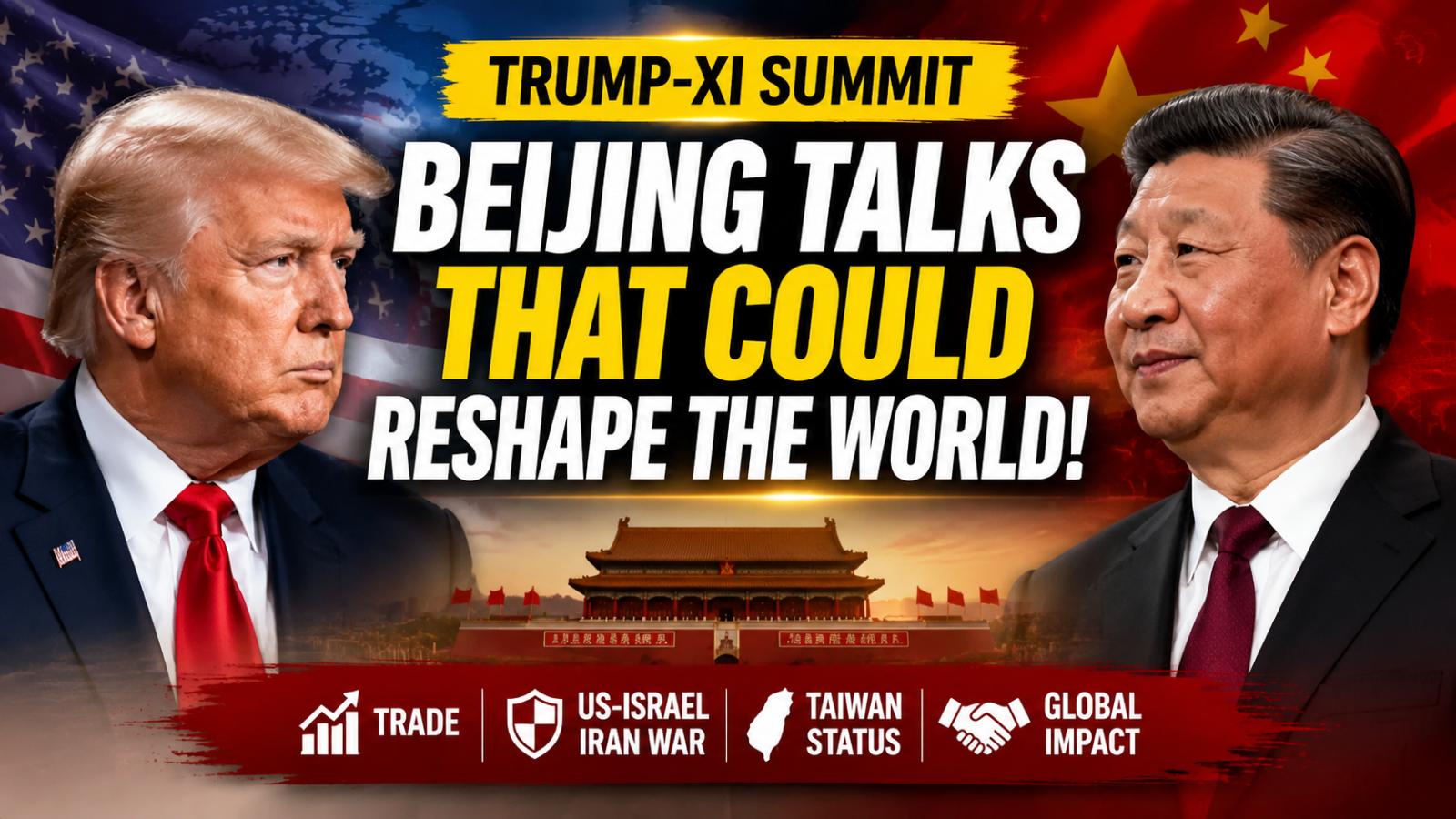
Historic US-China Summit: Trump and Xi Discuss Iran, Trade, and Taiwan in Beijing
Trump and Xi Jinping Meet in Beijing for Key Summit US President Donald Trump and Chinese President Xi Jinping are set to meet in Beijing for a highly anticipated three-day summit. This is Trump’s first visit to China in nearly a decade, making the meeting particularly significant. The summit is expected to focus on critical global issues, including the ongoing US-Israel war on Iran, trade relations between the two nations, and the status of Taiw
Historic US-China Summit: Trump and Xi Discuss Iran, Trade, and Taiwan in Beijing
Trump and Xi Jinping Meet in Beijing for Key Summit US President Donald Trump and Chinese President Xi Jinping are set to meet in Beijing for a highly anticipated three-day summit. This is Trump’s first visit to China in nearly a decade, making the meeting particularly significant. The summit is expected to focus on critical global issues, including the ongoing US-Israel war on Iran, trade relations between the two nations, and the status of Taiw

Ronny Jackson’s role in $500 million US–Pakistan rare earths deal revealed
Former White House physician and retired US Navy doctor Ronny Jackson has emerged as a central figure in negotiations that led to a $500 million mining and rare earths agreement between American and Pakistani entities, according to recent disclosures filed with the US Department of Justice. The filings, submitted under the Foreign Agents Registration Act, outline Jackson’s direct engagement with Pakistani officials and detail his involvement in shaping the deal at multiple stages.
Ronny Jackson’s role in $500 million US–Pakistan rare earths deal revealed
Former White House physician and retired US Navy doctor Ronny Jackson has emerged as a central figure in negotiations that led to a $500 million mining and rare earths agreement between American and Pakistani entities, according to recent disclosures filed with the US Department of Justice. The filings, submitted under the Foreign Agents Registration Act, outline Jackson’s direct engagement with Pakistani officials and detail his involvement in shaping the deal at multiple stages.

Greenland’s strategic importance grows amid US security remarks and Arctic competition
Greenland has returned to the center of international attention following remarks by US President Donald Trump, who said the United States needs Greenland from a national security standpoint. The comments triggered concern in Denmark and Greenland, reviving debate over the Arctic island’s growing geopolitical importance at a time of rising global tensions and strategic competition. Denmark and Greenland reject takeover rhetoric Denmark, which is responsibl
Greenland’s strategic importance grows amid US security remarks and Arctic competition
Greenland has returned to the center of international attention following remarks by US President Donald Trump, who said the United States needs Greenland from a national security standpoint. The comments triggered concern in Denmark and Greenland, reviving debate over the Arctic island’s growing geopolitical importance at a time of rising global tensions and strategic competition. Denmark and Greenland reject takeover rhetoric Denmark, which is responsibl
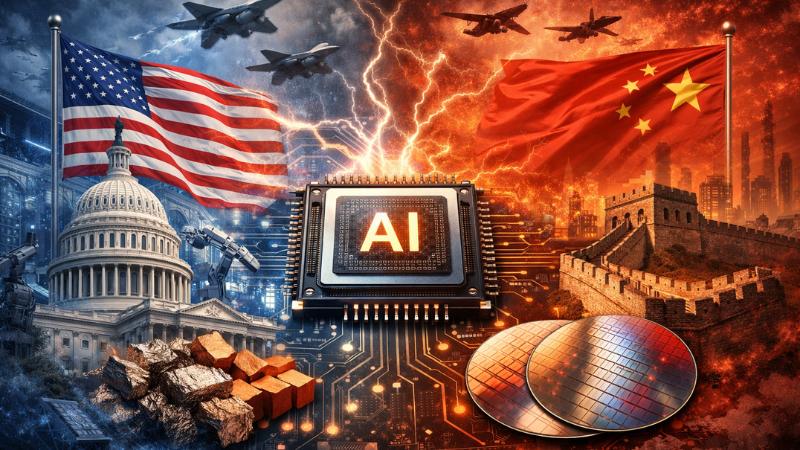
US-China chip war deepens in 2025 as export controls reshape global semiconductor industry
The strategic rivalry between the United States and China in the semiconductor sector continued to intensify throughout 2025, with export controls remaining a central instrument in what has come to be known as the global chip war. The dispute, rooted in concerns over national security, technological leadership and economic influence, significantly affected the semiconductor industry, global supply chains and investment decisions during the year. At the start of 2025, the United States maintained restrictions on the export of advanced artificial intelligence chips and related technologies to China. These controls were designed to limit Beijing’s access to cutting-edge computing capabilities that could be applied to military and surveillance technologies. US officials defended the measures as necessary to protect national security interests, but the restrictions had immediate commercial consequences for American chipmakers with strong exposure to the Chinese market. Companies producing high-performance AI chips, including industry leaders such as Nvidia, reported revenue pressures linked to reduced access to Chinese customers. The curbs also led to higher compliance costs and uncertainty over long-term market strategies. Industry executives warned that prolonged restrictions could weaken the global competitiveness of US firms while accelerating China’s efforts to develop independent semiconductor capabilities. Policy signals shifted after Donald Trump assumed the US presidency in January. His administration moved to ease certain export controls on advanced AI chips for what were described as approved customers in China. Under the revised framework, sales of Nvidia’s H200 chip were permitted, subject to conditions that included profit-sharing arrangements with the US government. The adjustments were widely interpreted as an attempt to balance national security concerns with the commercial interests of American technology companies. China responded to the US measures by criticising what it described as discriminatory semiconductor policies and urging Washington to reverse the controls. Beijing argued that the restrictions were disrupting global supply chains and undermining fair competition in the semiconductor industry. At the same time, Chinese authorities accelerated domestic initiatives aimed at strengthening the country’s chip manufacturing ecosystem and reducing reliance on foreign suppliers. As part of its response, China imposed export controls on several rare earth elements, materials that are essential for semiconductor production and advanced electronics. China holds a dominant position in the global rare earth supply, making these measures a powerful lever in the broader technology competition. The restrictions heightened concerns among manufacturers worldwide about material availability and supply chain resilience. The prolonged US-China chip war had ripple effects across global markets. American and allied semiconductor firms experienced volatility in revenues and share prices as companies reassessed exposure to geopolitical risk. Investment patterns shifted as manufacturers sought to diversify production and sourcing to reduce dependence on any single market. Chinese technology firms increasingly turned to domestic suppliers, accelerating efforts to replace restricted foreign components with locally developed alternatives. In parallel, the United States expanded its focus on strengthening domestic semiconductor production through subsidy programmes under the CHIPS Act. The initiative supported the construction of new fabrication plants and aimed to secure long-term technological leadership by rebuilding advanced manufacturing capacity within the country. By late 2025, both Washington and Beijing took limited steps to ease tensions, agreeing to suspend certain rare earth export controls. While the move signalled a willingness to manage escalation, the underlying competition in advanced chip technologies remained unresolved. The year underscored how deeply the semiconductor rivalry has become embedded in global trade, industrial policy and national security calculations, with lasting implications for the future of the technology sector.
US-China chip war deepens in 2025 as export controls reshape global semiconductor industry
The strategic rivalry between the United States and China in the semiconductor sector continued to intensify throughout 2025, with export controls remaining a central instrument in what has come to be known as the global chip war. The dispute, rooted in concerns over national security, technological leadership and economic influence, significantly affected the semiconductor industry, global supply chains and investment decisions during the year. At the start of 2025, the United States maintained restrictions on the export of advanced artificial intelligence chips and related technologies to China. These controls were designed to limit Beijing’s access to cutting-edge computing capabilities that could be applied to military and surveillance technologies. US officials defended the measures as necessary to protect national security interests, but the restrictions had immediate commercial consequences for American chipmakers with strong exposure to the Chinese market. Companies producing high-performance AI chips, including industry leaders such as Nvidia, reported revenue pressures linked to reduced access to Chinese customers. The curbs also led to higher compliance costs and uncertainty over long-term market strategies. Industry executives warned that prolonged restrictions could weaken the global competitiveness of US firms while accelerating China’s efforts to develop independent semiconductor capabilities. Policy signals shifted after Donald Trump assumed the US presidency in January. His administration moved to ease certain export controls on advanced AI chips for what were described as approved customers in China. Under the revised framework, sales of Nvidia’s H200 chip were permitted, subject to conditions that included profit-sharing arrangements with the US government. The adjustments were widely interpreted as an attempt to balance national security concerns with the commercial interests of American technology companies. China responded to the US measures by criticising what it described as discriminatory semiconductor policies and urging Washington to reverse the controls. Beijing argued that the restrictions were disrupting global supply chains and undermining fair competition in the semiconductor industry. At the same time, Chinese authorities accelerated domestic initiatives aimed at strengthening the country’s chip manufacturing ecosystem and reducing reliance on foreign suppliers. As part of its response, China imposed export controls on several rare earth elements, materials that are essential for semiconductor production and advanced electronics. China holds a dominant position in the global rare earth supply, making these measures a powerful lever in the broader technology competition. The restrictions heightened concerns among manufacturers worldwide about material availability and supply chain resilience. The prolonged US-China chip war had ripple effects across global markets. American and allied semiconductor firms experienced volatility in revenues and share prices as companies reassessed exposure to geopolitical risk. Investment patterns shifted as manufacturers sought to diversify production and sourcing to reduce dependence on any single market. Chinese technology firms increasingly turned to domestic suppliers, accelerating efforts to replace restricted foreign components with locally developed alternatives. In parallel, the United States expanded its focus on strengthening domestic semiconductor production through subsidy programmes under the CHIPS Act. The initiative supported the construction of new fabrication plants and aimed to secure long-term technological leadership by rebuilding advanced manufacturing capacity within the country. By late 2025, both Washington and Beijing took limited steps to ease tensions, agreeing to suspend certain rare earth export controls. While the move signalled a willingness to manage escalation, the underlying competition in advanced chip technologies remained unresolved. The year underscored how deeply the semiconductor rivalry has become embedded in global trade, industrial policy and national security calculations, with lasting implications for the future of the technology sector.

Cabinet Clears Rs 7,280 Crore Rare Earth Magnet Scheme To Cut China Dependence
India has taken a major step toward reducing its dependence on imported critical technologies by approving a new national programme for manufacturing sintered rare earth permanent magnets. These magnets are essential components used in electric vehicle motors, renewable energy systems, advanced electronics and defence platforms. The Union Cabinet cleared a financial package of Rs 7,280 crore to establish a fully integrated domestic supply chain capable of producing 6,000 metric tonnes per yea
Cabinet Clears Rs 7,280 Crore Rare Earth Magnet Scheme To Cut China Dependence
India has taken a major step toward reducing its dependence on imported critical technologies by approving a new national programme for manufacturing sintered rare earth permanent magnets. These magnets are essential components used in electric vehicle motors, renewable energy systems, advanced electronics and defence platforms. The Union Cabinet cleared a financial package of Rs 7,280 crore to establish a fully integrated domestic supply chain capable of producing 6,000 metric tonnes per yea
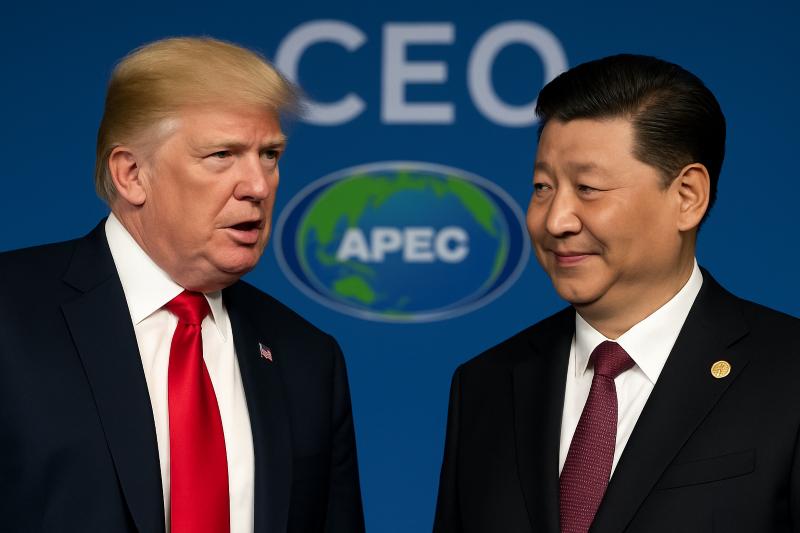
Trump Eyes a ‘Fair’ Trade Deal with Xi at APEC Summit as US-China Ties Face New Test
As the world watches the evolving dynamics of U.S.–China relations, former U.S. President Donald Trump has expressed confidence that a “fair trade deal” with Chinese President Xi Jinping could soon materialize during the Asia-Pacific Economic Cooperation (APEC) summit. Speaking ahead of the high-profile event, Trump described his relationship with Xi as “strong” and said he expects posit
Trump Eyes a ‘Fair’ Trade Deal with Xi at APEC Summit as US-China Ties Face New Test
As the world watches the evolving dynamics of U.S.–China relations, former U.S. President Donald Trump has expressed confidence that a “fair trade deal” with Chinese President Xi Jinping could soon materialize during the Asia-Pacific Economic Cooperation (APEC) summit. Speaking ahead of the high-profile event, Trump described his relationship with Xi as “strong” and said he expects posit

Trump warns China of 100% tariffs amid escalating rare earth dispute
The United States has warned that steep tariffs could soon be imposed on China if Beijing proceeds with its newly announced restrictions on rare earth exports, heightening concerns of another trade confrontation between the two largest economies in the world. U.S. Trade Representative Jamieson Greer said Tuesday that the decision now rests largely on China’s next actions, suggesting that the situation remains fluid in the run-up to a crucial diplomatic meeting later this month. Pr
Trump warns China of 100% tariffs amid escalating rare earth dispute
The United States has warned that steep tariffs could soon be imposed on China if Beijing proceeds with its newly announced restrictions on rare earth exports, heightening concerns of another trade confrontation between the two largest economies in the world. U.S. Trade Representative Jamieson Greer said Tuesday that the decision now rests largely on China’s next actions, suggesting that the situation remains fluid in the run-up to a crucial diplomatic meeting later this month. Pr
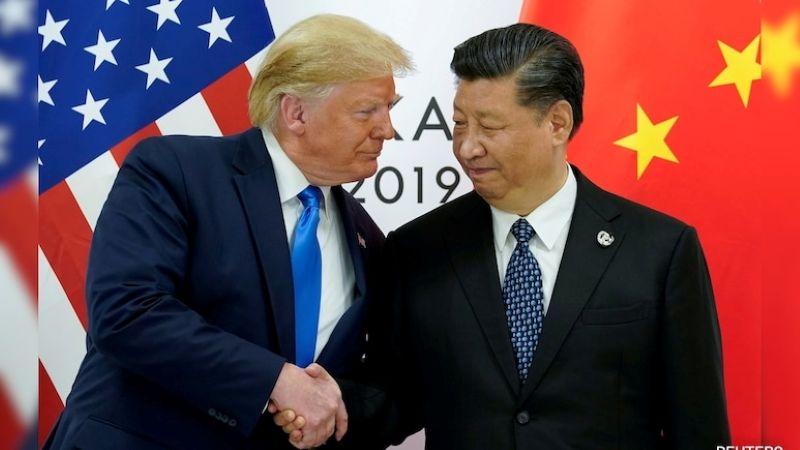
Trump Confirms China Deal on Rare Earths, Student Visas
US President Donald Trump has announced a major breakthrough in trade relations with China, confirming that a new deal includes guaranteed upfront delivery of rare earth elements to the United States and a renewed visa pathway for Chinese students. Posting on Truth Social, Trump declared the agreement “done,” pending final approval from Chinese President Xi Jinping and himself. He emphasized that under the terms, the US would receive “full ma
Trump Confirms China Deal on Rare Earths, Student Visas
US President Donald Trump has announced a major breakthrough in trade relations with China, confirming that a new deal includes guaranteed upfront delivery of rare earth elements to the United States and a renewed visa pathway for Chinese students. Posting on Truth Social, Trump declared the agreement “done,” pending final approval from Chinese President Xi Jinping and himself. He emphasized that under the terms, the US would receive “full ma
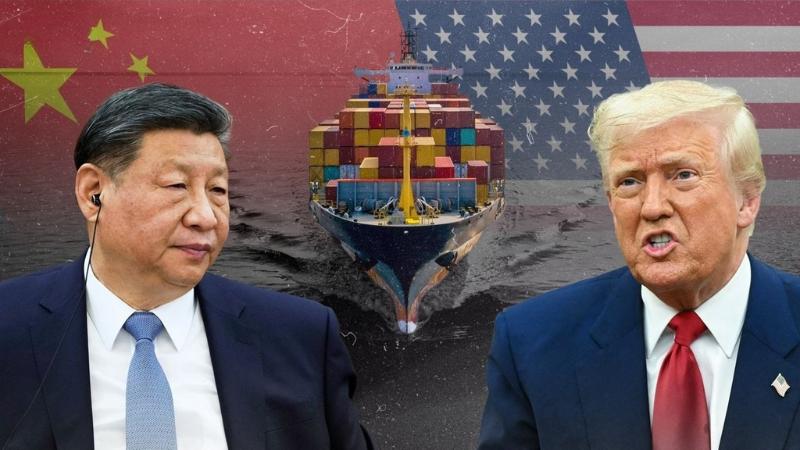
US, China Agree on Trade Truce Framework Amid Export Curbs
The United States and China have reached a preliminary framework agreement to revive their stalled trade truce, aiming to ease export curbs and avoid a looming tariff escalation. Following two days of high-stakes negotiations in London, both sides announced they had come to terms on steps to lift restrictions on China's rare earth mineral exports and to roll back recent U.S. controls on advanced technology goods, including semiconductor software.
US, China Agree on Trade Truce Framework Amid Export Curbs
The United States and China have reached a preliminary framework agreement to revive their stalled trade truce, aiming to ease export curbs and avoid a looming tariff escalation. Following two days of high-stakes negotiations in London, both sides announced they had come to terms on steps to lift restrictions on China's rare earth mineral exports and to roll back recent U.S. controls on advanced technology goods, including semiconductor software.










