#ritabratabanerjee
TMC Faces Major Rebellion After Assembly Loss, Mamata Banerjee’s Grip Weakens
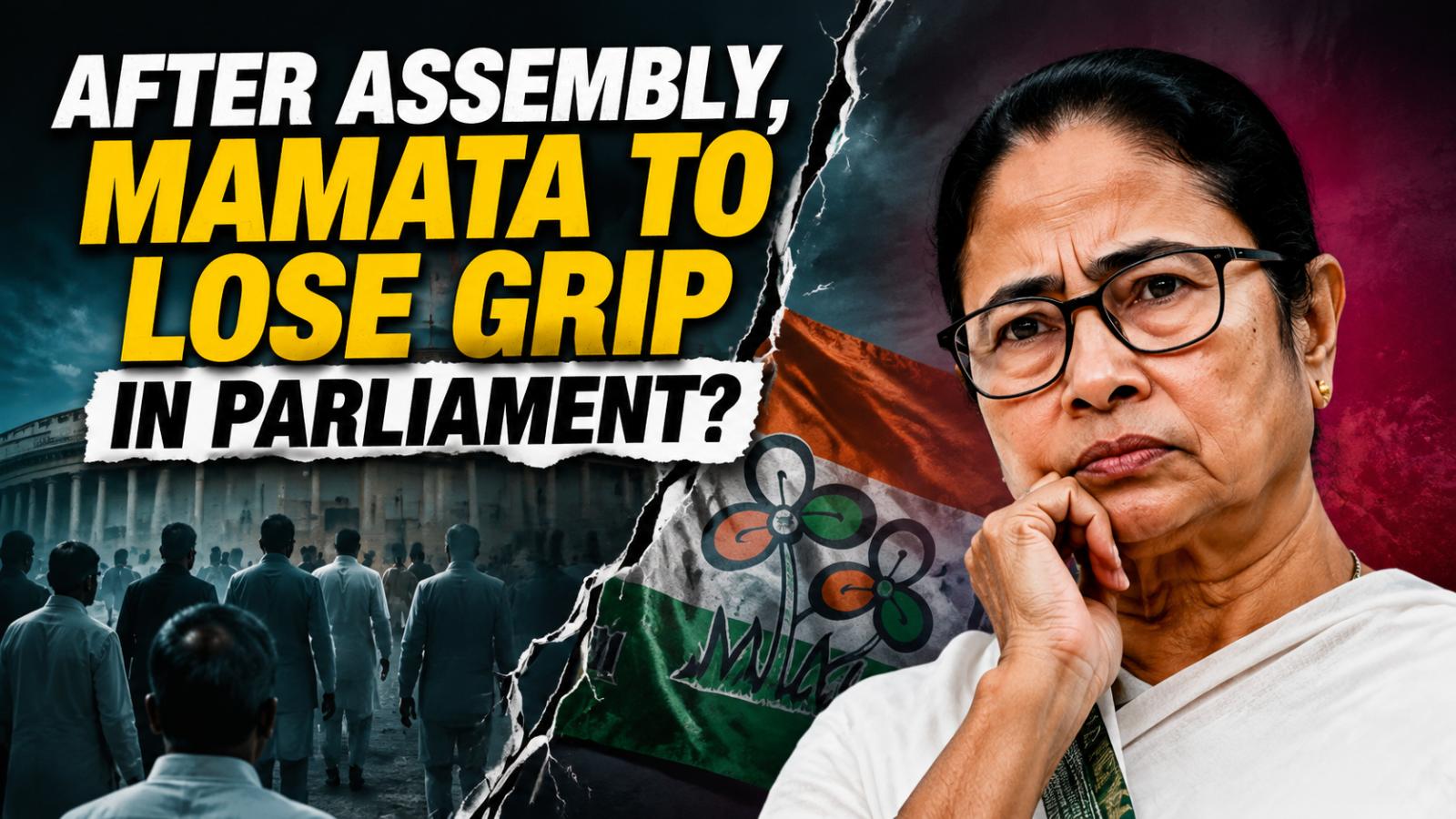
TMC Reels After Assembly Setback The Trinamool Congress is in turmoil following a crushing defeat in West Bengal’s Assembly elections. Over 58 of the 80 MLAs have rebelled, appointing expelled leader Ritabrata Banerjee as the Leader of Opposition, signaling a split in the party’s legislative wing. The crisis has now escalated to the national level, with nearly 20 TMC Lok Sabha MPs moving to New Delhi, r
TMC Faces Major Rebellion After Assembly Loss, Mamata Banerjee’s Grip Weakens
TMC Reels After Assembly Setback The Trinamool Congress is in turmoil following a crushing defeat in West Bengal’s Assembly elections. Over 58 of the 80 MLAs have rebelled, appointing expelled leader Ritabrata Banerjee as the Leader of Opposition, signaling a split in the party’s legislative wing. The crisis has now escalated to the national level, with nearly 20 TMC Lok Sabha MPs moving to New Delhi, r
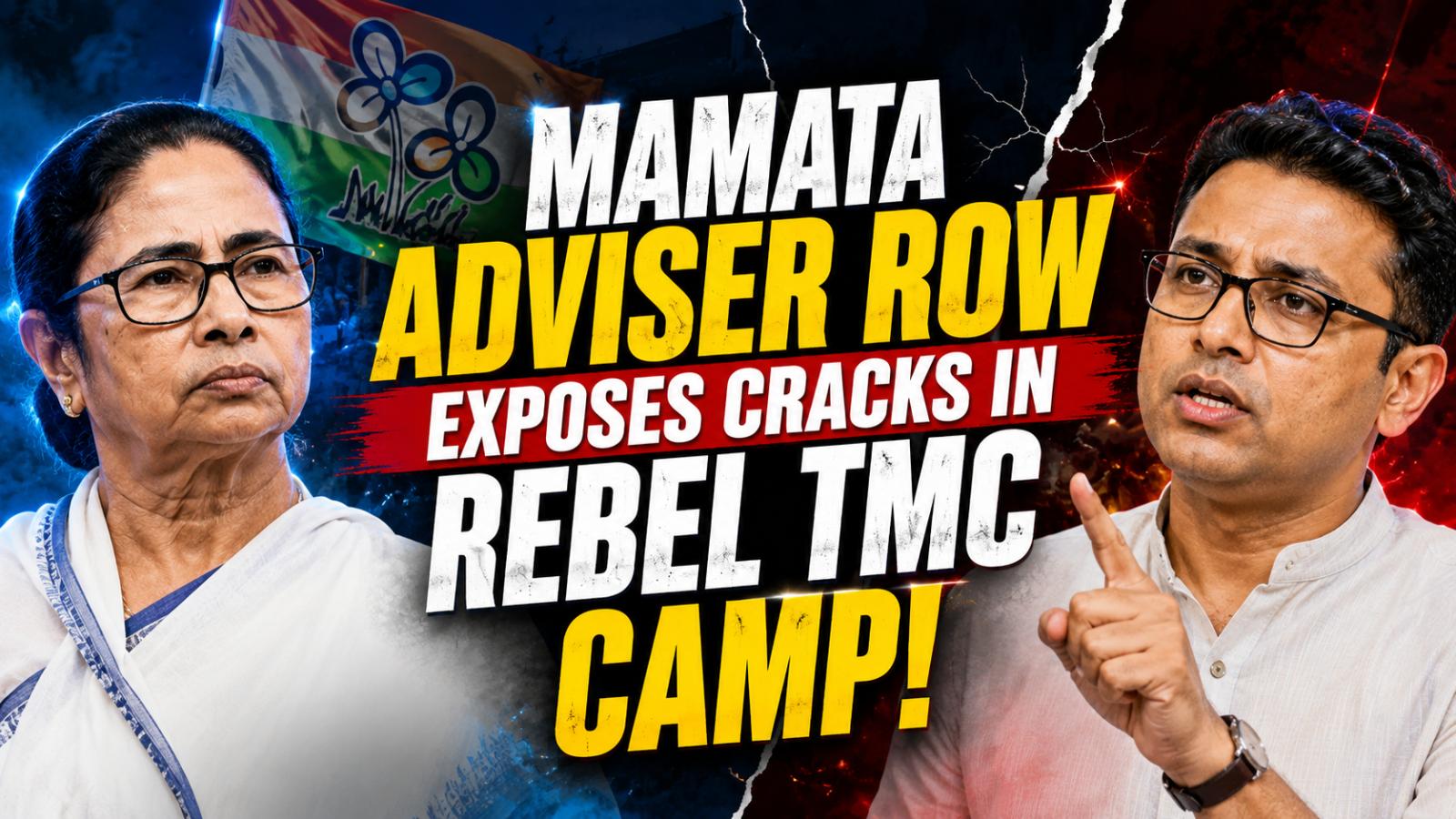
Mamata Banerjee Adviser Row Exposes Cracks In Rebel TMC Camp
Less than 48 hours after 60 rebel MLAs took control of the Trinamool Congress legislature party by defying party chief Mamata Banerjee, signs of internal trouble have begun to surface within the Ritabrata Banerjee-led camp. The disagreement is centred on Mamata Banerjee’s future role in the party and whether she should remain the supreme leader or be limited to the position of a chief adviser. Ritabrata Banerjee, who has now been recognised as the Leader of the Opposition, had said that the rebel group did not intend to split the Trinamool Congress. In their letter to the Assembly Speaker, the rebel MLAs reportedly mentioned Mamata Banerjee as the party chief. However, Ritabrata’s public suggestion that Mamata should serve as a “chief adviser” to the opposition front has created unease among several MLAs who still owe their political loyalty to her. The rebellion inside the TMC was not entirely directed against Mamata Banerjee herself. According to the developments emerging from the rebel camp, much of the anger among MLAs was aimed at Abhishek Banerjee, Mamata’s nephew and the party’s de facto number two. Several rebel leaders were reportedly unhappy with his leadership style and the growing perception that decision-making within the party had become increasingly centralised around him. The tensions deepened after the controversy known as “Signgate”, in which some Trinamool MLAs alleged that their signatures had been forged in a letter supporting Sobhandeb Chattopadhyay as Leader of the Opposition. That episode appears to have intensified resentment within the party and pushed several MLAs toward the rebel bloc. However, their rebellion against the current party structure has not translated into a complete rejection of Mamata Banerjee’s leadership. Several MLAs in the Ritabrata-led camp continue to see Mamata as the central figure of the Trinamool Congress. Rebel MLA Gulshan Mullick said that they had been told the party would continue under Mamata’s leadership and that she could not be treated merely as an adviser. He warned that if Mamata was not accepted as the supreme leader, some MLAs might reconsider whether they should remain in the rebel bloc. Sitai MLA Sangeeta Roy Basunia also rejected the idea of Mamata being shifted into an advisory role. She said Mamata Banerjee remained their supreme leader and could not be reduced to an adviser. These statements have exposed the first major challenge for Ritabrata Banerjee after taking charge as Leader of the Opposition. Ritabrata Bloc Faces Its First Big Political Test The dispute highlights the contradiction at the heart of the rebellion. On one hand, the MLAs have challenged the party’s existing leadership structure and defied Mamata Banerjee’s directions. On the other hand, many of them are unwilling to abandon their political and emotional association with the leader who founded the Trinamool Congress after breaking away from the Congress in 1998. This contradiction could become difficult for the rebel bloc to manage. If the group continues to project Mamata as its leader while acting against her instructions, it may struggle to build a clear political identity. At the same time, if Ritabrata attempts to sideline Mamata completely, he risks losing MLAs who joined the rebellion mainly out of anger against Abhishek Banerjee and the internal functioning of the party, not against Mamata herself. The Trinamool Congress has always been closely identified with Mamata Banerjee’s personality, leadership style and mass appeal. Unlike some other regional parties where factional battles are driven by ideology, caste equations or leadership succession, the current TMC crisis appears more rooted in internal control, authority and resentment over the party’s power structure. That makes Mamata’s role even more sensitive. Political observers believe the rebel bloc may face further instability if Ritabrata Banerjee fails to clearly define Mamata Banerjee’s position. If he accepts her as the supreme leader, the rebellion may appear incomplete. If he rejects her authority, the bloc could lose MLAs who still depend on Mamata’s image and legacy for political legitimacy. For now, Mamata Banerjee remains the biggest unifying force within the Trinamool Congress, even among those who have rebelled against the party leadership. The developments show that Ritabrata Banerjee’s biggest challenge may not be defeating the ruling side inside the Assembly, but keeping his own rebel camp together. The coming days will decide whether the bloc survives as a serious political force or begins to break apart under the weight of its own contradictions.
Mamata Banerjee Adviser Row Exposes Cracks In Rebel TMC Camp
Less than 48 hours after 60 rebel MLAs took control of the Trinamool Congress legislature party by defying party chief Mamata Banerjee, signs of internal trouble have begun to surface within the Ritabrata Banerjee-led camp. The disagreement is centred on Mamata Banerjee’s future role in the party and whether she should remain the supreme leader or be limited to the position of a chief adviser. Ritabrata Banerjee, who has now been recognised as the Leader of the Opposition, had said that the rebel group did not intend to split the Trinamool Congress. In their letter to the Assembly Speaker, the rebel MLAs reportedly mentioned Mamata Banerjee as the party chief. However, Ritabrata’s public suggestion that Mamata should serve as a “chief adviser” to the opposition front has created unease among several MLAs who still owe their political loyalty to her. The rebellion inside the TMC was not entirely directed against Mamata Banerjee herself. According to the developments emerging from the rebel camp, much of the anger among MLAs was aimed at Abhishek Banerjee, Mamata’s nephew and the party’s de facto number two. Several rebel leaders were reportedly unhappy with his leadership style and the growing perception that decision-making within the party had become increasingly centralised around him. The tensions deepened after the controversy known as “Signgate”, in which some Trinamool MLAs alleged that their signatures had been forged in a letter supporting Sobhandeb Chattopadhyay as Leader of the Opposition. That episode appears to have intensified resentment within the party and pushed several MLAs toward the rebel bloc. However, their rebellion against the current party structure has not translated into a complete rejection of Mamata Banerjee’s leadership. Several MLAs in the Ritabrata-led camp continue to see Mamata as the central figure of the Trinamool Congress. Rebel MLA Gulshan Mullick said that they had been told the party would continue under Mamata’s leadership and that she could not be treated merely as an adviser. He warned that if Mamata was not accepted as the supreme leader, some MLAs might reconsider whether they should remain in the rebel bloc. Sitai MLA Sangeeta Roy Basunia also rejected the idea of Mamata being shifted into an advisory role. She said Mamata Banerjee remained their supreme leader and could not be reduced to an adviser. These statements have exposed the first major challenge for Ritabrata Banerjee after taking charge as Leader of the Opposition. Ritabrata Bloc Faces Its First Big Political Test The dispute highlights the contradiction at the heart of the rebellion. On one hand, the MLAs have challenged the party’s existing leadership structure and defied Mamata Banerjee’s directions. On the other hand, many of them are unwilling to abandon their political and emotional association with the leader who founded the Trinamool Congress after breaking away from the Congress in 1998. This contradiction could become difficult for the rebel bloc to manage. If the group continues to project Mamata as its leader while acting against her instructions, it may struggle to build a clear political identity. At the same time, if Ritabrata attempts to sideline Mamata completely, he risks losing MLAs who joined the rebellion mainly out of anger against Abhishek Banerjee and the internal functioning of the party, not against Mamata herself. The Trinamool Congress has always been closely identified with Mamata Banerjee’s personality, leadership style and mass appeal. Unlike some other regional parties where factional battles are driven by ideology, caste equations or leadership succession, the current TMC crisis appears more rooted in internal control, authority and resentment over the party’s power structure. That makes Mamata’s role even more sensitive. Political observers believe the rebel bloc may face further instability if Ritabrata Banerjee fails to clearly define Mamata Banerjee’s position. If he accepts her as the supreme leader, the rebellion may appear incomplete. If he rejects her authority, the bloc could lose MLAs who still depend on Mamata’s image and legacy for political legitimacy. For now, Mamata Banerjee remains the biggest unifying force within the Trinamool Congress, even among those who have rebelled against the party leadership. The developments show that Ritabrata Banerjee’s biggest challenge may not be defeating the ruling side inside the Assembly, but keeping his own rebel camp together. The coming days will decide whether the bloc survives as a serious political force or begins to break apart under the weight of its own contradictions.