#ruleoflaw
MEA Official Responds To Press Freedom Question During Modi Oslo Visit
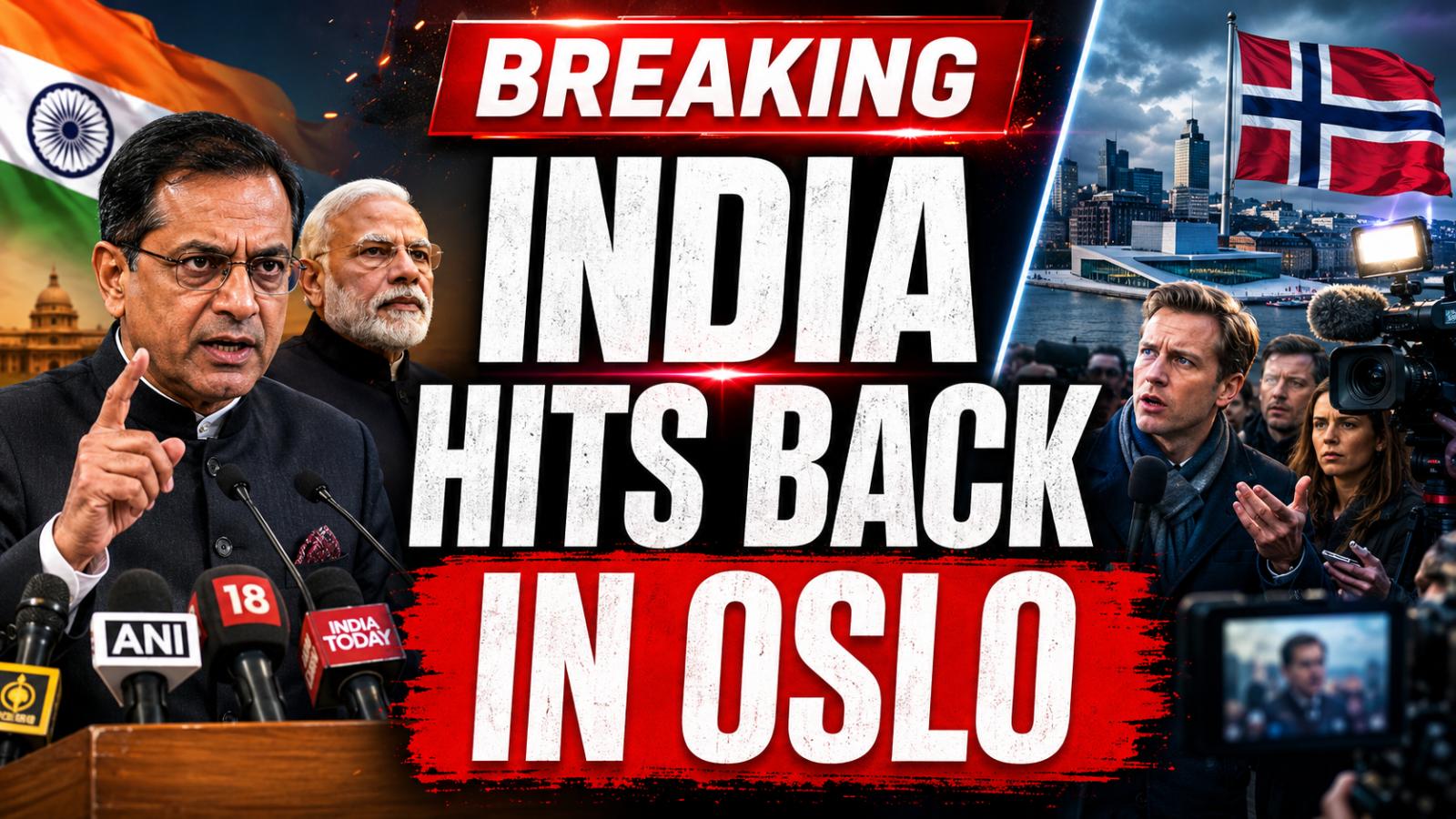
MEA Responds To Trust Question In Oslo India’s Ministry of External Affairs responded strongly during a press briefing in Oslo after a Norwegian journalist questioned why India should be trusted and why Prime Minister Narendra Modi does not take questions from the press. MEA Secretary West Sibi George answered by defending India’s democratic institutions, constitutional protections, media environment and record on human
MEA Official Responds To Press Freedom Question During Modi Oslo Visit
MEA Responds To Trust Question In Oslo India’s Ministry of External Affairs responded strongly during a press briefing in Oslo after a Norwegian journalist questioned why India should be trusted and why Prime Minister Narendra Modi does not take questions from the press. MEA Secretary West Sibi George answered by defending India’s democratic institutions, constitutional protections, media environment and record on human
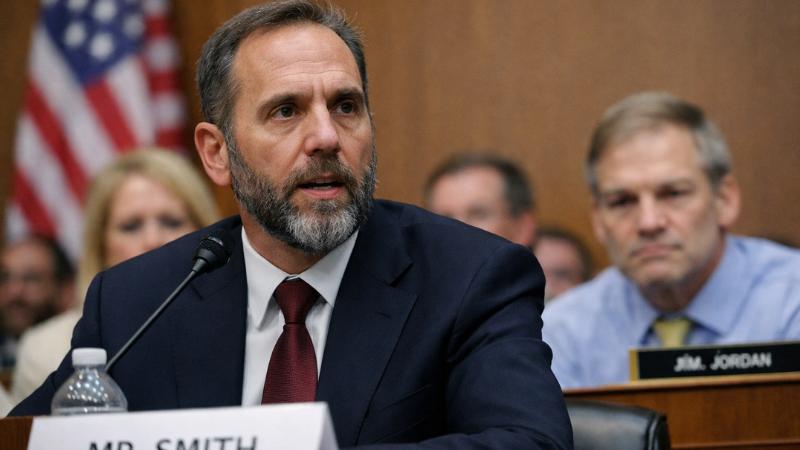
Jack Smith warns of threats to democracy in testimony on Trump cases
Former special counsel Jack Smith appeared publicly before the House Judiciary Committee on Thursday, offering a stark assessment of the state of American democracy and sharply criticizing actions taken by President Donald Trump following his return to office. Smith, who previously led two federal prosecutions involving Trump, warned lawmakers that the failure to impose accountability for attempts to overturn the 2020 presidential election could have lasting and potentially catastrophic consequences. In his testimony, Smith said ongoing threats to US democracy remain unresolved because efforts to challenge the legitimacy of the 2020 election were never fully adjudicated in court. He described the conduct he investigated as criminal in nature and argued that the absence of accountability risks normalizing behavior that undermines constitutional processes. Smith’s remarks framed his past investigations as necessary safeguards rather than political actions, emphasizing that the justice system has a responsibility to confront efforts to subvert lawful elections. Republican lawmakers on the committee rejected that characterization. Chairman Jim Jordan accused Smith and other officials of pursuing Trump through prosecutions, impeachments, and investigations driven by partisan motives. Jordan argued that the cases reflected an effort to “get” Trump rather than a neutral application of the law, a claim Smith disputed during the hearing by reiterating that prosecutorial decisions were based on evidence and legal standards. Smith also delivered pointed criticism of Trump’s decision to issue mass pardons to individuals charged in connection with the January 6, 2021 attack on the US Capitol. On his first day back in office, Trump granted clemency to all defendants in the case, including hundreds who were accused or convicted of assaulting law enforcement officers. Smith said he could not understand why anyone would pardon individuals who attacked police officers, noting that at least 140 officers were injured during the violence, with some requiring hospitalization. He described the officers who defended the Capitol as heroes and said pardoning their attackers sends troubling signals about respect for law enforcement. The hearing also revisited unresolved issues surrounding Smith’s investigation into Trump’s handling of classified documents. Democratic members highlighted limits on Smith’s ability to discuss the findings of that probe due to a court order issued by Aileen Cannon, who presided over the case. Smith explained that the order restricts the Justice Department from releasing or discussing details from his final report while related matters were pending. Under questioning from Vermont Representative Becca Balint, Smith confirmed that the order was imposed when charges against two Trump employees were still active. Those cases were later dismissed by the Justice Department under the Trump administration. Although advocacy groups and media organizations have sought the release of the classified documents report, Cannon ruled in late December that it would remain sealed for now, with a provision allowing limited disclosure beginning in February. Trump has since requested that the restriction be made permanent. Smith’s testimony underscored deep divisions in Washington over accountability, the rule of law, and the legacy of January 6. While Republicans framed the investigations as political overreach, Smith maintained that confronting efforts to overturn an election is essential to preserving democratic institutions. His appearance before Congress marked a rare public defense of the prosecutions he led and a renewed warning that unresolved challenges to democratic norms continue to pose serious risks to the nation.
Jack Smith warns of threats to democracy in testimony on Trump cases
Former special counsel Jack Smith appeared publicly before the House Judiciary Committee on Thursday, offering a stark assessment of the state of American democracy and sharply criticizing actions taken by President Donald Trump following his return to office. Smith, who previously led two federal prosecutions involving Trump, warned lawmakers that the failure to impose accountability for attempts to overturn the 2020 presidential election could have lasting and potentially catastrophic consequences. In his testimony, Smith said ongoing threats to US democracy remain unresolved because efforts to challenge the legitimacy of the 2020 election were never fully adjudicated in court. He described the conduct he investigated as criminal in nature and argued that the absence of accountability risks normalizing behavior that undermines constitutional processes. Smith’s remarks framed his past investigations as necessary safeguards rather than political actions, emphasizing that the justice system has a responsibility to confront efforts to subvert lawful elections. Republican lawmakers on the committee rejected that characterization. Chairman Jim Jordan accused Smith and other officials of pursuing Trump through prosecutions, impeachments, and investigations driven by partisan motives. Jordan argued that the cases reflected an effort to “get” Trump rather than a neutral application of the law, a claim Smith disputed during the hearing by reiterating that prosecutorial decisions were based on evidence and legal standards. Smith also delivered pointed criticism of Trump’s decision to issue mass pardons to individuals charged in connection with the January 6, 2021 attack on the US Capitol. On his first day back in office, Trump granted clemency to all defendants in the case, including hundreds who were accused or convicted of assaulting law enforcement officers. Smith said he could not understand why anyone would pardon individuals who attacked police officers, noting that at least 140 officers were injured during the violence, with some requiring hospitalization. He described the officers who defended the Capitol as heroes and said pardoning their attackers sends troubling signals about respect for law enforcement. The hearing also revisited unresolved issues surrounding Smith’s investigation into Trump’s handling of classified documents. Democratic members highlighted limits on Smith’s ability to discuss the findings of that probe due to a court order issued by Aileen Cannon, who presided over the case. Smith explained that the order restricts the Justice Department from releasing or discussing details from his final report while related matters were pending. Under questioning from Vermont Representative Becca Balint, Smith confirmed that the order was imposed when charges against two Trump employees were still active. Those cases were later dismissed by the Justice Department under the Trump administration. Although advocacy groups and media organizations have sought the release of the classified documents report, Cannon ruled in late December that it would remain sealed for now, with a provision allowing limited disclosure beginning in February. Trump has since requested that the restriction be made permanent. Smith’s testimony underscored deep divisions in Washington over accountability, the rule of law, and the legacy of January 6. While Republicans framed the investigations as political overreach, Smith maintained that confronting efforts to overturn an election is essential to preserving democratic institutions. His appearance before Congress marked a rare public defense of the prosecutions he led and a renewed warning that unresolved challenges to democratic norms continue to pose serious risks to the nation.
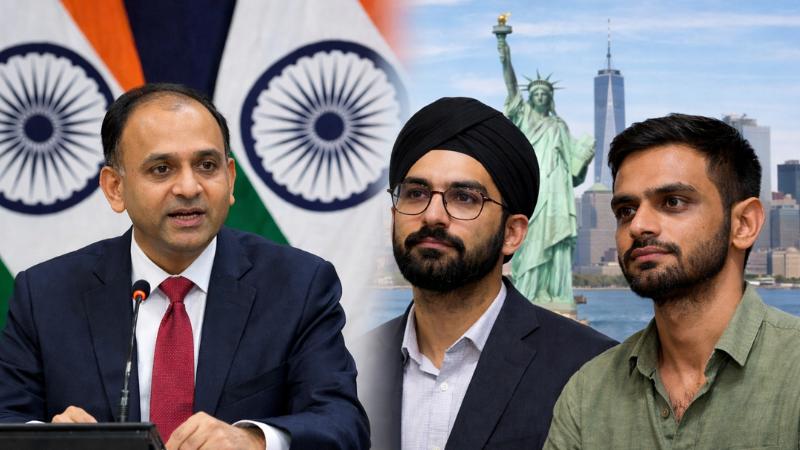
India rebukes New York mayor’s note to Umar Khalid, stresses judicial independence
India on Friday issued a firm response to a message written by Zohran Mamdani, stating that elected representatives in democracies should respect the independence of judicial institutions in other countries and refrain from commenting on ongoing legal matters. The reaction followed the circulation of a handwritten note addressed to jailed activist Umar Khalid, who is accused in connection with the 2020 Delhi riots case. At a regular press briefing, the Ministry of External Affairs underscored that public office carries responsibilities that require restraint, particularly on sensitive judicial issues. Responding to questions on the matter, Randhir Jaiswal, spokesperson for the Ministry of External Affairs, said India expects public representatives to be respectful of the independence of the judiciary in other democracies. He added that expressing personal views or prejudices on such matters does not befit those holding public office and that attention should instead remain on the duties entrusted to them by their constituents. The remarks came after a photograph of the note written by Mamdani was shared publicly by a close associate of Khalid. The message, written on the day Mamdani was ceremonially sworn in as mayor of New York City, conveyed personal sentiments and support for Khalid. According to those familiar with the interaction, the note was handed to Khalid’s parents during their visit to the United States in December 2025. The development has drawn attention in India amid ongoing legal proceedings related to the violence that erupted in parts of the national capital in February 2020. Earlier this month, the Supreme Court of India declined to grant bail to Umar Khalid and Sharjeel Imam, observing that the two stood on a qualitatively different footing compared with other accused, given the nature of the allegations and the evidence cited by the prosecution. In the same order, the apex court granted bail to several other accused, including Gulfisha Fatima, Meeran Haider, Shifa Ur Rehman, Mohd Saleem Khan and Shadab Ahmad, noting that their alleged roles appeared limited in scope. The court, however, made it clear that similar relief could not be extended to Khalid and Imam at this stage. Officials indicated that India’s response was rooted in principle rather than politics, emphasizing the need for mutual respect among democratic institutions across borders. The government maintained that judicial processes in India are governed by law and evidence, and external commentary by foreign public figures on active cases is neither appropriate nor constructive. The episode has also highlighted the sensitivities surrounding international commentary on domestic legal matters, particularly in high-profile cases. Indian officials reiterated that while democratic societies value free expression, elected representatives are expected to exercise caution and uphold the norms of diplomatic and institutional respect when addressing issues beyond their jurisdiction.
India rebukes New York mayor’s note to Umar Khalid, stresses judicial independence
India on Friday issued a firm response to a message written by Zohran Mamdani, stating that elected representatives in democracies should respect the independence of judicial institutions in other countries and refrain from commenting on ongoing legal matters. The reaction followed the circulation of a handwritten note addressed to jailed activist Umar Khalid, who is accused in connection with the 2020 Delhi riots case. At a regular press briefing, the Ministry of External Affairs underscored that public office carries responsibilities that require restraint, particularly on sensitive judicial issues. Responding to questions on the matter, Randhir Jaiswal, spokesperson for the Ministry of External Affairs, said India expects public representatives to be respectful of the independence of the judiciary in other democracies. He added that expressing personal views or prejudices on such matters does not befit those holding public office and that attention should instead remain on the duties entrusted to them by their constituents. The remarks came after a photograph of the note written by Mamdani was shared publicly by a close associate of Khalid. The message, written on the day Mamdani was ceremonially sworn in as mayor of New York City, conveyed personal sentiments and support for Khalid. According to those familiar with the interaction, the note was handed to Khalid’s parents during their visit to the United States in December 2025. The development has drawn attention in India amid ongoing legal proceedings related to the violence that erupted in parts of the national capital in February 2020. Earlier this month, the Supreme Court of India declined to grant bail to Umar Khalid and Sharjeel Imam, observing that the two stood on a qualitatively different footing compared with other accused, given the nature of the allegations and the evidence cited by the prosecution. In the same order, the apex court granted bail to several other accused, including Gulfisha Fatima, Meeran Haider, Shifa Ur Rehman, Mohd Saleem Khan and Shadab Ahmad, noting that their alleged roles appeared limited in scope. The court, however, made it clear that similar relief could not be extended to Khalid and Imam at this stage. Officials indicated that India’s response was rooted in principle rather than politics, emphasizing the need for mutual respect among democratic institutions across borders. The government maintained that judicial processes in India are governed by law and evidence, and external commentary by foreign public figures on active cases is neither appropriate nor constructive. The episode has also highlighted the sensitivities surrounding international commentary on domestic legal matters, particularly in high-profile cases. Indian officials reiterated that while democratic societies value free expression, elected representatives are expected to exercise caution and uphold the norms of diplomatic and institutional respect when addressing issues beyond their jurisdiction.