



















Ajit Doval’s reported deep-cover operations are widely regarded as a study in psychological resilience rather than physical confrontation. Operating within hostile environments, including extended periods in Pakistan, his work required a high degree of composure, adaptability, and continuous situational awareness. Public discussions often reference cities such as Lahore, though specific operational details remain classified. The available accounts suggest that Doval functioned under an assu
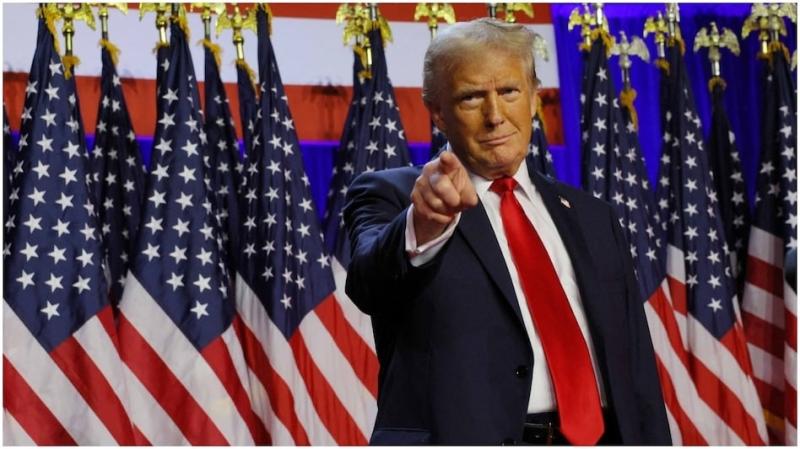
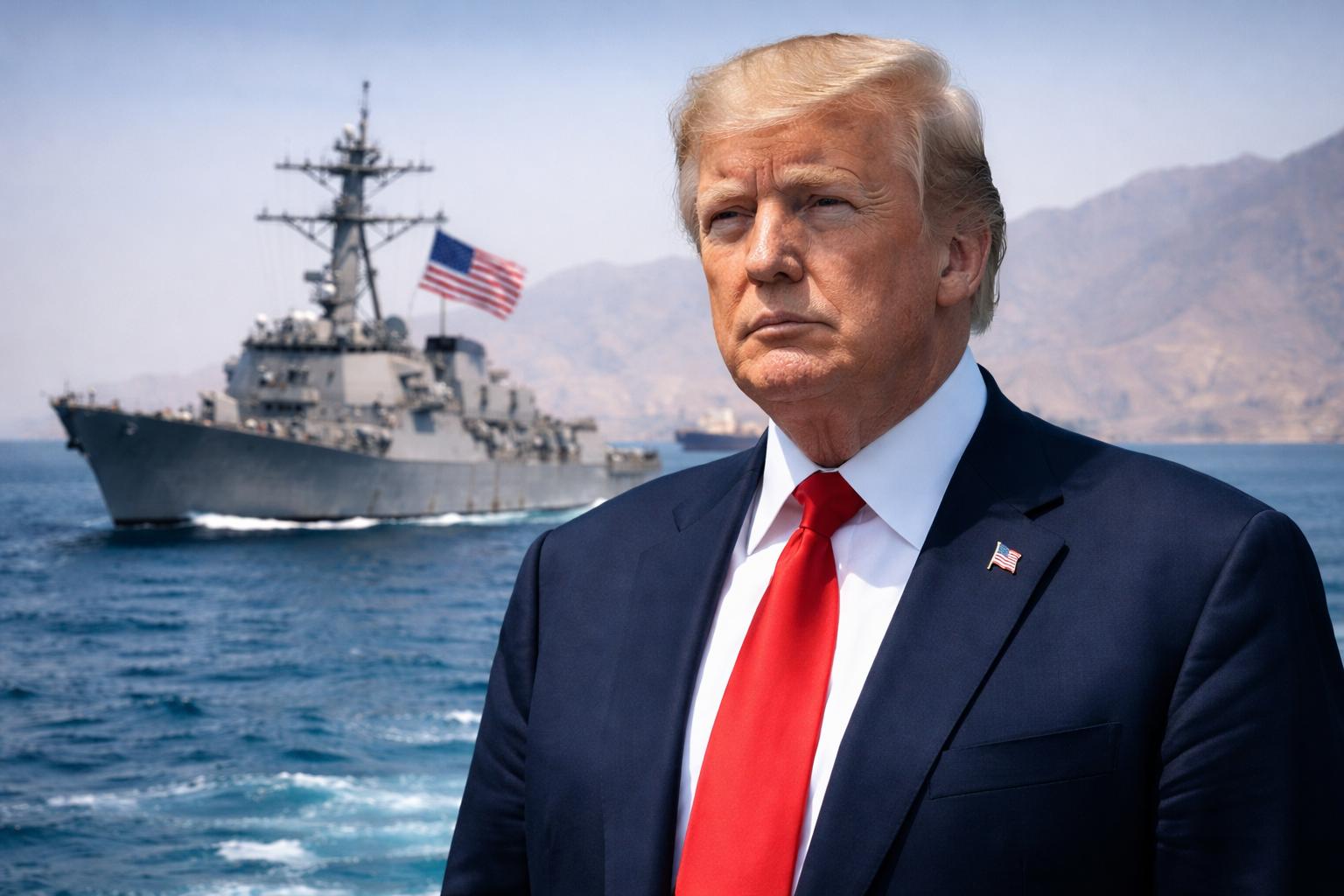
U.S. President Donald Trump said the United States will continue its naval blockade targeting Iran, even after the Strait of Hormuz was reopened for commercial passage. The statement underscores that the broader conflict involving the United States, Iran, and Israel remains unresolved. In a public message, Trump acknowledged Iran’s move to reopen the strategic waterway, a critical route
Israel’s parliament approved a controversial law introducing the death penalty for certain Palestinians convicted of killing Israelis during a session held in Jerusalem on Monday, March 30, 2026. The legislation marks a significant shift in Israel’s legal framework for handling security-related offenses and reflects a long-standing push by far-right leaders to impose stricter punishments for attacks described as terrorism. Prime Minister Benjamin Netanyahu attended the vote in person and
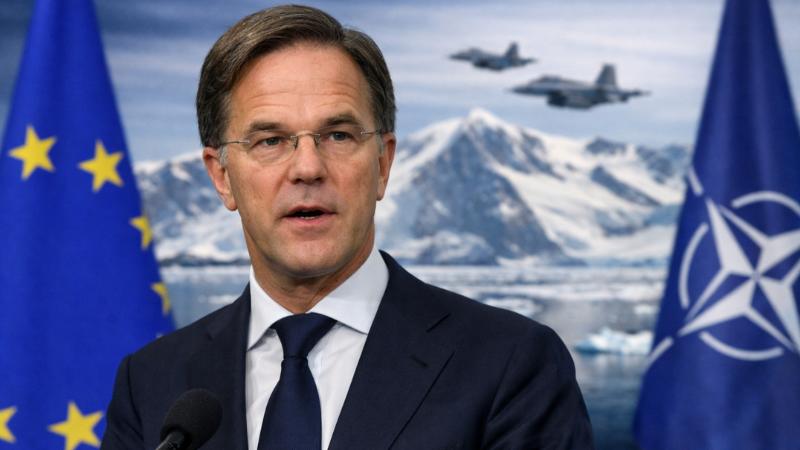
NATO Secretary General Mark Rutte has reiterated that Europe remains fundamentally dependent on the United States for its collective defense, pushing back against any notion that the continent could independently guarantee its security. Speaking to lawmakers at the European Parliament on Monday, Rutte emphasized that the transatlantic alliance remains indispensable at a time of rising geopolitical uncertainty and renewed debate over Europe’s military capabilities. Rutte’s remark
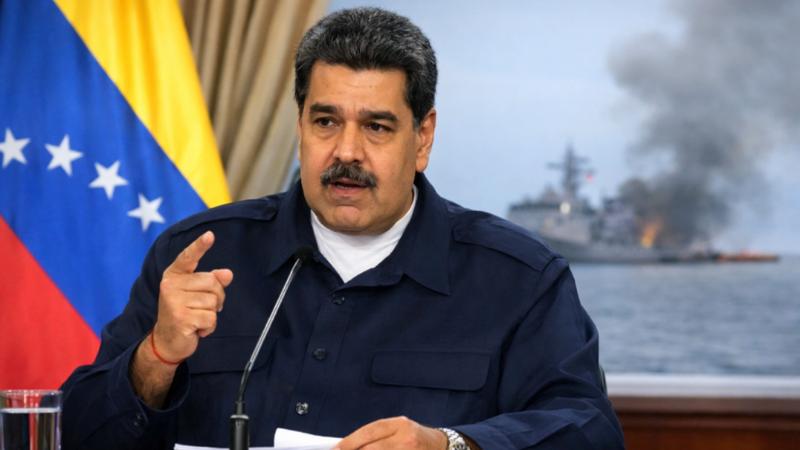
Ve