


















#selfawareness
The power of asking what am I: a path to conscious self-growth
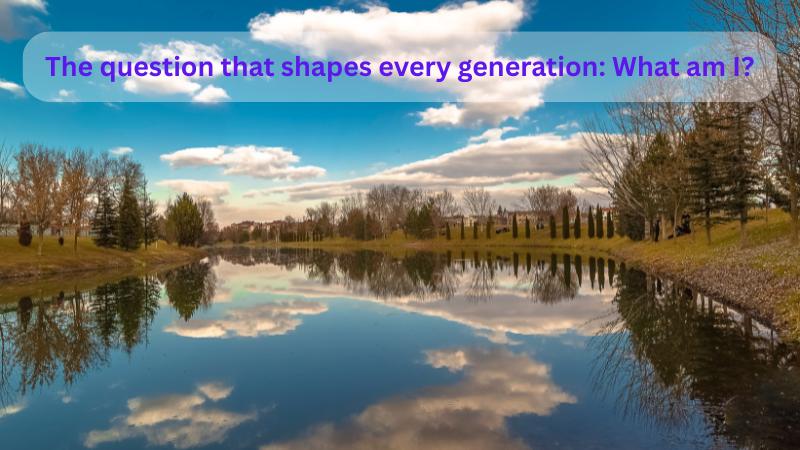
Across generations, people have pondered the question “Who am I?”—a timeless search for identity and meaning. Yet, before reaching that philosophical depth, there lies another, more practical and equally transformative question: “What am I?” This question, when asked sincerely, helps individuals evaluate their roles, responsibilities, and contributions at every stage of life. It transforms self-understanding into conscious action. The process of questioning “What am I?”
The power of asking what am I: a path to conscious self-growth
Across generations, people have pondered the question “Who am I?”—a timeless search for identity and meaning. Yet, before reaching that philosophical depth, there lies another, more practical and equally transformative question: “What am I?” This question, when asked sincerely, helps individuals evaluate their roles, responsibilities, and contributions at every stage of life. It transforms self-understanding into conscious action. The process of questioning “What am I?”
When sympathy hurts: The emotional fine line between care and courage
Sympathy is often seen as a natural and noble human response to another person’s suffering. Yet, when expressed without awareness, it can unintentionally weaken rather than heal. Emotional experts and counselors emphasize that sympathy, when offered in excess or with the wrong tone, may discourage courage, lower confidence, and create a subtle sense of helplessness. The fine line between genuine empathy and misplaced pity has become increasingly relevant in conversations about mental health
When sympathy hurts: The emotional fine line between care and courage
Sympathy is often seen as a natural and noble human response to another person’s suffering. Yet, when expressed without awareness, it can unintentionally weaken rather than heal. Emotional experts and counselors emphasize that sympathy, when offered in excess or with the wrong tone, may discourage courage, lower confidence, and create a subtle sense of helplessness. The fine line between genuine empathy and misplaced pity has become increasingly relevant in conversations about mental health


