






#semiconductorpolicy
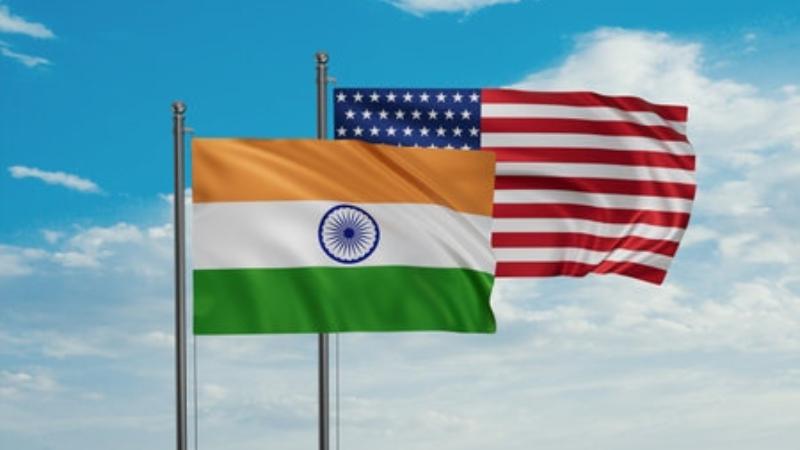
India’s Chip Ambitions: China Offers Lessons and Warnings
India’s effort to build a domestic semiconductor ecosystem is gaining momentum, but China’s experience shows that becoming a major chip power requires more than large investments. Beijing has spent heavily to strengthen manufacturing, attract talent and reduce dependence on foreign technology, yet it still struggles with the world’s most advanced chips. For India, the key lesson is to build its strategy carefully. Chip design, assembly, testing, packaging and legacy semiconduc
India’s Chip Ambitions: China Offers Lessons and Warnings
India’s effort to build a domestic semiconductor ecosystem is gaining momentum, but China’s experience shows that becoming a major chip power requires more than large investments. Beijing has spent heavily to strengthen manufacturing, attract talent and reduce dependence on foreign technology, yet it still struggles with the world’s most advanced chips. For India, the key lesson is to build its strategy carefully. Chip design, assembly, testing, packaging and legacy semiconduc
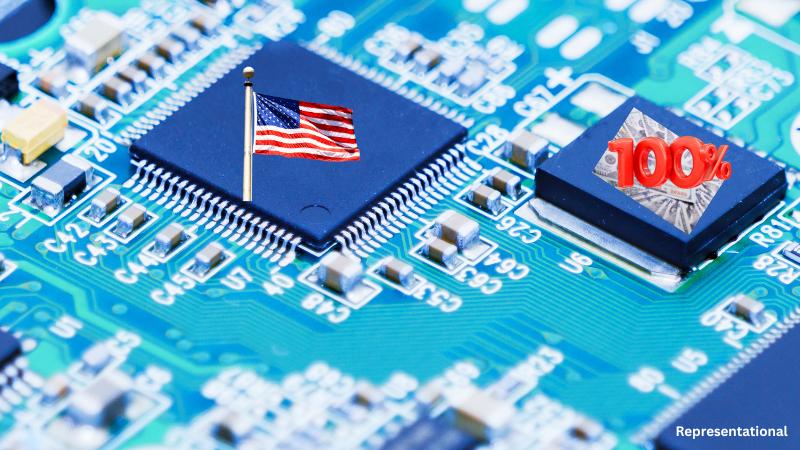
Trump announces 100 percent tariff on imported chips, exempts US-based manufacturers
In a major economic policy move, United States President Donald Trump announced on Wednesday, August 6 (local time), a new plan to impose a sweeping 100 percent tariff on imported computer chips and semiconductors, while providing full exemption for companies that manufacture them within the United States. The decision is seen as a strategic attempt to force global chipmakers to relocate or expand operations within American borders, even at the cost of short-term disruptions and potential inf
Trump announces 100 percent tariff on imported chips, exempts US-based manufacturers
In a major economic policy move, United States President Donald Trump announced on Wednesday, August 6 (local time), a new plan to impose a sweeping 100 percent tariff on imported computer chips and semiconductors, while providing full exemption for companies that manufacture them within the United States. The decision is seen as a strategic attempt to force global chipmakers to relocate or expand operations within American borders, even at the cost of short-term disruptions and potential inf