








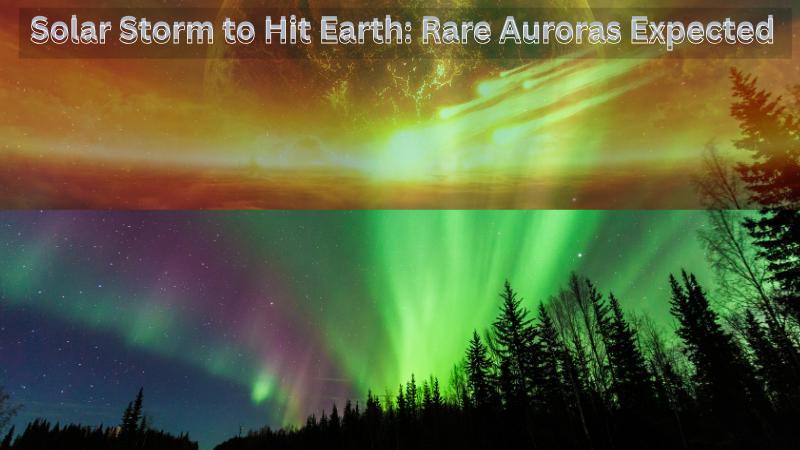











A geomagnetic storm that began Monday evening across the Northern Hemisphere has raised the possibility of a rare sight in the skies over Chicago, with the northern lights potentially visible overnight. The storm was triggered by a Coronal Mass Ejection, or CME, that erupted from the sun over the weekend. This burst of solar particles reached Earth near 5 p.m. EDT on Monday, with the first signs detected at the L1 orbital point about one million miles away from Earth by monitoring satellites.
A rare and powerful space weather event is on its way, as a cannibal coronal mass ejection from the sun is forecast to strike Earth late on Monday, September 1, 2025. Scientists warn that this unusual solar explosion could create a strong geomagnetic storm, bringing both dazzling auroras and potential disruptions to satellites, power grids, and communications. The phenomenon began on August 30 when sunspot region AR 41