

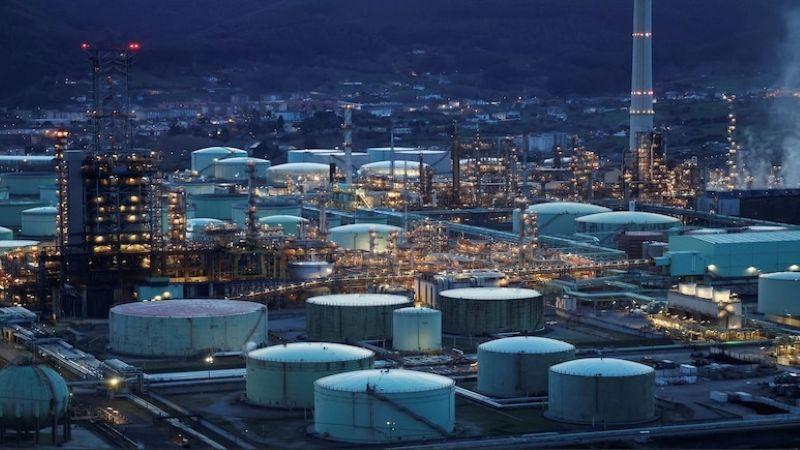
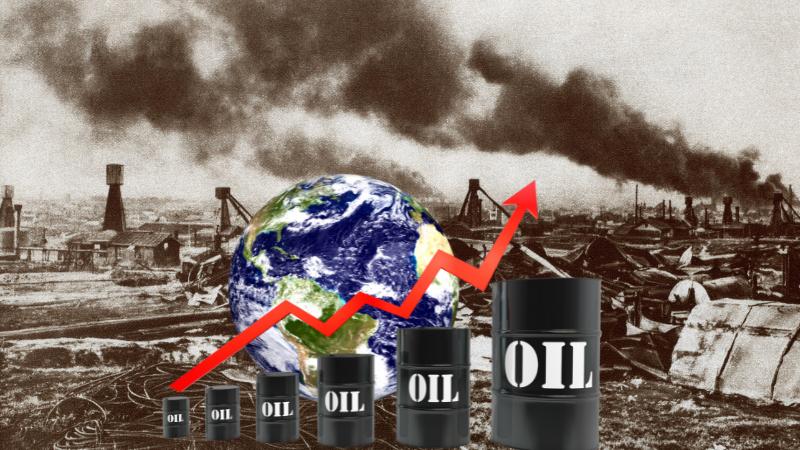












Oil prices jumped to their highest levels in five months while Asian markets tumbled on Monday, following coordinated airstrikes by the United States and Israel on Iran's key nuclear facilities. The escalation has sparked fears of a broader conflict in the Middle East, with particular concern over the potential closure of the Strait of Hormuz a strategic waterway that handles nearly 25 percent of global oil trade and 20 percent of liquefied natural gas mov
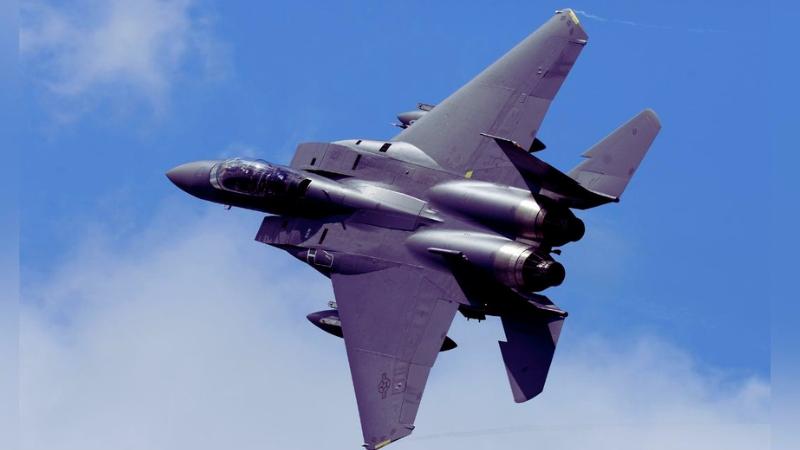
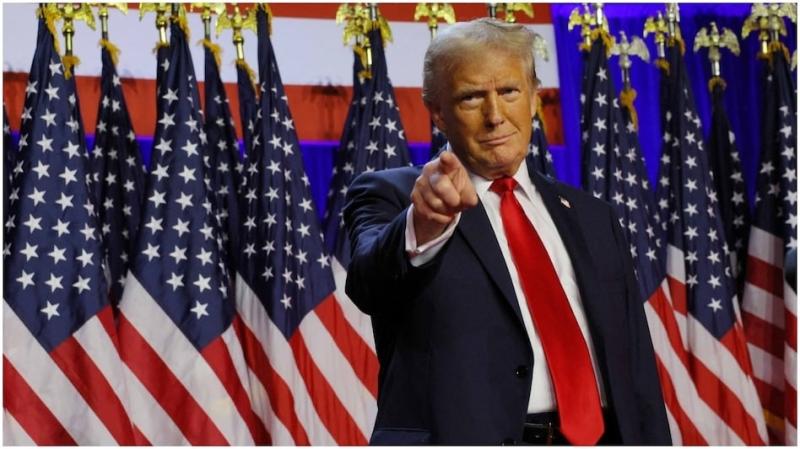
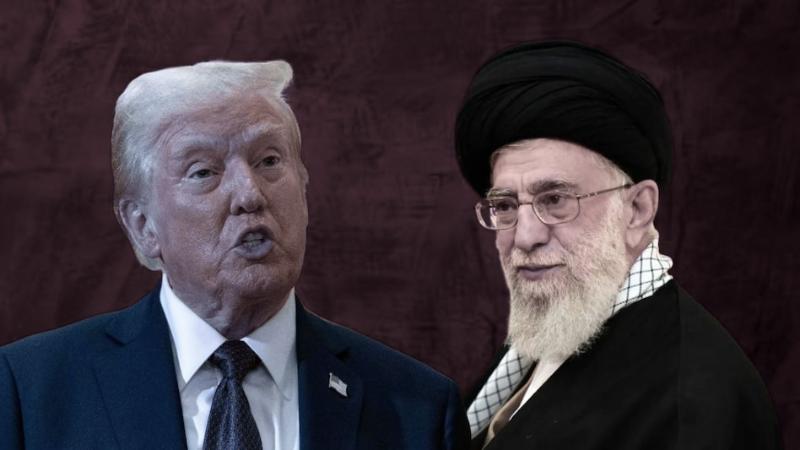
In a dramatic escalation of the Iran-Israel conflict, the United States launched a series of powerful airstrikes targeting Iran’s nuclear facilities at Fordow, Natanz, and Isfahan. President Donald Trump declared it a “spectacular military success,” stating that Iran’s nuclear enrichment capabilities had been “completely and totally obliterated.” This marks the first direct U.S. military action in the ongoing regional standoff
As the Israel-Iran conflict escalates, its effects are rippling beyond diplomacy and military affairs, directly impacting global trade and oil prices. The Strait of Hormuz, a critical maritime passage that connects the Persian Gulf with the Arabian Sea, is once again at the center of attention. In 2023, nearly 21 million barrels of oil passed through the strait daily, representing about 20% of global petroleum liquids consumption. Any disruption in this corridor could cause dramatic shifts in
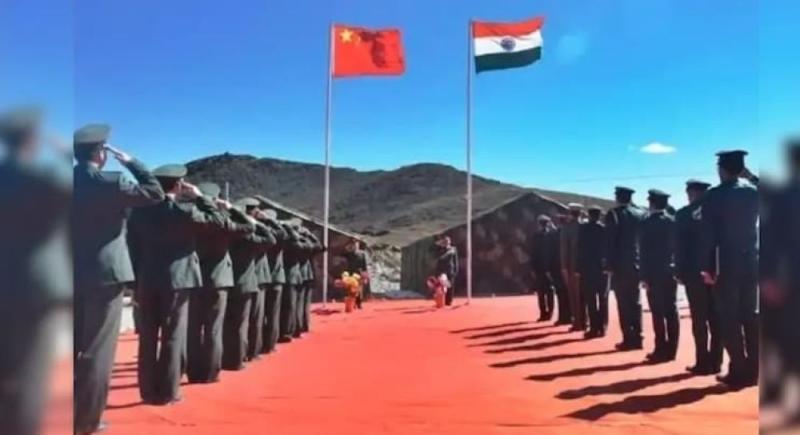
China has announced a 7.2% increase in its defence budget for 2024, raising military spending to $249 billion as the country continues its aggressive modernization efforts amid escalating regional tensions. The budget, which was revealed in a draft report submitted to the National People's Congress (NPC) by Premier Li Qiang, underscores China’s strategic focus on military expansion in the Taiwan Strait, South China Sea, and its border with India. This increase follows China’s
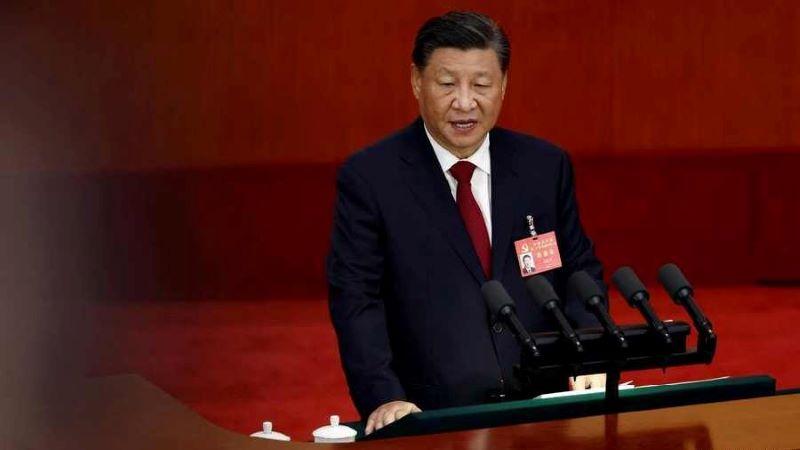
In his New Year's Eve address, Chinese President Xi Jinping reiterated his stance on Taiwan, declaring that "no one can stop the reunification" of Taiwan with mainland China. This declaration comes amidst heightened tensions, as Beijing has intensified military pressure on the island through numerous air force and naval drills in recent years. Taiwan, a democratic nation, stands in contrast to China’s communist government, with Beijing viewing Taiwan as an integral part of