





















As Holi 2026 approaches, there is a growing shift toward eco-friendly celebrations that embrace sustainability without compromising the fun and joy of the festival. Traditionally known for its vibrant colors and exuberant celebrations, Holi has often left behind significant environmental impacts, including water pollution, plastic waste, and chemical residues on skin and streets. However, with increasing environmental concerns, many families are opting for more responsible ways to celebrate.
Andhra Pradesh Chief Minister Chandrababu Naidu has emphasized that Rayalaseema, once known for its dry lands and droughts, is steadily transforming into a fertile region on par with Konaseema. He credited this remarkable shift to large-scale irrigation projects and modern water management practices implemented by his government. Speaking at a high-level review meeting, Naidu said that advanced techniques like drip i
Columbus, Ohio is undergoing a major infrastructure upgrade as construction crews begin installing permeable pavers in 21 neighborhoods throughout the city. This innovative project, part of the Blueprint Columbus initiative, is aimed at tackling two persistent urban challenges: managing rainwater runoff and preventing sanitary sewer overflows. The installation of permeable pavers marks a significant shift toward green infrastructure that supports both public health and environmental sustainab
An innovative deep-sea desalination technology being tested in California could dramatically reshape how the state addresses its chronic water scarcity. Developed by a startup named OceanWell, the system proposes a unique approach to seawater desalination that the company claims is both environmentally safe and scalable. This new method may soon offer a viable, drought-resistant solution to one of California's most persistent environmental challenges. For years, California
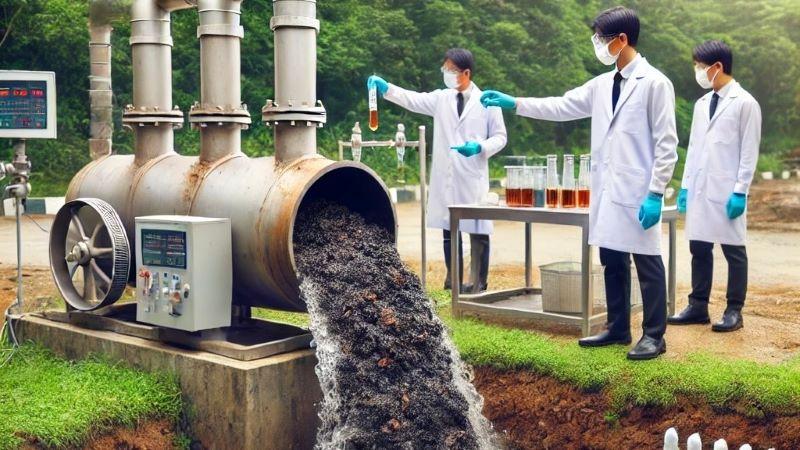
Researchers at IIT Guwahati have developed an innovative, eco-friendly, and low-cost solution to tackle industrial water pollution using biochar derived from fruit waste. This breakthrough, led by Dr. Gopal Das from the Department of Chemistry, uses pineapple crowns and mosambi (sweet lime) fibers to efficiently adsorb toxic chemicals from wastewater. The discovery presents a sustainable alternative to conventional pollution control methods. In their study, published in Chemical Engineeri