




















#t20icricket
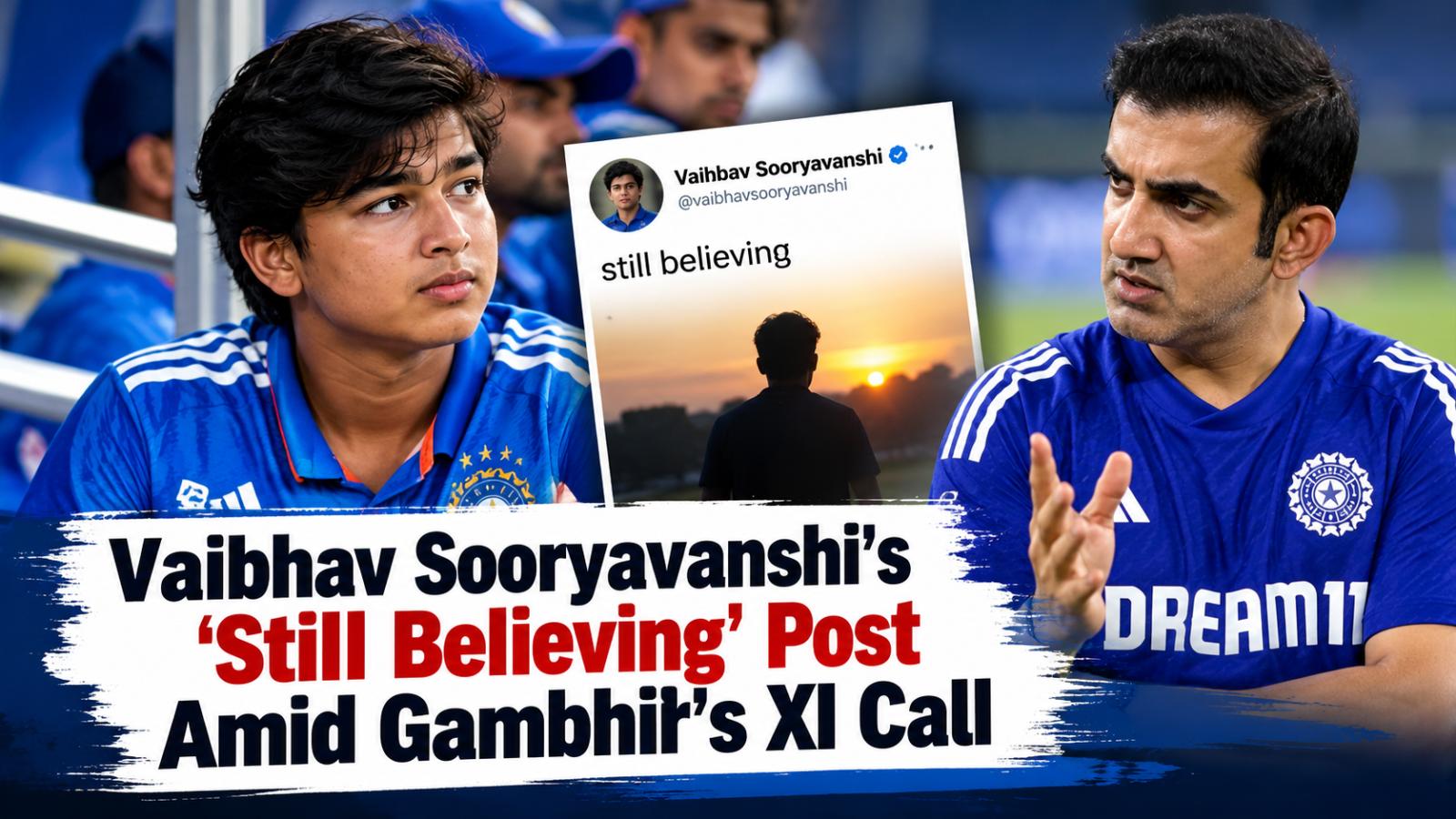
Vaibhav Sooryavanshi's 'still believing' post amid Gambhir's XI call
India's teenage batting sensation Vaibhav Sooryavanshi has sparked fresh discussions about team selection after sharing a cryptic two-word message on social media. The 15-year-old opener, who has yet to feature in the ongoing T20I series against the West Indies, posted "still believing" as head coach Gautam Gambhir continued backing the established opening combination of Sanju Samson and Abhishek Sharma. Sooryavanshi has remained on the bench for all four match
India-Japan T20I: Wide reversal seals dramatic Suzuki Cup win
India survived a remarkable Japan challenge in the one-off T20I in Sano, winning by just two runs after a controversial wide-ball decision was reversed in the final over. The five-over contest ended with India defending 32, but Axar Patel’s last over turned the Suzuki Cup finish into a major talking point. Axar wide call sparks final-over drama Japan entered the final over with a realistic chance of completing a major upset. Axar Patel conceded only one run from his first two deliveries before Alexander Shirai-Patmore attempted a reverse sweep. The bowler then sent down a delivery that umpire Chris Thurgate called wide. A similar delivery followed, and the umpire again initially signalled wide. India protested the second call, leading to a discussion between the officials before it was reversed. That reversal mattered enormously. It removed the extra run and, because the delivery became legal, also denied Japan the additional ball that a wide would normally produce. Japan eventually finished on 30 for three as India escaped with a two-run victory. Reverse sweep rule explains the decision The key issue was not simply that the batter attempted a reverse sweep. Under MCC Law 22, an umpire judges whether the ball passed beyond the batter’s reach for a normal cricket stroke, while also taking the striker’s movement into account. A delivery should not be called wide if the batter’s movement brings it sufficiently within reach. That distinction is important because saying every reverse-sweep attempt automatically removes the possibility of a wide would be inaccurate. ICC regulations have long allowed greater leeway to bowlers when batters switch position or attempt unconventional strokes. Final over becomes match-defining moment The overturned decision immediately changed the equation. Japan still had an opportunity to force a tie or win, but Axar kept the remaining deliveries under control. Had the second wide stood, Japan would have received both an extra run and an extra delivery, making the closing equation significantly easier. Instead, India completed a narrow win in a match that had been reduced to five overs per side. Japan chase gives India a major scare India’s total of 32 proved far less comfortable than expected. Japan stayed in contention throughout the short chase and pushed the match to its final delivery, giving India little margin for error. The result handed India the Suzuki Cup, but the lasting discussion centered on the umpiring reversal rather than the trophy itself. The incident also showed why modern wide-ball interpretations become complicated when batters move across the crease or attempt reverse sweeps and switch hits.
Sanju Samson: resilience, records and redemption in Indian cricket
Sanju Samson’s journey in Indian cricket stands as a story of persistence, talent and resilience. Born in Thiruvananthapuram, Kerala, Samson began his cricketing journey under the close guidance of his father, who left his police job to help nurture his son’s ambitions. Those early sacrifices shaped the foundation of a career that would eventually earn recognition across Indian cricket. Samson first came into national prominence when he represented India at the Under-19 level, serving as vice-captain during the 2014 ICC Under-19 Cricket World Cup. Known for his elegant stroke play and confident batting technique, the young wicketkeeper-batsman quickly became one of the most promising talents to emerge from Kerala. His entry into the Indian Premier League further accelerated his rise. Samson made his IPL debut as a teenager and soon established himself as one of the most exciting young batsmen in the tournament. Over the years, he became a cornerstone of the Rajasthan Royals franchise, eventually being appointed captain of the side. In the IPL, Samson has accumulated more than 3,500 runs and has scored multiple centuries and half-centuries, reflecting his consistency as a top-order batsman. On the international stage, Samson’s career has seen both impressive highs and challenging phases. Intense competition within the Indian team often limited his opportunities, but he continued to work on his game and remained prepared whenever chances appeared. One of the defining moments of his international career came in 2024 when he scored a brilliant T20I century against Bangladesh, reinforcing his reputation as a powerful and stylish batsman. Across formats, Samson’s ability to play aggressive yet elegant cricket has earned him admiration from fans and teammates alike. His leadership with Rajasthan Royals, combined with his performances in domestic and international cricket, has strengthened his standing as one of the most prominent cricketers to emerge from Kerala. Today, Sanju Samson’s journey continues to inspire young players across India. From early sacrifices and youth-level leadership to IPL success and international milestones, his career reflects the determination required to succeed at the highest level of the sport.
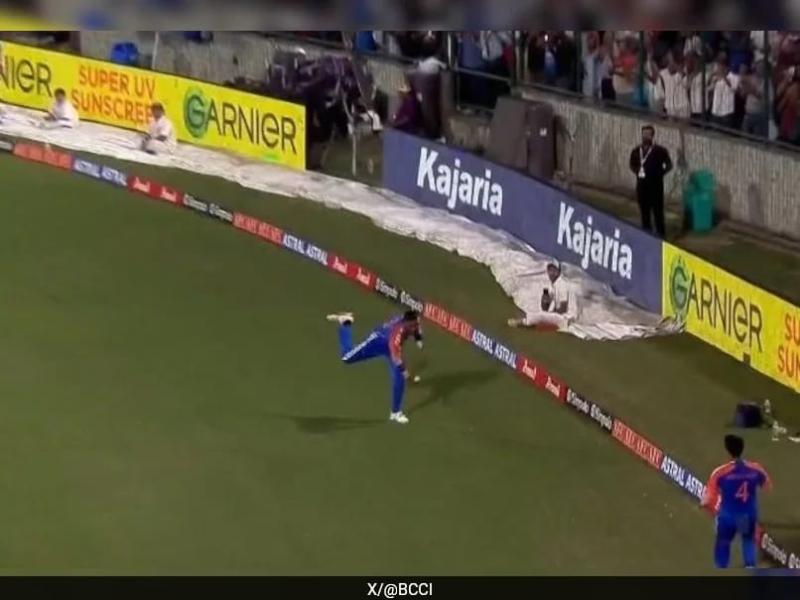
Hardik Pandya Stuns Fans with 'Catch of the Decade' in India vs Bangladesh T20I
Hardik Pandya left cricket fans in awe during the second T20I between India and Bangladesh with a jaw-dropping catch that has been hailed as the "Catch of the Decade." The all-rounder showcased his athleticism while running in from deep mid-wicket to snatch a mis-timed shot from Bangladesh bowler Rishad Hossain. Rishad, batting on a run-a-ball 9, attempted a slog sweep against spinner Varun Chakravarthy but ended up offering a catch instead. Hardik's remarkable one-han


