


















#taxdispute
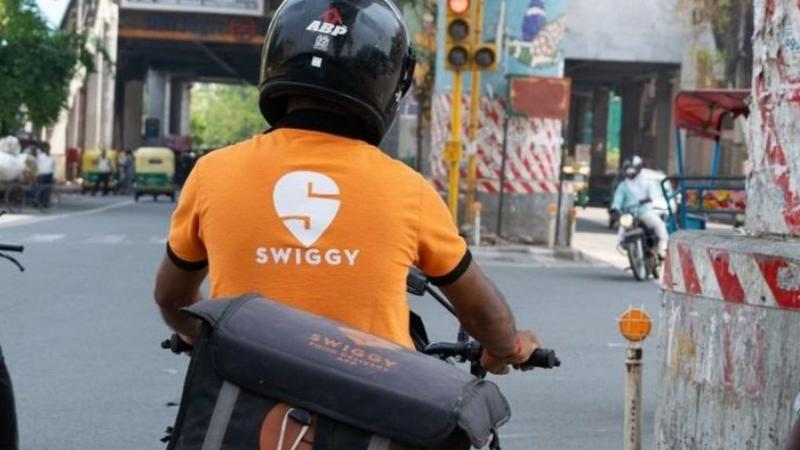
Swiggy Faces Tax Troubles with Rs 165 Crore Demand for FY 2021-22
Swiggy, the popular online food and grocery delivery platform, is facing new tax troubles with a total tax demand of over Rs 165 crore for the financial year 2021-22. The first of the two orders was issued by the Profession Tax Officer in Pune, Maharashtra, demanding Rs 7.59 crore. This order alleges that Swiggy failed to properly deduct profession tax from its employees' salaries, which is required under the Maharashtra State Tax on Professions, Trades, Callings & Employments Act, 1975.
Swiggy Faces Tax Troubles with Rs 165 Crore Demand for FY 2021-22
Swiggy, the popular online food and grocery delivery platform, is facing new tax troubles with a total tax demand of over Rs 165 crore for the financial year 2021-22. The first of the two orders was issued by the Profession Tax Officer in Pune, Maharashtra, demanding Rs 7.59 crore. This order alleges that Swiggy failed to properly deduct profession tax from its employees' salaries, which is required under the Maharashtra State Tax on Professions, Trades, Callings & Employments Act, 1975.
Volkswagen Faces $1.4 Billion Tax Demand in India as Government Stands Firm
Volkswagen is currently facing a major legal challenge in India after the Indian government refused to cancel a $1.4 billion tax bill imposed on the carmaker. The government argued in the Bombay High Court that overturning the tax demand would set a dangerous precedent, warning that such a move could have catastrophic consequences. Officials claimed that doing so might encourage other companies to withhold critical information and deliberately delay tax inquiries, ultimately exploiting legal
Volkswagen Faces $1.4 Billion Tax Demand in India as Government Stands Firm
Volkswagen is currently facing a major legal challenge in India after the Indian government refused to cancel a $1.4 billion tax bill imposed on the carmaker. The government argued in the Bombay High Court that overturning the tax demand would set a dangerous precedent, warning that such a move could have catastrophic consequences. Officials claimed that doing so might encourage other companies to withhold critical information and deliberately delay tax inquiries, ultimately exploiting legal


